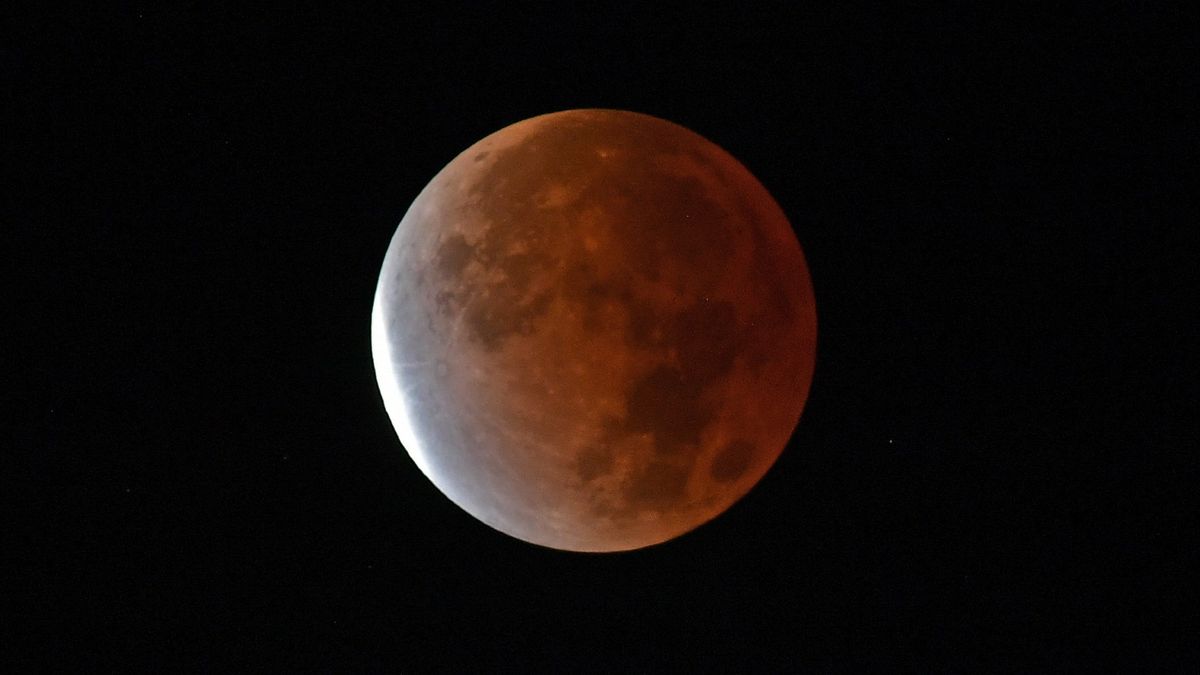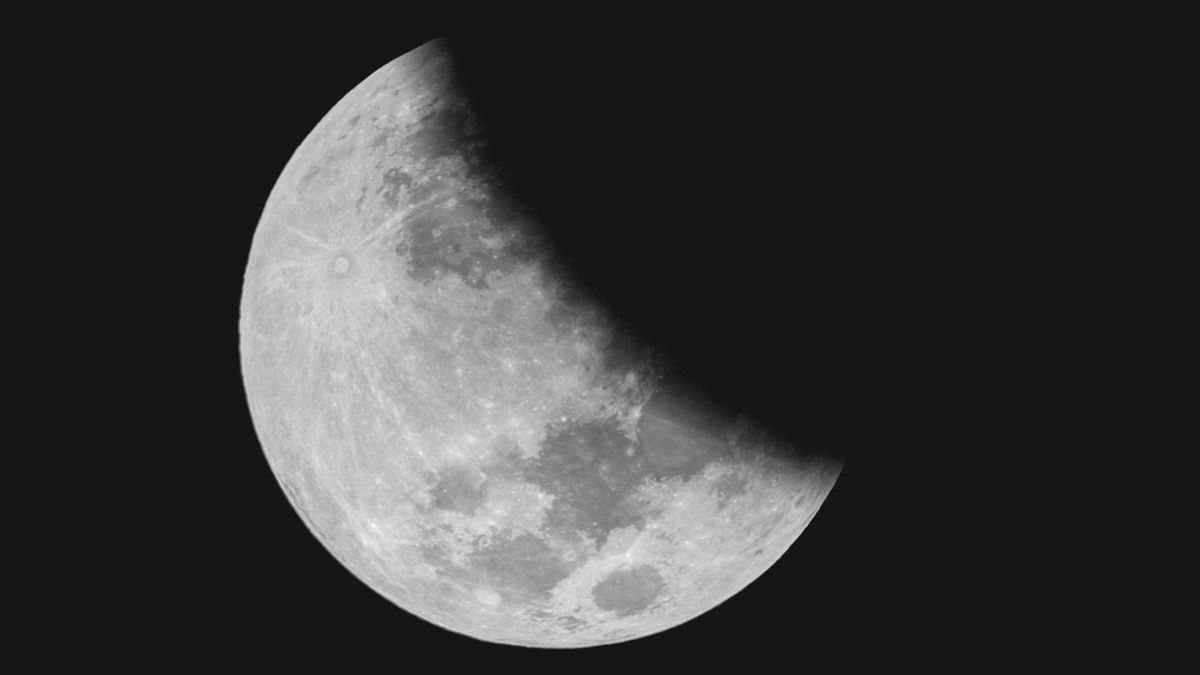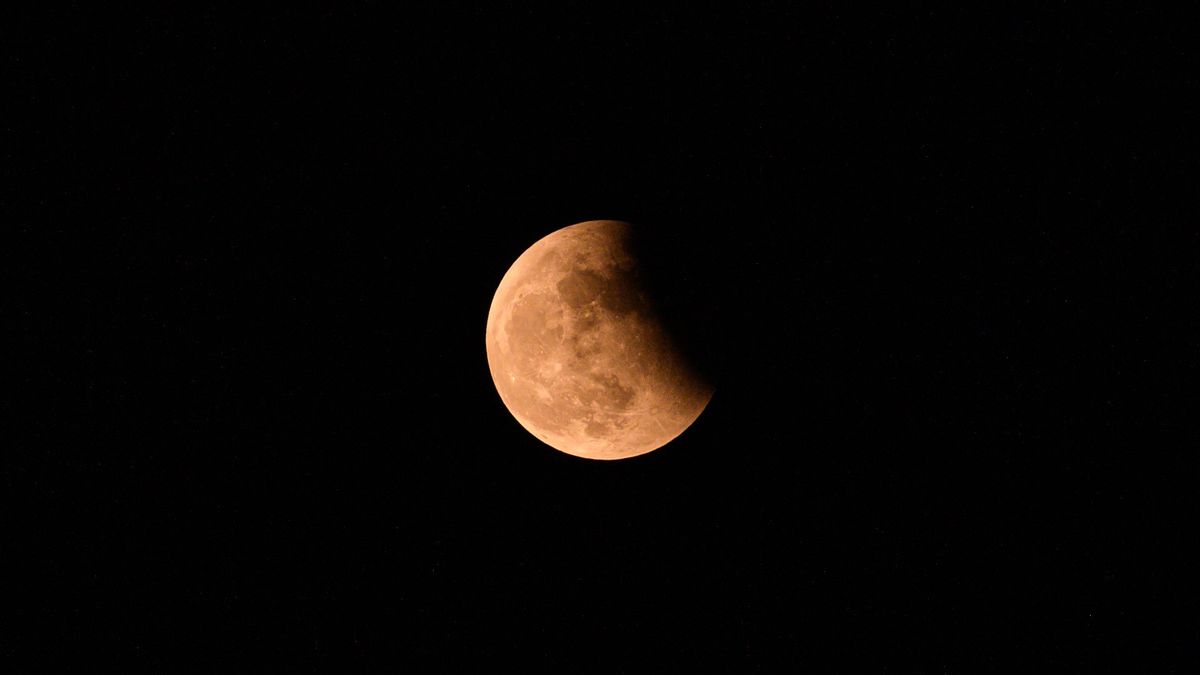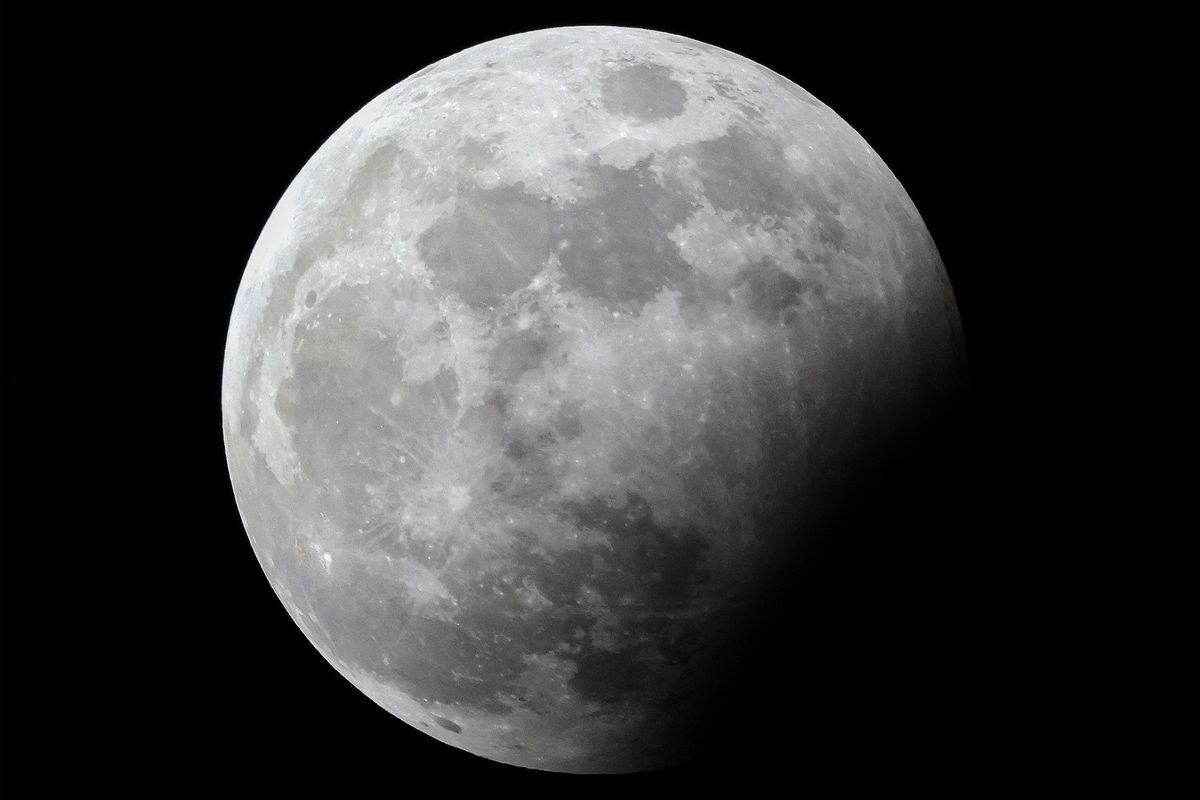
The last lunar eclipse of 2023, a partial lunar eclipse, occurred during October's Full Hunter's Moon, providing an early Halloween treat for stargazers across the Eastern Hemisphere. The eclipse was visible from countries across Europe, Asia, Africa, and parts of Australia, with some observers in select states in the U.S. also able to catch the end stages. Livestream webcasts allowed viewers worldwide to witness the event, capturing stunning images of the moon passing through Earth's shadow. The next lunar eclipse will occur on March 24, 2024, followed by a total solar eclipse on April 8, 2024.
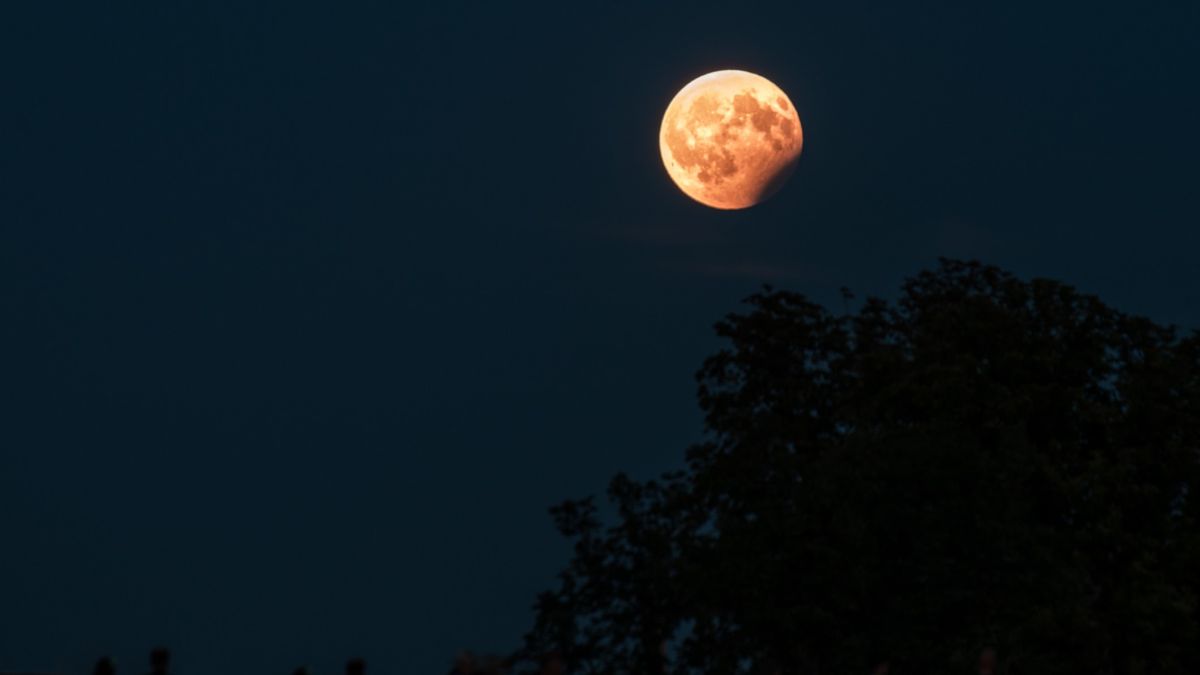
The full Hunter's Moon will coincide with a partial lunar eclipse, providing a spooky spectacle for skywatchers in Africa, Europe, Asia, and parts of Western Australia. The eclipse will begin at 2:01 p.m. EDT on Oct. 28, and the Hunter's Moon will rise around 5:19 p.m. local time in New York City. The moon will appear as if a bite has been taken out of it. Bright Jupiter will also be visible near the moon. The Hunter's Moon marks the start of a new lunar cycle, and it has various names associated with hunting and autumn in different cultures.
A partial lunar eclipse will occur on October 28, two weeks after the annular solar eclipse. The eclipse will be visible in the Earth's Eastern Hemisphere, with Canada and New England having a brief glimpse. The moon will enter the penumbra, the faint outer part of the Earth's shadow, and then the umbra, the darker inner part. The partial eclipse will last for 77 minutes, with the umbra covering only about 1/20 of the moon's area. The next lunar eclipse will be a penumbral event in March 2023, followed by a total lunar eclipse in March 2025.
The Full Hunter's Moon on October 28 will experience a partial lunar eclipse, visible from Africa, Europe, Asia, and parts of Western Australia. The eclipse will begin at 2:01 p.m. EDT and peak around 4:14 p.m. EDT. Livestreams will be available for those unable to witness the eclipse in person.
A partial lunar eclipse will occur on October 28, visible from much of the Eastern Hemisphere. Livestreams will be available for those unable to watch in person, including on Space.com, Timeanddate.com, and the Virtual Telescope Project's YouTube channel. The eclipse will begin at 1801 GMT and peak at 2014 GMT, with the moon fully emerging from Earth's shadow at 2226 GMT. Guides for viewing and photographing the moon are also provided.