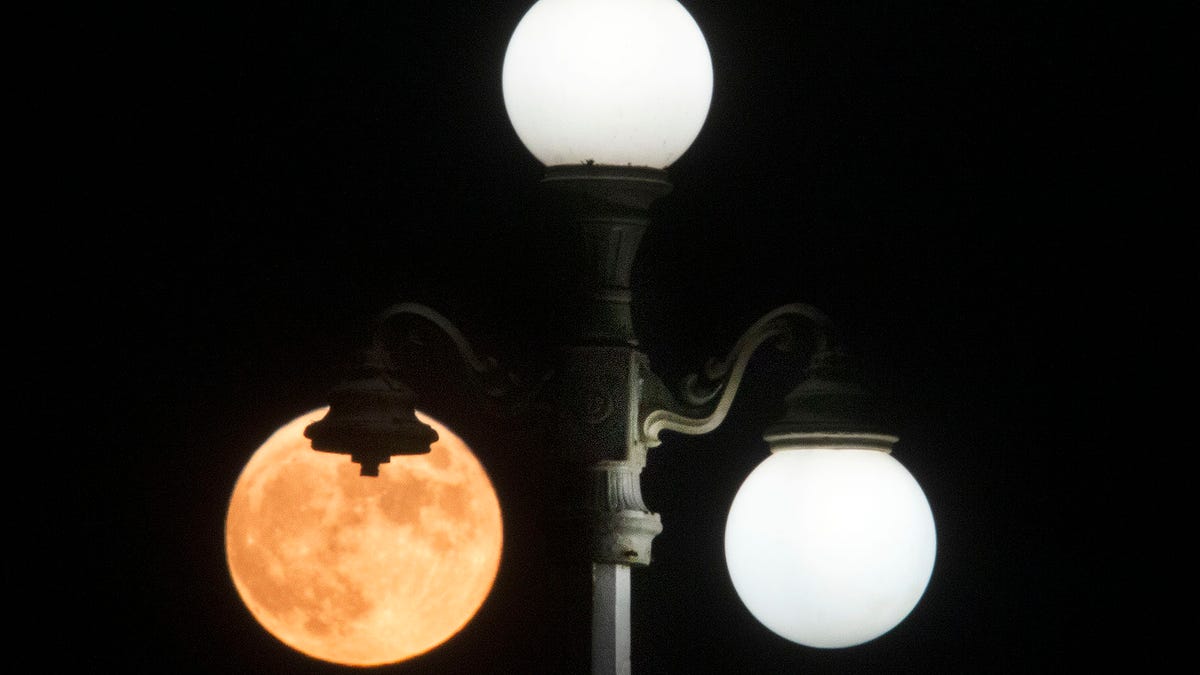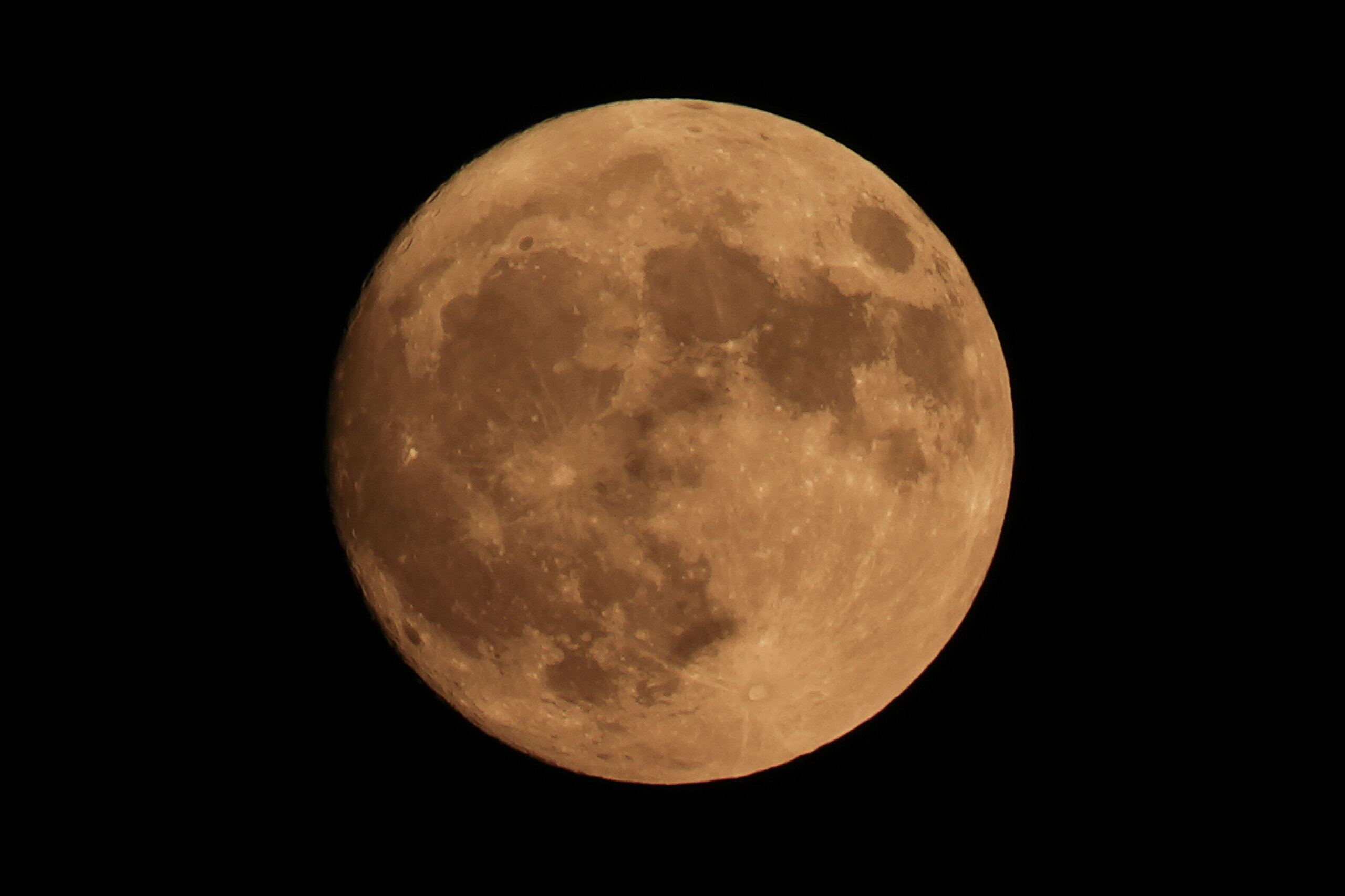
The article discusses the upcoming full hunter’s supermoon on Wednesday, which will be the closest and brightest moon of 2025, offering a spectacular viewing opportunity if the skies are clear, and provides tips for observing and photographing the event.
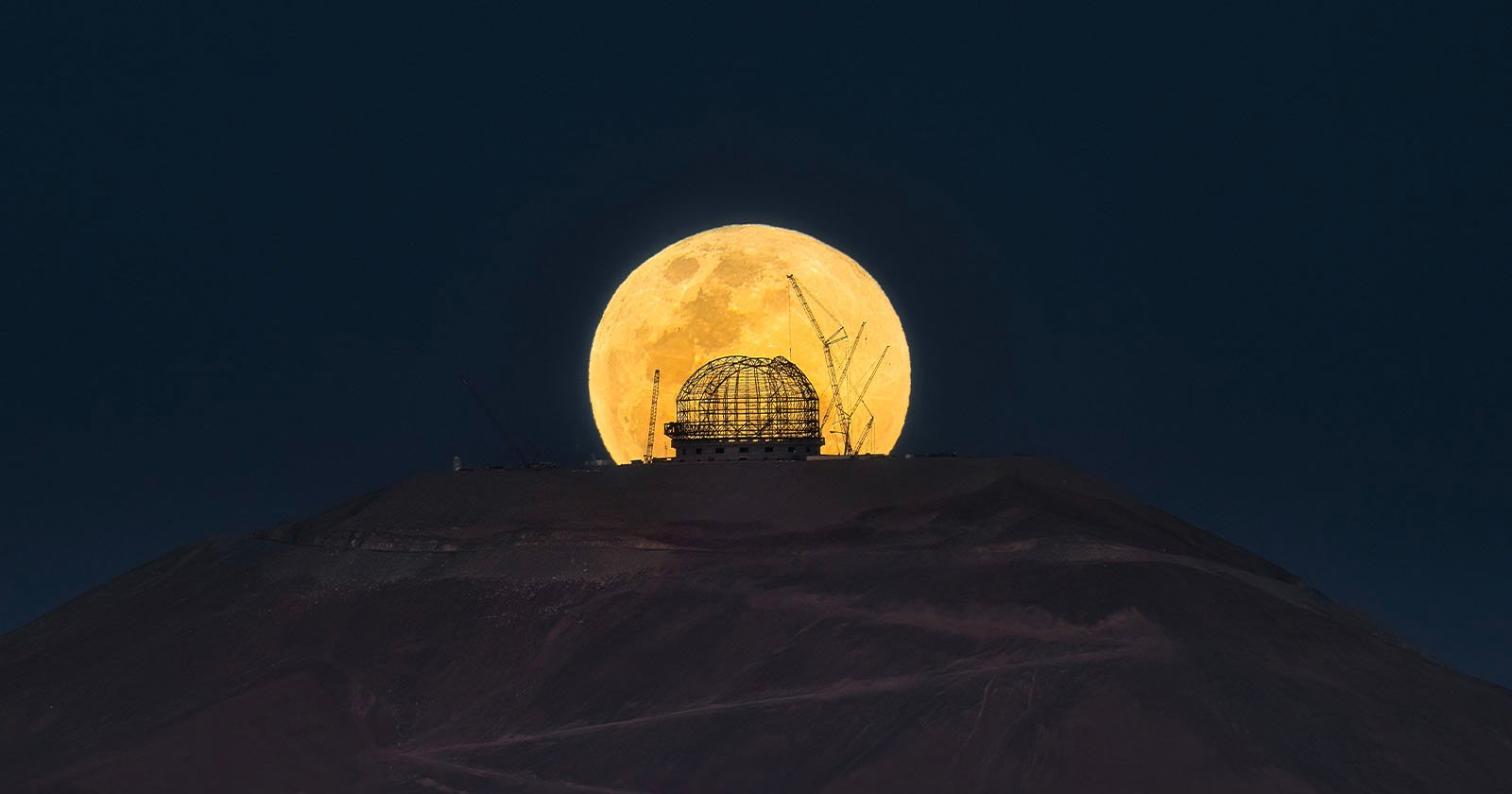
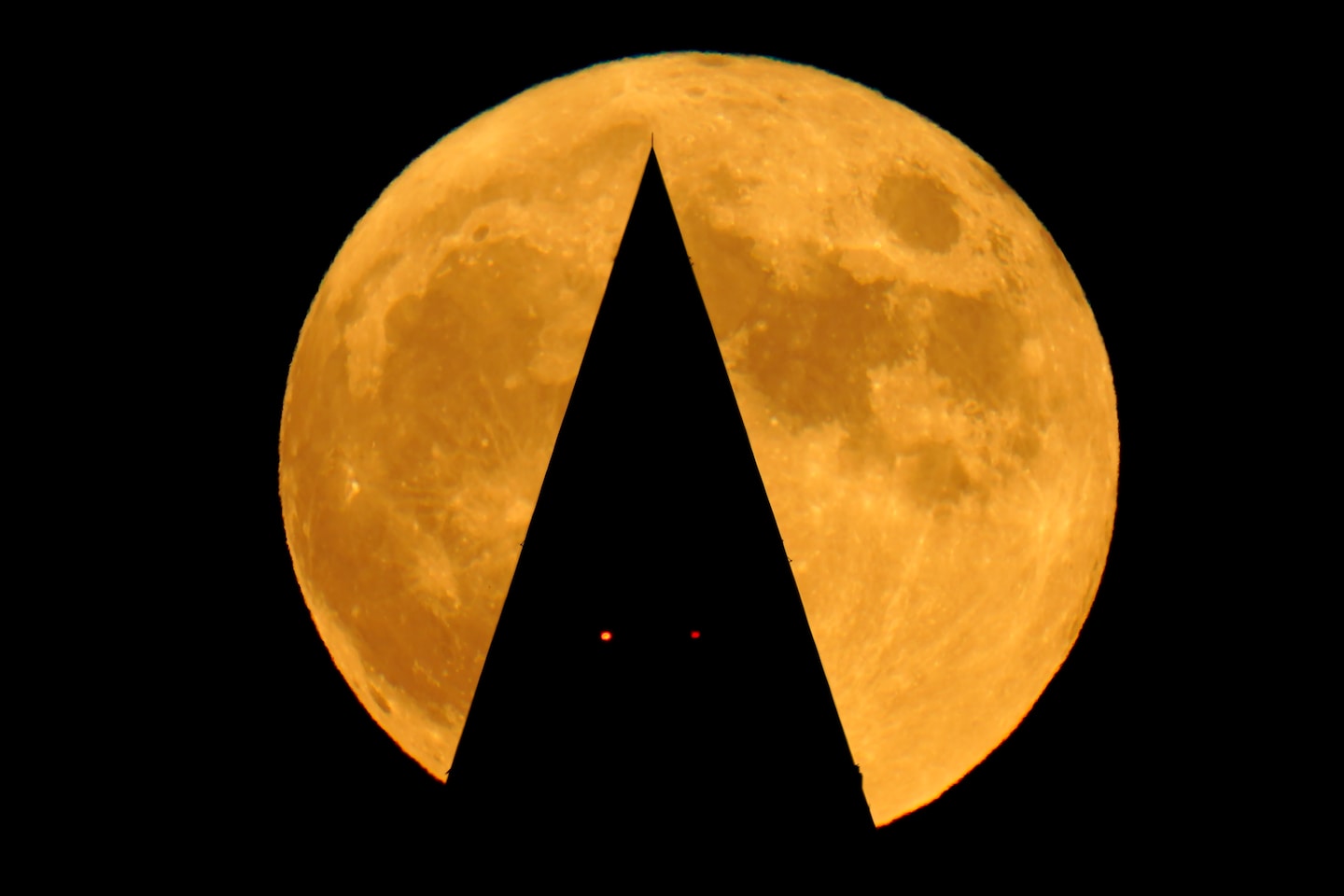
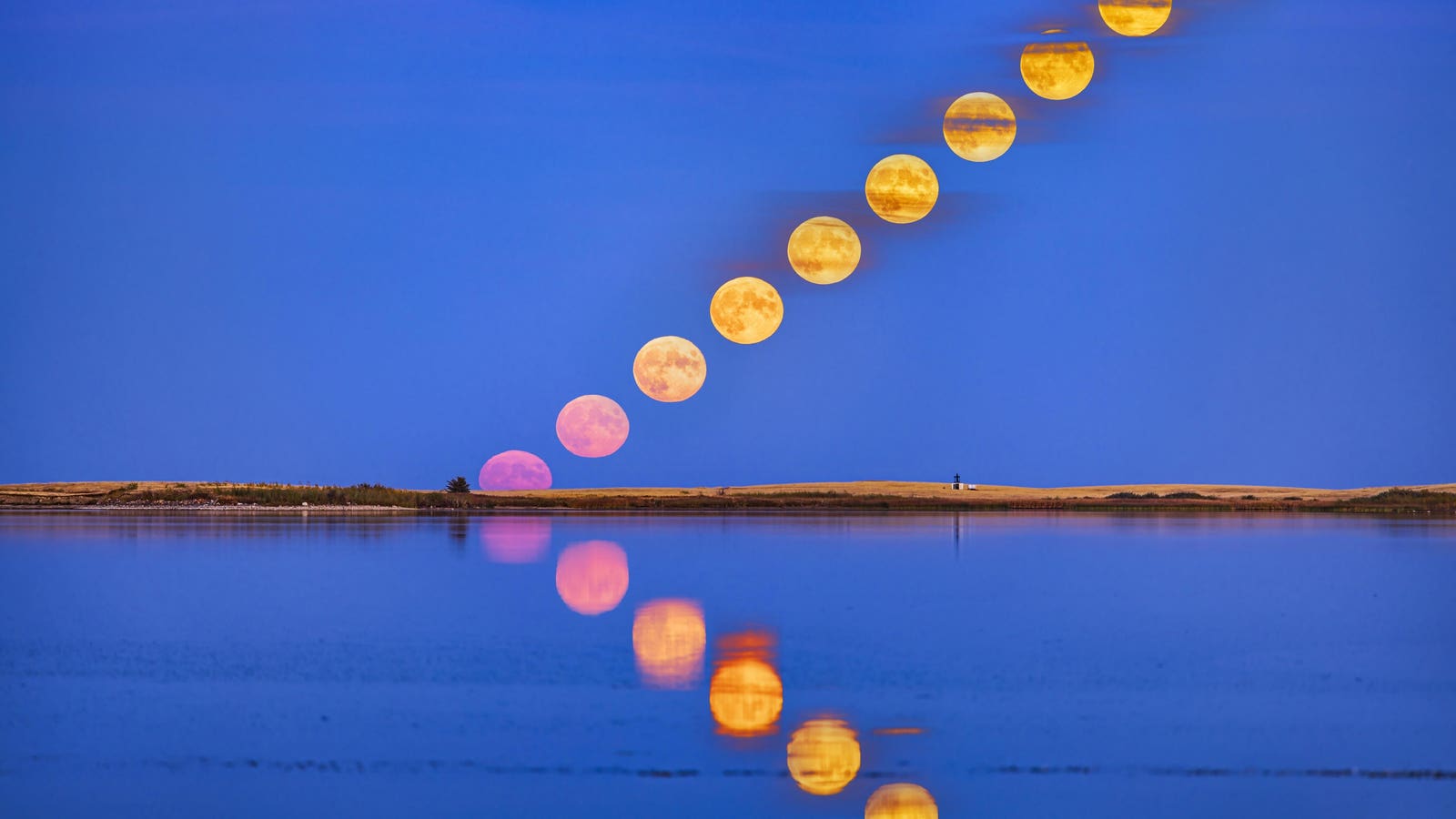
The European Southern Observatory's Extremely Large Telescope (ELT) captured a stunning photo of the full Hunter's Moon rising behind it. The photo was taken on October 28 at the construction site of the ELT in Chile. The Moon appears larger due to an optical effect when it is close to the horizon. The ELT, set to be completed in 2028, will be the world's largest visible and infrared-light telescope, featuring five mirrors and weighing 6,100 tonnes.
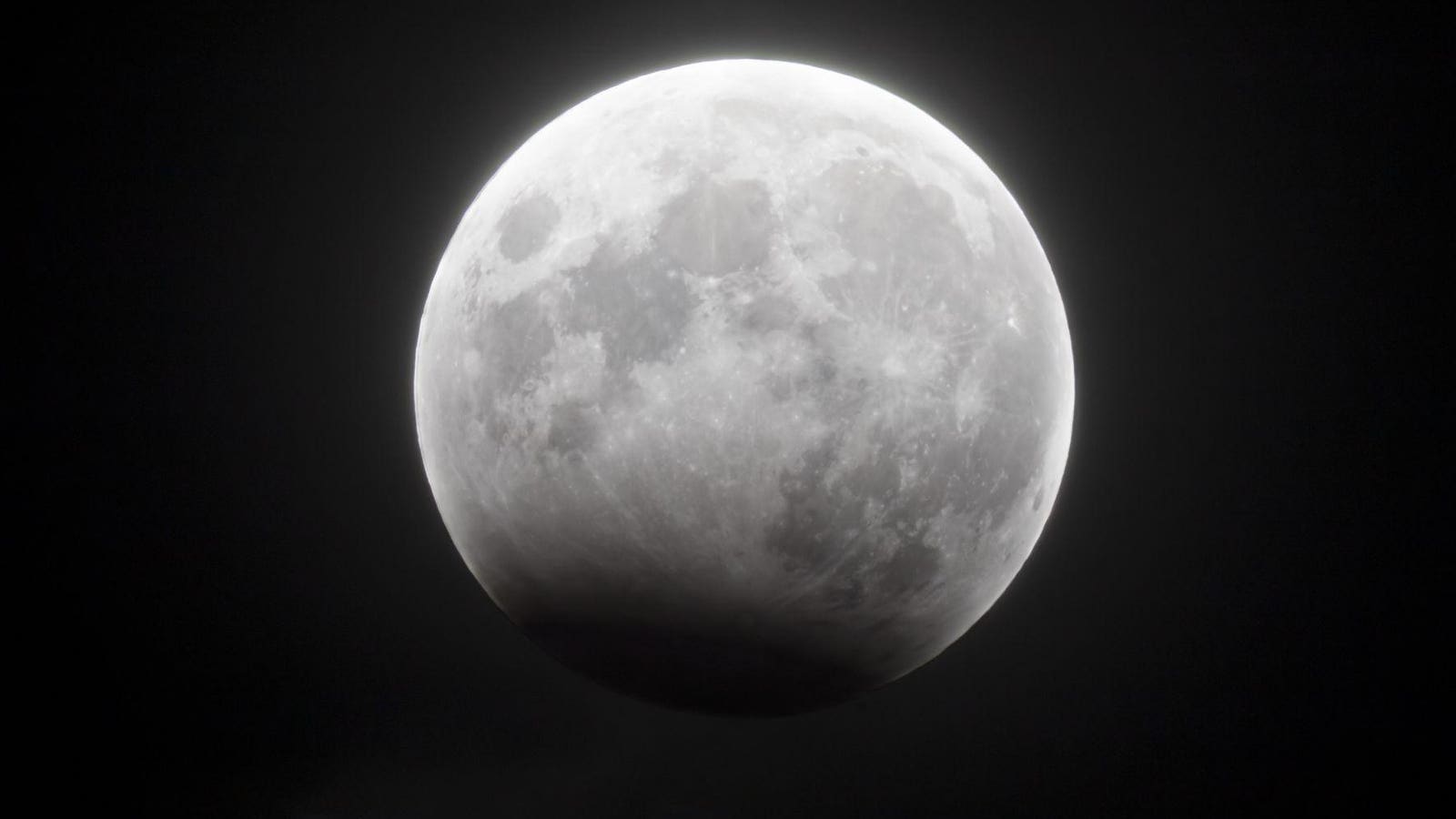
The Hunter's Moon, October's full moon, was visible across the world, with a partial lunar eclipse best seen in Europe, Africa, and Asia. The eclipse resulted in a small bite being taken out of the moon, with Jupiter visible nearby. The next penumbral lunar eclipse is set to occur in March 2024, followed by the full "Beaver Moon" in November 2023.
This weekend, sky watchers will be treated to the hunter's moon, also known as the falling leaves moon, which will be visible on Saturday. Some lucky viewers in Africa, Europe, Asia, and Australia will also get to witness a subtle partial lunar eclipse. The hunter's moon is named after the seasonal activity of Indigenous groups stocking up on food for winter, and it is characterized by early evening moonrises. In addition to the moon, Jupiter will be visible in the sky, hanging just south of the moon. The moon will rise at different times depending on the location, and the best times to see it can be found in the article.
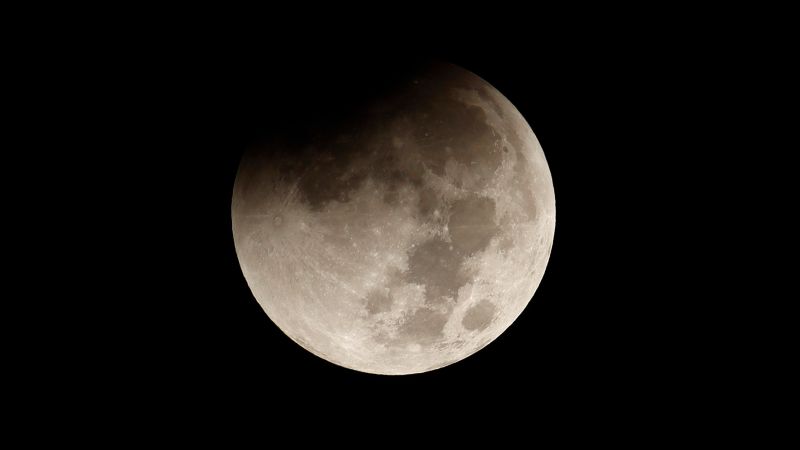
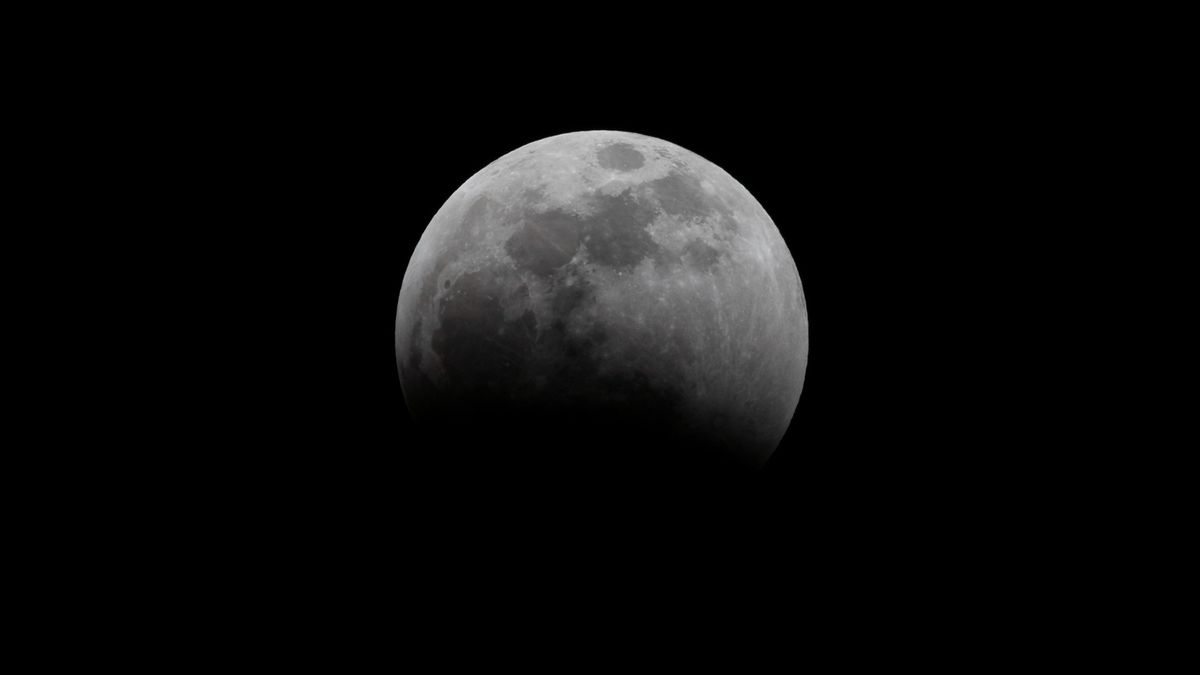
A partial lunar eclipse will be visible on Saturday across Europe, Africa, most of Asia, and western Australia, with the moon appearing to have a bite taken out of it. The eclipse will be accompanied by a penumbral eclipse, causing the moon to dim slightly. Unlike a total lunar eclipse, the moon will not turn red. The upcoming eclipse coincides with October's full moon, known as the hunter's moon. Lunar eclipses occur when the moon is completely full and aligned with the sun and Earth. This will be the last eclipse of 2023, but there are other celestial events to look forward to, including meteor showers and upcoming full moons.
A partial lunar eclipse will occur during October's full moon, the Hunter's Moon, on October 28-29. The eclipse will be visible in full from Europe, including Russia, Italy, Germany, and the UK, as well as African countries like South Africa, Egypt, and Algeria. Skywatchers in New York and other U.S. states will only see the penumbral stage of the eclipse. The eclipse will begin with the moon moving into the penumbra, followed by the umbra covering a large part of the moon, and ending with the moon moving out of the penumbra. The eclipse can be watched live online.
This week, the night sky offers several celestial events to observe. On October 23, a waxing gibbous moon will be visible near Saturn. On October 28, a partial lunar eclipse, known as the Hunter's Moon Eclipse, will occur, with the best views from Europe and Africa. Additionally, Jupiter will be located close to the full moon on this night. The article also highlights the moon's libration, which causes it to reveal about 59% of its surface over the course of a year. Lastly, the Andromeda Galaxy, located around 2.5 million light-years away, is recommended as an object to observe with binoculars.
October offers several exciting skywatching events, including the annual Orionids meteor shower, a rare "ring of fire" solar eclipse, the full Hunter's Moon, and dazzling displays with bright planets Jupiter, Venus, and Saturn. Highlights include Venus, Regulus, and a crescent moon on October 10, the "ring of fire" eclipse on October 14, the peak of the Orionids meteor shower on October 20-21, the moon's close proximity to Saturn on October 23-24, and the full Hunter's Moon rising with Jupiter on October 28.
The United States will experience a solar eclipse on October 14th, 2023, with the "path of totality" passing through South and Central America, Texas, Nevada, California, and Oregon. Europeans will not be able to see this eclipse. Additionally, October will offer opportunities to spot shooting stars with several meteor showers reaching their peak, including the Cameleopardalids, Draconids, Southern Taurids, ε-Geminids, Orionids, and Leonus Minorids.
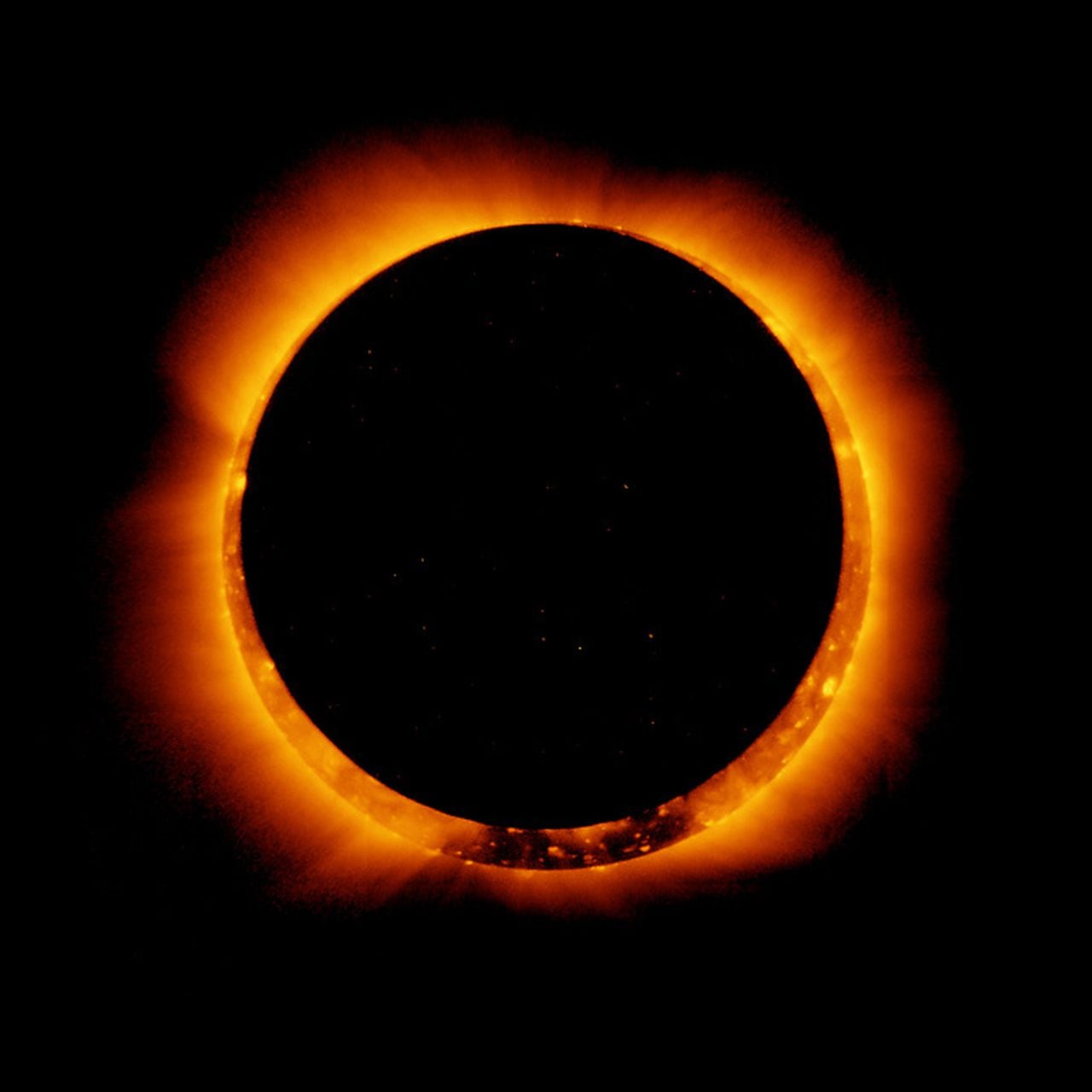
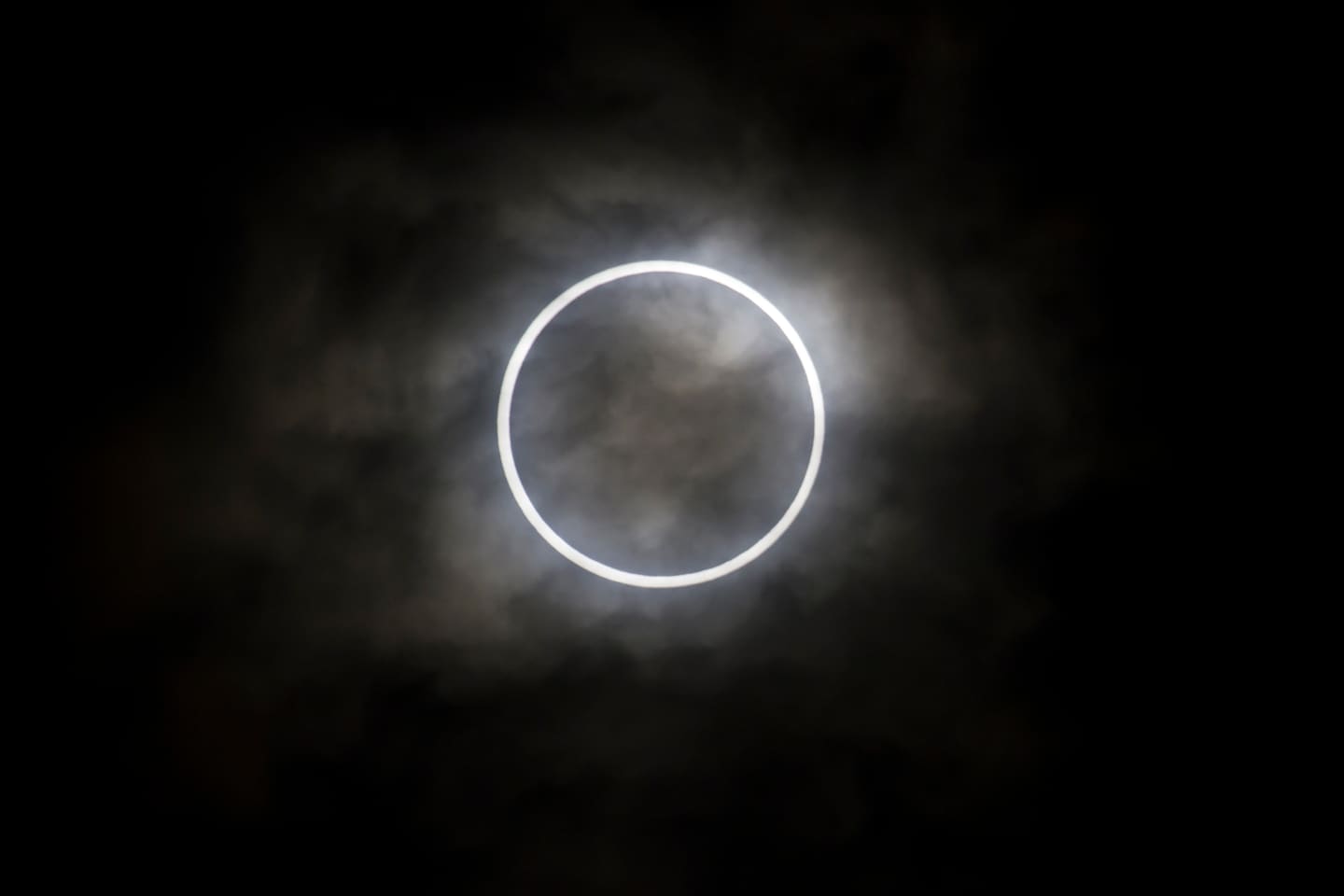
October offers several celestial events, including a "ring of fire" solar eclipse on October 14th, where the moon will pass in front of the sun, leaving behind a brilliant ring of unfiltered sunlight. The hunter's moon, occurring two weeks later, provides clear skies for stargazers. The month also brings the opportunity to observe constellations from Greek mythology, such as Cassiopeia, Perseus, and Pegasus. Additionally, Saturn and Jupiter can be seen in the night sky, while Venus shines brightly in the morning. Various sky-watching gatherings are scheduled throughout the month for enthusiasts to observe these cosmic delights.
The Hunter's Moon, the October 2023 full moon, is set to appear on October 28. Named for its historical significance, this full moon was traditionally used by hunters to track game as they prepared for winter. The moon phases for October 2023 are: Last Quarter on Oct. 6, New Moon on Oct. 14, First Quarter on Oct. 22, and Full Moon on Oct. 28. There will not be a full moon on Halloween, but the moon will be approximately 90% illuminated. The next full moons after October are on Nov. 27 and Dec. 26.