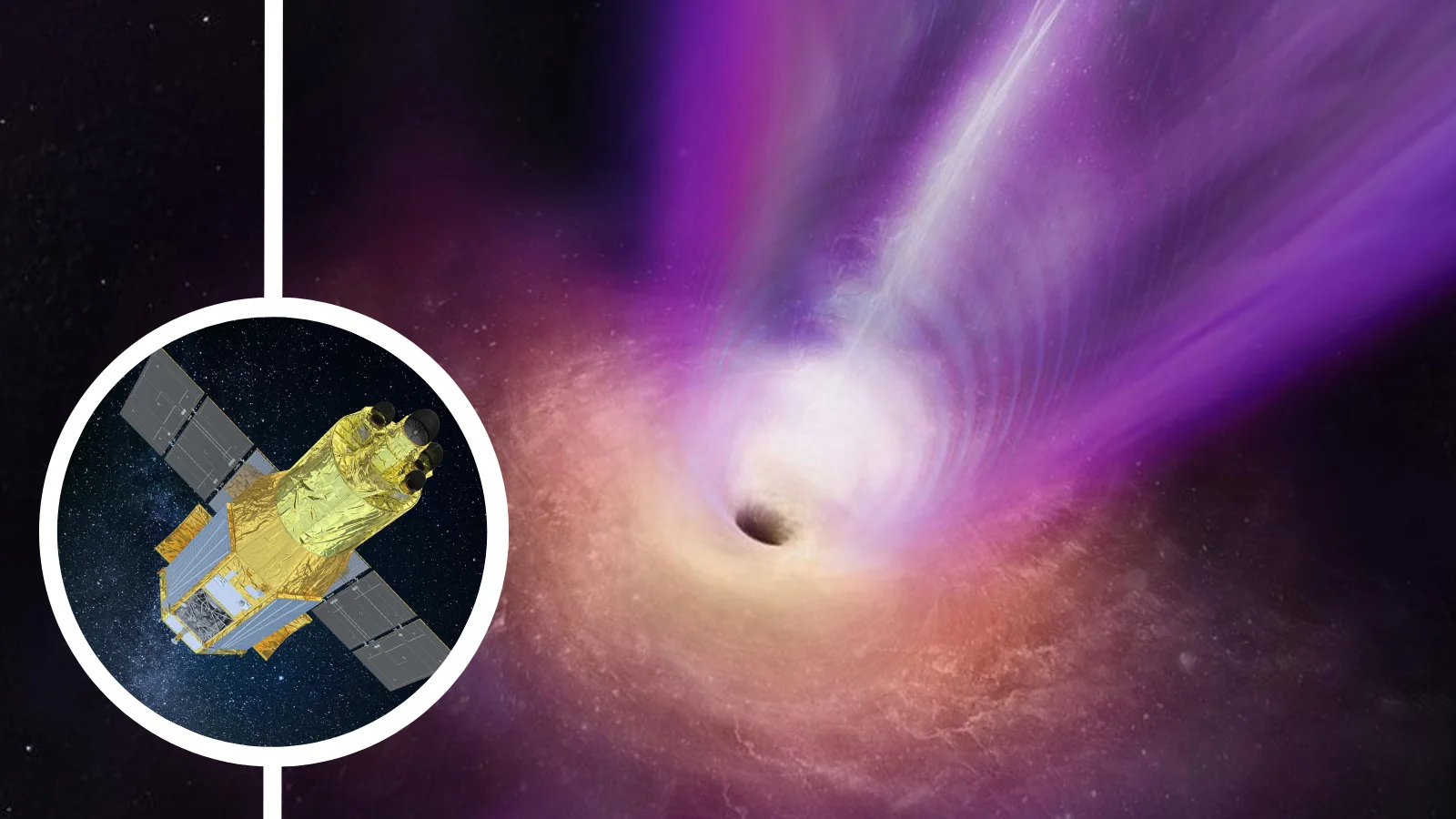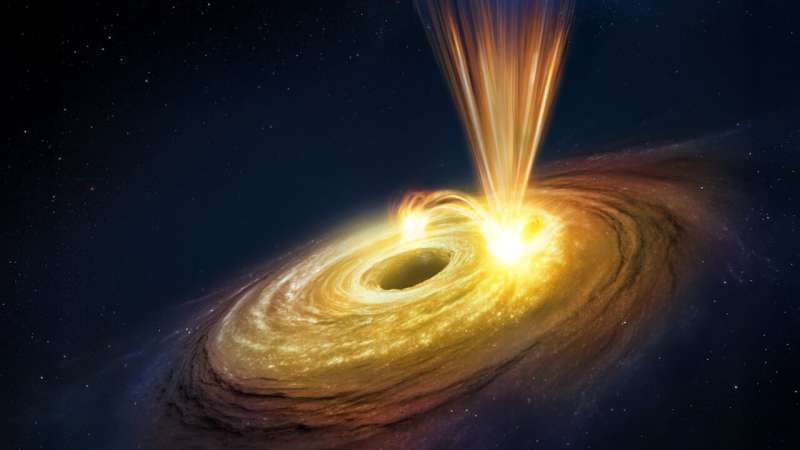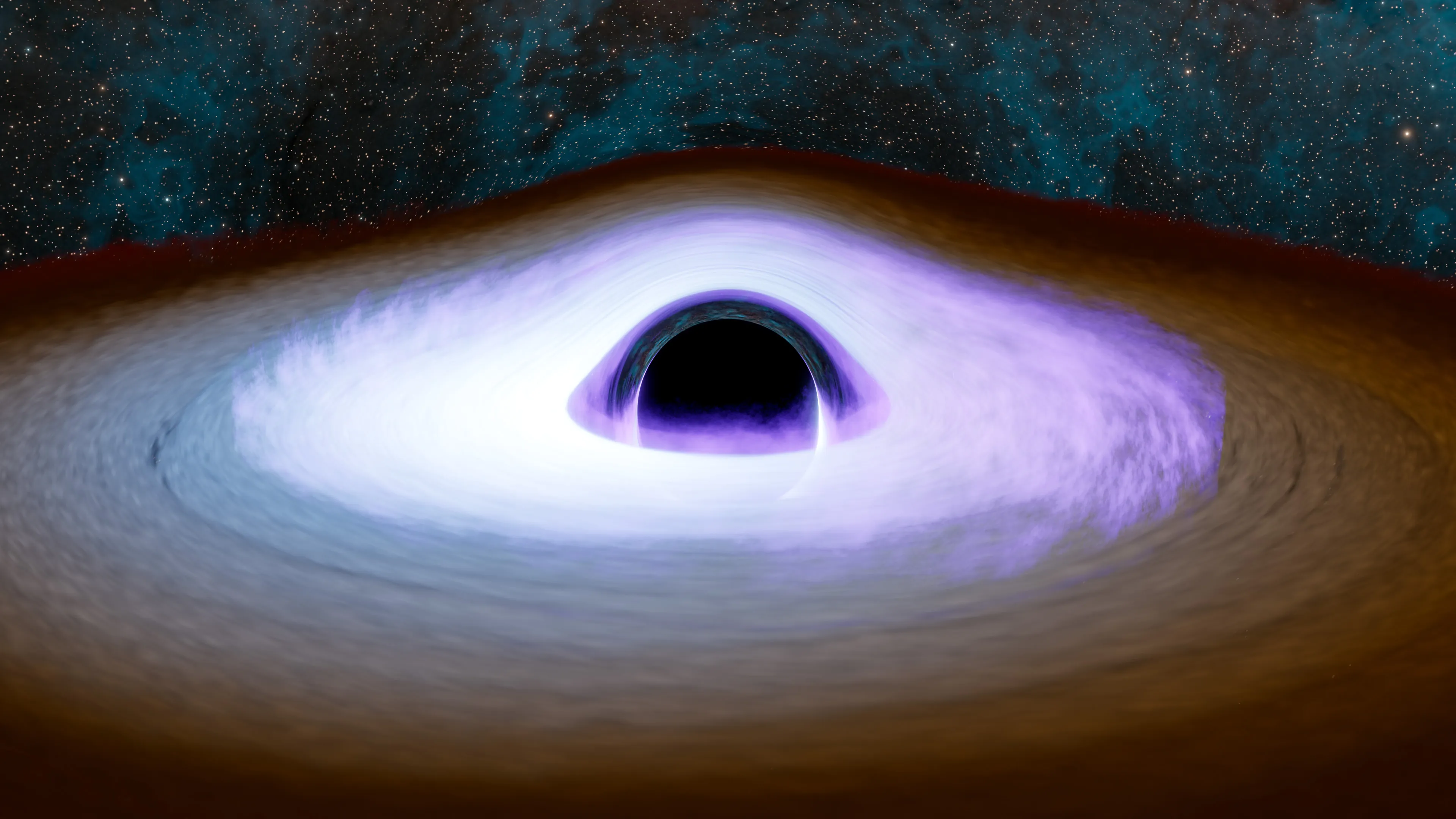
Using XRISM's high-resolution instruments alongside ESA's XMM-Newton and NASA's NuSTAR, scientists captured unprecedented details of a supermassive black hole in galaxy MCG–6-30-15, confirming relativistic effects near the event horizon, identifying multiple wind zones, and challenging previous models of distant reflection, thus advancing our understanding of black hole physics and galaxy growth.
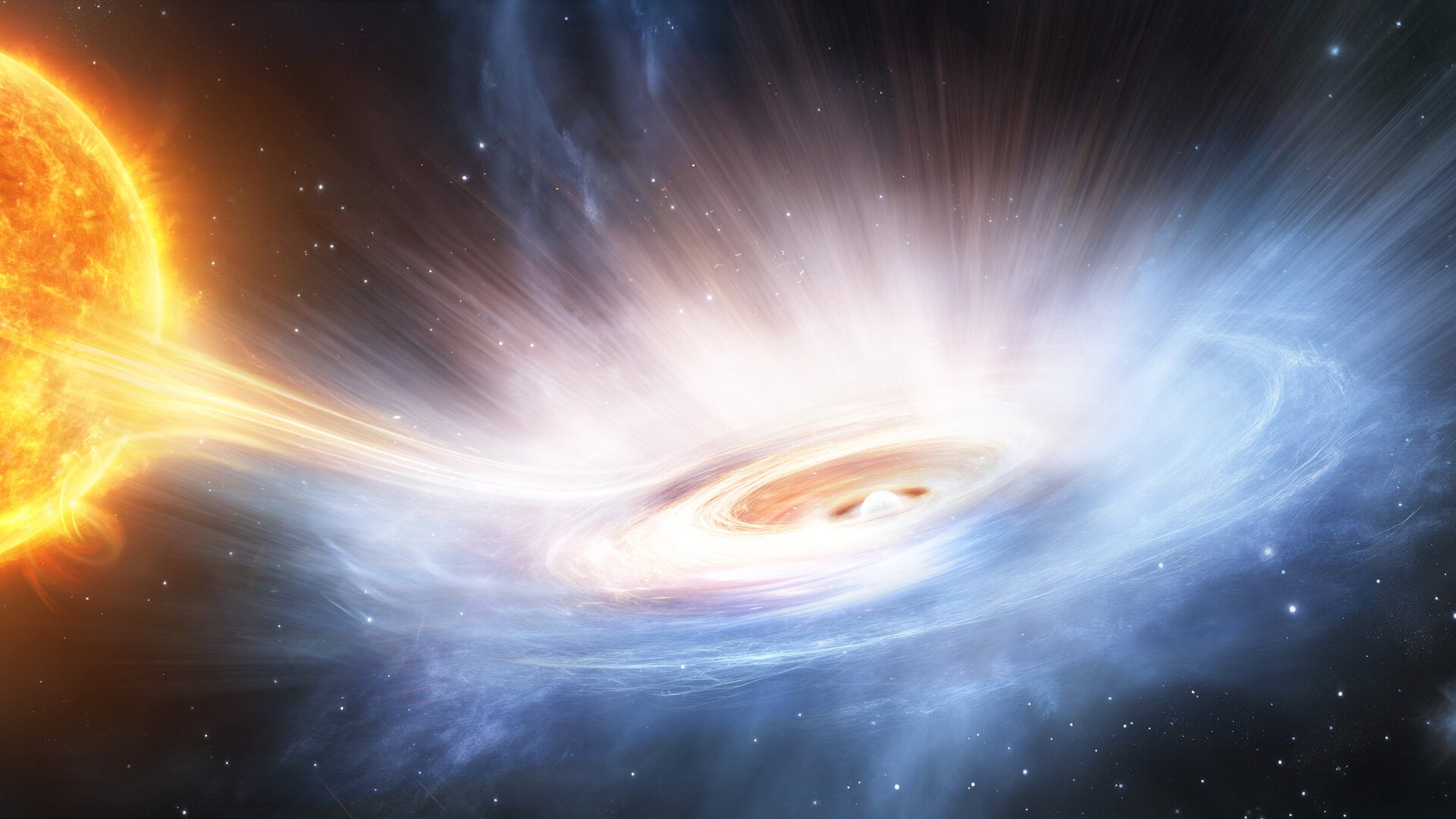
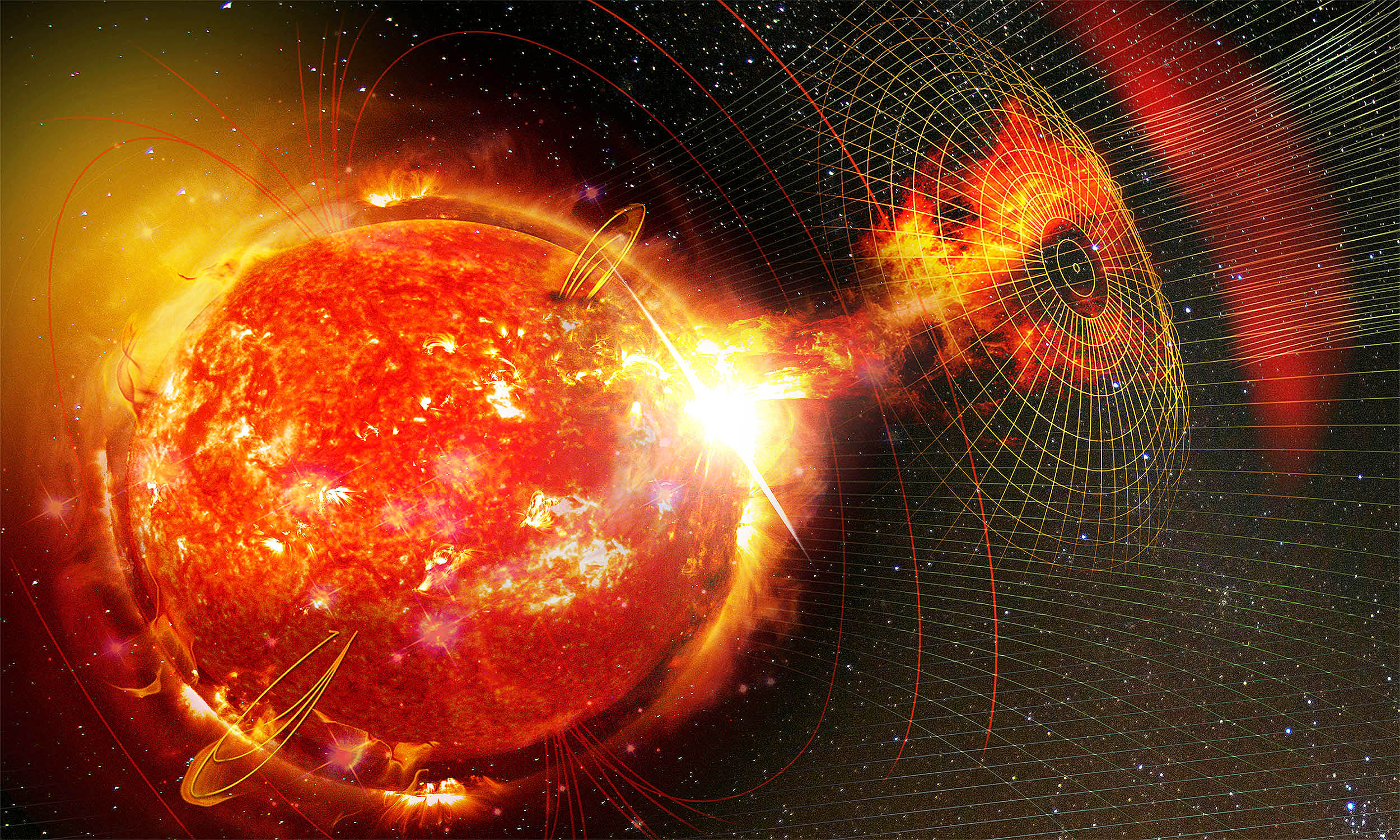
Scientists observed a supermassive black hole in galaxy NGC 3783 eject matter at a record-breaking speed of 60,000 km/sec, using X-ray satellites. This rapid wind formation, triggered by a burst of X-ray light, resembles solar eruptions but on a vastly larger scale, providing new insights into black hole behavior.
Scientists using eROSITA data have discovered narrow, tunnel-like plasma structures within the Local Hot Bubble, potentially shaped by ancient supernova explosions, which may connect our solar system to distant regions of the galaxy and support models of interconnected superbubbles in the Milky Way.
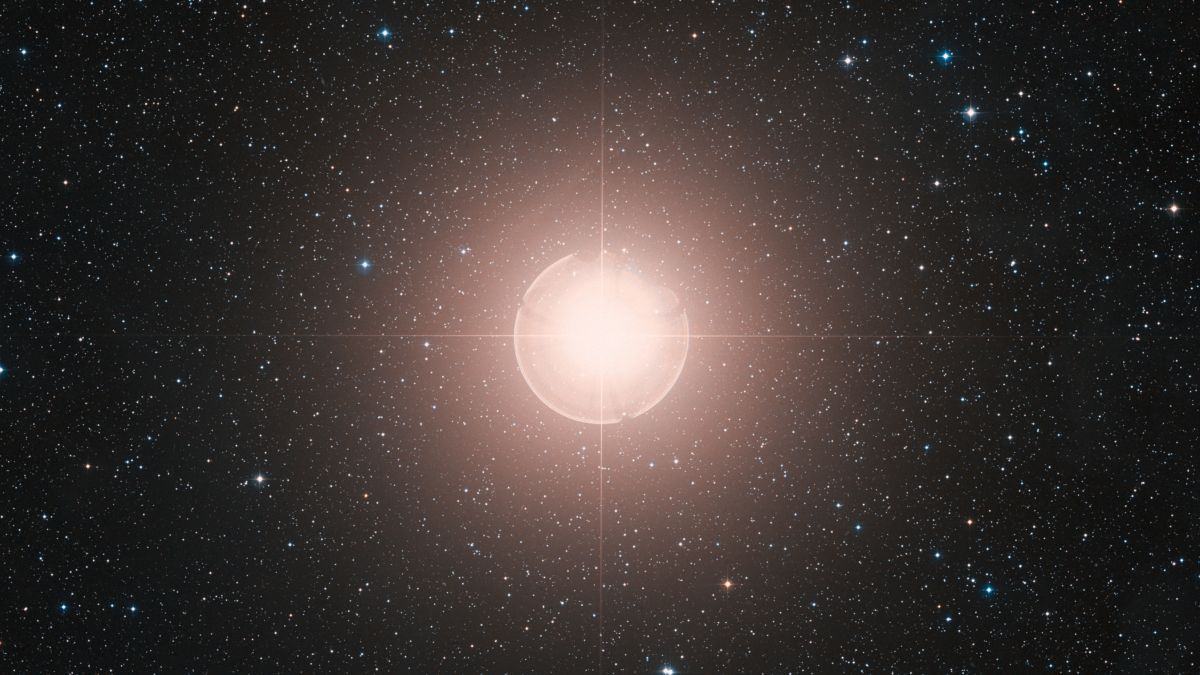
Astronomers using X-ray observations discovered that Betelgeuse's companion is likely a young Sun-like star rather than a white dwarf or neutron star, challenging previous expectations and offering new insights into stellar evolution and binary systems.
Astronomers using advanced X-ray technology have discovered a cosmic tunnel within the Local Hot Bubble that may connect our solar system to distant stars, challenging the idea of space as a vast emptiness and revealing a more interconnected universe.
The XRISM mission has discovered that the winds from a neutron star system are unexpectedly dense and slower than those from supermassive black holes, challenging current understanding of how such winds form and influence their environments. The findings suggest that differences in accretion disc temperature and size may explain the variations, providing new insights into cosmic feedback mechanisms and galaxy evolution.
Astronomers have discovered a cosmic 'interstellar tunnel' connecting our solar system to distant stars, revealed through X-ray observations that map hot, low-density plasma regions shaped by ancient supernovae, challenging previous notions of space as empty and suggesting a complex network of interstellar pathways.
NASA's IXPE has measured a higher-than-expected polarization degree in the black hole IGR J17091-3624, challenging existing theories about the matter near black holes and suggesting new models involving winds or fast outflows in the corona.,
Recent observations using the eROSITA telescope have revealed that the Local Hot Bubble surrounding our solar system is an irregular, dynamic structure shaped by multiple supernova explosions and possibly connected to other galactic features through interstellar tunnels, providing new insights into the active and interconnected nature of our galaxy's environment.
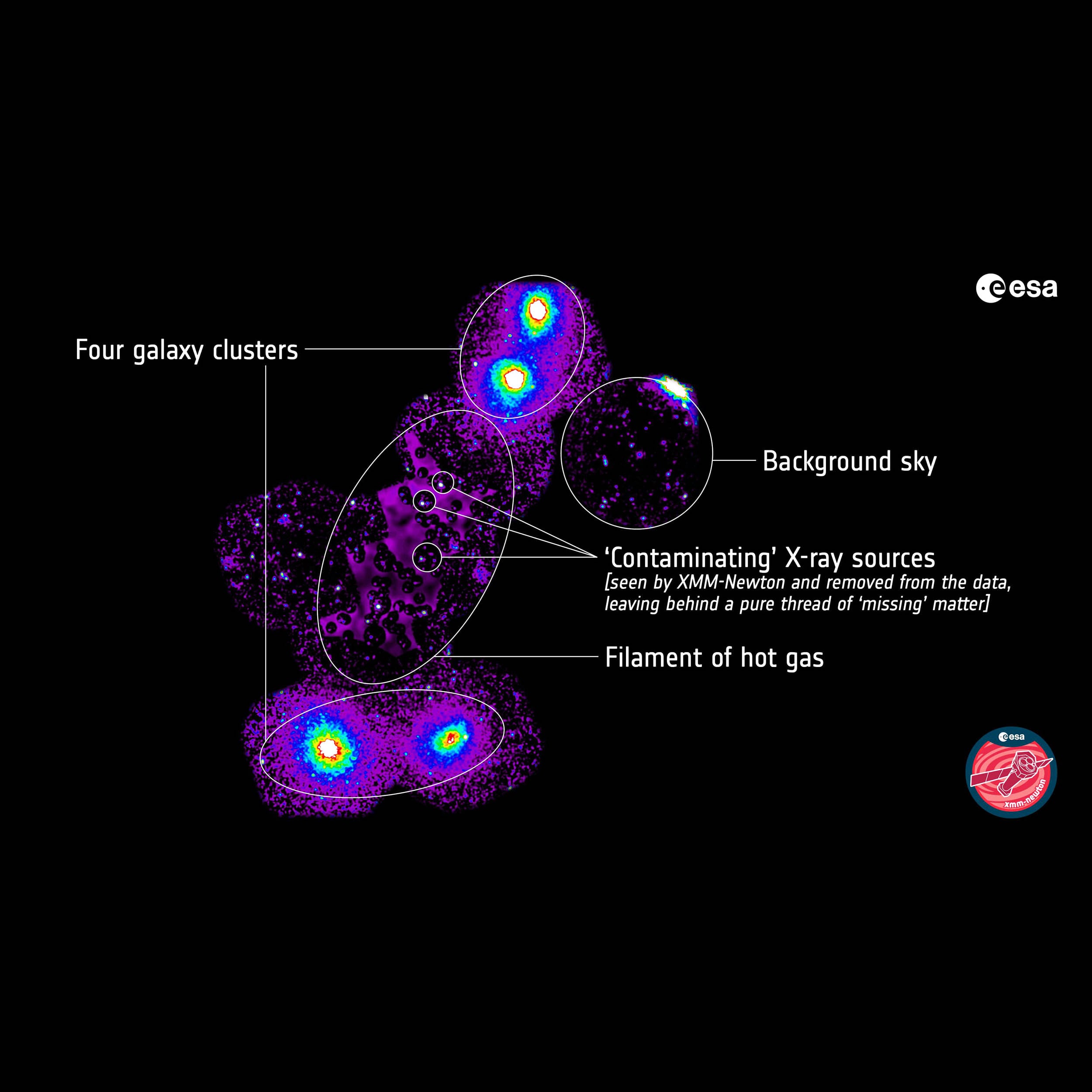
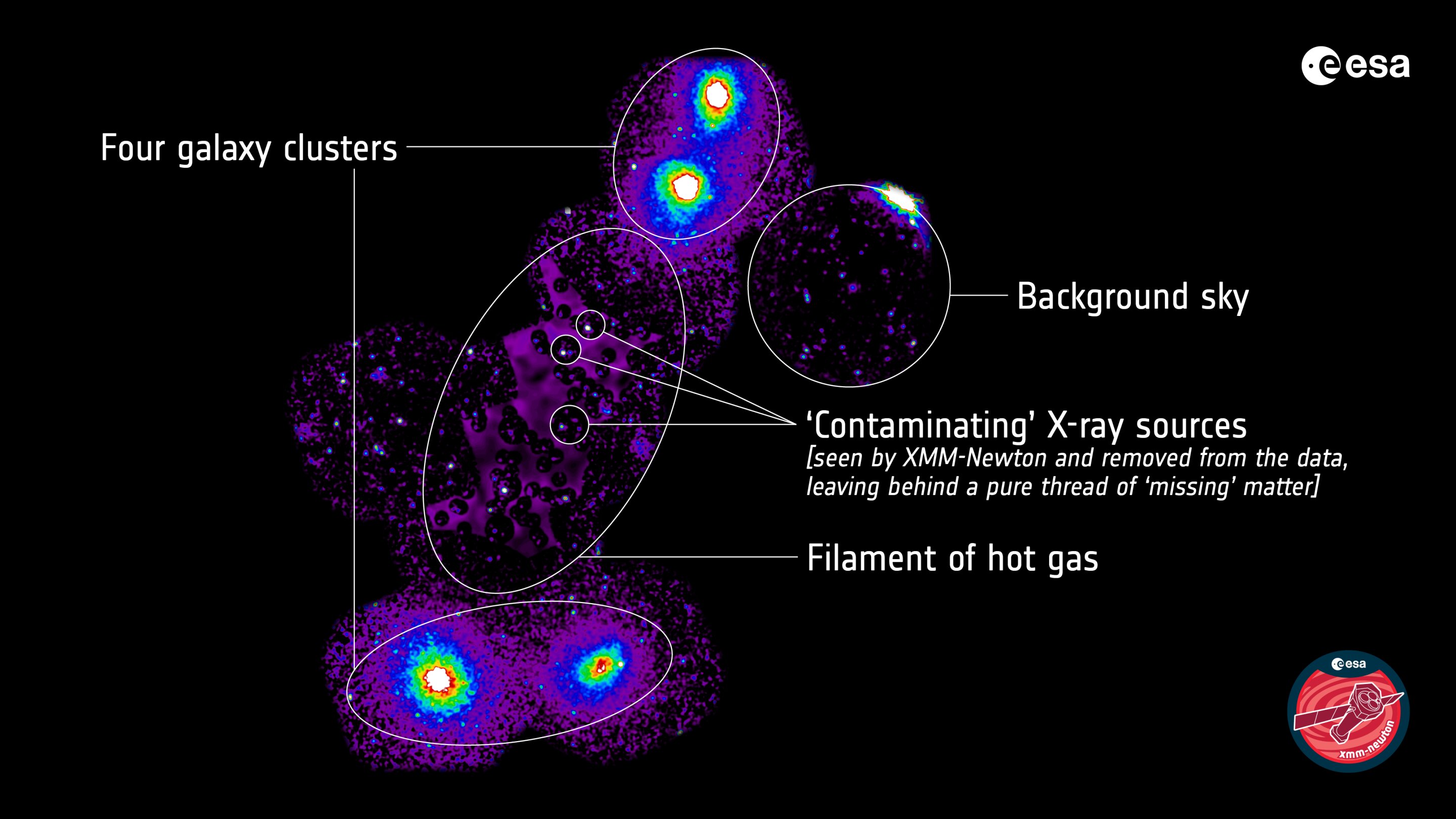
Scientists have identified a filament of hot, diffuse gas in the Shapley Supercluster that accounts for some of the universe's missing baryonic matter, aligning observations with cosmological models and helping to resolve the long-standing missing-baryon problem.
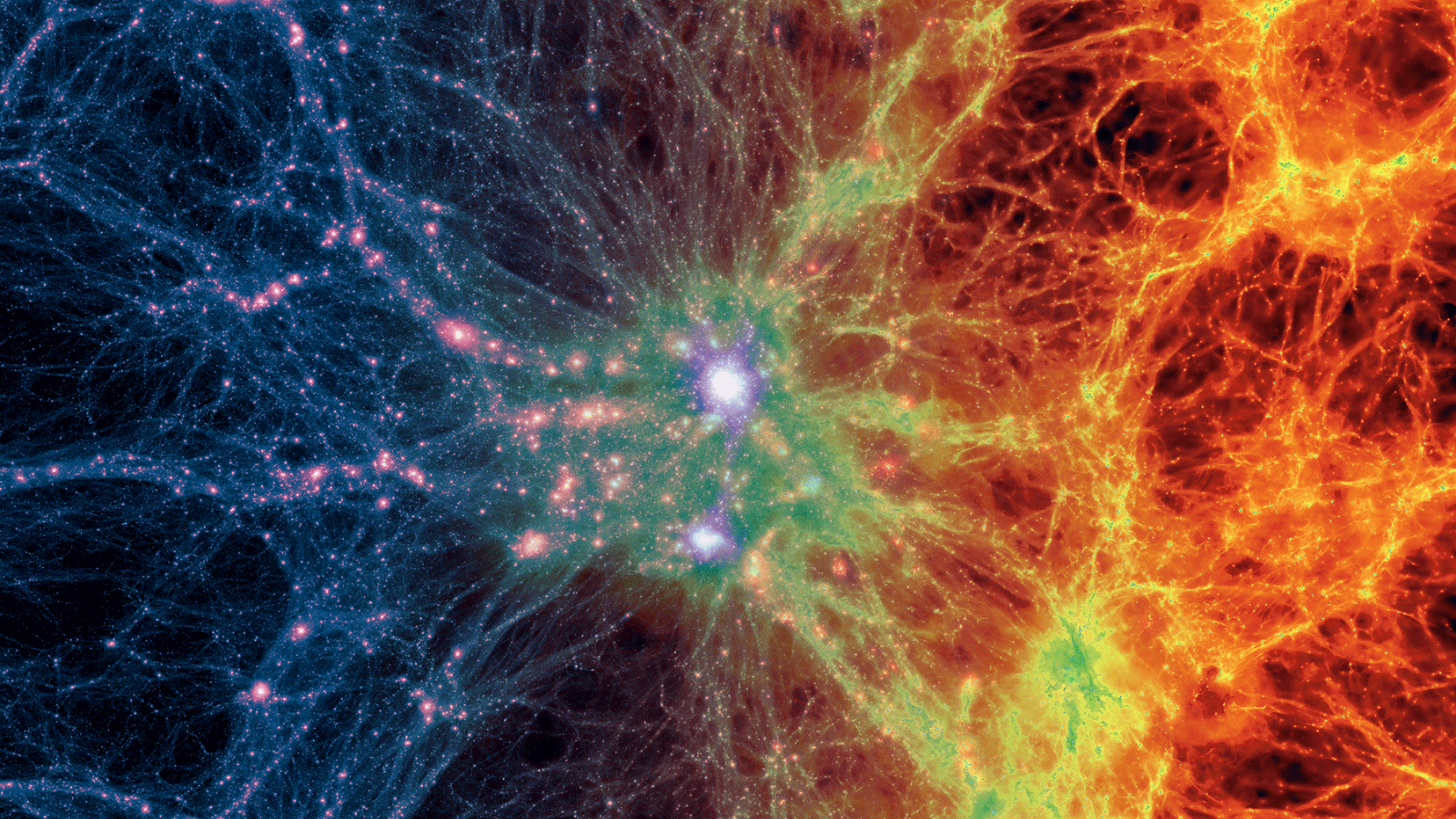
Astronomers have discovered a massive, hot gas filament linking four galaxy clusters, accounting for the universe's 'missing' baryonic matter and confirming predictions of the cosmic web structure, using X-ray data from XMM-Newton and Suzaku telescopes.
Astronomers using XMM-Newton and Suzaku telescopes discovered a massive filament of hot gas connecting four galaxy clusters, potentially containing some of the universe's 'missing' matter, and confirming predictions of the cosmic web structure.
New research indicates that supermassive black holes are more common than previously thought, with about 35% hidden by dust, which impacts our understanding of galaxy development and black hole growth, using infrared and X-ray data to uncover these obscured objects.
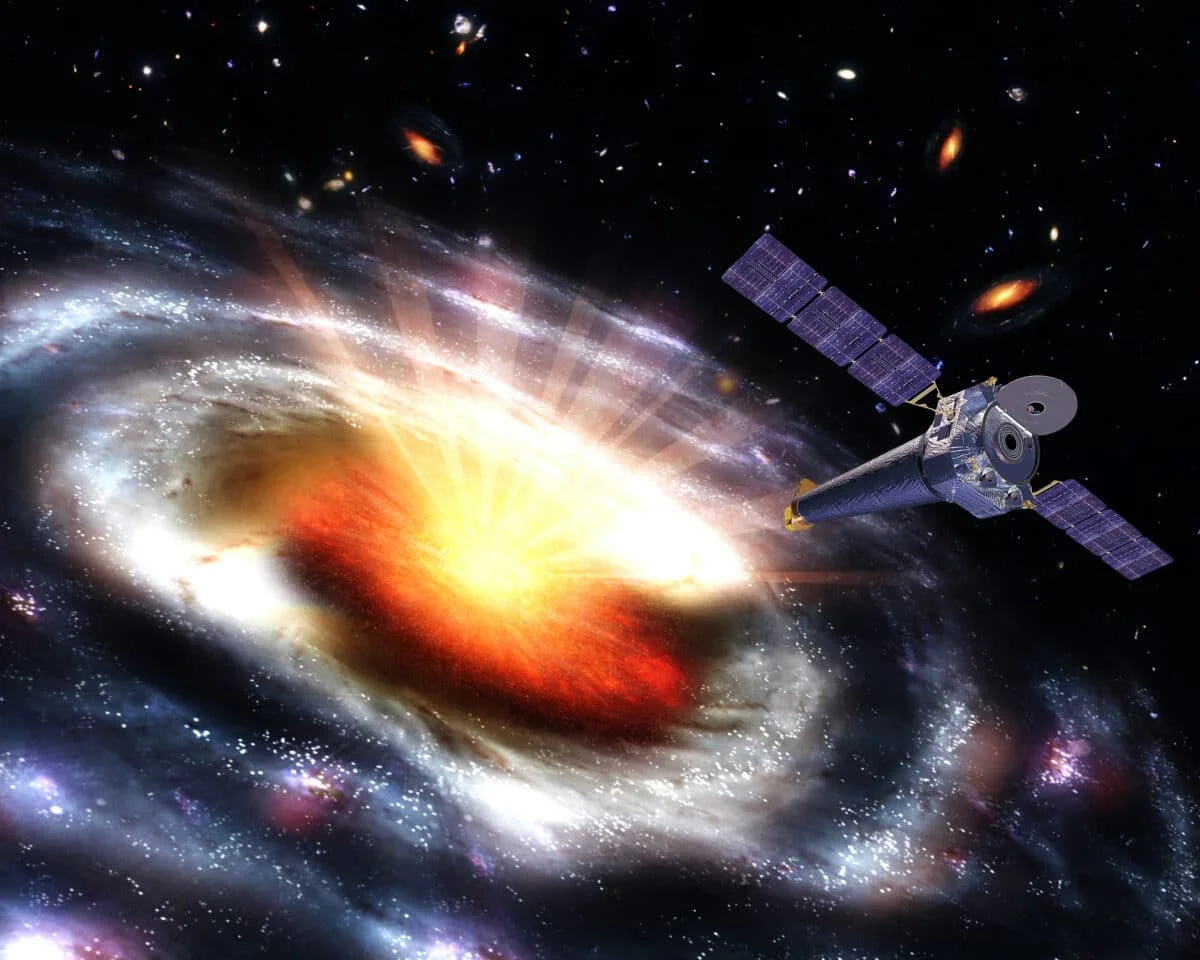
Astronomers captured an image of a supermassive black hole's jet from 11.6 billion light-years away, illuminated by the Big Bang's afterglow, revealing the jet's immense size and speed. The observation was made possible by NASA's Chandra X-ray Observatory, which faces potential decommissioning due to funding issues, risking a significant loss in high-energy astrophysics research.
Researchers at Michigan State University have identified a pulsar wind nebula associated with a cosmic ray accelerator, providing new insights into the origins of galactic cosmic rays and their connection to high-energy astrophysical phenomena, with future plans to link these findings to neutrino detections.