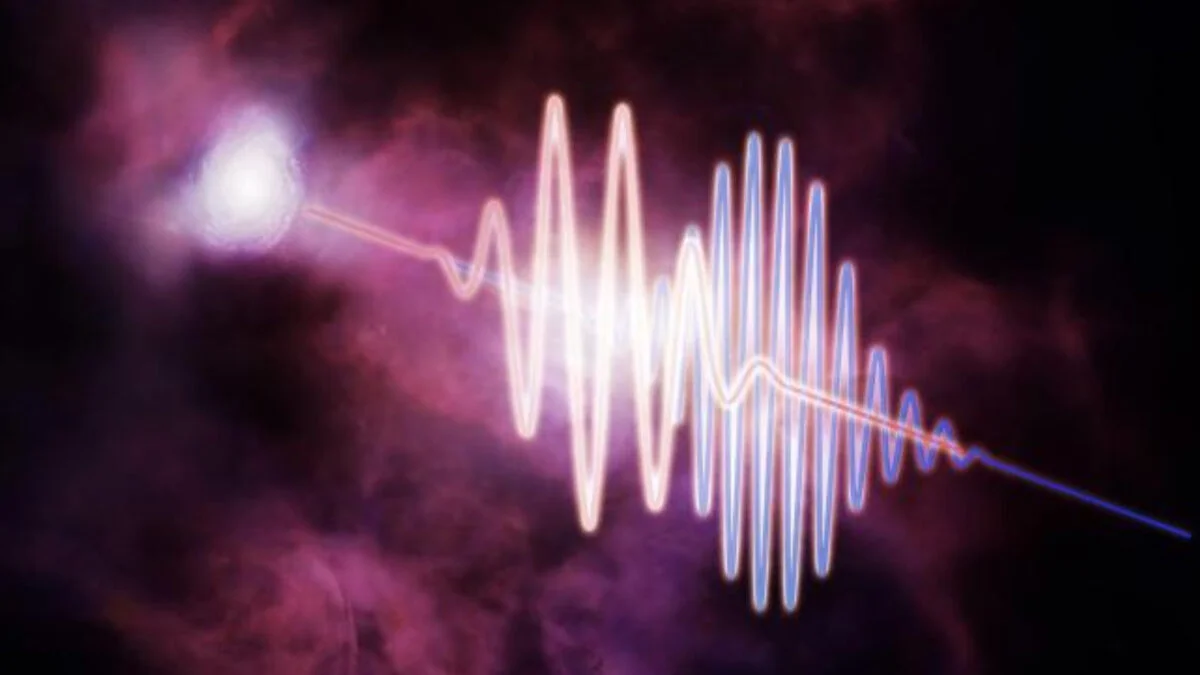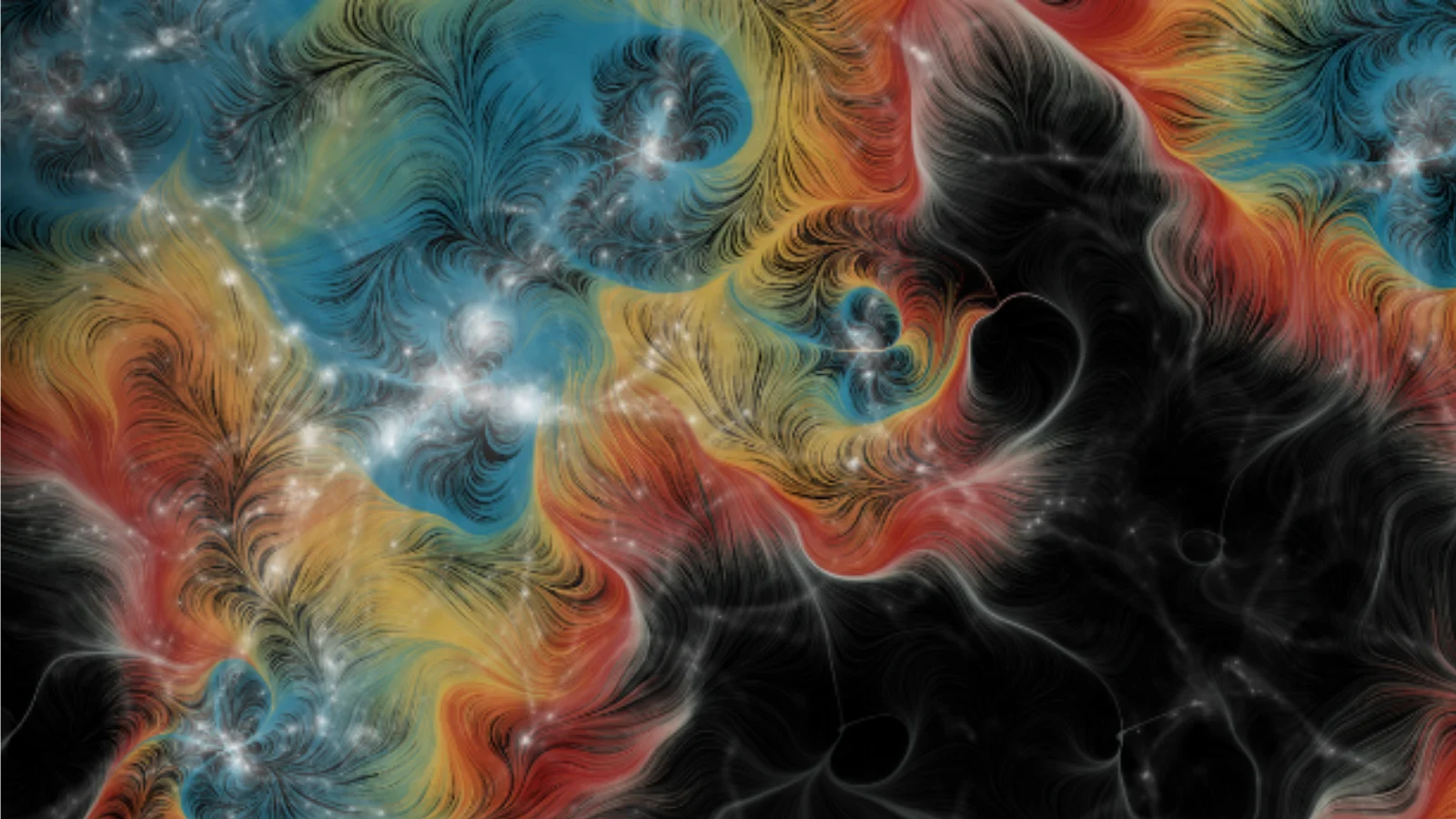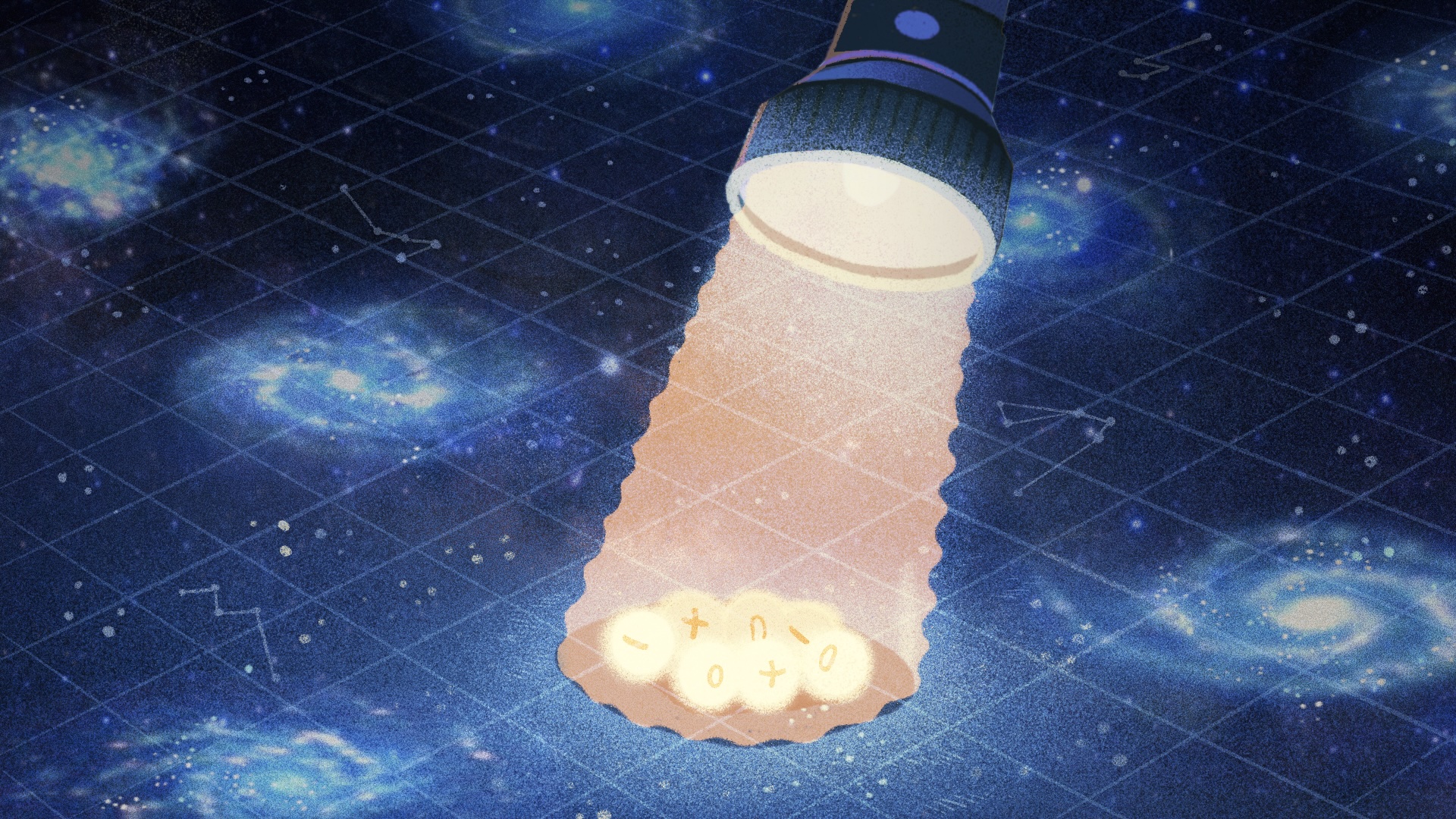
Scientists are using fast radio bursts (FRBs) to locate the universe's missing baryonic matter, which is difficult to detect with traditional methods. Recent discoveries suggest that FRBs can serve as cosmic probes to map the distribution of ordinary matter, helping to solve the longstanding 'missing baryon problem' and improve understanding of cosmic evolution.
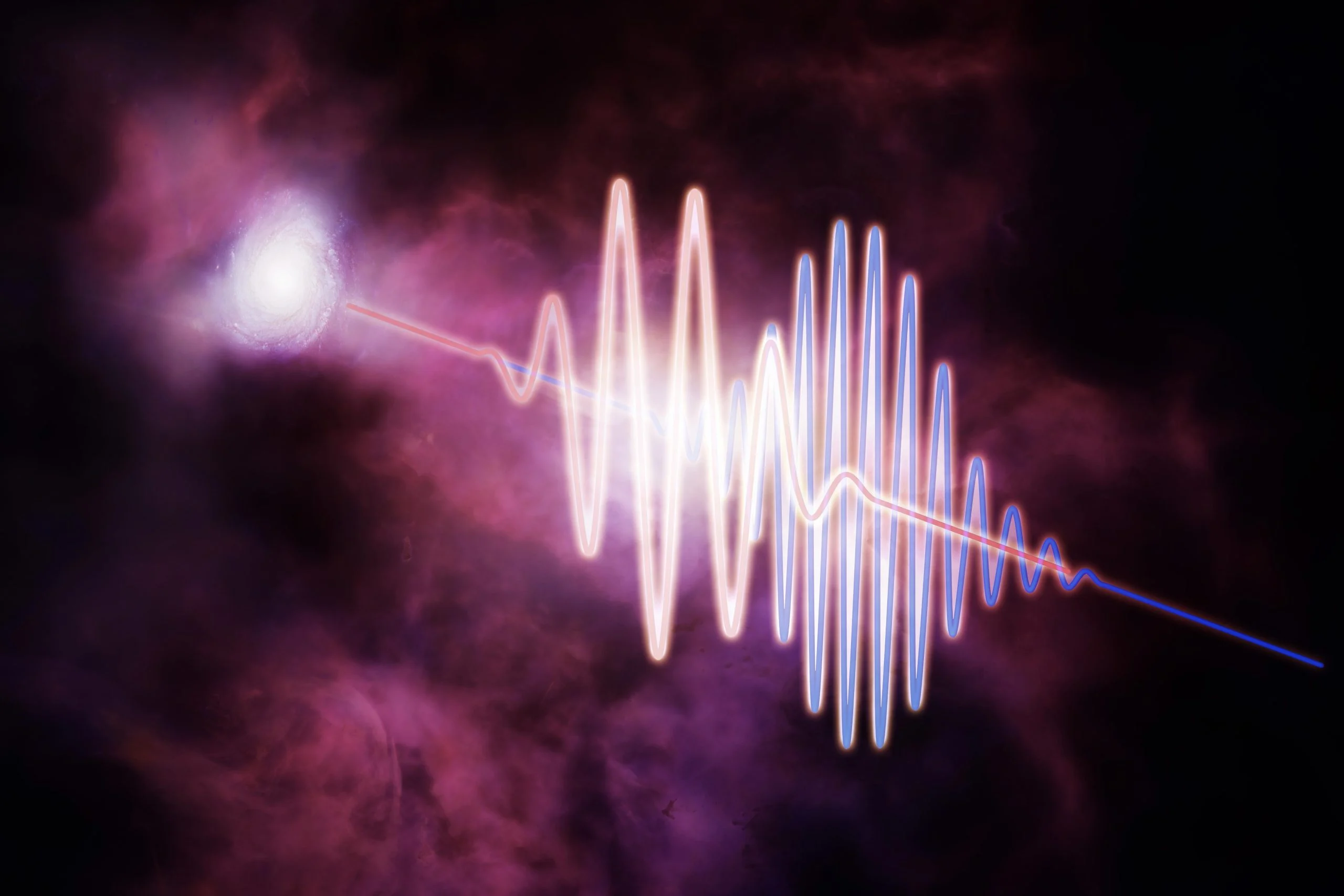
Astronomers have used Fast Radio Bursts to locate and measure the universe's 'missing' ordinary matter, finding that over 75% of it resides in the intergalactic medium between galaxies, marking a major breakthrough in understanding cosmic matter distribution.
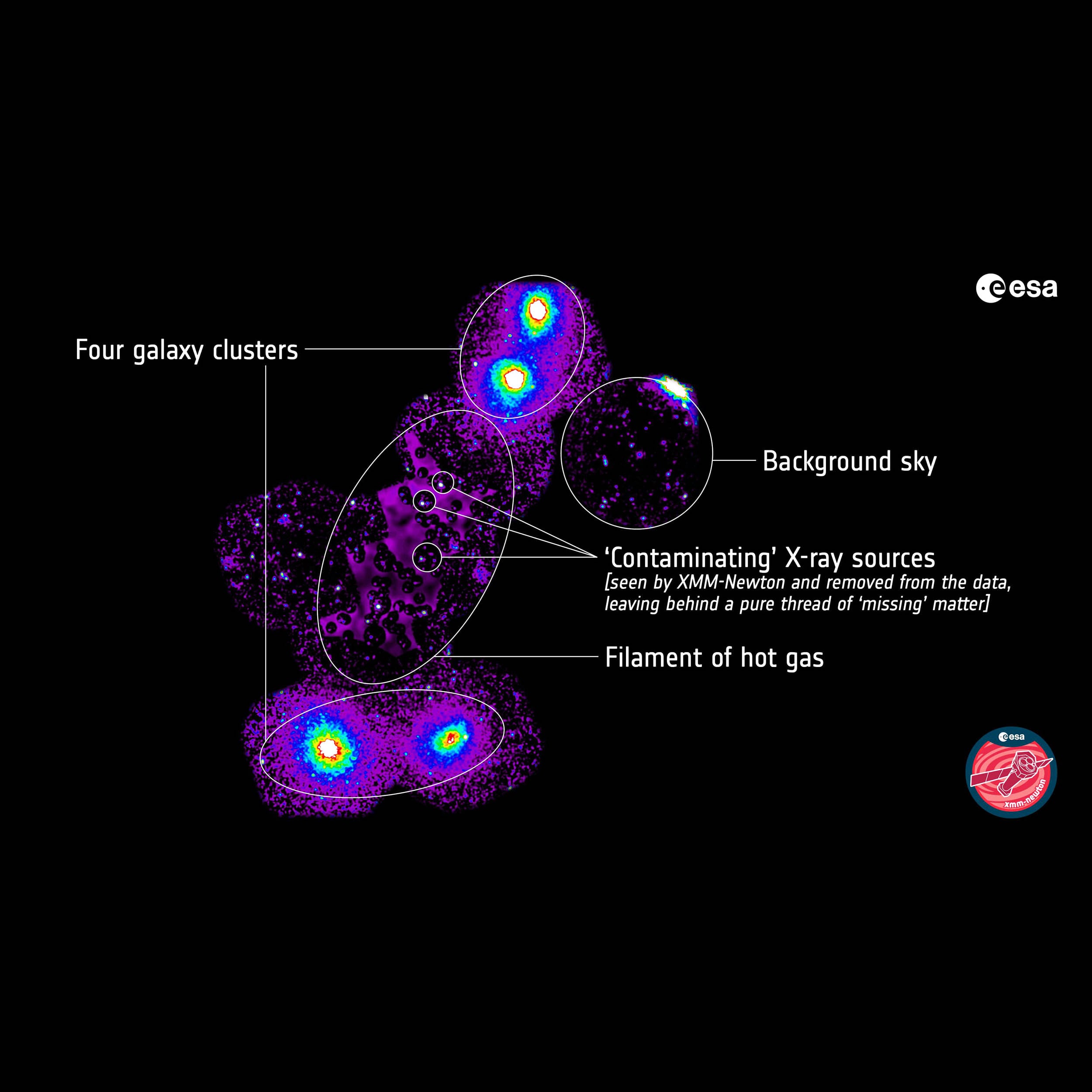
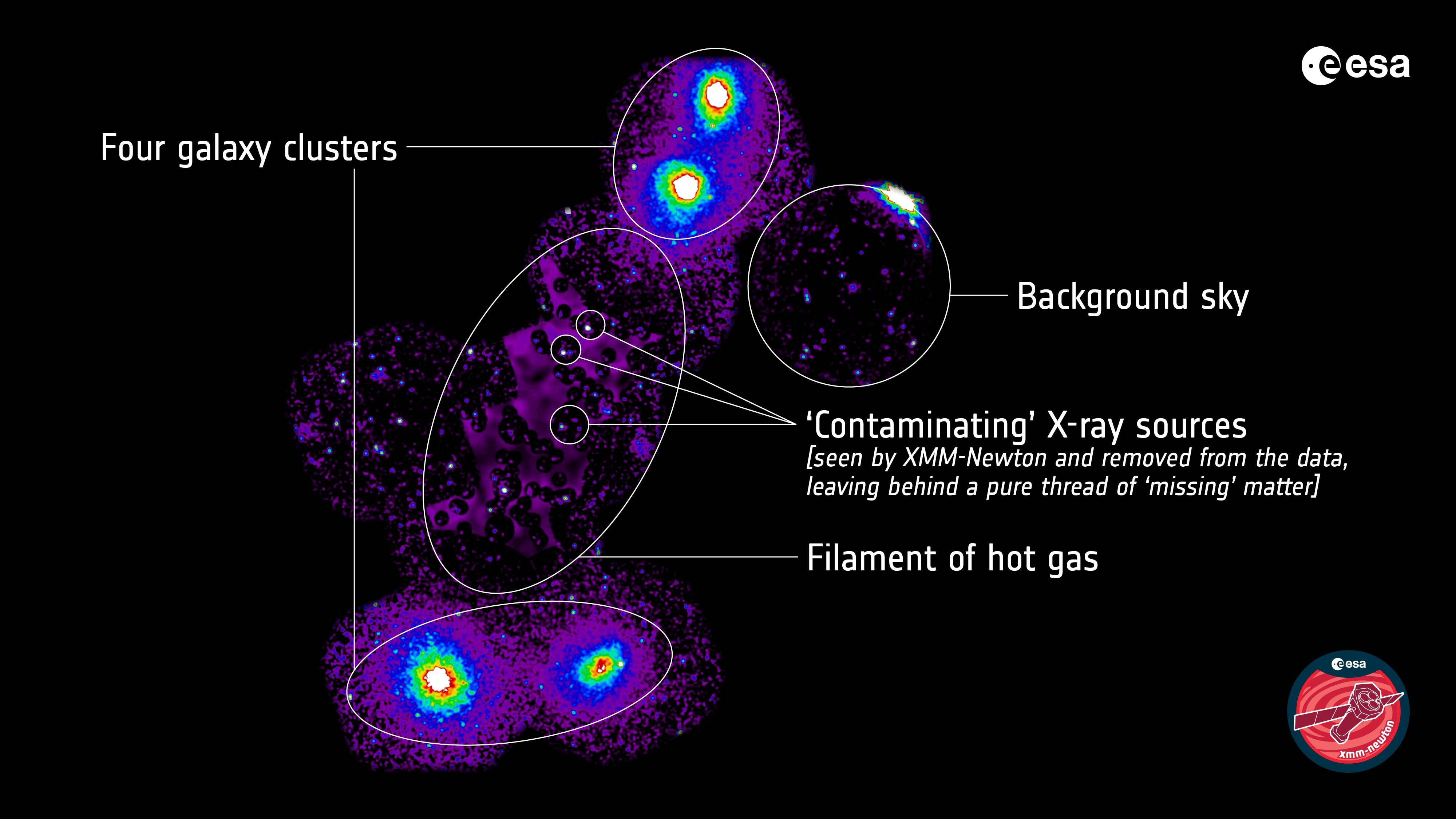
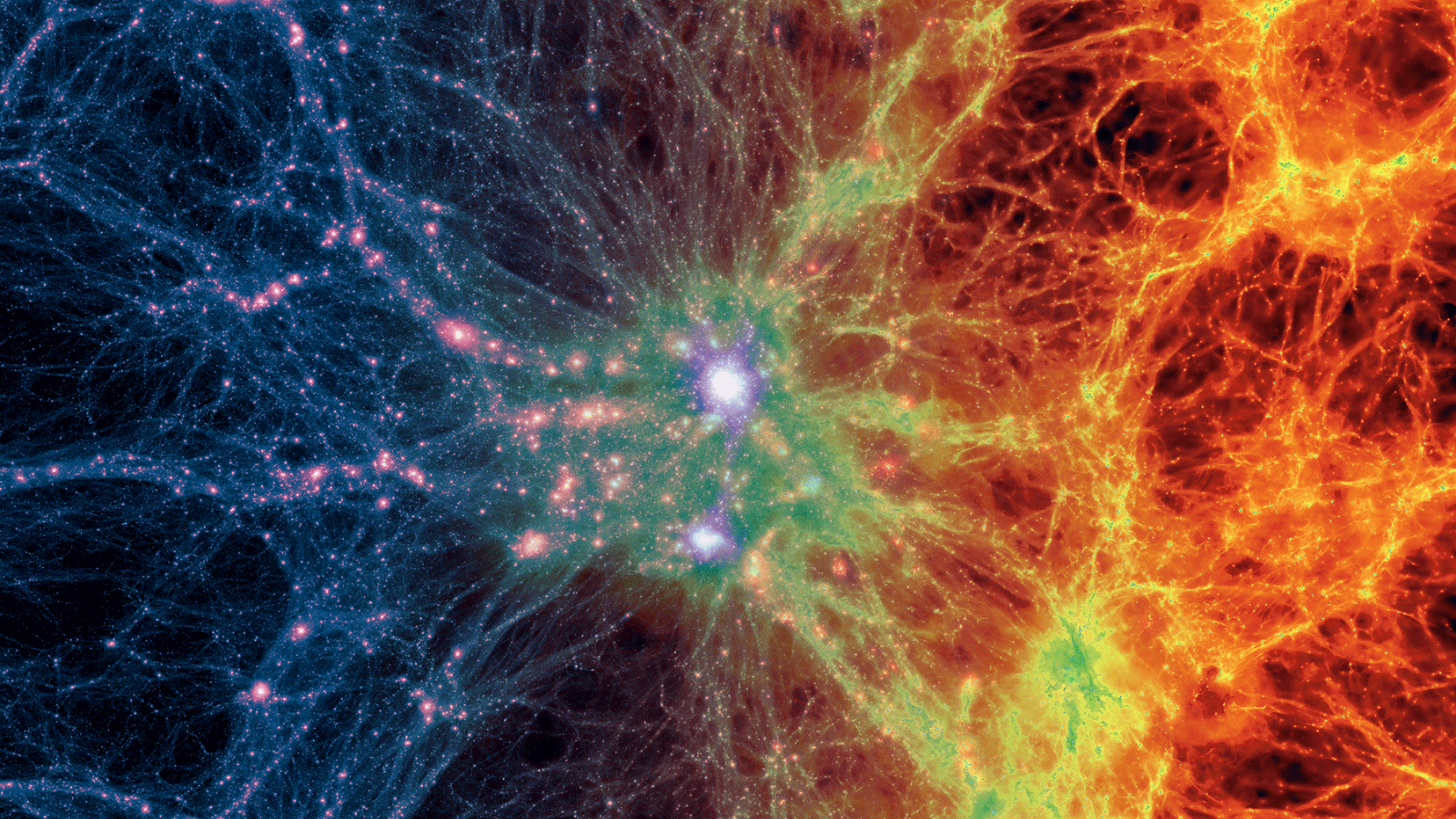
Scientists have identified a filament of hot, diffuse gas in the Shapley Supercluster that accounts for some of the universe's missing baryonic matter, aligning observations with cosmological models and helping to resolve the long-standing missing-baryon problem.
Astrophysicists have used fast radio bursts to locate the Universe's missing normal matter, finding that about three-quarters of it resides in the intergalactic medium between galaxies, primarily as hydrogen gas, helping to solve a decades-old cosmic mystery.
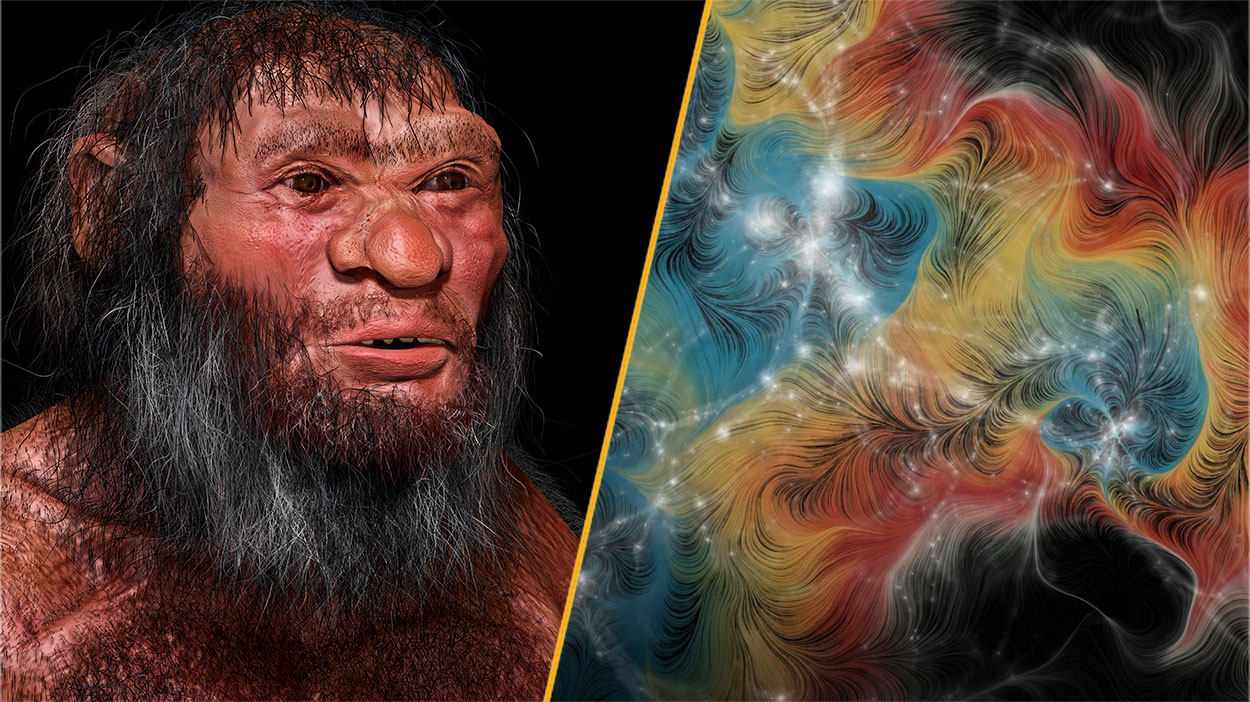
This week in science, the mysterious 'Dragon Man' skull has been classified, potentially as a Denisovan, and new studies are shedding light on the universe's 'missing' matter using fast radio bursts. Additionally, research suggests psilocybin can provide long-term relief from depression, and advanced AI models may produce significantly higher carbon emissions. Other highlights include volcanic eruptions in Indonesia and concerns over groundwater depletion in the Colorado River basin.
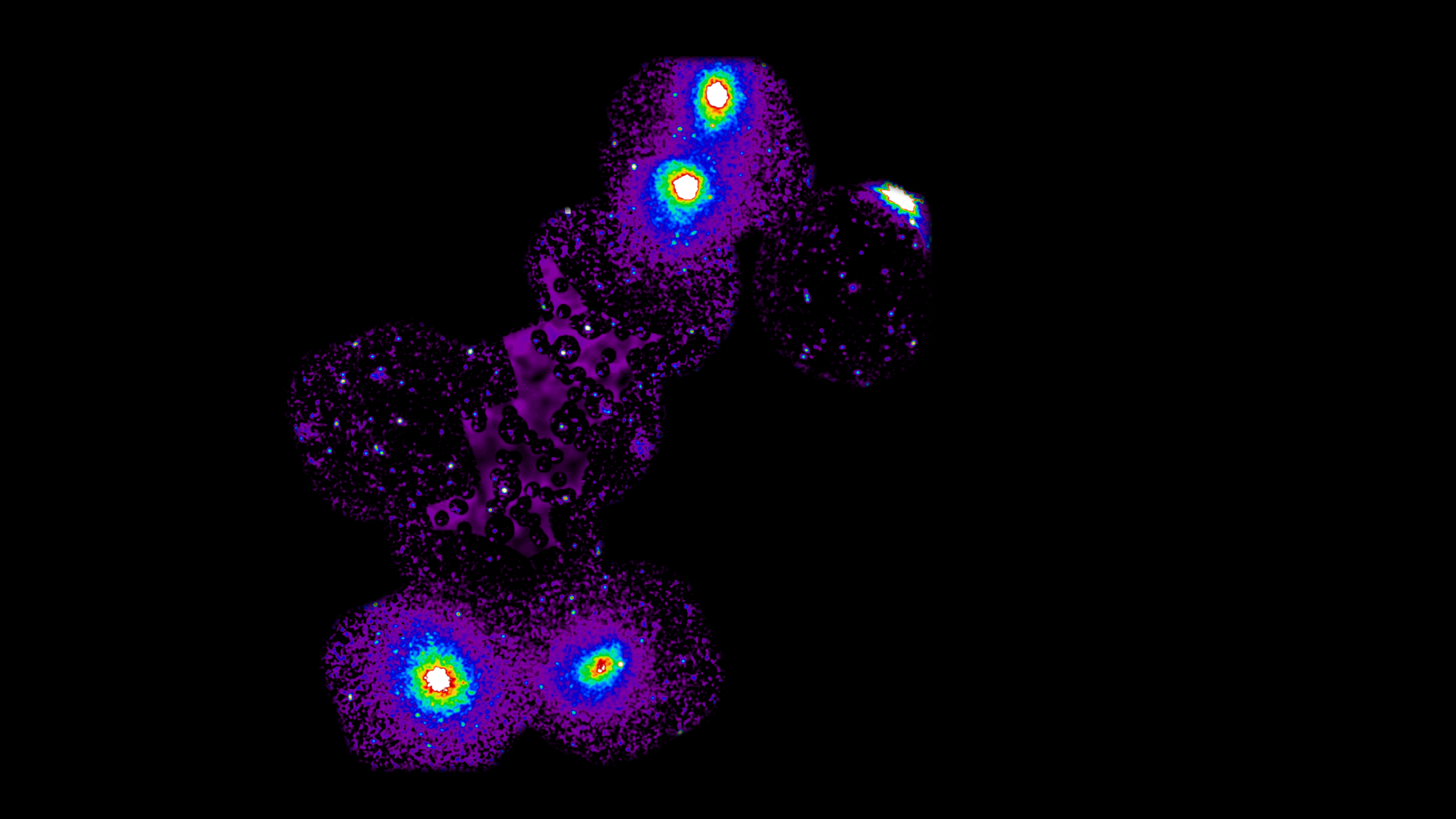
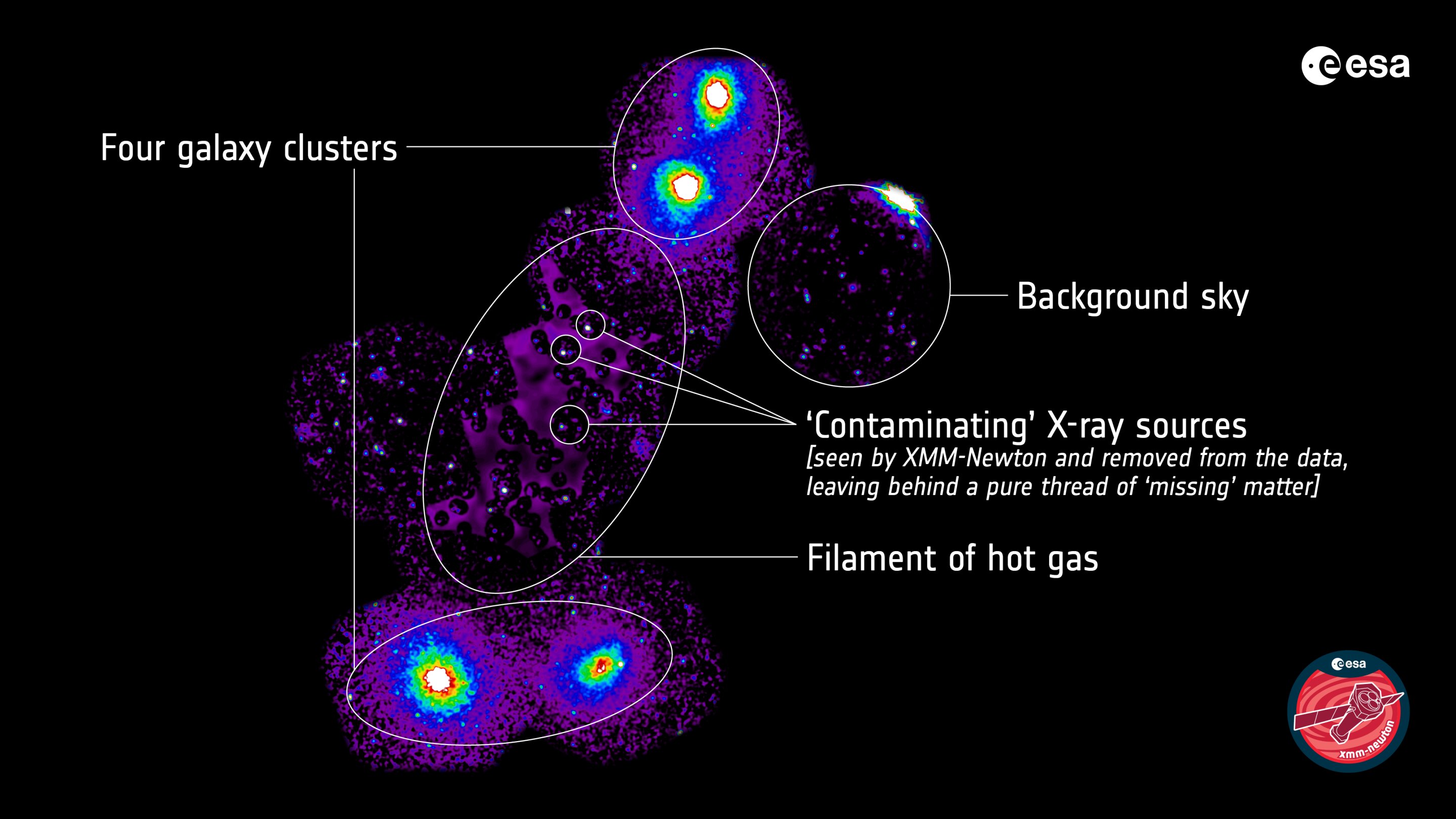
Astronomers using ESA's XMM-Newton and JAXA's Suzaku telescopes have discovered a massive filament of hot gas, bridging four galaxy clusters and potentially explaining some of the universe's missing baryonic matter, aligning with cosmological models and shedding light on the cosmic web's structure.
Astronomers have discovered a massive, hot gas filament linking four galaxy clusters, accounting for the universe's 'missing' baryonic matter and confirming predictions of the cosmic web structure, using X-ray data from XMM-Newton and Suzaku telescopes.
Astronomers have discovered a massive filament of hot gas connecting four galaxy clusters, which may contain some of the Universe's 'missing' matter, confirming predictions from cosmological models and shedding light on the structure of the cosmic web.
Astronomers using XMM-Newton and Suzaku telescopes discovered a massive filament of hot gas connecting four galaxy clusters, potentially containing some of the universe's 'missing' matter, and confirming predictions of the cosmic web structure.
Astronomers have found evidence of the universe's 'missing matter' by analyzing fast radio bursts (FRBs), which helped them account for the diffuse matter spread across galaxies and halos, improving our understanding of the universe's composition and expansion.
Using fast radio bursts, astronomers have accounted for all the regular matter in the universe, solving the long-standing 'missing baryon problem' by locating most of this matter in the intergalactic medium and galaxy halos.
Astronomers have used fast radio bursts (FRBs) to locate the universe's missing ordinary matter, revealing that over three-quarters of it exists as hot, low-density gas between galaxies, solving a decades-old mystery about the distribution of baryonic matter in the cosmos.
Astronomers have used fast radio bursts (FRBs) to locate and account for the universe's missing ordinary matter, revealing that about 76% of it resides in the space between galaxies, with the rest in galactic halos and within galaxies, providing new insights into cosmic matter distribution.
Astronomers have discovered an eight billion-year-old radio signal, known as FRB 20220610A, which contained an extreme level of energy, equivalent to what the sun releases in 30 years. These fast radio bursts are difficult to study due to their short duration, but they are believed to result from galaxy mergers and could help measure the mass of elements in the universe. The signal was detected using the Australian SKA Pathfinder radio telescope and confirmed as the oldest and most remote example found so far.