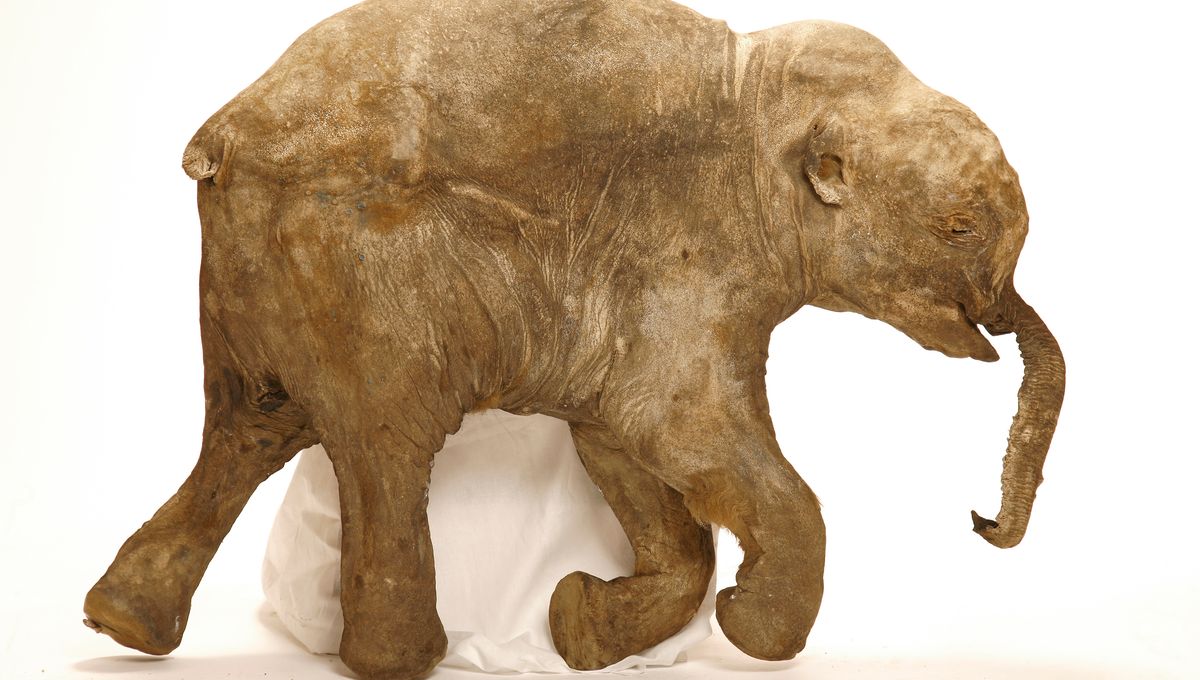
Two perfectly preserved baby woolly mammoths, Lyuba and Khroma, who lived over 40,000 years ago, have provided valuable insights into the development and lives of these prehistoric pachyderms. Full-body CT scans of their skeletons have allowed for a comparative study of their skeletal development, shedding light on the changes that occur as a mammoth body develops. Mitochondrial DNA analysis of Lyuba's remains has revealed how mammoth populations spread and diversified across the Northern Hemisphere. While efforts to extract DNA for de-extinction purposes continue, a startup called Colossal aims to create a woolly mammoth-Asian elephant hybrid to rewild the Arctic tundra and potentially mitigate the impact of climate change.
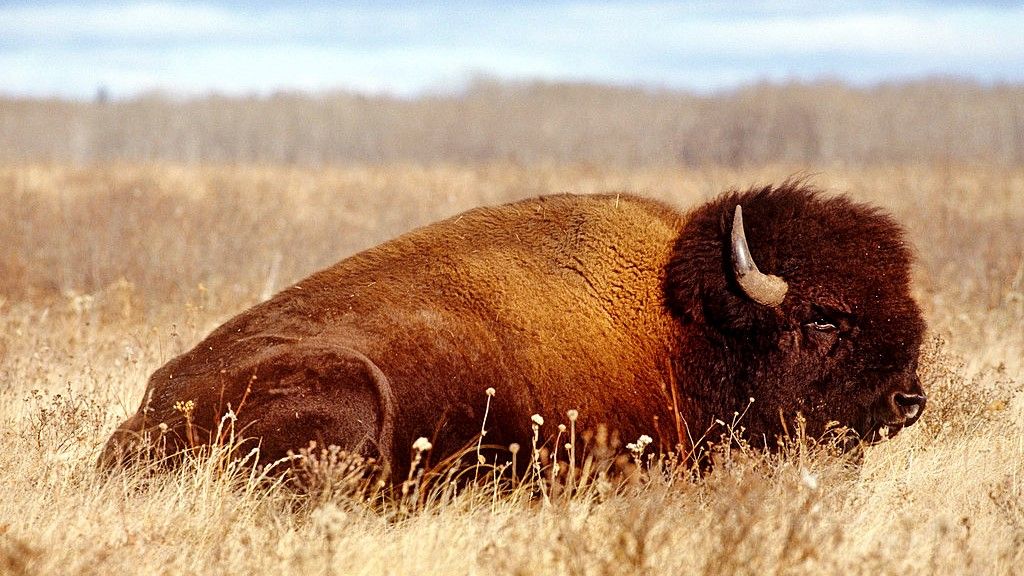
Scientists have introduced plains bison to the Russian Arctic in an effort to restore the region's grassy plains and ancient ecosystems. The bison will take on the role of extinct woolly mammoths, which roamed the area during the late Pleistocene epoch. By reintroducing large herbivores, scientists hope to restore the landscape's ability to store carbon and mitigate climate change. However, some experts are skeptical, as the current climate in the Arctic is warmer and wetter than during the Pleistocene, potentially making the ecosystem unsuitable for large herbivores. Nonetheless, the reintroduction of these animals is seen as an interesting idea with potential benefits.
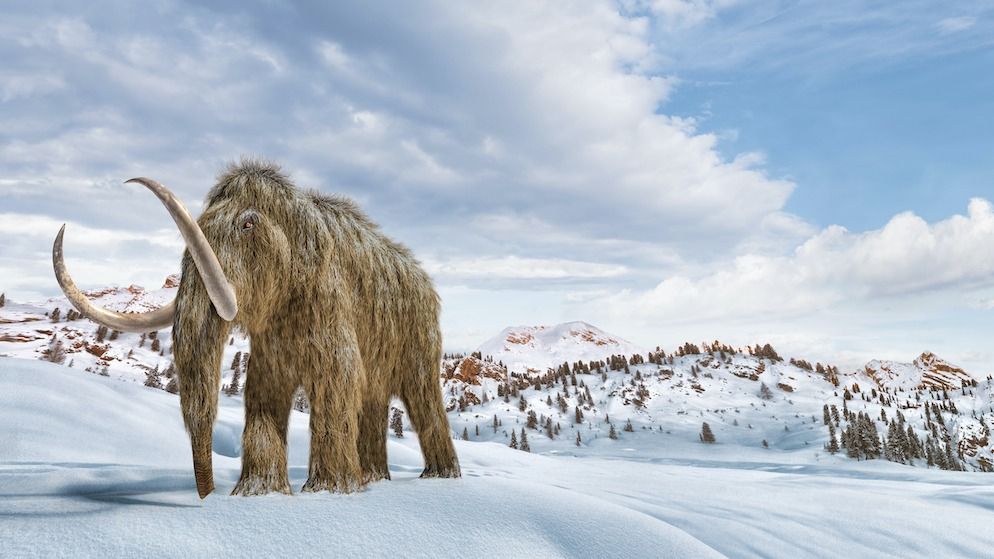
Woolly mammoths evolved to have their trademark features such as woolly fur, small ears, and large fat deposits over the course of their more than 700,000 years of existence, according to a study by researchers from Sweden. The study compared the genomes of 23 Siberian woolly mammoths to modern-day Asian and African elephants and found that the defining traits of the species were present when the woolly mammoth diverged from one of its ancestors, the steppe mammoth. The researchers also discovered that woolly mammoths evolved to have dry earwax and a reduction in body odor.
Researchers compared the genomes of woolly mammoths with modern-day elephants to identify genes that were "highly evolved" in woolly mammoths. They found that many of the woolly mammoth's trademark features, including their woolly coats and large fat deposits, were already genetically encoded in the earliest woolly mammoths, but these and other traits became more defined over the species' 700,000+ year existence. They also identified a gene with several mutations that may have been responsible for the woolly mammoth's miniscule ears.