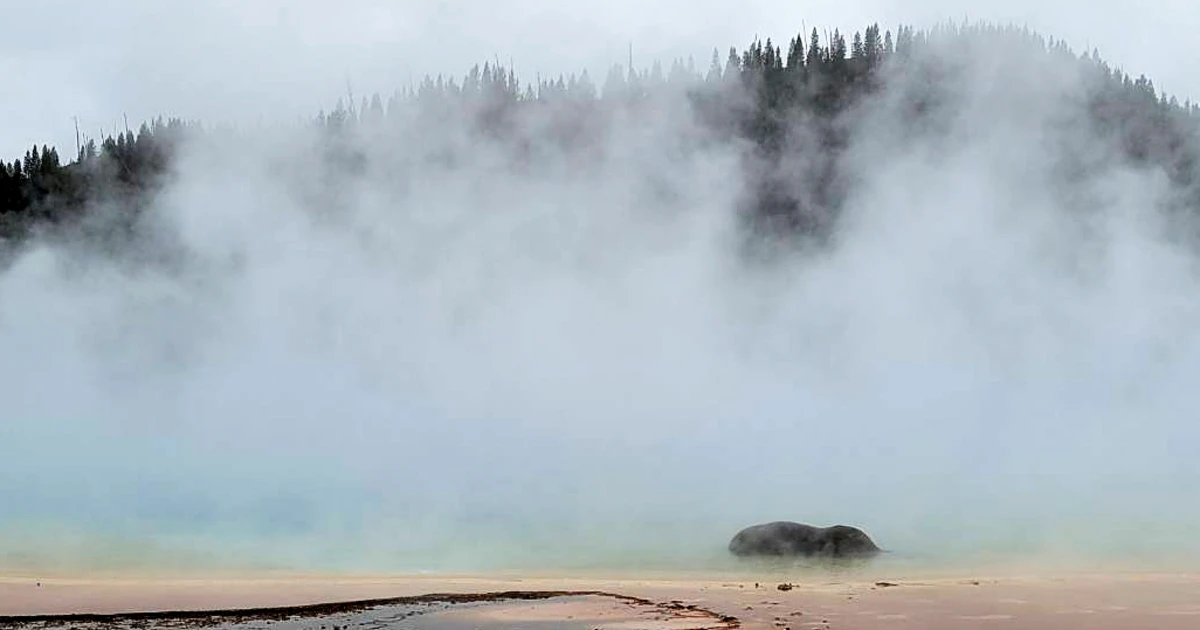
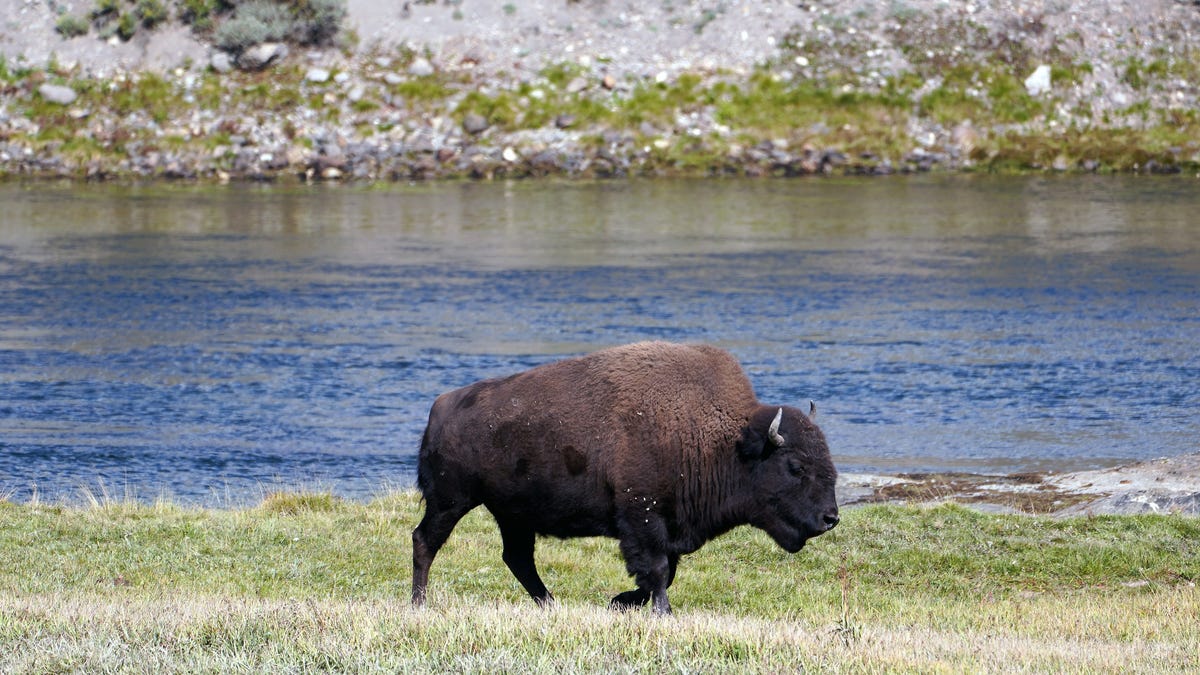
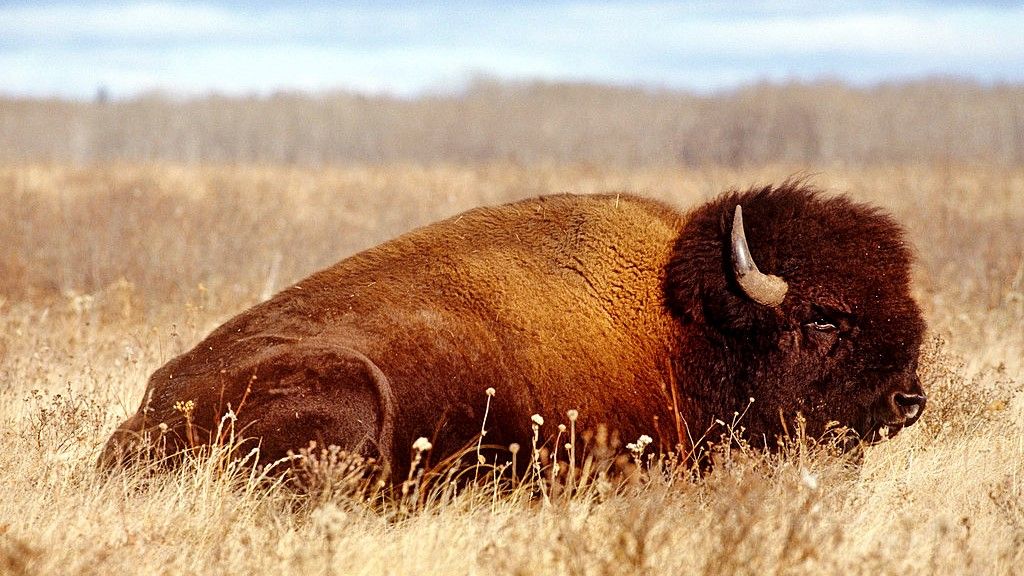
A bison in Yellowstone died after stumbling into the near-boiling waters of Grand Prismatic Spring, highlighting the dangers of hot springs to wildlife and the importance of staying on designated paths for visitors.
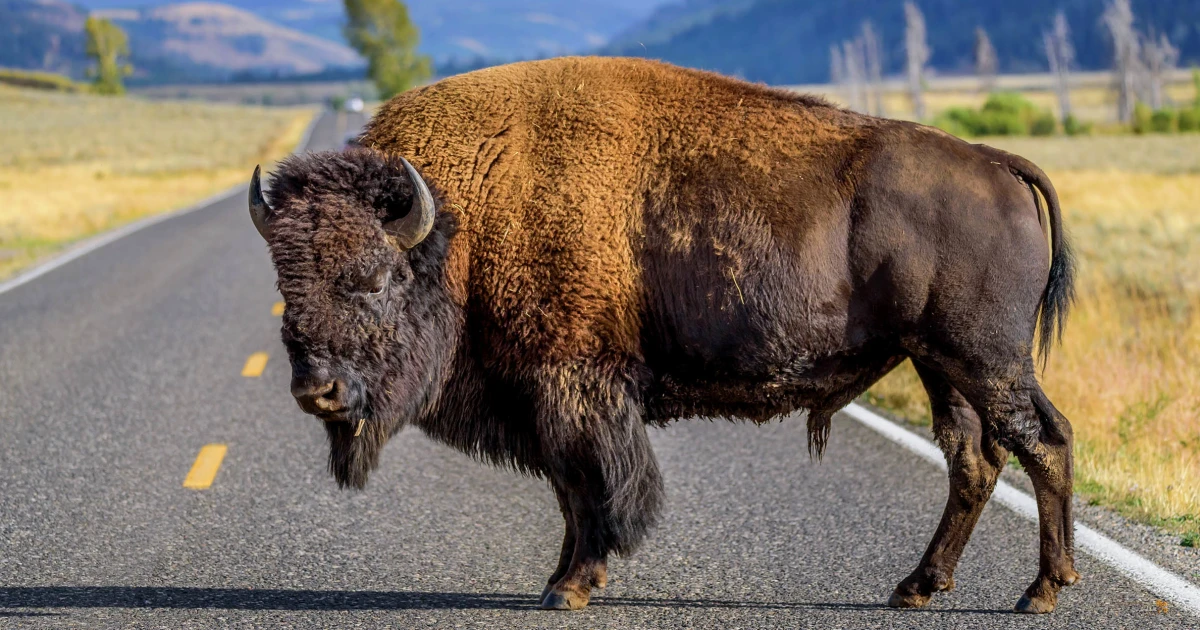
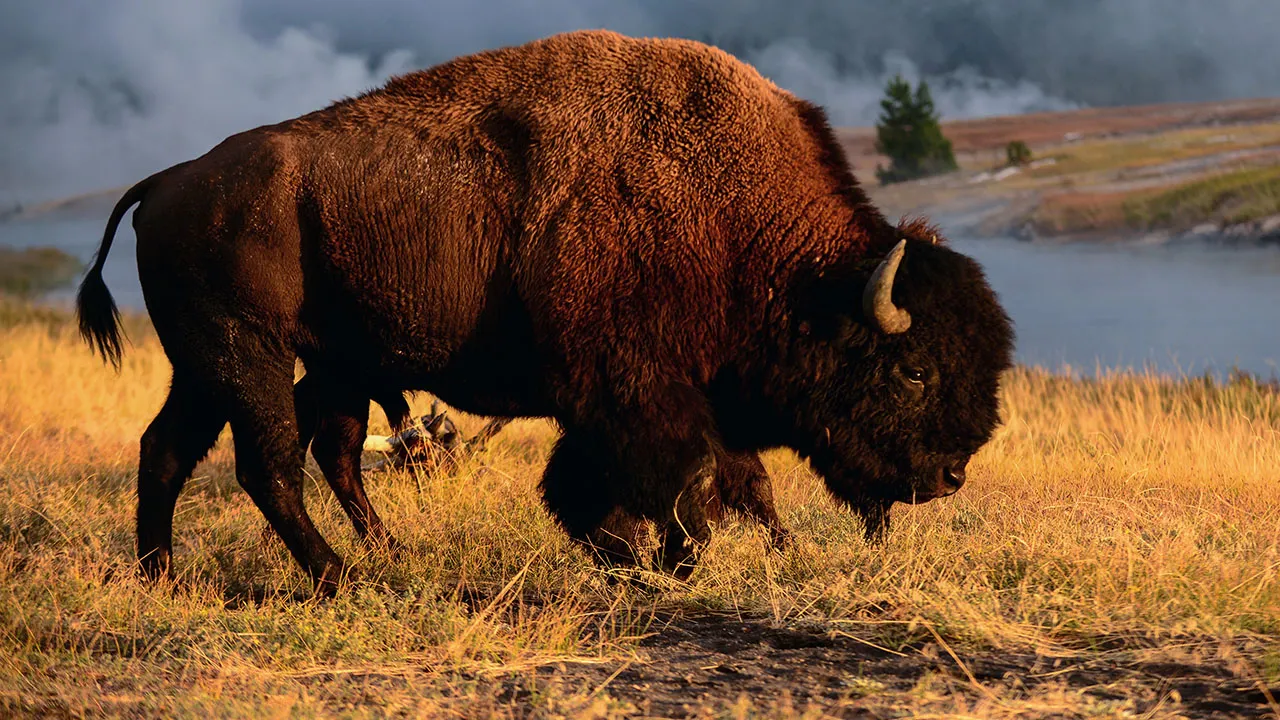
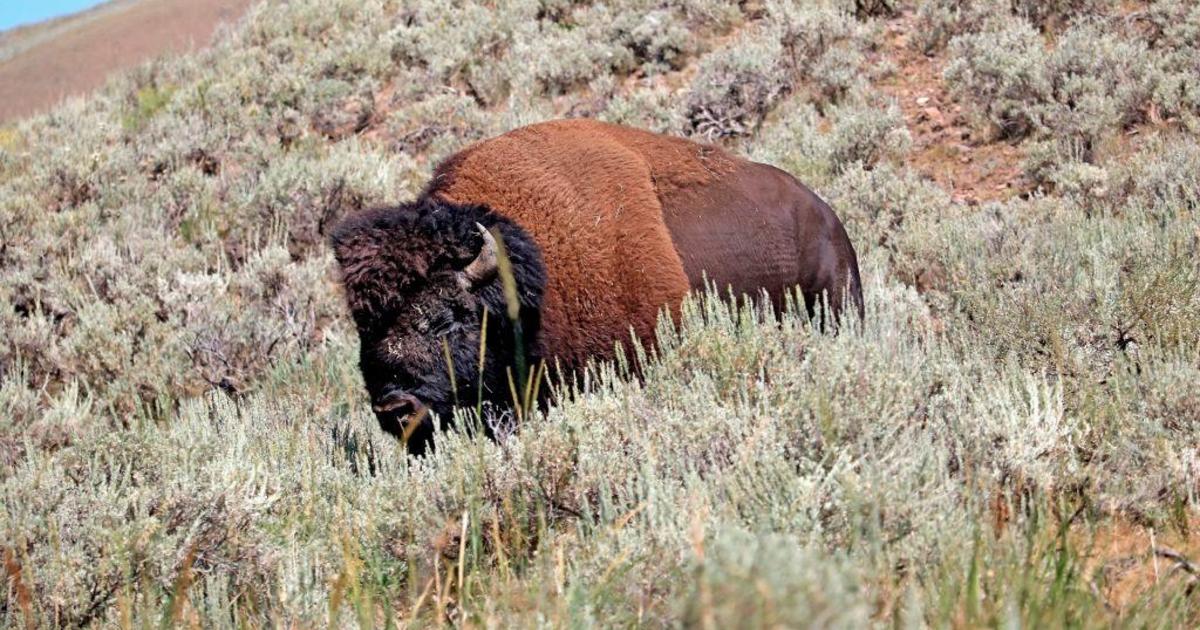
A man was gored by a bison in Yellowstone National Park after a group of visitors got too close, marking the second such incident this spring; bison are responsible for more injuries than any other park animal, emphasizing the importance of maintaining safe distances.
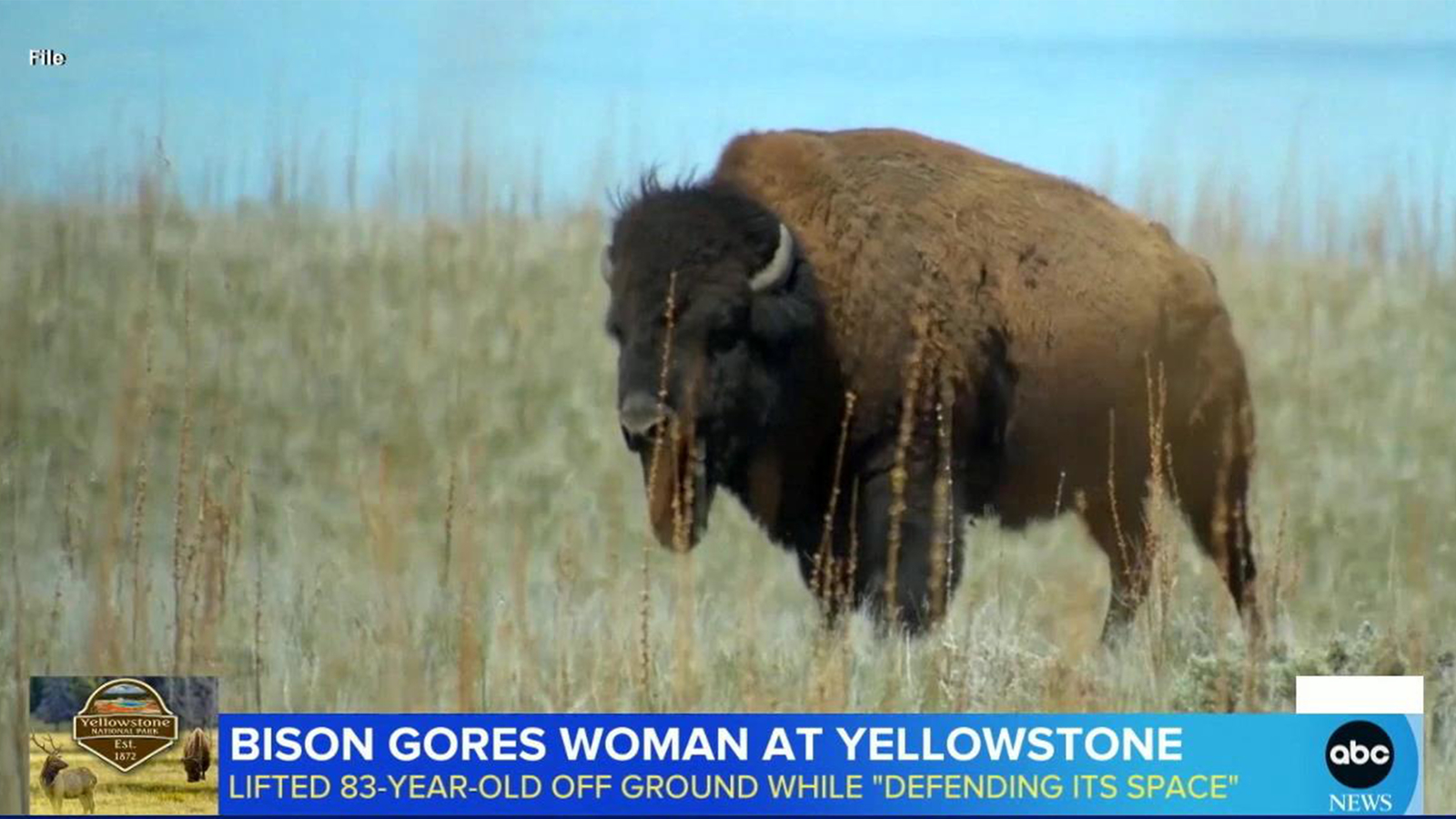
An 83-year-old woman was gored by a bison at Yellowstone National Park, highlighting the dangers of close encounters with these large, unpredictable animals. Experts stress the importance of respecting wildlife and maintaining a safe distance to avoid similar incidents.
An 83-year-old woman was seriously injured after being gored by a bison in Yellowstone National Park. The bison was defending its space and lifted the woman about a foot off the ground. The National Park Service advises visitors to maintain a safe distance from wild animals, as bison can be particularly dangerous when defending their territory. The incident is under investigation, and the woman's current condition is unknown.
An 83-year-old tourist from South Carolina was seriously injured after being gored by a bison at Yellowstone National Park. The incident occurred near the Storm Point Trail at Yellowstone Lake, where the bison lifted the woman off the ground with its horns. She was airlifted to a hospital in Idaho, and the incident is under investigation. Park officials emphasize the importance of maintaining a safe distance from wildlife.
An 83-year-old woman from South Carolina was seriously injured after being gored by a bison at Yellowstone National Park. The incident occurred near the Storm Point Trail at Yellowstone Lake, and the woman was airlifted to Eastern Idaho Regional Medical Center. The National Park Service emphasized the importance of maintaining a safe distance from wildlife, noting that bison are unpredictable and can defend their space when threatened.
An 83-year-old woman from South Carolina was gored by a bison at Yellowstone National Park, lifting her a foot off the ground. The bison was reportedly defending its space. The woman is being treated at a local hospital, and an investigation is underway. Park officials urge visitors to maintain a safe distance from wildlife.
An 83-year-old woman from South Carolina was seriously injured after being gored by a bison in Yellowstone National Park. The incident occurred near the Storm Point Trail as the bison was defending its space. The woman was treated at a local clinic before being airlifted to a regional medical center. Yellowstone officials emphasize the importance of maintaining a safe distance from wildlife, noting that bison are unpredictable and can run much faster than humans.
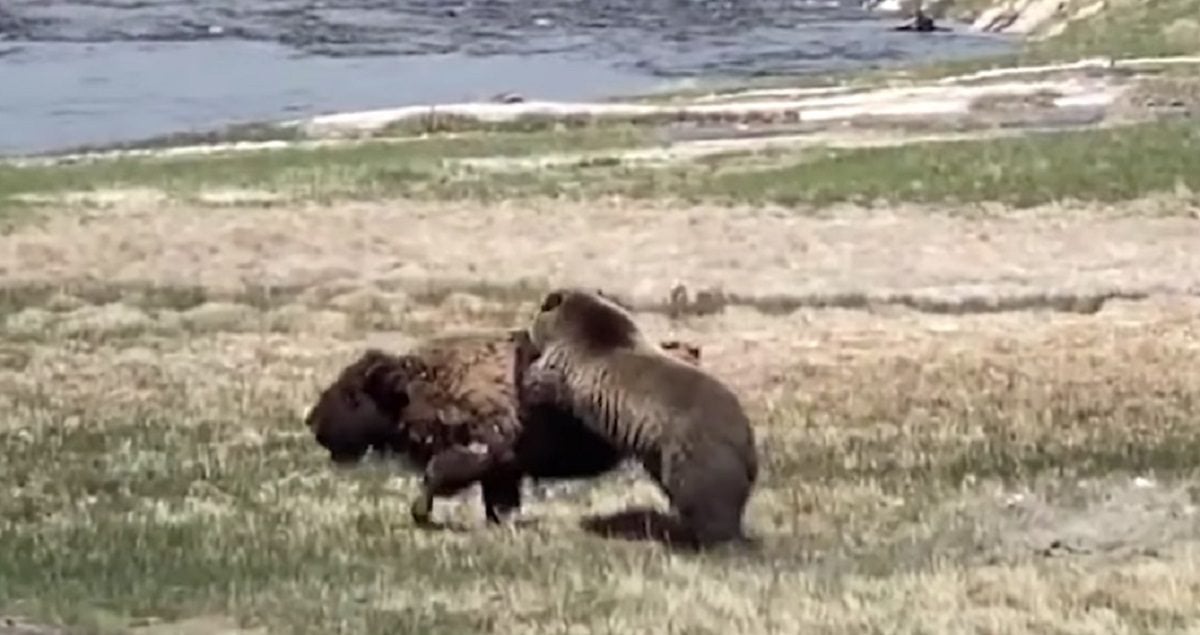
A video captured at Yellowstone National Park shows a grizzly bear engaging in a one-on-one battle with a bison, resulting in the bison's demise. Another video depicts the same grizzly bear defending its elk kill from a grey wolf, showcasing a tense standoff between the two predators. These encounters highlight the raw and unforgiving nature of wildlife in Yellowstone.
North Dakota State University (NDSU) will face the University of South Dakota (USD) in the Division I FCS quarterfinals, with the Bison looking to overcome their struggles in the first half against the Coyotes in their previous two meetings. Last year, NDSU had a chaotic first half but rebounded to win, while earlier this year, USD took a commanding lead at halftime and held on for the victory. The rematch between the two teams is highly anticipated.
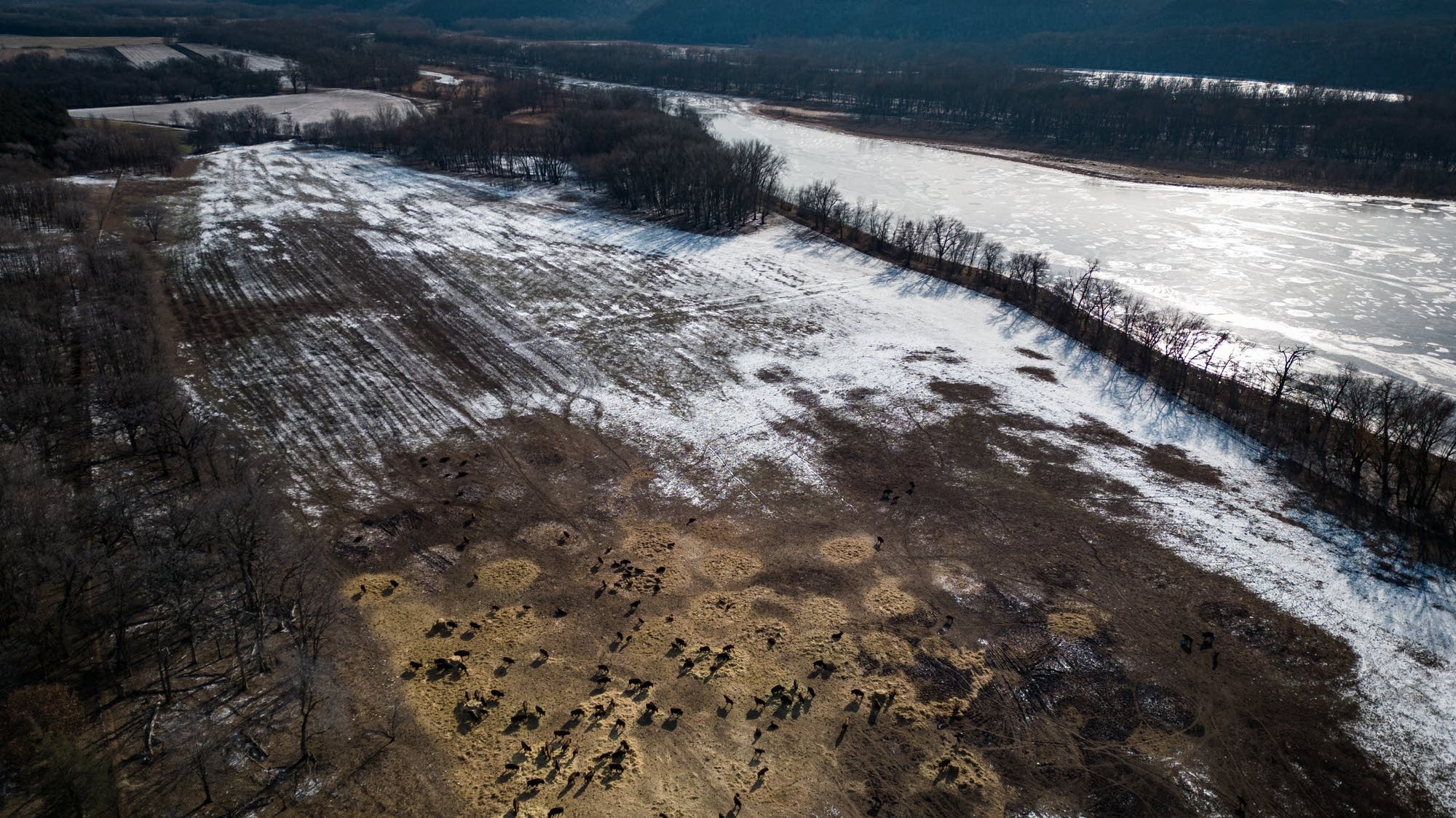
The Prairie Island Indian Community in Minnesota has been working to restore their relationship with bison, which they see as their relatives. The community now cares for a large herd of at least 300 bison on a 110-acre farm along the Mississippi River. They are advocating for tribal self-governance under the farm bill to reclaim food sovereignty and have more control over the production and distribution of Indigenous foods. The Native Farm Bill Coalition is pushing for a pilot project that would support the purchase of traditional foods, and the USDA has announced a pilot program for the purchase of bison and other wild meats. The community also hopes to have more access to USDA conservation programs to support their bison production.
The North Dakota State Bison football team won a decisive victory against Western Illinois, bouncing back from a previous loss. Meanwhile, a raffle ticket worth $148,097 went unclaimed, likely purchased by someone who left the game early or didn't attend at all. The Bison dominated the game, scoring five touchdowns and a field goal in the first half, while their defense held Western Illinois to just 71 passing yards and sacked them six times. The win puts the Bison at a 5-2 record and sets them up for tough games ahead.
The upcoming documentary "The American Buffalo" by Ken Burns explores the near extinction of the American buffalo, delving into the complex and centuries-long story of the bison's slaughter and eventual salvation. While the film focuses more on the human impact and historical significance of the buffalo, it sheds light on the rich evolutionary history and remarkable resilience of the species. Premiering on PBS on October 16, the documentary offers a human tale intertwined with the story of these iconic animals.
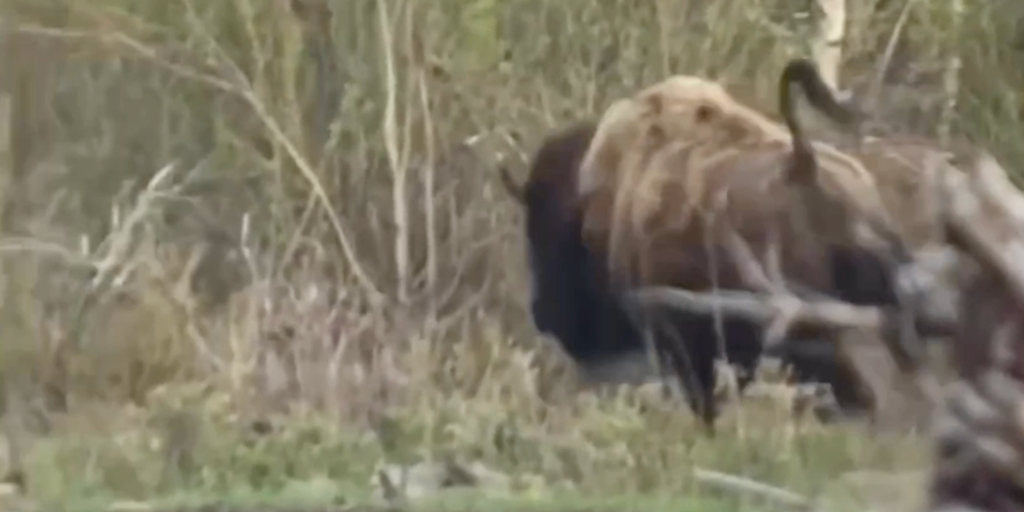
A video captured in Yellowstone National Park shows a grizzly bear approaching a herd of bison calves before being chased off by a protective mother bison. The encounter occurred in late May in the Lamar Valley, known for its large bison population. The bear was hoping to prey on a younger bison, but the mother bison charged at it, scaring it away. Adult bison, weighing about three times as much as a bear, often come to the rescue to protect their young from predators. Visitors to the park are reminded to maintain a safe distance from wildlife and carry bear spray for their own safety.
Scientists have introduced plains bison to the Russian Arctic in an effort to restore the region's grassy plains and ancient ecosystems. The bison will take on the role of extinct woolly mammoths, which roamed the area during the late Pleistocene epoch. By reintroducing large herbivores, scientists hope to restore the landscape's ability to store carbon and mitigate climate change. However, some experts are skeptical, as the current climate in the Arctic is warmer and wetter than during the Pleistocene, potentially making the ecosystem unsuitable for large herbivores. Nonetheless, the reintroduction of these animals is seen as an interesting idea with potential benefits.