Tag

Genomes

All articles tagged with #genomes

Male Neanderthals more often paired with human women, new study finds
science1 day ago

Male Neanderthals more often paired with human women, new study finds

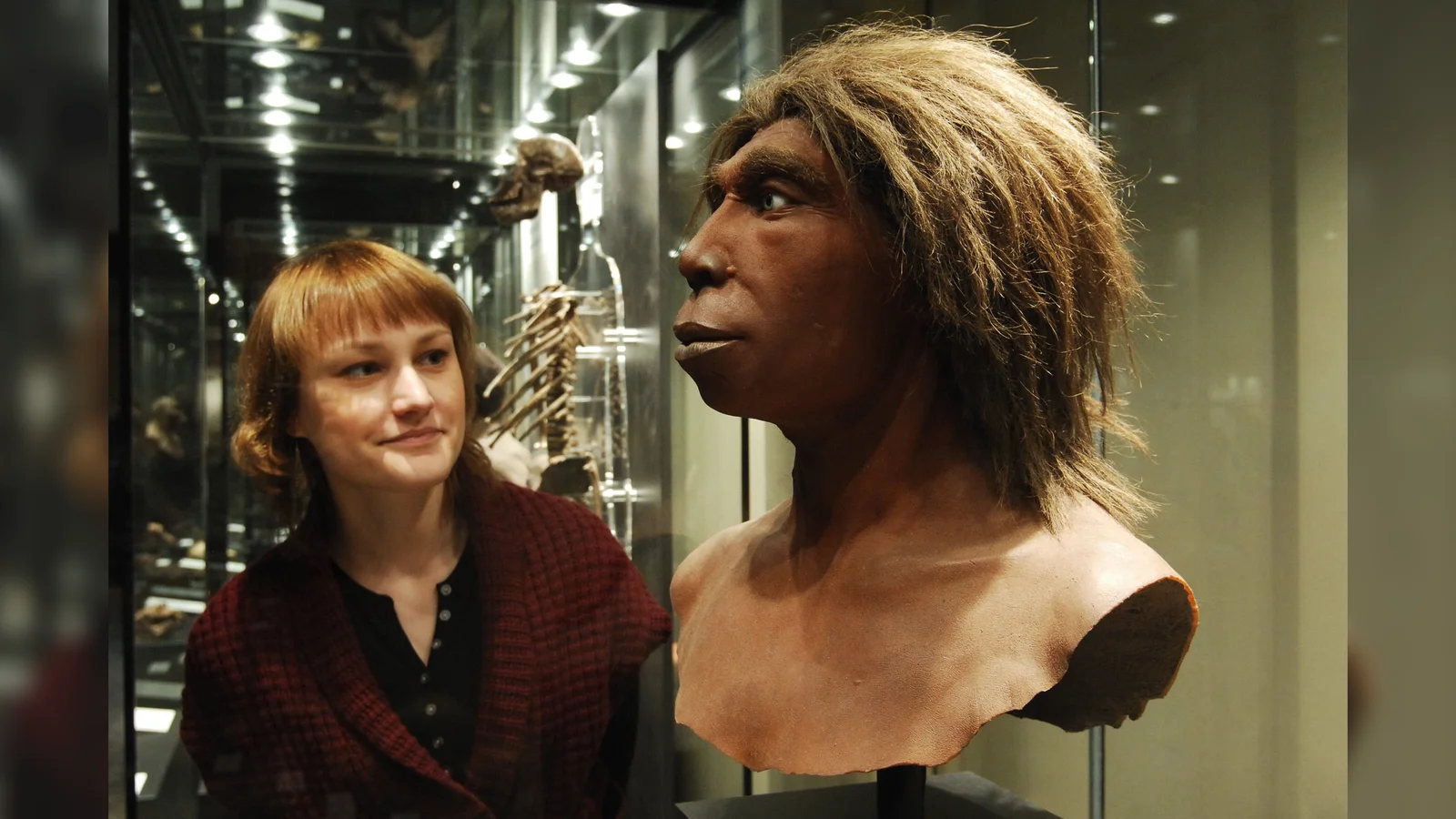
A new Science study finds interbreeding between Neanderthals and modern humans was strongly sex-biased, with mating preferentially between male Neanderthals and female Homo sapiens. This bias helps explain the “Neanderthal deserts” on the human genome, especially the scarcity of Neanderthal DNA on the X chromosome, and why Neanderthal genes are unevenly distributed across non-African populations. Analyzing genomes from African populations with no Neanderthal ancestry and comparing them to Neanderthal genomes, the researchers conclude mate preference best accounts for the pattern, while noting that other evolutionary factors may also have contributed and that future work will explore Neanderthal social structures.

Unusual Bacteria Found in Deep-Sea Coral
science1 year ago

Unusual Bacteria Found in Deep-Sea Coral

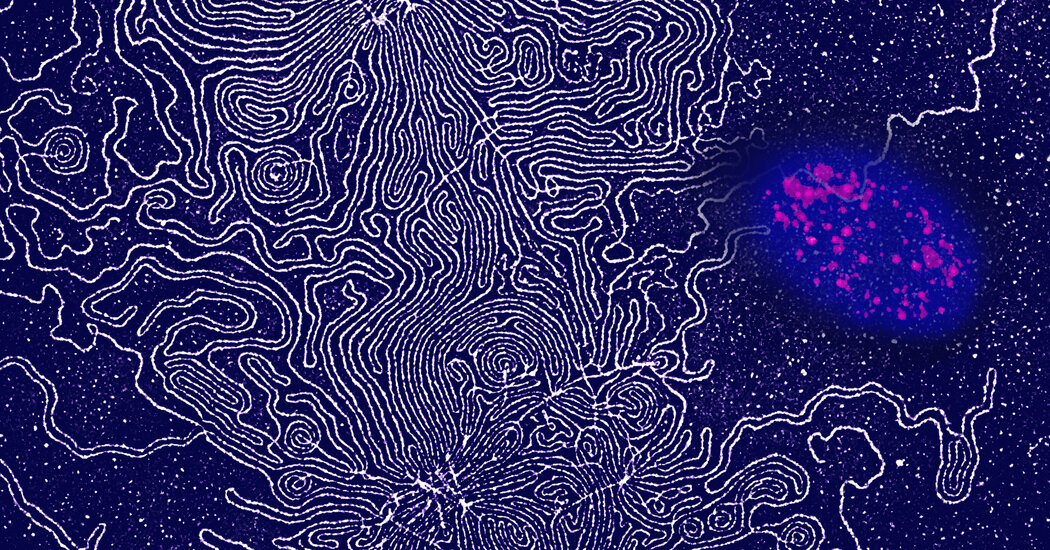
Scientists have discovered two new species of bacteria, Oceanoplasma callogorgiae and Thalassoplasma callogorgiae, in deep-sea coral in the Gulf of Mexico. These mollicutes have extremely small genomes, with only 359 and 385 protein-encoding genes, compared to the average bacterium's 3,000. They survive symbiotically in the coral's mesoglea, obtaining energy from an amino acid rather than carbohydrates. The discovery highlights the minimal genetic requirements for cellular life and introduces a new bacterial family, Oceanoplasmataceae.

"Mapping Genomes of 51 Animal Species: Unlocking the Evolutionary Time Machine"
science2 years ago

"Mapping Genomes of 51 Animal Species: Unlocking the Evolutionary Time Machine"

Researchers have mapped and published the genomes of 51 animal species, using advanced DNA mapping technology to cut sequencing time from years to just days. This genetic blueprint could have broad implications for understanding human evolutionary history and shared ancestry with other mammals. The team's open-source software, developed from the Vertebrate Genomes Project and the European Reference Genome Atlas, was found to be more effective at reassembling segments of the genome and creating an accurate map. Their goal is to sequence the genomes of at least one species across all 275 vertebrate orders.

Unveiling the Hidden Microbial World in Deep Gold Mines
science2 years ago

Unveiling the Hidden Microbial World in Deep Gold Mines

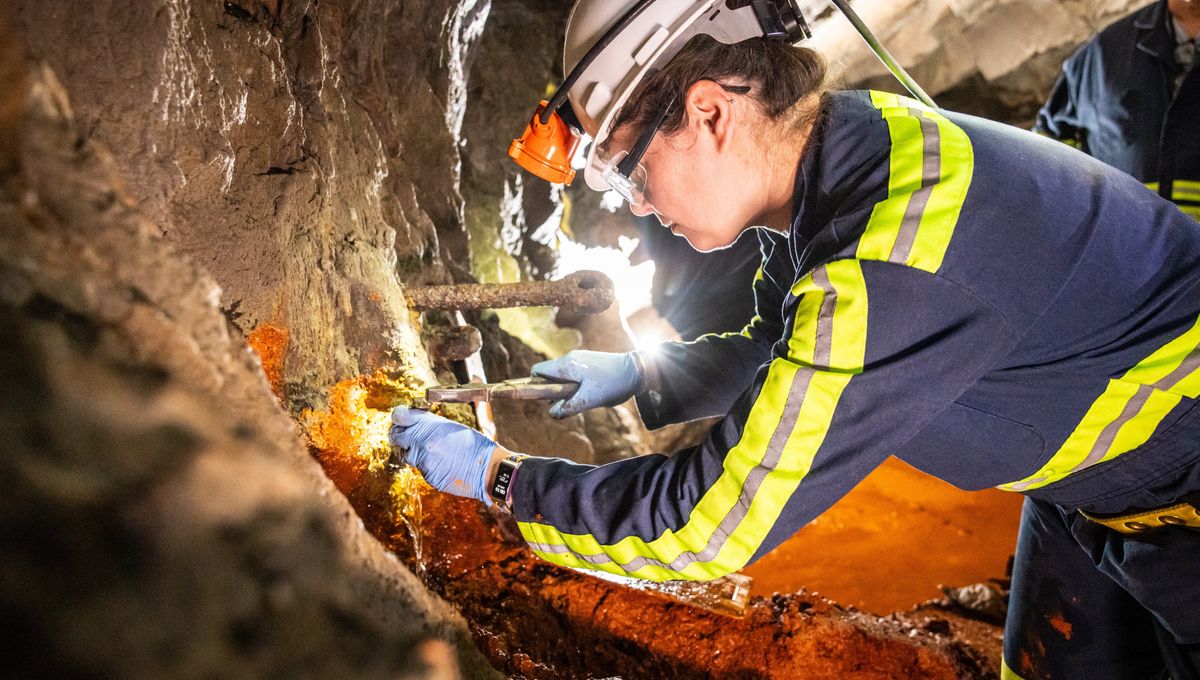
Scientists studying the deep subsurface biosphere have discovered a wealth of "microbial dark matter" deep within a gold mine in South Dakota. By sequencing microbial DNA from samples taken at the Deep Mine Microbial Observatory, researchers identified nearly 600 genomes from various microbial species. These organisms, often referred to as "minimalists" or "maximalists," have specialized jobs or the ability to utilize any available resource. The findings shed light on the vast and diverse world of microbial life beneath the Earth's surface and may have implications for the search for extraterrestrial life.

Revolutionizing our understanding of mammals through genomic research.
science2 years ago

Revolutionizing our understanding of mammals through genomic research.

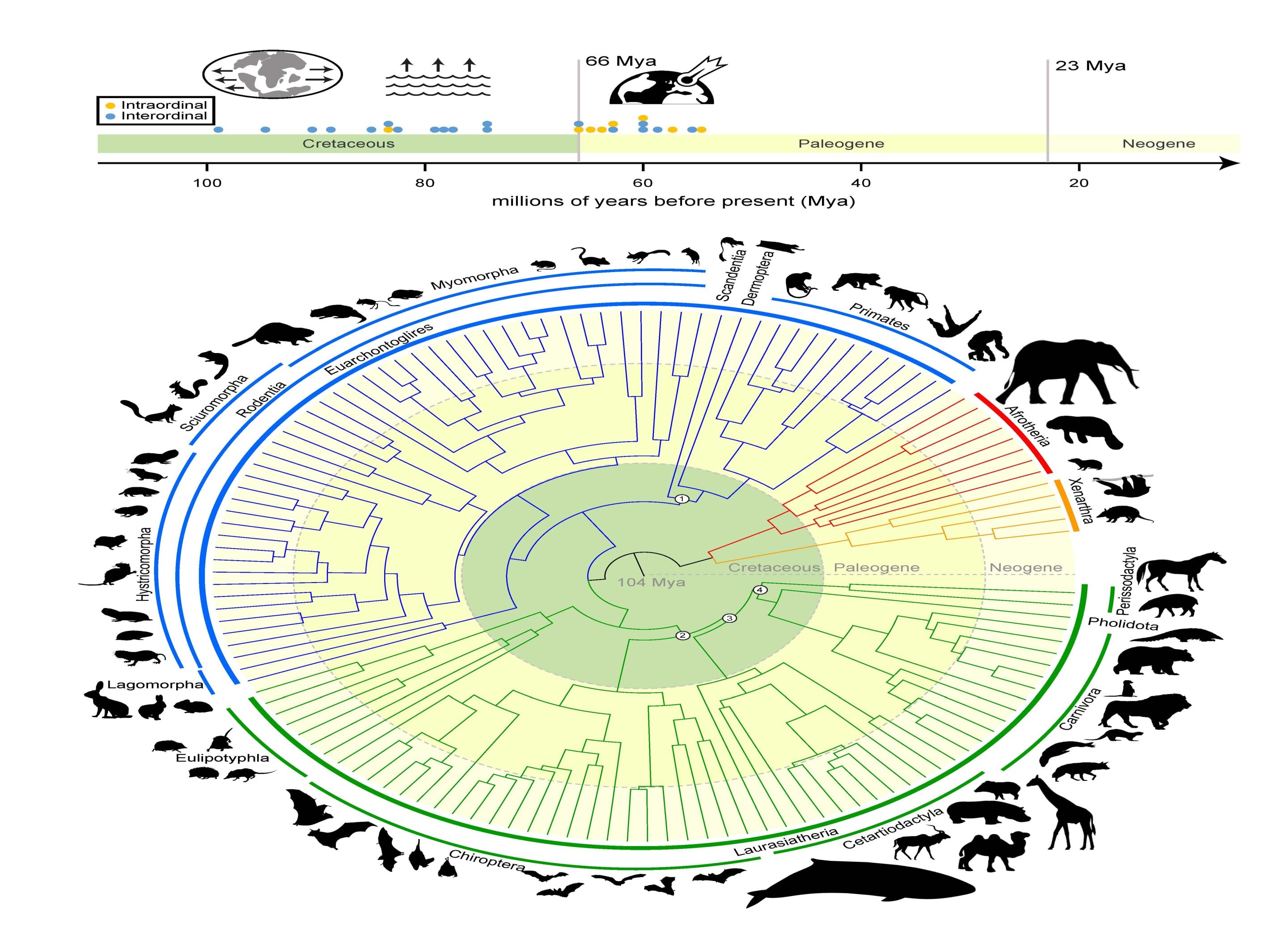
Researchers from the Texas A&M School of Veterinary Medicine and Biomedical Sciences have used the largest mammalian genomic dataset in history to determine the evolutionary history of mammals over the last 100 million years. The study, part of the Zoonomia Project, concludes that mammals began diversifying before the extinction of non-avian dinosaurs, as a result of continental drifting, and another pulse of diversification occurred immediately following the extinction. The research is crucial to the goals of the Zoonomia Project, which aims to harness the power of comparative genomics as a tool for human medicine and biodiversity conservation.

Unraveling Human Genes through Comparative Mammalian Genomics
science2 years ago

Unraveling Human Genes through Comparative Mammalian Genomics

Scientists have compared the genomes of 240 mammals, including narwhals, cheetahs, and screaming hairy armadillos, to understand the human genome. The Zoonomia Project has revealed millions of stretches of human DNA that have changed little since our shrew-like ancestors scurried in the shadows of dinosaurs. These ancient genetic elements most likely carry out essential functions in our bodies today, and mutations within them can put us at risk of a range of diseases. The project's strength lies in the huge amount of data analyzed, and it will serve as a treasure map to guide further explorations of the human genome.

"Unlocking the Secrets of Human Evolution through Mammal Genomes"
science2 years ago

"Unlocking the Secrets of Human Evolution through Mammal Genomes"

The Zoonomia Project has compared the genomes of 240 mammals, revealing new insights into how mammals evolved. The project has made its data available to the public, highlighting similarities and differences among the genomes and pointing researchers to which genes contribute to disease. The data also reveal how certain traits, such as sense of smell, evolved and how mammals diverged from their ancestors. The project is just the beginning of research in mammal genomics, with more powerful data sets expected as more mammal species are sequenced.

Unraveling the Genetic Evolution of Woolly Mammoths
science2 years ago

Unraveling the Genetic Evolution of Woolly Mammoths

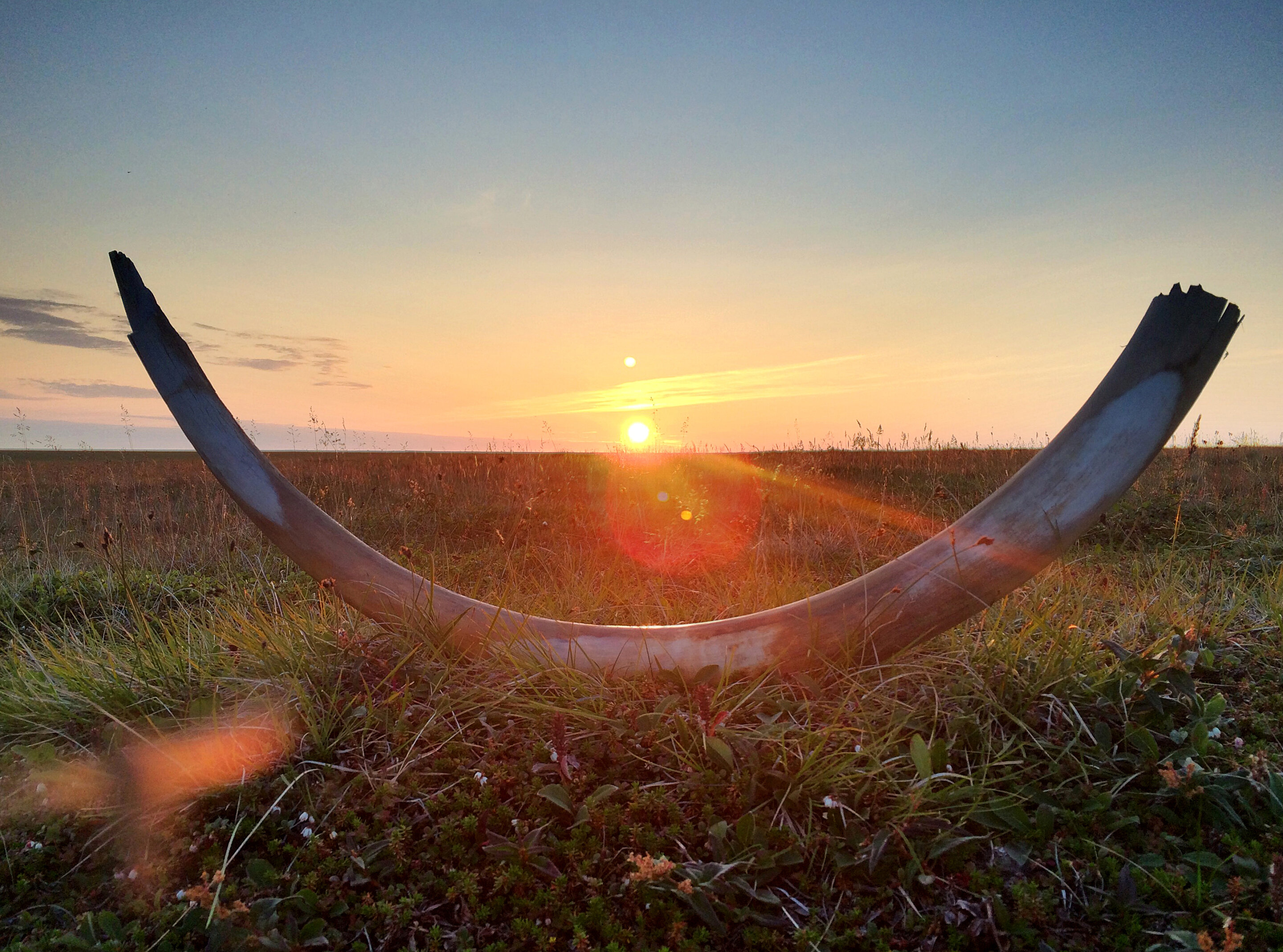
Researchers compared the genomes of woolly mammoths with modern-day elephants to identify genes that were "highly evolved" in woolly mammoths. They found that many of the woolly mammoth's trademark features, including their woolly coats and large fat deposits, were already genetically encoded in the earliest woolly mammoths, but these and other traits became more defined over the species' 700,000+ year existence. They also identified a gene with several mutations that may have been responsible for the woolly mammoth's miniscule ears.