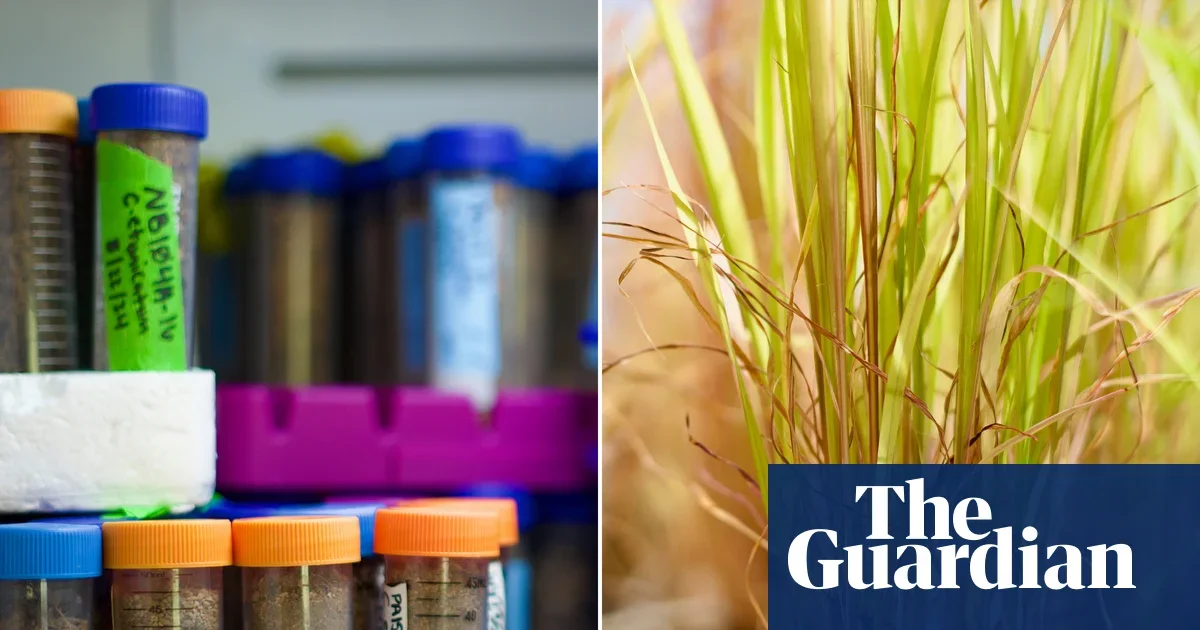
The International Collection of Vesicular Arbuscular Mycorrhizal Fungi (INVAM), a crucial global repository of soil fungi vital for ecosystem health and agriculture, faces imminent closure due to federal funding cuts, risking the loss of decades of scientific research and potential environmental benefits.
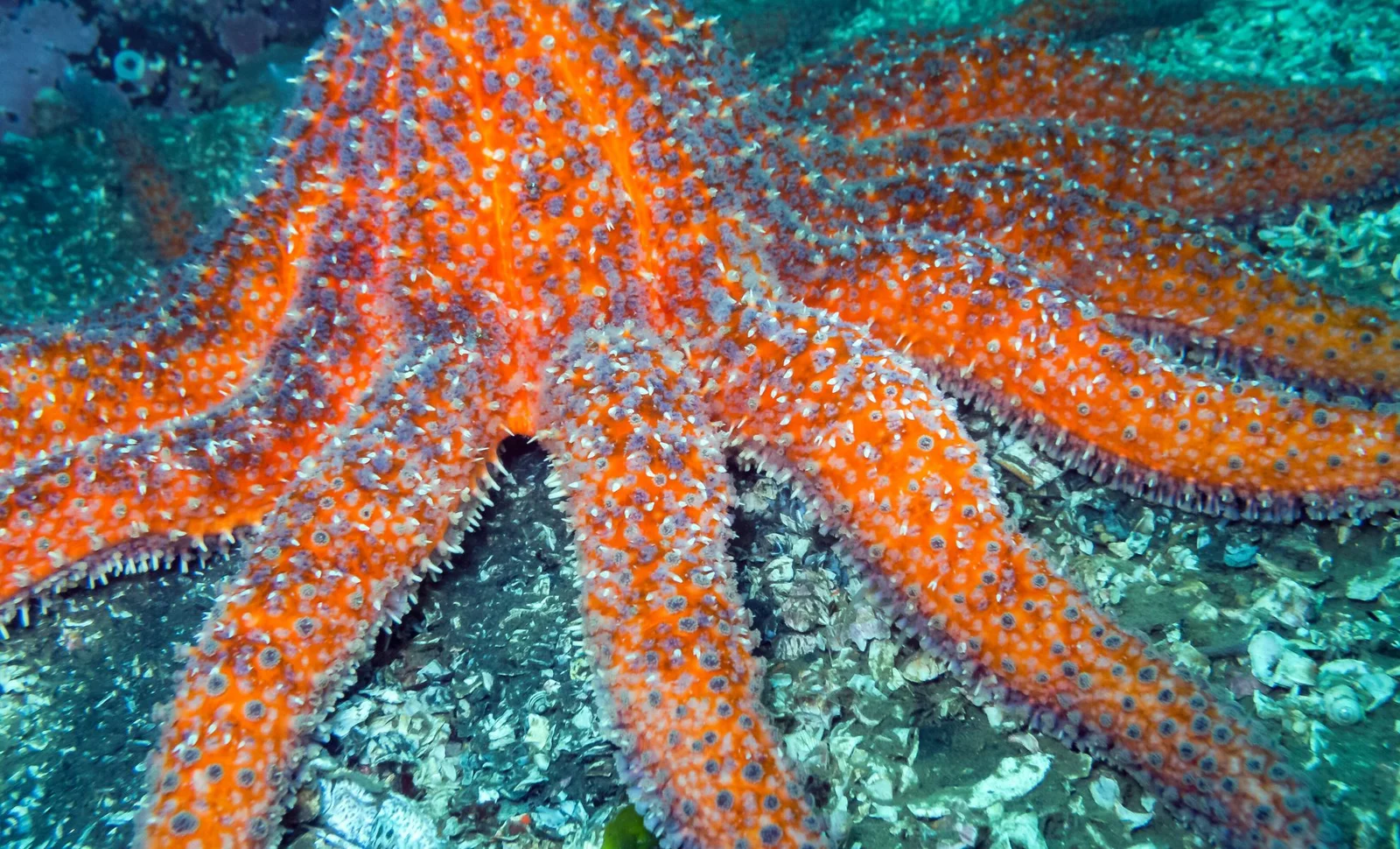
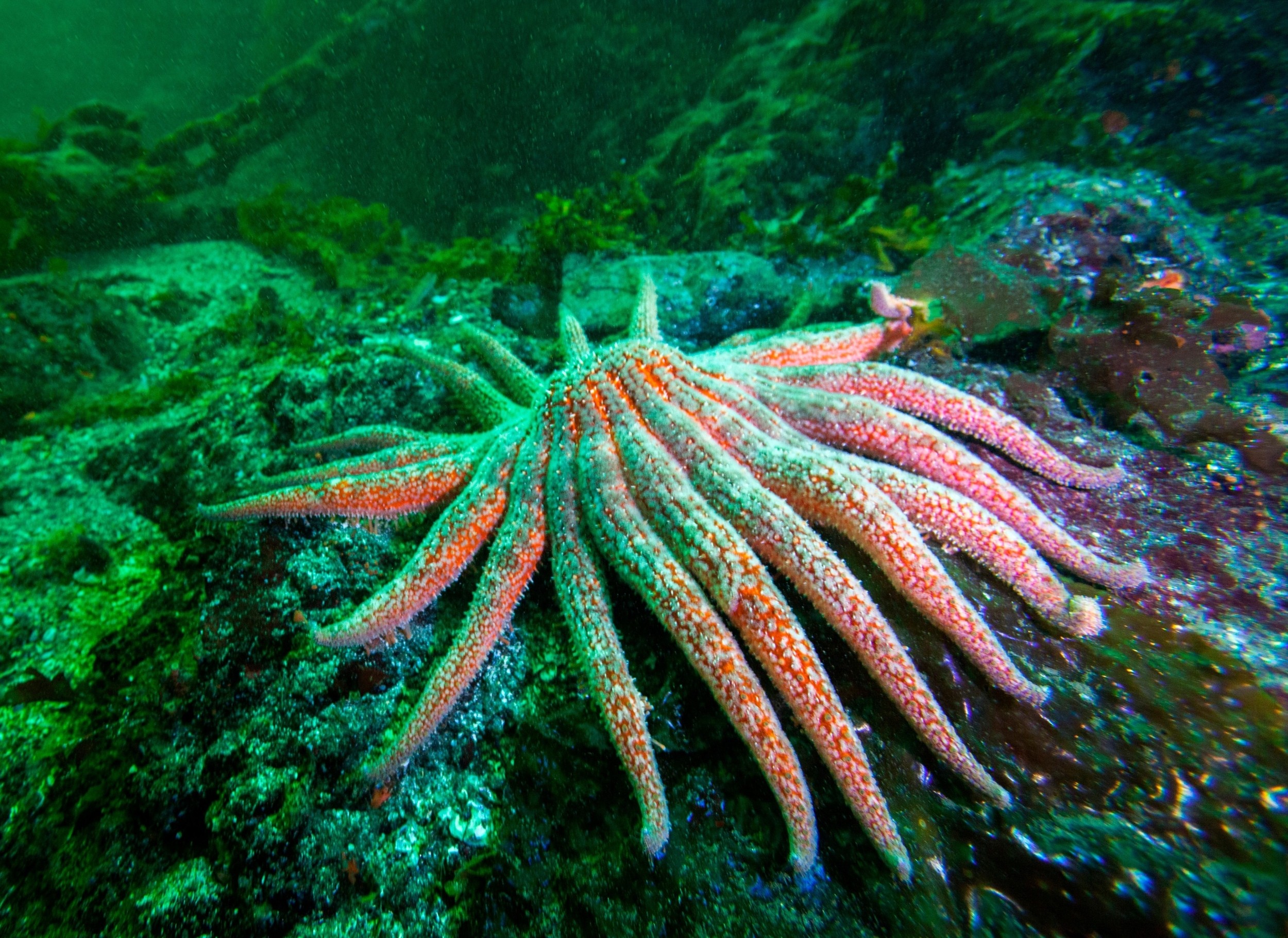
Scientists have discovered that sunflower sea stars could help restore damaged kelp forests by deterring sea urchins that overgraze these vital ecosystems, offering a natural solution to environmental degradation. Field experiments show that the presence of sea stars causes red sea urchins to avoid kelp, potentially aiding in ecosystem recovery, though further research is needed to confirm long-term effects and impact on purple sea urchins.
A study by UC Santa Cruz researchers found that sunflower sea stars deter red sea urchins from grazing on kelp, creating a 'landscape of fear' that could aid in kelp forest recovery, especially after sea star populations declined due to disease. The research suggests that reintroducing sea stars might be a less labor-intensive method to control urchin populations and restore kelp ecosystems, which are vital for marine biodiversity and the economy.
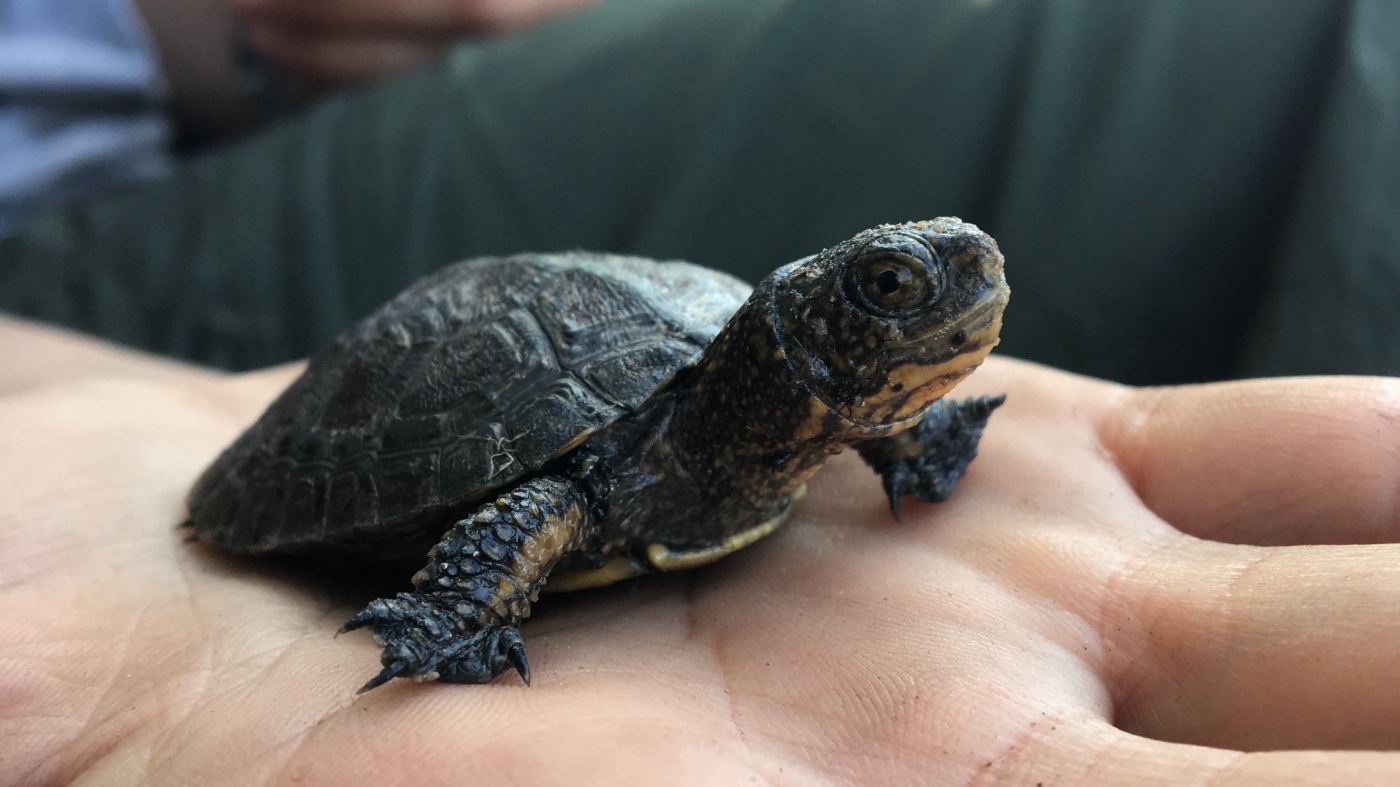
Scientists in Yosemite have successfully removed invasive American bullfrogs from remote ponds, leading to the recovery of California's native Northwestern pond turtle and other native species, demonstrating a potential method for restoring ecosystems affected by invasive species.
The United Kingdom has witnessed a successful conservation effort with the reintroduction of the raft spider, Dolomedes plantarius, by Chester Zoo and the RSPB. Once on the brink of extinction, over 10,000 breeding females now thrive in the wild, playing a crucial role in maintaining aquatic biodiversity. This conservation success highlights the importance of targeted breeding programs and habitat restoration in preserving endangered species and ecosystems.
Scientists have discovered that northern pocket gophers can significantly aid in the restoration of devastated landscapes, such as Mount St. Helens after its 1980 eruption. By burrowing, these rodents help distribute beneficial microbes, including mycorrhizal fungi, which enhance plant growth and resilience. This process has led to a remarkable recovery of plant life in areas where gophers were introduced, highlighting the critical role of microbial communities in ecosystem recovery.
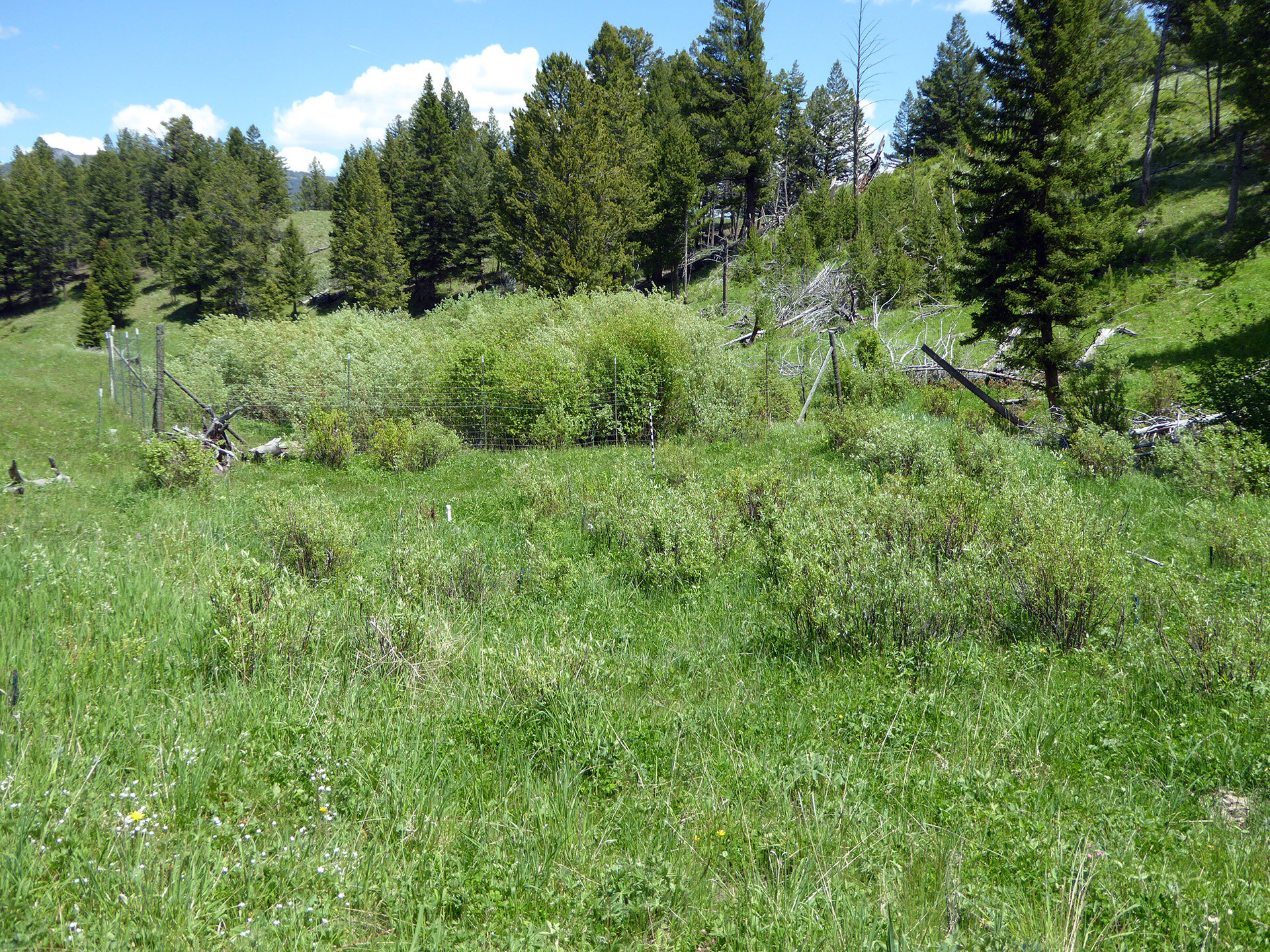
A 20-year study by Colorado State University challenges the belief that reintroducing apex predators, such as wolves, can quickly restore ecosystems. The absence of apex predators in Yellowstone for nearly a century transformed the landscape and food web, leading to lasting changes that were not reversed even after the predators were reintroduced. The study emphasizes that restoring apex predators is not a quick fix for ecosystem restoration and highlights the complex and long-term effects of their absence. While the reintroduction of wolves may have some ecosystem benefits, the study suggests that maintaining the integrity of the food web and preserving top predators is crucial for the long-term health of ecosystems.
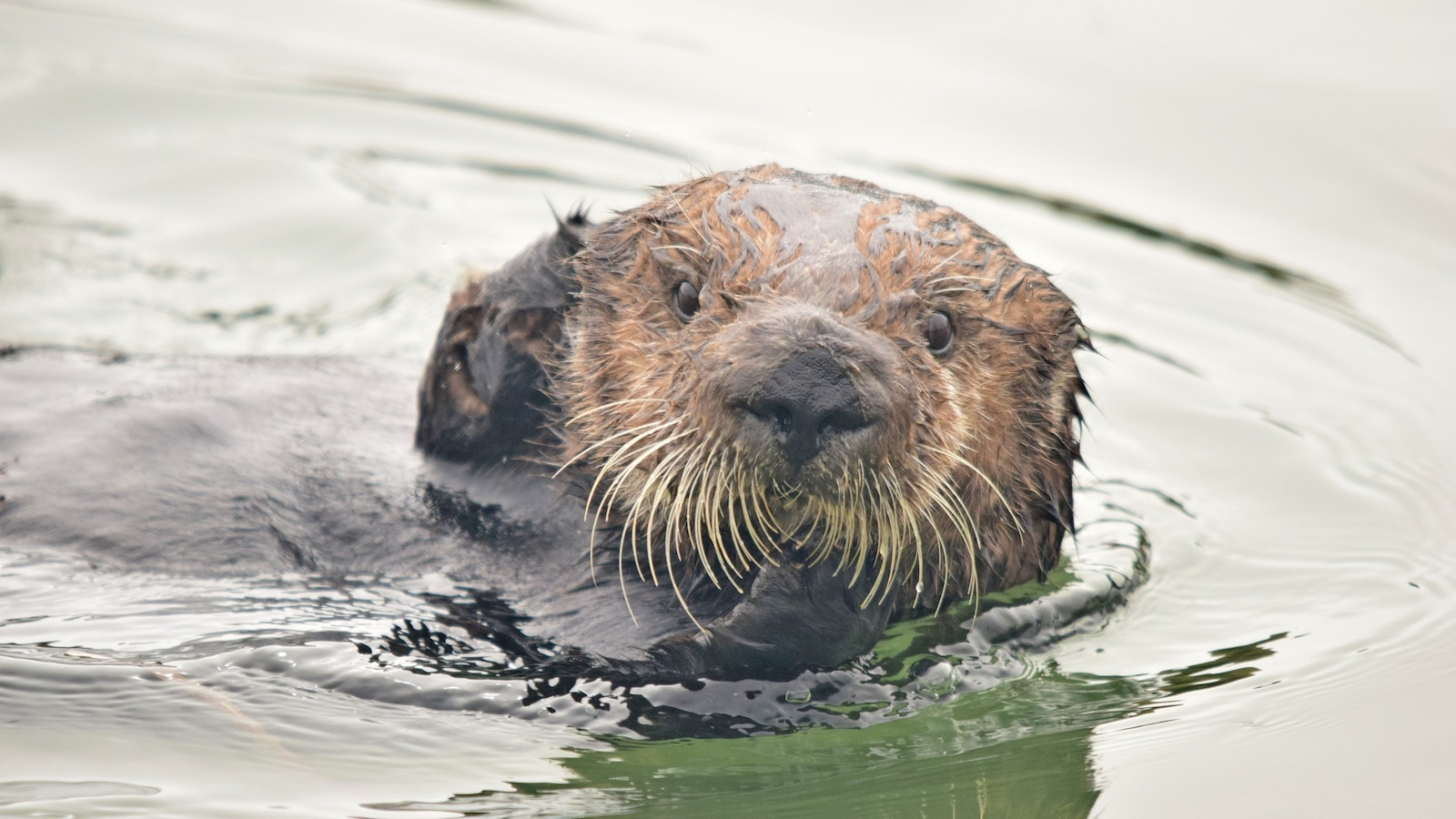
A recent study published in the journal Nature reveals that as sea otter populations recover in California, they are proving to be a natural solution to preventing coastal erosion by consuming burrowing crabs that destabilize salt marshes. Conservation efforts have led to the expansion of sea otter habitats, demonstrating their resilience and potential to restore ecosystems. The study highlights the positive impact of protecting a single species on the entire ecosystem, emphasizing the importance of continued conservation efforts to address long-term threats such as sea level rise and pollution.
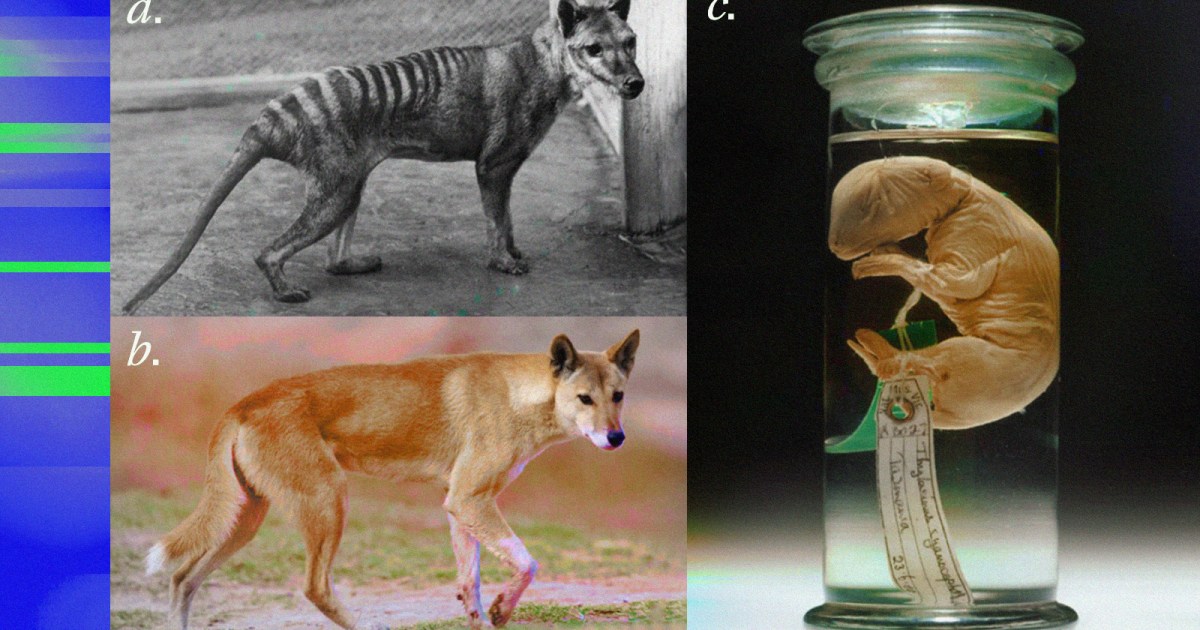
Researchers are exploring the possibility of "de-extincting" the Tasmanian tiger, also known as the thylacine, using genetic engineering and CRISPR technology. The goal is not to create an exact replica of the extinct species, but to create a proxy that can fill its ecological role in the Australian ecosystem. By sequencing the genome of the thylacine and editing the DNA of a similar living species, such as the fat-tailed dunnart, researchers hope to create a Tasmanian tiger-like cell that can be implanted into a surrogate mother. While the process is still in its early stages, the potential benefits of restoring keystone species like the thylacine to their ecosystems make the effort worthwhile.
A $3 billion ecosystem restoration project funded by settlement money from the BP Deepwater Horizon disaster is underway in Louisiana's Plaquemines Parish. The project aims to divert sediment-laden water from the Mississippi River into the Barataria Basin to restore disappearing land. While climate change-induced rising sea levels pose a threat, state officials are confident in the project's success. The project is estimated to build 20-40 square miles of land over the next 30-50 years, although subsidence and sea level rise may result in a net loss of land. Environmental concerns and opposition from fishermen persist, but some see the potential benefits of the project.
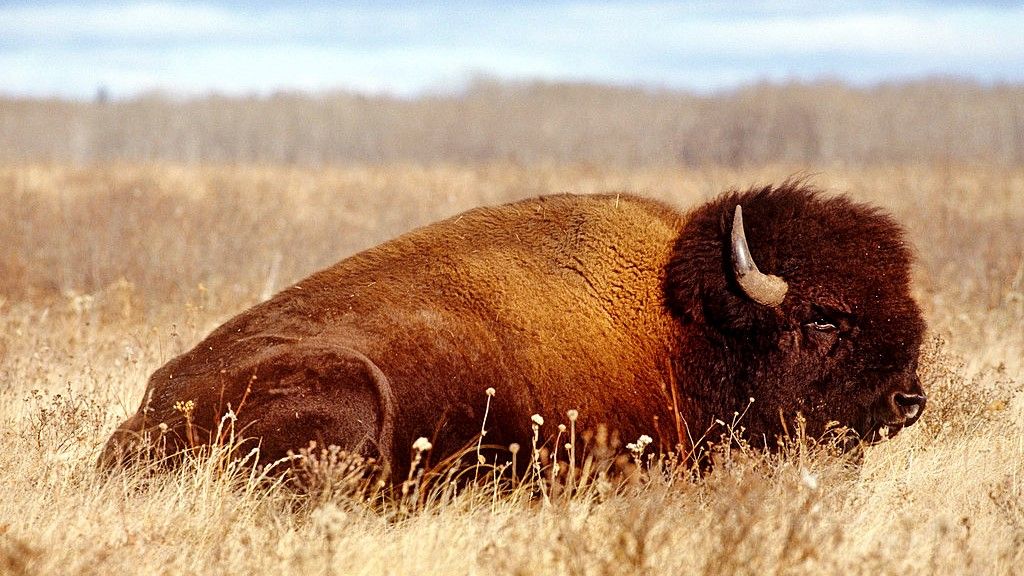
Scientists have introduced plains bison to the Russian Arctic in an effort to restore the region's grassy plains and ancient ecosystems. The bison will take on the role of extinct woolly mammoths, which roamed the area during the late Pleistocene epoch. By reintroducing large herbivores, scientists hope to restore the landscape's ability to store carbon and mitigate climate change. However, some experts are skeptical, as the current climate in the Arctic is warmer and wetter than during the Pleistocene, potentially making the ecosystem unsuitable for large herbivores. Nonetheless, the reintroduction of these animals is seen as an interesting idea with potential benefits.