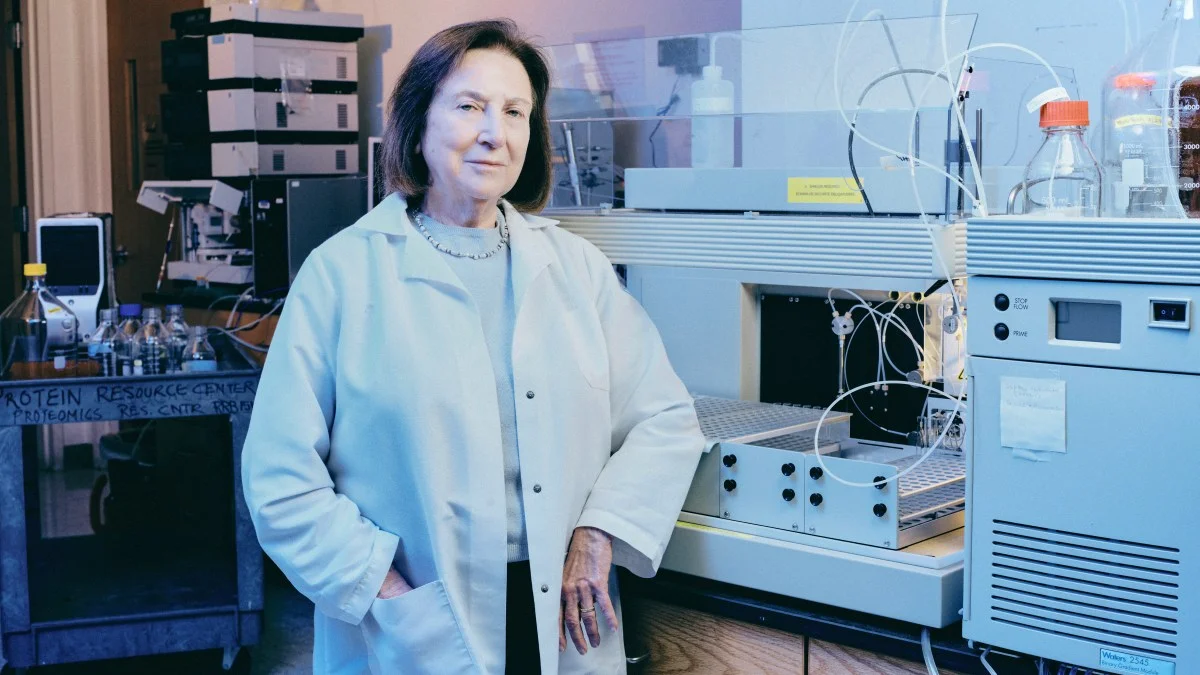
An in-depth feature highlights Svetlana Mojsov’s crucial role in discovering GLP-1, the hormone at the heart of Ozempic and related drugs, and a decades-long patent fight in which she was ultimately credited with a share of royalties after being largely sidelined by male colleagues.
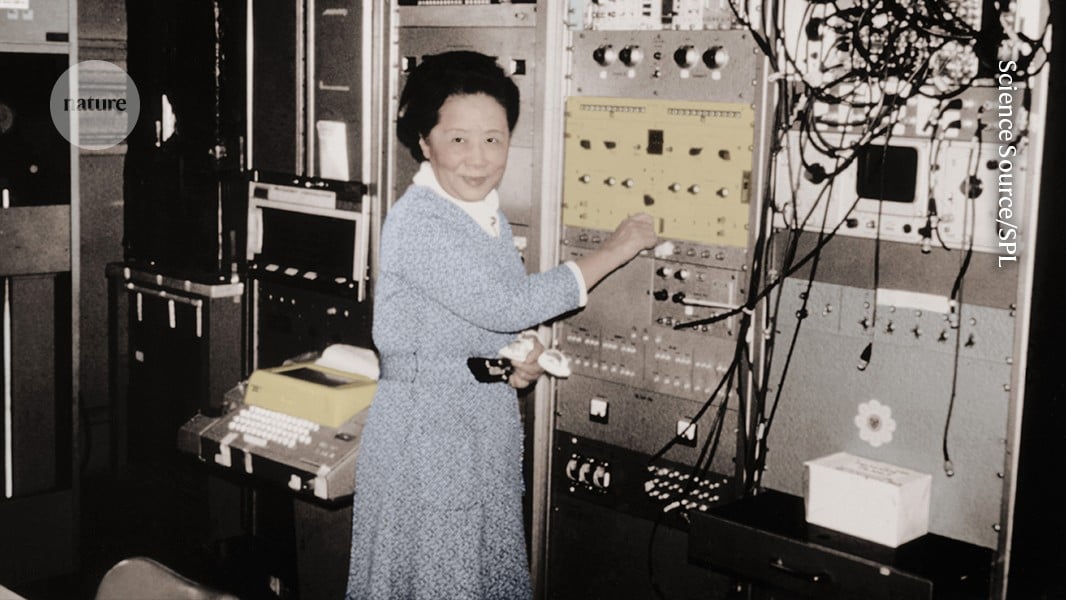
The article highlights the often-overlooked contributions of women in the history of quantum physics, emphasizing the importance of recognizing diverse scientists like Williamina Fleming and Chien-Shiung Wu, and challenges the traditional male-centric narrative of scientific discovery, advocating for a more inclusive and nuanced understanding of scientific history.
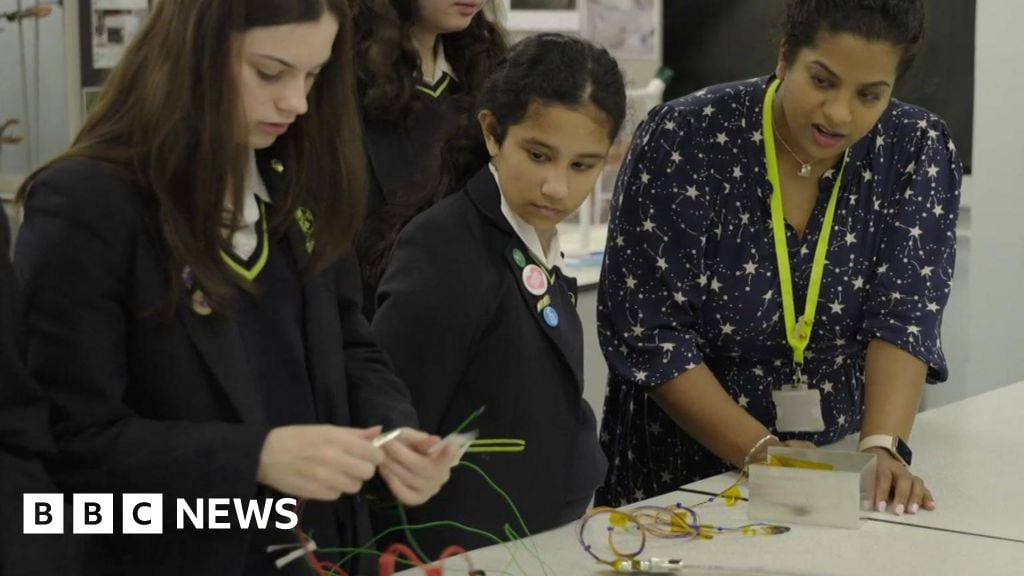
Croydon High School in London is on track to become the first all-girls school to send a satellite into space, aiming to inspire more girls to pursue STEM fields by designing and building their own satellite for launch into low-Earth orbit, with a focus on climate science and atmospheric research.
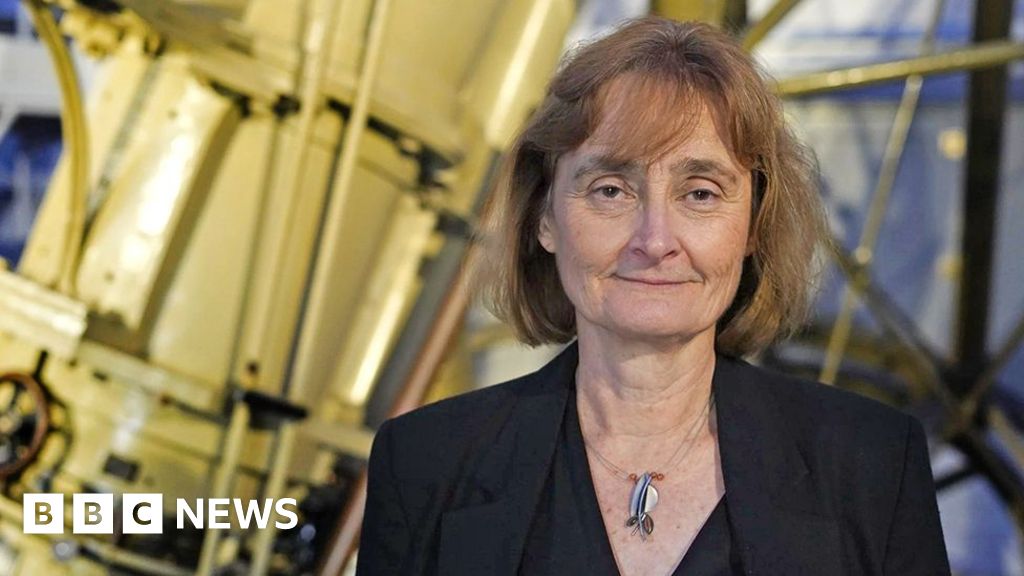
Michele Dougherty becomes the UK's first female Astronomer Royal in 350 years, inspired by her childhood interest in space, and is involved in missions to explore Jupiter's icy moons, aiming to inspire more women in science and highlight the importance of astronomy to the UK.
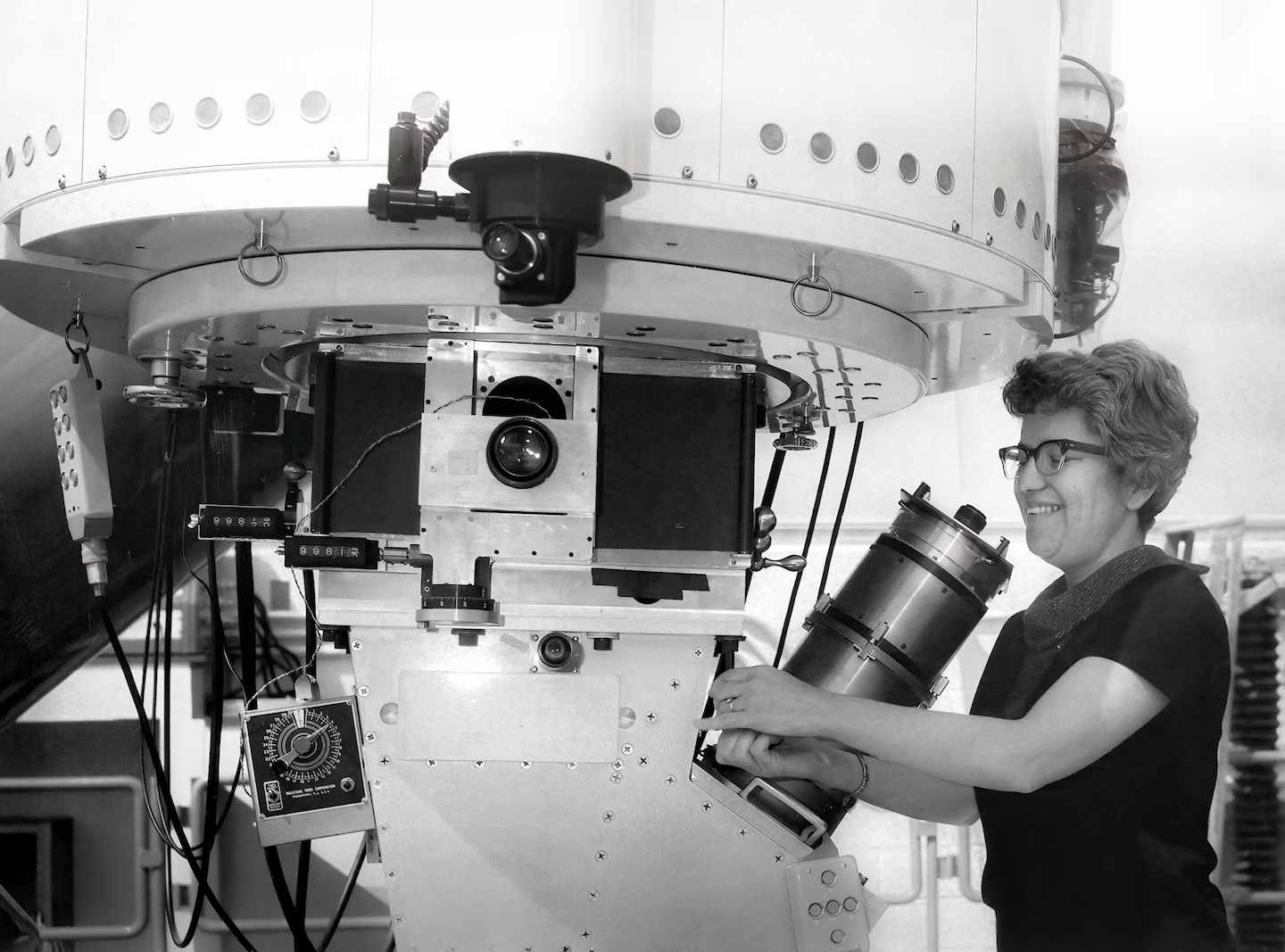
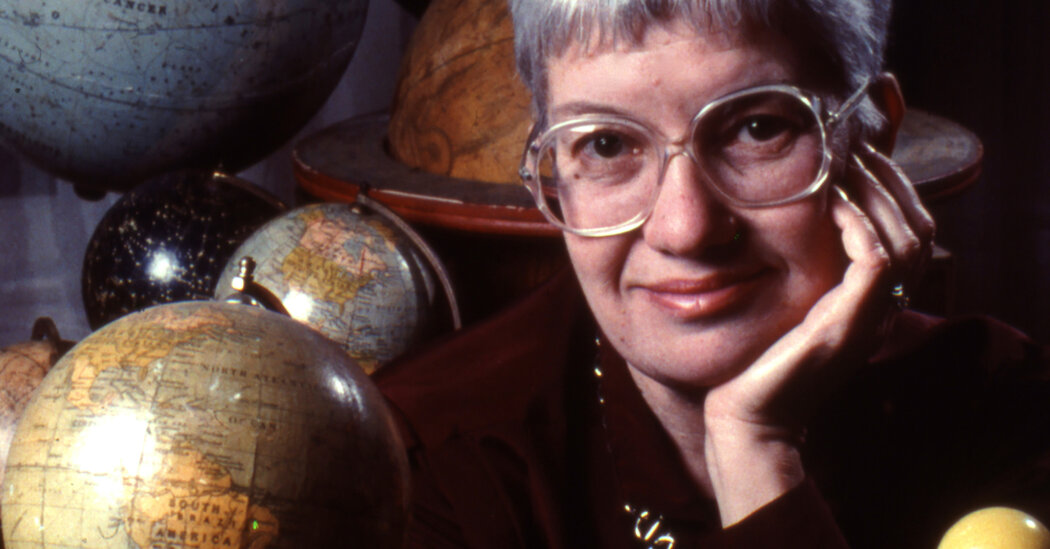
Vera Rubin, inspired by her childhood in D.C., overcame gender barriers in astronomy to discover dark matter and has a notable observatory named after her.
The Vera C. Rubin Observatory, named after the pioneering astronomer Vera Rubin, is set to revolutionize cosmic research, especially in dark matter and dark energy studies, amid a changing political climate that highlights her legacy in advancing women and underrepresented groups in science.
Women scientists in Antarctica, including geologist Jane Willenbring, have faced sexual harassment and assault, with a recent report revealing that 59% of women at US Antarctic Program field stations experienced such mistreatment. Willenbring's experiences with her former advisor, David Marchant, shed light on the pervasive issue. Additionally, the Homeward Bound leadership program for women in science and technology also faced allegations of sexual harassment and misconduct during an expedition to Antarctica. Despite these challenges, efforts are being made to improve safety and foster a supportive environment for women in scientific research.
In honor of Women's History Month, the legacy of the women who played a crucial role in the development of in-vitro fertilization (IVF) is highlighted. From Miriam Menkin's groundbreaking work in the 1930s to Georgeanna Jones' pivotal contributions in the late 70s and 80s, these women were instrumental in the creation and development of IVF, which has since provided a pathway to parenthood for many families. Elizabeth Carr, the first baby born in the U.S. through IVF, advocates for greater protection and access to IVF, emphasizing its importance in addressing infertility and other reproductive health needs.
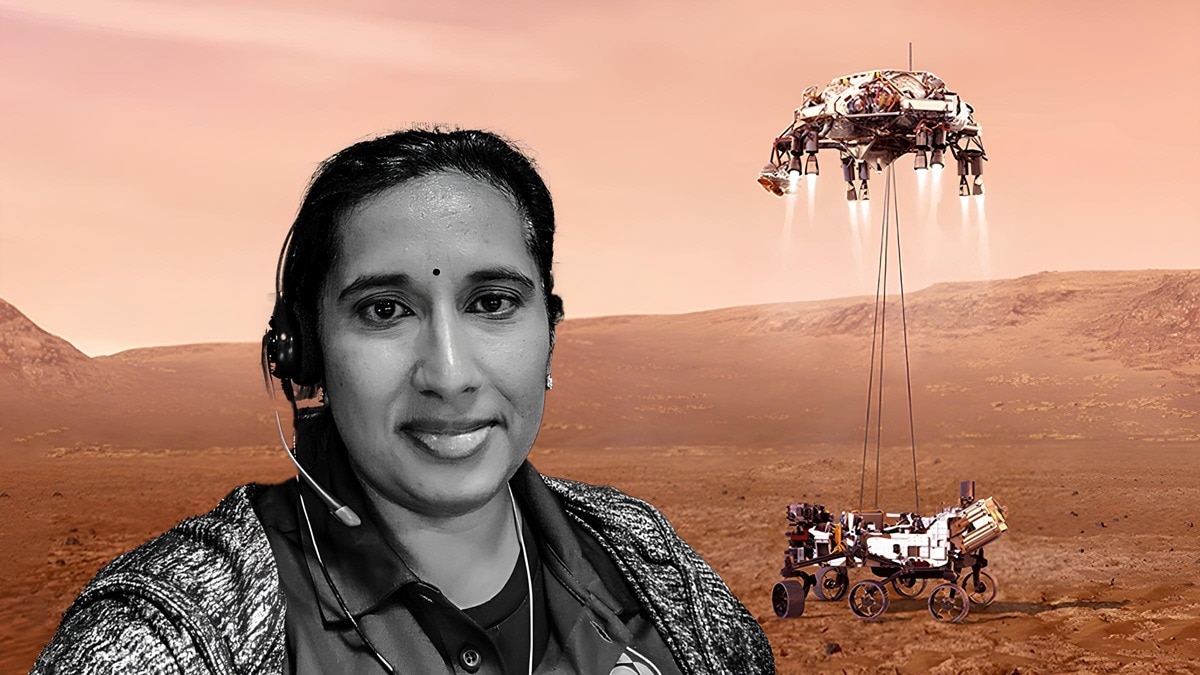
Dr. Swathi Mohan, Guidance and Operations Lead at Nasa's Jet Propulsion Laboratory, shares her journey into the cosmos, her pivotal role in Mars exploration, and her thoughts on the vital presence of women in the realm of science. Her interest in Mars stems from its Earth-like qualities, and she emphasizes the critical yet underutilized role of women in science, advocating for leveraging their untapped potential to foster innovation. Mohan's illustrious career at Nasa has seen her contribute to missions exploring Saturn, the Moon, and notably, the Mars Perseverance Rover mission, with her most recent endeavor focusing on exploring the asteroid belt.
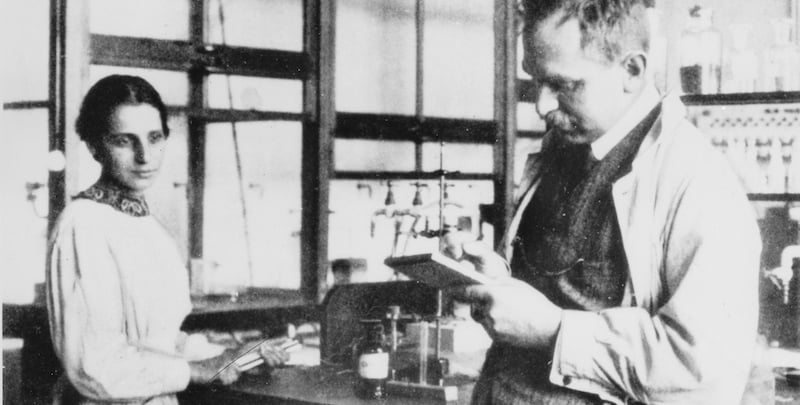
The article highlights the erasure of women from scientific history, focusing on the story of Lise Meitner, a Jewish physicist whose breakthrough discovery of nuclear fission was overshadowed by her male colleague, Otto Hahn. Despite her significant contributions, Meitner was denied credit and the Nobel Prize. The article also mentions other women scientists, such as Rosalind Franklin and Dr. Kati Kariko, who faced similar challenges and were overlooked or undermined in their respective fields. The author emphasizes the importance of correcting the historical record and giving these women their rightful place in scientific history.
Syracuse Stage, a theater organization, will establish the Julie Lutz New Play Development Fund in honor of Julie Lutz, a pioneering astronomer and advocate for women in science. Lutz, who was unable to attend shows due to her health, donated $1 million to Syracuse Stage with the directive to bring new voices to their stage. The fund will support the development of new works, writer's workshops, and residencies. Lutz's love for the arts and her generosity will be recognized through plays produced under the fund.
Caroline Herschel, the first professional female astronomer, made significant contributions to astronomy, including the discovery of several comets and nebulae. However, her name recognition remains low, partly due to the lack of credit she received during her time. Her work in recording and organizing astronomical data, as well as her role in creating catalogs still used today, highlights the importance of recognizing the contributions of astronomers like Herschel. This issue of underrecognition extends beyond the 18th century and persists in modern astronomy, emphasizing the need for fair recognition of all participants in scientific discoveries.
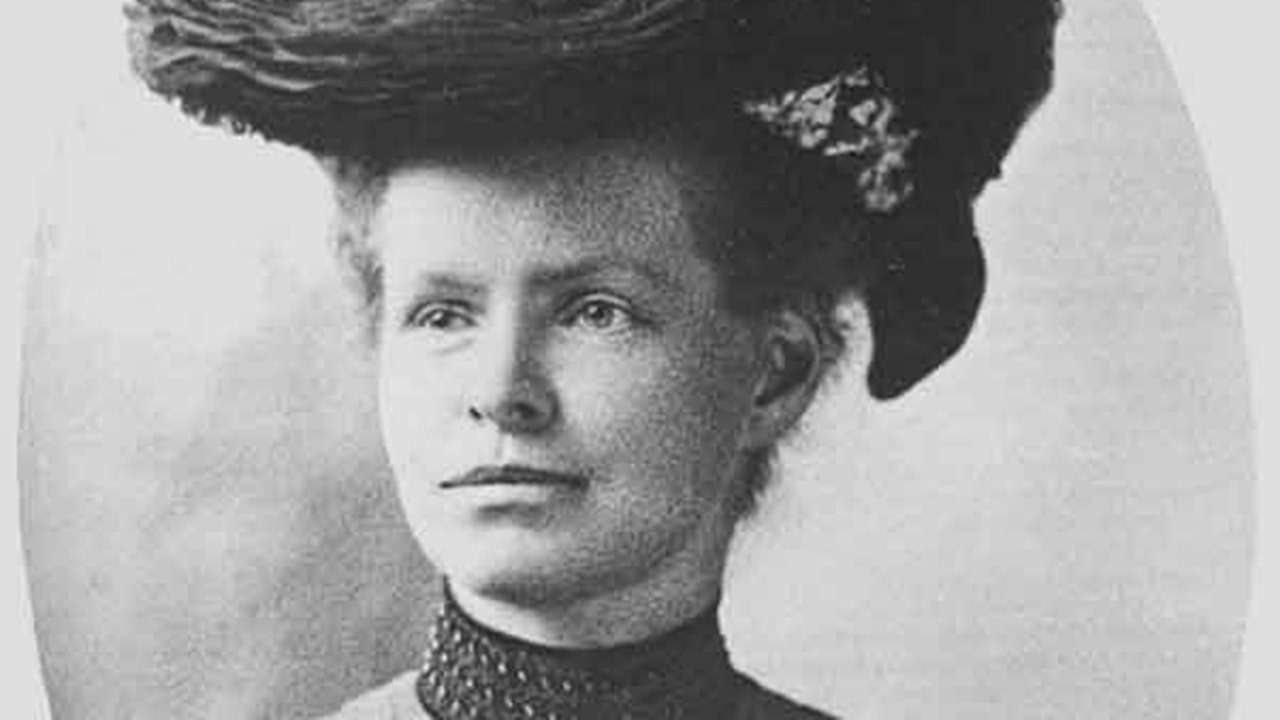
Nettie Stevens, a pioneering cytogeneticist and researcher at Bryn Mawr College, discovered in 1905 that sex is determined by hereditary traits passed through chromosomes. She found that females are born with a pair of XX chromosomes, inheriting an X from both the mother and father, while males are born with XY chromosomes; the X is from the mother, the Y from the father. Stevens' discovery revolutionized the field of genetics and challenged the assumptions of many powerful people in biology. Despite her groundbreaking work, she did not receive credit for her discovery at the time due to her gender.
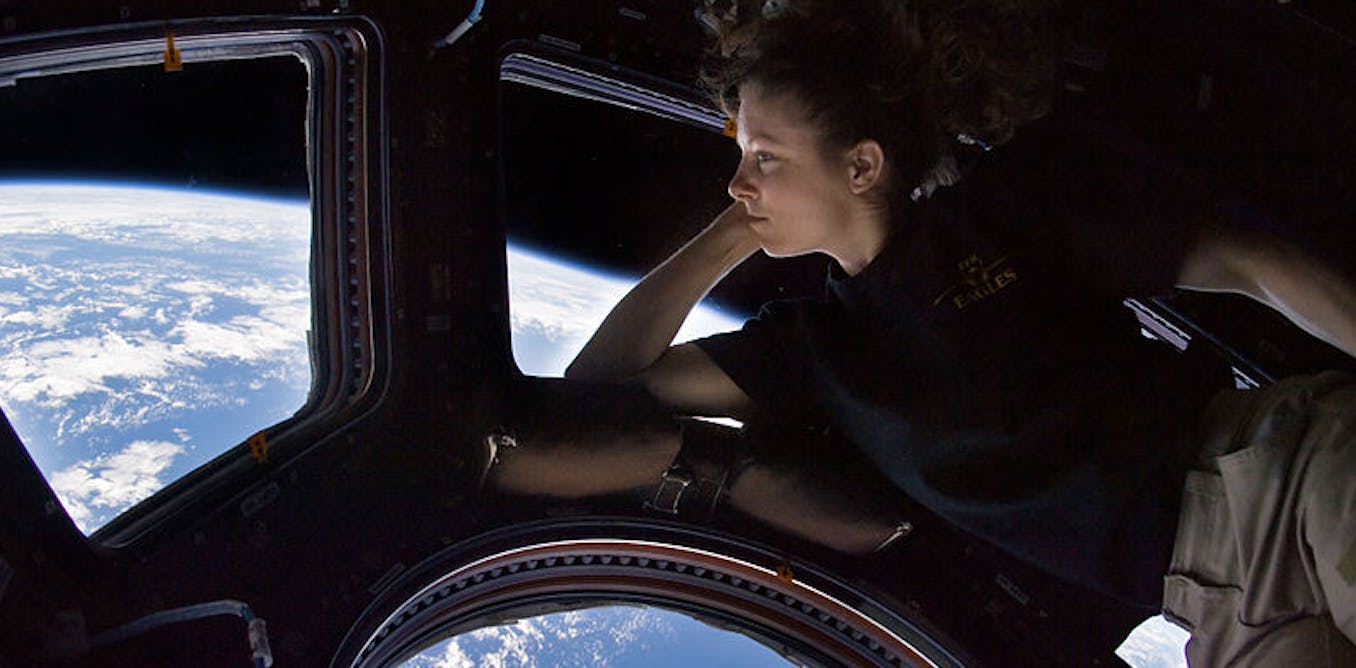
A recent study in Nature Scientific Reports suggests that sending exclusively all-female crews on long-duration missions could save resources, thus increasing the likelihood of success. However, the history of women in space has been marred by societal expectations, poor scientific practices, and cognitive biases that led to widespread discrimination. Despite passing the same tests as their male counterparts, women were excluded from the first US astronaut selection, with NASA's requirement for military test pilots precluding all potential female candidates. The article argues that the goal for any mission is to pick the right crew for the job, and if that means picking the astronauts who have the lowest body mass and resulting lowest energy, water, and oxygen requirements, and they also happen to be overwhelmingly female, then that is good mission design.
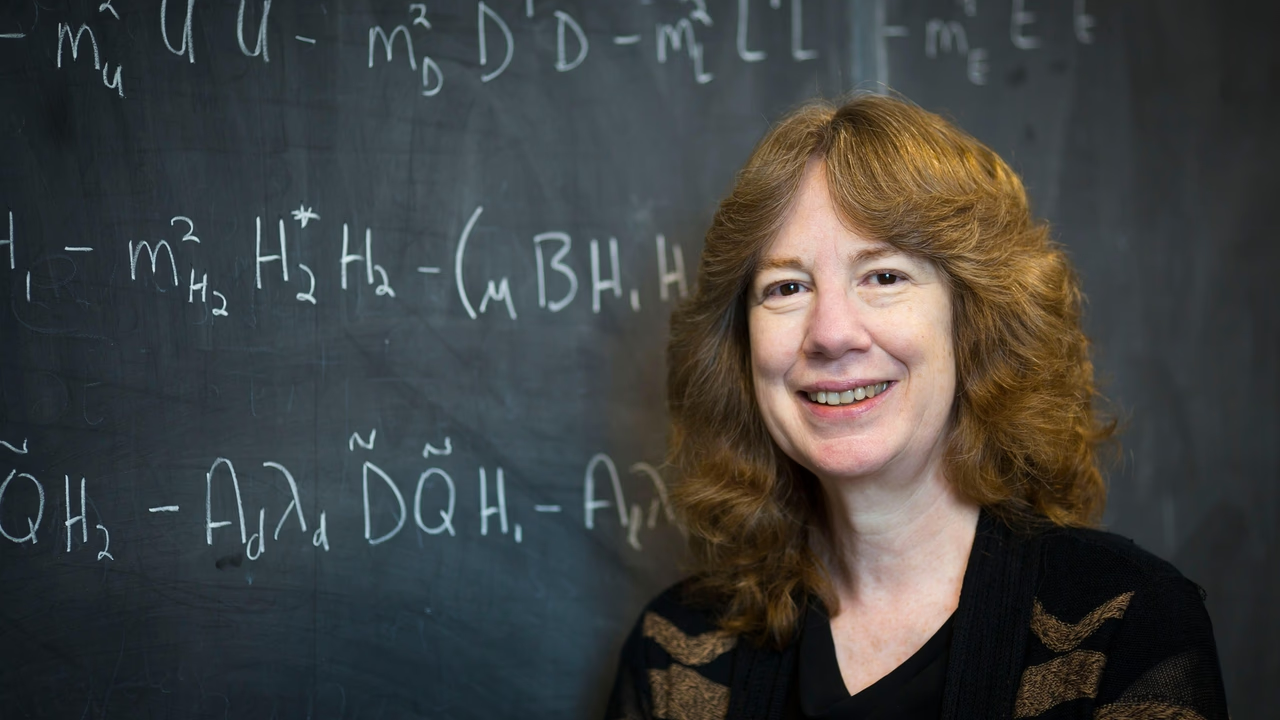
JoAnne Hewett has been named as the first female director of Brookhaven National Laboratory, a federal laboratory in Upton, New York. Hewett, a theoretical physicist, is known for her work studying extra spatial dimensions. She will oversee a $700 million annual budget and a staff of 2,800 scientists, engineers, technicians, and professionals whose research ranges from studies of the universe's origins to practical applications for cutting-edge batteries. Hewett will also be a professor at Stony Brook University’s Department of Physics and Astronomy and in the university's C.N. Yang Institute for Theoretical Physics.