An astronomer at Armagh Observatory captured what is believed to be the first video of a lunar impact flash in Ireland, during the Geminid meteor shower, marking a rare and significant event in astronomical observation.
The Vera C. Rubin Observatory, named after the pioneering astronomer Vera Rubin, is set to revolutionize cosmic research, especially in dark matter and dark energy studies, amid a changing political climate that highlights her legacy in advancing women and underrepresented groups in science.
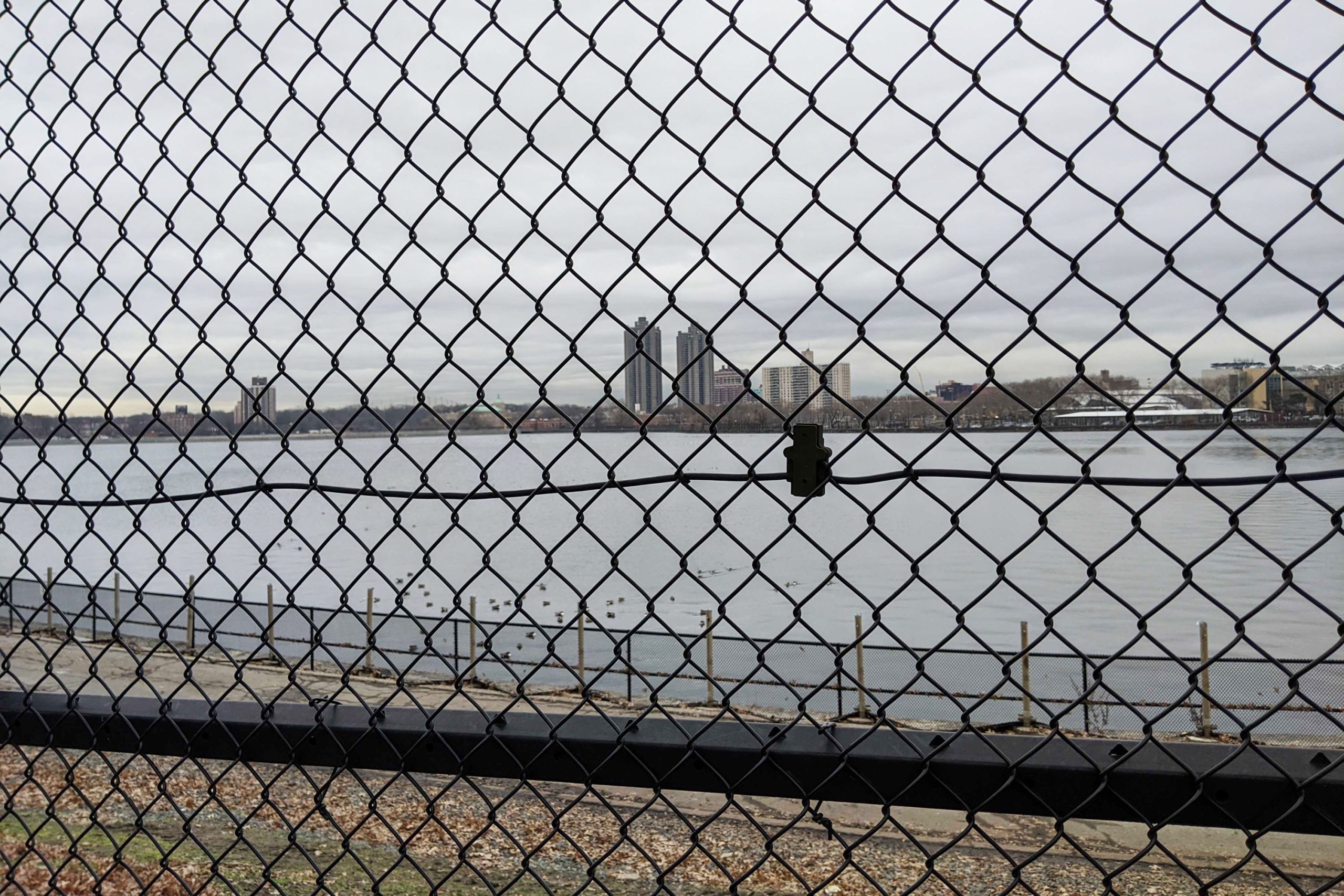
The Amateur Astronomy Association has abandoned plans to establish New York City's first free public observatory at Jerome Park due to unmanageable city licensing requirements, including unlimited liability and increased insurance coverage. Despite spending $21,000 of the $37,000 raised for the project, the association is now exploring private partnerships to continue their efforts elsewhere in the city. The project faced bureaucratic challenges, and the association remains committed to bringing science education to New Yorkers through other means.
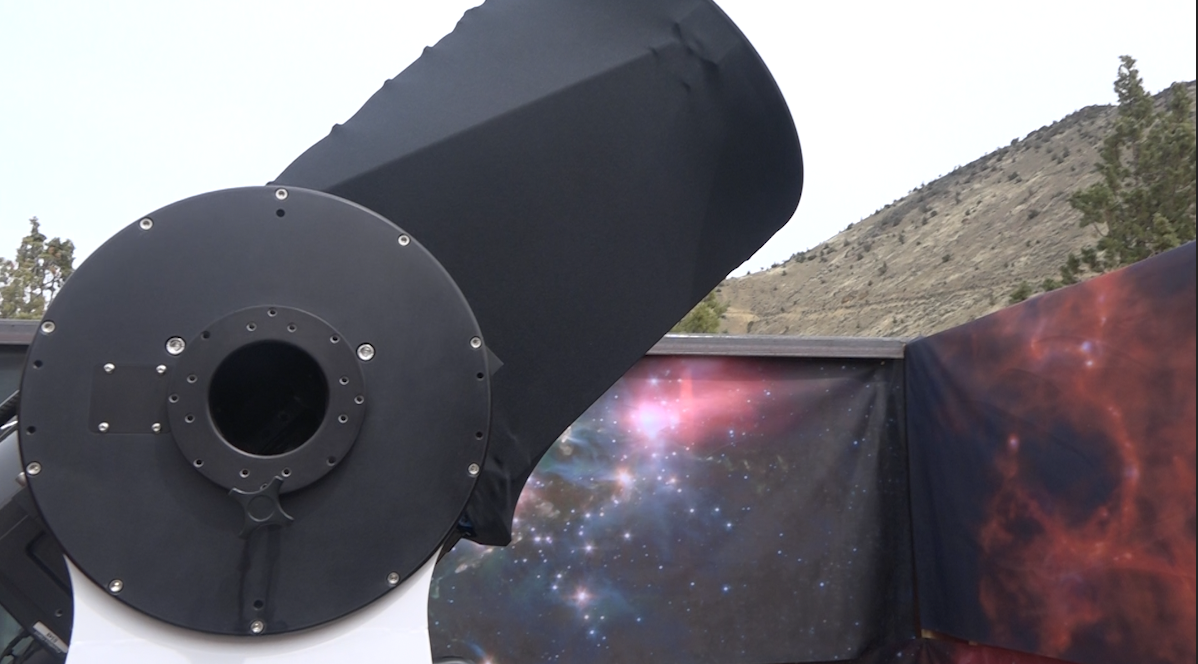
The Asterisk Observatory, located near Smith Rock State Park in Oregon, has opened to the public, offering visitors the opportunity to view celestial wonders through a 360-degree telescope and an auxiliary 8” Dobsonian telescope. Founder Dr. Cassandra Fallscheer highlights the area's dark skies as ideal for stargazing, and visitors can enjoy educational presentations, private constellation tours, and multiple-night stays. The observatory aims to provide a unique experience for astronomy enthusiasts and those visiting the area for activities like hiking and rock climbing.
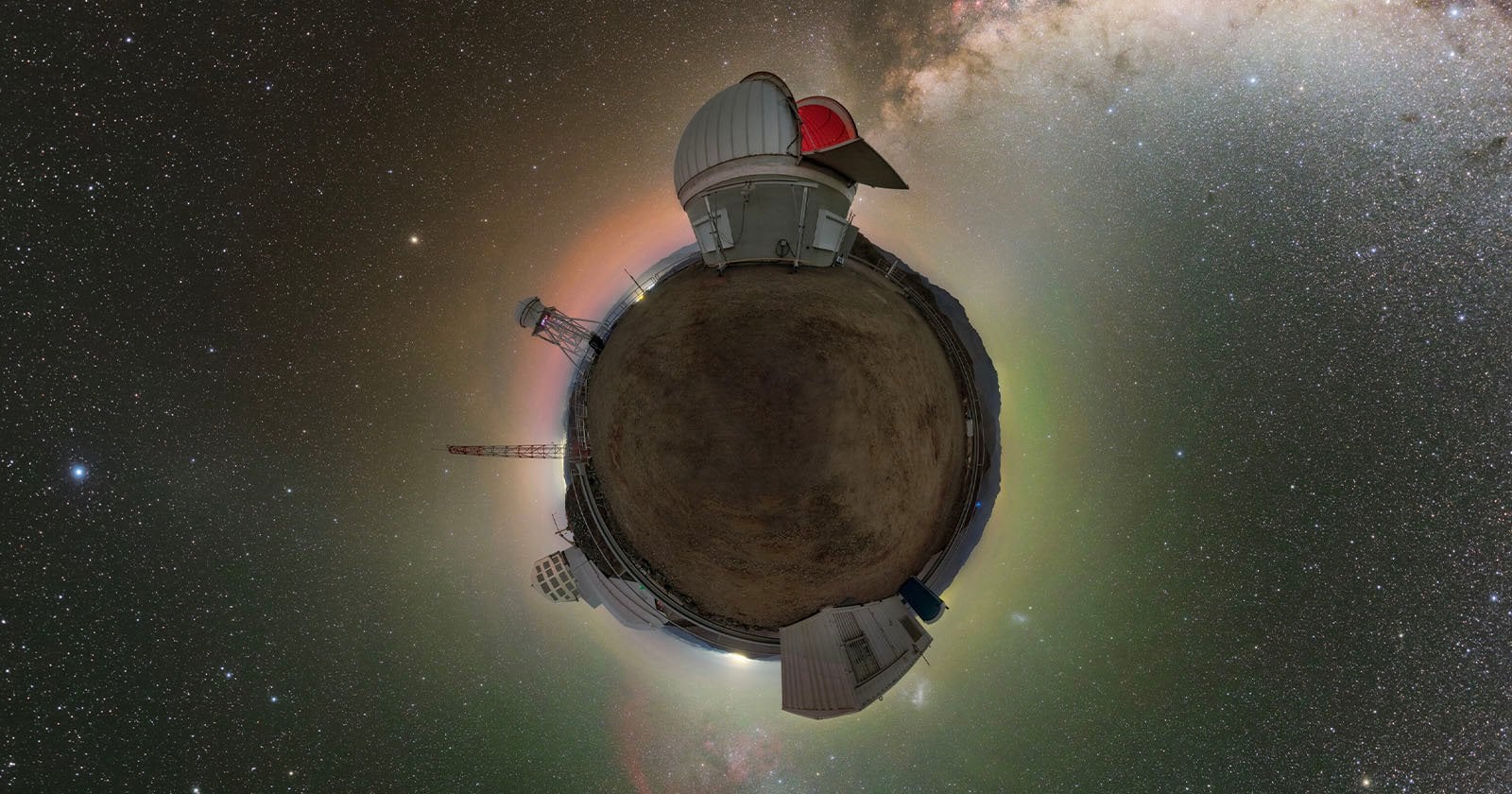
Astrophotographer Petr Horálek captured a stunning 360-degree image of the Vera C. Rubin Observatory in Chile, where the world's largest digital camera will be housed. The observatory, located atop Cerro Pachón, will host the powerful 3,200-megapixel LSST Camera, which will conduct a decade-long survey of the sky, generating 20 terabytes of data nightly. Scientists anticipate the camera will identify asteroids, supernovas, and an estimated 20 billion galaxies and stars, making it a groundbreaking tool for astronomy.
New York City's first public observatory is set to open in the Bronx this spring, featuring a small aluminum structure with a powerful telescope capable of providing views of celestial objects in the solar system and beyond. The observatory, funded by public donations and a grant, will be operated by the Amateur Astronomers Association and open to the public seven nights a week free of charge, with exclusive access for Bronx Science students during school hours. The project also includes plans for an ADA-accessible ramp, pavilion, and tree planting, aiming to promote stargazing and astronomy education in the city.
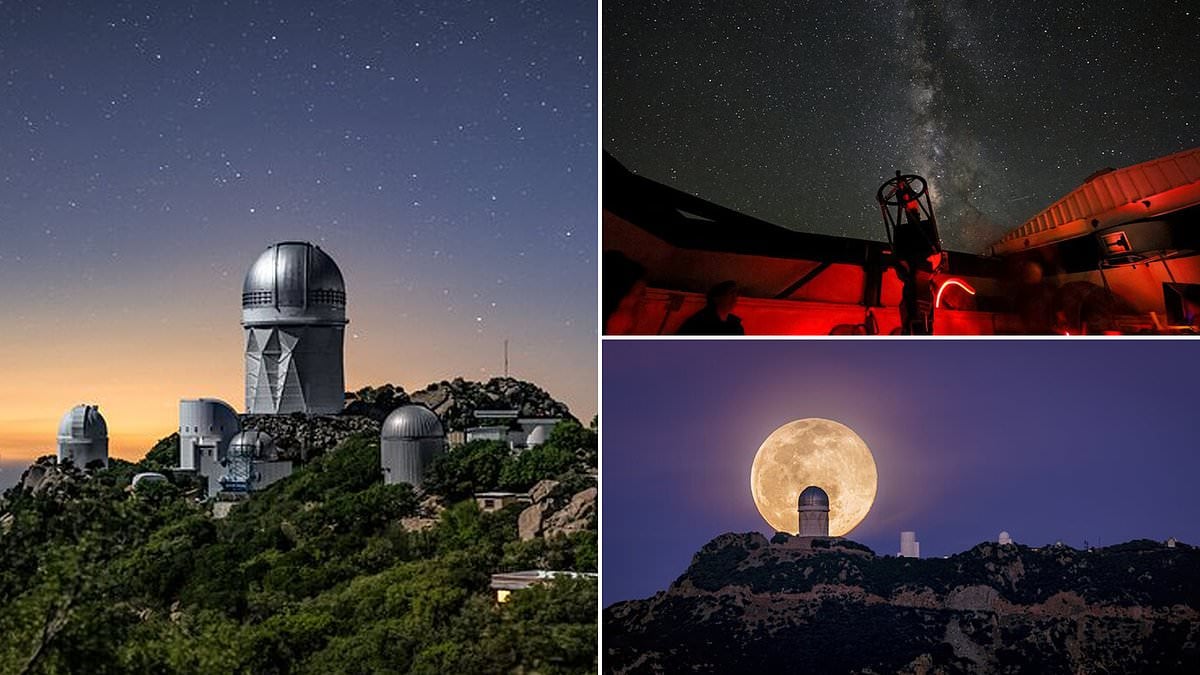
The National Science Foundation's NOIRLab in Arizona is offering a unique stargazing sleepover experience at Kitt Peak National Observatory. Priced at $1,350, guests can enjoy unrivaled views of the night sky and the assistance of a professional scientist. The overnight program includes dinner, a dorm room, and the opportunity to use one of four designated telescopes to observe celestial bodies such as Jupiter, Mars, and Pluto. The observatory, which recently reopened after shutdowns due to the pandemic and a wildfire, has proven to be a popular attraction.
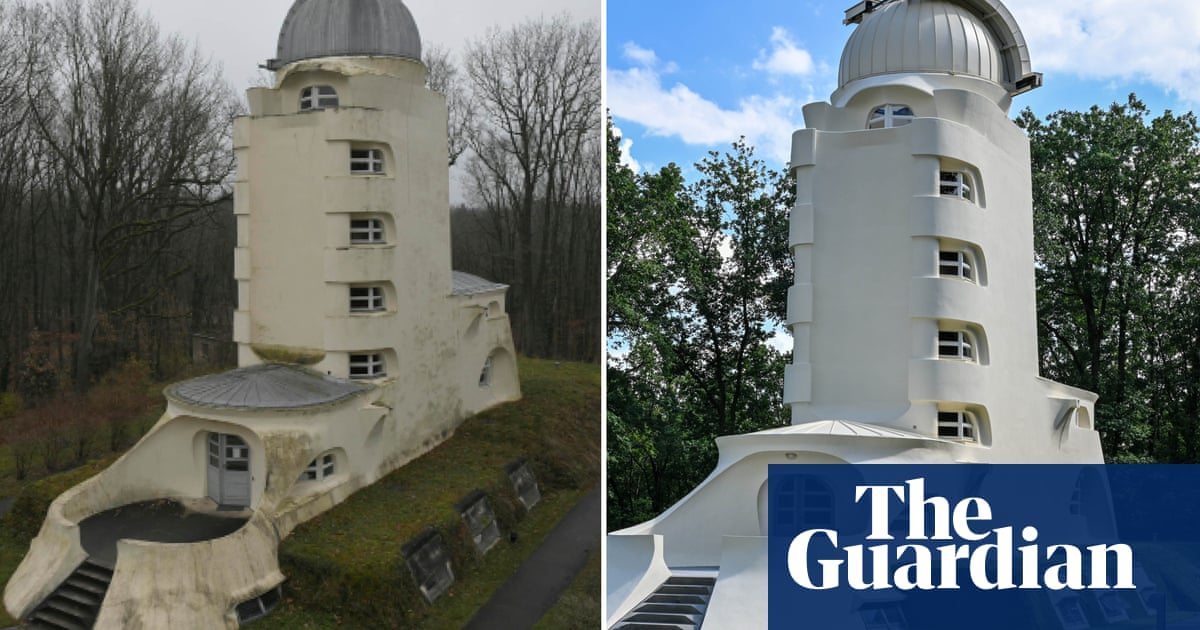
The Einsteinturm (Einstein Tower), a solar observatory near Berlin built to represent Albert Einstein's theory of relativity, has reopened after a year-long renovation project. The tower, constructed between 1920 and 1922, underwent extensive repairs to preserve its authenticity and structural integrity. Designed by architect Erich Mendelsohn, the tower features a unique expressionist architecture and houses telescopes and observation laboratories for studying solar magnetic fields. While no longer at the forefront of research, the observatory continues to be used for training students and developing new solar telescopes. A digital exhibition has been launched to provide information to visitors.
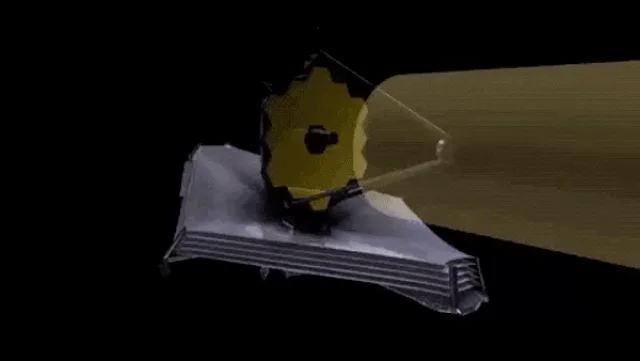
The James Webb Space Telescope's instrument, the Mid-Infrared Instrument (MIRI), has experienced an anomaly in one of its observing modes, but NASA assures that there is no risk to the instrument's science capabilities. The anomaly may affect the amount of exposure time needed in the affected mode, but other modes of MIRI and the telescope's other scientific instruments remain unaffected. The observatory is in good health overall, and investigations are ongoing to address the issue.
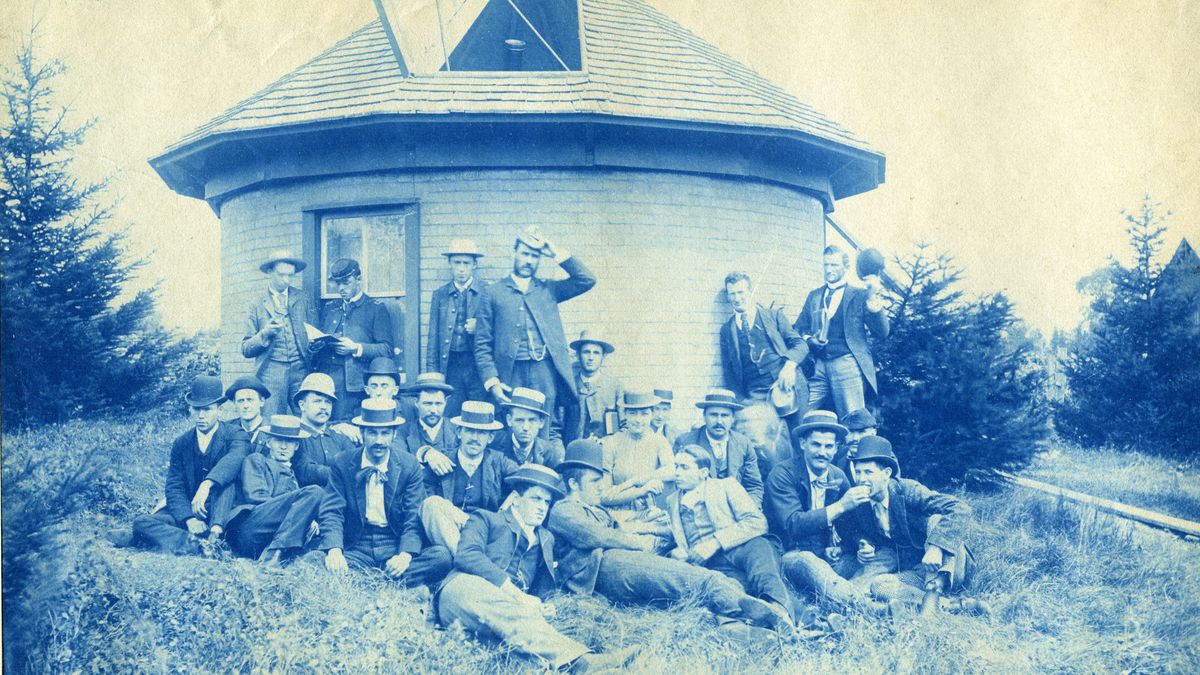
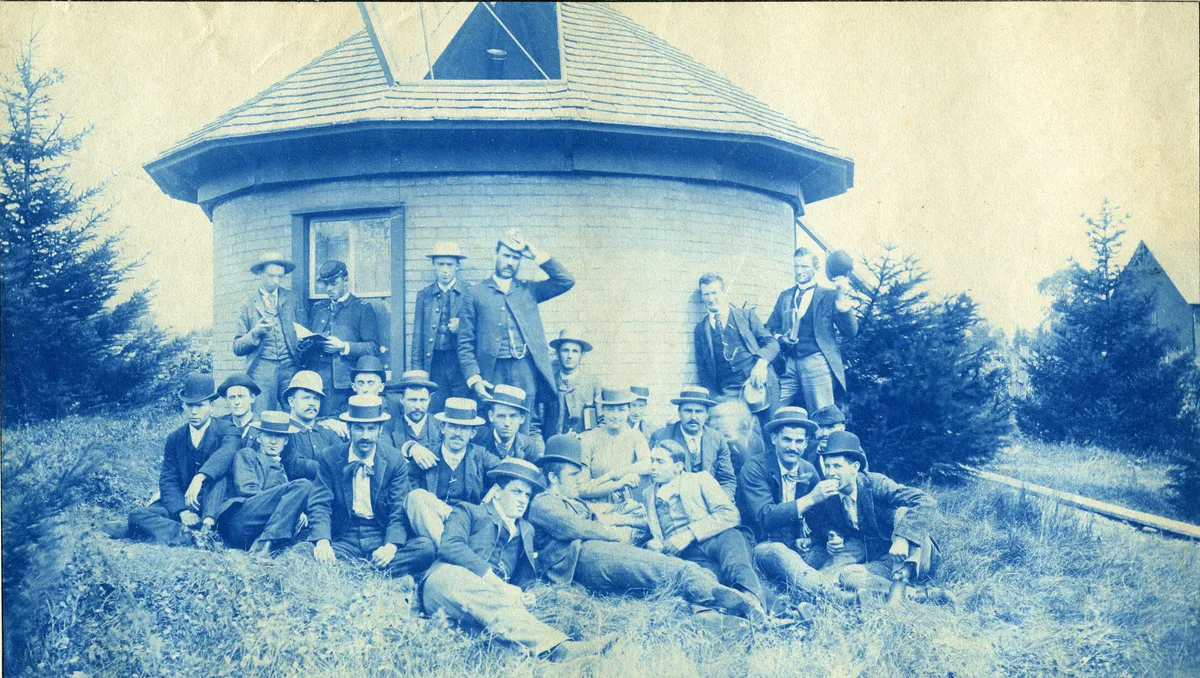
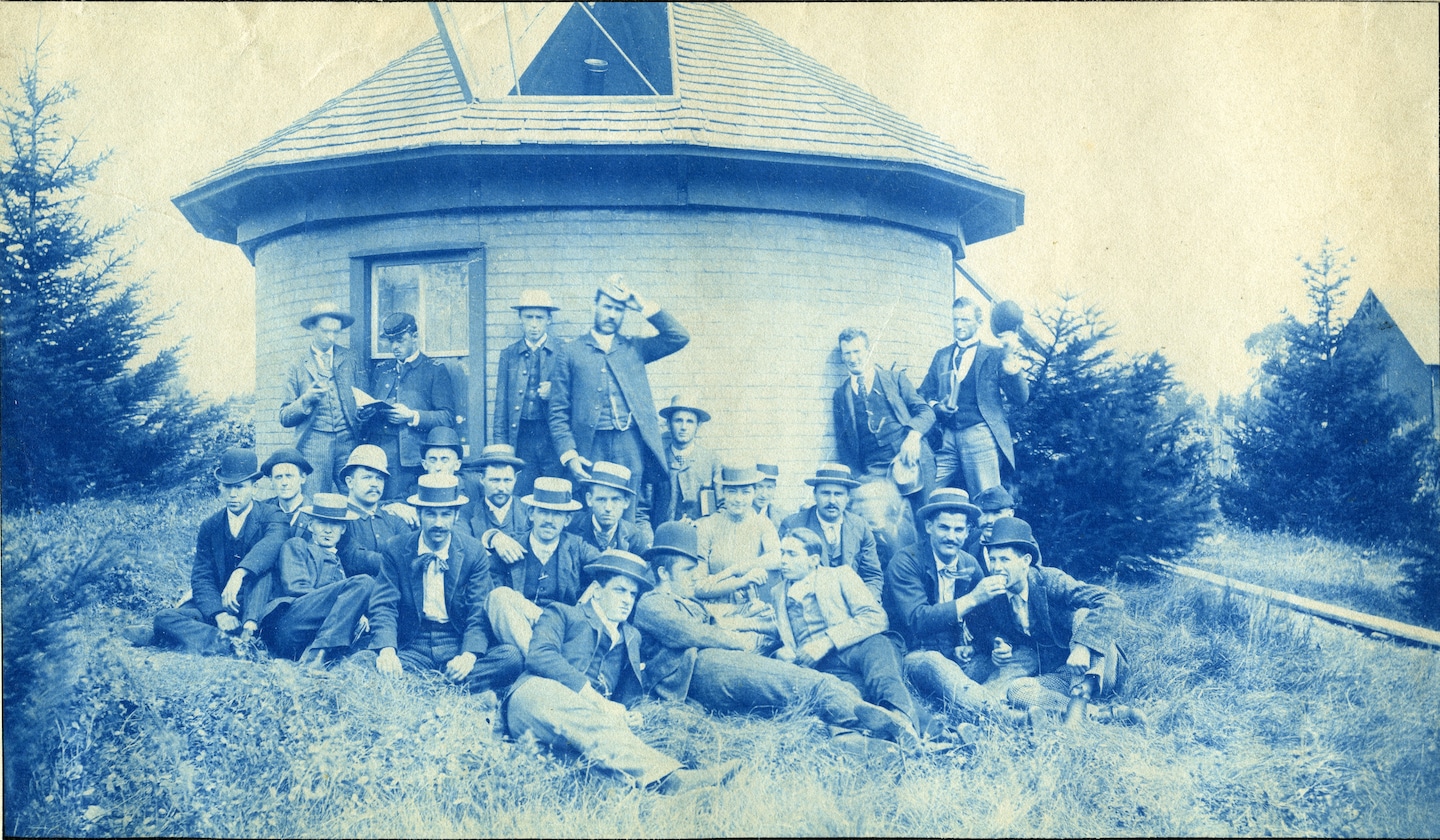
The foundations of Michigan State University's first telescope observatory building, built in 1881, were recently discovered during construction work. The circular building housed a 5.5-inch telescope and was used to provide students with hands-on experience in astronomical observation. The discovery offers valuable archaeological insights and allows for on-campus practice for MSU's archaeology students. The original telescope is now on display at MSU's Abrams Planetarium, while modern astronomy research continues at the university using a 24-inch telescope.
Workers at Michigan State University stumbled upon the buried foundation of the university's first observatory, which was constructed in 1881, while digging holes for a hammock installation near student residence halls. The observatory, built by professor Rolla Carpenter, was used to provide students with experience in astronomical observation. The discovery offers a glimpse into the campus's early days and highlights the collaboration between the university's Infrastructure Planning and Facilities Department and the Campus Archaeology Program in protecting and preserving archaeological sites on campus.
Students working with Michigan State University's Campus Archaeology Program have discovered the cobblestone foundation of a 142-year-old observatory buried near a student residence hall on campus. The site, which dates back to 1881, will become a dig site for undergraduates and local residents to practice archaeological techniques. The discovery was made when construction workers hit a hard surface while installing hammock poles, leading researchers to consult school records and uncover the historical significance of the area. Further excavation could provide insights into campus life and the university's early astronomy studies.
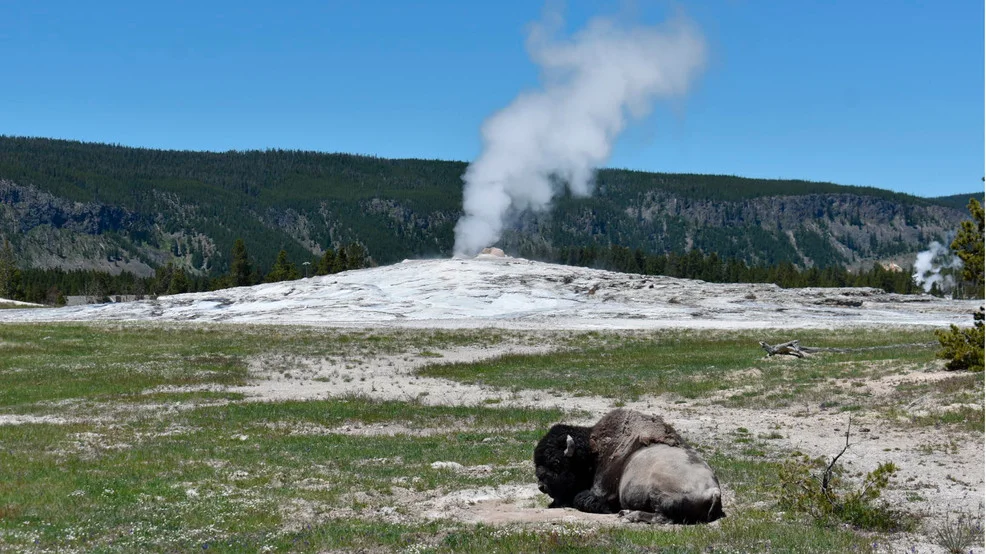
The Yellowstone Volcano Observatory has released its annual report for 2022, which provides updates on the geology and activity of the Yellowstone volcano. The report states that there have been no significant changes in the volcano's behavior and that the current level of volcanic activity remains normal. The report also highlights ongoing research and monitoring efforts to better understand the volcano's behavior and potential hazards.