Tag

History Of Science

All articles tagged with #history of science

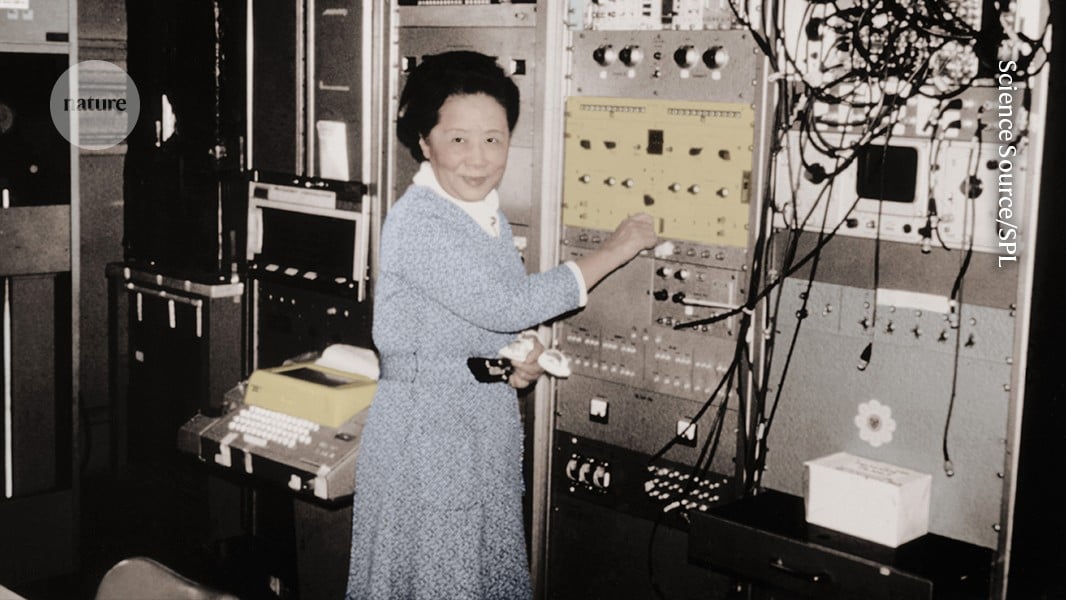
Honoring Women Pioneers in Quantum Mechanics

Originally Published 7 days ago — by Nature

Featured image for Honoring Women Pioneers in Quantum Mechanics
Source: Nature

The article highlights the often-overlooked contributions of women in the history of quantum physics, emphasizing the importance of recognizing diverse scientists like Williamina Fleming and Chien-Shiung Wu, and challenges the traditional male-centric narrative of scientific discovery, advocating for a more inclusive and nuanced understanding of scientific history.

James Watson, DNA Pioneer and Nobel Laureate, Dies at 97

Originally Published 2 months ago — by The Conversation

Featured image for James Watson, DNA Pioneer and Nobel Laureate, Dies at 97
Source: The Conversation

James Watson, renowned for co-discovering the structure of DNA, exemplified both groundbreaking scientific achievement and problematic behavior, including sexism and lack of acknowledgment for Rosalind Franklin's crucial contributions. His legacy is complex, marked by scientific brilliance and ethical controversies, reflecting the evolving nature of scientific collaboration and integrity.

Celebrating a Century of Quantum Mechanics Advancements

Originally Published 6 months ago — by Home | CERN

Featured image for Celebrating a Century of Quantum Mechanics Advancements
Source: Home | CERN

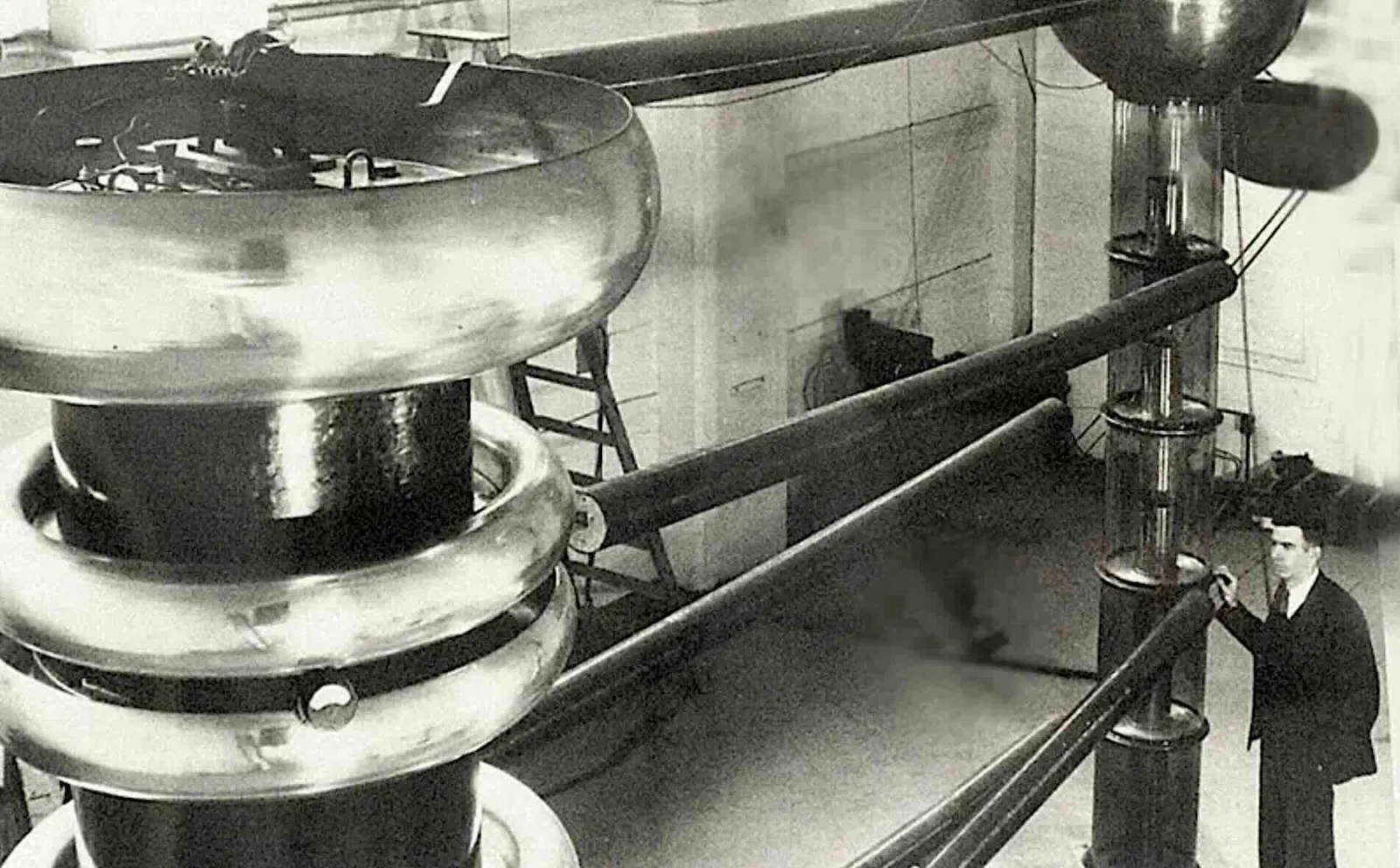
A century ago, Werner Heisenberg revolutionized physics by developing quantum mechanics, moving away from classical atomic models, with his ideas and correspondence with Pauli laying the foundation for modern quantum theory, which continues to evolve and challenge our understanding today.

Prioritize Doing Physics Over Philosophizing

Originally Published 7 months ago — by Aeon

Featured image for Prioritize Doing Physics Over Philosophizing
Source: Aeon

The philosophy of physics systematically studies our best physical theories, exploring their conceptual and mathematical structures, implications for reality, and historical development, often intertwining with physics, mathematics, and philosophy, and is experiencing a resurgence in modern scientific discourse.

"Has Fundamental Science Outpaced Its Own Success?"

Originally Published 1 year ago — by Big Think

Featured image for "Has Fundamental Science Outpaced Its Own Success?"
Source: Big Think

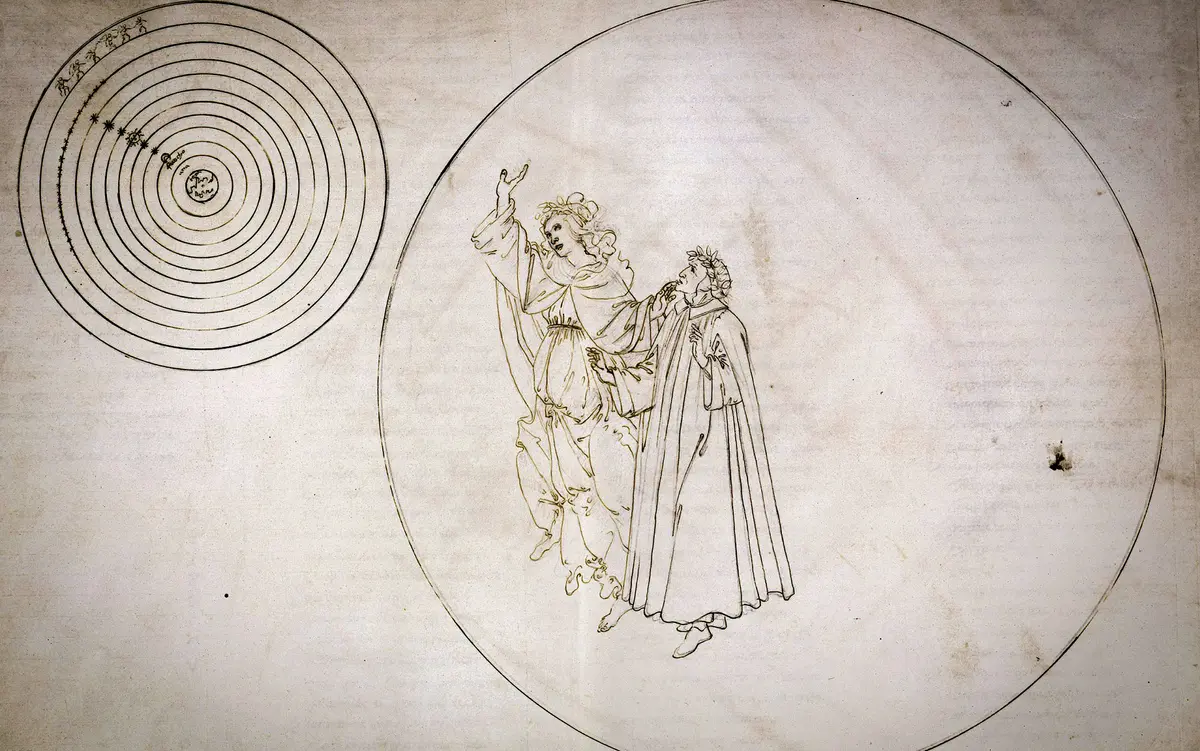
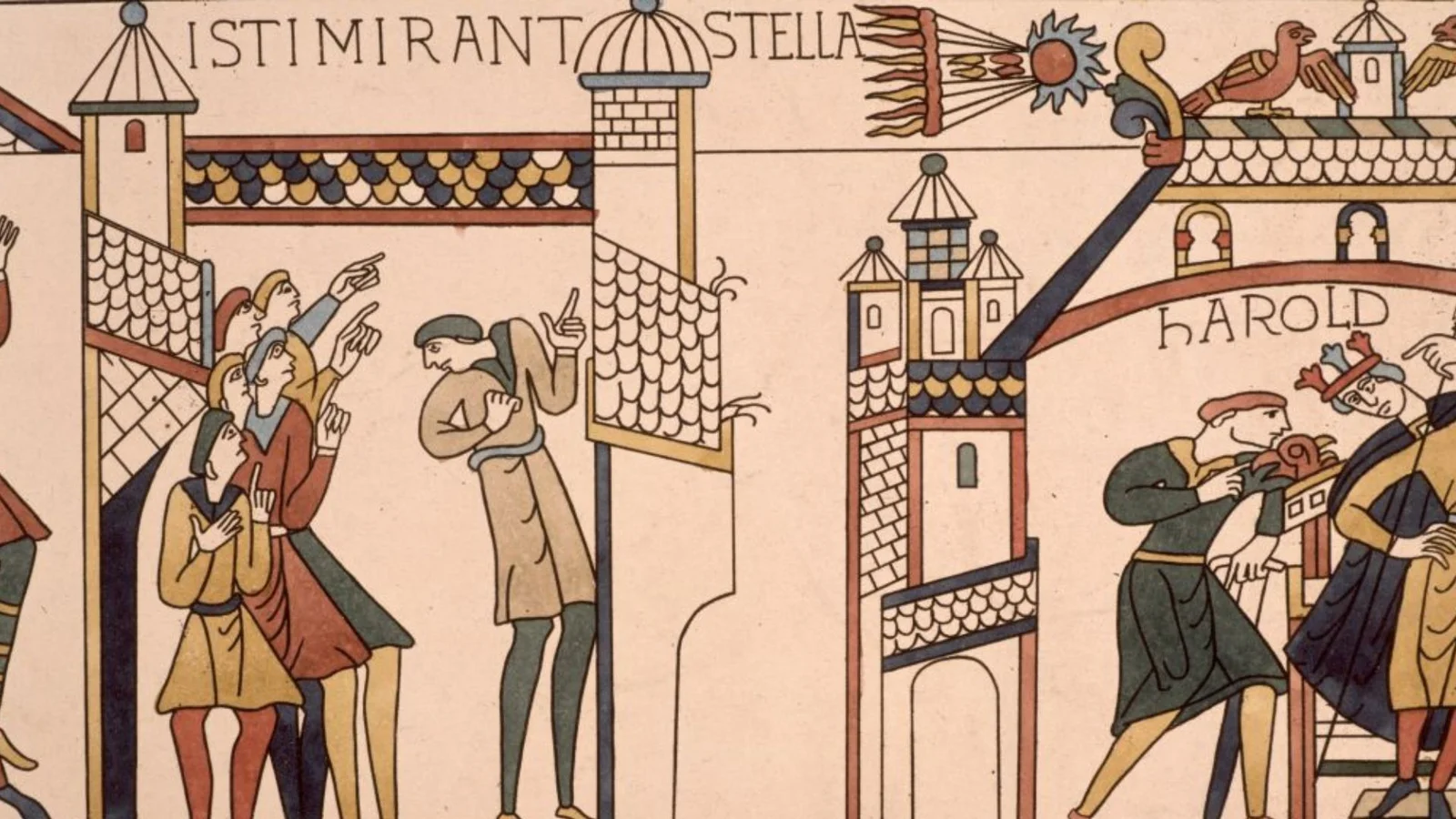
The article explores how the geocentric model of the universe persisted for over a millennium not due to dogmatic groupthink but because it fit the observable data better than alternatives. It highlights the eventual shift to the heliocentric model, driven by Kepler's elliptical orbits, which provided a more accurate explanation of planetary motions. The piece underscores that scientific revolutions occur when new theories not only match but surpass the explanatory power of existing models.

"Einstein's Breakthroughs: Building on the Past"

Originally Published 2 years ago — by Nature.com

Featured image for "Einstein's Breakthroughs: Building on the Past"
Source: Nature.com

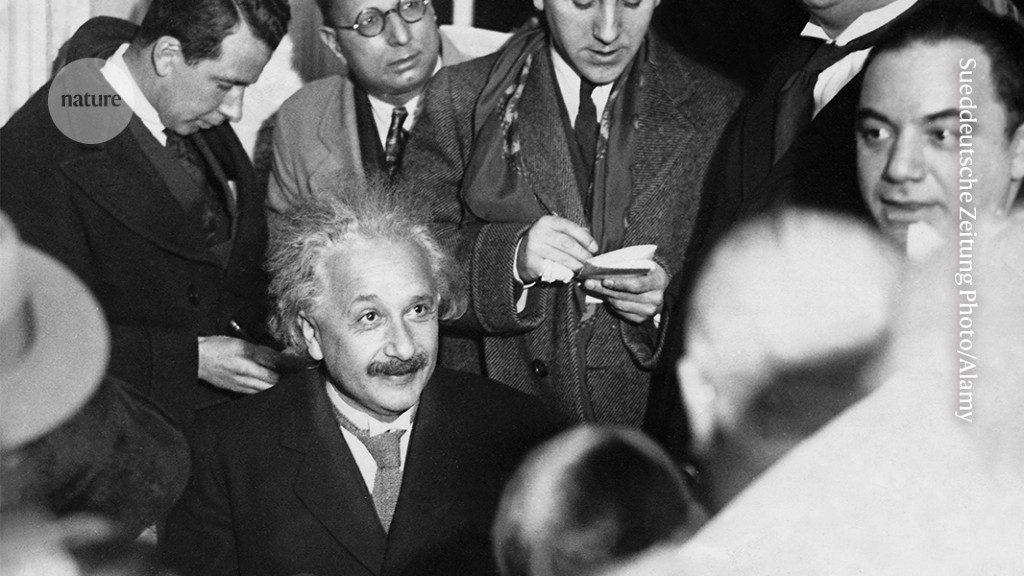
In "The Einsteinian Revolution," authors Hanoch Gutfreund and Jürgen Renn provide a comprehensive analysis of Albert Einstein's groundbreaking contributions to physics, dispelling the myth of him as a solitary scientific genius. They argue that Einstein's work was built on the foundation of earlier scientific knowledge and emphasize the interconnectedness of various fields in his revolutionary breakthroughs. The book also delves into Einstein's philosophical views on science and its relationship to moral values, challenging the notion that science is separate from moral judgments. Overall, the authors present a thought-provoking exploration of Einstein's scientific creativity and its broader historical context.

"Caroline Herschel: The Forgotten Pioneer of Astronomy"

Originally Published 2 years ago — by The Conversation

Featured image for "Caroline Herschel: The Forgotten Pioneer of Astronomy"
Source: The Conversation

Caroline Herschel, the first professional female astronomer, made significant contributions to astronomy, including the discovery of several comets and nebulae. However, her name recognition remains low, partly due to the lack of credit she received during her time. Her work in recording and organizing astronomical data, as well as her role in creating catalogs still used today, highlights the importance of recognizing the contributions of astronomers like Herschel. This issue of underrecognition extends beyond the 18th century and persists in modern astronomy, emphasizing the need for fair recognition of all participants in scientific discoveries.

Astronomer Owen Gingerich Passes Away at 93.

Originally Published 2 years ago — by Slashdot

Featured image for Astronomer Owen Gingerich Passes Away at 93.
Source: Slashdot

Owen Gingerich, a renowned astronomer and historian of science, has passed away at the age of 93. Gingerich dedicated years to tracking down 600 copies of Nicolaus Copernicus's influential book "De Revolutionibus Orbium Coelestium Libri Sex" and was known for his passion for astronomy, often dressing up as a 16th-century scholar for lectures. He believed in the compatibility of religion and science and explored this theme in his books "God's Universe" and "God's Planet."