Tag

Brookhaven National Laboratory

All articles tagged with #brookhaven national laboratory

science-and-technology2 years ago

Unveiling Neutron Star Secrets and Quark-Gluon Plasma Shapes

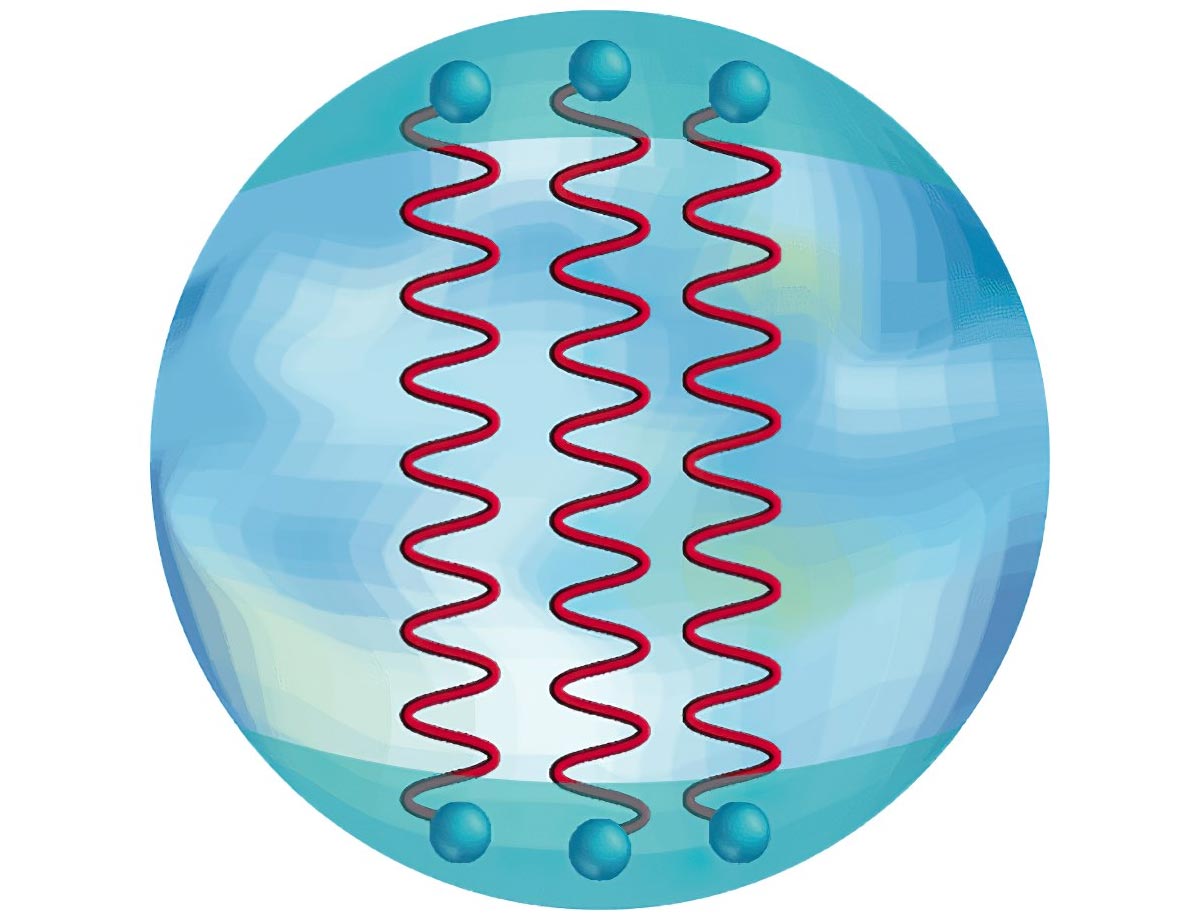
Scientists at Brookhaven National Laboratory have used two-dimensional condensed matter physics to understand the behavior of quark interactions in neutron stars, simplifying the study of these dense cosmic entities. By considering interactions in just one spatial dimension (plus time), researchers were able to solve complex equations describing low-energy excitations in dense nuclear matter. This approach provides new insights into the behavior of neutron stars and could lead to advancements in the study of these exotic celestial objects.

science2 years ago

Atomic distortions reveal potential superconductor's charge density wave.

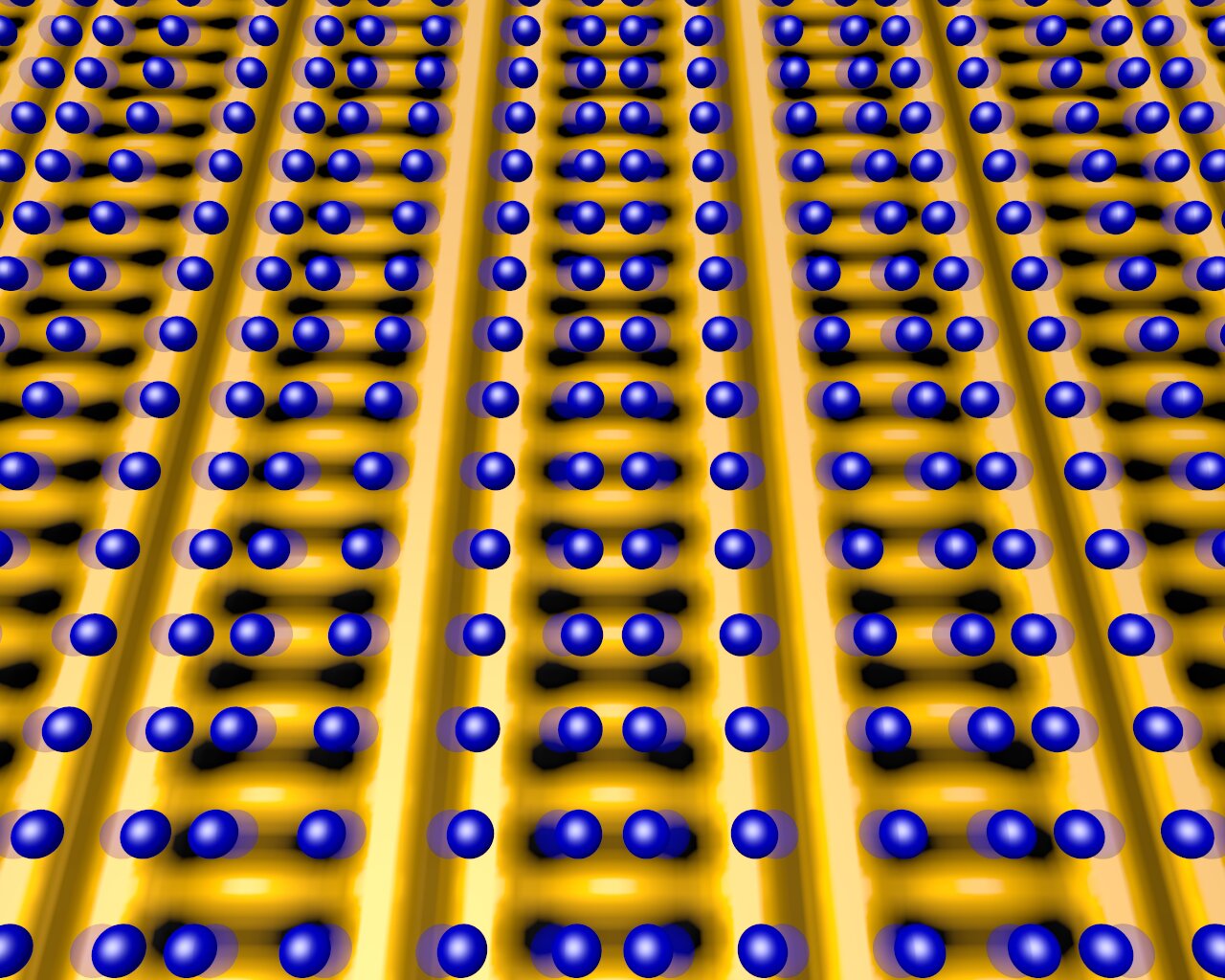
Scientists at Brookhaven National Laboratory have used a spectroscopic imaging scanning tunneling microscope to study the relationship between the lattice structure and electronic structure of a copper-oxide superconductor. They found that the disappearance of vibrational energy from the atoms that make up the material's crystal lattice was linked to the emergence of a "charge density wave" - a modular distribution of charge density in the material. The appearance of this pattern distorts the normal vibrations of the atoms and shifts their positions along the direction of the "rungs."

science2 years ago

Brookhaven National Lab Appoints First Female Director.

JoAnne Hewett has been named as the first female director of Brookhaven National Laboratory, a federal laboratory in Upton, New York. Hewett, a theoretical physicist, is known for her work studying extra spatial dimensions. She will oversee a $700 million annual budget and a staff of 2,800 scientists, engineers, technicians, and professionals whose research ranges from studies of the universe's origins to practical applications for cutting-edge batteries. Hewett will also be a professor at Stony Brook University’s Department of Physics and Astronomy and in the university's C.N. Yang Institute for Theoretical Physics.

science2 years ago

Uncovering the Secrets of the Early Universe with the "Little Bang"

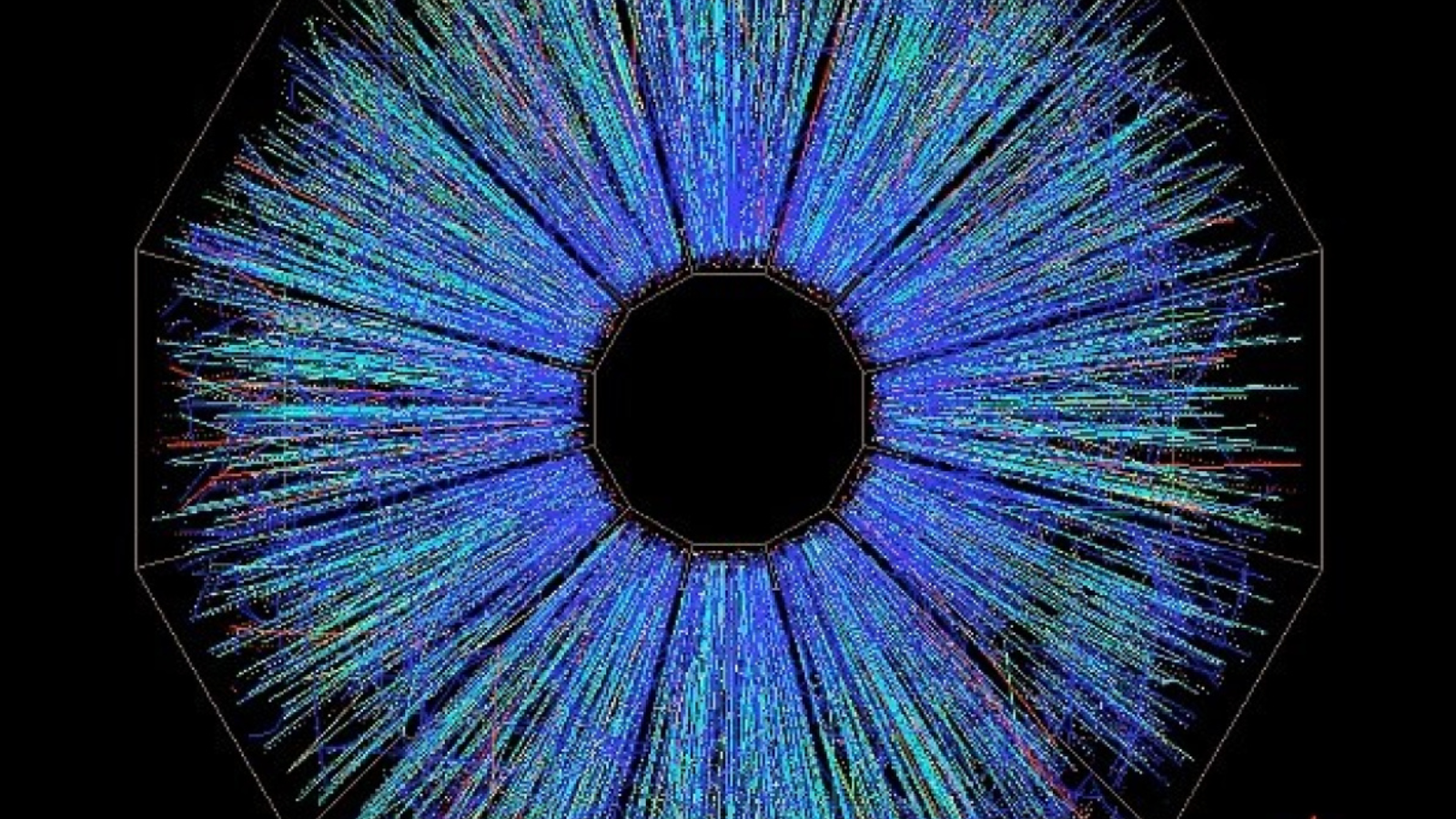
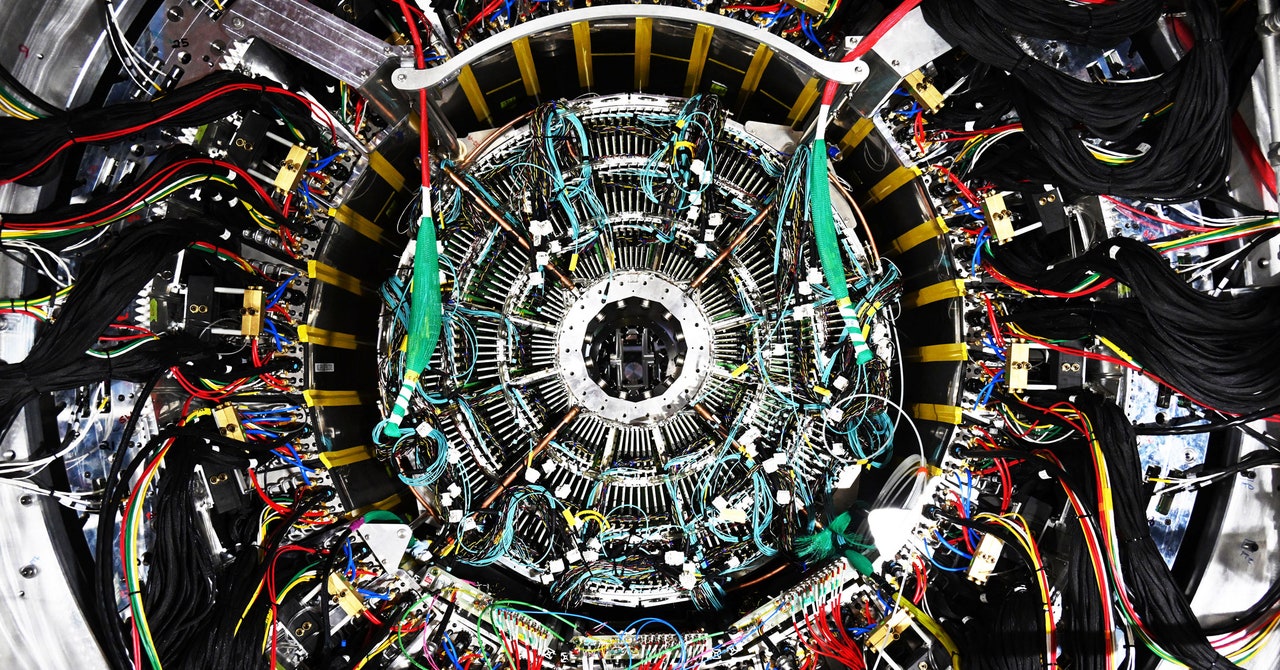
Physicists at Brookhaven National Laboratory are using the Relativistic Heavy Ion Collider to recreate a "Little Bang" and study the properties of quark-gluon plasma, which existed microseconds after the Big Bang. By smashing gold nuclei together, they were able to generate the plasma and calculate its temperature using upsilons as a thermometer. The temperature of the plasma is linked to its density, pressure, and viscosity, which will help cosmologists refine their understanding of the early universe. The quark-gluon plasma is a unique system that behaves like a fluid, and understanding its behavior will help scientists solve an equation of state describing all of its properties.