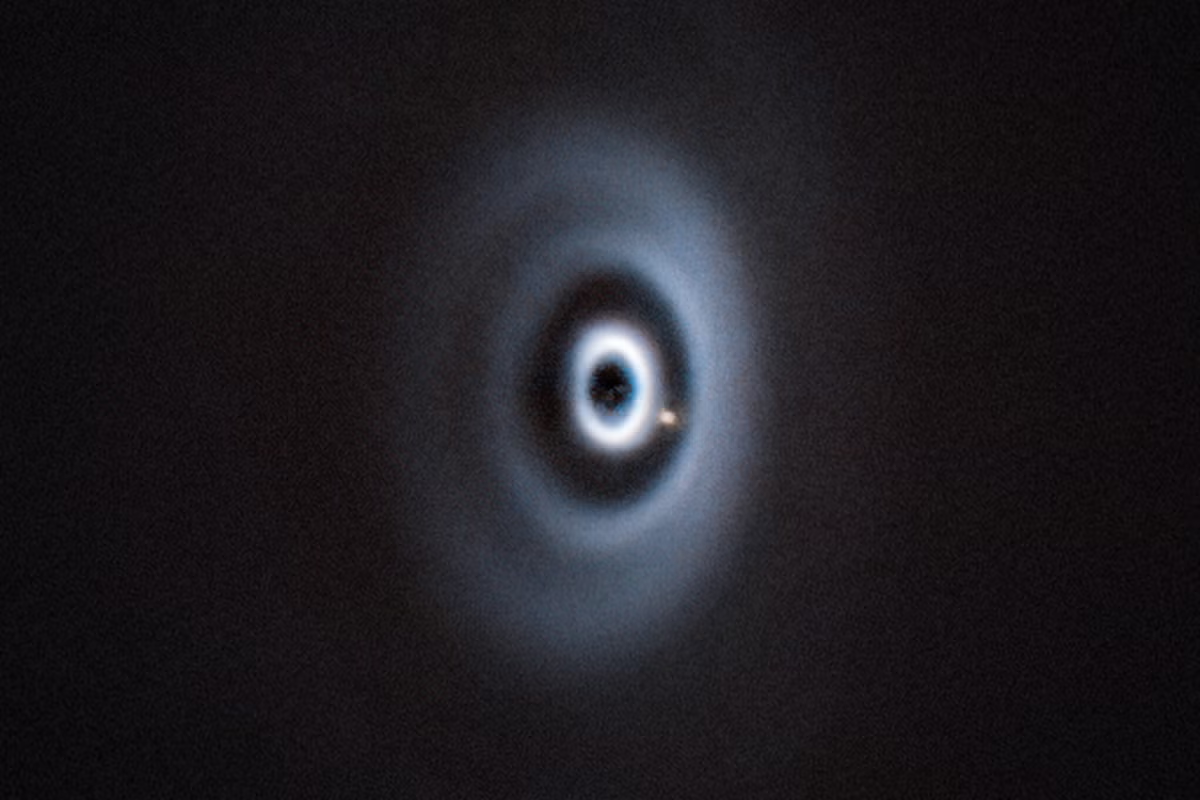
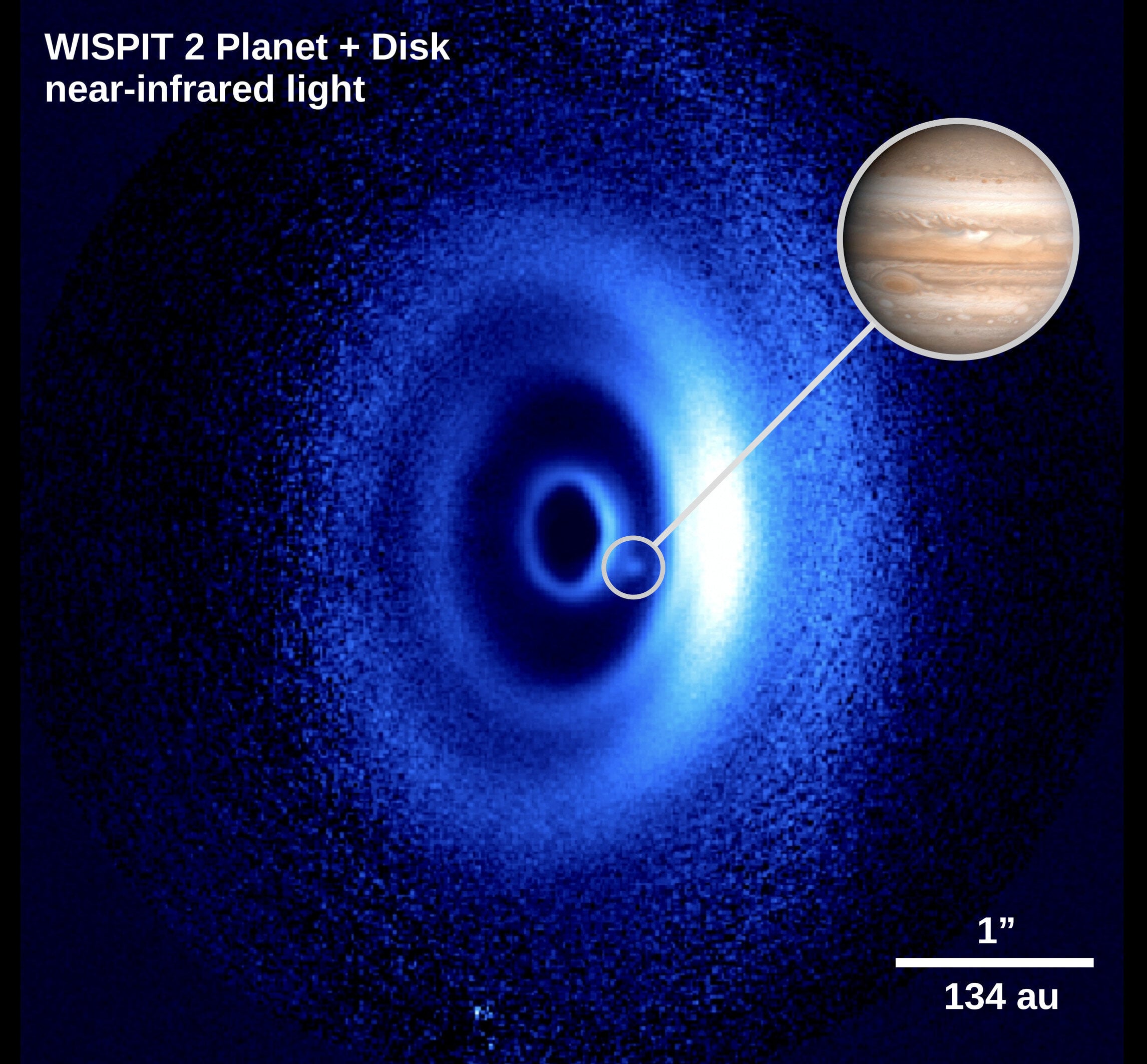
The discovery of exoplanet WISPIT 2b within a protoplanetary disk gap in 2025 fills a crucial gap in our understanding of how planets form, providing direct evidence that planets indeed create gaps in disks, confirming long-held theories about the process of planetary system development.
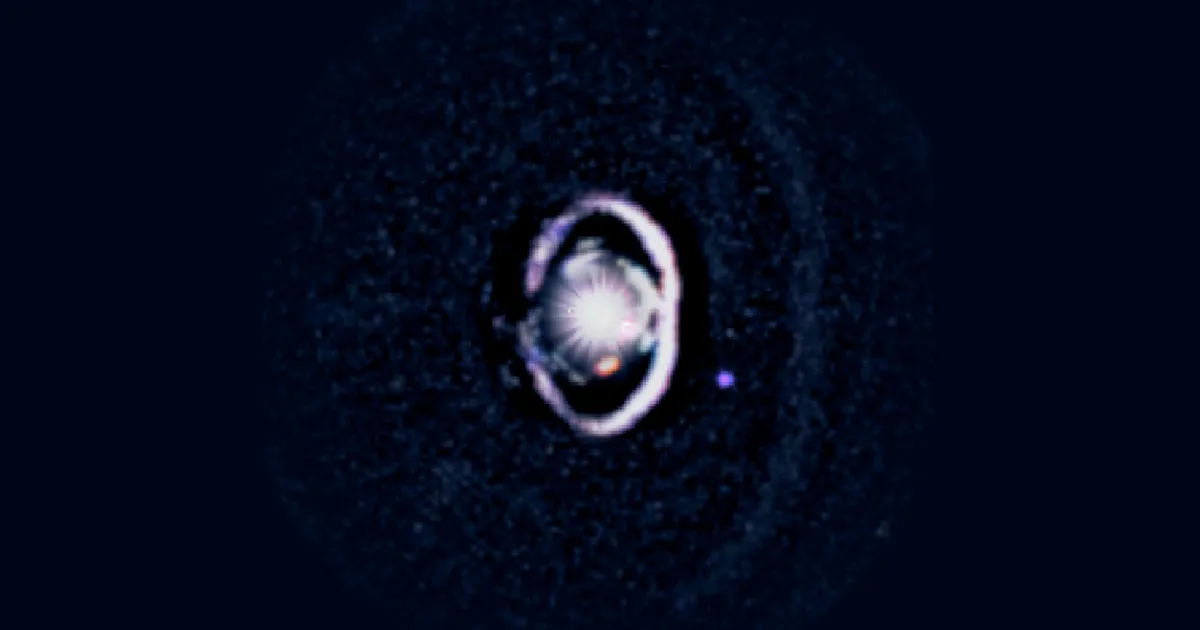
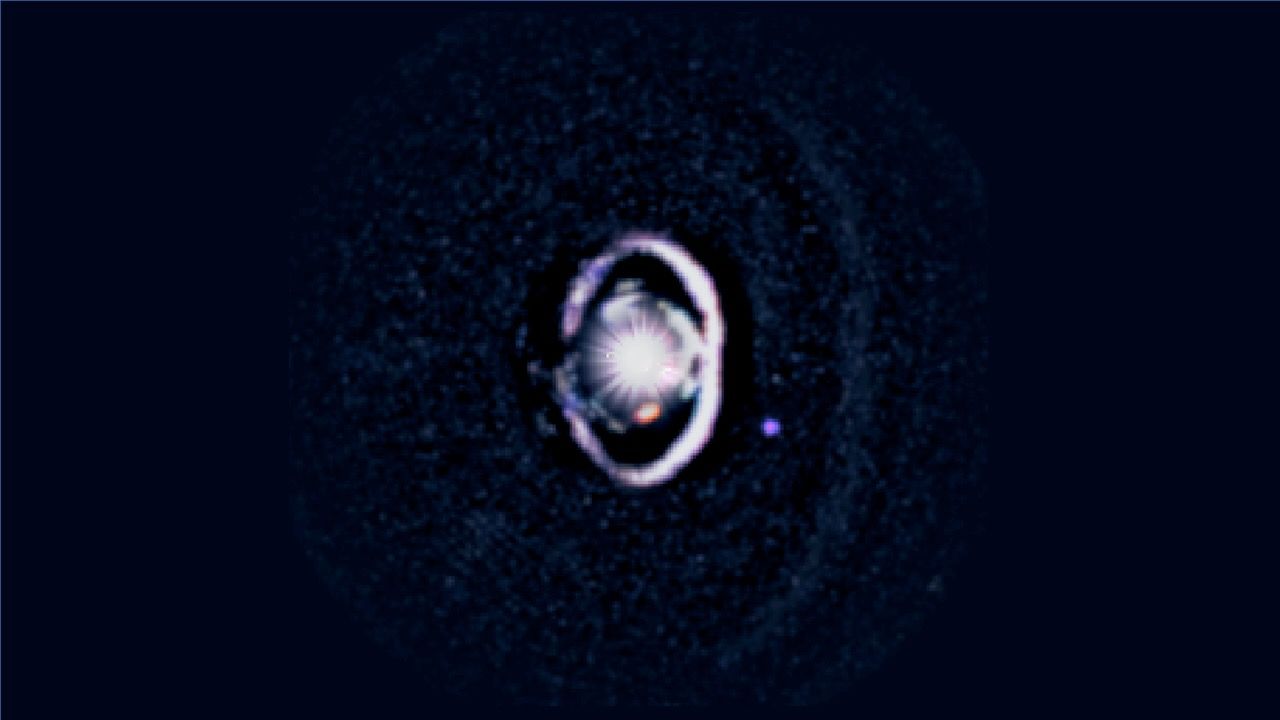
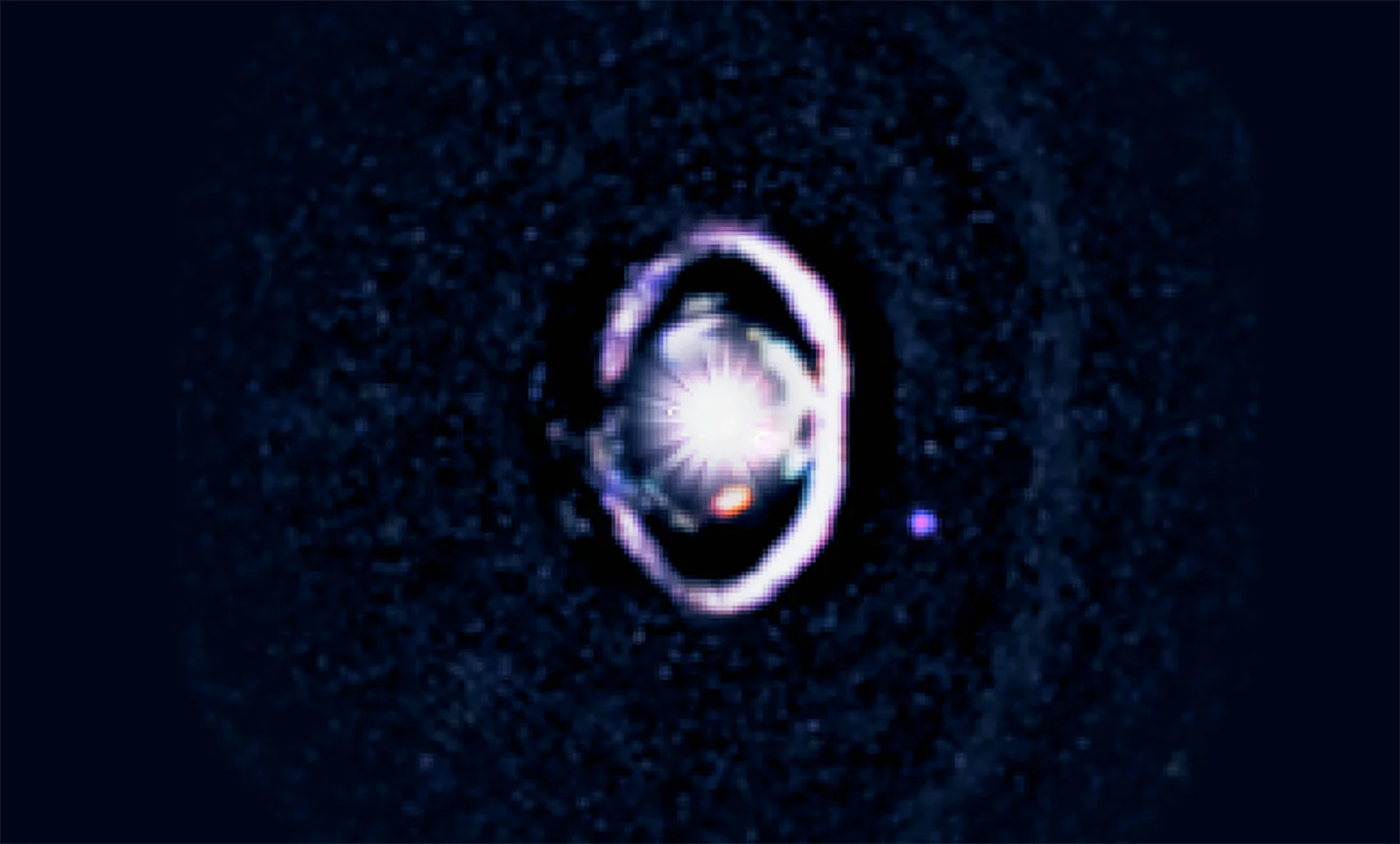
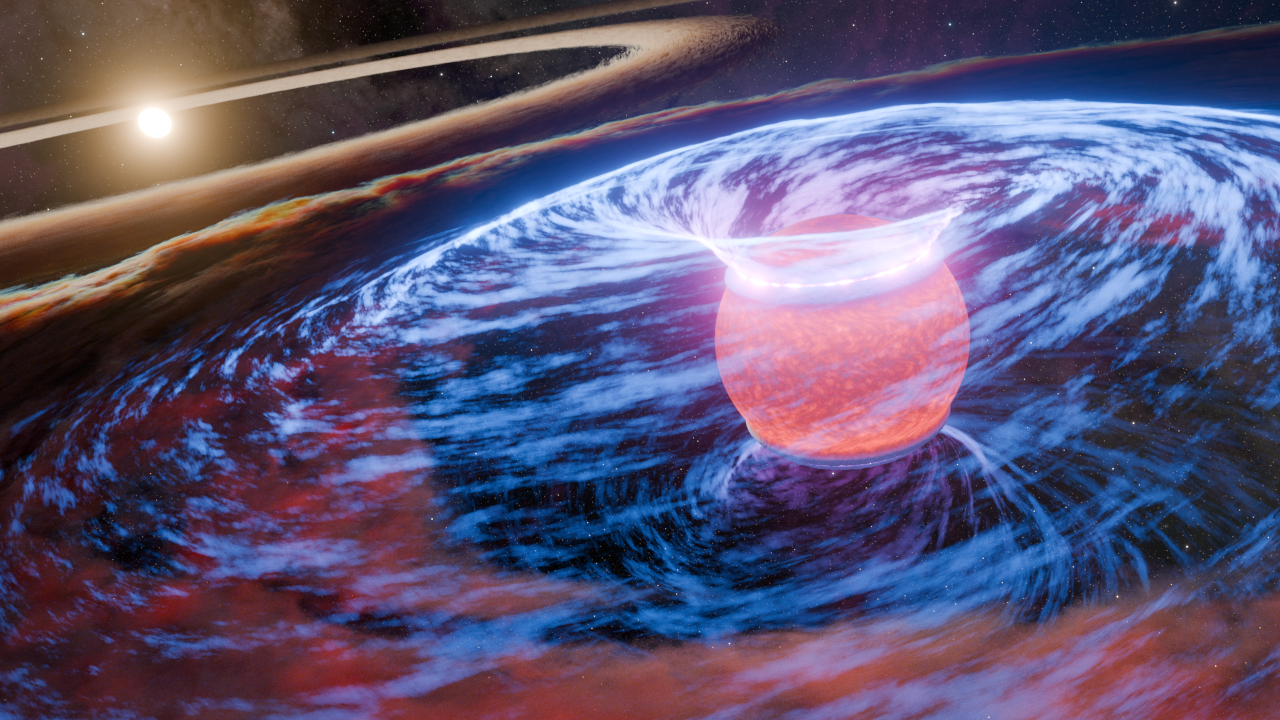
Astronomers captured the first direct image of a baby exoplanet, WISPIT 2b, forming within a gap in its star's dust disk, providing new insights into how gas giants develop, using telescopes in Chile and Arizona.
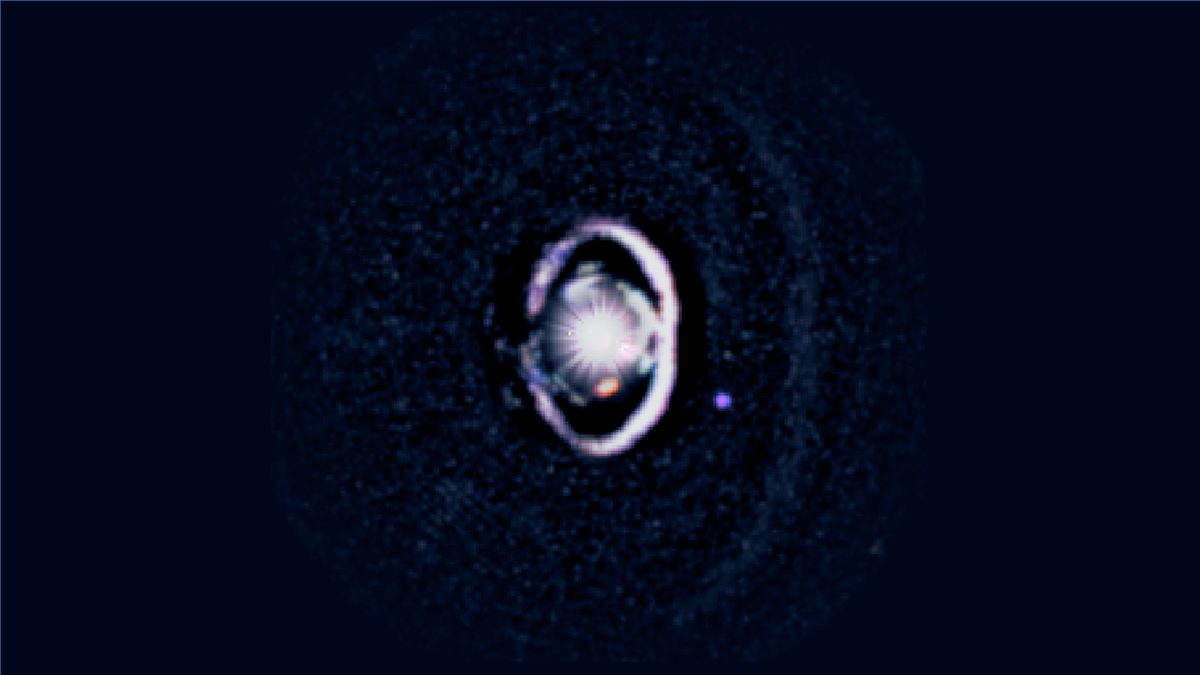
Astronomers have captured the first direct image of a forming planet, WISPIT 2b, inside a ring gap of its star's dust disk using H-alpha imaging, providing valuable insights into early planet formation and disk-planet interactions.
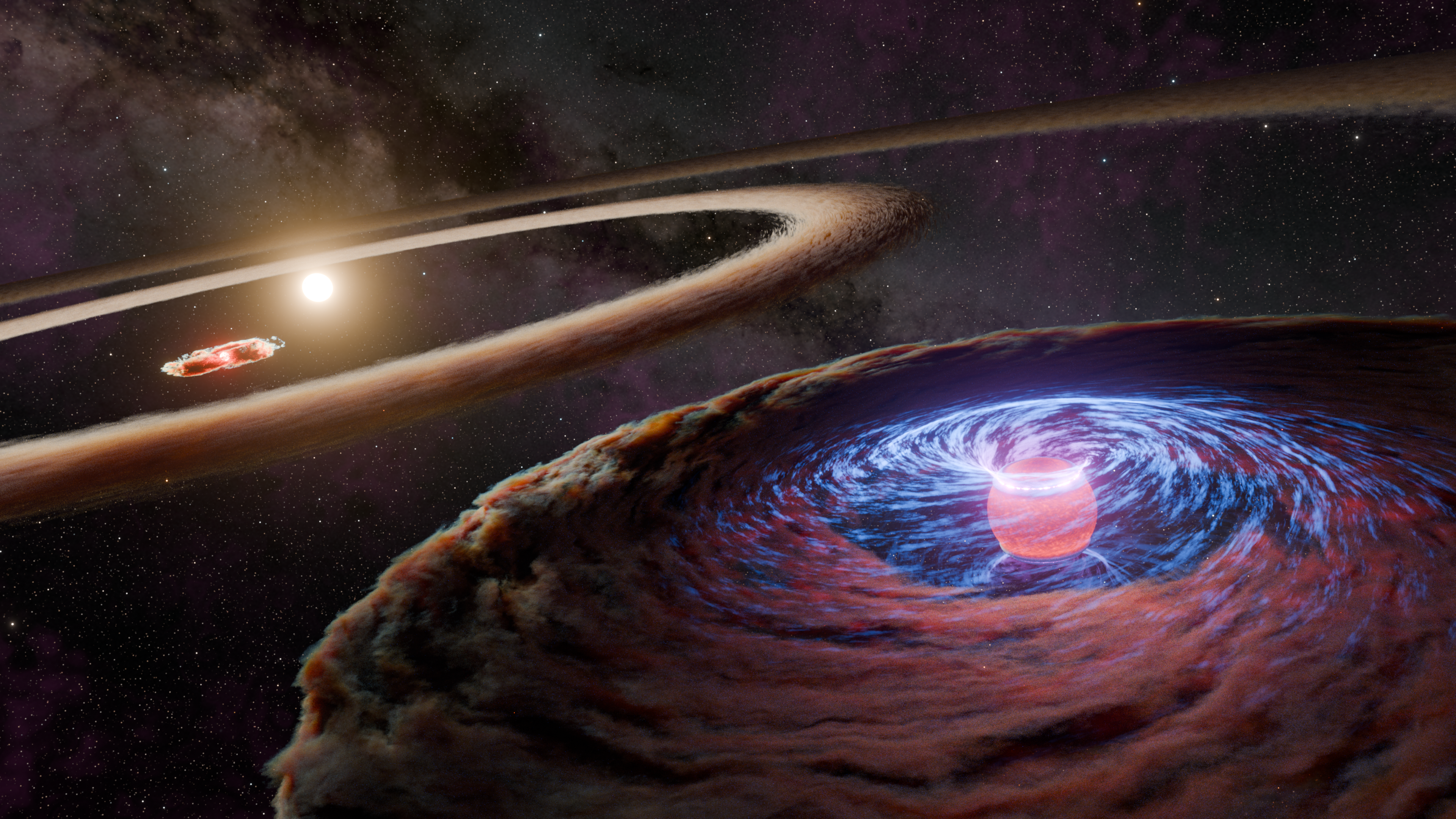
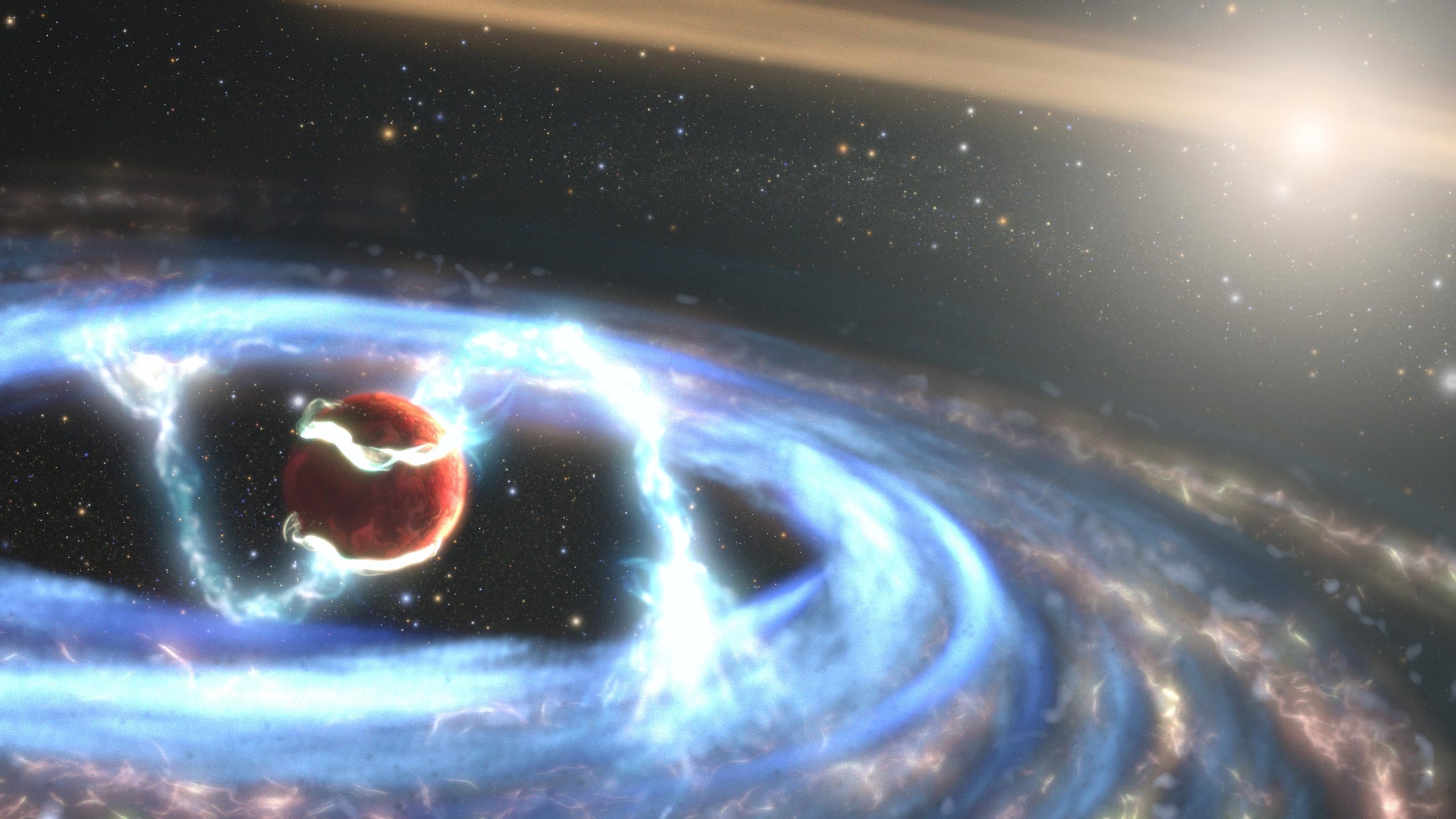
Scientists have captured images of a tiny baby planet, WISPIT 2b, forming inside its star's ring, making it the first of its kind to be directly observed in this way. Located 437 light-years away, this gas giant is just five million years old and was spotted within a gap in the protoplanetary disk of its star, WISPIT, using advanced telescopes. The discovery also hints at a possible second planet forming in the same system.
Astronomers have directly observed a young protoplanet, WISPIT 2b, forming in a dust disk around a star 437 light-years away, providing the first direct evidence of planet formation within a gap in a circumstellar disk, and possibly a second planetary body nearby.
NASA researchers directly photographed a young gas giant protoplanet, WISPIT 2b, embedded in a ring gap around its star, providing the first direct evidence of planet formation within such gaps in protoplanetary disks.
Astronomers have captured the first direct photo of a baby planet, WISPIT 2b, forming inside a dusty disk around a young star using advanced adaptive optics, providing new insights into planet formation and confirming that protoplanets can create gaps in protoplanetary disks.
Scientists have captured the first-ever observation of a planet, WISPIT 2b, forming within a protoplanetary disk around a young star 400 light-years away, providing new insights into planetary development and challenging existing models.
Astronomers have captured the first image of an exoplanet, WISPIT 2b, actively shaping a gap in its star's dust disk, providing new insights into planet formation processes and confirming theories about how planets influence their stellar nurseries.
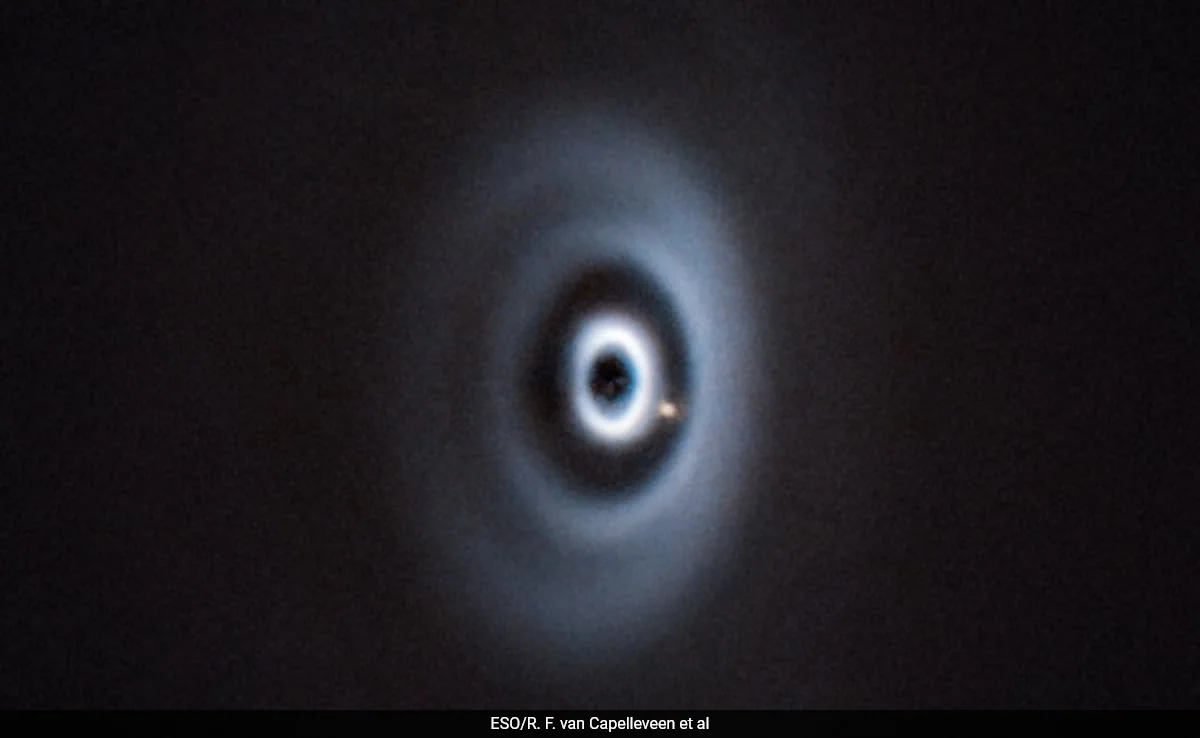
Astronomers, including researchers from Galway, have discovered a new planet, WISPIT 2b, around a young star using ESO's VLT in Chile. This five-million-year-old gas giant, similar in size to Jupiter, was detected in infrared and visible light, providing insights into early planet formation. The discovery, made in a dust disk with multiple rings, is only the second of its kind around a star this young, offering valuable data for understanding planetary development.
Astronomers using the ESO Very Large Telescope have unexpectedly discovered a new-born gas giant planet, WISPIT 2b, around a young star similar to our sun, providing valuable insights into early planet formation processes.