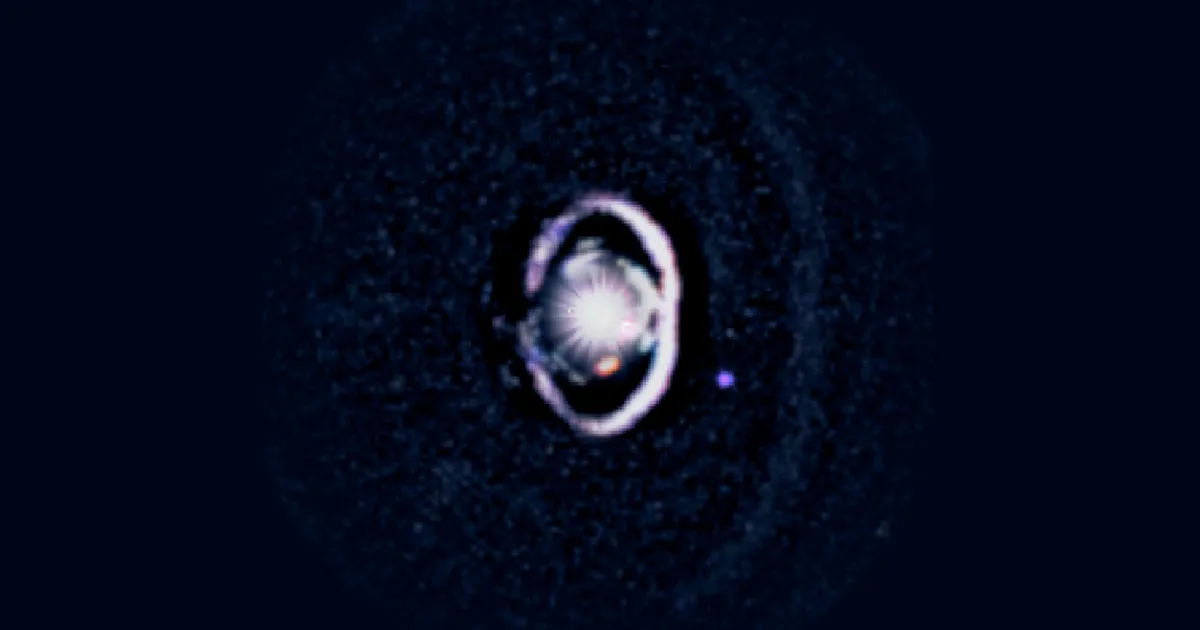
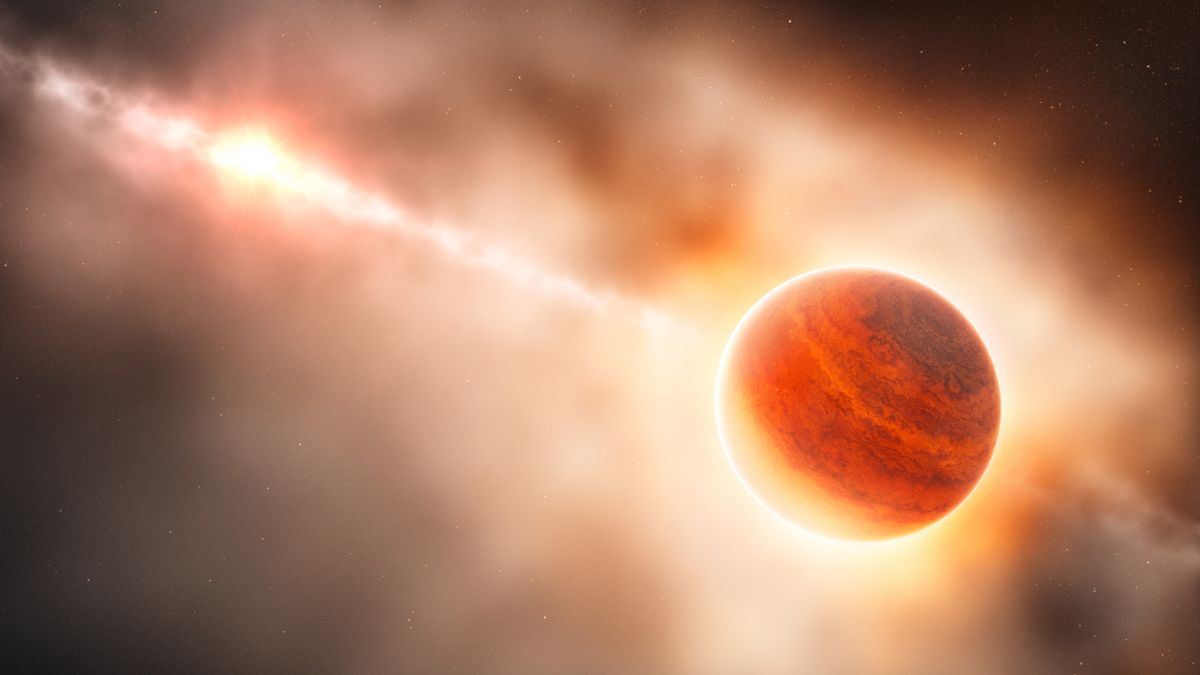
The discovery of exoplanet WISPIT 2b within a protoplanetary disk gap in 2025 fills a crucial gap in our understanding of how planets form, providing direct evidence that planets indeed create gaps in disks, confirming long-held theories about the process of planetary system development.
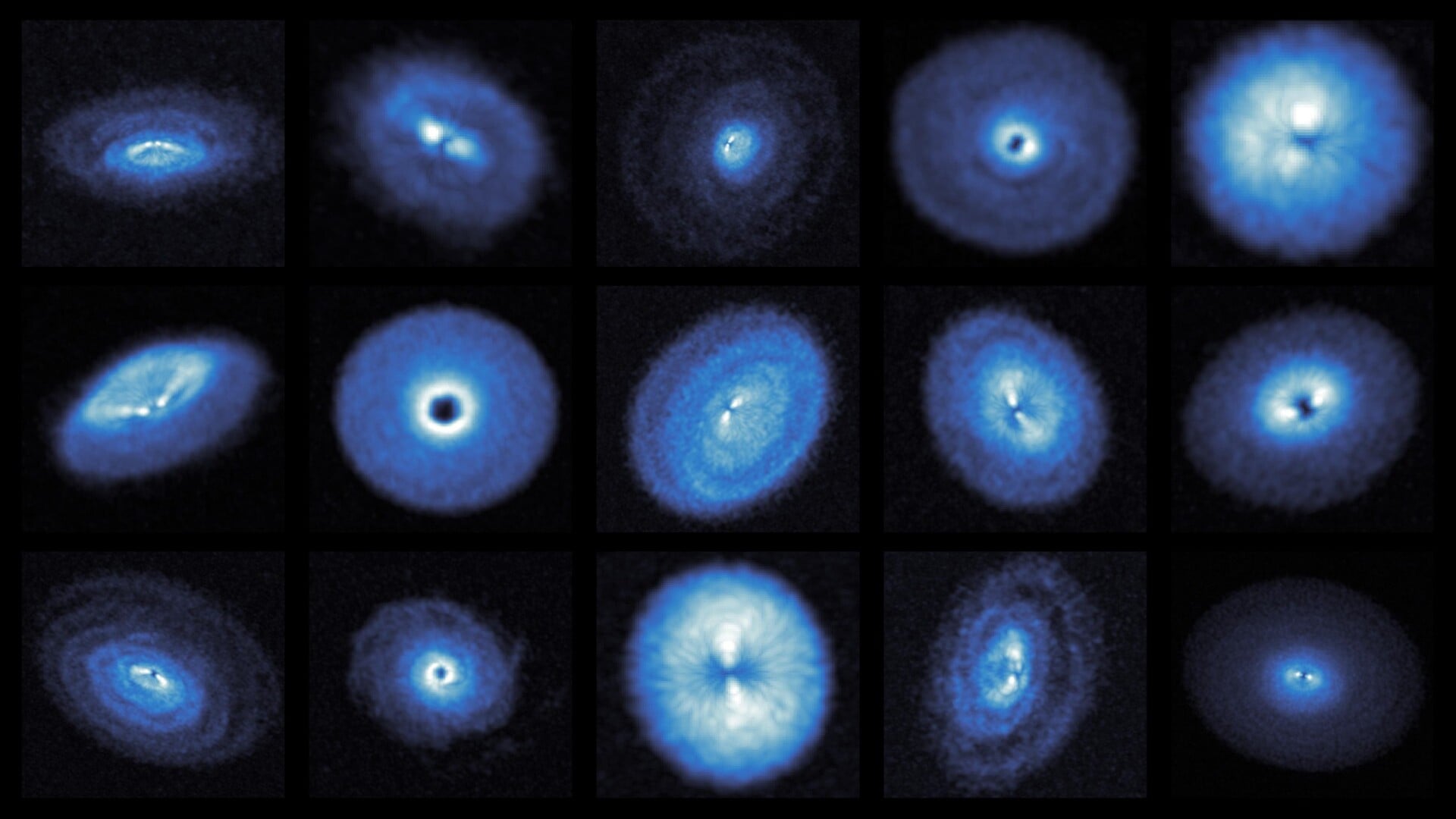
Recent observations of 15 planet-forming disks around young stars by ALMA reveal slight warps that may explain the tilts of planets in our solar system, suggesting that such disk warps are common and could influence planet formation and orbital inclinations.
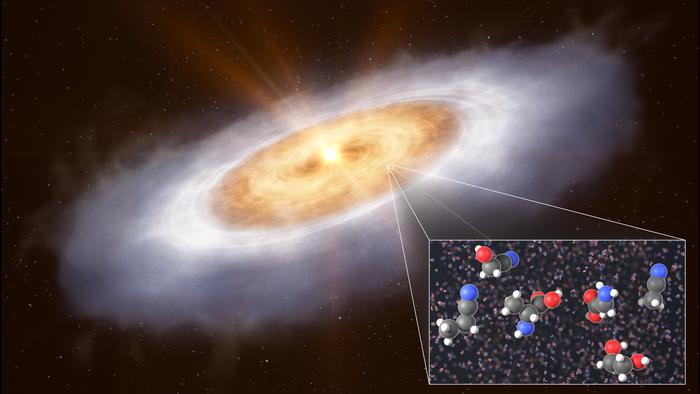
Scientists have tentatively detected molecules that are precursors to sugars and amino acids in the disk of dust around a young star, V883 Orionis, suggesting that complex organic molecules can form early in star and planet formation, inherited from earlier molecular clouds, and potentially contributing to the origins of life.
Astronomers discovered complex organic molecules, including precursors to DNA and RNA, swirling around a young star V883 Orionis, suggesting that life's building blocks may be more common in space than previously thought, as star formation processes might preserve these molecules rather than destroy them.
Astronomers using ALMA detected 17 complex organic molecules in a young star's protoplanetary disk, including precursors to amino acids and nucleobases, suggesting that life's chemical roots are inherited from earlier interstellar stages and can continue to develop during planet formation, especially during stellar outbursts that release these molecules into detectable gas phases.
A network of UK radio telescopes has provided observational evidence supporting the pebble accretion model of planet formation by detecting centimeter-sized pebbles in protoplanetary disks around young stars, indicating these pebbles could grow into planets, potentially forming larger planetary systems than our own.
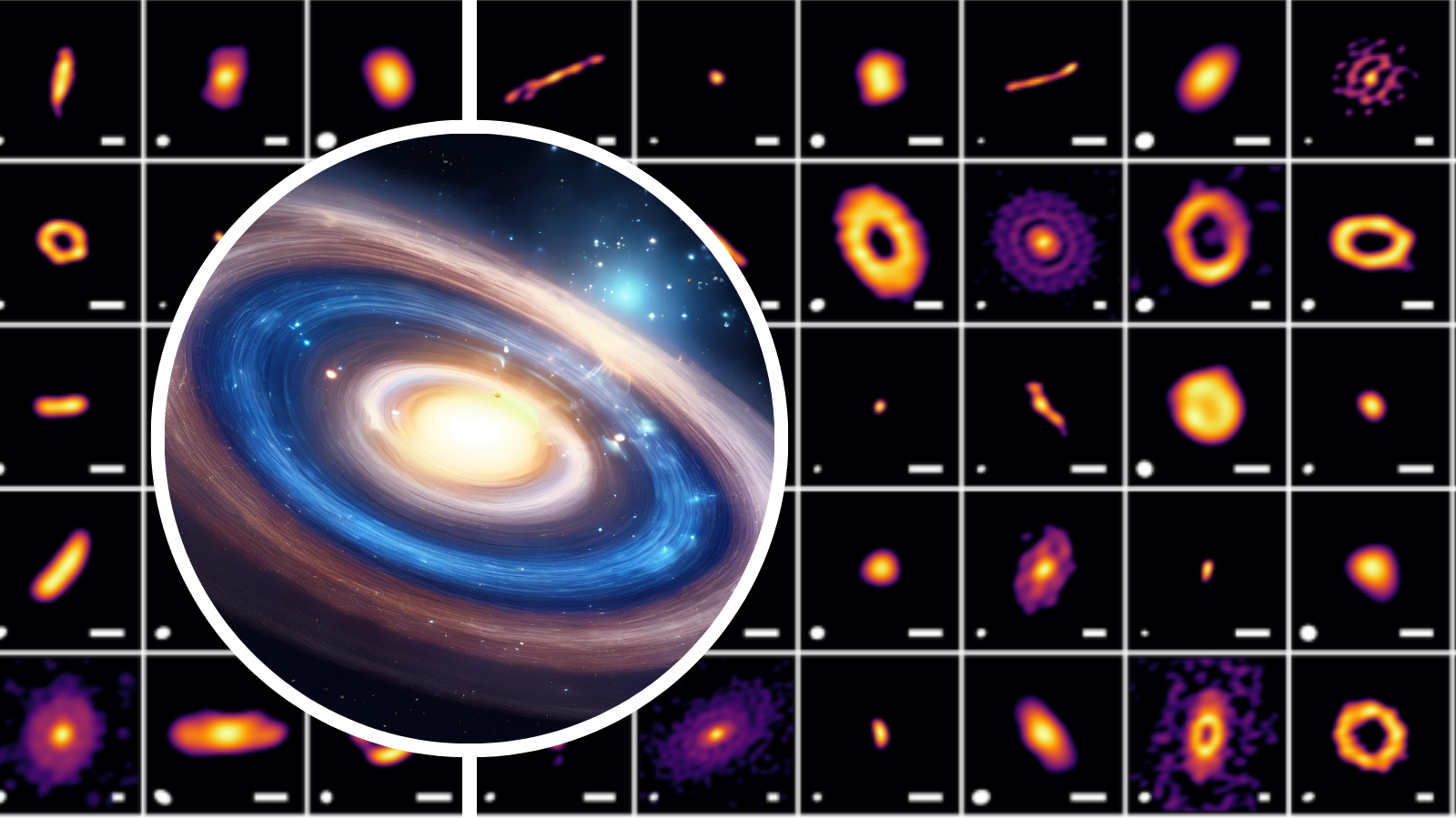
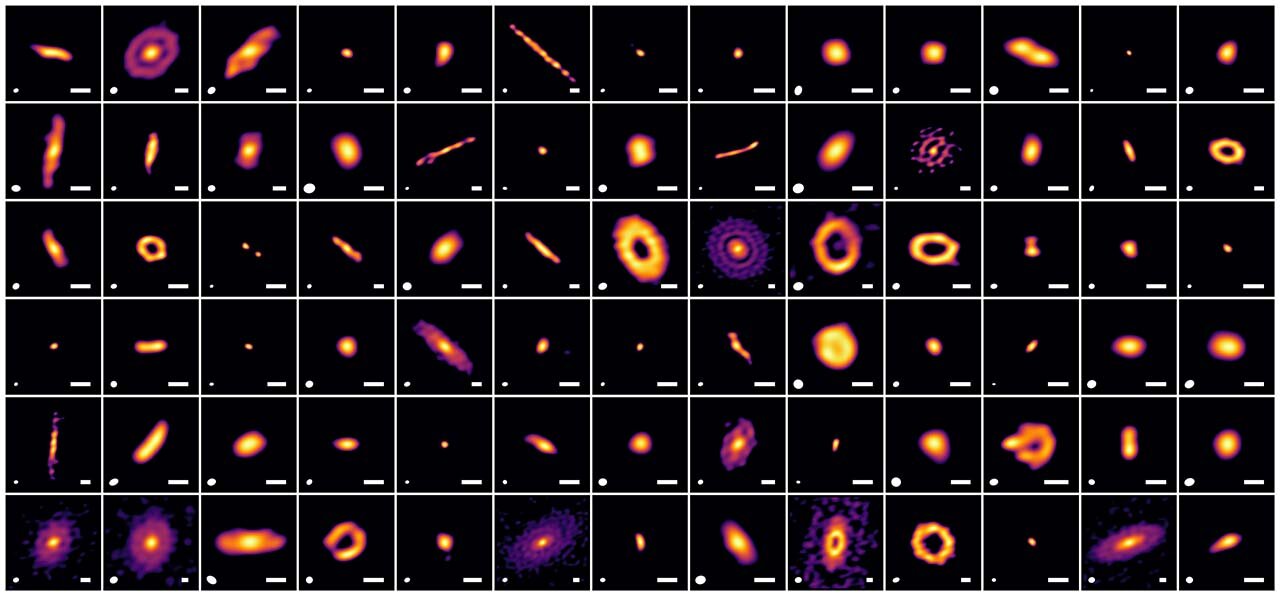
Astronomers using ALMA have observed the earliest stages of planet formation in the Ophiuchus star-forming region, discovering new substructures like rings and spirals in disks around young stars, suggesting that planet formation begins much earlier than previously thought, even while stars are still rich in gas and dust.
Researchers detected methanol and its isotopes in the gas around the young star HD 100453, providing insights into the organic ingredients necessary for life and supporting the idea that comets may have delivered these materials to Earth, aiding in the development of life.
Researchers detected methanol and its isotopes in the disk of a young star, HD 100453, providing insights into the organic ingredients necessary for life and supporting the idea that comets delivered these materials to Earth, potentially aiding in the development of life.
New super-resolution imaging of protoplanetary disks in the Ophiuchus region reveals that characteristic structures indicating planet formation appear within a few hundred thousand years after star birth, suggesting planets begin forming much earlier than previously thought. The study used advanced imaging techniques to analyze 78 disks, finding that planets grow alongside their young stars, with structures emerging in disks larger than 30 au during early star formation stages.
Using the James Webb Space Telescope, astronomers discovered that Earth-like planets can form even in the galaxy's most radiation-intense environments, challenging previous assumptions about the effects of ultraviolet radiation on planet formation, with findings showing that the inner regions of protoplanetary disks remain shielded and capable of supporting habitable planets.
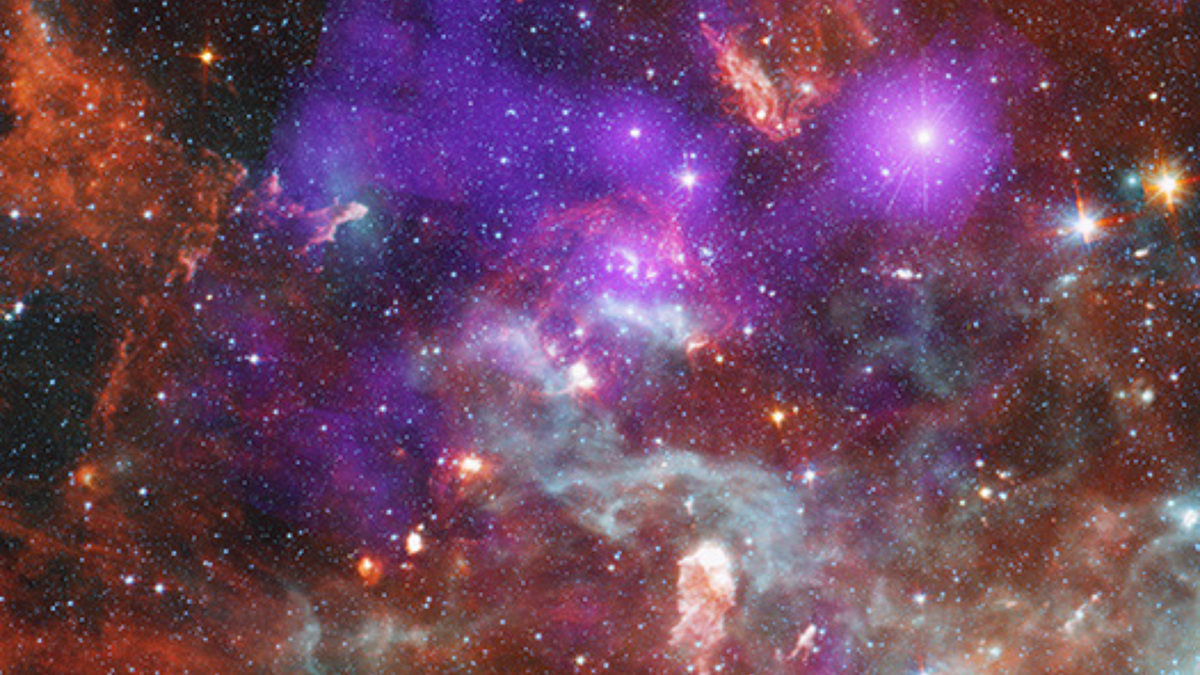
NASA's Chandra X-ray Observatory and the retired Spitzer Space Telescope have identified 'danger zones' for planet formation around young stars in the Cygnus OB2 star cluster. These zones are characterized by high-energy ultraviolet and X-ray radiation from massive stars, which can rapidly dissipate protoplanetary disks, hindering planet formation. The study found that in densely packed regions with intense radiation, the presence of protoplanetary disks drops significantly, making these areas less conducive to planet formation.
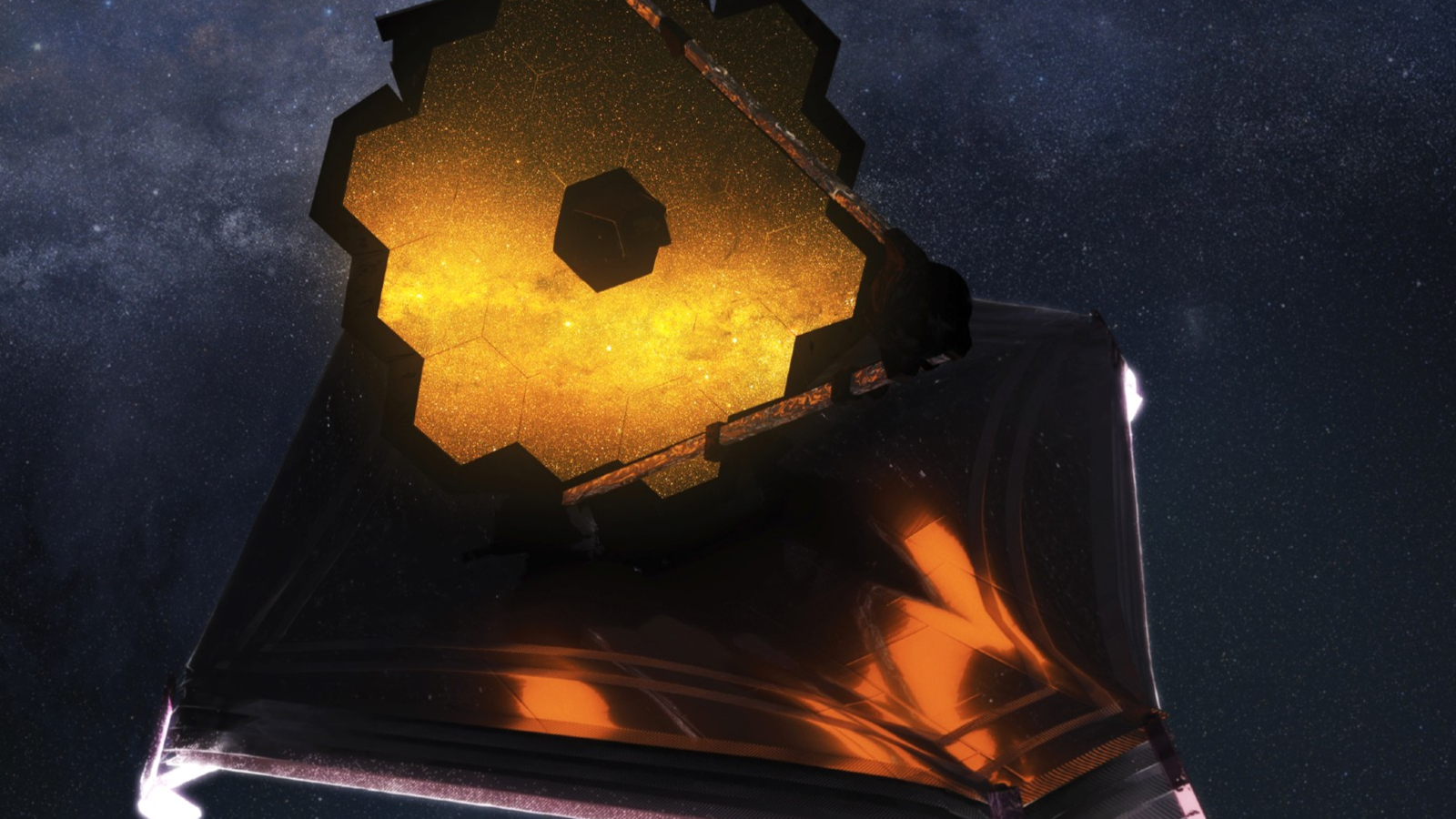
The James Webb Space Telescope (JWST) is being used to hunt for planets forming around infant stars by observing protoplanetary disks. The telescope's sensitive infrared instruments have revealed interactions between the disks and gas envelopes closer to the stars. Unexpectedly, the team led by scientists from the University of Michigan, the University of Arizona, and the University of Victoria found signals of a forming planet in the protoplanetary disk around the protostar SAO 206462, but it wasn't the planet they were expecting to see. Similar investigations into other protoplanetary disks have provided valuable insights into the formation of planets around young stars, shedding light on how materials are distributed across young systems and refining theories about planet formation and evolution.
Astronomers have conducted the first search for forming planets using the James Webb Space Telescope, aiming to find early clues about planet formation and their influence on protoplanetary disks. Three studies led by different universities combined JWST's images with prior observations to observe protoplanetary disks around young stars HL Tau, SAO 206462, and MWC 758. While no new planets were detected, the sensitivity of JWST's instruments provided groundbreaking results, ruling out the existence of additional planets in the outer regions of MWC 758 and placing stringent constraints on suspected planets. The search for forming planets is crucial for understanding planet formation processes and the evolution of planetary systems.
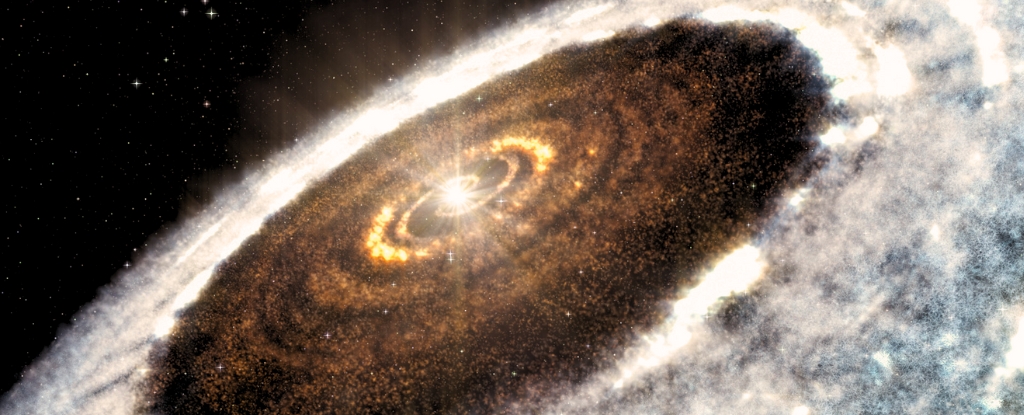
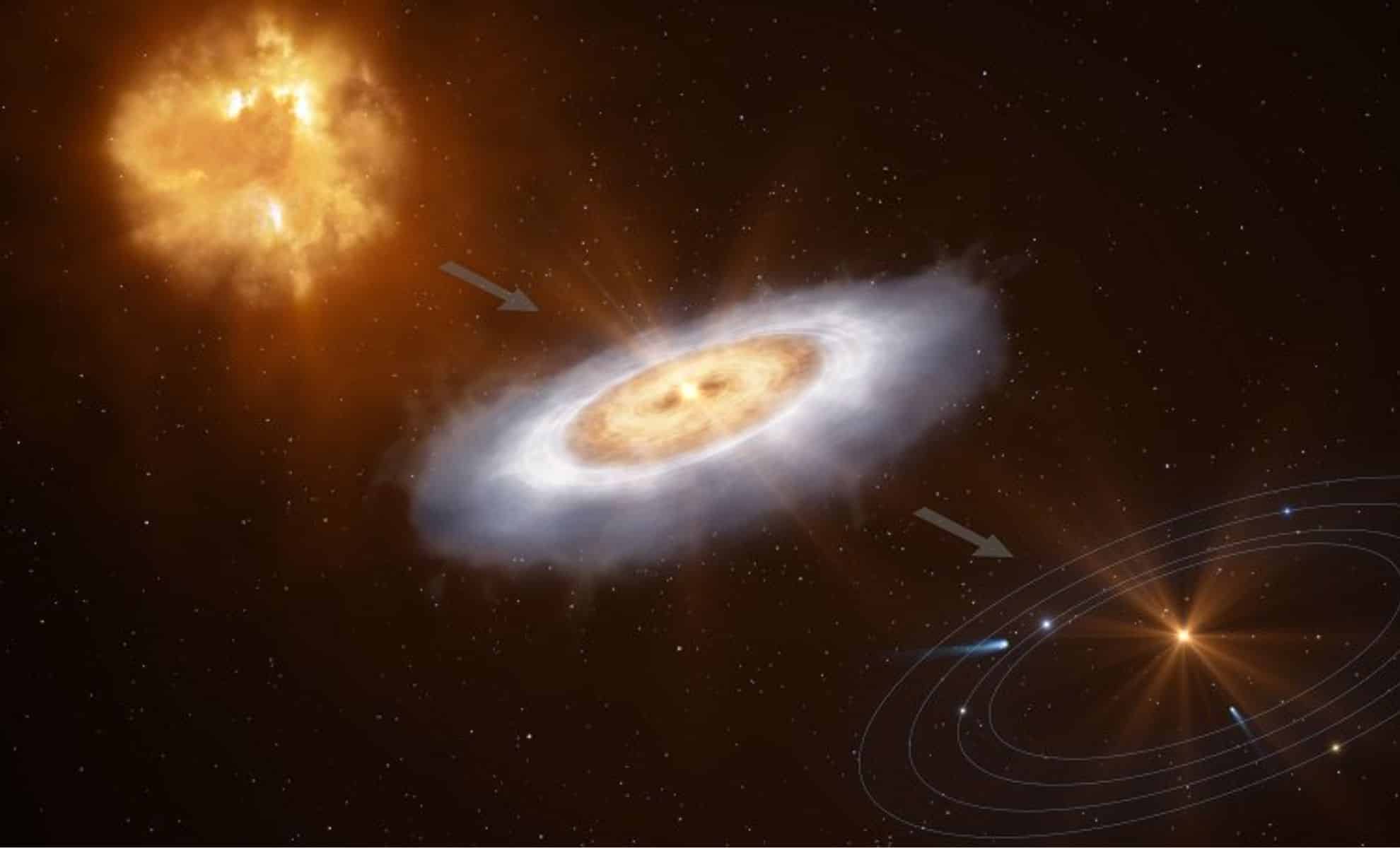
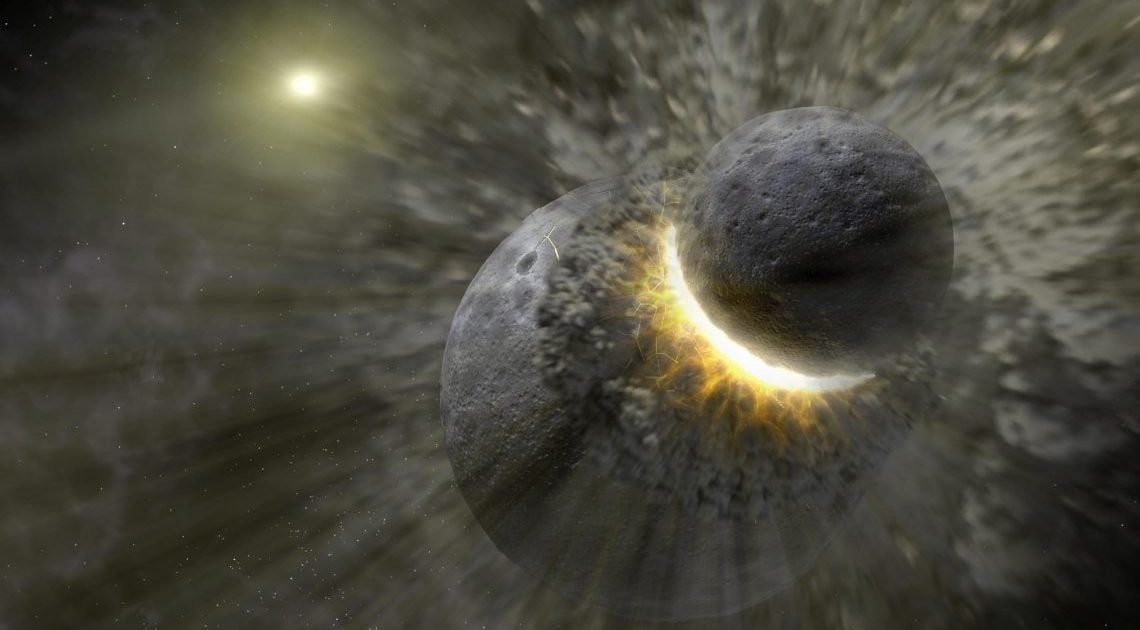
Over 4.5 billion years ago, the formation of planet Earth began as a result of the collapse of a large gas cloud in the Milky Way, leading to the birth of the Sun and the formation of a planetary system. Protoplanetary disks around young stars are the starting points for planet formation, with gaps forming after 1-2 million years. Planets grow from imperfections in these disks, and collisions between protoplanetesimals lead to the formation of moons. The Moon's origin is likely the result of a high-energy collision with a foreign object, forming a synestia, and eventually settling to form Earth and the Moon as we know them today. The early Solar System was conducive to life, with the raw ingredients for habitability, suggesting the possibility of life arising elsewhere in the Milky Way.