Tag

Wireless Communication

All articles tagged with #wireless communication

"Revolutionary Filter Paves Way for 6G Wireless Breakthrough"

Originally Published 1 year ago — by Study Finds

Featured image for "Revolutionary Filter Paves Way for 6G Wireless Breakthrough"
Source: Study Finds

Researchers at Penn Engineering have developed a revolutionary quarter-sized filter that can dynamically tune itself to allow desired frequencies through while blocking interference, potentially enabling 6G wireless signals. This innovative filter uses an ultra-thin film of yttrium iron garnet (YIG) and a compact magnetic tuning circuit, offering a wide tuning range and low signal loss. The technology could transform wireless communications, benefiting smartphones, internet devices, cognitive radios, satellite communications, and more.


"Revolutionizing Wireless Communication: The Future of Terahertz Waves and Bending Light"

Originally Published 1 year ago — by SciTechDaily

Featured image for "Revolutionizing Wireless Communication: The Future of Terahertz Waves and Bending Light"
Source: SciTechDaily

Researchers have developed a method to manipulate terahertz waves, allowing them to curve around obstacles, potentially revolutionizing wireless communication. Terahertz waves have much higher data-carrying capacity than microwaves, but are currently blocked by solid objects. The new method involves creating self-accelerating beams that bend around obstacles, maintaining communication links with high reliability and integrity. This breakthrough could lead to faster and more stable internet connections in obstructed environments, but further research and challenges remain in the development of terahertz communication technology.

"Wireless Blood Communication: Nano-Biosensors Revolutionize Networking"

Originally Published 2 years ago — by Phys.org

Featured image for "Wireless Blood Communication: Nano-Biosensors Revolutionize Networking"
Source: Phys.org

Researchers have developed a protocol called MoMA (Molecular Multiple Access) that enables a molecular network with multiple transmitters, addressing the challenge of communicating with nano-implants inside the human body. The protocol utilizes biomolecular communication, encoding data into molecules that travel through the bloodstream. The team demonstrated the scalability and performance of the protocol on a synthetic experimental testbed, but further testing is needed for practical implementation. This advancement in molecular networks has the potential to revolutionize medicine and healthcare.

Unveiling the First Wireless Nerve Signal Map in Worms

Originally Published 2 years ago — by Nature.com

Featured image for Unveiling the First Wireless Nerve Signal Map in Worms
Source: Nature.com

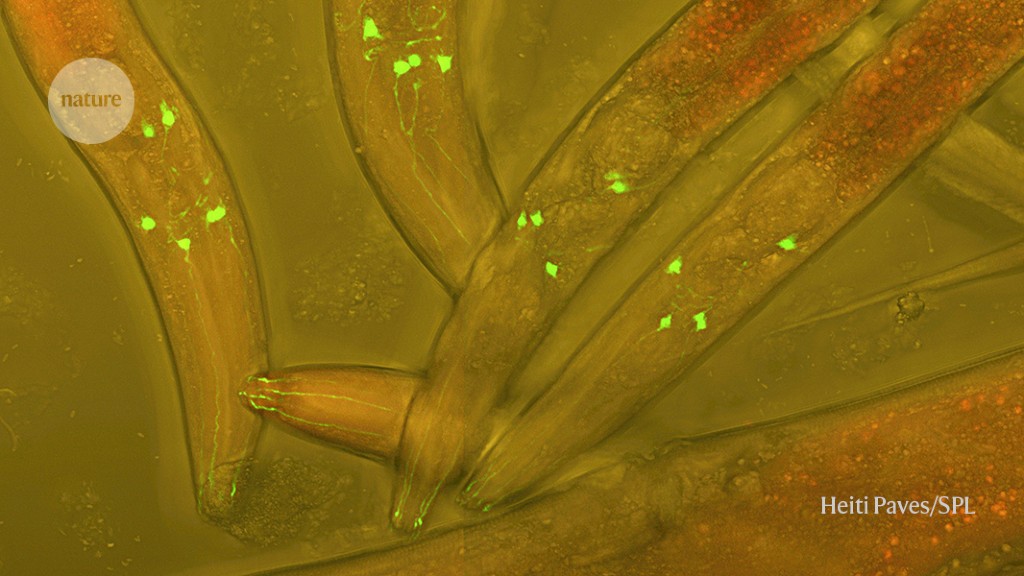
Two recent studies have revealed the existence of a 'wireless' nerve network in the worm Caenorhabditis elegans, challenging the traditional understanding that nerve cells communicate only through synapses. The studies mapped out the entire network of neuropeptide communication in C. elegans, showing that neuropeptides can pass messages between cells over longer distances. This wireless communication, which involves the release and interception of neuropeptides by different neurons, was found to directly activate neurons and contribute significantly to the propagation of signals in the worm's nervous system. The findings suggest that neuropeptide communication is equally important and complex as synaptic signaling, and understanding this network could have implications for the development of drugs and our understanding of neural dynamics in other organisms, including humans.

"Protect Your iPhone: Defending Against Devious Bluetooth Attacks"

Originally Published 2 years ago — by Futurism

Featured image for "Protect Your iPhone: Defending Against Devious Bluetooth Attacks"
Source: Futurism

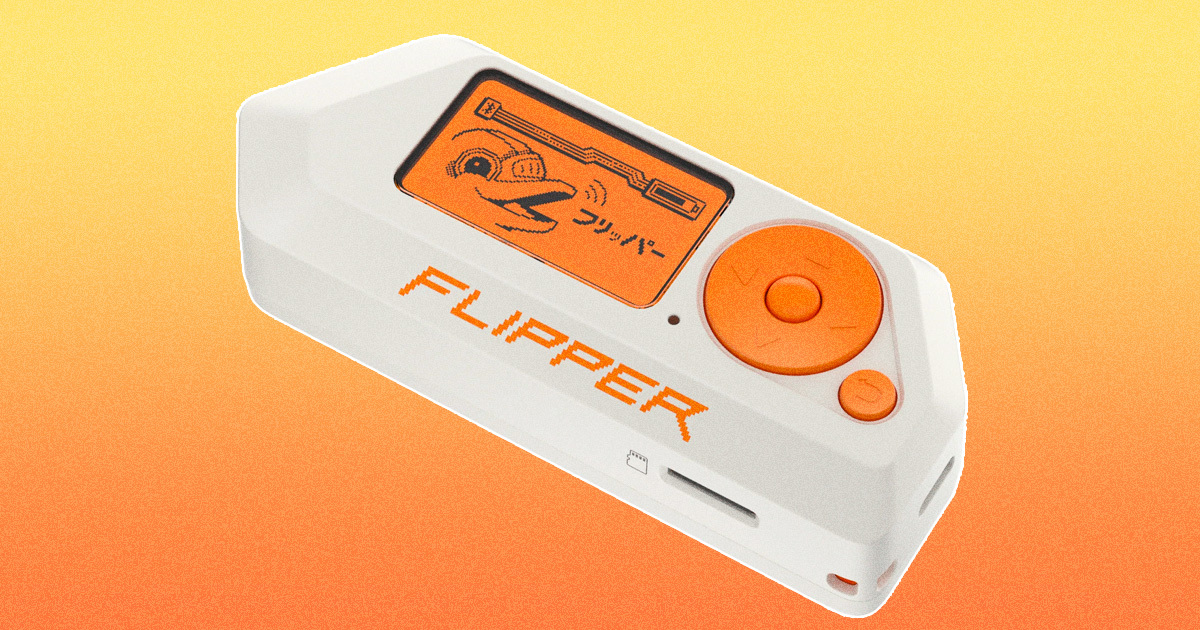
A device called Flipper Zero has the ability to hijack Bluetooth and crash iPhones by spamming them with pop-ups, rendering them unusable. The device, which is legal and sold as a "portable multi-tool for pentesters," can also target other Bluetooth-enabled devices. The availability of such a cheap and easy-to-use device highlights the need for stronger security protocols in wireless communication systems. Currently, the only defense against this attack is to disable Bluetooth on affected devices. Apple has not yet commented on whether it plans to address this vulnerability in a future iOS update.

Unveiling the Promise of "Time Reflections" in Tech

Originally Published 2 years ago — by IFLScience

Featured image for Unveiling the Promise of "Time Reflections" in Tech
Source: IFLScience

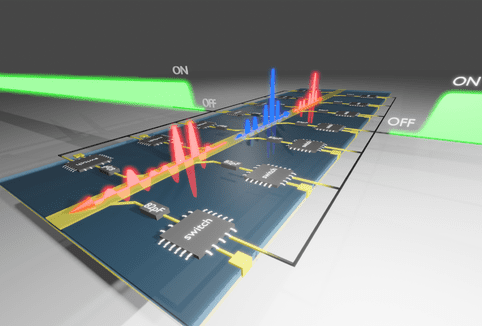
Physicists have demonstrated time reflections of electromagnetic waves for the first time by switching the dielectric constant of a metamaterial, allowing for greater control over the interaction between waves and matter. This breakthrough could have promising applications in photonics, potentially leading to faster computers, cell phones, and wireless communication. Time reflections involve a reversal in the order and frequency lengthening of the wave, with the end of the signal being reflected first. The challenge lies in changing the properties of the medium quickly and uniformly enough to time reflect electromagnetic signals, but the use of metamaterials has overcome this obstacle.

"Revolutionizing Brain Implants: Scientists Unleash Broadband Communication"

Originally Published 2 years ago — by Daily Mail

Featured image for "Revolutionizing Brain Implants: Scientists Unleash Broadband Communication"
Source: Daily Mail

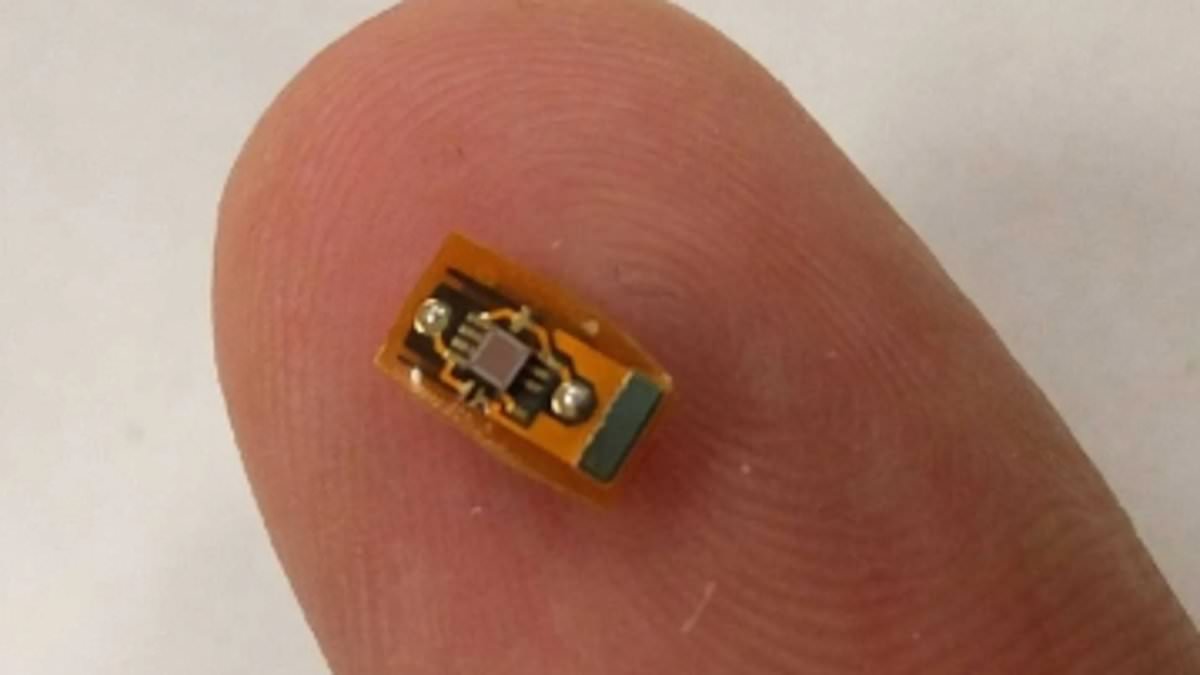
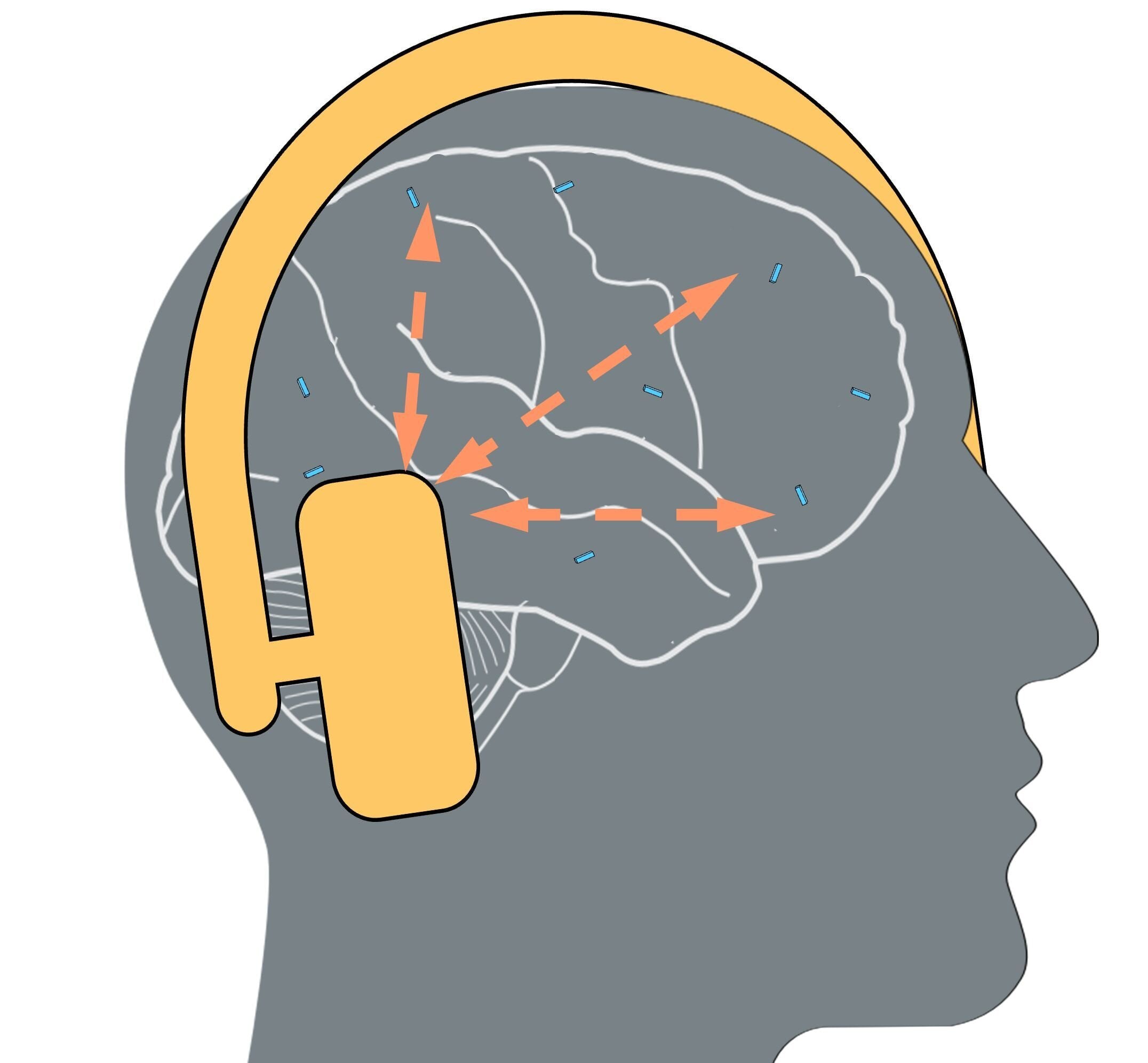
Scientists at Purdue University have developed a wireless brain implant, smaller than a dime, that can transmit data to a wearable device resembling headphones. Unlike current brain chips, these implants do not require a physical connection to a computer or device. The researchers envision this technology enabling people to connect to the internet and control smart devices using their minds. This breakthrough represents the first demonstration of high-bandwidth wireless communication between neural implants and wearable devices. While further research is needed, this development paves the way for advancements in brain-computer interfaces.

"Revolutionizing Brain Implants: Wireless Broadband Communication Unleashed"

Originally Published 2 years ago — by Tech Xplore

Featured image for "Revolutionizing Brain Implants: Wireless Broadband Communication Unleashed"
Source: Tech Xplore

Researchers at Purdue University have developed a new approach to enable wireless communication between the human brain and computers using neural implants. The technique relies on electro-quasistatic fields and a two-phase process that allows a small sensor implanted in the brain to transfer information to a wearable headphone-shaped device without disrupting the body's physiological processes. The technology has the potential to advance medical research and improve understanding of neurological and behavioral disorders. The researchers are working on developing a system that supports multi-channel sensing and reduces power consumption in neural implants.

Chromebooks Embrace Ultra Wide Band Technology

Originally Published 2 years ago — by Chrome Unboxed

Featured image for Chromebooks Embrace Ultra Wide Band Technology
Source: Chrome Unboxed

Ultra Wideband (UWB) technology, which offers high-speed data transfer and precise location tracking, is being tested for integration into Chromebooks. UWB has the potential to replace technologies like Bluetooth, NFC, and RFID, and could enable a wide range of applications such as secure wireless payments, indoor location tracking, and smart home accessories. While the specific use cases for UWB on Chromebooks are still being explored, possibilities include seamless connections with peripherals like phones and watches, wireless extended displays, and high-speed file transfers. The integration of UWB into Chromebooks could mark a significant shift in the tech landscape in the coming years.

"Physicists Develop Photonic Time Crystal to Enhance Light"

Originally Published 2 years ago — by Phys.org

Featured image for "Physicists Develop Photonic Time Crystal to Enhance Light"
Source: Phys.org

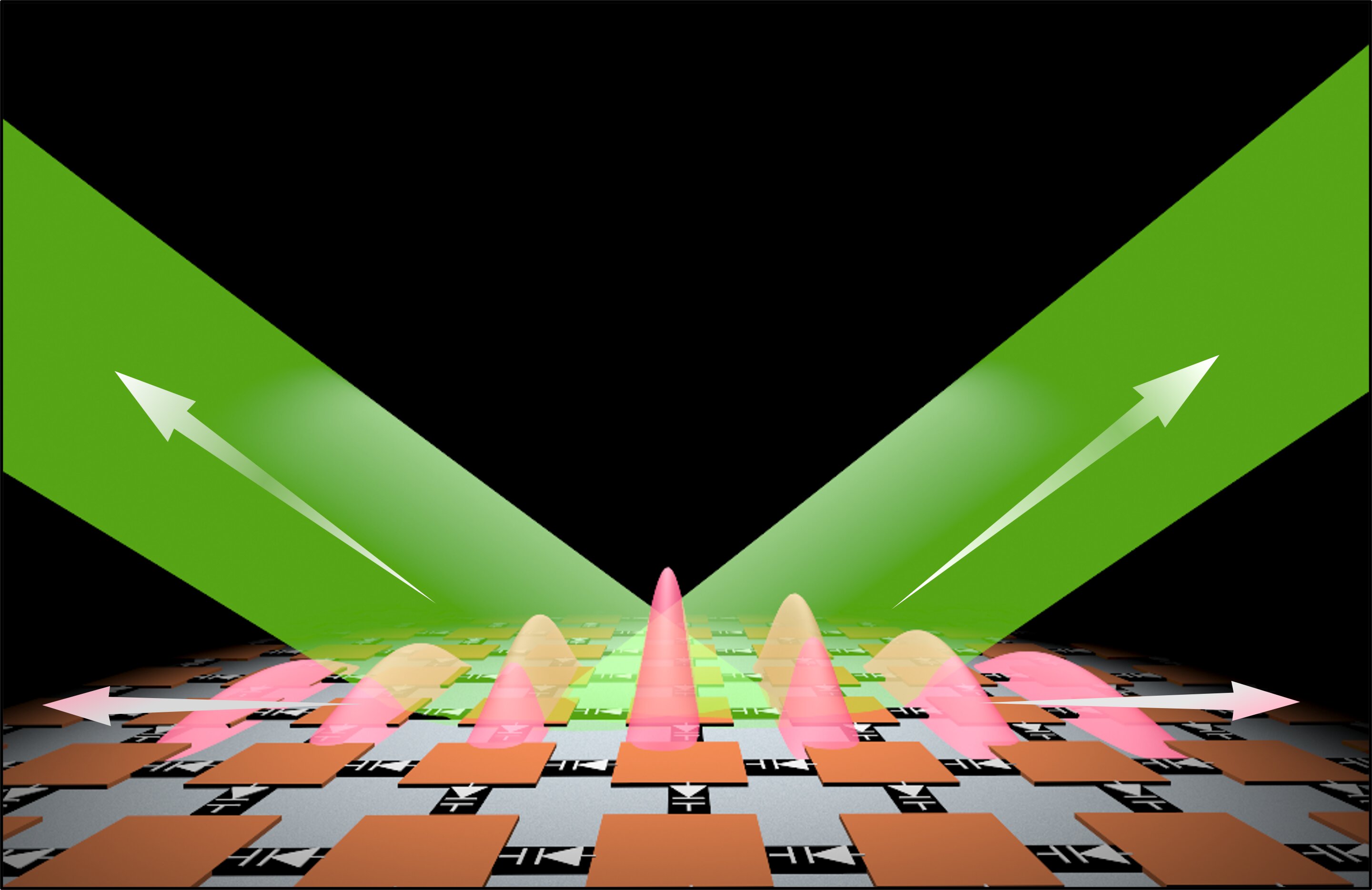
Researchers have created photonic time crystals that operate at microwave frequencies, which can amplify electromagnetic waves. The two-dimensional photonic time crystals have potential applications in wireless communication, integrated circuits, and lasers. The periodic arrangement of photons in the crystal leads to constructive interference and amplification of light, which can boost the efficiency of wireless transmitters and receivers. Coating surfaces with 2D photonic time crystals could also help with signal decay, and the crystals could simplify laser designs by removing the need for bulk mirrors.

Physicists demonstrate time reflection in microwaves for the first time.

Originally Published 2 years ago — by physicsworld.com

Featured image for Physicists demonstrate time reflection in microwaves for the first time.
Source: physicsworld.com

Physicists in the US have observed time reflection in an electromagnetic wave for the first time, using a novel type of metamaterial. The result could improve wireless communication and ultimately help bring about long-sought-after optical computing. The analogue nature of this time reversal mechanism could lead to a number of applications, including combating distortion in a wireless data channel and a new generation of analogue optical computers. The research is published in Nature Physics.