Neuralink, led by Elon Musk, is at a crossroads between developing technology to help people with disabilities and pursuing broader ambitions like AI integration and potential future AI conflicts, with recent leadership moves fueling questions about its true priorities.
Brain-computer implant technology is rapidly advancing with increased clinical trials, expanding applications beyond paralysis to mental health, and a surge of startups, especially in China, driven by regulatory approvals and investor interest, signaling a significant growth phase by 2026.
The article discusses the potential for digital immortality through AI and brain-computer interfaces, highlighting how China and Russia are exploring these technologies to extend the influence of leaders like Xi Jinping and Vladimir Putin beyond their physical lives, raising concerns about authoritarian control and ethical implications.
A study published in Cell reveals that brain implants can decode not only attempted speech but also imagined inner speech, raising privacy concerns about mental privacy as technology advances. Researchers found that AI can translate faint brain signals associated with inner speech into words, which could make communication easier for paralyzed individuals but also pose risks of unintentional mind-reading. Protective measures like wake words were tested, but experts warn that the boundary between private and public thoughts may become blurred, especially with future consumer devices.
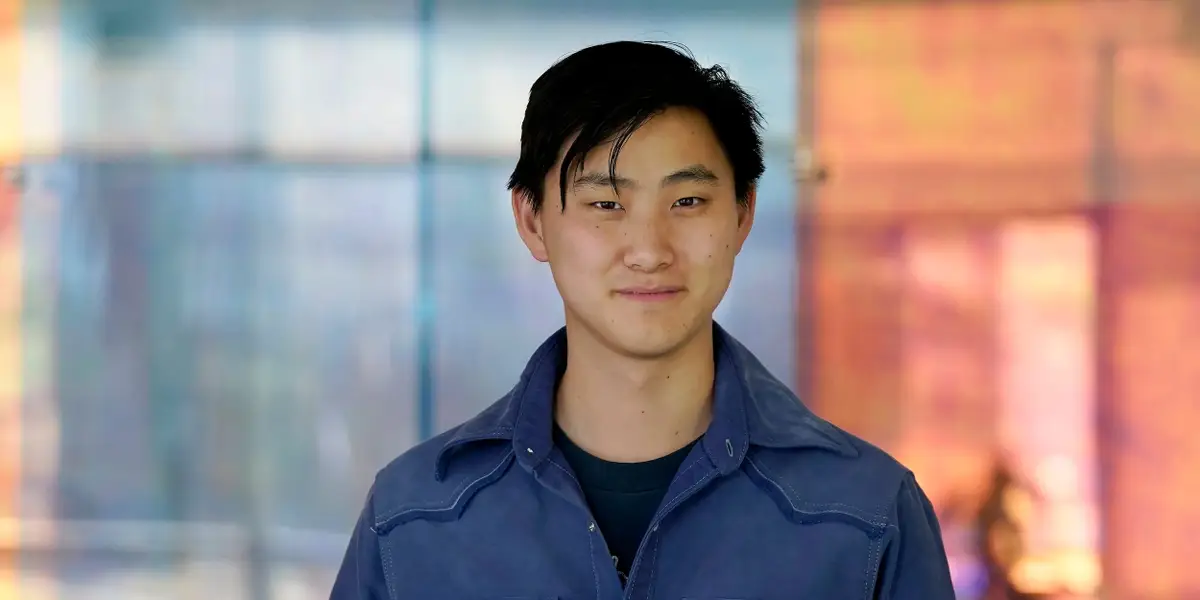
Alexandr Wang, founder of Scale AI, plans to wait until Neuralink and similar brain-computer interfaces are available before having children, believing that early access to such technology could significantly enhance children's learning and development.
Neuralink, a neurotechnology company founded by Elon Musk, raised $650 million in its latest Series E funding round to develop brain-computer interfaces that enable control of electronic devices.
Tech leaders like Musk, Zuckerberg, Altman, and Gates are pushing to replace smartphones with advanced interfaces like brain implants, digital tattoos, and AR glasses, while Apple focuses on incremental improvements to existing devices, highlighting a divide in future tech approaches.
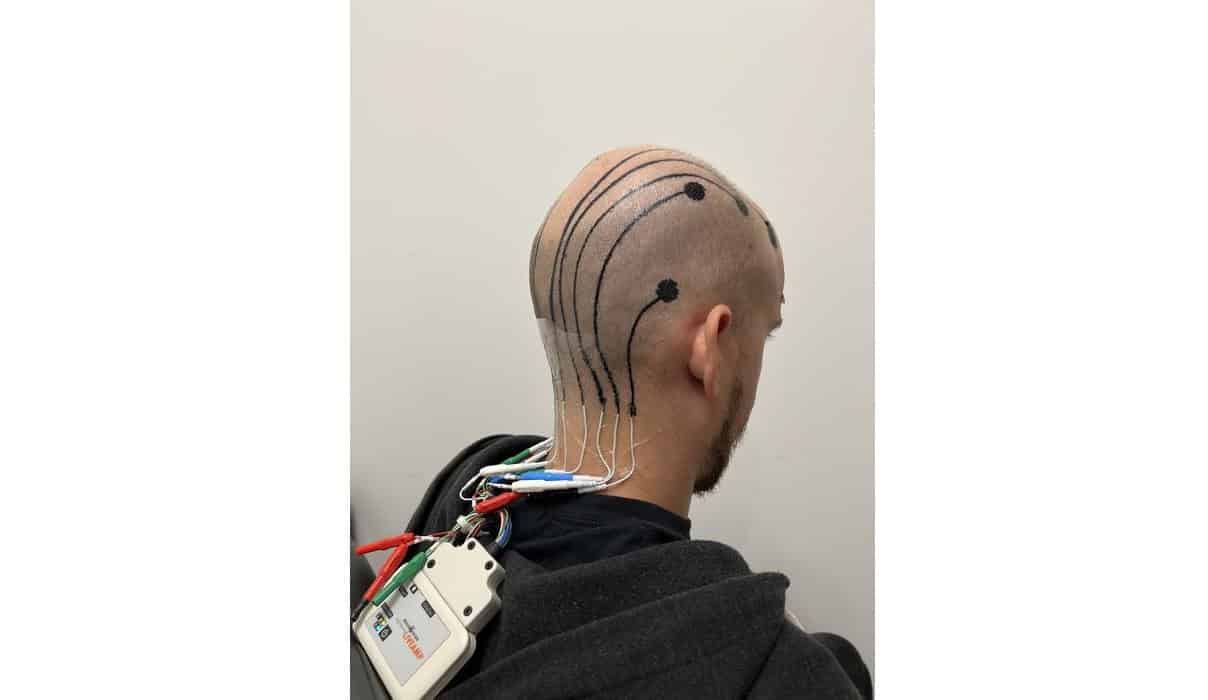
Researchers in Austin, Texas, have developed a groundbreaking alternative to traditional EEGs by creating a liquid ink that can be sprayed onto the scalp to form ultra-thin electronic tattoos. These e-tattoos offer a more comfortable and reliable method for brain monitoring, eliminating the need for cumbersome wires and gels. The technology, which has shown promising results in initial tests, could revolutionize brain-computer interfaces by making them more accessible and user-friendly, potentially benefiting individuals with disabilities.
Elon Musk's company Neuralink has made significant strides in developing brain-computer interfaces, with the recent announcement of the first human receiving an implant showing promising neuron spike detection. This achievement builds upon decades of research in neuroscience and bioengineering, with the potential to help patients with paralysis, spinal cord injury, ALS, and other conditions. While the technology holds great promise, scientists caution against unrealistic expectations and emphasize the importance of ongoing basic scientific research.
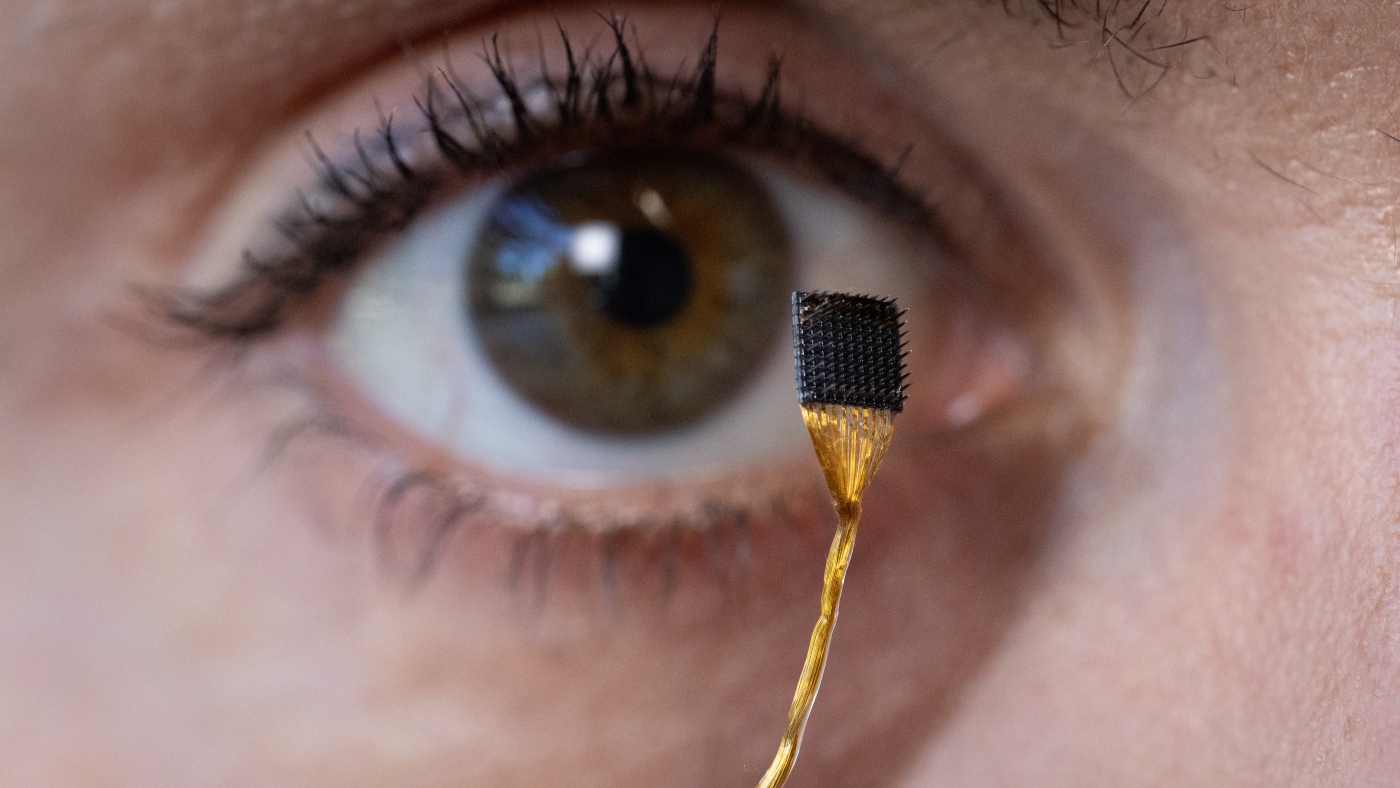
Neuralink, founded by Elon Musk, has implanted a brain-reading device into a person for the first time, sparking cautious excitement among neurotechnology researchers. The trial aims to demonstrate safety and effectiveness in measuring brain signals, but concerns have been raised about the lack of detailed information and transparency. The device, containing 64 flexible polymer threads, provides 1,024 sites for recording brain activity and is fully implanted and wireless, potentially increasing the bandwidth of brain-machine communication. Scientists hope to learn about the device's safety, functionality, and long-term performance, while emphasizing the importance of transparency and volunteer safety in advancing brain-computer interface technology.
Technologists are developing devices that can enhance the brain's performance in day-to-day life, such as headphones that detect lack of focus and suggest breaks, and headbands that adjust brain activity to energize users. These brain-computer interfaces and wearable devices aim to improve productivity and help individuals overcome distractions.
Elon Musk's neurotech startup Neuralink has faced criticism after it was revealed that the company has killed approximately 1,500 animals in its experiments to connect brains to computer interfaces. Records from UC Davis' California National Primate Research Center detailed the suffering experienced by monkeys that received brain chip implants, including bleeding in the brain and parts of the brain being left in tatters. Despite calls from a national group of physicians to halt all animal and human experiments, Neuralink is still actively recruiting individuals with quadriplegia or ALS for brain implant trials.
A new study conducted by researchers at the Howard Hughes Medical Institute suggests that rats have the ability to imagine and visualize objects and places that are not physically present. Using a combination of virtual reality and brain-computer interfaces, the study found that rats can activate representations of places in their environment without physically being there. The research has implications for humans, including the design of prosthetic devices and a better understanding of amnesia. The study focused on the rats' hippocampus, the area of the brain responsible for spatial memory and imagining experiences.
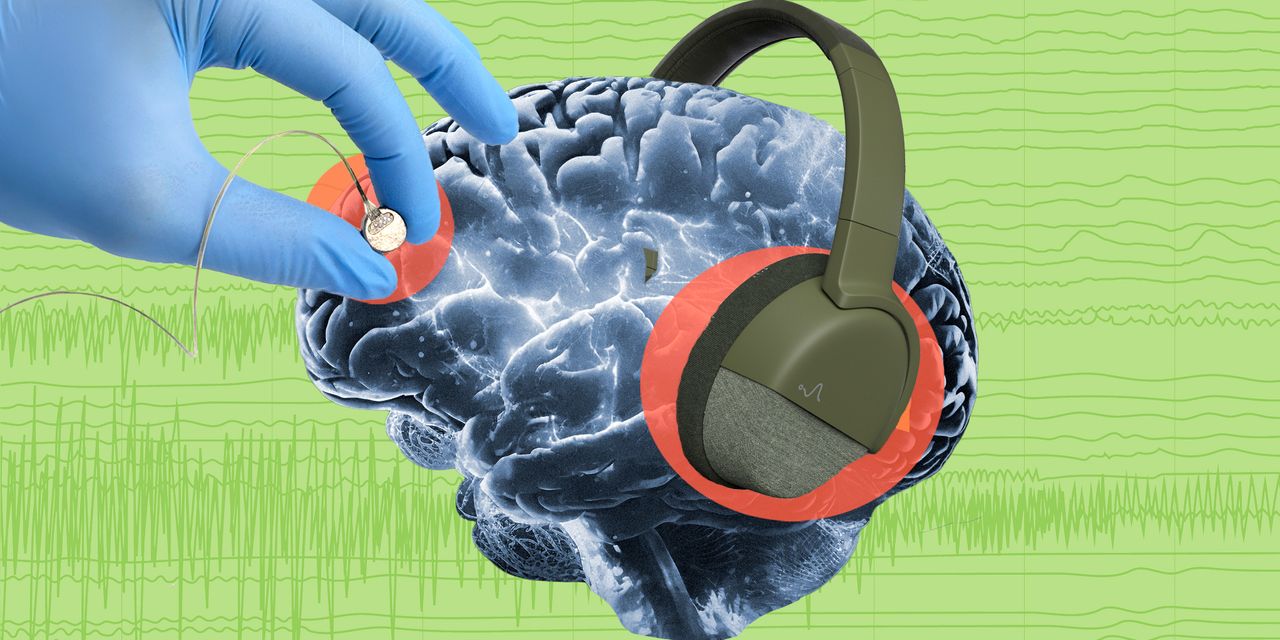
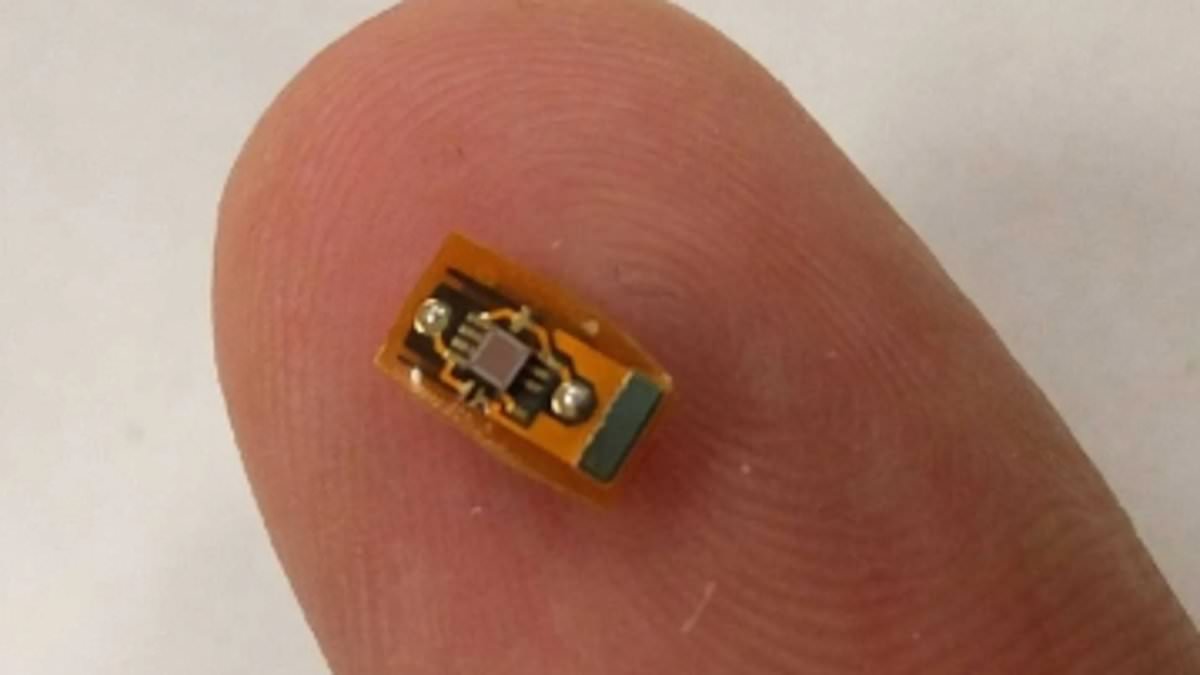
Scientists at Purdue University have developed a wireless brain implant, smaller than a dime, that can transmit data to a wearable device resembling headphones. Unlike current brain chips, these implants do not require a physical connection to a computer or device. The researchers envision this technology enabling people to connect to the internet and control smart devices using their minds. This breakthrough represents the first demonstration of high-bandwidth wireless communication between neural implants and wearable devices. While further research is needed, this development paves the way for advancements in brain-computer interfaces.
Scientists have decoded recognizable snippets of Pink Floyd's "Another Brick in the Wall" from human brain waves. By recording and analyzing the brain activity of participants listening to the song, researchers reconstructed the melody using regression-based models. The study adds to our understanding of how the brain processes music and could have future applications in brain-computer interfaces that help people communicate. The research highlights the different neural processes involved in processing musical features and the potential for capturing emotional elements in communication devices.