
Tag

Neural Interfaces

All articles tagged with #neural interfaces

science-and-technology2 years ago

"Revolutionary Polymer Films Enable Advanced Bioelectronic Interfaces"

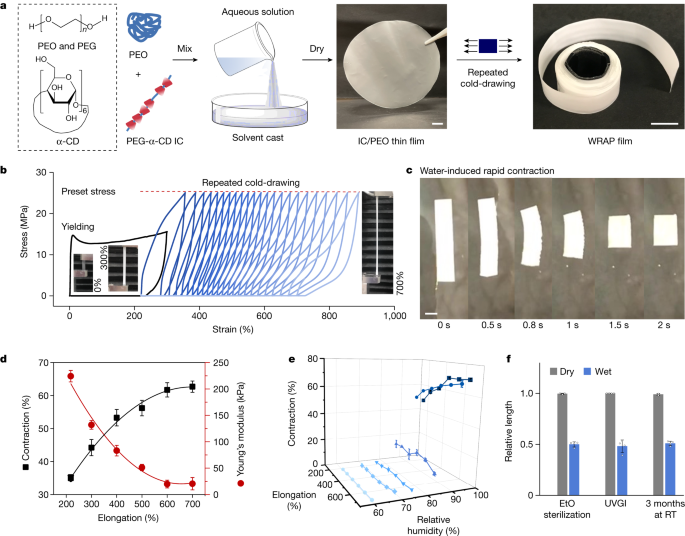
Researchers have developed water-responsive supercontractile polymer films that can be used for bioelectronic interfaces. These films exhibit a significant contraction in response to water, allowing for enhanced conformability and intimate contact with biological tissues. The films are highly stretchable, conductive, and biocompatible, making them suitable for applications such as neural interfaces. The water-induced supercontraction of the films is attributed to the release of prestored strain energy. This development opens up new possibilities for the design of flexible and adaptable bioelectronic devices.
technology2 years ago

"Revolutionizing Brain Implants: Scientists Unleash Broadband Communication"

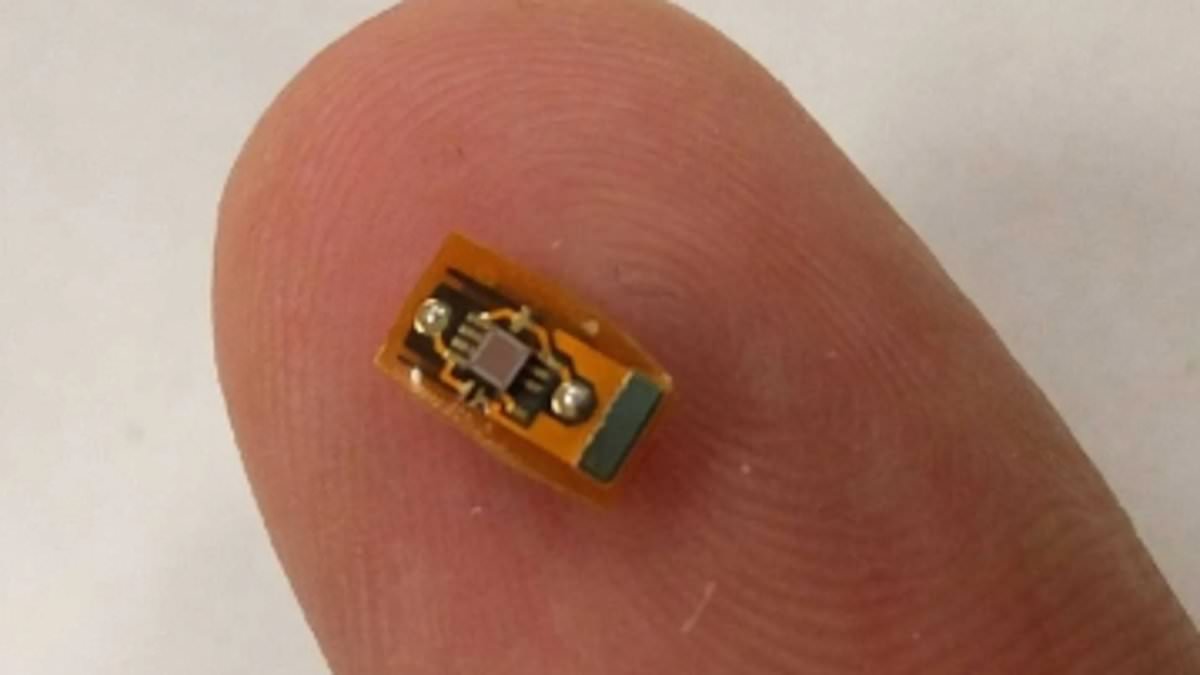
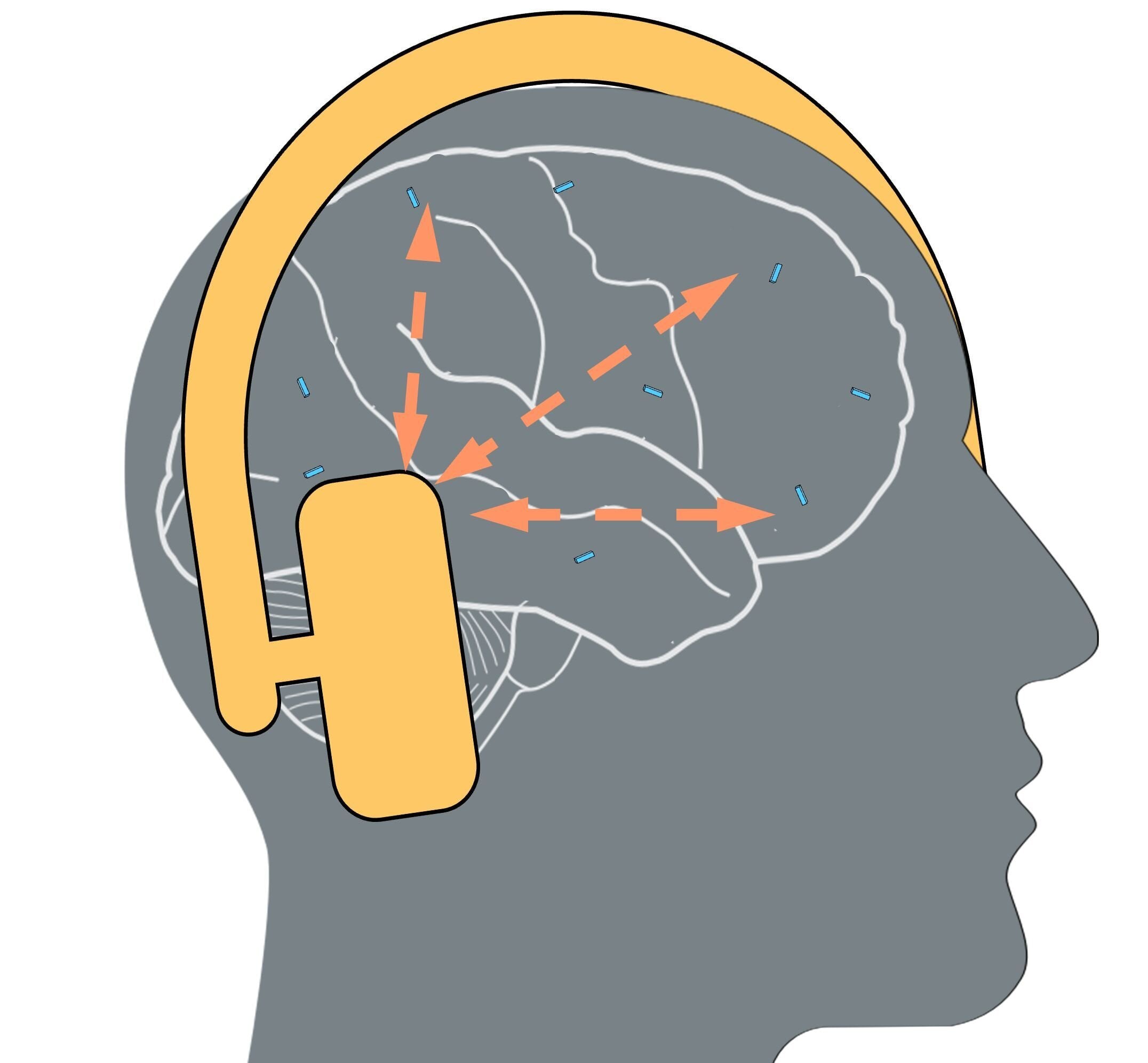
Scientists at Purdue University have developed a wireless brain implant, smaller than a dime, that can transmit data to a wearable device resembling headphones. Unlike current brain chips, these implants do not require a physical connection to a computer or device. The researchers envision this technology enabling people to connect to the internet and control smart devices using their minds. This breakthrough represents the first demonstration of high-bandwidth wireless communication between neural implants and wearable devices. While further research is needed, this development paves the way for advancements in brain-computer interfaces.

technology2 years ago

"Revolutionizing Brain Implants: Wireless Broadband Communication Unleashed"

Researchers at Purdue University have developed a new approach to enable wireless communication between the human brain and computers using neural implants. The technique relies on electro-quasistatic fields and a two-phase process that allows a small sensor implanted in the brain to transfer information to a wearable headphone-shaped device without disrupting the body's physiological processes. The technology has the potential to advance medical research and improve understanding of neurological and behavioral disorders. The researchers are working on developing a system that supports multi-channel sensing and reduces power consumption in neural implants.