Tag

Potential Applications

All articles tagged with #potential applications

science-and-technology1 year ago

"Wonder Material Graphene Shows Promise in Human Trials for Tackling Global Challenges Safely"

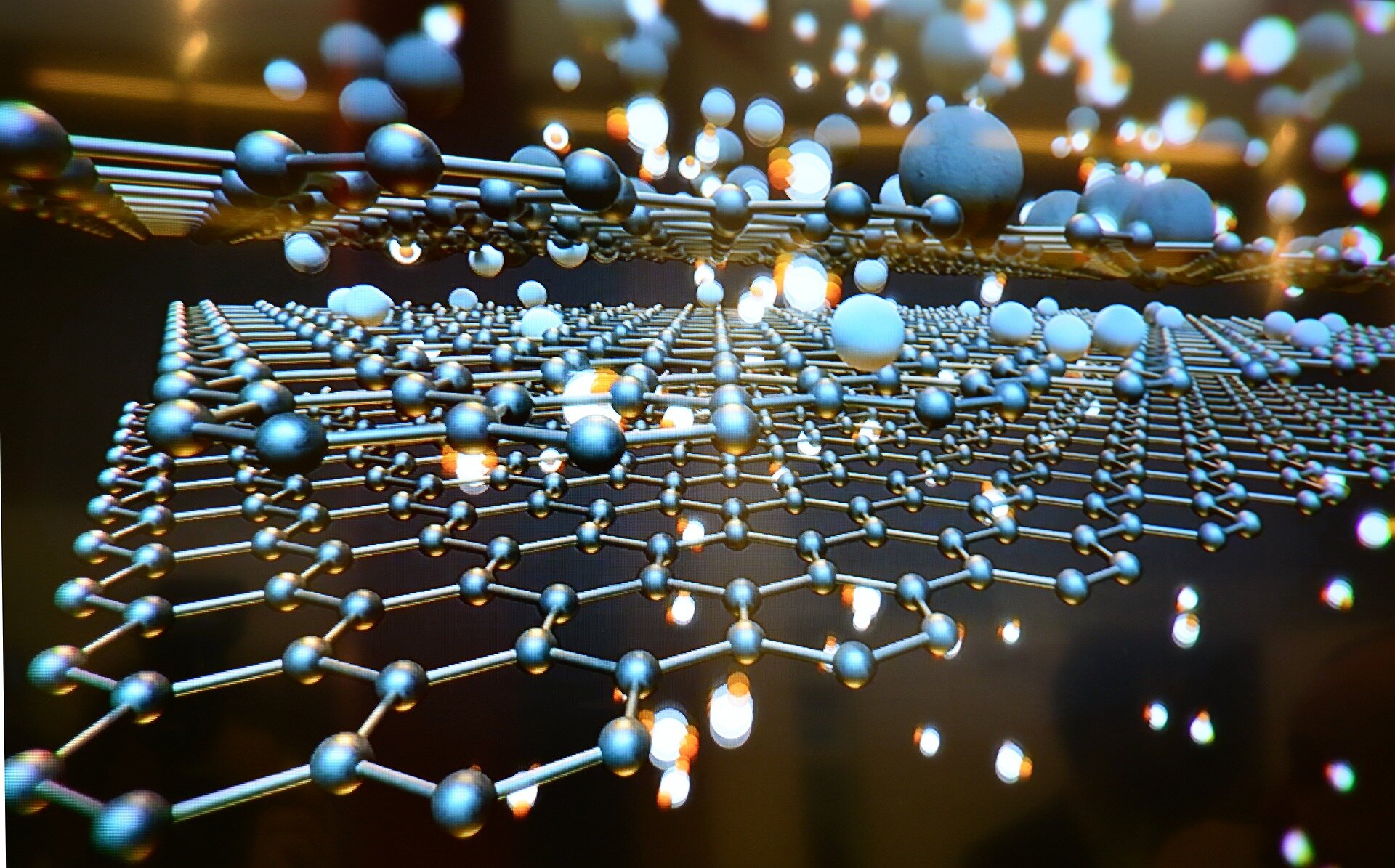
A study published in Nature Nanotechnology suggests that carefully controlled inhalation of a specific type of graphene, a revolutionary nanomaterial, has no short-term adverse effects on lung or cardiovascular function. The study, involving 14 volunteers, indicates that this graphene oxide material could be further developed with minimal risk to human health, paving the way for potential applications in electronics, healthcare, and environmental solutions. Researchers emphasize the need for further investigation into potential long-term effects and different forms of graphene, but the findings represent a significant step in understanding the safety of nanomaterials for broader use.

science-and-technology2 years ago

"Laser-induced Magnetization of Iron-Vanadium Alloy Unveils Promising Phenomenon"

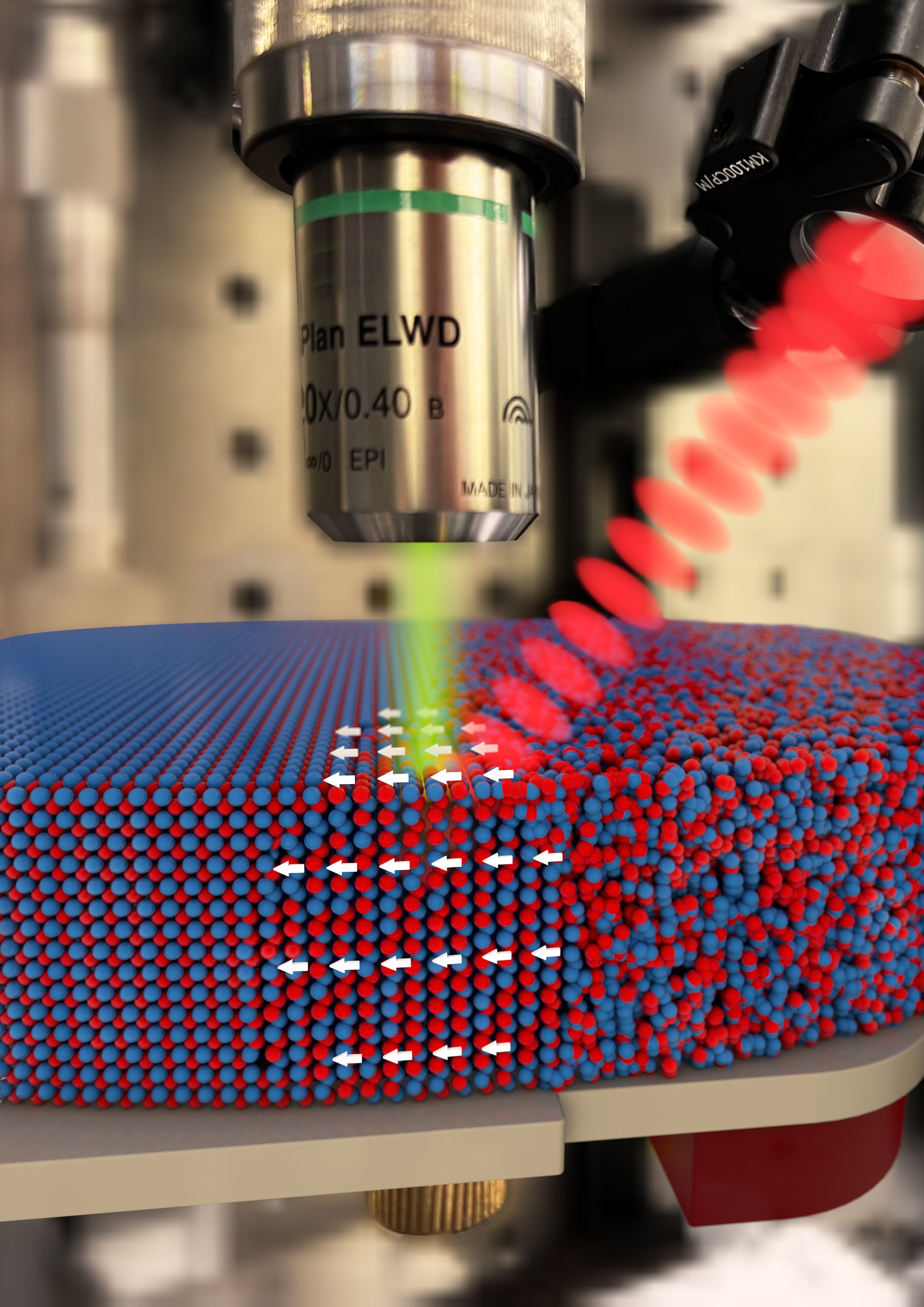
Researchers have discovered that an iron-vanadium alloy can be magnetized using ultrashort laser pulses, similar to a previously studied iron-aluminum alloy. The laser pulses rearrange the atoms in the crystal, causing the iron atoms to move closer together and form a magnet. The phenomenon is not limited to specific material structures and can be observed in diverse atomic arrangements. This research opens up potential applications in magnetic sensors, data storage, and spintronics, offering a new approach to future computer technology.

science-and-technology2 years ago

Gravity Defied: Iron-Coated 'Sand' Defies Laws of Physics in Mind-Bending Experiment

Scientists from Lehigh University have developed a sand-like material called microrollers, which can flow uphill when subjected to a rotating magnetic field. The particles, coated in iron oxide, exert a twisting force on each other and overcome obstacles against gravity. This phenomenon, referred to as a negative angle of repose, is caused by a negative coefficient of friction that boosts movement. The researchers believe this discovery could have various applications, such as controlling substance mixing or separation and in microrobotics for drug delivery. Further research will focus on exploring the particles' ability to climb obstacles.

technology2 years ago

Chromebooks Embrace Ultra Wide Band Technology

Ultra Wideband (UWB) technology, which offers high-speed data transfer and precise location tracking, is being tested for integration into Chromebooks. UWB has the potential to replace technologies like Bluetooth, NFC, and RFID, and could enable a wide range of applications such as secure wireless payments, indoor location tracking, and smart home accessories. While the specific use cases for UWB on Chromebooks are still being explored, possibilities include seamless connections with peripherals like phones and watches, wireless extended displays, and high-speed file transfers. The integration of UWB into Chromebooks could mark a significant shift in the tech landscape in the coming years.

science-and-technology2 years ago

"Superconductor Breakthroughs: From LK-99 Disappointment to Hope for the 'Holy Grail'"

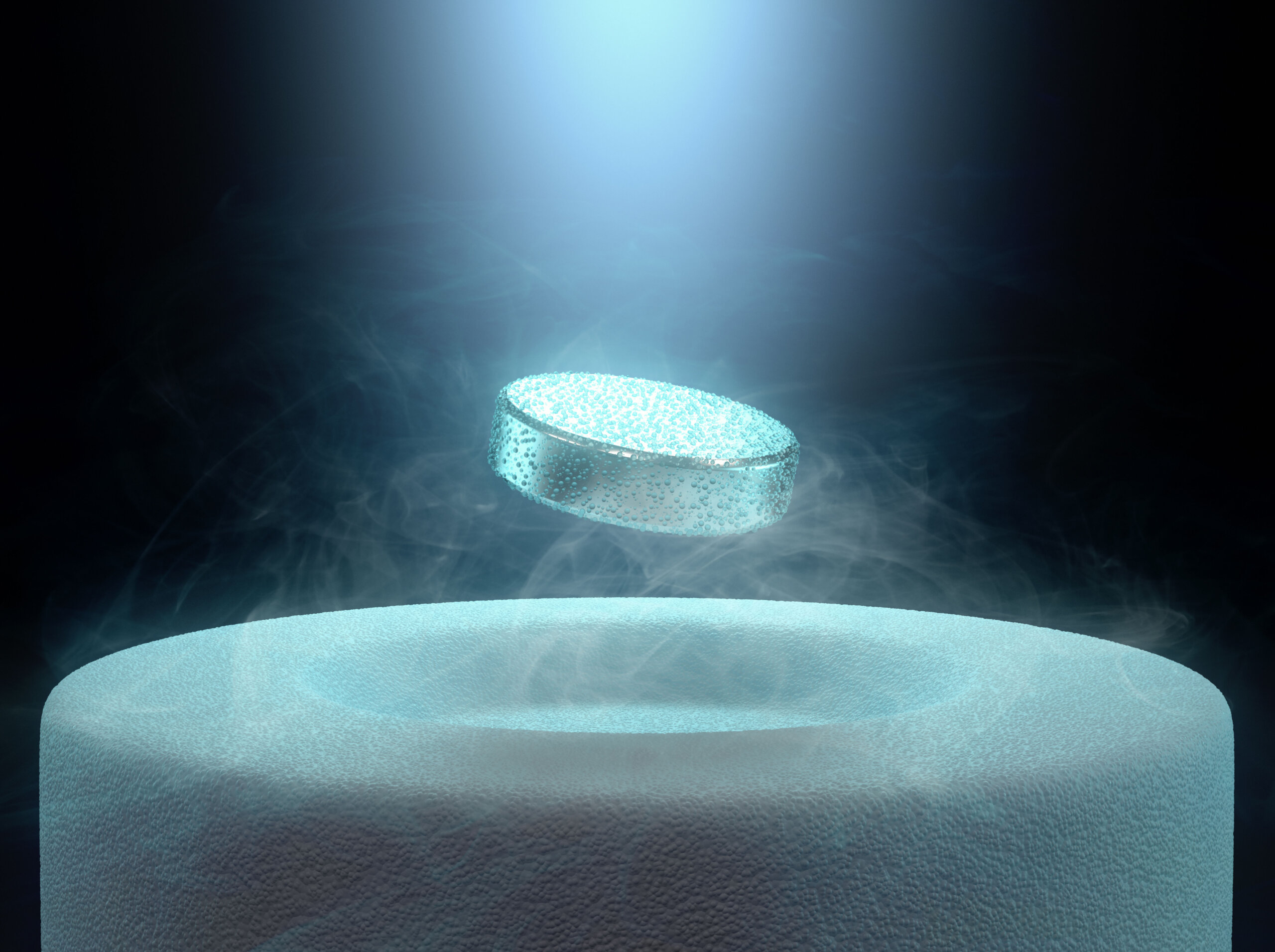
Recent studies suggest that the highly anticipated superconductor LK-99 may not actually be a superconductor, but scientists remain hopeful in their search for a "Holy Grail" superconductor that can operate at room temperature. The discovery of such a material could revolutionize various industries, including energy transmission, healthcare technology, space exploration, and quantum computing. While LK-99 may not be the answer, the renewed excitement and findings could lead to advancements in high-speed trains, quantum supercomputers, and scalable batteries for renewable energy storage.

science-and-technology2 years ago

MIT Develops Faster and More Efficient Method for Integrating 2D Materials onto Silicon Circuits.

Researchers have developed a method to retain the mechanical properties of 2D polymers called covalent organic frameworks (COFs) when stacked in multiple layers, creating a lightweight material that is several times stronger than steel. Potential applications include filtration membranes and upgraded batteries. The research could also impact the design of ceramics and metals, potentially enabling their manufacturing and repair at lower temperatures. The findings are detailed in a new study published in Proceedings of the National Academy of Sciences.