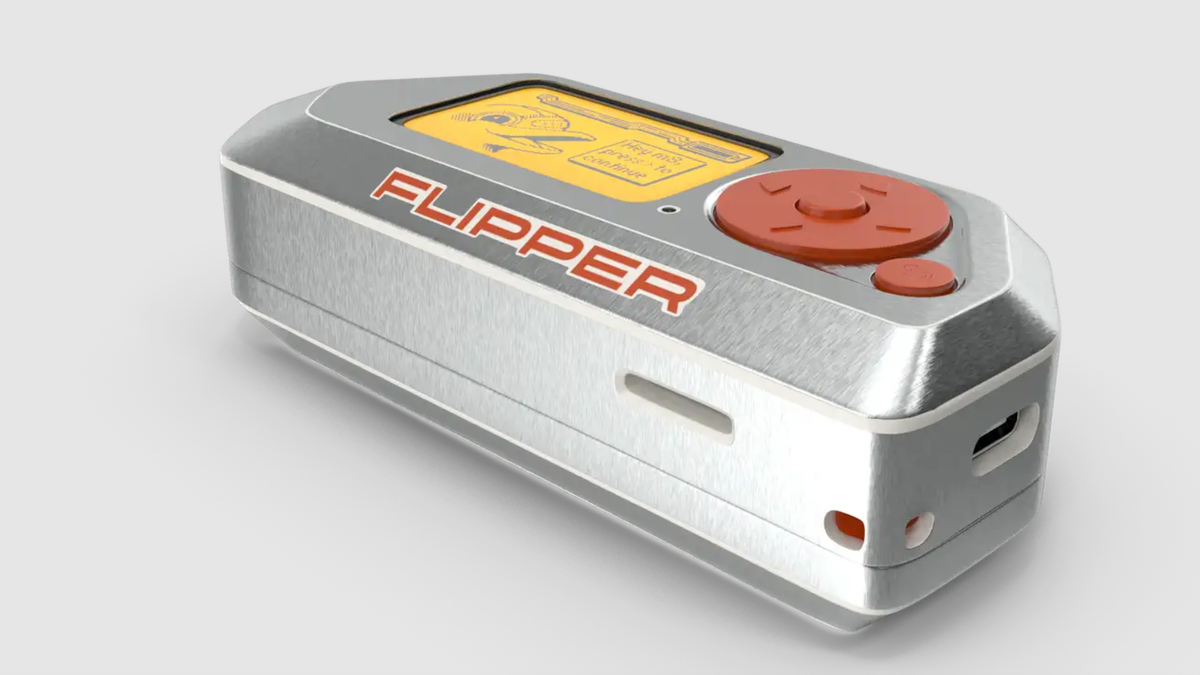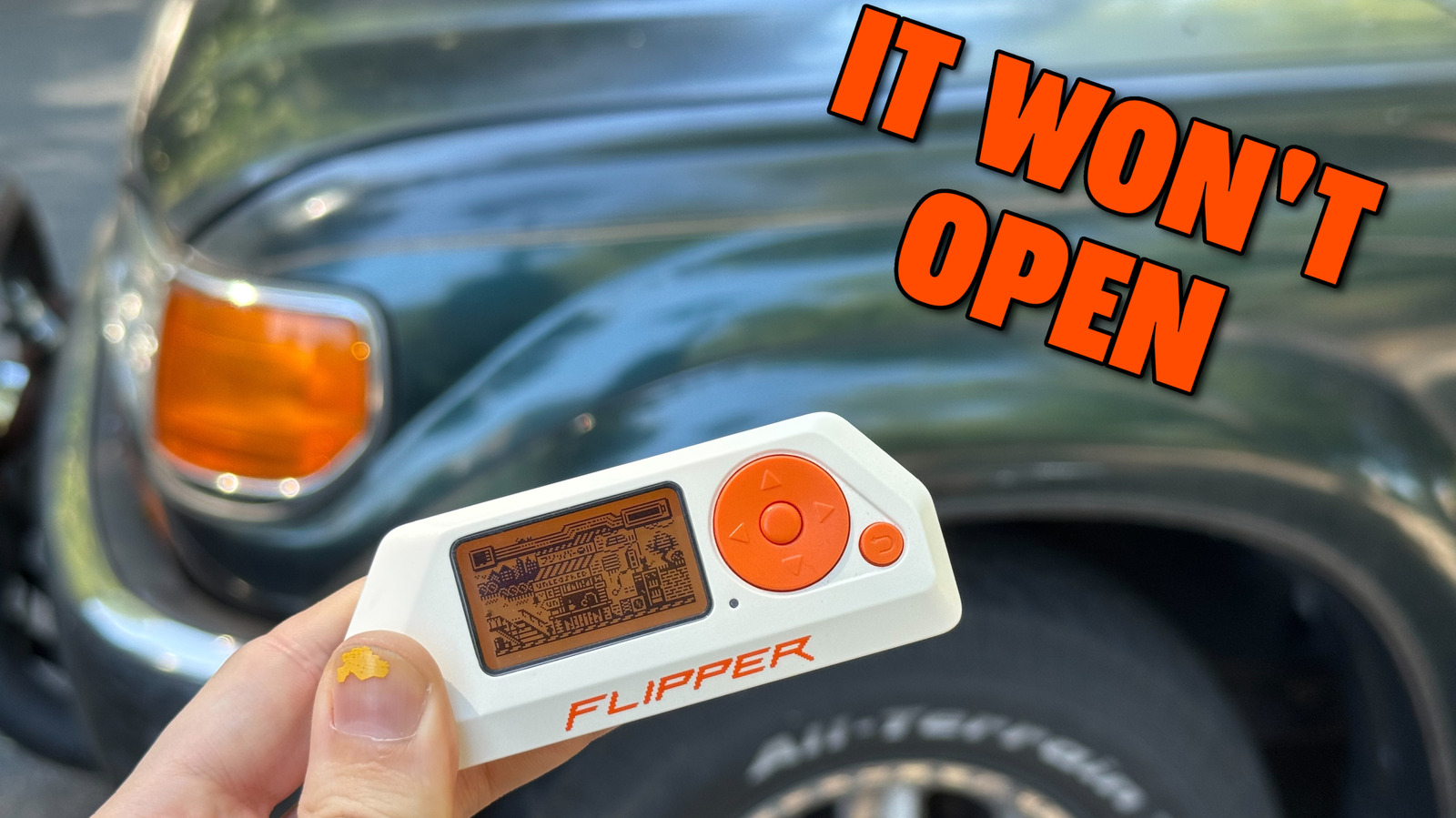
The Flipper Zero can be used to unlock modern cars by exploiting vulnerabilities in the car's security system, specifically through reverse-engineering the rolling code algorithm, but the device itself isn't the core issue—it's the leak or reverse-engineering of automakers' security codes that enables these attacks.
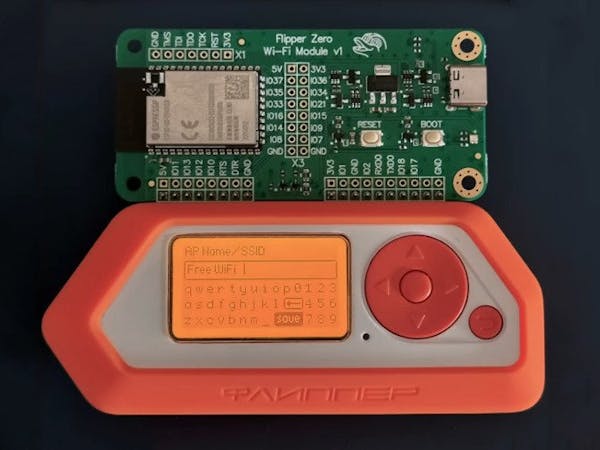
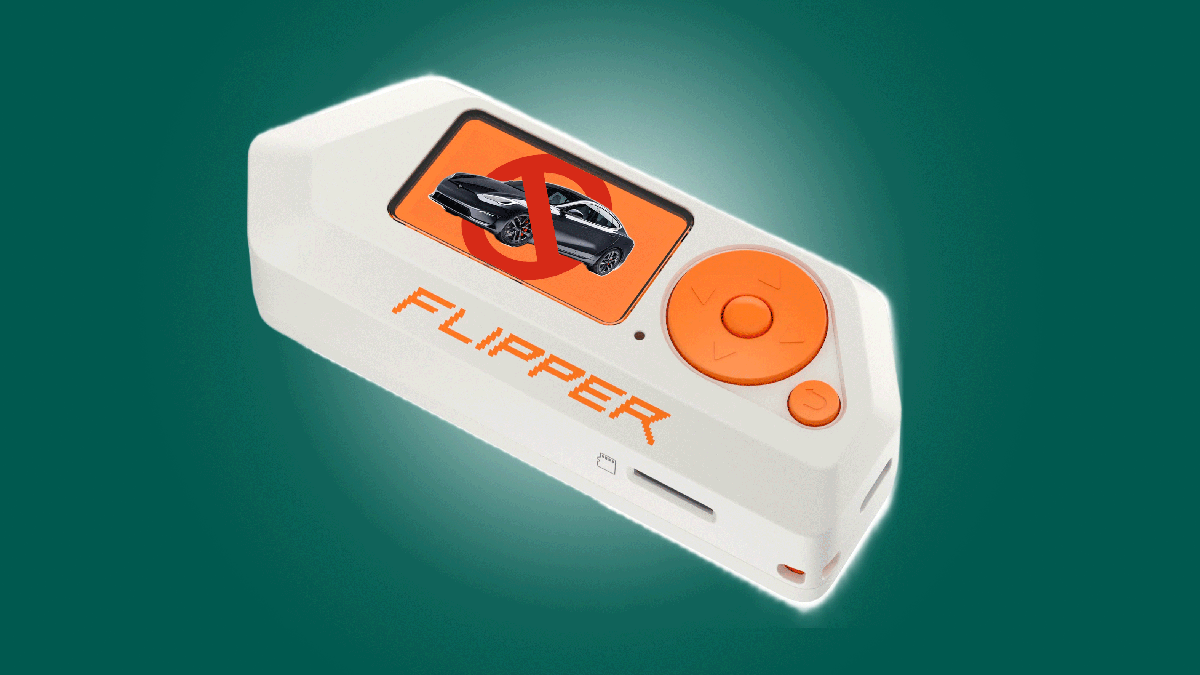
Security researchers have demonstrated how the Flipper Zero multi-tool gadget can be used to steal a Tesla Model 3 by exploiting vulnerabilities in the car's keyless entry and start system. By setting up a fake Tesla login page using the Flipper Zero's Wi-Fi capabilities, attackers can phish for credentials and create a phone key for the target vehicle, allowing them to take control and drive away. This revelation comes amidst the Government of Canada's plans to ban the Flipper Zero and similar devices to combat car theft, despite the fact that the demonstrated attack could be carried out using any Wi-Fi-enabled device capable of hosting a web page. Tesla has not publicly commented on the vulnerability of its vehicles.
The Flipper Zero, a device that has been wrongly accused of aiding in the theft of Teslas, is not actually responsible for the attack. The real vulnerability lies in a phishing attack that targets Tesla owners by creating a fake WiFi network to steal their login information. While the Flipper Zero can generate a fake WiFi network, many other devices can do the same, and the attack itself is more about social engineering than traditional hacking. The researchers who discovered the vulnerability are aiming to prompt Tesla to strengthen protections within their app to prevent such attacks.
Security researchers have discovered that a Flipper Zero device can be used to execute a phishing attack on Tesla accounts, allowing attackers to unlock and steal cars. By creating a fake Tesla Guest WiFi network, the attacker can trick victims into entering their credentials, enabling them to add a new Phone Key and gain control of the vehicle. Despite the researchers' recommendations for improved security measures, Tesla has stated that the current process is intended behavior and does not require a key card for authentication.
Researchers demonstrated a Man-in-the-Middle (MiTM) phishing attack using a Flipper Zero to compromise Tesla accounts, allowing attackers to unlock and start cars. The attack exploits a security gap in the Tesla app and software, enabling the addition of a new 'Phone Key' without proper authentication. This could be performed using various devices, posing a significant security risk. Despite the researchers' report, Tesla deemed the behavior as intended and did not acknowledge the need for additional security measures.
Security researchers discovered a design flaw that allows hackers to hijack a Tesla using a Flipper Zero, a $169 hacking tool, by tricking Tesla owners into revealing their login information through a fake Tesla website. Once the hackers gain access to the Tesla app, they can set up a "phone key" and drive away with the vehicle. Despite notifying Tesla about the vulnerability, the company claimed it was intended behavior. The researchers suggest that Tesla should make key card authentication mandatory and notify users when new keys are created to prevent such attacks.
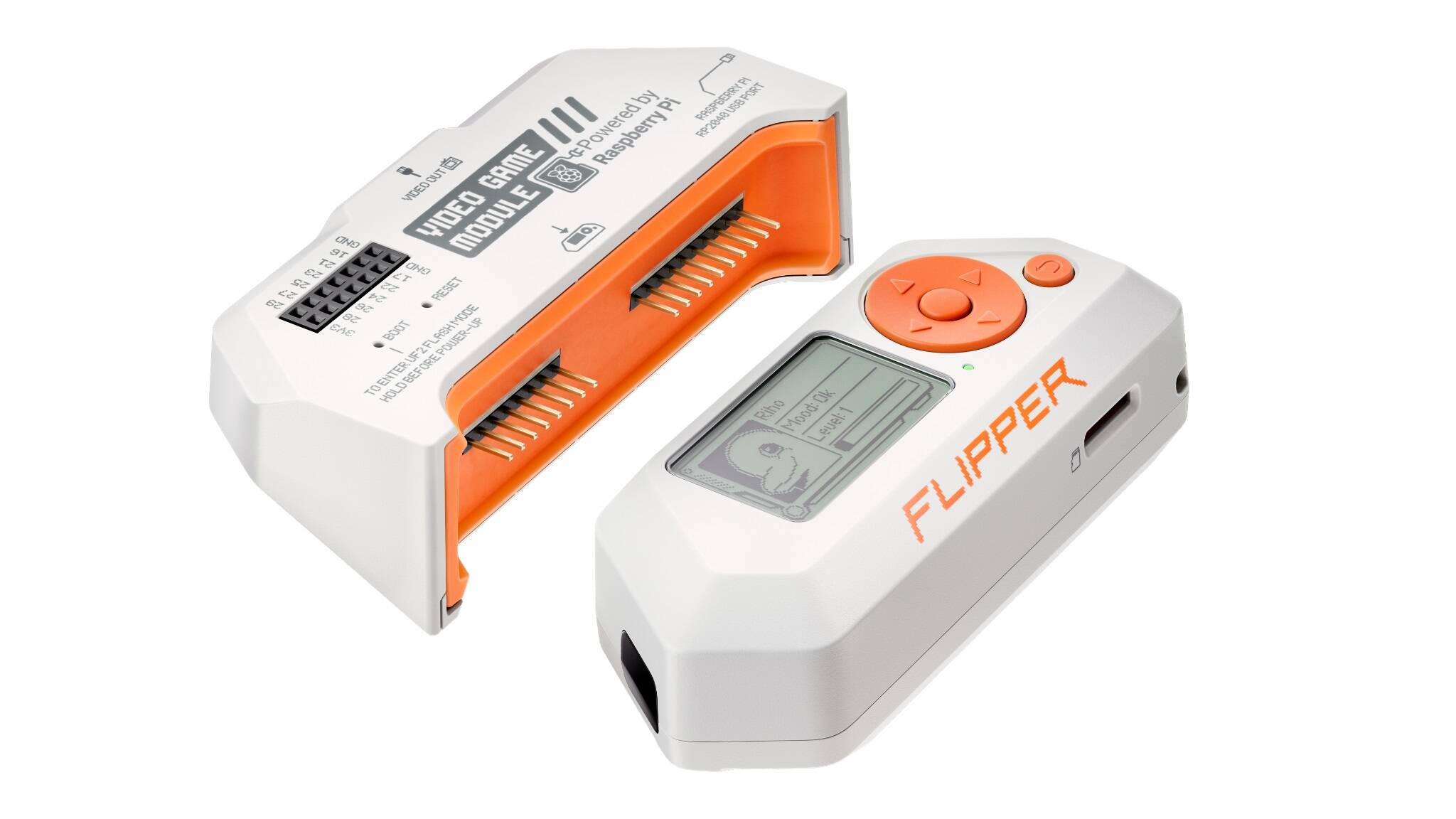
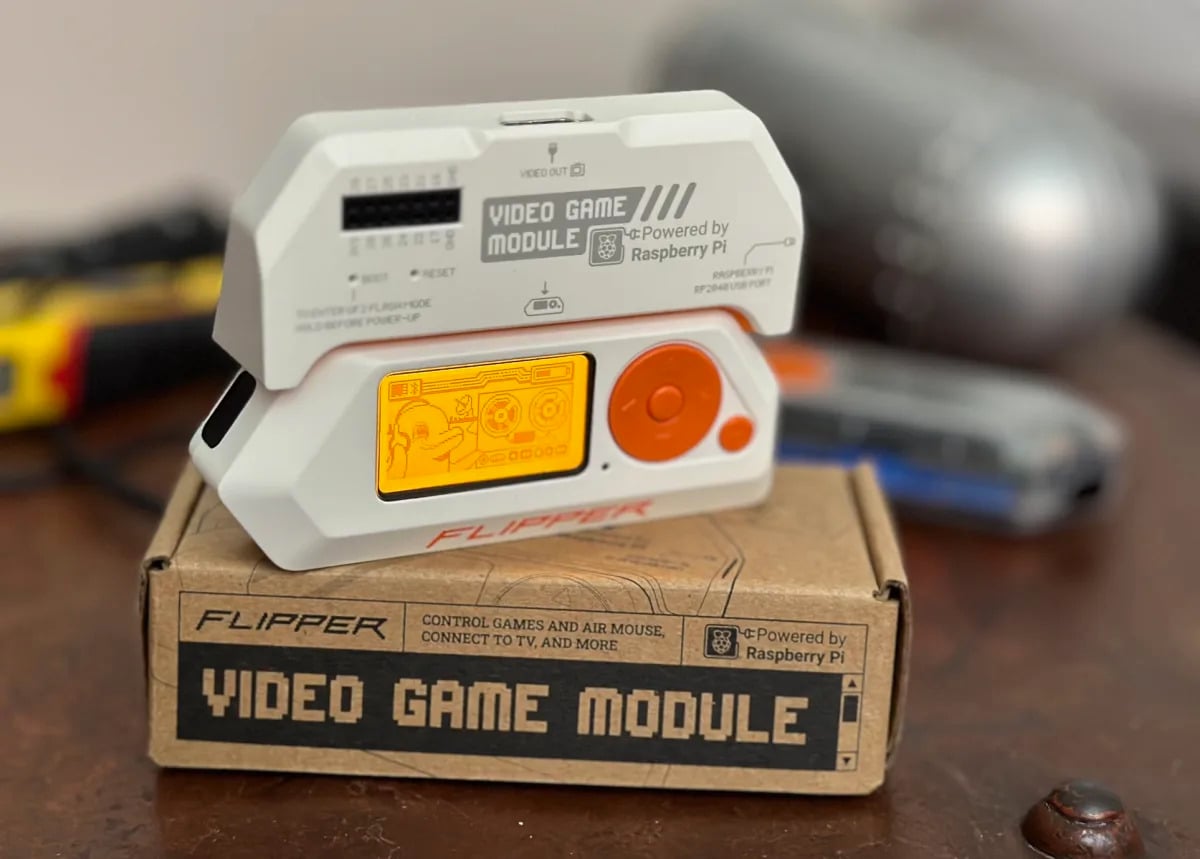
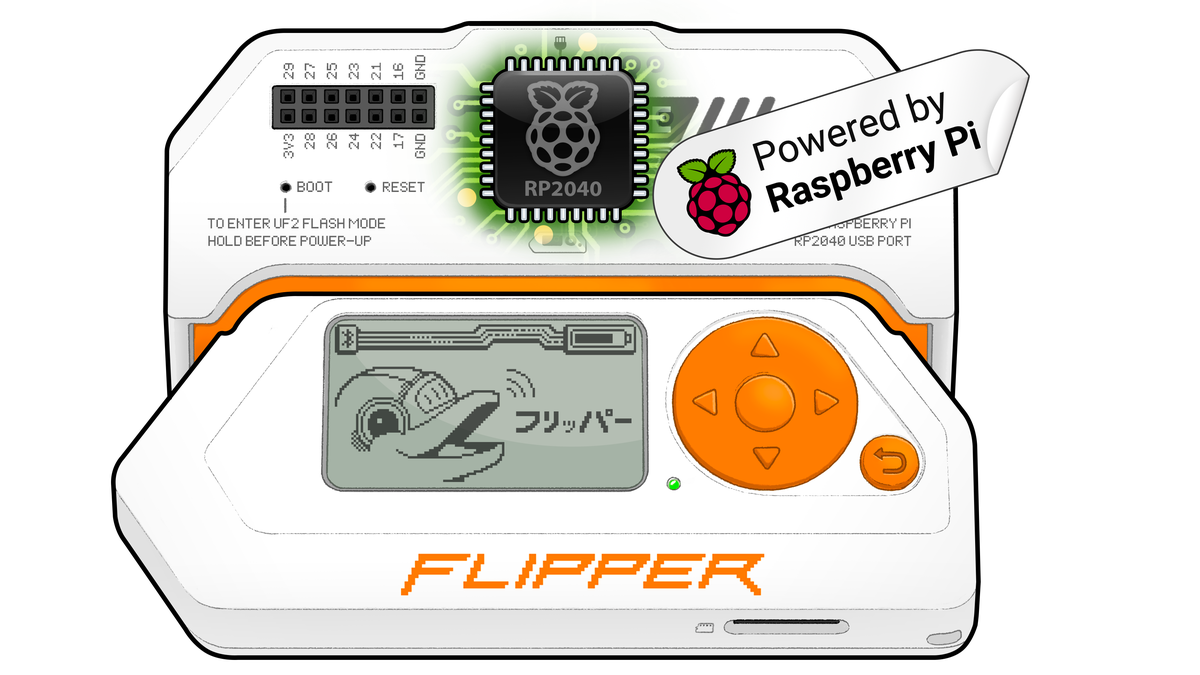
The Flipper Zero pentester multi-tool now features a Video Game Module (VGM) with a Raspberry Pi RP2040 microcontroller, enabling DVI output to connect to televisions. The device, priced at $49, aims to transform Flipper Zero into a gaming platform, although its gaming capabilities may not match those of more powerful handheld consoles. The company hopes to inspire developers and retro enthusiasts to explore new uses for the device, but its price has raised some eyebrows. Despite concerns about potential misuse, the Flipper Zero team emphasizes its focus on security testing and development, with over half a million devices sold worldwide.
The Flipper Zero digital multi-tool, known for its hacking and home system control capabilities, can now play games with the new Video Game Module powered by Raspberry Pi's RP2040 microcontroller. The module includes sensors for hand-tracking, a 3-axis gyroscope, and a 3-axis accelerometer, allowing games to incorporate tilt and shake functionalities. The device's 1.4-inch display may be small for gaming, but the module supports video output to external displays. Priced at $49, the module aims to expand the Flipper Zero's functionality and has potential for creative use within the open source community.
Flipper Zero, known for its digital multitool capabilities, has introduced a new Video Game Module powered by a Raspberry Pi 2040 chip, enabling HDMI output and access to new functions like gyroscopes. The module, designed for the Flipper's pentesting tool, can be used independently and is compatible with Raspberry Pi's RP2040 microcontroller, opening up new possibilities for tinkerers. The collaboration between Flipper and Raspberry Pi aims to bridge the gap between retro-gaming nostalgia and cutting-edge research, encouraging DIY projects and community involvement.
Flipper Devices has collaborated with Raspberry Pi to release a Video Game Module for the Flipper Zero, powered by a Raspberry Pi RP2040 microcontroller, turning the device into a game controller with hand movement tracking and video output capabilities. Priced at $49, the module allows for rudimentary gaming and running applications programmed in C, C++, or MicroPython. This marks the first collaboration between the two organizations, aiming to bridge retro-gaming nostalgia with cutting-edge research, despite the controversy surrounding the Flipper's use in hacking activities.
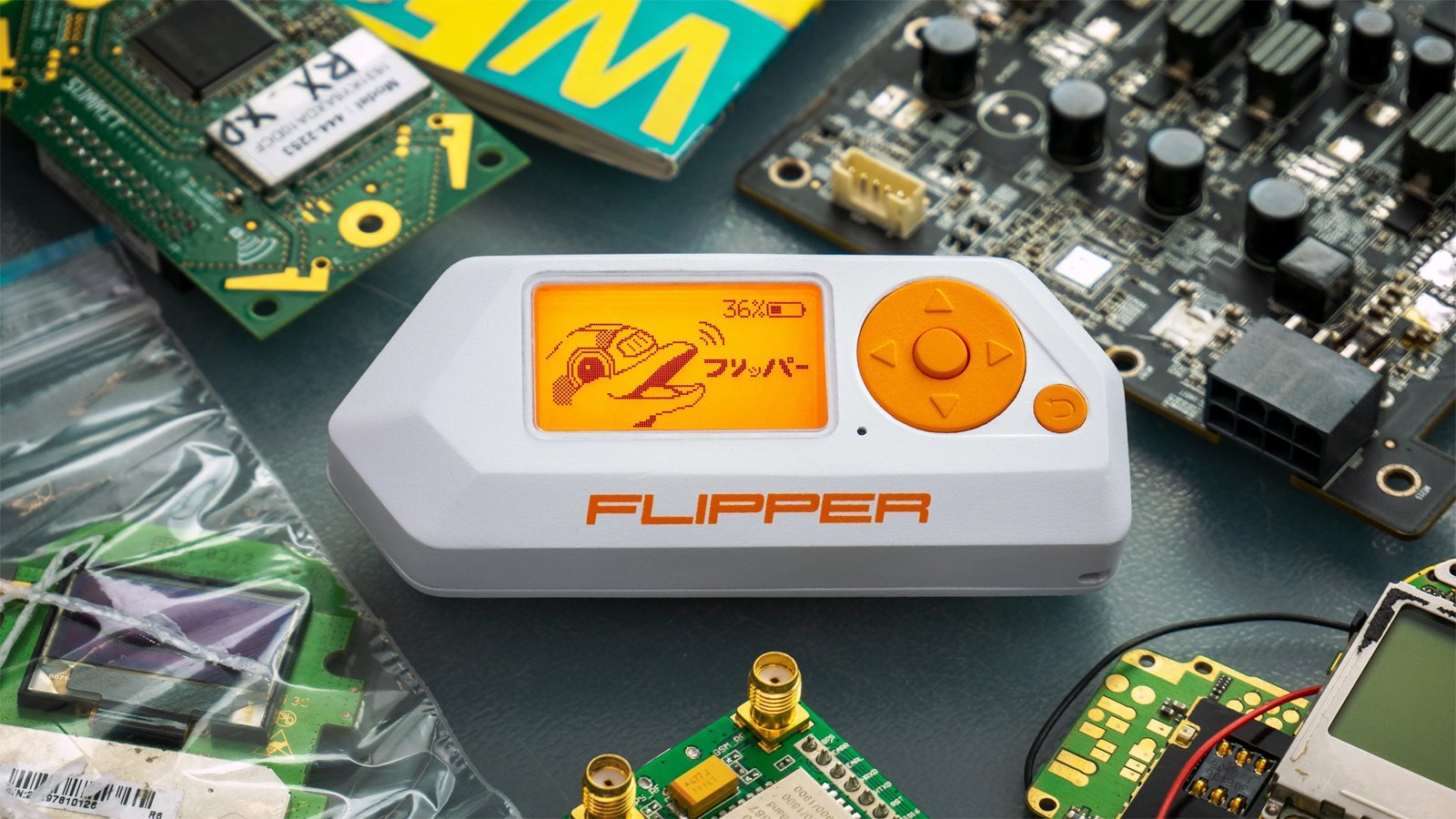
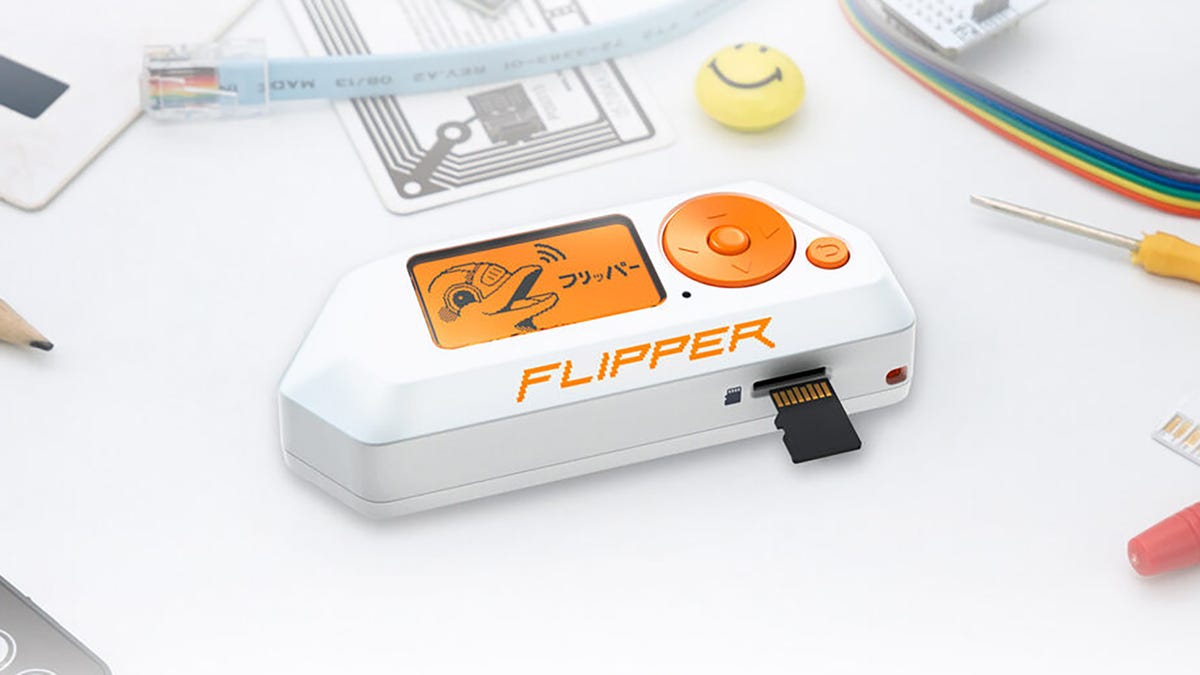
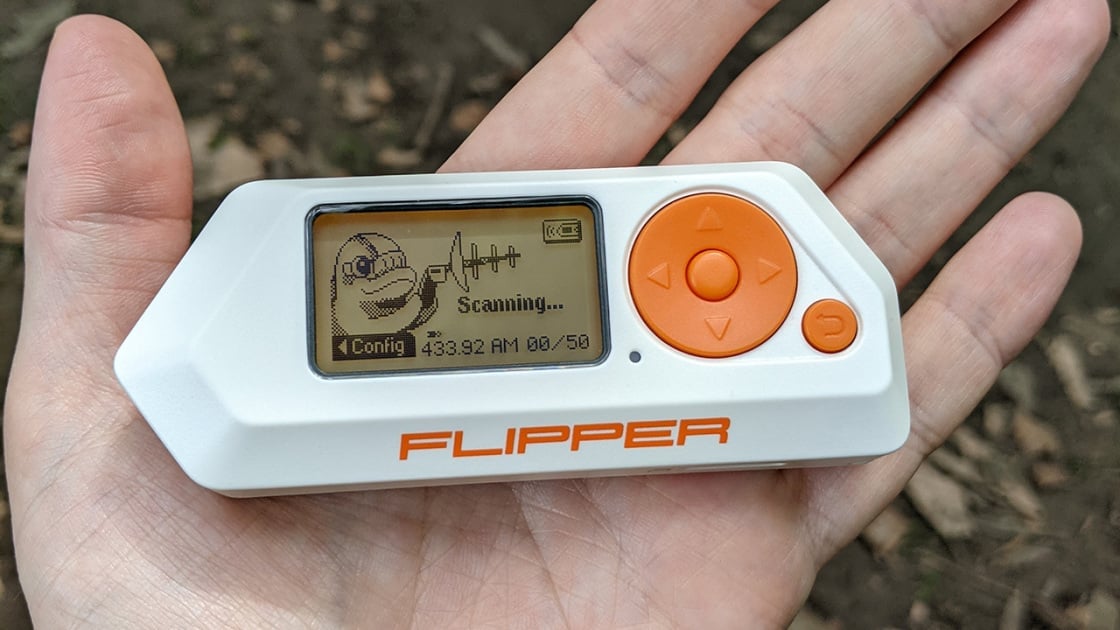
The Flipper Zero is a versatile hardware hacking tool that supports various radio protocols, allowing it to perform useful tasks such as scanning pet RFID microchips, starting a Pomodoro timer, copying a garage door key, controlling televisions, creating NFC business cards, improving account security, setting up a metronome, advancing slides in a presentation, simulating a keyboard for small computers, and playing retro video games.
Canada is set to ban the Flipper Zero device, attributing it to car thefts in the country. The government claims that the device is used to copy wireless signals for remote keyless entry, contributing to the loss of about 90,000 vehicles annually. However, the maker of Flipper Zero argues that the ban is misguided, as the device cannot be used to hijack modern cars with rolling codes. Critics are questioning the ban, suggesting that targeting the device overlooks the responsibility of auto makers in preventing car thefts.
The Canadian government plans to ban the Flipper Zero and similar devices due to concerns about their potential use in car thefts, with the Industry Minister announcing a ban on the importation, sale, and use of consumer hacking devices. Statistics show a surge in car thefts in Canada, prompting the government to take action. However, the company behind Flipper Devices insists that the gadget cannot be used to steal vehicles built after the 1990s and is intended for security testing and development. Amazon has also banned the sale of the Flipper Zero, and the Brazilian National Telecommunications Agency has seized incoming purchases due to alleged criminal use.
Canada is moving to ban the Flipper Zero, a popular tiny hacking device, over concerns about its potential use in car theft. The government is pursuing avenues to ban devices used to steal vehicles by copying wireless signals for remote keyless entry, such as the Flipper Zero. Despite claims that the device can't be used to hijack modern cars, videos online show it being used to manipulate or unlock vehicles' key fobs. The ban has sparked criticism from the tech community, with many arguing that the focus should be on improving car manufacturers' cybersecurity rather than banning the device.
Apple has reportedly fixed a Bluetooth attack carried out with the Flipper Zero device that caused iPhones to lock up and crash. The fix appears to have been rolled out in iOS 17.2, preventing the barrage of pop-ups from overwhelming the devices. Previously, the only solution was to disable Bluetooth, but now users can update their iPhones to iOS 17.2 to protect against the vulnerability. The exact details of the fix have not been disclosed by Apple.