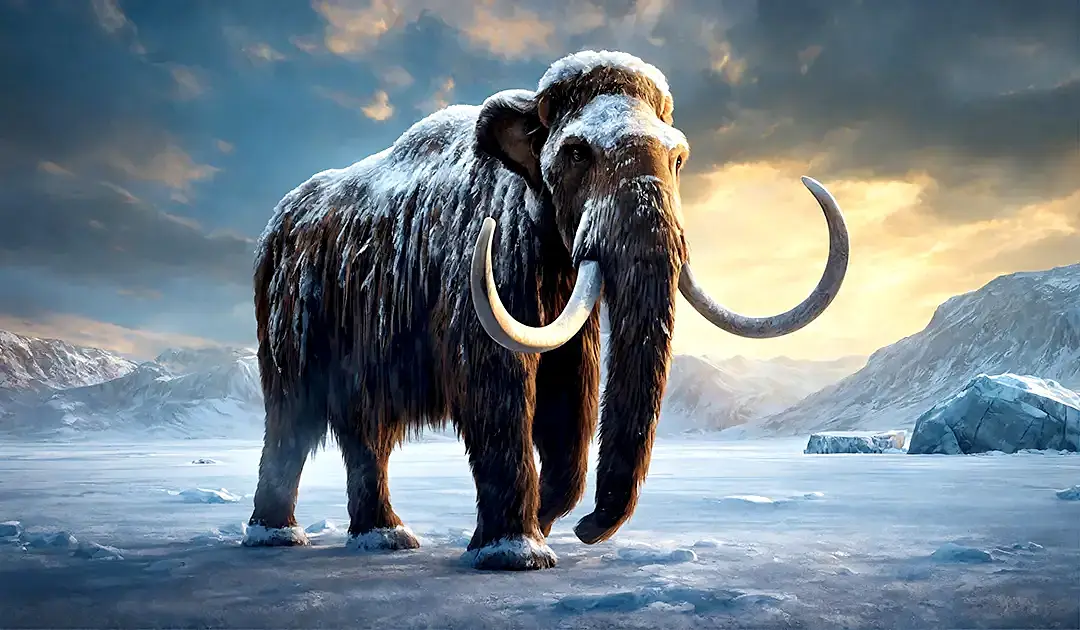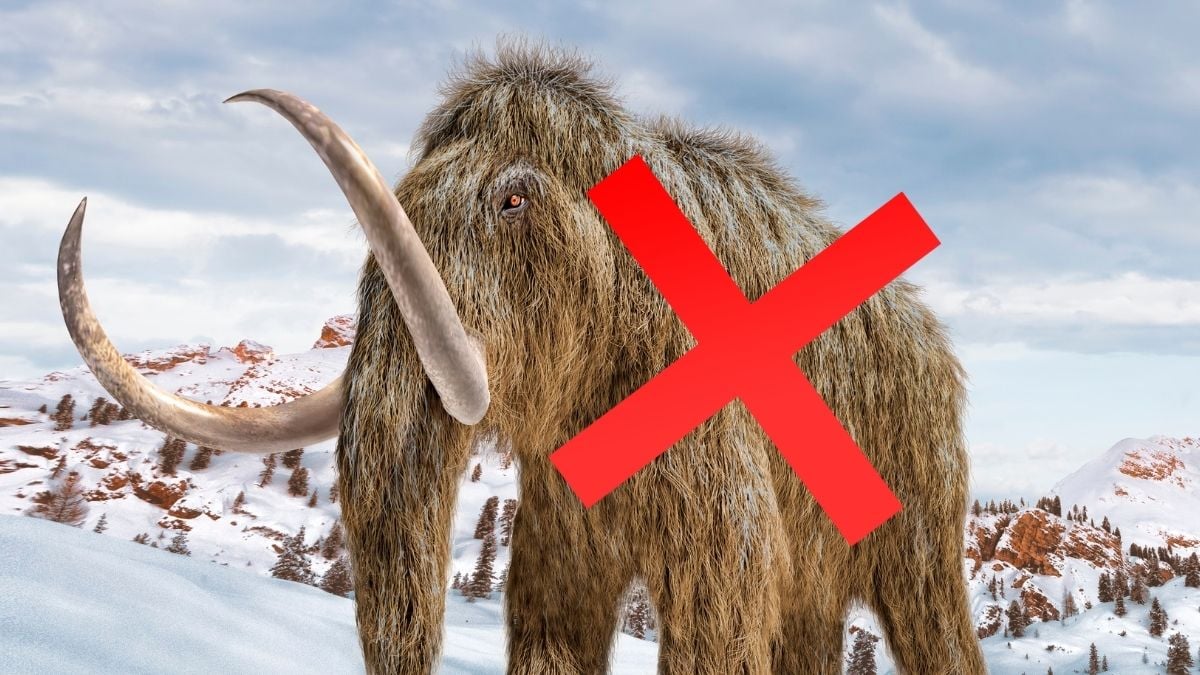
Fossilized bones in an Alaskan museum thought to be the last mammoth turned out to be whale bones, dating from 2,000 to 3,000 years ago, challenging previous assumptions about their age and origin, and highlighting the importance of DNA analysis in accurate species identification.
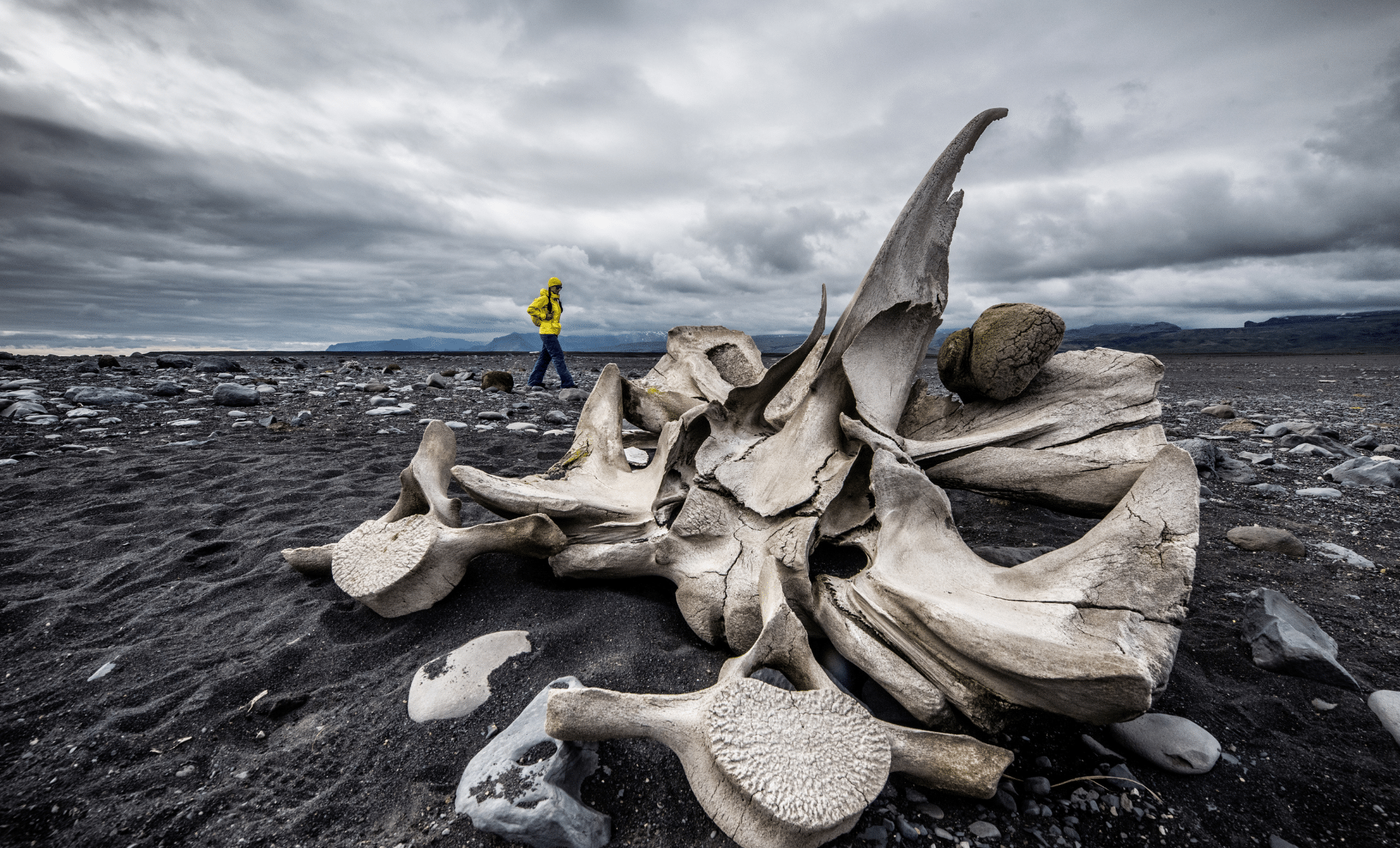
Recent analysis of fossils housed in Alaska's University of Alaska Museum revealed that what were thought to be mammoth bones from the Ice Age are actually from two ancient whales, a discovery confirmed through isotope and DNA analysis, challenging previous assumptions about the fossils' origins and highlighting the importance of modern scientific techniques.
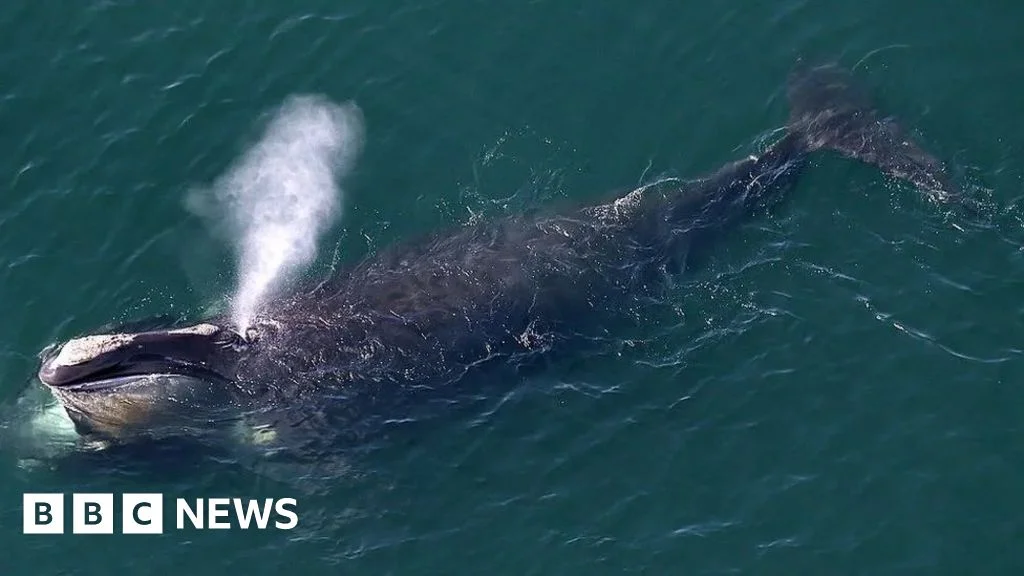
A rare North Atlantic right whale, first spotted off Donegal in Ireland, was later confirmed to have been sighted in Massachusetts Bay, US, highlighting its remarkable travel ability and the importance of international cooperation for its conservation.
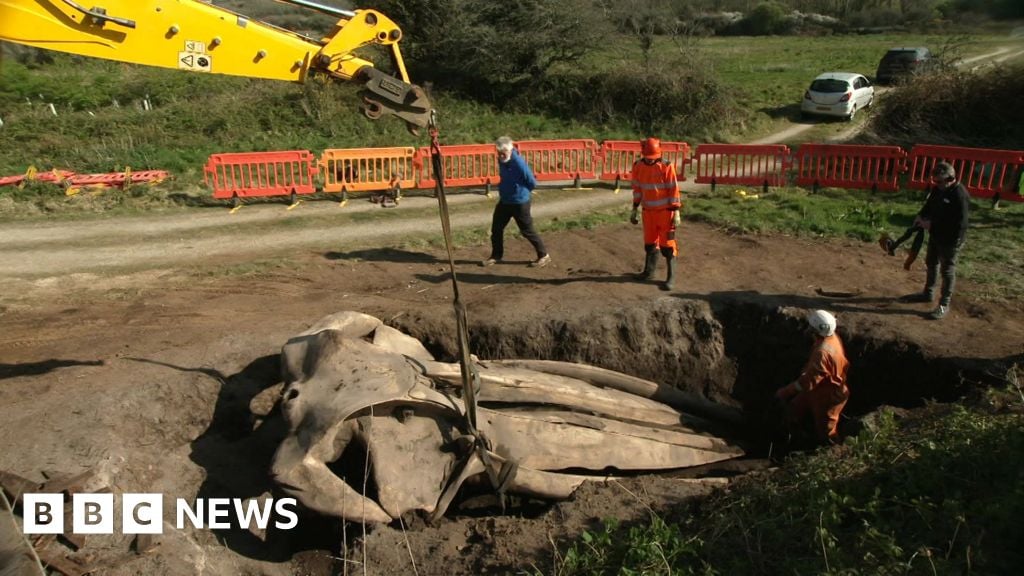
A fin whale's head, buried in Cornwall after it stranded and died in 2020, was excavated using heavy equipment and is now preserved as a monument, highlighting efforts to memorialize marine life and address biohazard concerns.
Recent DNA sequencing has revealed that bones previously thought to be juvenile woolly mammoths in Arctic regions are actually whale remains, highlighting the importance of modern genetic techniques in accurately identifying fossils and understanding Earth's history.
While blue whales and baleen whales cannot swallow humans due to their throat size and diet, toothed whales like sperm whales could theoretically swallow a human, but such incidents are extremely rare and usually accidental. Historical stories of humans being swallowed are likely false, and recent encounters tend to involve whales accidentally engulfing humans before releasing them. These incidents highlight the dangers of human encroachment on whale habitats.
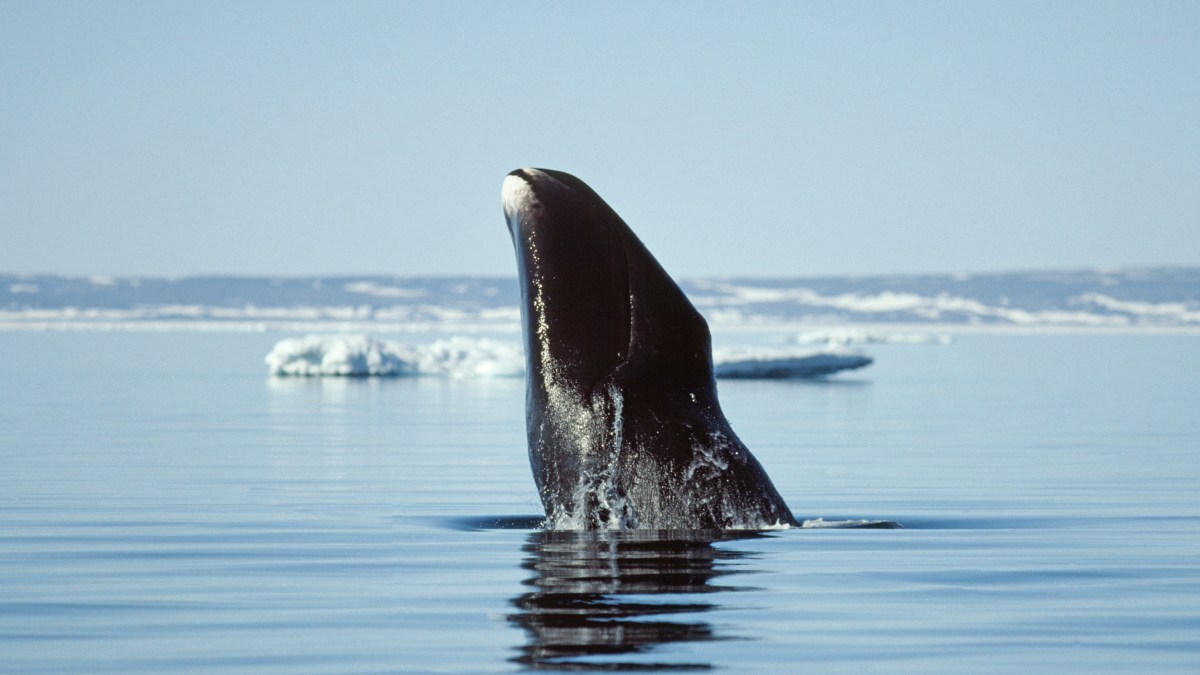
Scientists studying bowhead whales have identified a protein called CIRBP that helps repair DNA and may contribute to the whale's extraordinary lifespan and resistance to cancer. This discovery could lead to new ways to extend human life and prevent age-related diseases, possibly through lifestyle changes like cold exposure or new therapies targeting DNA repair mechanisms.
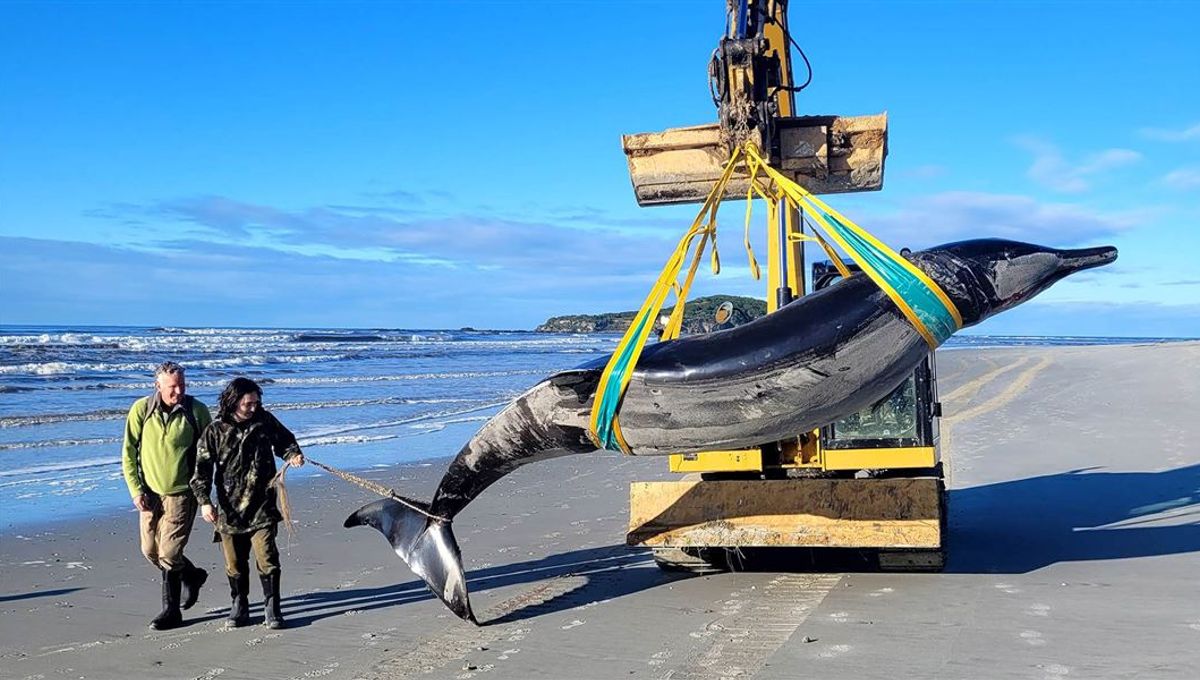
The rarest whale, the spade-toothed whale, with only seven known specimens and never seen alive, was recently dissected in New Zealand, revealing new insights into its anatomy, vestigial teeth, and stomach structure, highlighting the importance of combining indigenous and scientific knowledge for conservation.
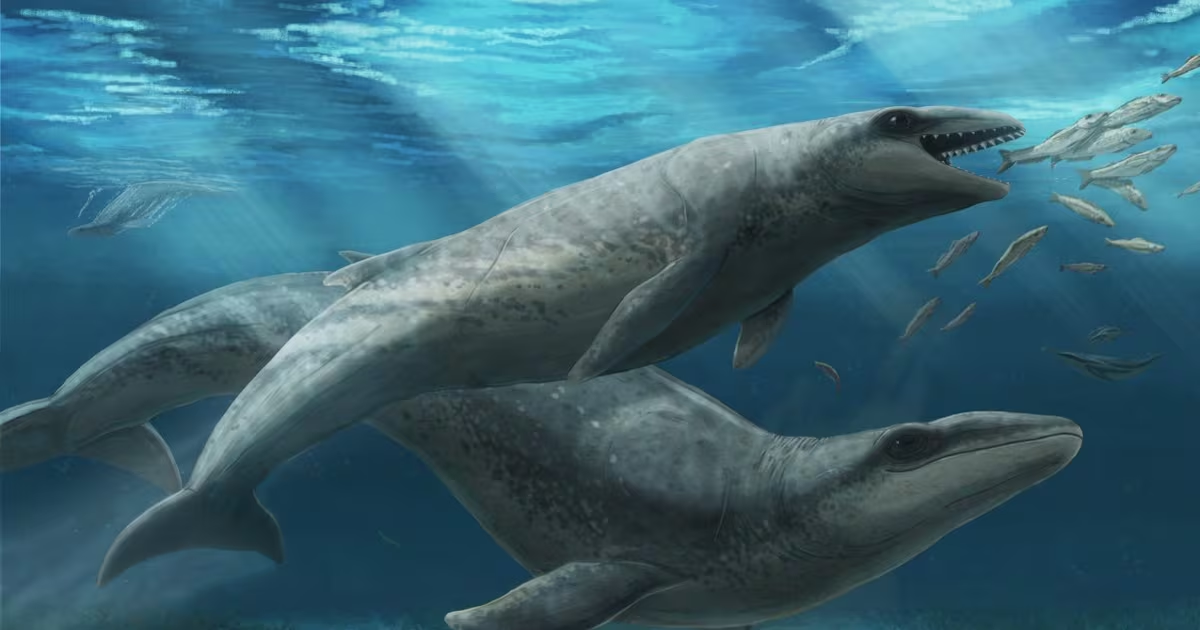
Paleontologists discovered a bizarre, prehistoric whale species called Janjucetus dullardi in Australia, dating back around 25 million years, which resembled a mash-up of a whale, seal, and Pokémon, with unique features like bulbous eyes and tiny legs.
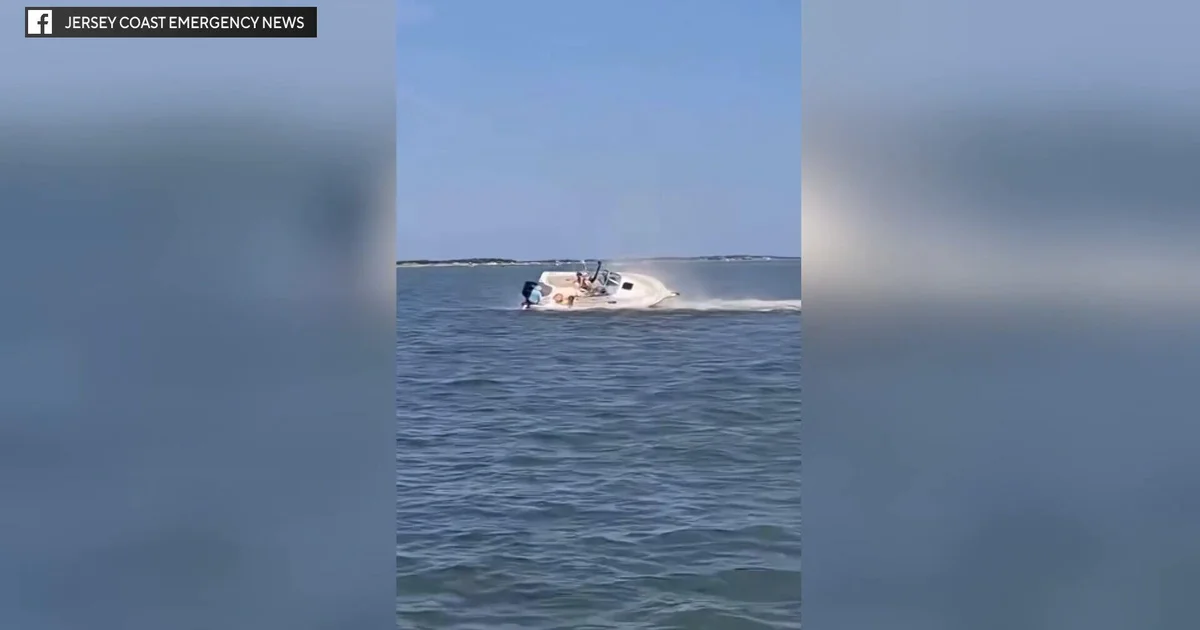
A whale was killed after being struck by a boat in Barnegat Bay, New Jersey, causing a passenger to be thrown overboard but who was later rescued; officials are investigating and cautioning boaters to stay clear of the area.
A long-term Solana whale unstaked $17.64 million after four years, signaling potential market frustration, but recent buying activity and technical indicators suggest SOL may recover to $165, though further whale selling could push it back to $140.
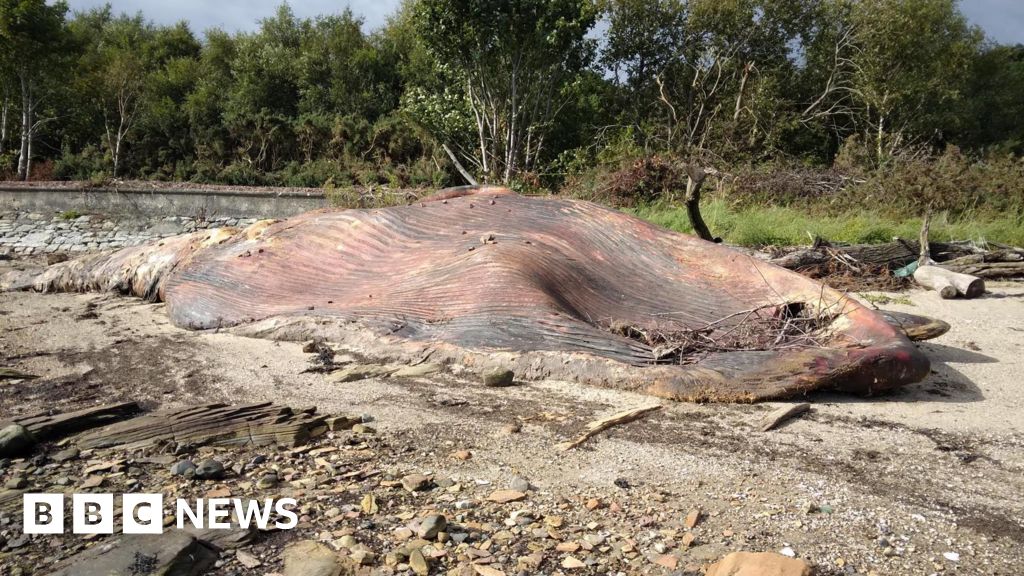
A dead fin whale that washed ashore near Culross, Fife, in January is being left to decompose naturally, serving as a food source for local wildlife. The Fife Coast and Countryside Trust decided against moving the carcass due to its location and potential disruption. While the whale is in advanced decomposition stages, some local residents have complained about the smell. Authorities have warned the public to avoid crossing the railway line to view the carcass.
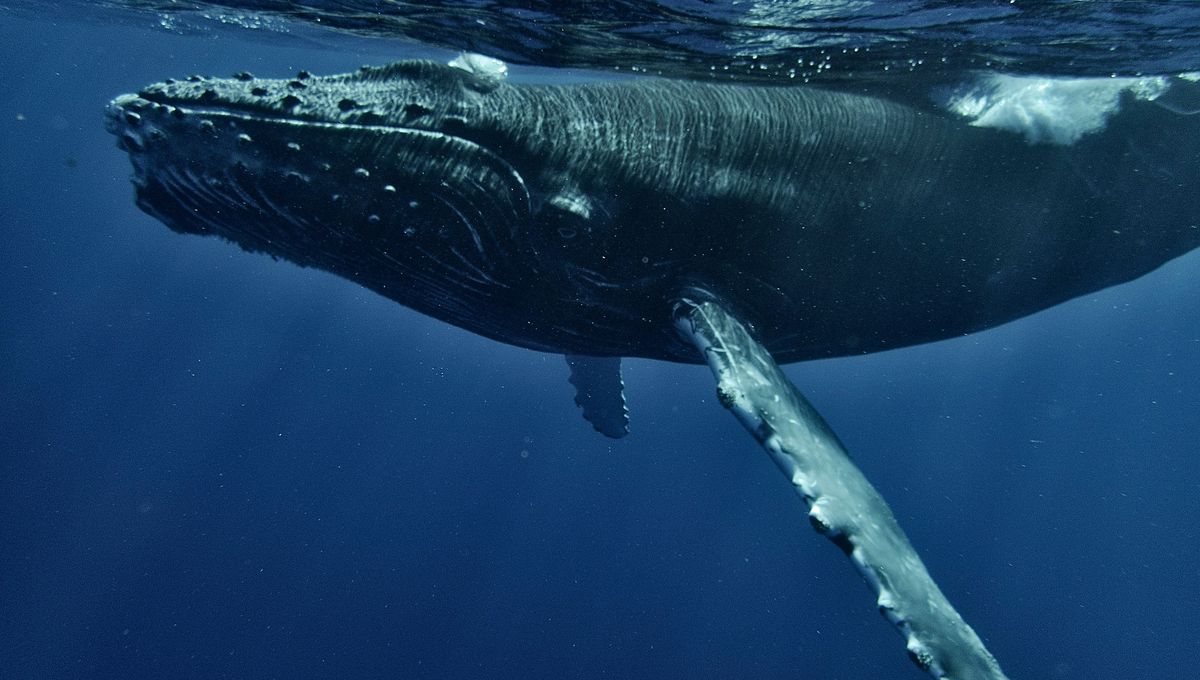
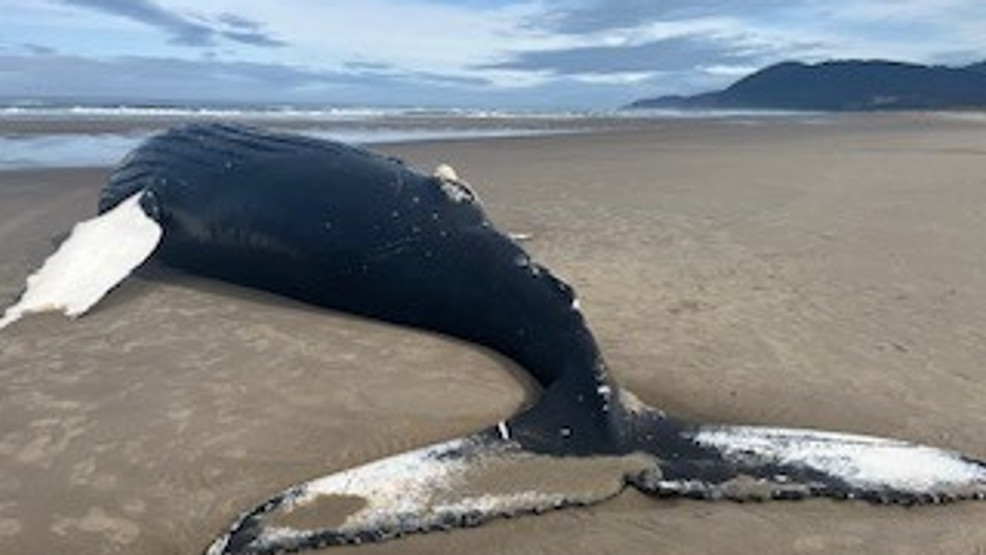
A dead humpback whale has washed ashore in Nehalem Bay State Park, Oregon. The National Oceanic and Atmospheric Administration (NOAA) is investigating the stranding and has advised the public and pets to stay away from the carcass to prevent disease transmission and protect the nesting area of threatened western snowy plovers.
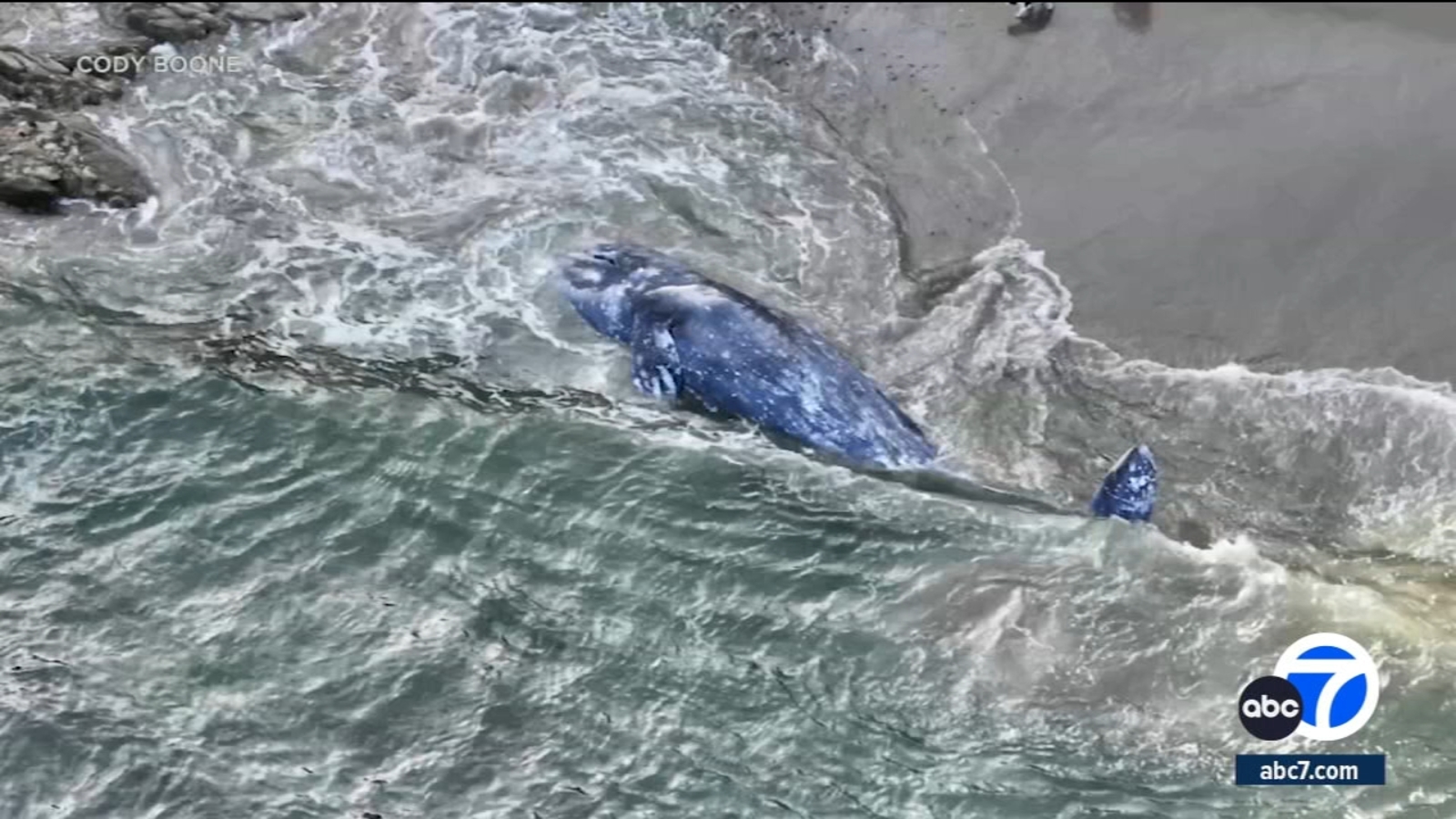
A man flying his drone in Malibu captured video of a large gray whale that washed ashore, showing the whale rocking back and forth as waves crashed down. The California Wildlife Center in Calabasas confirmed that the whale is alive, and it's unclear if it was pushed back into the ocean. Wildlife officials will be in the area to assess the situation, while the drone operator emphasized the importance of raising awareness for marine wildlife.
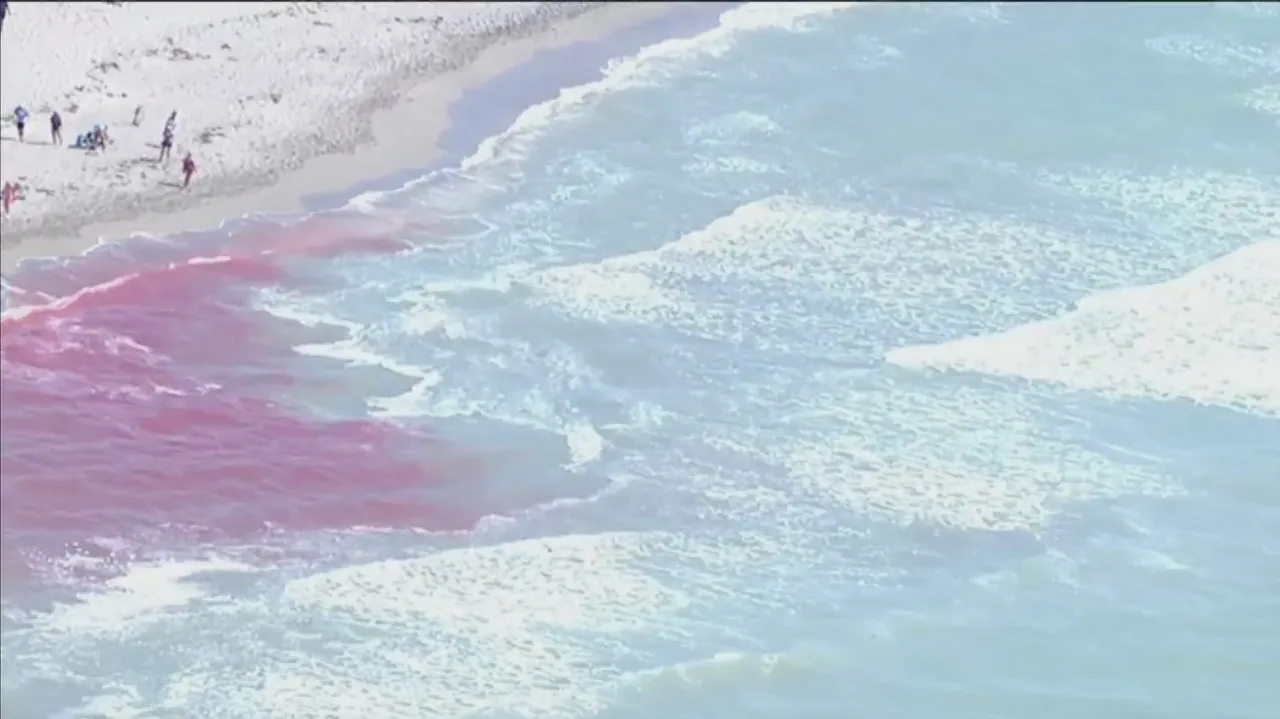
The city of Venice, Florida issued a no swim advisory as researchers performed a necropsy on a beached sperm whale, which had died before crews could sedate and move it, leading to concerns about attracting predators like sharks to the beach with its bodily fluids. The advisory covered areas south of Venice Beach, including Service Club Park, Sharky’s on the Pier, and Casperson Beach, with officials urging people to refrain from getting into the water for safety reasons.