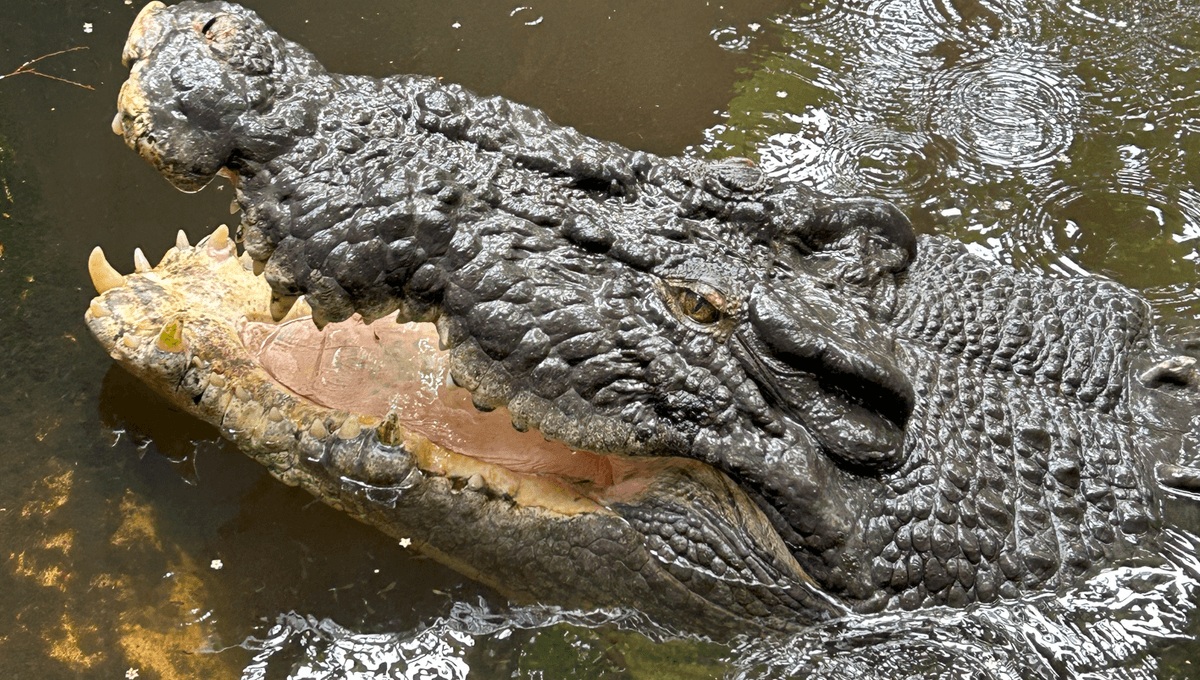
Cassius, the world's largest captive crocodile who lived over 100 years, died in 2024 due to an infection caused by a long-standing injury from a boat propeller in the 1980s, which eventually ruptured after decades of dormancy, highlighting the effects of old age on health.
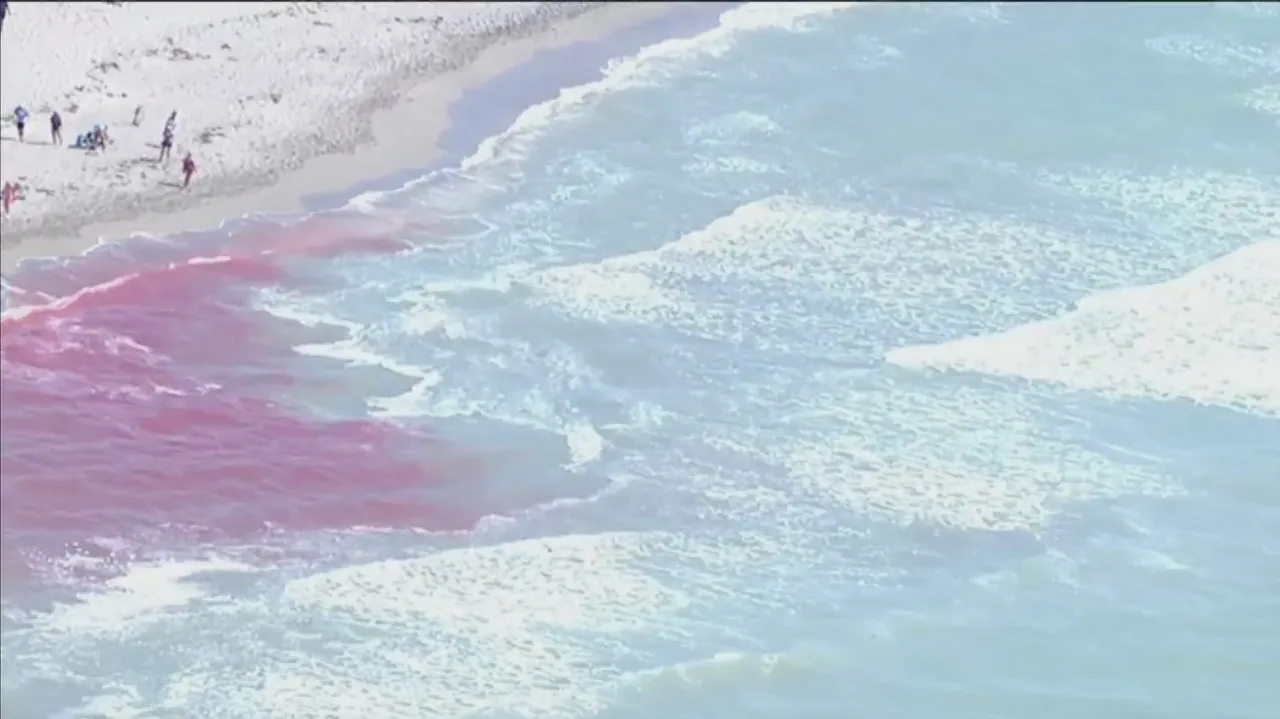
The city of Venice, Florida issued a no swim advisory as researchers performed a necropsy on a beached sperm whale, which had died before crews could sedate and move it, leading to concerns about attracting predators like sharks to the beach with its bodily fluids. The advisory covered areas south of Venice Beach, including Service Club Park, Sharky’s on the Pier, and Casperson Beach, with officials urging people to refrain from getting into the water for safety reasons.
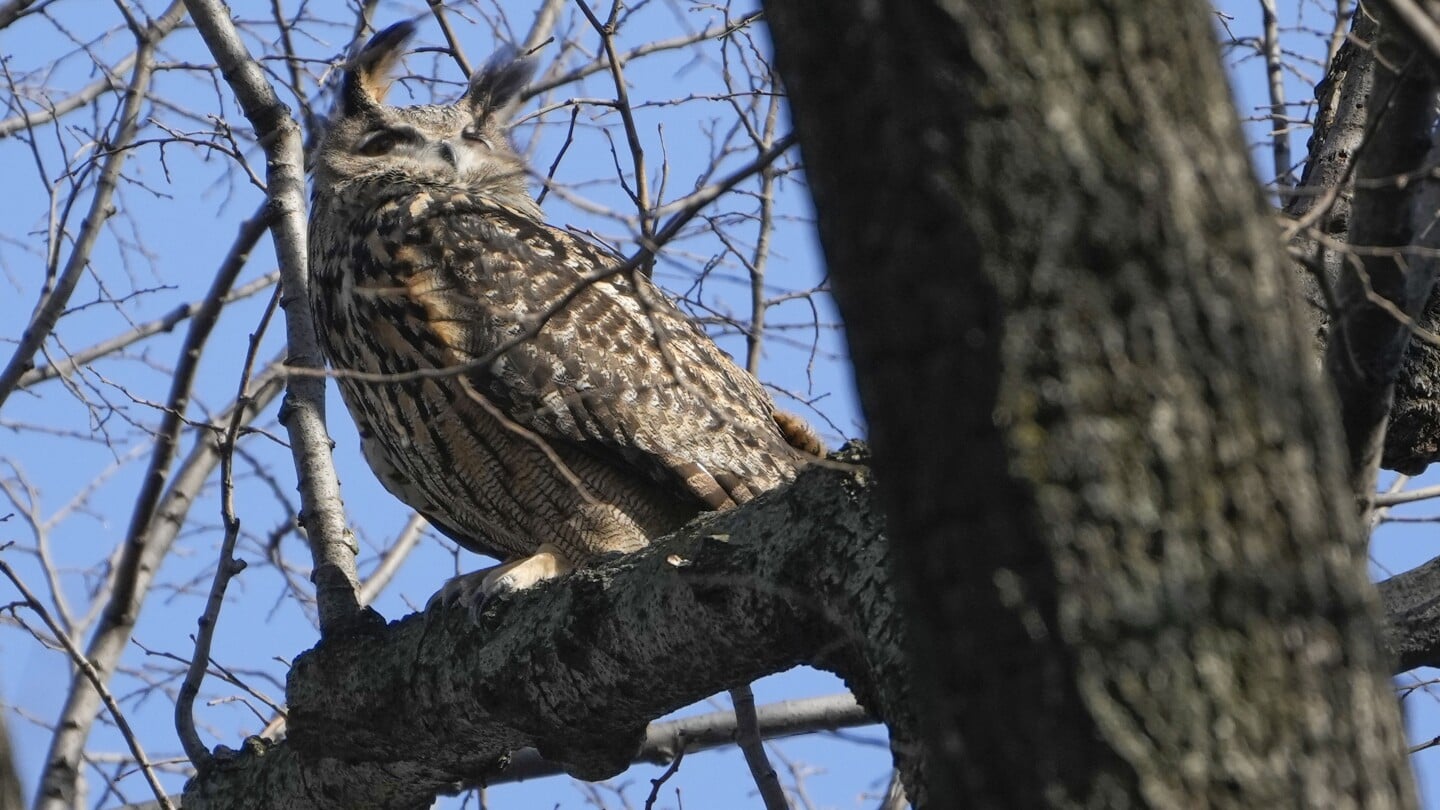
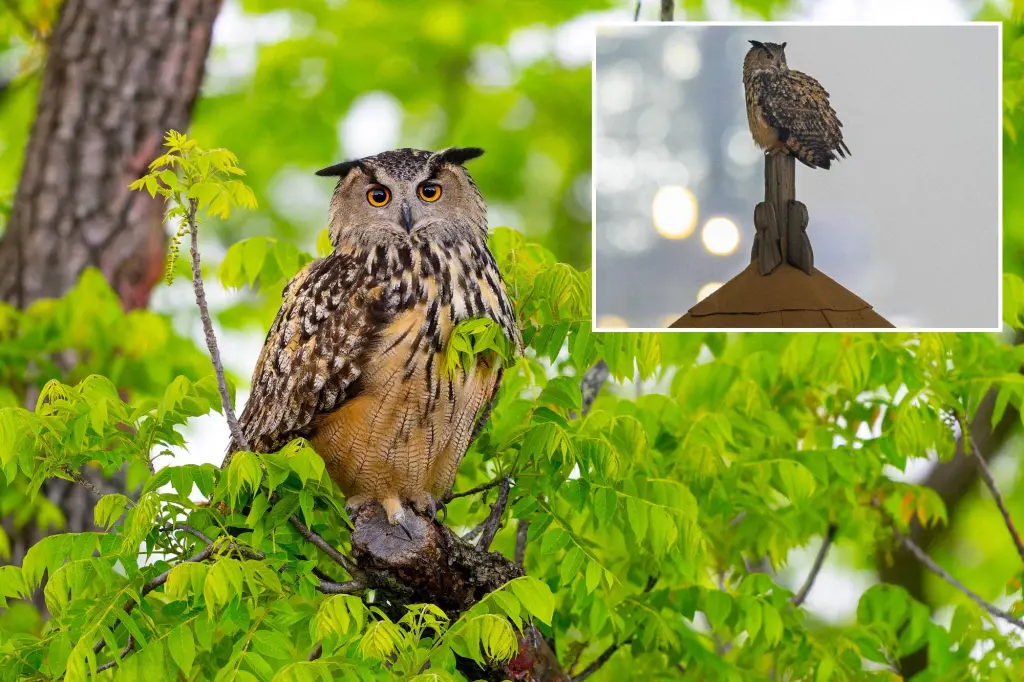
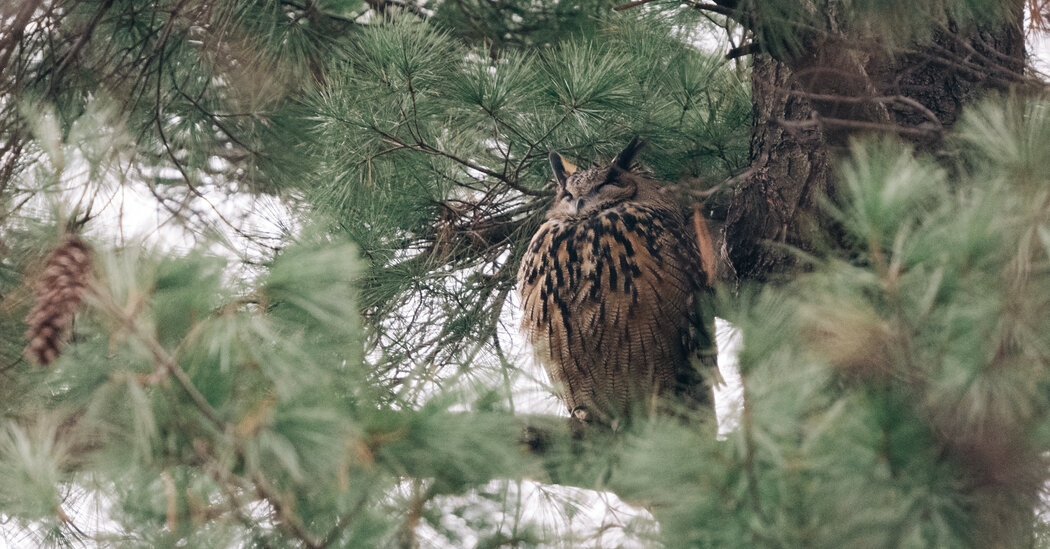
New York City's beloved owl, Flaco, died from a traumatic impact after reportedly flying into a building, with further testing planned to determine if illness or toxins contributed to his death. The necropsy found Flaco in good physical shape, despite being found dead on a sidewalk, and the Central Park Zoo is investigating illness as a possible factor while also blaming the person who cut open Flaco's enclosure. Eulogies from admirers poured in over the weekend, with speculation about urban threats to wildlife potentially contributing to his death.
Flaco, the beloved Eurasian eagle-owl that escaped from the Central Park Zoo, died from acute traumatic injury after flying into a building in New York City. The necropsy revealed substantial hemorrhage and a small amount of bleeding behind his left eye, but no fractured or broken bones. Pathologists will now investigate potential exposures to toxins and diseases. The tragic incident highlights the issue of bird strikes in the city, where an estimated 250,000 birds die annually from colliding with buildings. New Yorkers have gathered to mourn the loss of the free-spirited owl.
Flaco, an owl born into captivity and released into the wild in New York City, tragically crashed into a building near Central Park. A necropsy will be performed to determine the cause of his death, with initial findings suggesting acute traumatic injury. The Wildlife Conservation Society will conduct tests to identify any underlying factors, including potential exposure to toxic substances, and evaluate the impact of bird strikes on wild bird populations in urban areas like New York City.
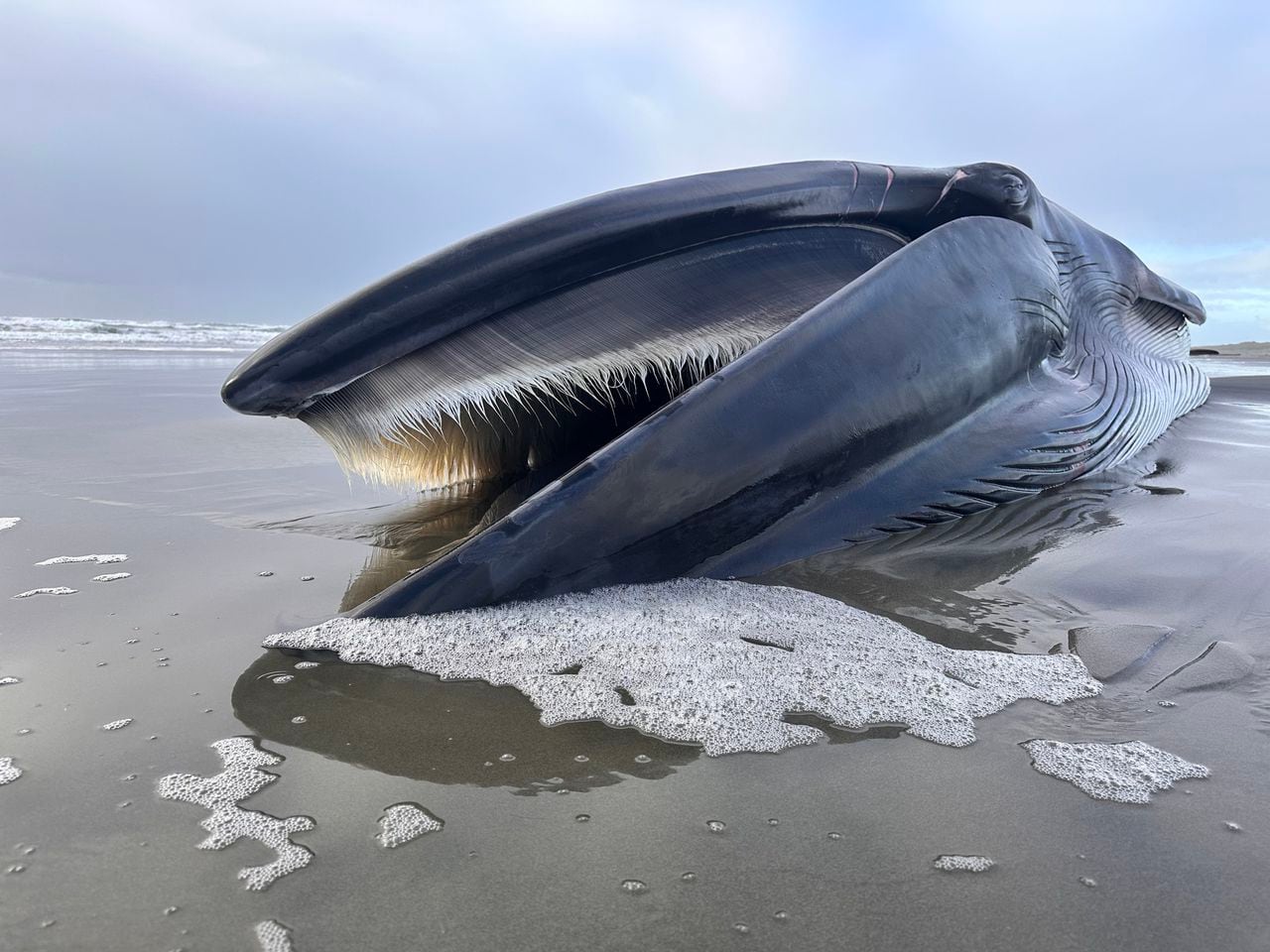
A rare fin whale washed ashore at Sunset Beach State Park in Oregon, prompting researchers to determine the cause of death, marking the first such stranding in at least 10 years. The National Oceanic and Atmospheric Administration reported a declining population of fin whales, with only 7,970 estimated near the West Coast in 2018. Beachgoers are advised to stay 100 yards away from stranded whales for safety and research purposes.
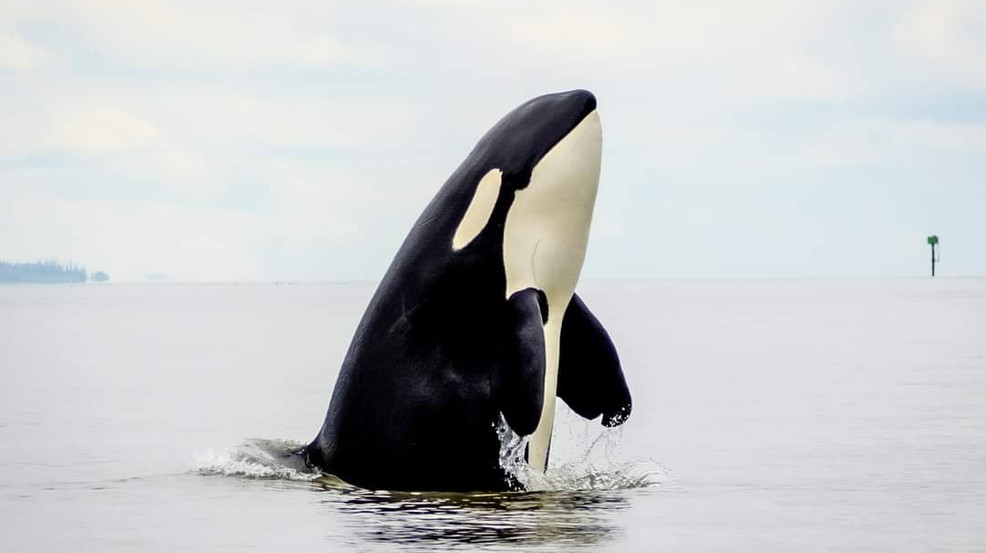
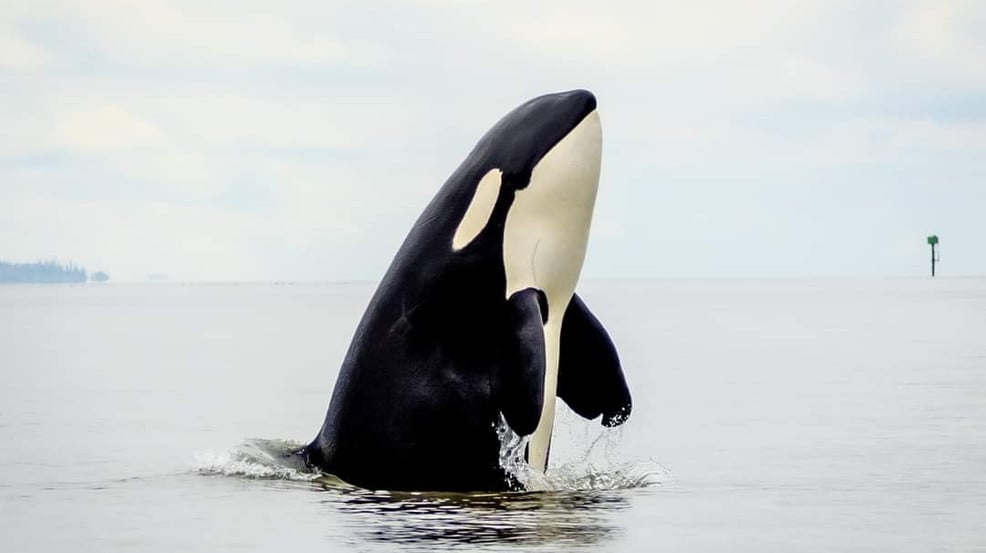
A study published in Aquatic Mammals revealed that six intact sea otters were found in the stomach of a dead female killer whale, while a seventh otter was lodged in its throat. The orca, discovered off the coast of the Russian Commander Islands, was far from its normal hunting ground. While orcas typically do not eat otters, this incident suggests that the otter caught in the whale's throat may have caused its demise. Scientists believe the orca may have swallowed the otters whole, which is unusual as they usually tear chunks of meat off their prey.
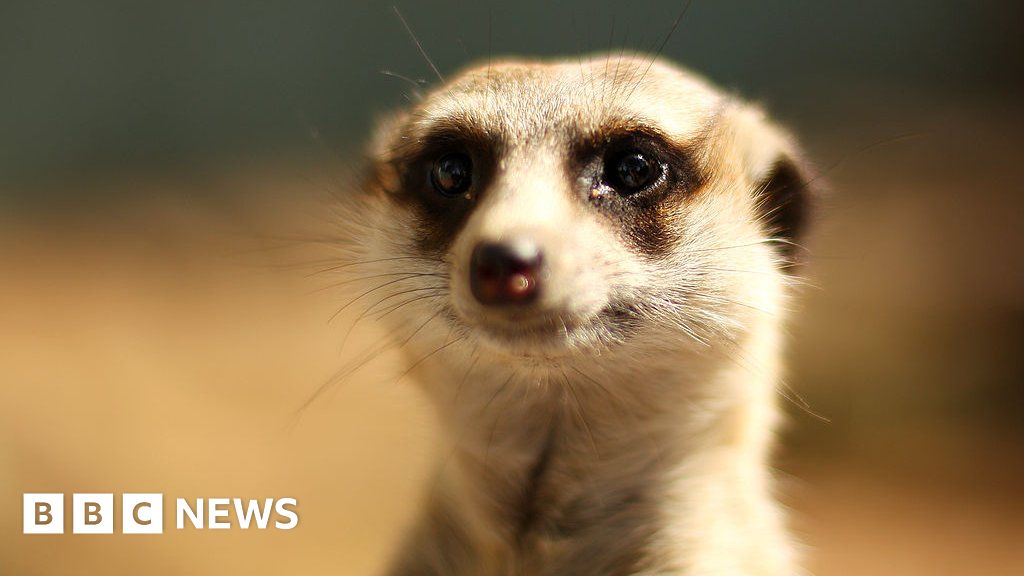
All five meerkats at Philadelphia Zoo have died within a month, with officials suspecting that they may have accidentally consumed a toxic dye used to mark them. The dye, Nyanzol-D, is thought to be the culprit. A necropsy is pending, and the zoo is coordinating with the US Department of Agriculture and the Association of Zoos and Aquarium to identify the cause of the deaths. The zoo currently houses more than 1,900 animals.
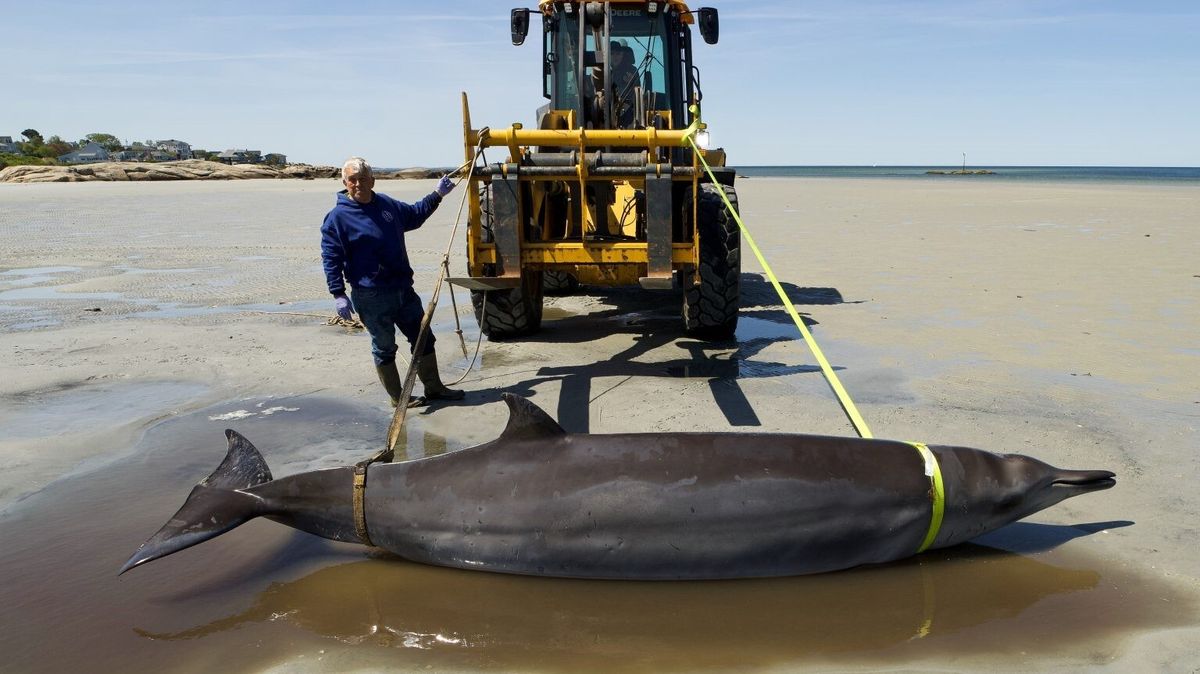
A juvenile female Sowerby's beaked whale, one of the deepest diving animals in the ocean, was found stranded on a beach in Massachusetts and died a few hours later. The whale's carcass was sent for a necropsy, which revealed that the animal had a viral infection that caused its brain to become inflamed and swollen. Scientists are still testing the animal's cerebral tissue to determine which virus caused the infection, but "avian influenza is a top consideration," according to a lead pathologist. The Sowerby's beaked whale is a rare species, and the recent beaching has given scientists a rare chance to study the enigmatic species.
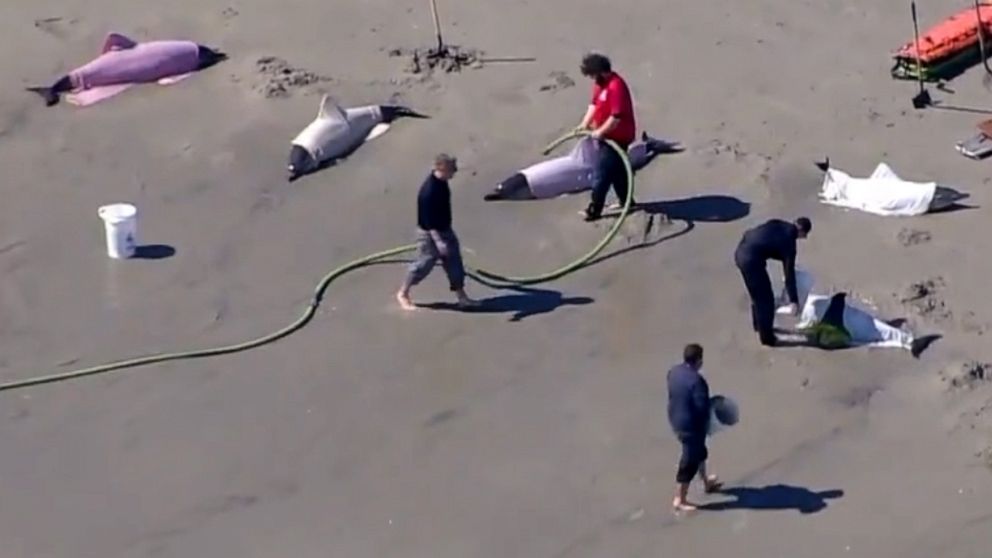
A pod of eight dolphins died after being stranded on two beaches in New Jersey. Two of the dolphins died on one of the beaches, while the other six were euthanized by the Marine Mammal Stranding Center after an assessment determined that their health was failing. The dolphins were sent to a state laboratory where a necropsy will be performed to understand the reason for their stranding.