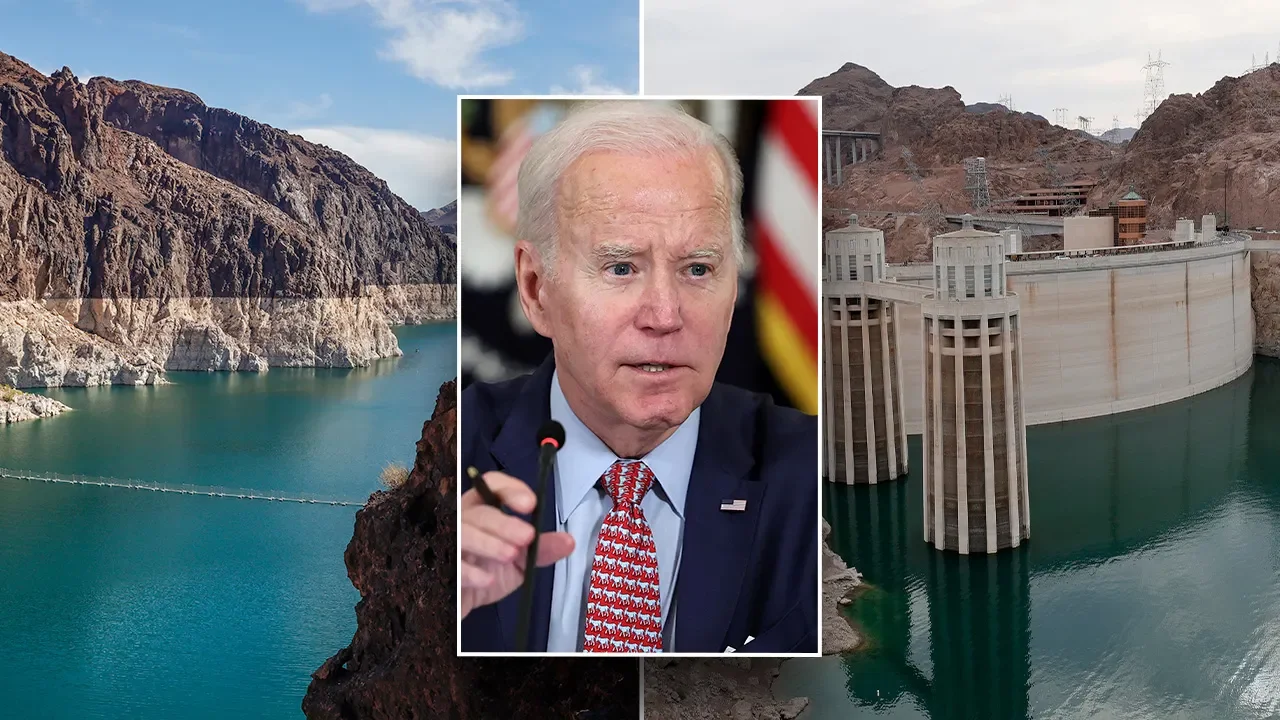
Western states are engaged in a high-stakes dispute over the shrinking Colorado River, involving political, economic, and environmental tensions among states, industries, and tribes, with potential federal intervention to manage water allocations amid severe drought and legal conflicts.
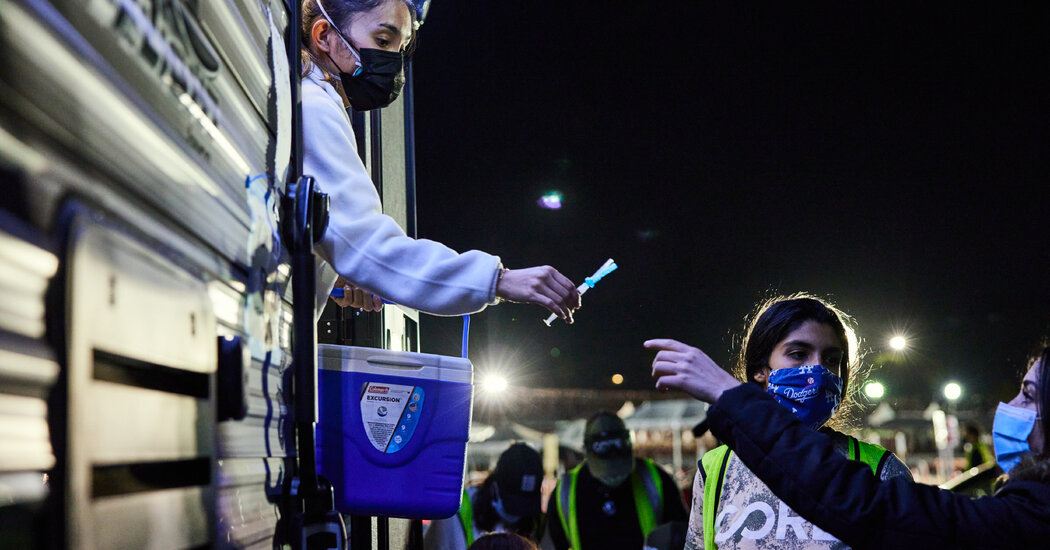
California and other western states have issued their own COVID, influenza, and RSV vaccine guidelines that differ from CDC recommendations, citing concerns over political interference and the dismantling of independent scientific oversight by the CDC under the Trump administration and Robert F. Kennedy Jr.'s influence. The new guidelines promote vaccination for all eligible groups, including children and pregnant women, and California has passed a law allowing the state to base immunization guidance on independent organizations instead of the CDC. This move reflects a broader trend of states diverging from CDC recommendations amid political and scientific disputes.
Four Western states (California, Oregon, Washington, and Hawaii) issued their own vaccine guidelines, recommending COVID-19, flu, and R.S.V. vaccines for broad populations, in opposition to federal efforts led by Health Secretary Robert F. Kennedy Jr. The guidelines align with major medical organizations and emphasize vaccination for vulnerable groups.
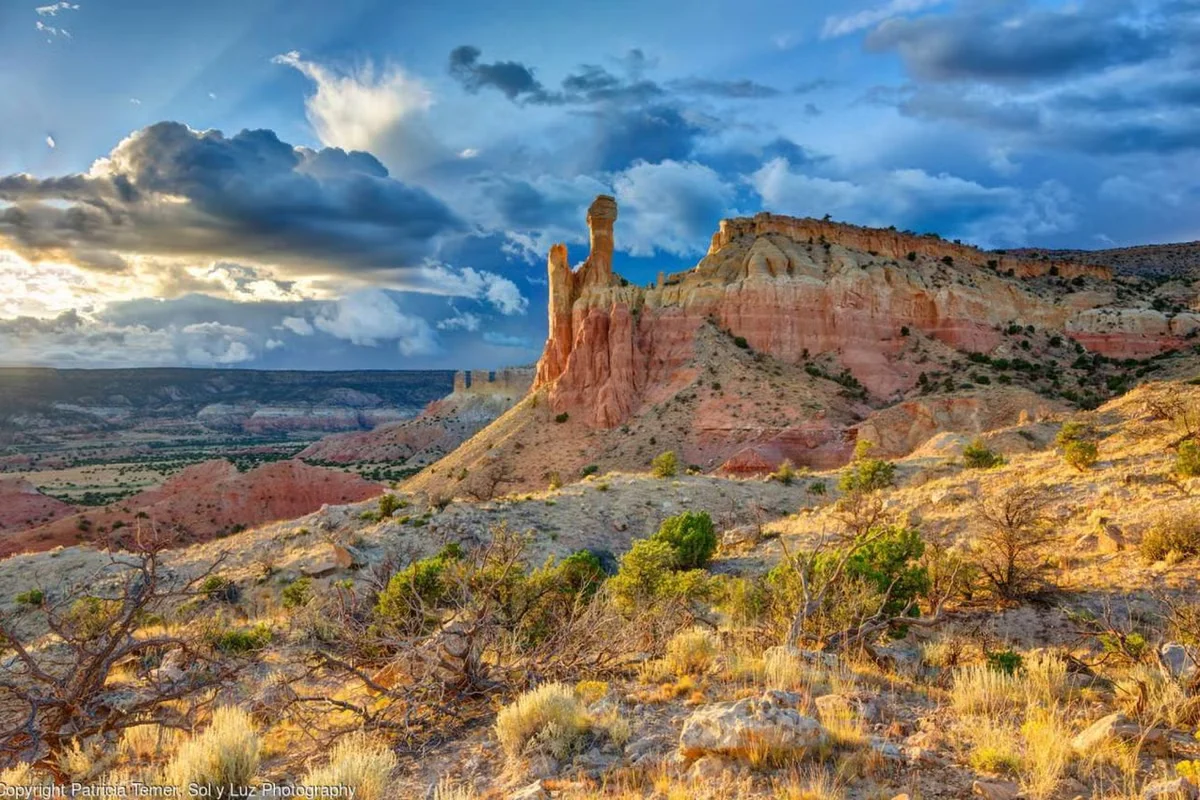
New Mexico reports its first plague case of the year in a man who may have been exposed while camping, amid multiple cases across the western U.S., highlighting the importance of precautions against flea bites and contact with wildlife to prevent this rare but serious disease.
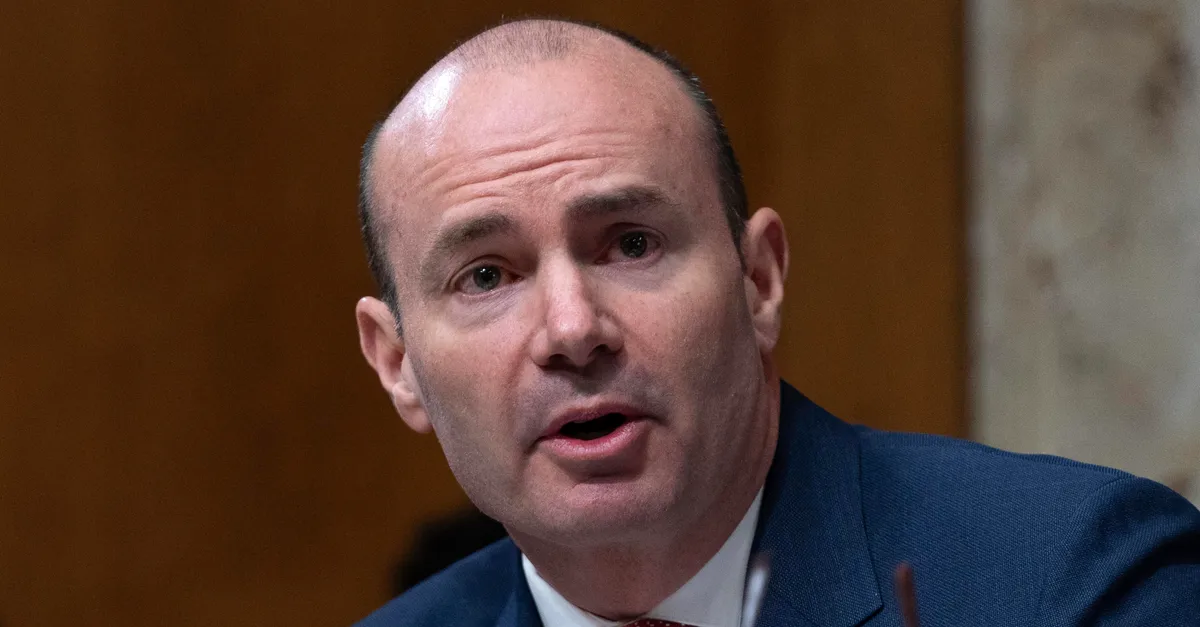
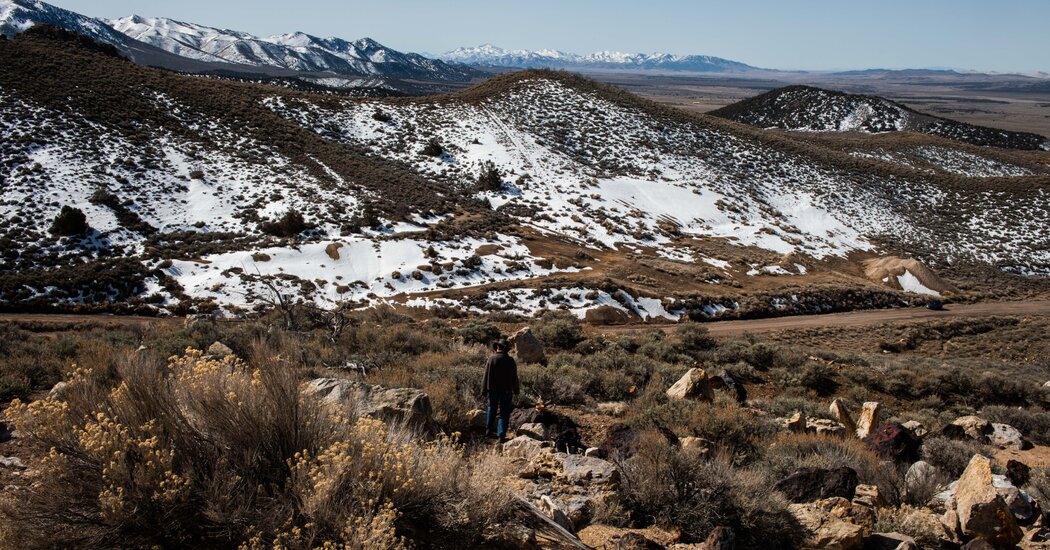
A proposed plan by Senator Mike Lee to sell hundreds of thousands of acres of public land in Western states was removed from a Republican bill after bipartisan opposition and concerns over privatization, with conservationists celebrating the victory and warning against future threats to public lands.
Senator Mike Lee withdrew his proposal to sell public lands from a major policy bill after facing strong opposition within his party and from Western states, as well as pushback from hunters and outdoorsmen.
Sen. Mike Lee proposed a bill to sell 2.2 to 3.3 million acres of public land in the West to fund housing, but faced strong opposition from conservation groups, fellow conservatives, and the public, who see it as a land grab that threatens access to natural spaces and outdoor heritage.
Senate Republicans are reviving a plan to sell 2.2 to 3.3 million acres of federal lands in Western states to fund housing development, sparking controversy within the party and opposition from conservationists.
Senate Republicans have proposed selling 2.2 to 3.3 million acres of federally owned land in 11 Western states over the next five years, sparking criticism from conservationists and Democrats.
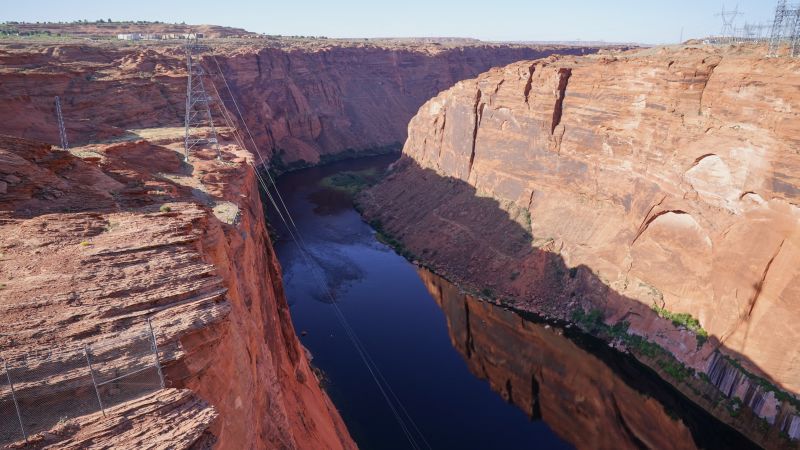
The Biden administration is urgently working to secure an agreement among seven Western states on the allocation of the Colorado River's water before President-elect Donald Trump takes office. This effort aims to protect the river basin, a crucial water source for millions, amid increasing aridity and population growth in the West. However, significant disagreements persist between upper-basin and lower-basin states, making a consensus unlikely before the deadline. The federal Bureau of Reclamation is leading the negotiations, with the potential for a Supreme Court battle if no agreement is reached.
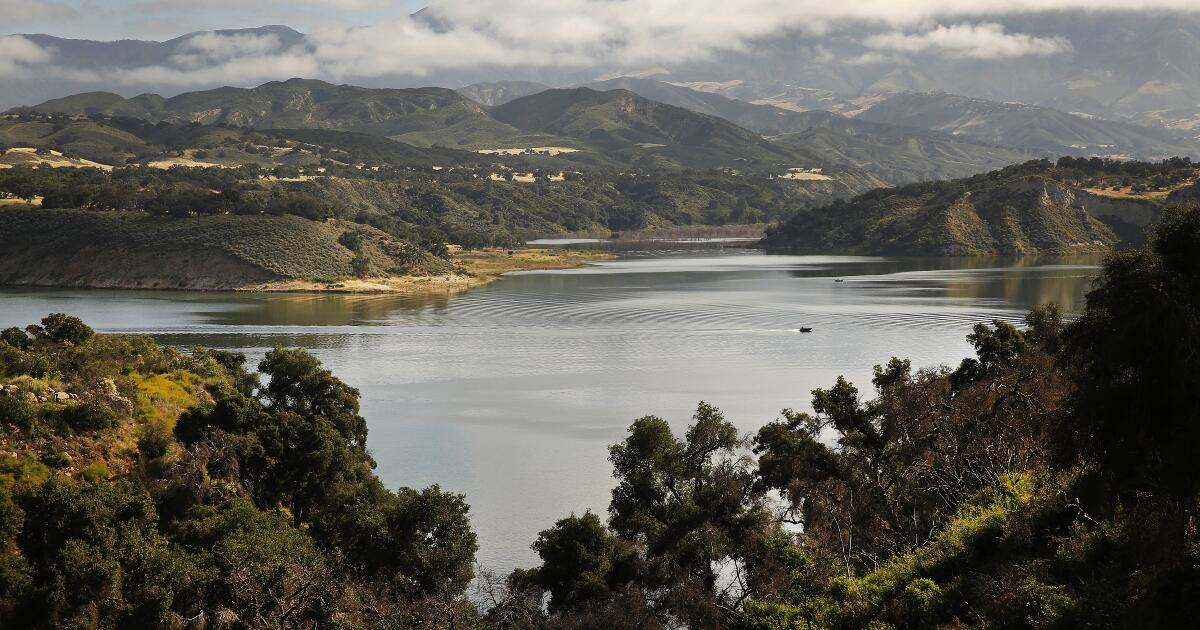
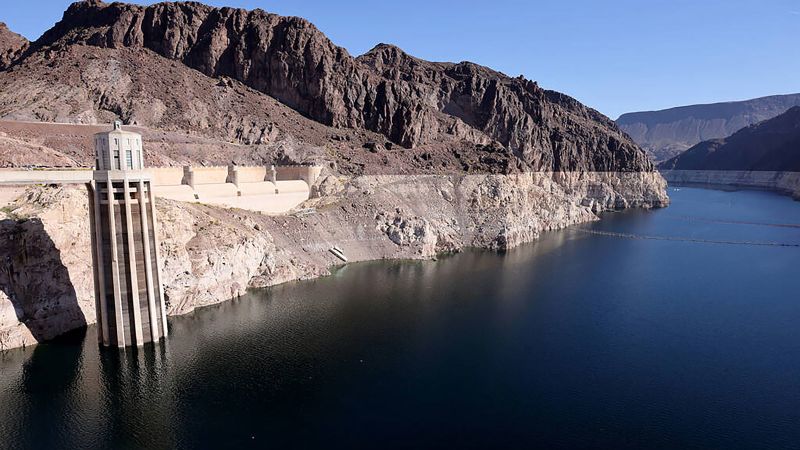
Seven Western states are preparing for future water cuts from the Colorado River as water levels continue to decrease due to climate change. The upper and lower basin states have submitted competing plans on how to allocate future cuts, with disagreements over who should bear the brunt of reductions. The upper basin proposal puts mandatory cuts on the lower basin states if Lake Mead falls to a certain threshold, while the lower basin plan proposes monitoring water levels in seven different reservoirs to determine when cuts would be necessary. Tensions are high as states seek to find a compromise before the current operating guidelines expire in 2026.
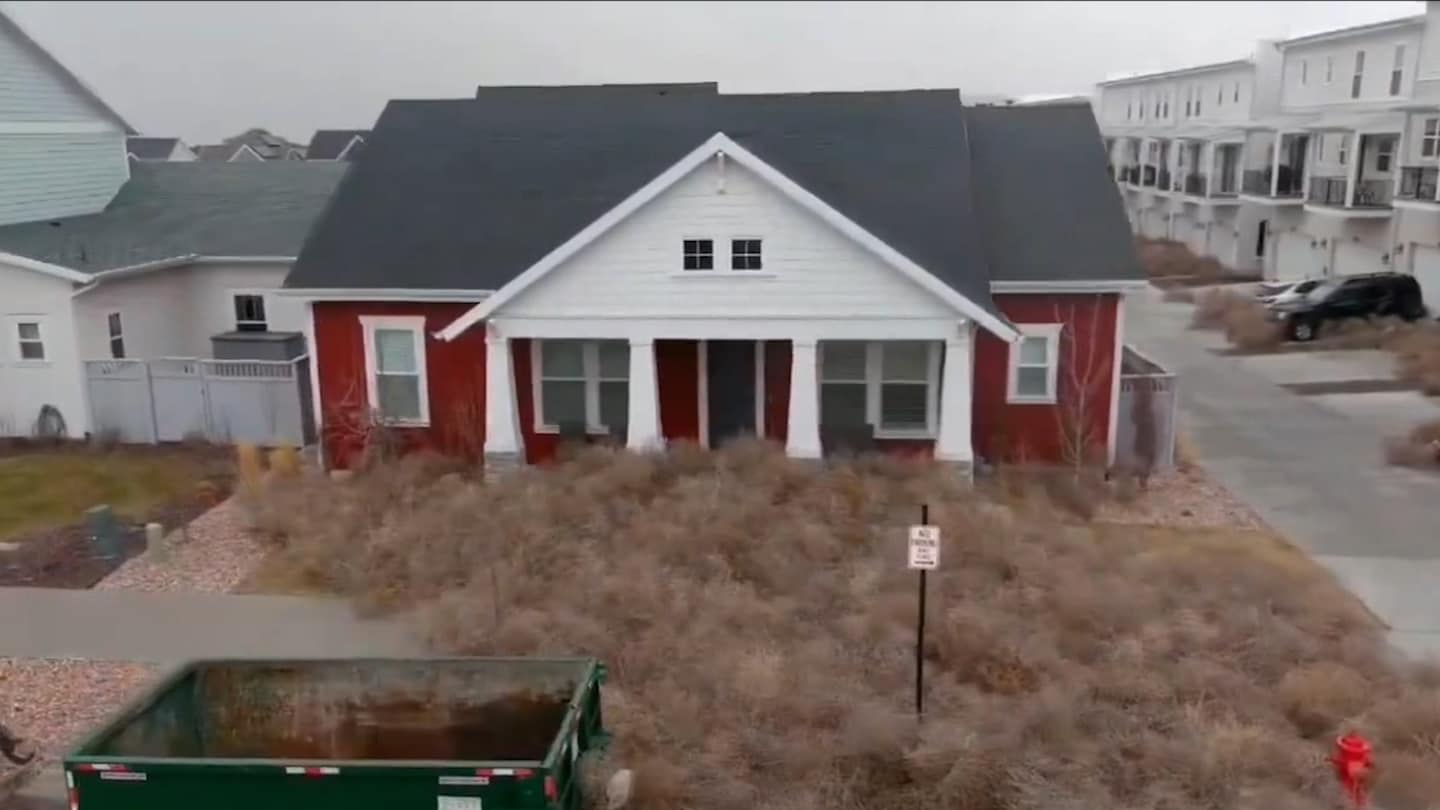
Severe weather in Western states has caused a massive influx of tumbleweeds, with wind gusts over 60 mph destroying infrastructure, downing trees and power lines, and causing widespread outages and road closures. Residents armed with brooms and shovels in Utah and Nevada are battling the spiky invaders, while city officials are rolling in with special equipment to clear the weeds. The windy weather, linked to a storm system that brought heavy snow to California, has also caused power outages and flight disruptions, with gusts topping 100 mph in some areas. The tumbleweed, native to dry regions in Europe and central Asia, arrived in North America about 150 years ago and poses risks such as traffic issues, allergens, and wildfire spread.
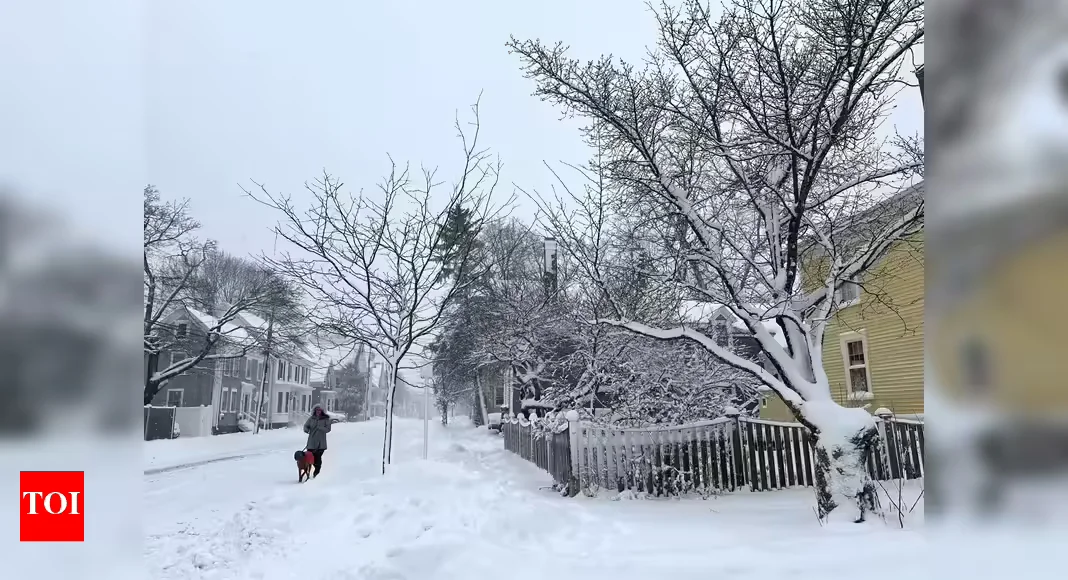
Winter storms in the US have led to the cancellation of hundreds of flights, with over a foot of snow in New York and blizzard alerts in the Great Plains. The storms have caused disruptions in cities like Boston, Newark, Seattle, and Chicago, with Amtrak also canceling train services. Hazardous travel conditions and power outages have been reported in several states, with more snow and potential flooding expected in the Northeast.
The Biden administration has issued a draft supplemental environmental impact statement (SEIS) proposing two options to conserve vital water supplies in Western states. The proposal aims to protect the Colorado River System and two key dams by substantially restricting water supplies in response to falling water levels. The plan, derived from an agreement reached by the Lower Basin states of Arizona, California, and Nevada, aims to conserve at least 3 million acre-feet of Colorado River water supplies by 2027, with funding from the Inflation Reduction Act and voluntary reductions by the states. The proposal comes as Lake Powell and Lake Mead, the main reservoirs for the Lower Basin states, have reached historically low levels due to drought.
Federal officials have announced that water cuts for Western states reliant on the Colorado River will be eased in 2024 due to a slightly improved outlook, although long-term challenges remain. The river, which serves seven U.S. states, Native American tribes, and two states in Mexico, has been significantly impacted by overuse, drought, and climate change. While recent conservation measures and a wetter winter have improved the river's health, it is still stressed by hot, dry temperatures and demand. Although deeper cuts are expected in the future, various water-saving plans and agreements are already in place or being negotiated. Major cities are unlikely to be heavily impacted, but discussions among states, tribes, and the federal government about the river's future after 2026 are just beginning.