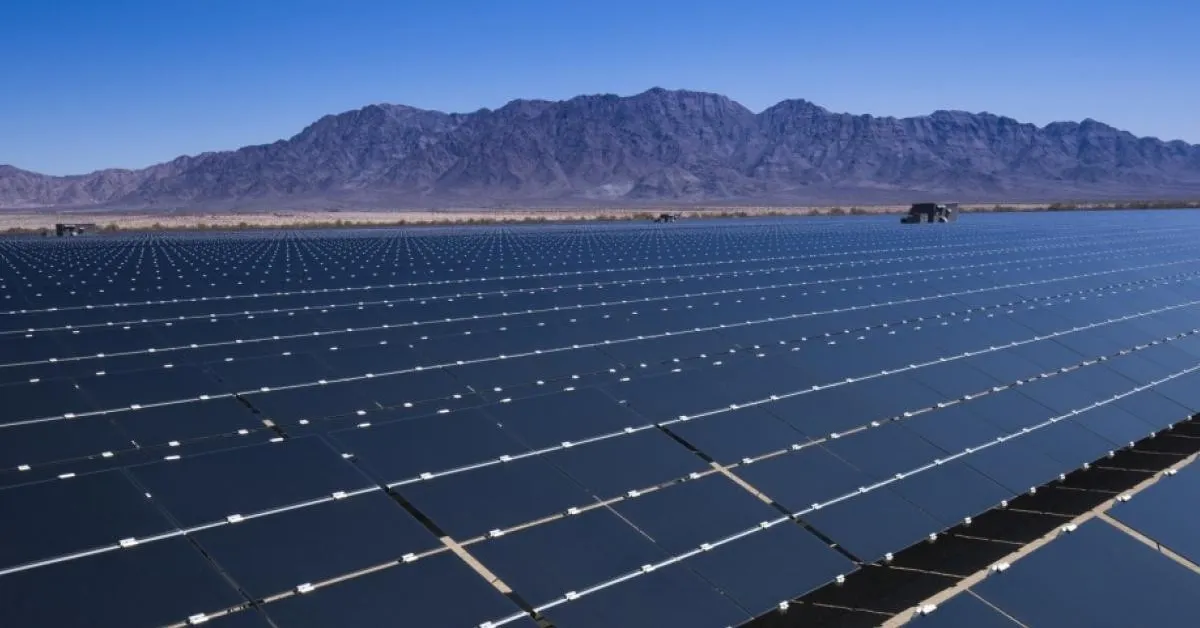
The Interior Department has issued a secretarial order restricting permits for solar and wind projects on federal lands unless they match the energy density of traditional power sources like coal, gas, or nuclear, potentially halting many renewable projects and emphasizing a focus on land use efficiency over environmental benefits.
The U.S. Department of Energy has selected four sites on federal lands to develop AI data centers and energy projects, aiming to lower energy costs, boost AI leadership, and enhance grid reliability through public-private partnerships, with further details and additional sites to be announced soon.
Senate Republicans are reviving a plan to sell 2.2 to 3.3 million acres of federal lands in Western states to fund housing development, sparking controversy within the party and opposition from conservationists.
Mortgage rates have risen following President-elect Trump's victory and are expected to remain high, according to Redfin's Chen Zhao. Despite Trump's campaign promises to slash mortgage rates and ease building regulations, these are not directly controllable from the White House. Plans to make federal lands available for development could increase housing supply, particularly in the Mountain West, but the impact depends on the specifics of land availability. Trump's focus on mass deportations may affect labor supply for home building, but immigration is not a major factor in the current housing supply crunch.
The Biden administration has finalized reforms to increase fees for oil and gas companies operating on federal lands, aiming to boost returns and address environmental concerns. The new policy includes higher bonding rates, increased lease rents, minimum auction bids, and royalty rates, as well as limits on drilling in sensitive areas. While environmental and taxpayer groups have praised the reforms, the oil and gas industry warns of potential risks to the nation's energy supply and increased reliance on foreign sources.
The Biden administration has finalized a rule requiring oil and gas companies to reduce methane emissions from their drilling operations on federal and tribal lands, as part of efforts to combat climate change. The rule aims to prevent accidental and negligent leaks of methane, as well as discourage venting and flaring practices. By setting limits on venting and flaring without paying royalties, the rule is expected to generate additional payments to the federal government and conserve billions of cubic feet of gas. While environmentalists and some industry groups support the rule, others have raised concerns about regulatory duplication and potential hindrance to energy production.
The Biden administration has expanded the roadmap for solar development to 22 million acres of federal lands in the US West, aiming to help the US reach its net zero power sector goal by 2035. The plan updates the 2012 Western Solar Plan, identifying areas for solar development in 11 states and focusing on lands near existing or planned transmission lines. This move is seen as a significant step towards recognizing the key role solar energy plays in the country's energy economy.
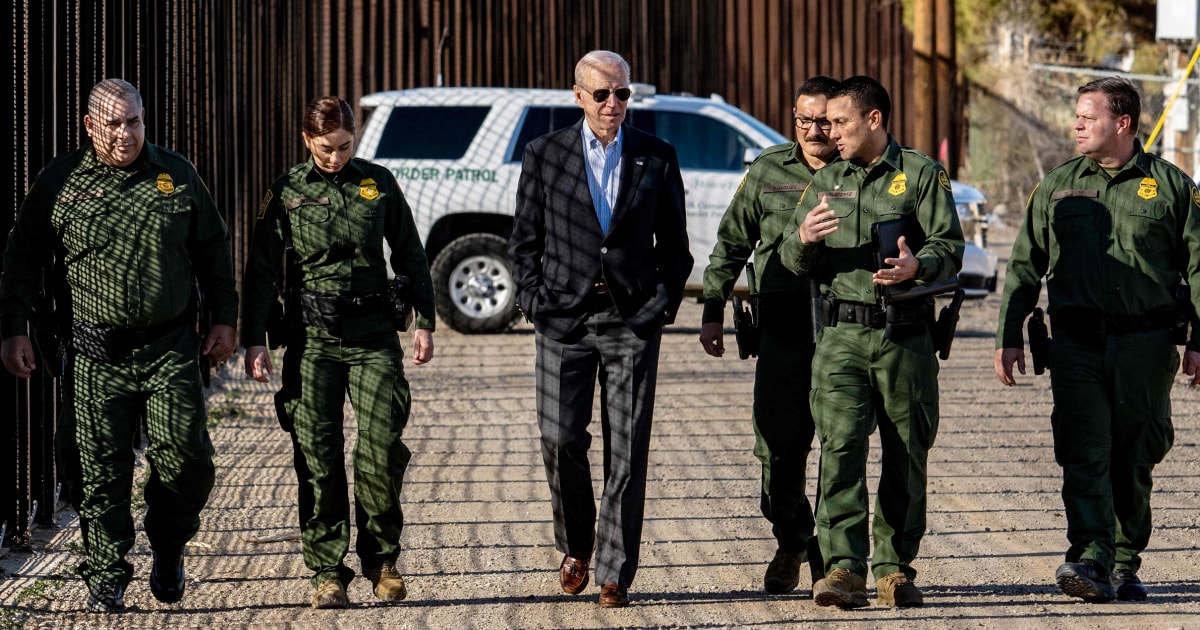
The White House has expressed strong opposition to a Republican-sponsored bill in the House that aims to ban the use of federal funds for providing temporary shelter to undocumented immigrants on federal lands. The bill would prevent federal money from being used to house noncitizens, including asylum seekers, on lands under the jurisdiction of various agencies. The White House argues that the legislation would limit the decision-making authority of the Department of the Interior and the Department of Agriculture, even in emergency situations. The bill, introduced by Rep. Nicole Malliotakis, has garnered support from several House Republicans and is set to be considered this week. It would also revoke a lease between the federal government and New York City for housing migrants at Floyd Bennett Field.