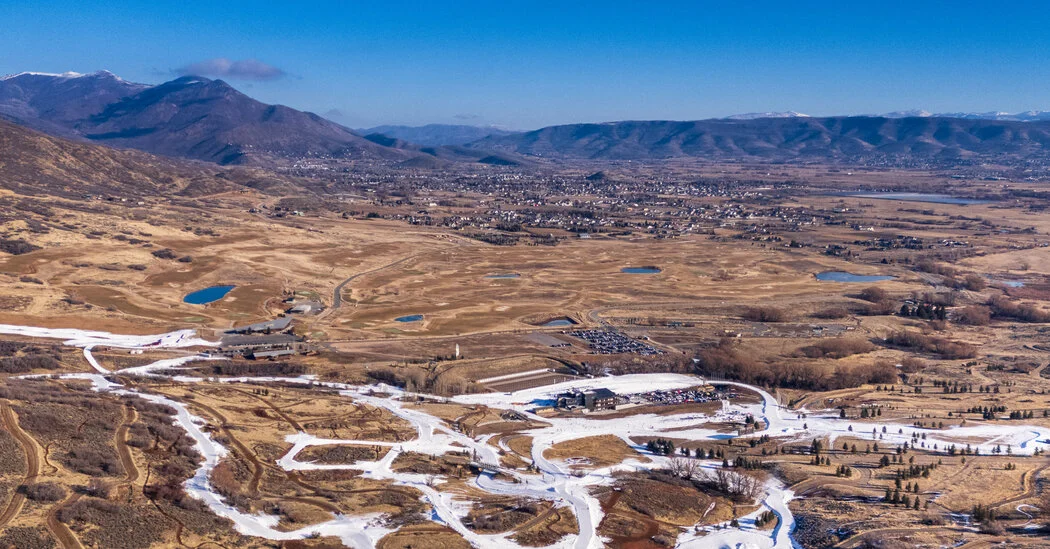
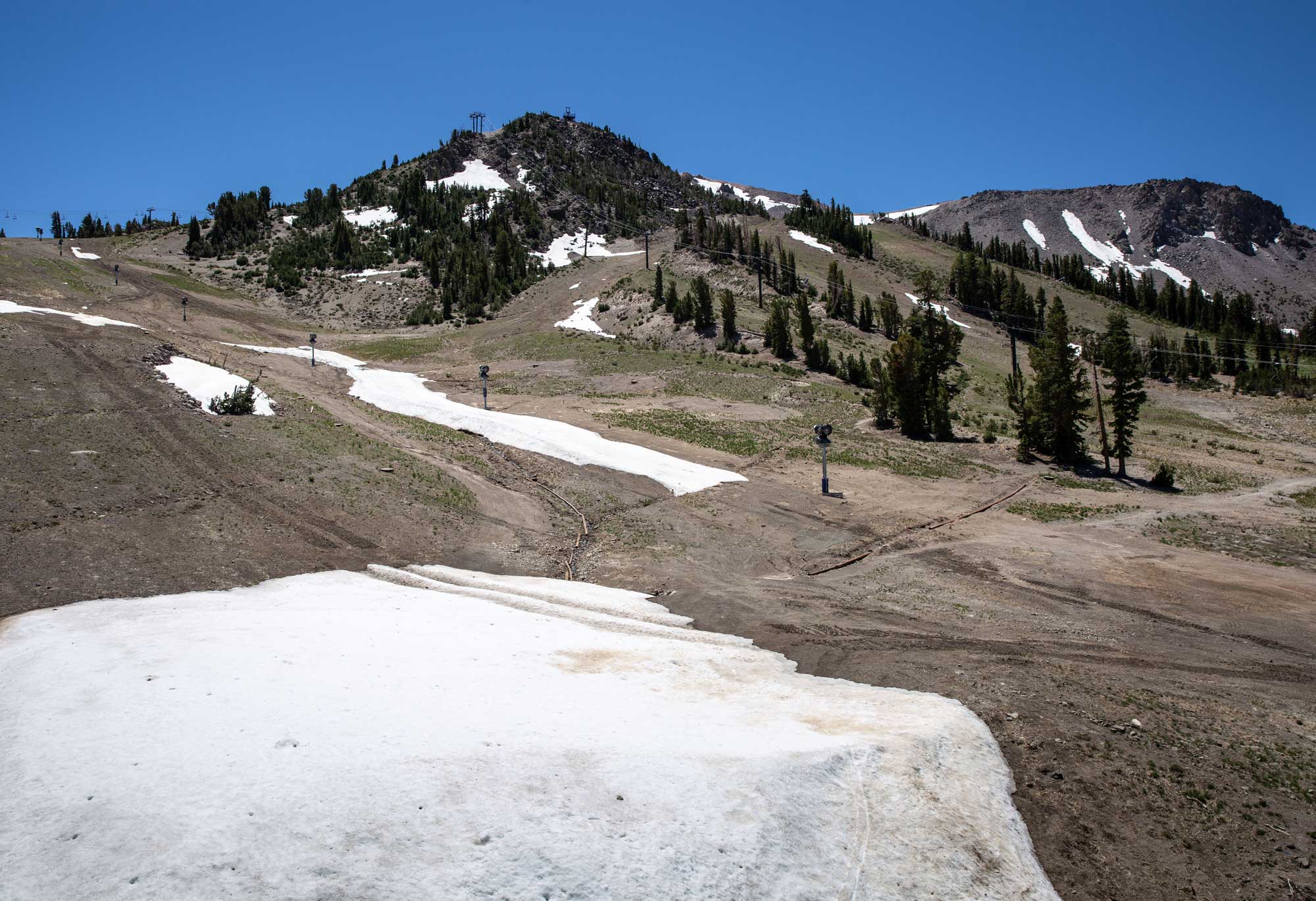
Across the U.S. West, an extreme snow drought driven by unusually warm temperatures has yielded record-low snow cover, risking water resources and winter recreation from Utah to Oregon as bare ground becomes common and artificial snow is used in some locations.
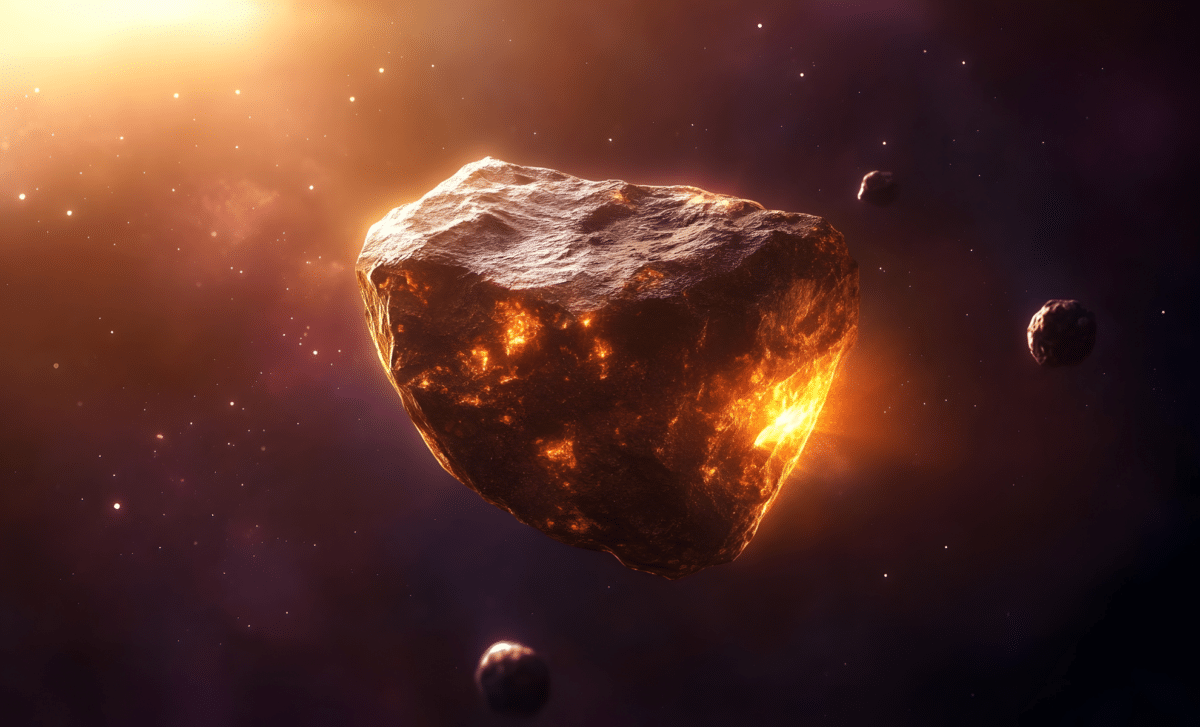
A study in MNRAS reveals that most asteroids, especially carbon-rich ones, contain low precious metals, making mining for gold unviable. Instead, water-rich asteroids are identified as more practical resources for future space exploration, providing water for fuel and life support, while also aiding planetary defense efforts. Technological challenges remain significant for actual mining operations, emphasizing the need for further research and development.
A series of December storms has improved California's snowpack, which is crucial for the state's water supply, currently at 71% of average, though it remains below last year's levels. The snowpack acts as a vital reservoir, and its health depends on continued storm activity through winter and spring. Reservoirs are above average, but the overall water situation remains uncertain amid fluctuating weather patterns.
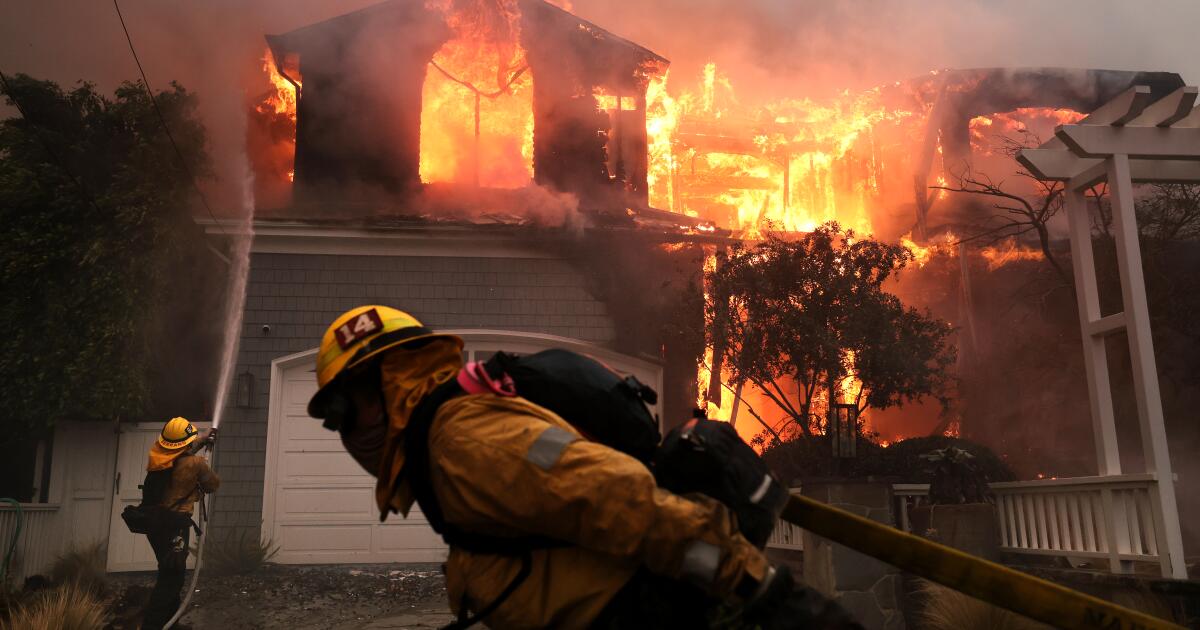
Two Senate Republicans are investigating the response to the Palisades fire, focusing on whether emergency preparations, especially water resources like the Santa Ynez Reservoir, were sufficient. The fire, which killed 12 and destroyed parts of Pacific Palisades, exposed issues with water supply and firefighting deployment, prompting multiple investigations and political debates about preparedness and response.
Scientists have discovered a massive underground aquifer beneath Oregon's volcanic regions, holding about 81 cubic kilometers of water, which could be crucial for regional water supply, ecosystem health, and understanding volcanic activity, especially in the context of climate change and increasing wildfires.
Scientists have discovered that South Africa is gradually rising out of the ocean due to drought-induced water loss, which reduces underground pressure and causes the land to uplift, offering a new method for monitoring groundwater reserves and managing water crises.
California's above-average snowpack in the Sierra Nevada, while initially seeming like a positive sign, is overshadowed by the grim future of the state's mountain snowpack due to climate change. Rising temperatures will lead to a decrease in snowfall and faster snowmelt, posing risks of flooding and water scarcity. Efforts to address these challenges, such as increasing reservoir capacity, face bureaucratic and financial obstacles. The relationship between snowfall and climate change is complex, with various factors influencing snowfall patterns in different regions.
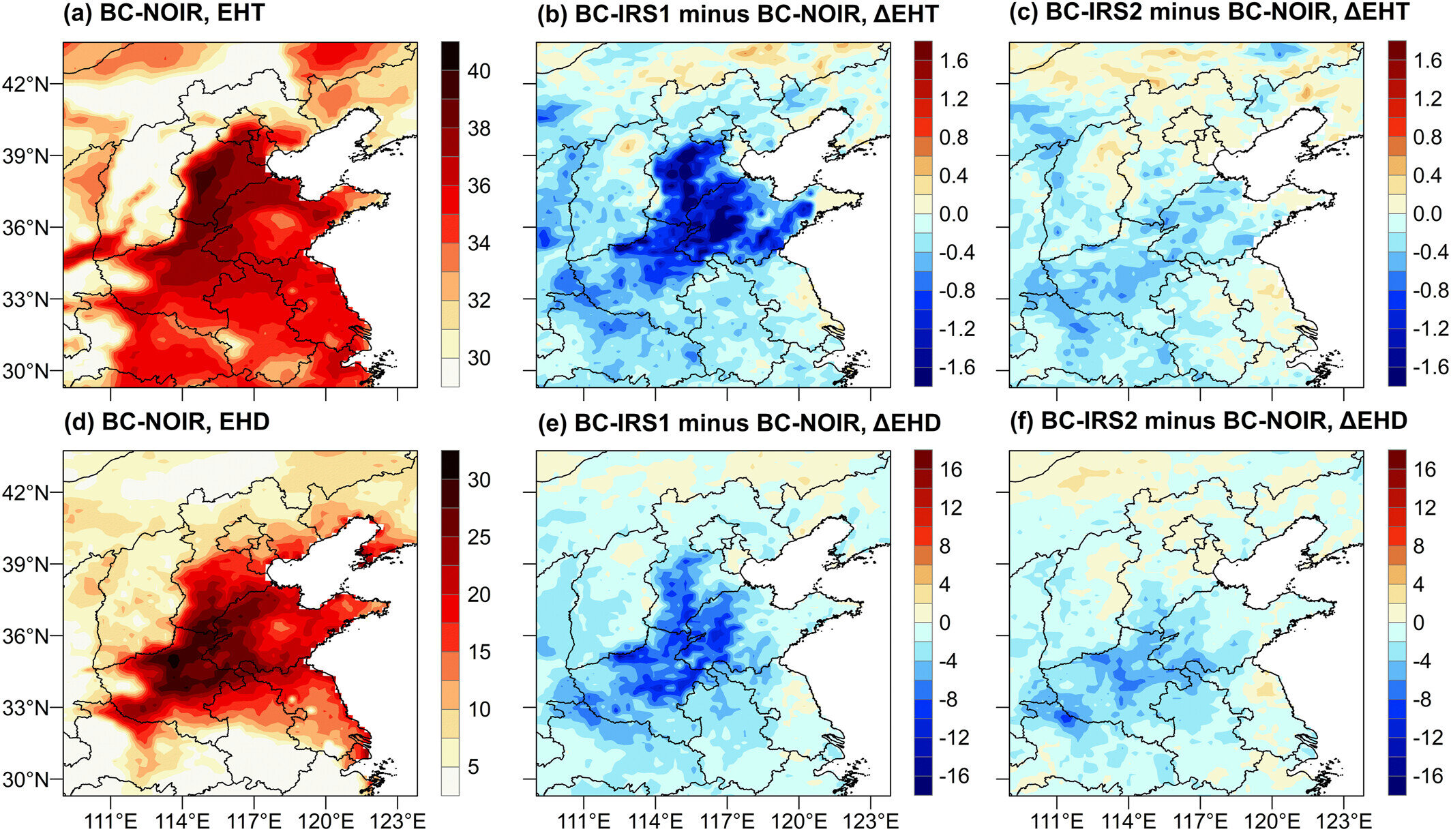
New research suggests that spring irrigation can reduce the intensity and duration of summer heat waves by retaining higher soil moisture levels between seasons, known as soil moisture memory. The study focused on the North China Plain, an intensively irrigated agricultural area, and found that spring irrigation alone reduced the intensity of summer heat waves by 0.29°C and 2.5 days, while combined spring and summer irrigation extended this reduction to 1°C and 6.5 days. This research highlights the potential of spring irrigation to alleviate water stress in the following summer months and support regions experiencing imbalances in precipitation, offering insights for water resource management and adaptation planning strategies in the face of climate change.
Despite recent heavy precipitation, California's snowpack and rainfall levels remain below average, with the snowpack at only 75% of average to date and the statewide snowpack at 67% of its typical April 1 peak. While the recent storms prevented the state from entering a more dangerous zone of reservoir and snowpack levels, more precipitation is crucial to bring levels back to average and avoid the risk of extended dry periods.
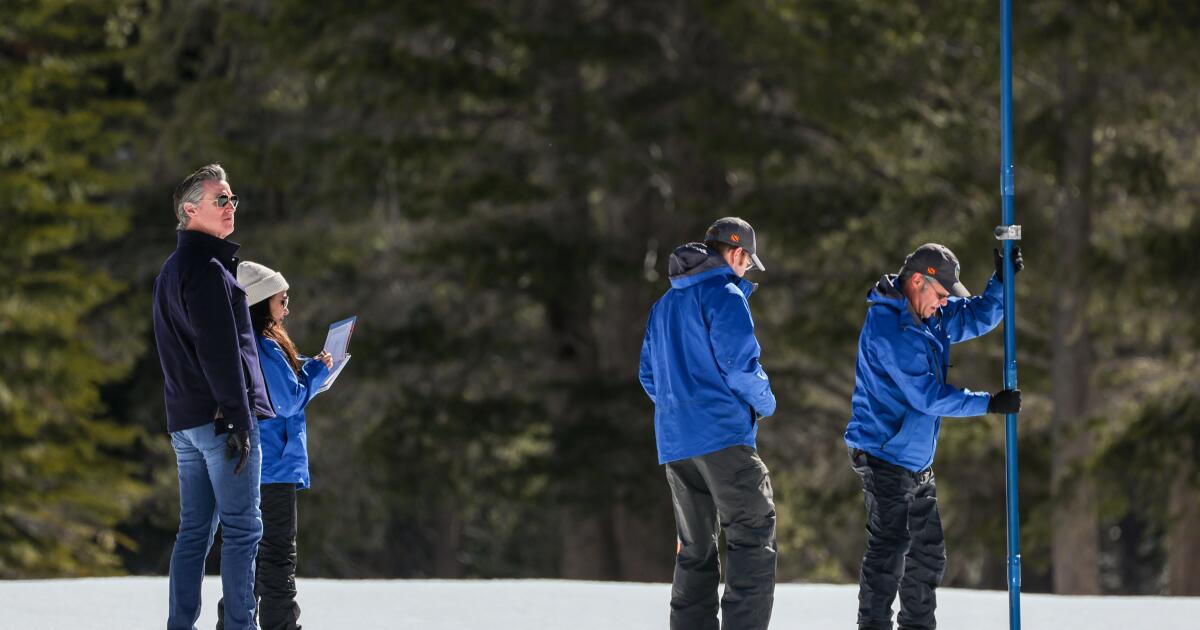
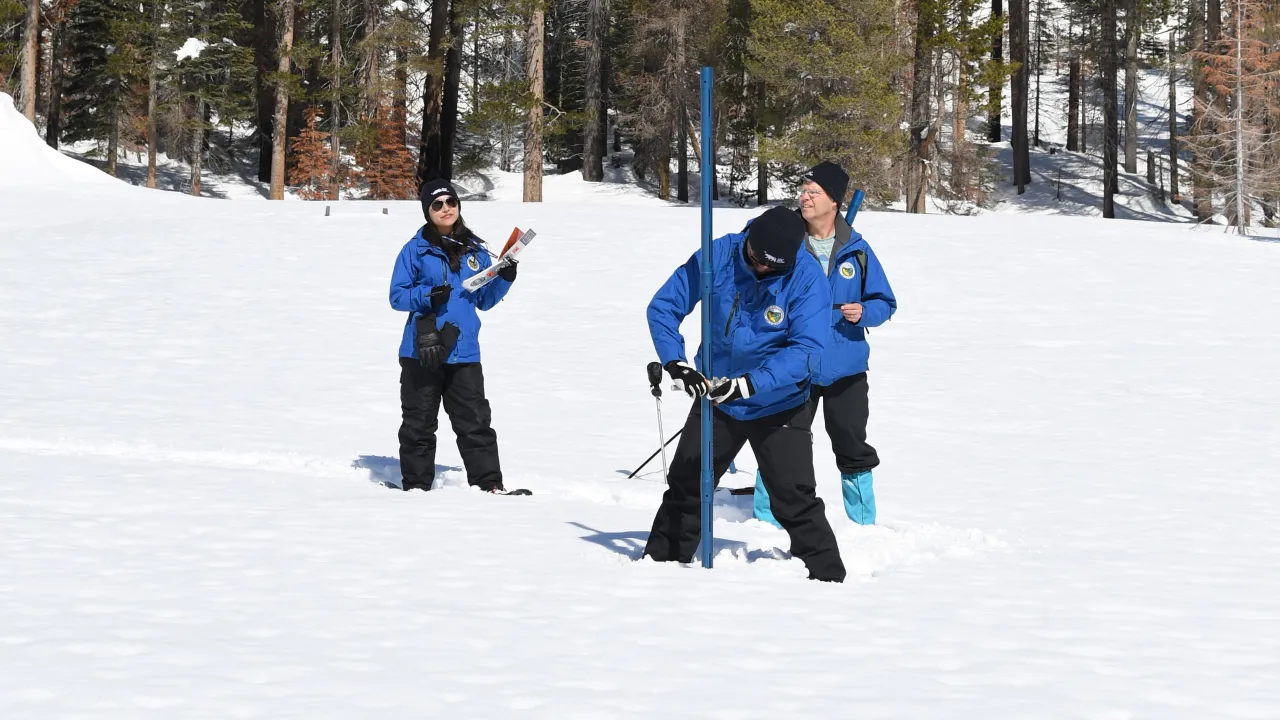
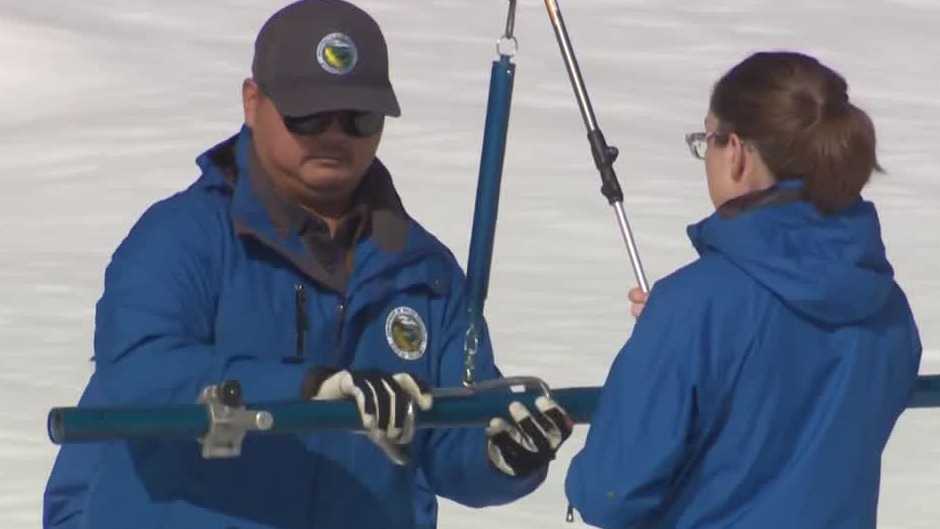
California's second snow survey at Phillips Station shows a modest improvement in the Sierra snowpack, but conditions remain below average, with the snowpack at 58% of the average for the area. The statewide snowpack is at 52% of the average, an improvement from the 28% recorded on Jan. 1. This year's El Niño has brought below-average precipitation and a smaller snowpack, prompting officials to urge Californians to prepare for all possible conditions during the remaining months of the rainy season. The Sierra snowpack supplies about 30% of California's water needs, and the largest reservoir, Lake Oroville, remains filled at 76% of the average.
Global warming is causing a decline in winter storms and mountain snowpack, leading to prolonged drought and impacting critical water sources for millions of people. A high-profile study published in Nature found that nearly half of Northern Hemisphere river basins have seen snowpack decline since 1981, with a human contribution to "snow drought" now formally and virtually certain. As the world warms, snow-dependent areas with average winter temperatures exceeding -8 degrees Celsius become more sensitive to climate change, posing increasing instability for water sources. Satellite technology has been crucial in monitoring snow drought, and water management and adaptation measures are becoming increasingly important as the world faces a future of more scarce water resources in snowpack-dependent areas.
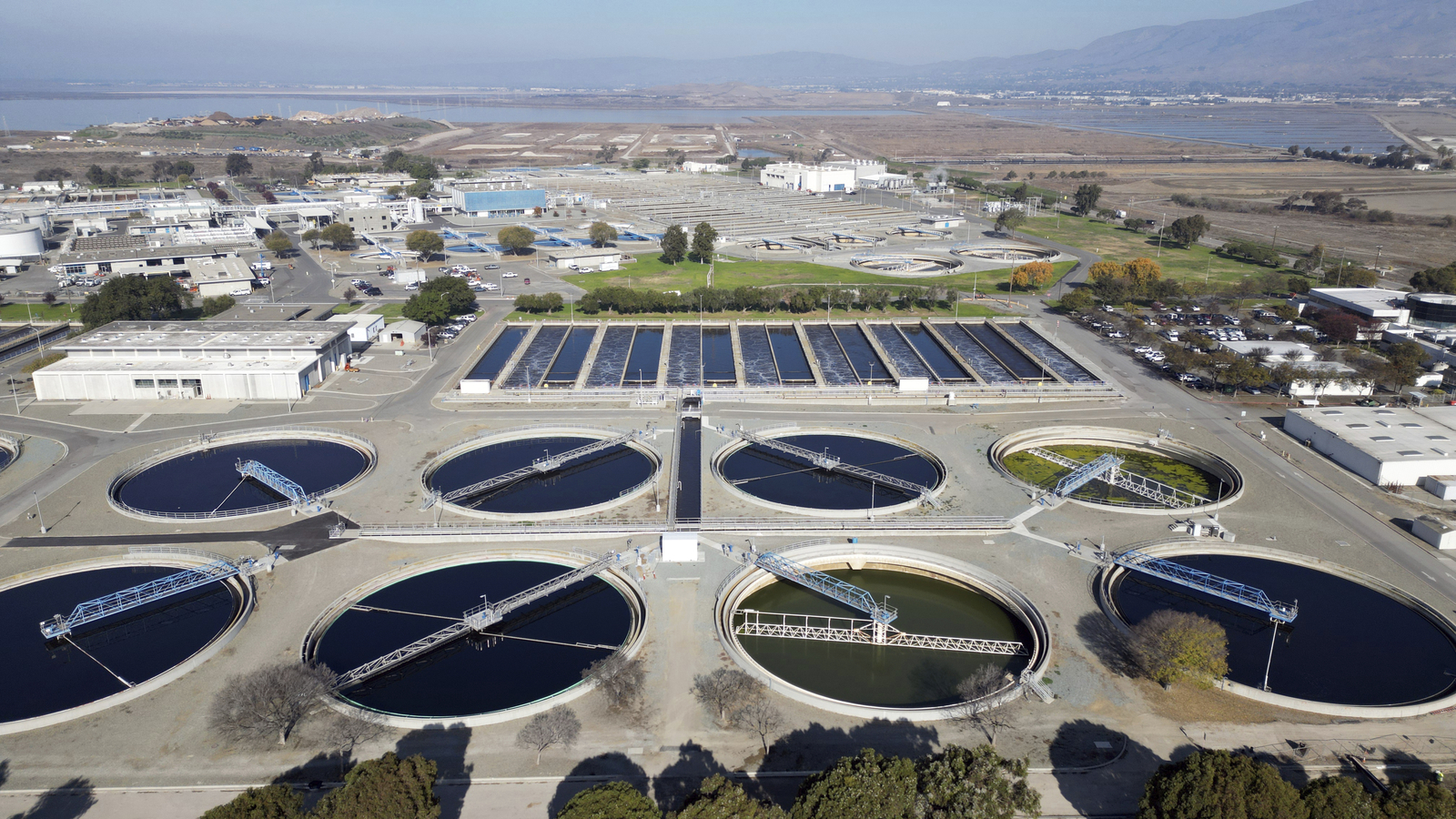
California's Water Resources Control Board has approved new rules allowing water agencies to turn wastewater, including water from toilets, into drinking water. The state hopes that this move will provide a more reliable source of drinking water in the drought-prone region. California is the second state, after Colorado, to implement statewide regulations for the direct use of recycled wastewater. Water agencies in San Diego and Los Angeles already have plans in place for wastewater recycling, and the new rules require agencies to inform customers before implementing this process.
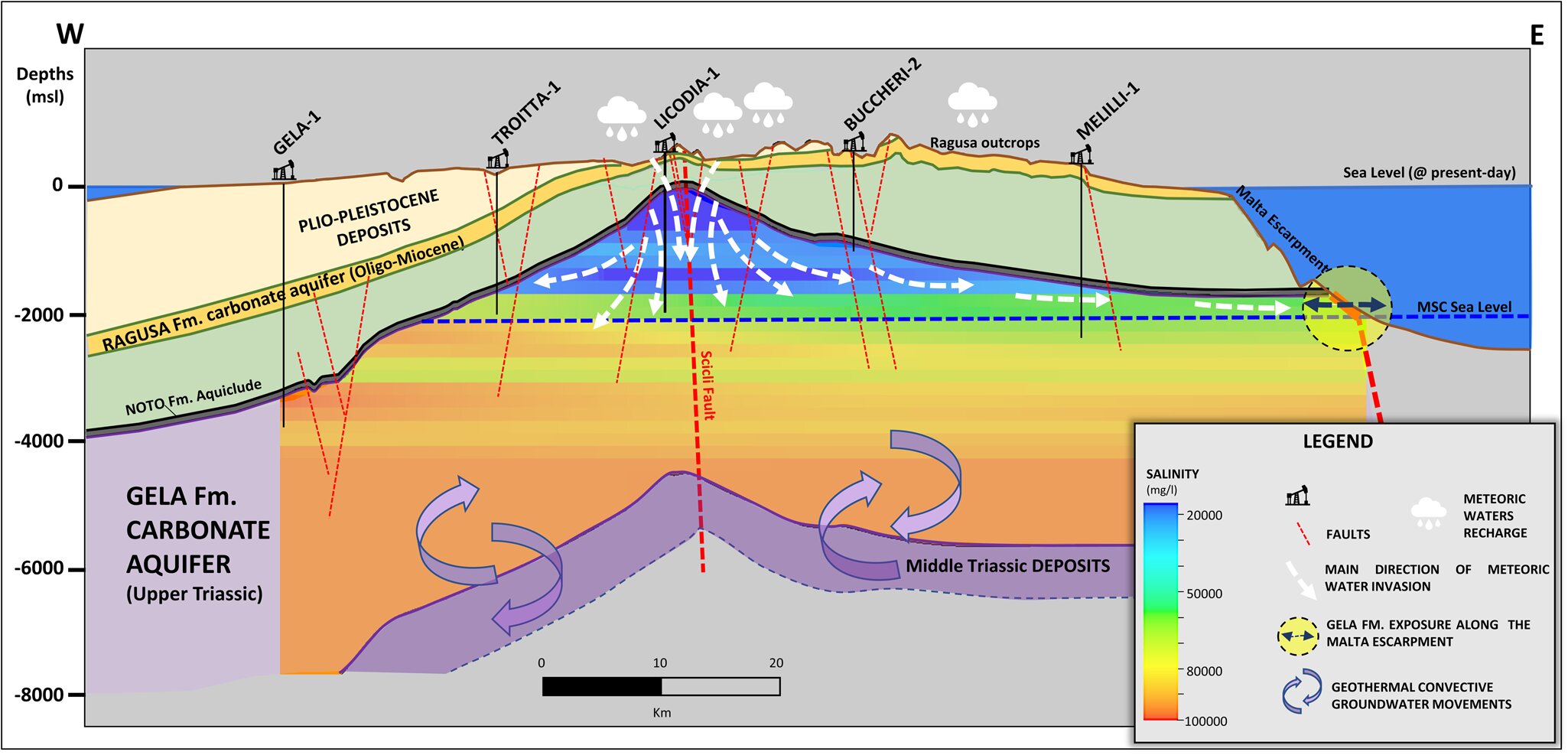
Geoscientists have discovered a deep underground pool of fresh water beneath the Sicilian mountains, estimated to be around six million years old. The researchers used publicly available data from oil exploration efforts to study the groundwater in the Gela formation. They found evidence of an aquifer holding approximately 17.5 cubic kilometers of water, which they believe was trapped during the Messinian salinity crisis. The rainwater that accumulated underground was likely soaked up by carbonate rock, and the researchers identified the Malta Escarpment as a probable conduit for the ancient rainwater.
NASA has collaborated with Google Arts & Culture and artist Yiyun Kang to create an interactive digital experience called "A Passage of Water," which uses data from NASA's GRACE and SWOT missions to illustrate the impact of climate change on Earth's water cycle. The project will be released online ahead of the United Nations' Climate Change Conference of Parties (COP 28) and will also have a physical installation at the conference. This collaboration is part of NASA's efforts to share its Earth science data with the public and inform decision-makers on climate change mitigation and adaptation.