environment-climate-change4.765 min read
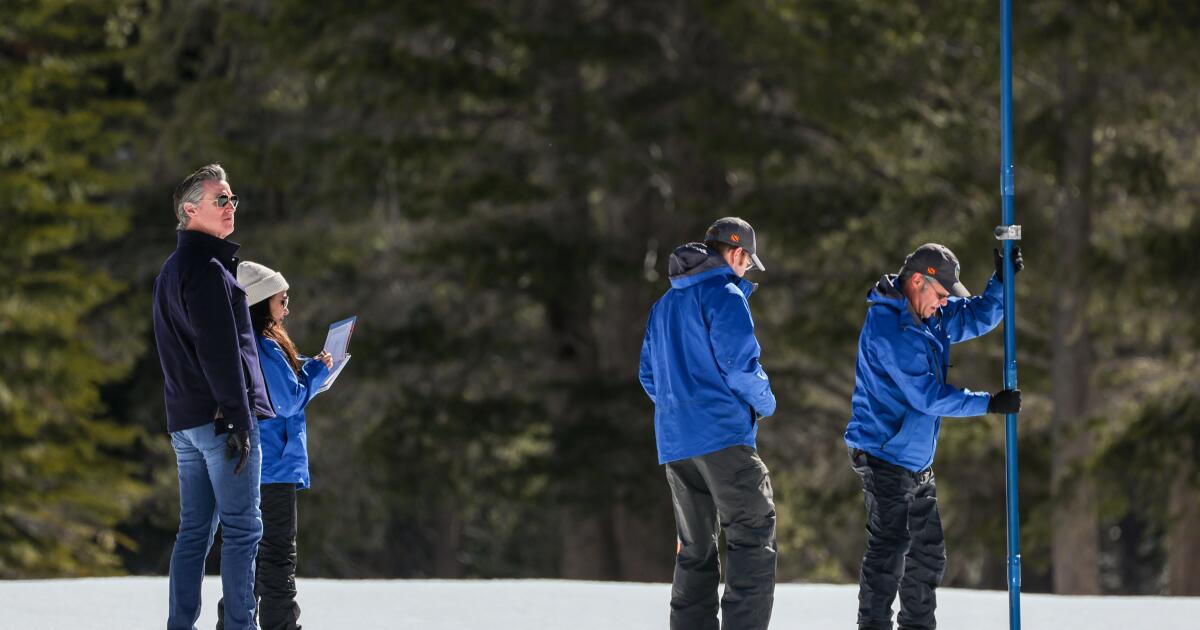
"California's Snowpack Rebounds to Average Levels, Easing Drought Concerns"
1 year ago•Source: Los Angeles Times

The latest environment climate change stories, summarized by AI
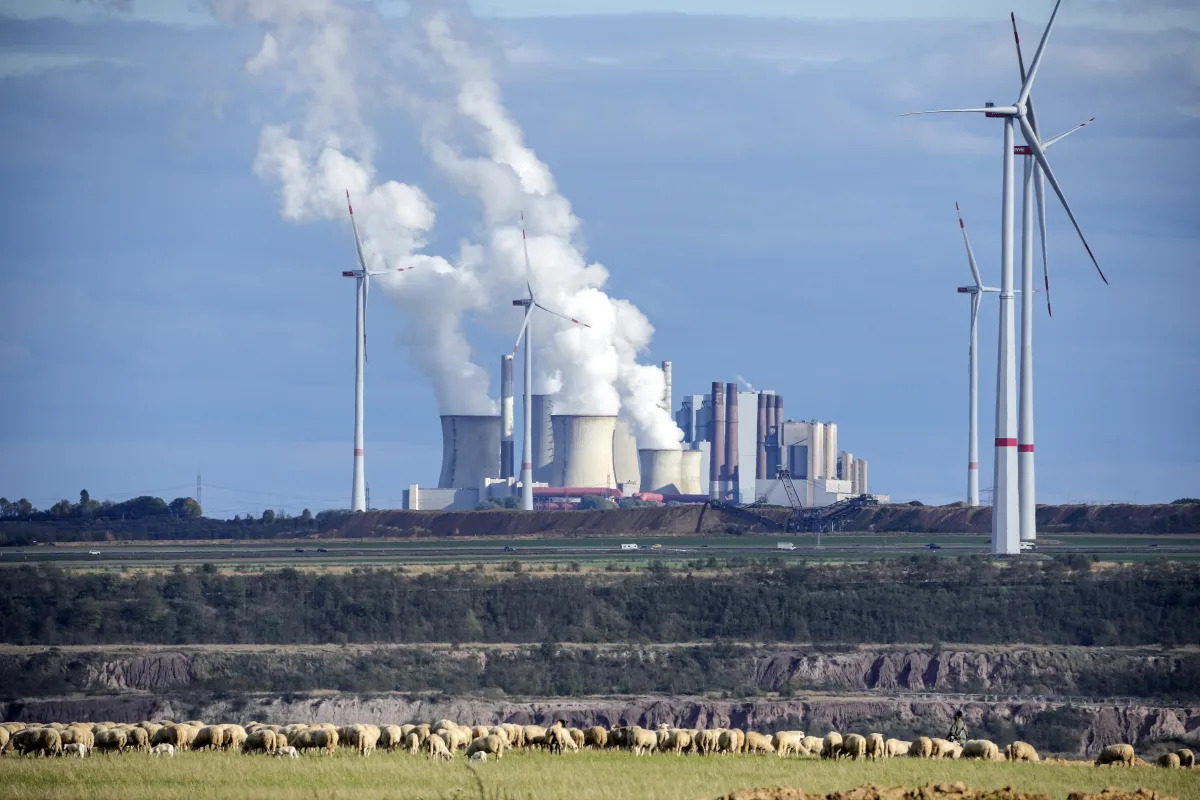
A new report reveals that just 57 companies are responsible for 80 percent of global carbon dioxide emissions, with state-owned entities and investor-owned companies contributing significantly. Despite commitments made in the 2015 Paris Agreement, many of these companies have increased their production, leading to a record high in coal consumption. The report highlights the urgent need for governments to hold these companies accountable and calls for international cooperation through a Fossil Fuel Treaty to end the expansion of fossil fuels and ensure a just transition.
Nature.com•2 years ago
The Verge•2 years ago
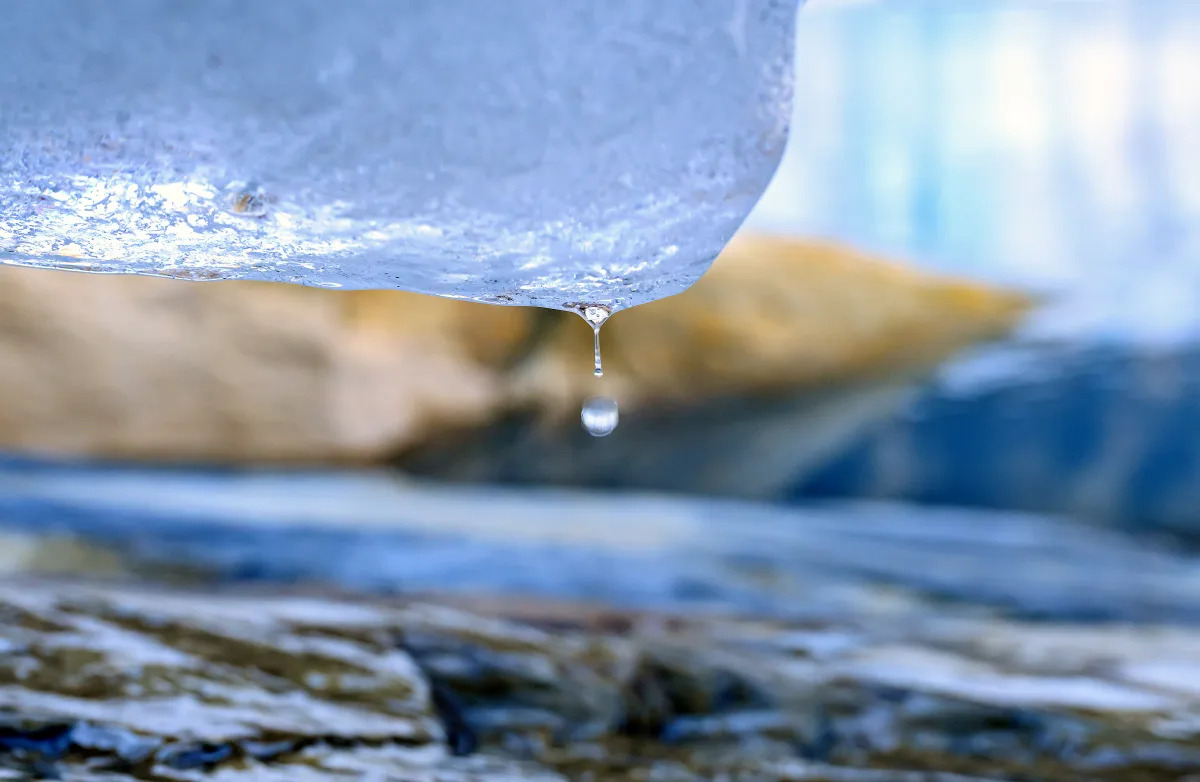
The rapid melting of the Arctic ice caps has led to a call for urgent action, with some experts suggesting geoengineering as a potential solution. A recent report outlines various geoengineering projects aimed at slowing or reversing polar melting, including solar radiation management, artificial ice generation, and massive engineering work to protect remaining ice. However, concerns about cost, feasibility, and potential unintended consequences have been raised, highlighting the complex challenges associated with implementing such solutions. Despite the daunting task ahead, experts emphasize the need to explore and invest in potential strategies to address the escalating climate crisis.
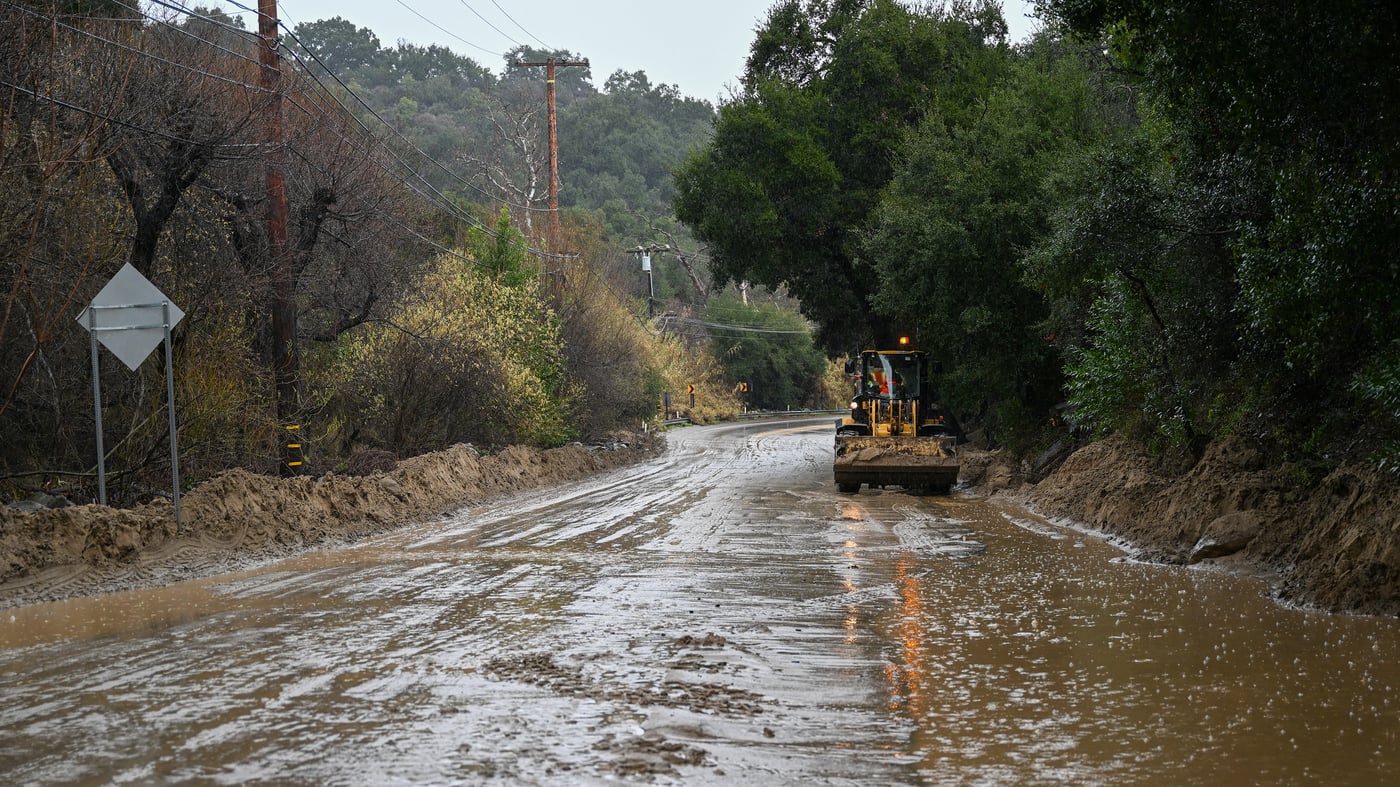
Climate change is turning the idyllic community of Topanga in California into a "perilous paradise," with extreme weather events like flooding, mudslides, and evacuation orders becoming more common and intense. Residents are adapting by making changes to their homes and businesses, but some are choosing to move due to the increasing risks. The neighborhood, known for its natural beauty, is also at high risk for wildfires, leading to community-wide evacuation drills and preparation efforts. Despite the challenges, many residents are determined to stay due to the area's beauty and peacefulness.
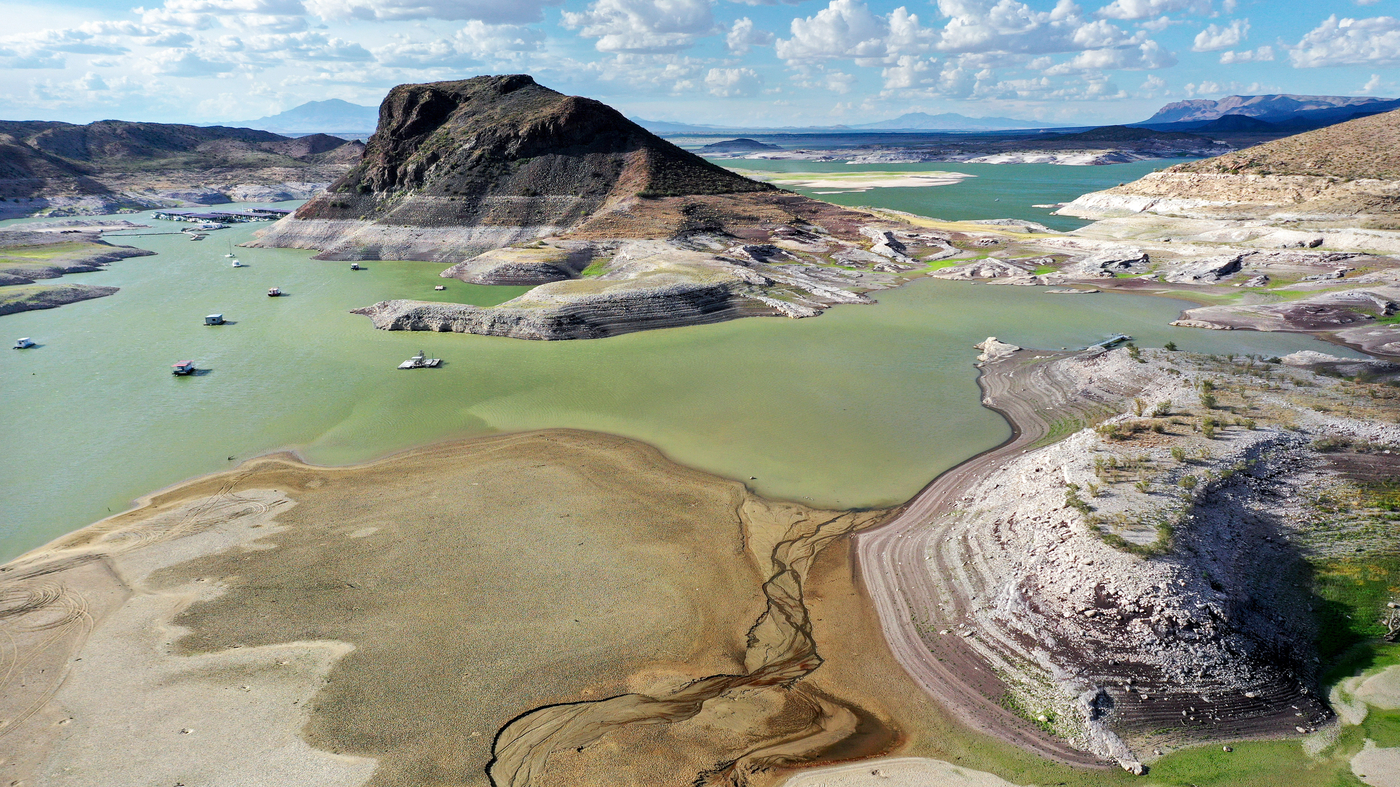
A new study published in Science Advances reveals that hotter temperatures are exacerbating the megadrought in the Western U.S., leading to the emergence of "hot droughts" – dry conditions intensified by heat. By analyzing tree rings, researchers found that the last 20 years have seen unprecedented frequency of compound warm and dry summers, attributed to human-caused climate change. The study suggests that future droughts will be worsened by higher temperatures, particularly in regions like the Great Plains and the Colorado River Basin, impacting water reserves for millions of people.
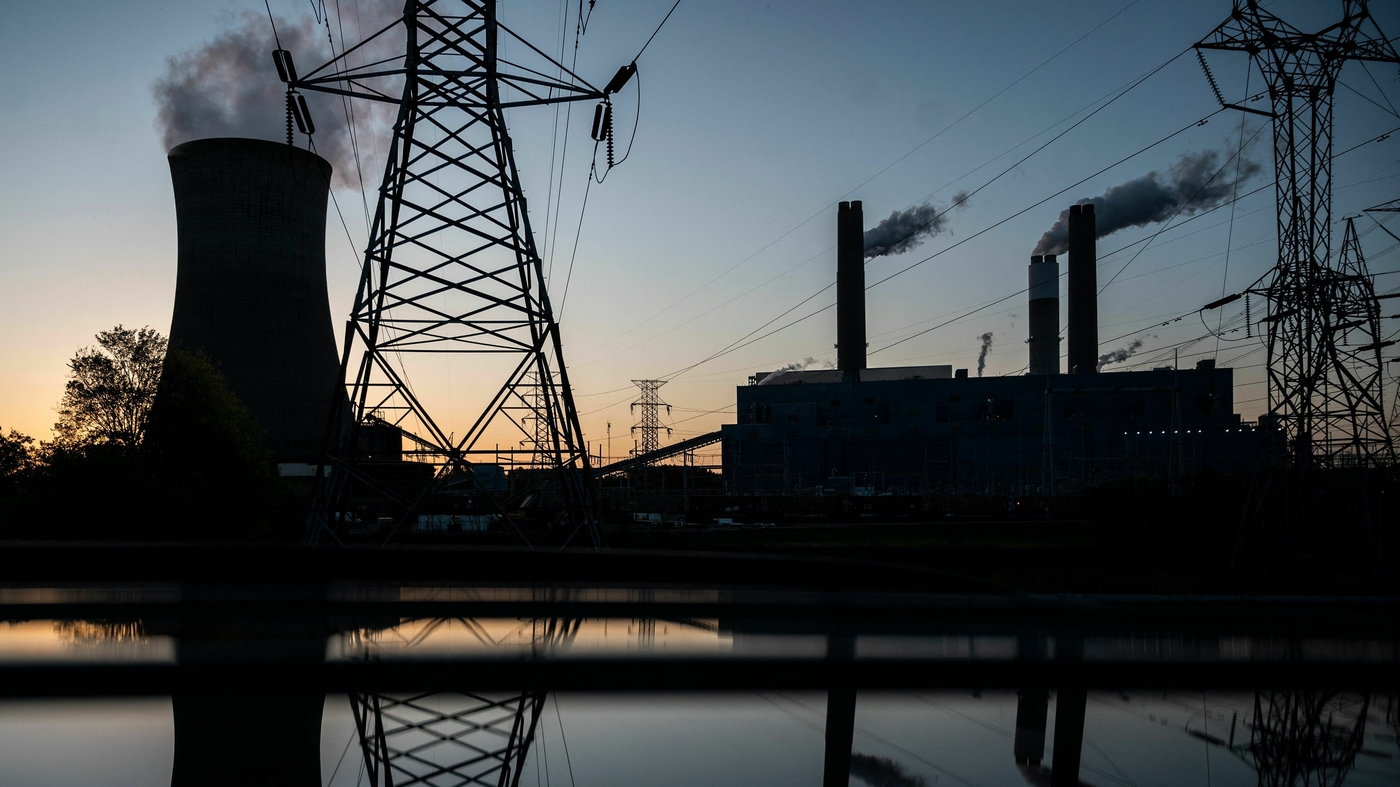
The United States reduced greenhouse gas emissions by 1.9% in 2023, but this decrease falls short of meeting the climate targets set by the Biden administration. The country needs much steeper cuts, particularly in reducing the use of fossil fuels, to meet its goals under the Paris Agreement. Despite a growing economy, the decline in emissions is attributed to the transition away from coal-fired power plants and a relatively mild winter. Additional policies are deemed necessary to sharply curtail the expansion of fossil fuels and meet climate goals for 2030 and beyond, as the Biden administration aims to use executive power to further cut emissions amidst a rapidly warming planet and increasing extreme weather events.