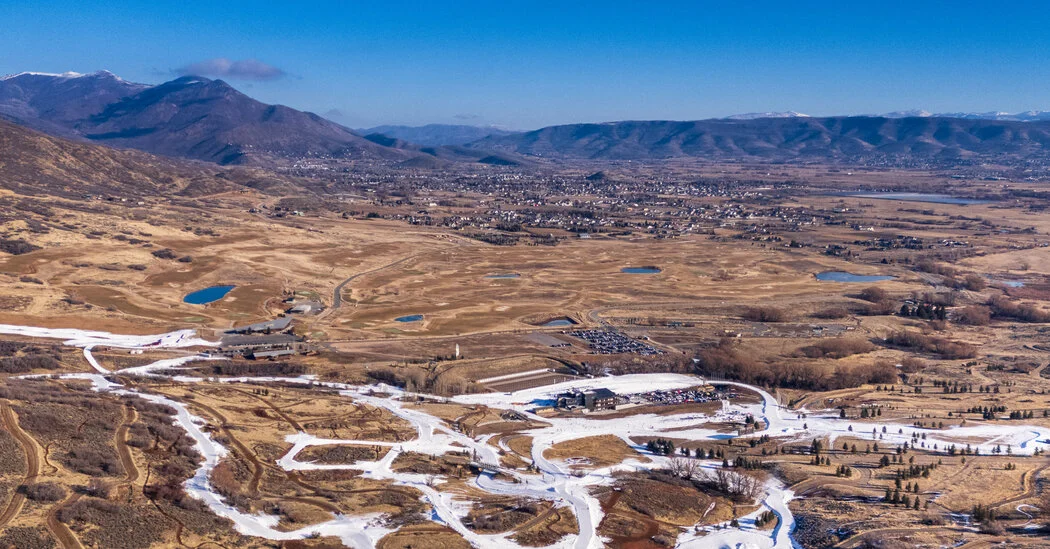
The western US is experiencing a severe snow drought due to record-high temperatures and lack of snowfall, threatening water supplies, increasing wildfire risks, and impacting outdoor industries, with experts warning that ongoing climate shifts could worsen long-term drought conditions and affect future events like the 2034 Winter Olympics in Utah.
The western US is experiencing a snow drought in 2026, worsened by atmospheric river storms that caused heavy rainfall and melting of snowpack, which is critical for regional water supplies. Warmer temperatures have led to more rain instead of snow, exacerbating water shortages and increasing risks of flooding and landslides. Scientists are working to improve predictions and understand storm impacts to better manage water resources amid climate change.
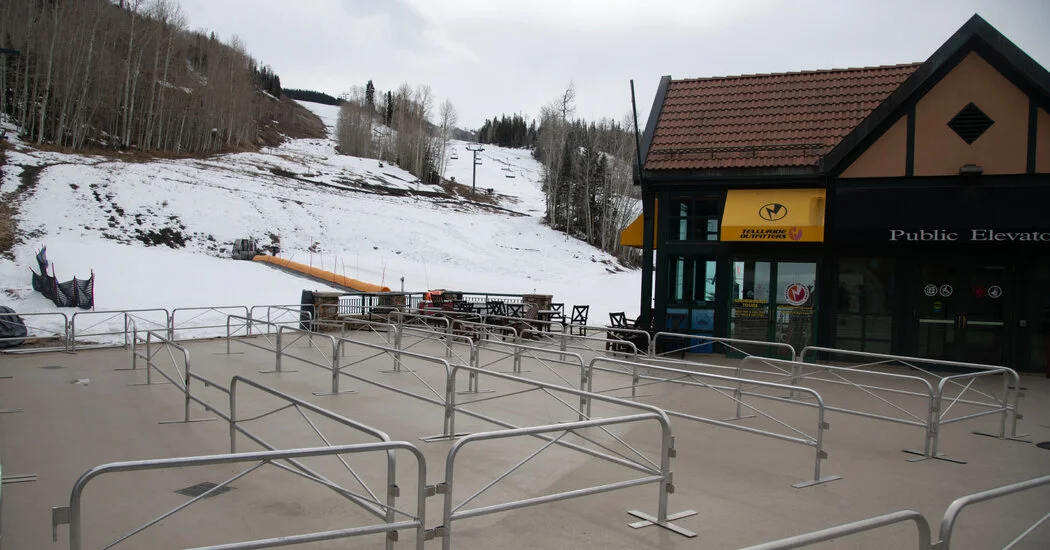
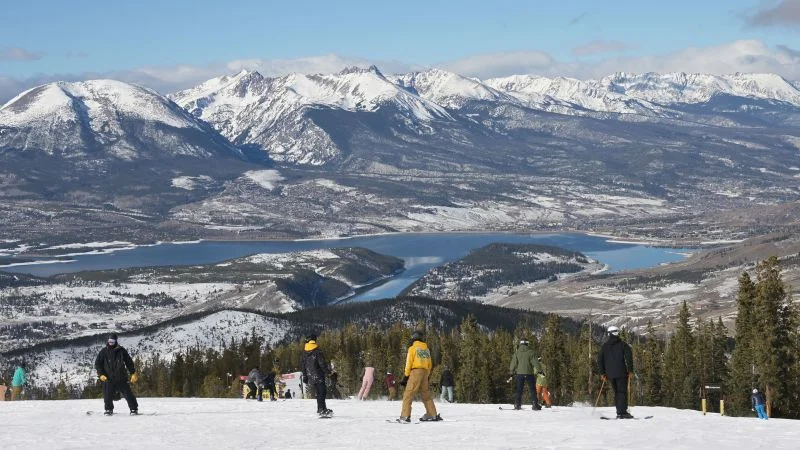
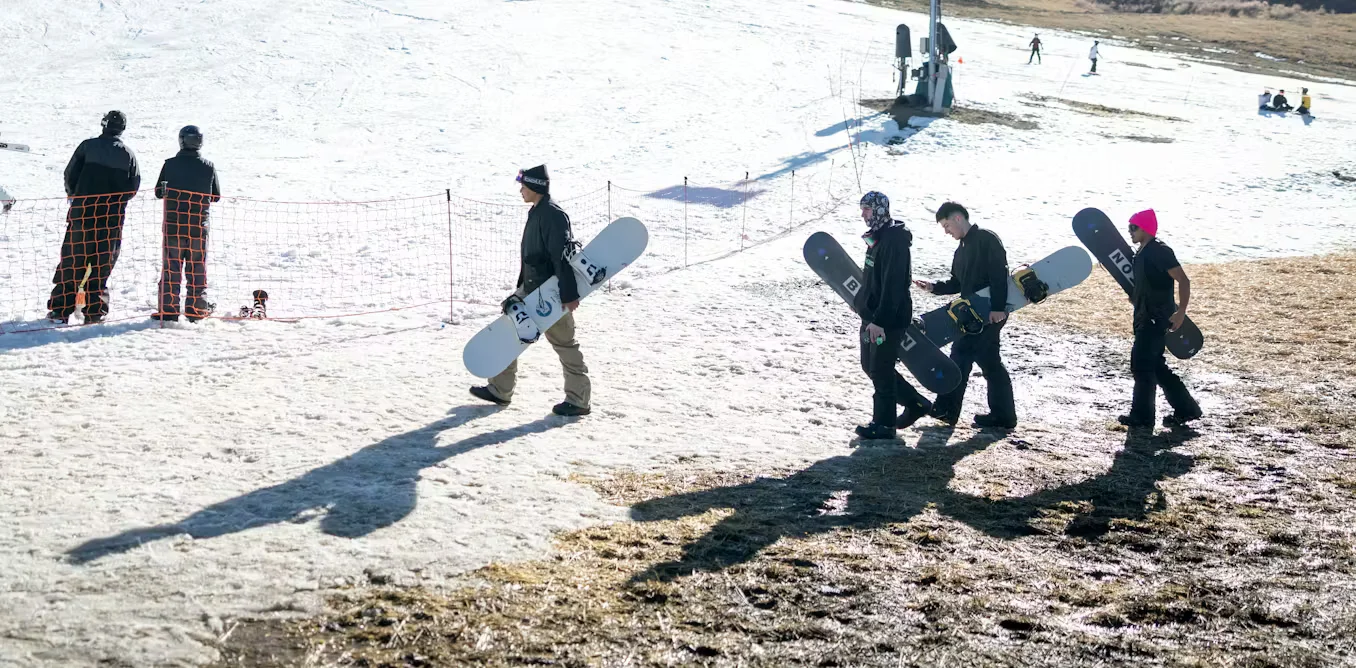
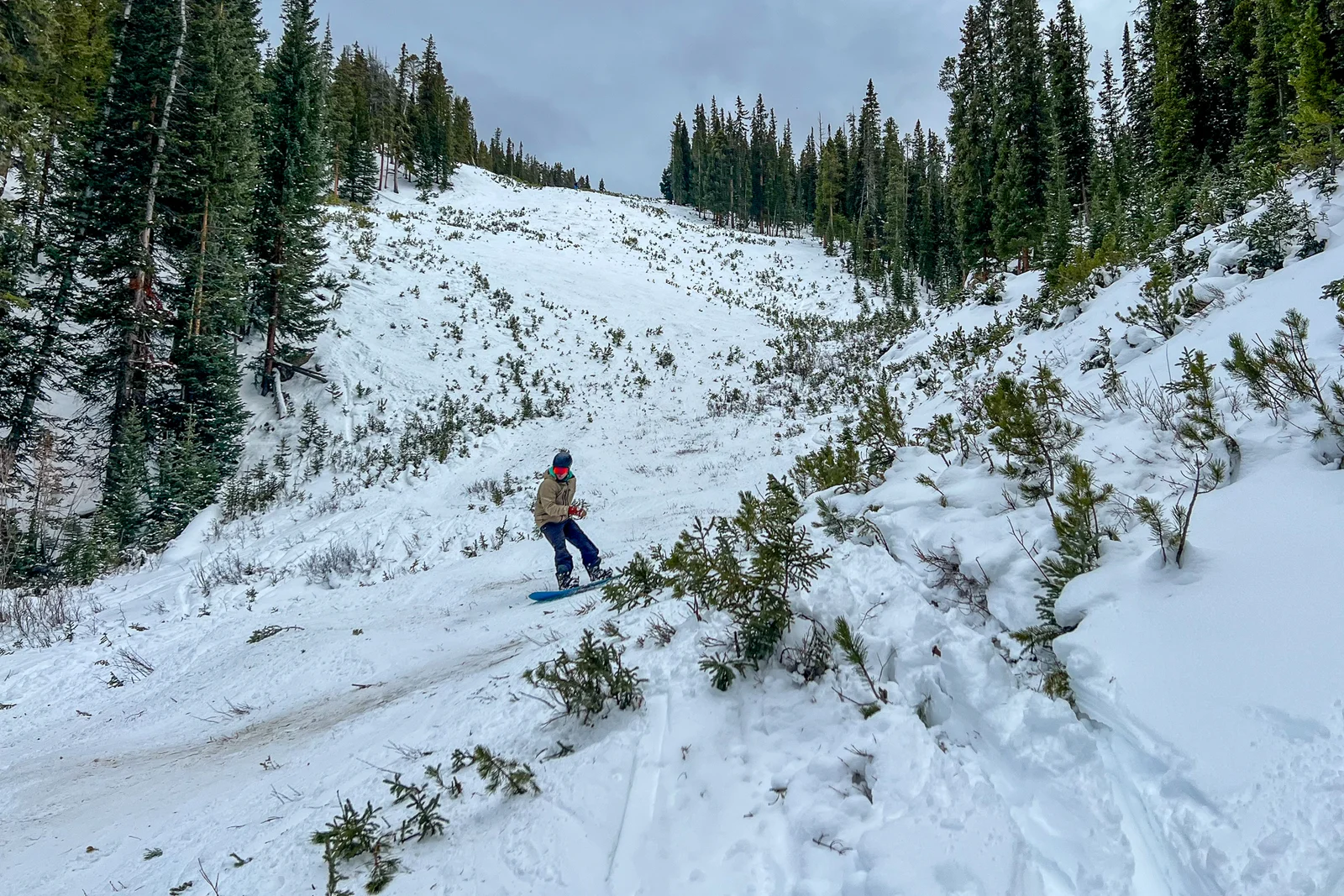
Unseasonably warm winter weather has significantly impacted Colorado's outdoor recreation industry, including delayed openings of ice parks and ski resorts, low snowpack levels, and challenges in maintaining typical winter activities, with many resorts resorting to creative solutions amid uncertain weather patterns.
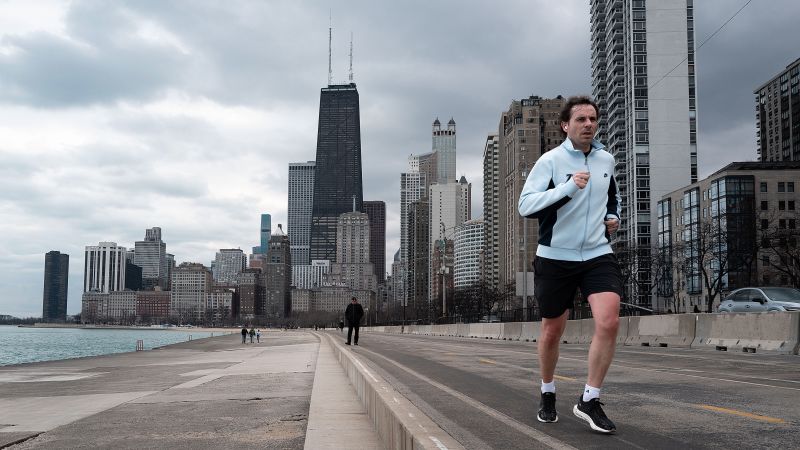
The US experienced its warmest winter on record, leading to significant snow and ice deficits, worsening drought conditions in the Midwest, and a lack of cold air that shattered chances for prolonged, expansive ice coverage across the Great Lakes. The unusual warmth has had a serious impact on small businesses that rely on snow and winter tourism, prompting governors to encourage seeking federal assistance. This record warmth is another clear signal of the impact of human-caused planet-warming emissions on global temperatures.
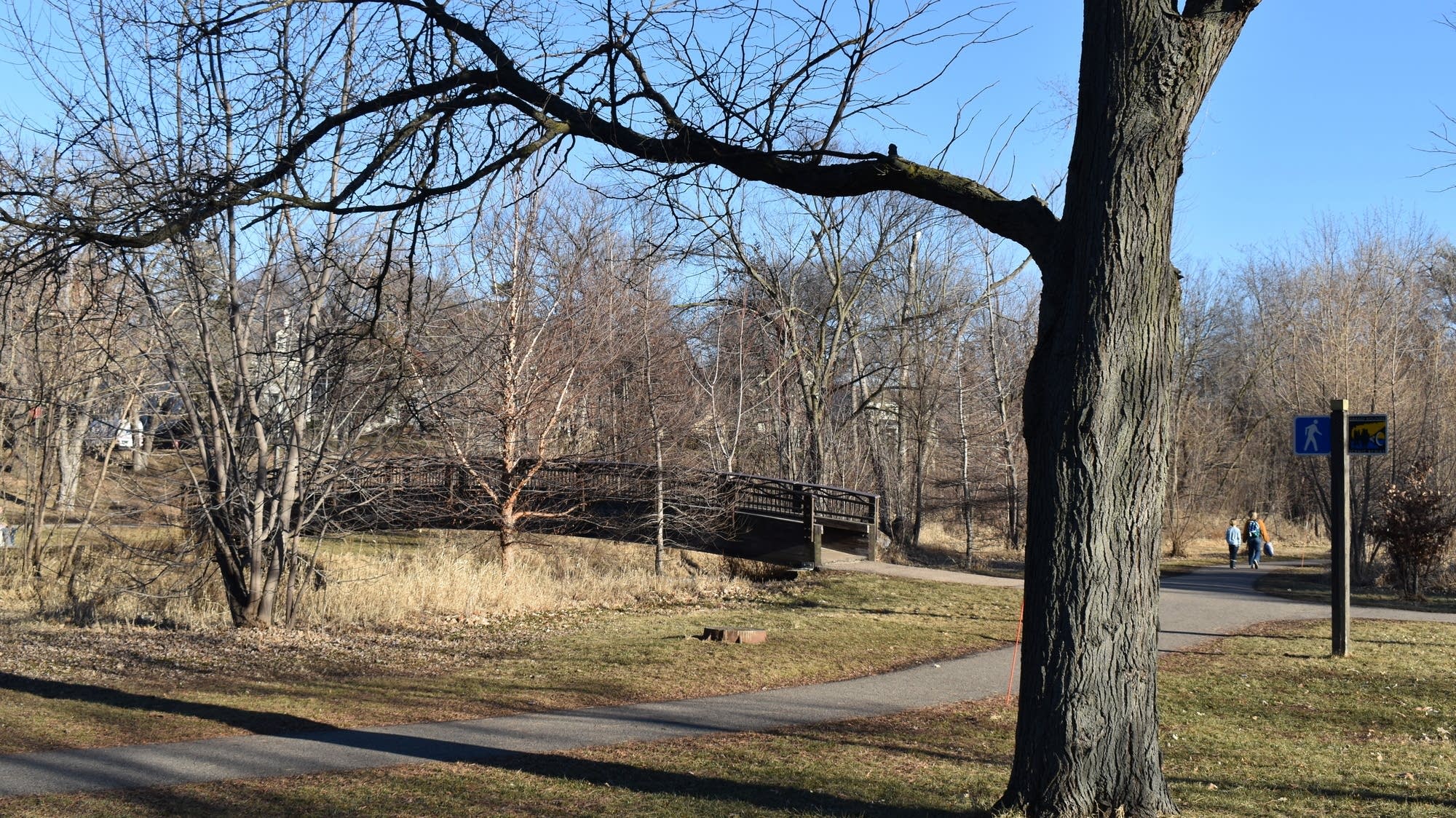
Unusually warm temperatures are expected to continue through the weekend, with highs reaching the upper 40s and even 50s in some areas, resembling March weather. The snow drought persists, with Minnesota and Wisconsin experiencing well-below-average snowfall. Additionally, areas of dense fog are expected to lift, and caution is advised for ice safety.
California is facing a "snow drought" in the Sierra Nevada due to warmer storms and El Niño conditions, leading to more rain and less snow. Despite forecasts of heavy rain and possible flooding, state water managers warn that the snowpack remains below average. Scientists attribute the trend to rising temperatures driven by climate change, with recent storms favoring rain over snow. While upcoming atmospheric rivers are expected to bring more snow, it may not be enough to fully replenish the snowpack, potentially leading to a below-average snowpack in a wet year. State officials urge residents to prepare for possible flooding and uncertain water conditions.
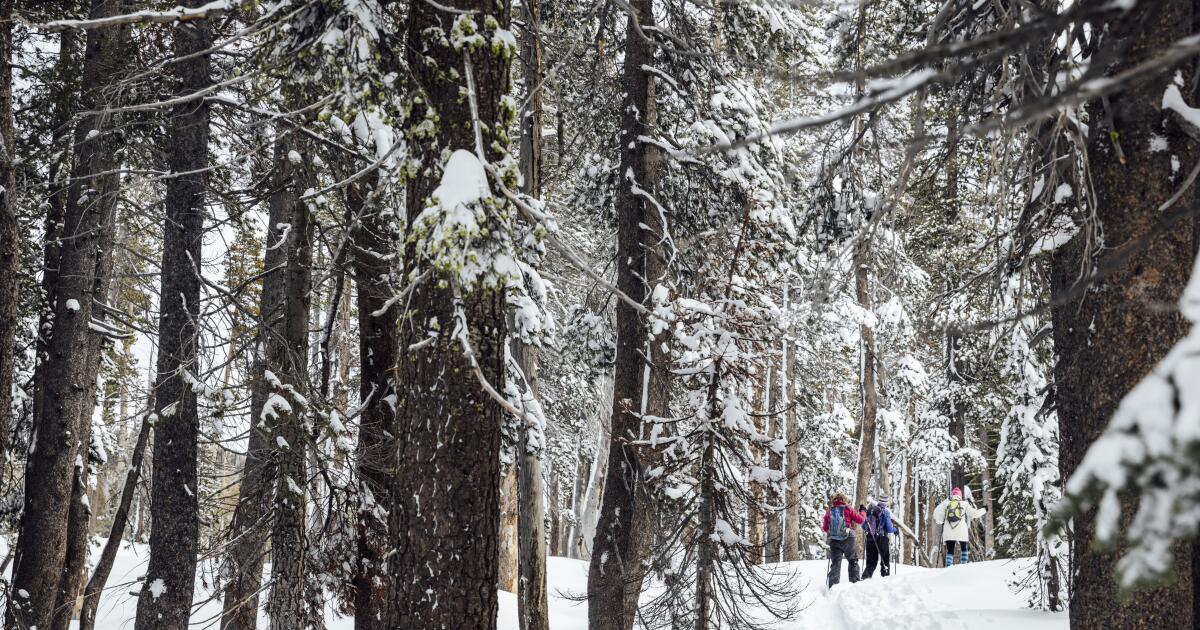
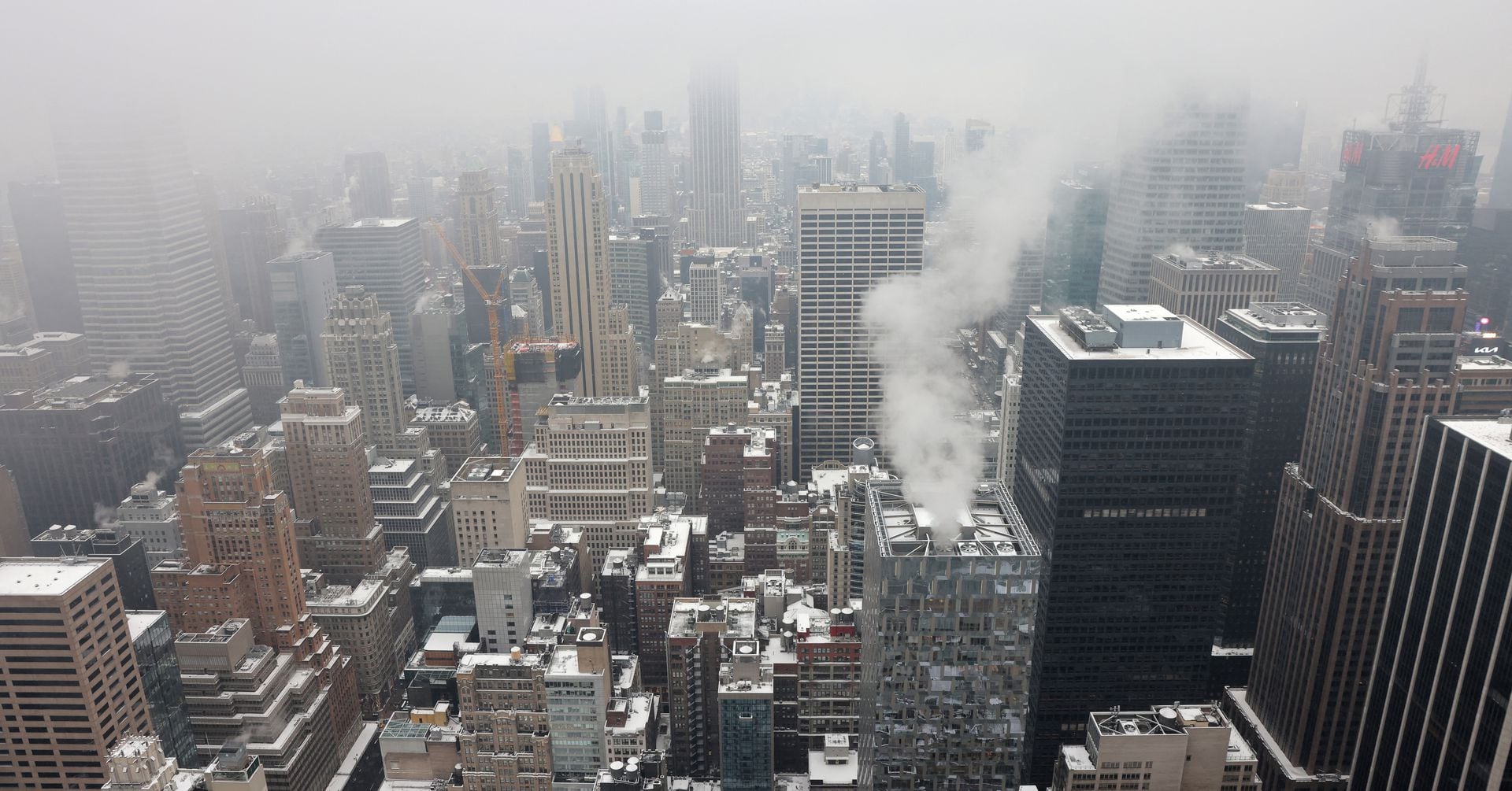
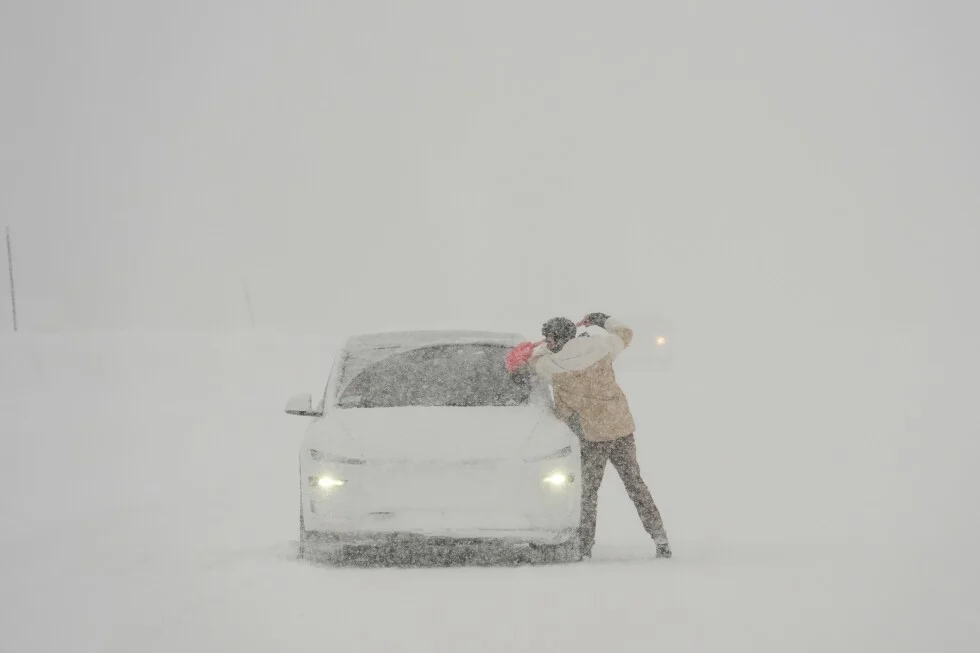
An Arctic blast has brought snow, freezing rain, and record-breaking cold to much of the United States, ending a nearly two-year "snow drought" in New York City and putting the West into a deep freeze. Record-breaking cold temperatures are expected across the Rocky Mountains, Great Plains, and Midwest, with significant snowfall in various regions. The extreme weather has resulted in deaths, power outages, and flight disruptions, prompting calls for electricity conservation in Texas.