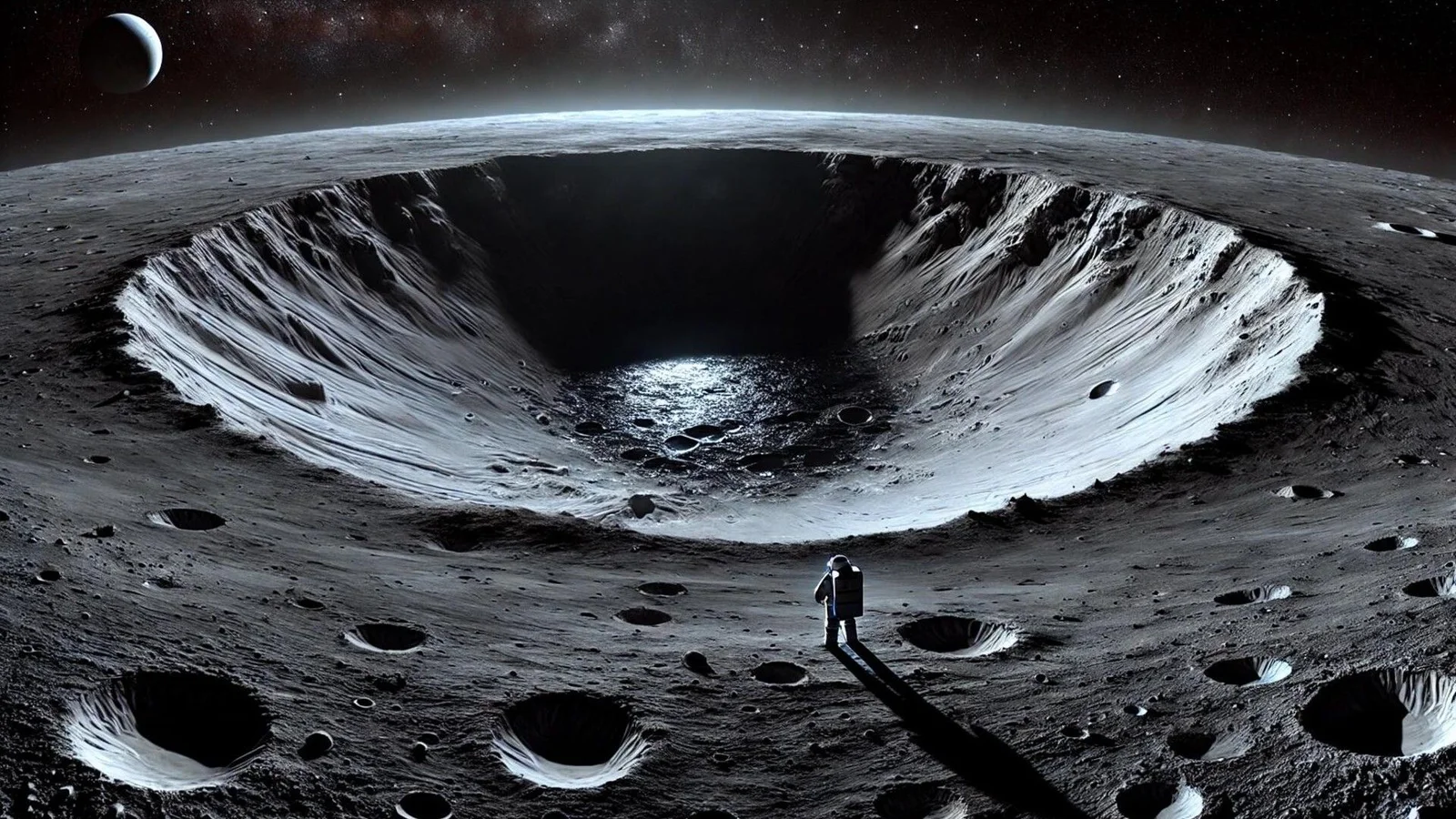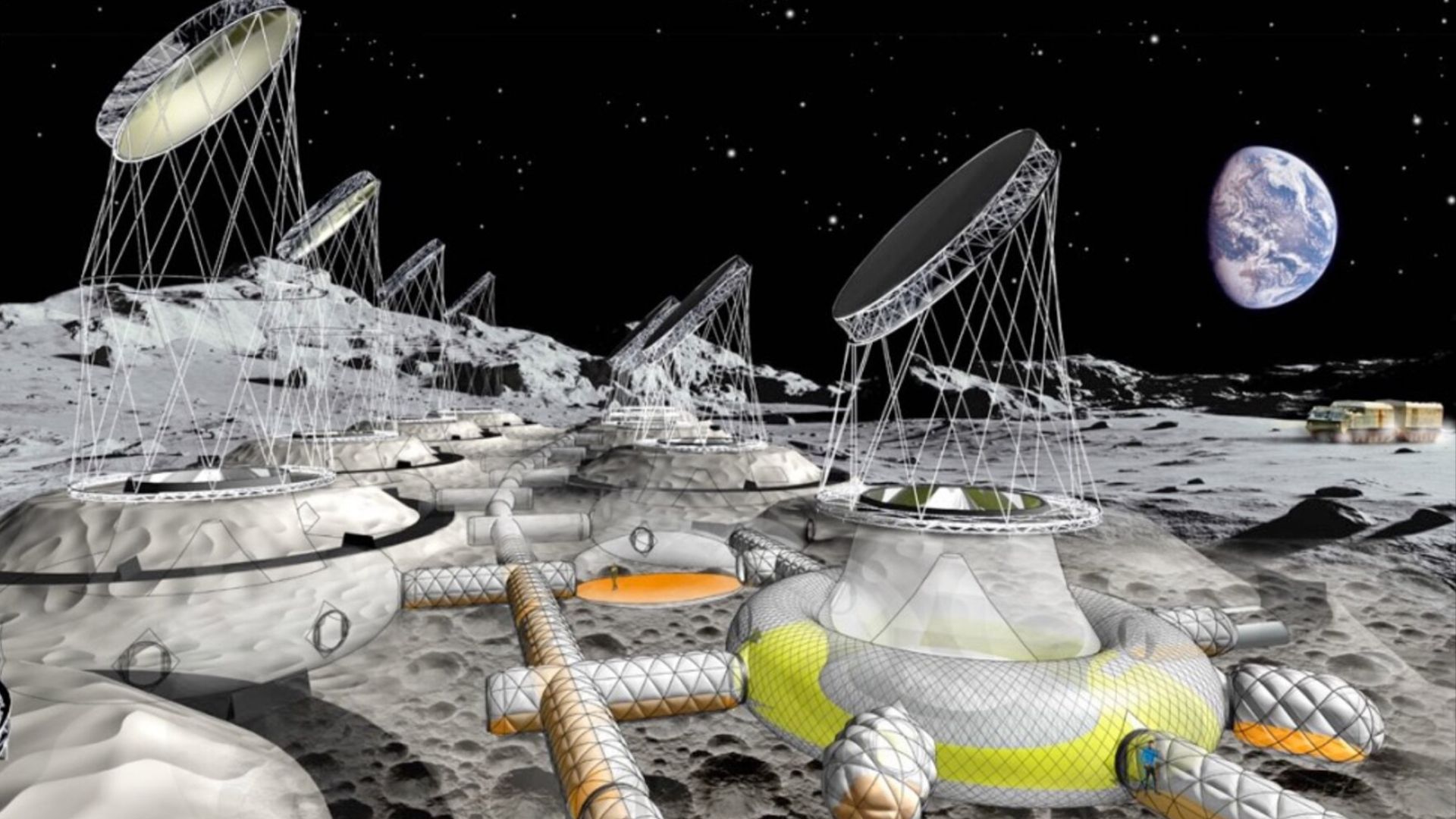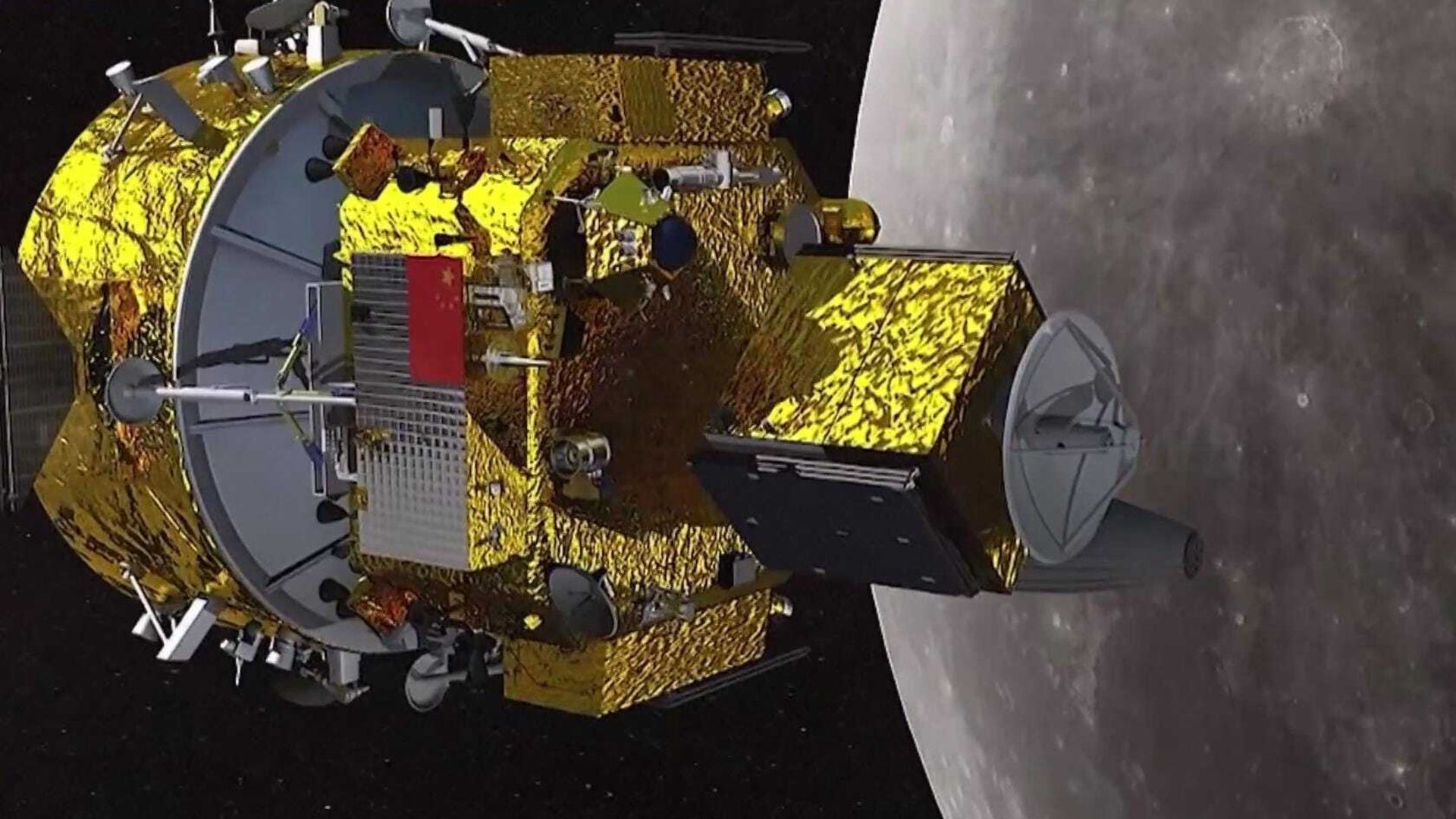
China's upcoming Chang'e 7 lunar mission, scheduled for 2026, aims to explore the moon's south pole, search for water ice, and support future lunar base plans, featuring international payloads and advanced scientific instruments.

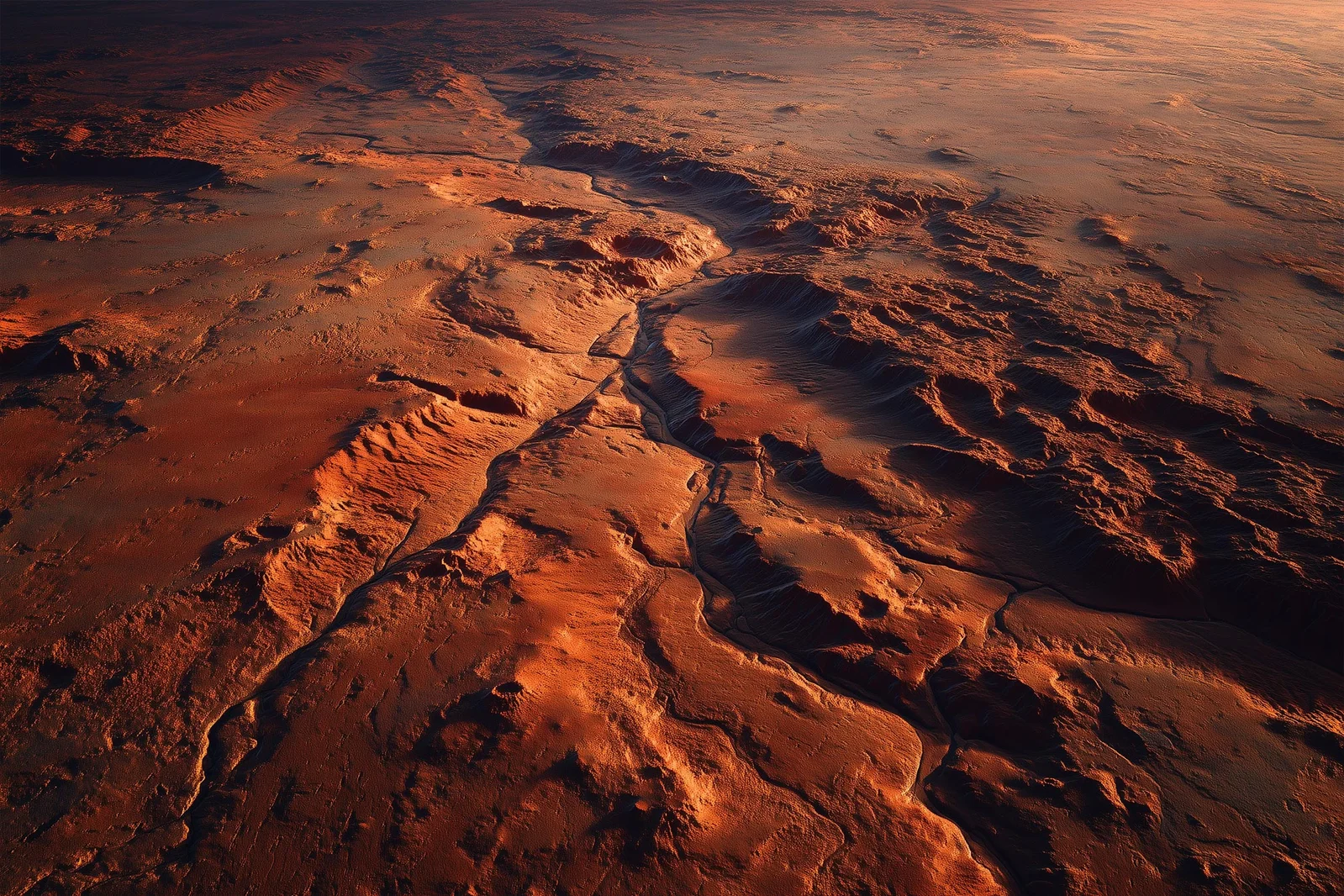
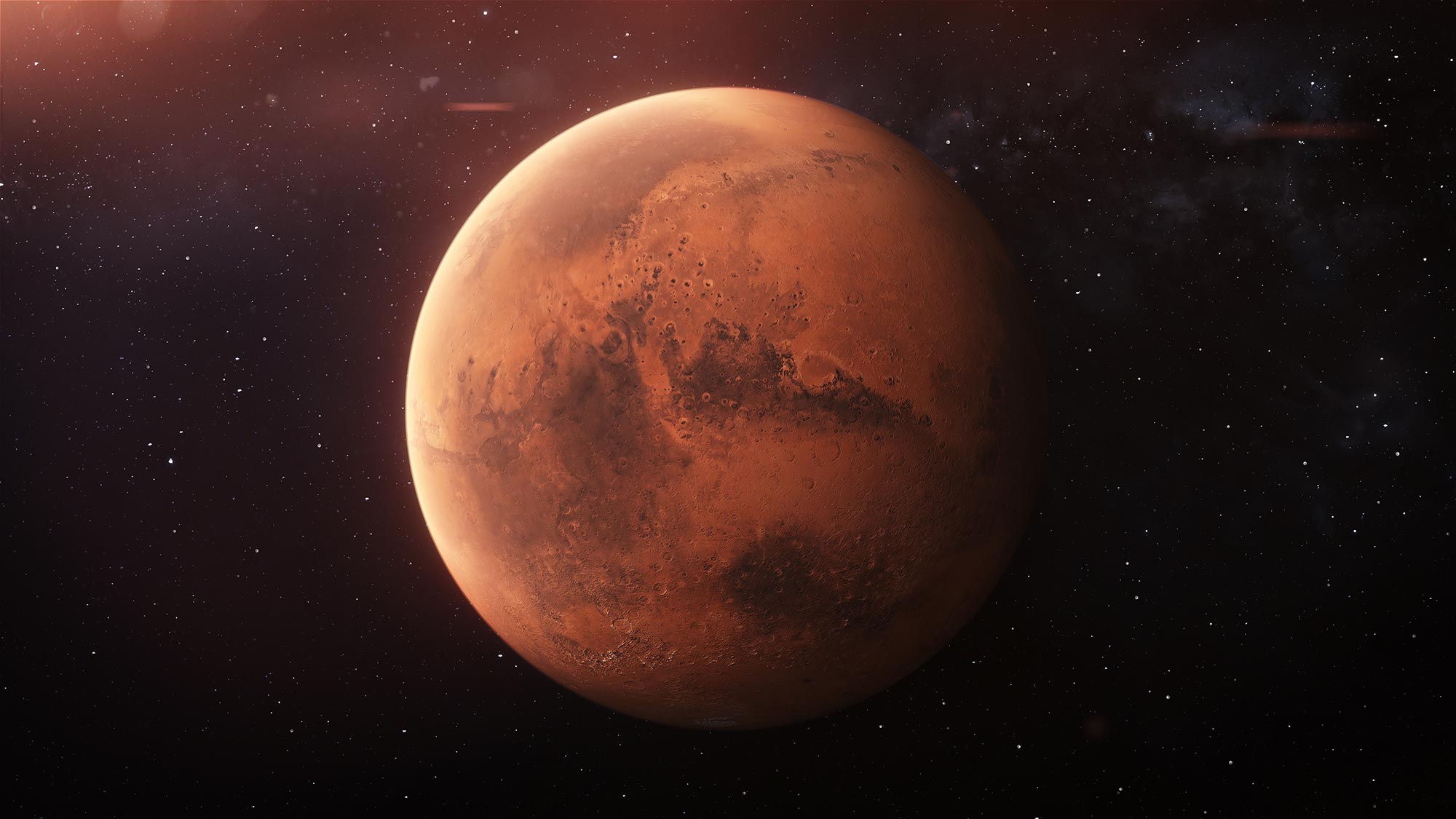
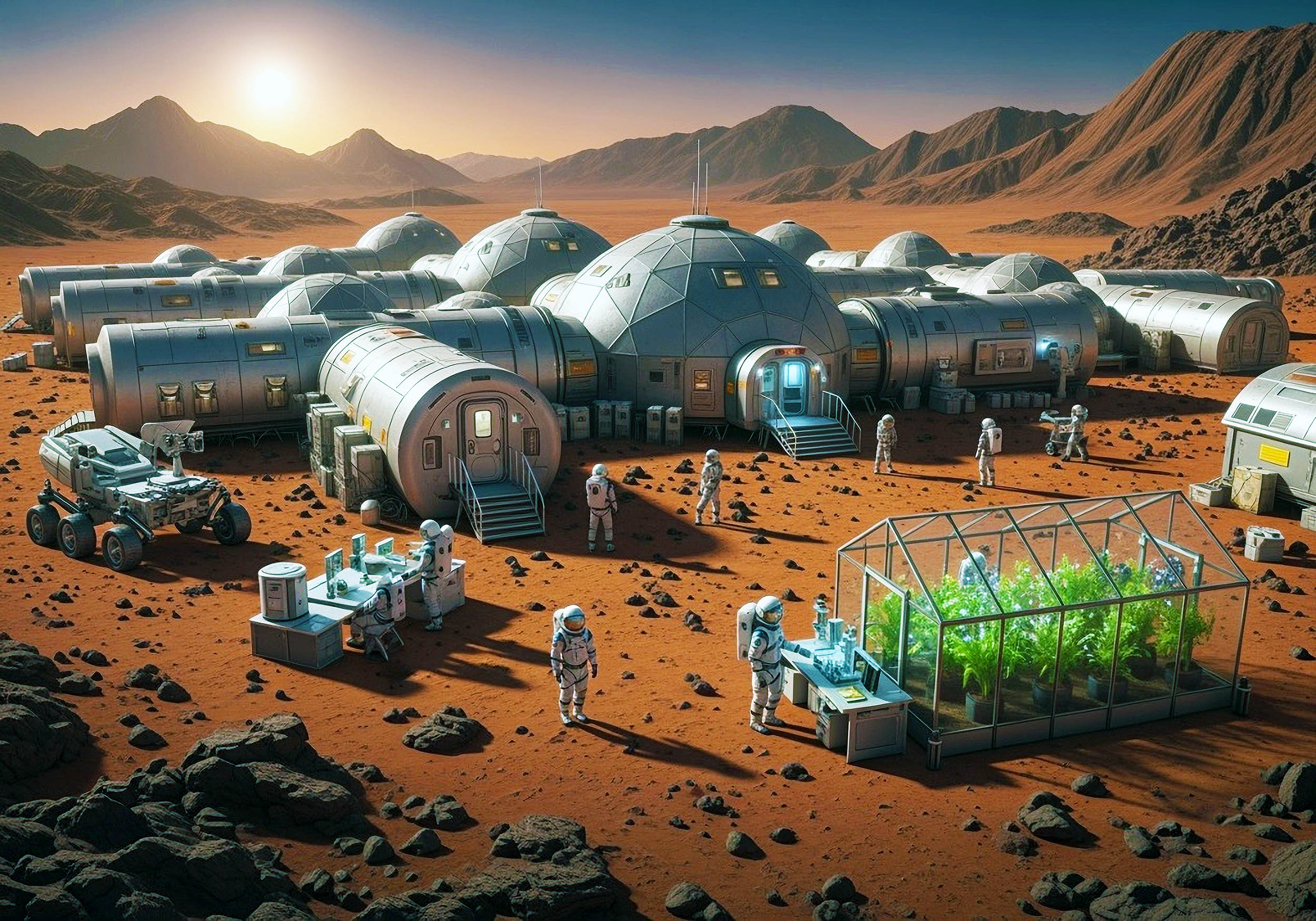
Scientists have identified Amazonis Planitia on Mars as a promising site for future human landings due to its optimal conditions, including accessible subsurface water ice, which could support long-term missions and reduce reliance on Earth resupply. Further exploration is needed to confirm the presence of water ice, but this discovery marks a significant step toward establishing a human presence on Mars.
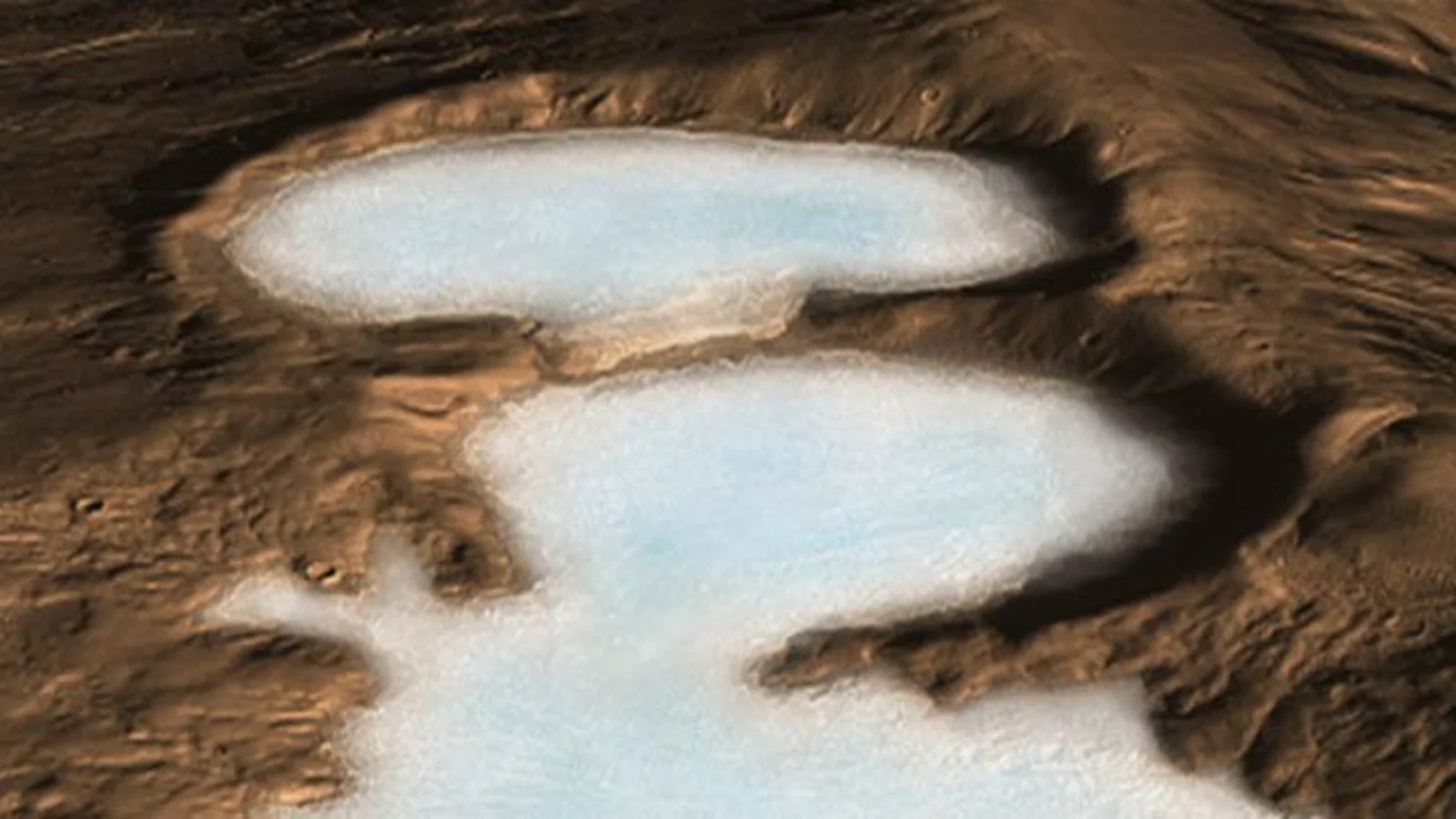
Scientists have discovered shallow water ice beneath the surface of Mars in a mid-latitude region, which could serve as a crucial resource for future human missions by providing water, fuel, and insights into the planet's habitability. The findings suggest promising landing sites and highlight the importance of further exploration to confirm the ice's characteristics, aiding planning for future exploration efforts.
Scientists highlight the need for comprehensive surveys and definitive evidence of water ice on the moon's polar regions to facilitate future exploration and resource utilization, emphasizing international collaboration and advanced missions.
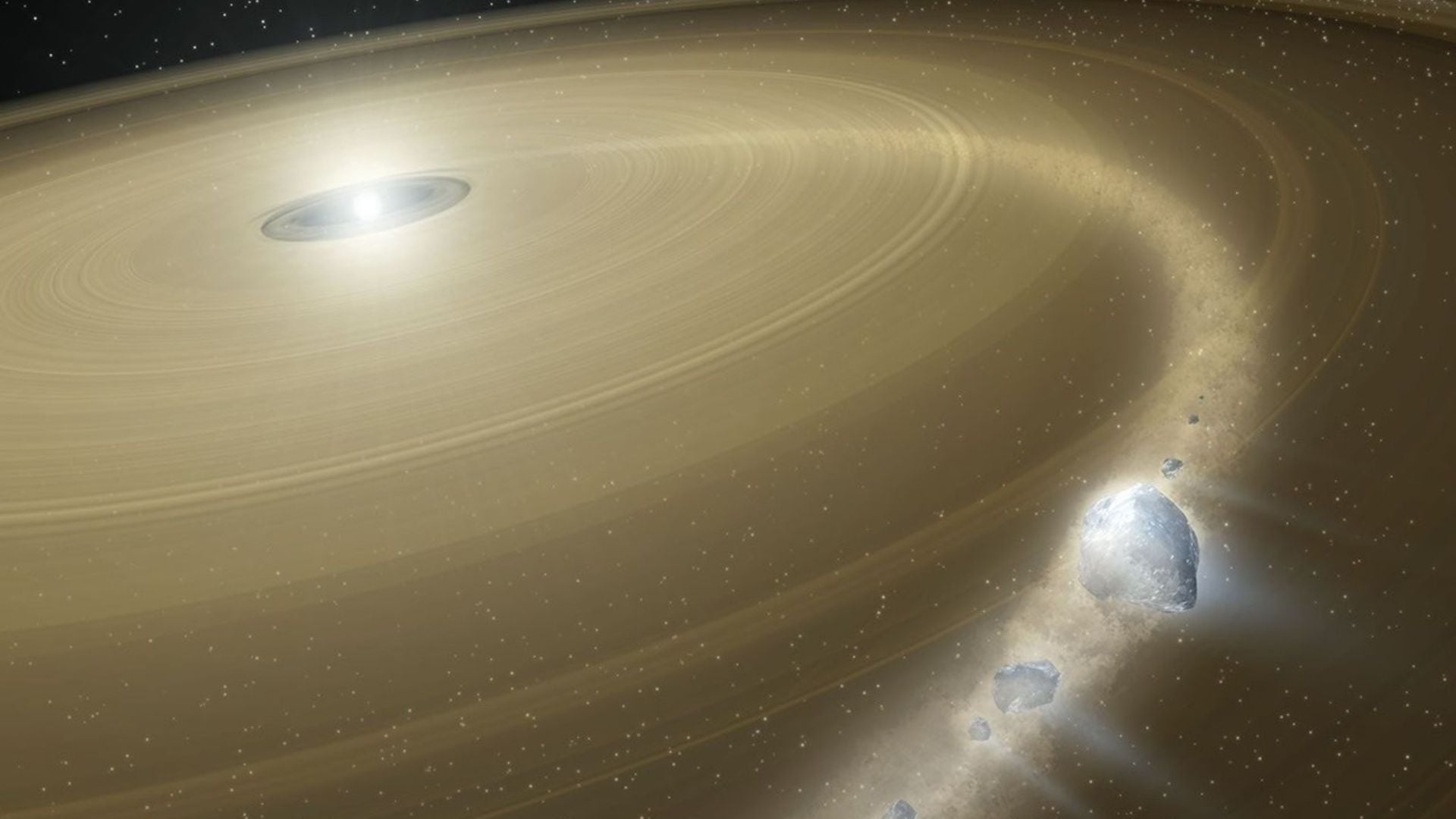
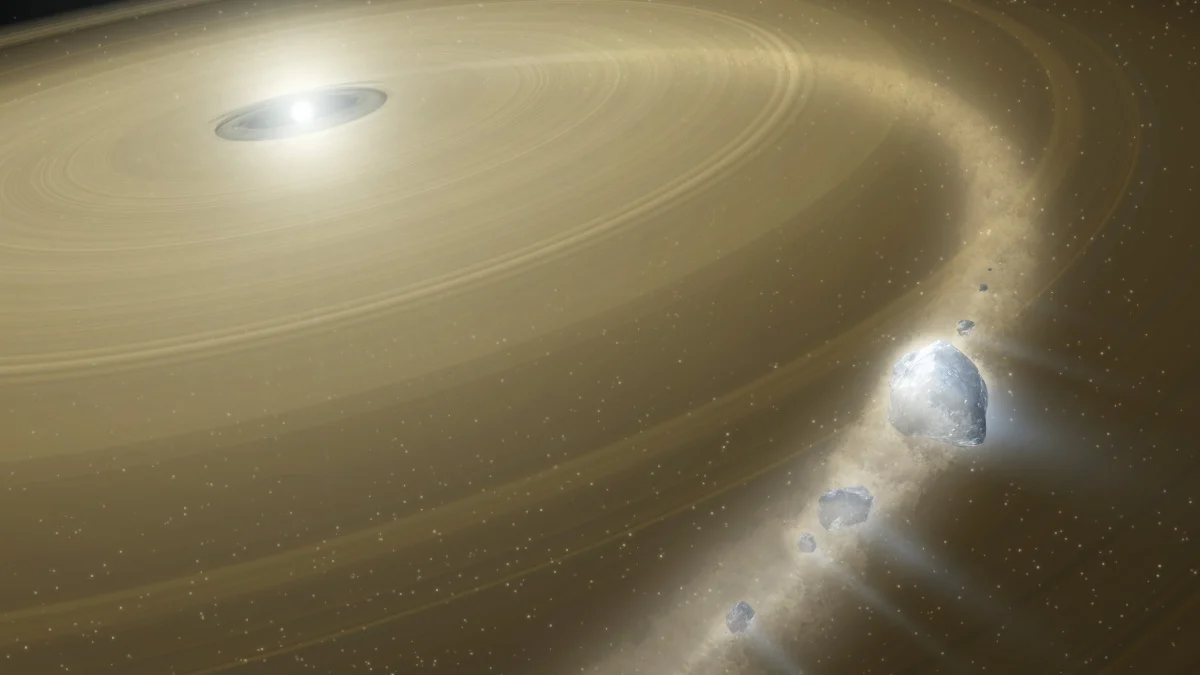
NASA's Hubble Space Telescope has observed a white dwarf star consuming a Pluto-like object rich in water ice and volatiles, providing insights into the future of our solar system as the star evolves into a white dwarf and potentially pulls in icy bodies from its Kuiper Belt.
Astronomers observed a Pluto-like icy body colliding with a white dwarf star, revealing that outer solar system objects can survive long after their star's death, and providing insights into planetary system evolution and water delivery in space.
New research reveals that Martian glaciers are over 80% pure ice, much more than previously thought, which has significant implications for understanding Mars' climate history and future exploration resources.
NASA plans to deploy a nuclear fission reactor on the moon by 2030 to support future lunar bases, resource extraction, and prepare for Mars exploration, with key challenges including selecting the optimal site near water ice deposits and protecting the reactor from lunar dust plumes during landings.
A new study using NASA's Mars Reconnaissance Orbiter reveals that glaciers on Mars are mostly composed of pure water ice, potentially making them valuable resources for future explorers, with consistent ice purity observed across different sites and hemispheres, suggesting similar formation conditions across the planet.
Scientists from the Weizmann Institute and the Planetary Science Institute discovered that Martian glaciers are over 80% pure water ice, challenging previous assumptions and indicating a larger water reserve on Mars, which has significant implications for future exploration and understanding the planet's climate history.
New research shows that Martian glaciers are over 80% pure water ice, which has significant implications for understanding Mars' climate history and future resource utilization, based on standardized radar analysis across multiple sites.
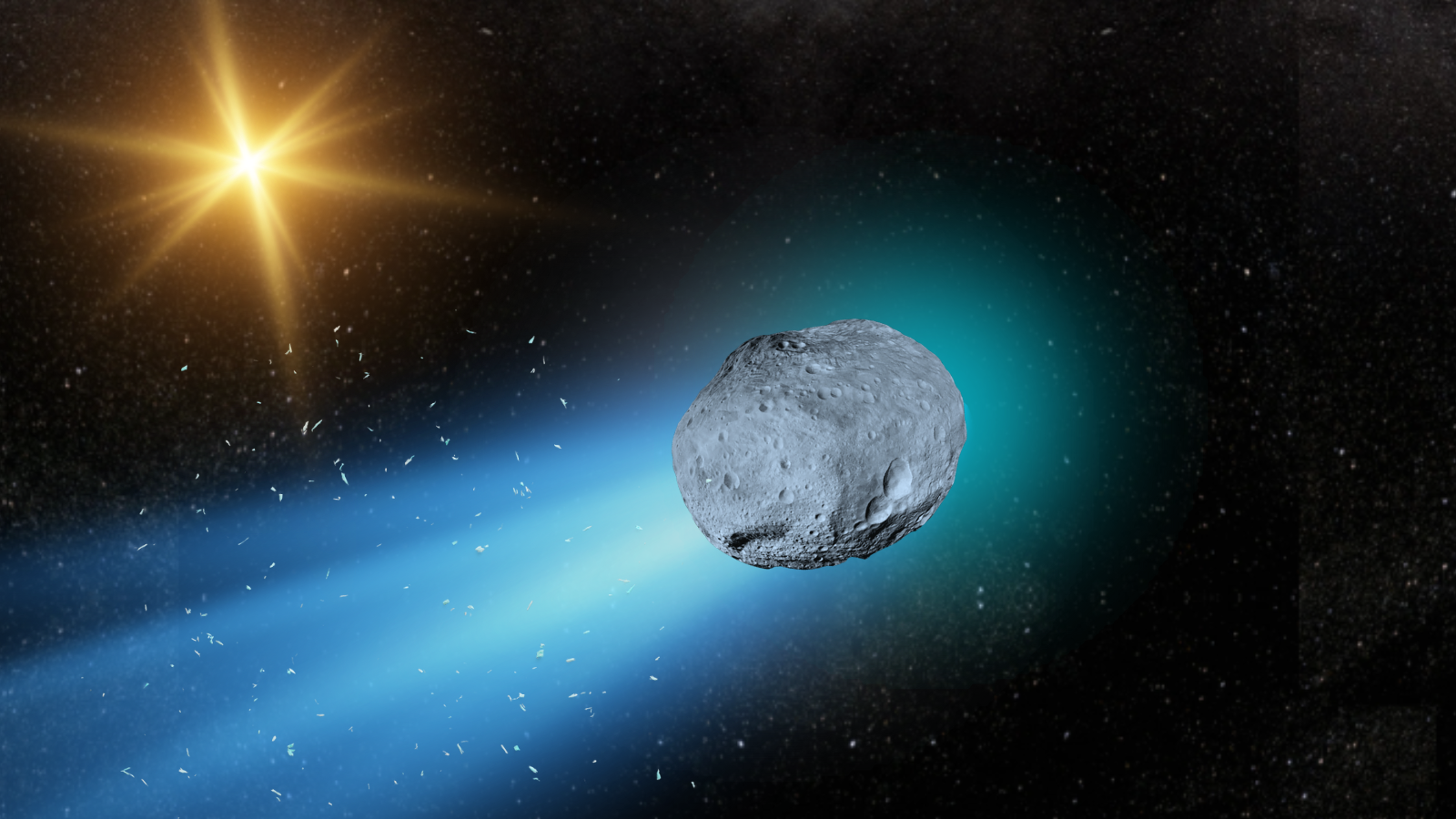
Scientists have discovered that interstellar comet 3I/ATLAS contains water ice potentially older than Earth, dating back around 7 billion years, and resembles asteroids with organic molecules, providing insights into conditions in other planetary systems and the early Milky Way.
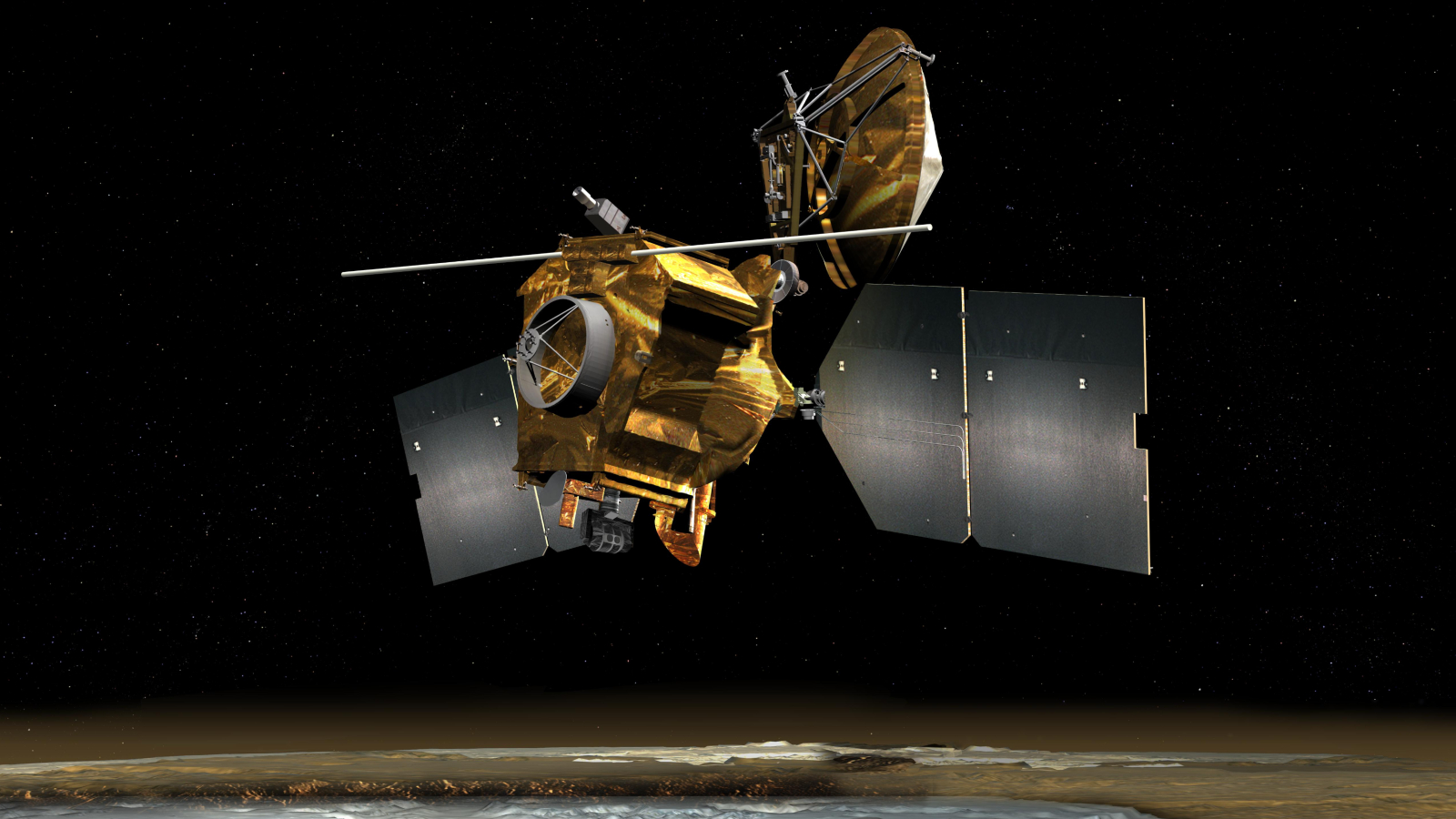
NASA's Mars Reconnaissance Orbiter has learned to perform large backward rolls to improve radar observations of Mars' subsurface water-ice, enhancing its ability to explore regions previously out of reach, which is vital for future human missions and understanding Mars' climate history.
Scientists have identified a promising site on Mars, Amazonis Planitia, where shallow ice just beneath the surface could support future human settlements by providing essential water resources, while also offering insights into the planet's past habitability. Further exploration with advanced radar and rover missions is needed to confirm its viability.
Scientists have identified a promising location on Mars, Amazonis Planitia, where shallow underground ice could be accessible for future human explorers, providing essential resources like water and supporting the potential for sustainable colonization and astrobiological research.