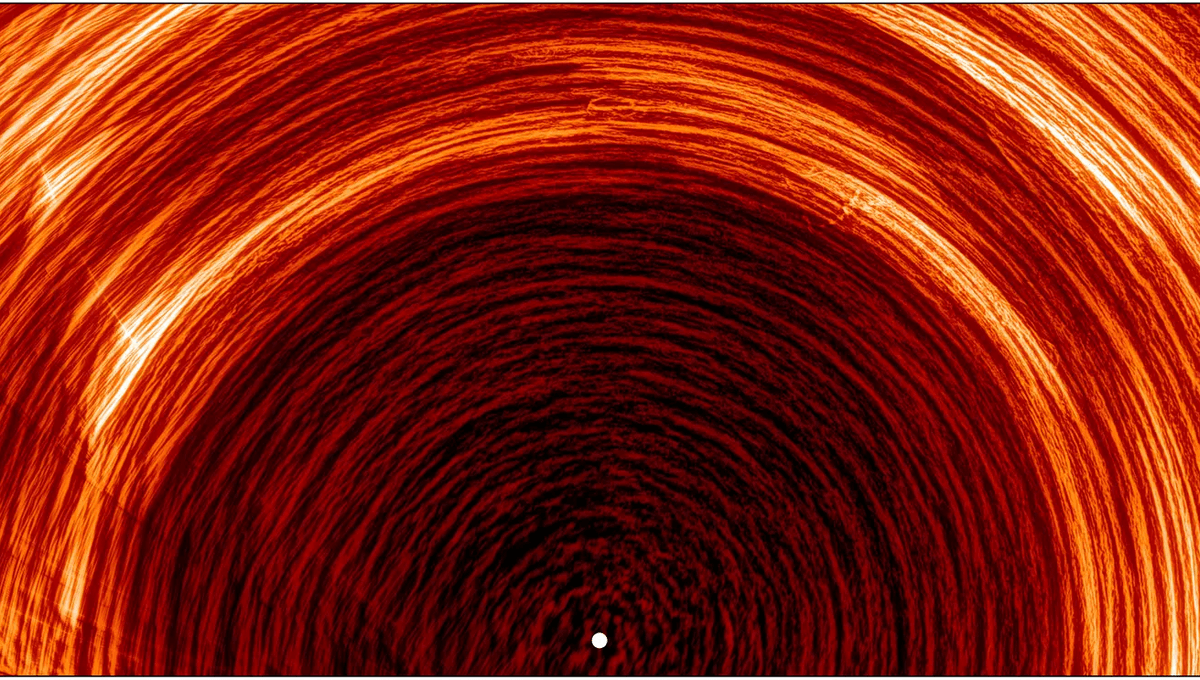
For the first time, the European Space Agency's Solar Orbiter has captured images of the Sun's polar magnetic field, revealing that plasma and magnetic activity at the poles move faster than previously thought, providing new insights into the Sun's 11-year activity cycle.
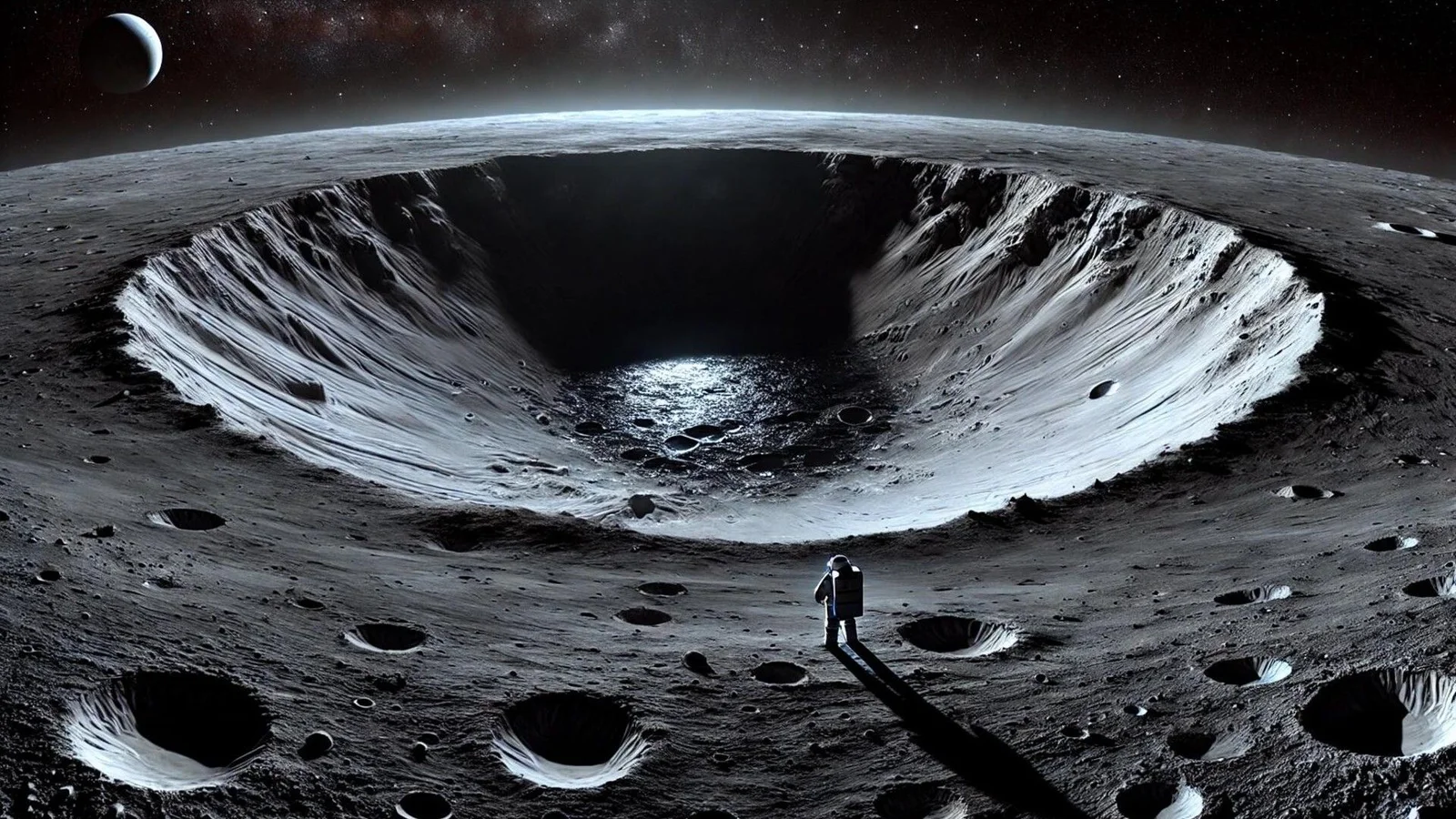
Scientists highlight the need for comprehensive surveys and definitive evidence of water ice on the moon's polar regions to facilitate future exploration and resource utilization, emphasizing international collaboration and advanced missions.
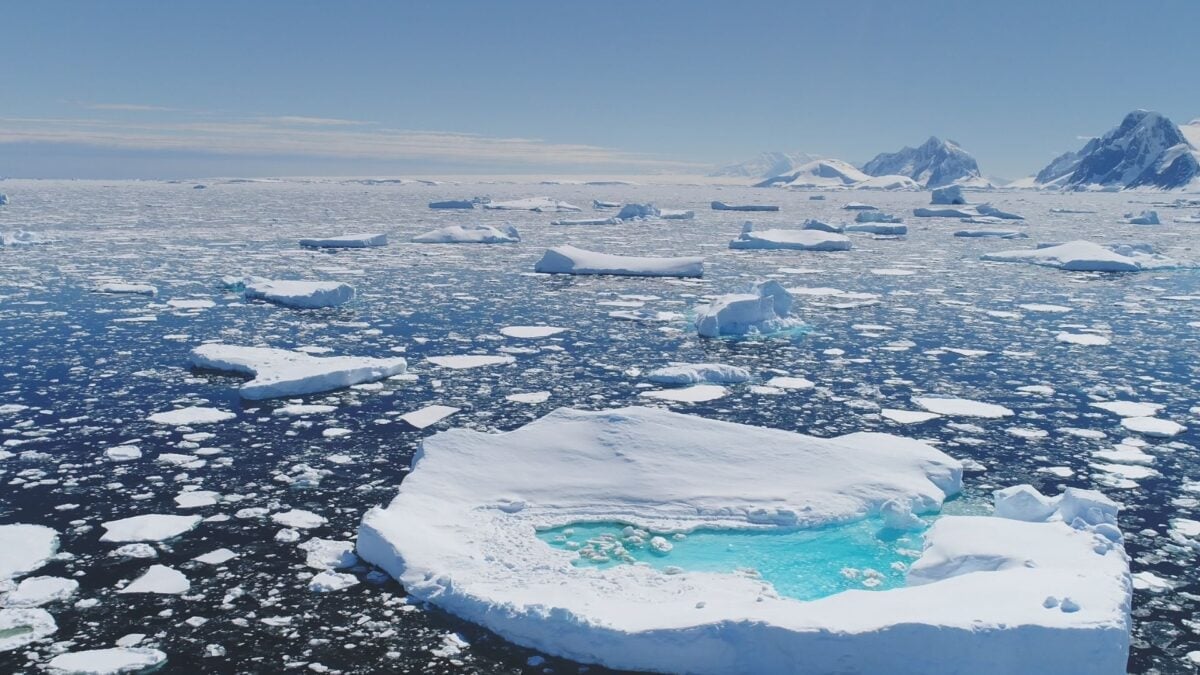
A review published in Frontiers in Science warns that proposed geoengineering solutions to slow polar ice melt, such as spraying reflective particles or creating underwater barriers, are likely to cause more environmental harm than good, are costly, and lack sufficient governance, emphasizing the need to focus on reducing greenhouse gas emissions instead.
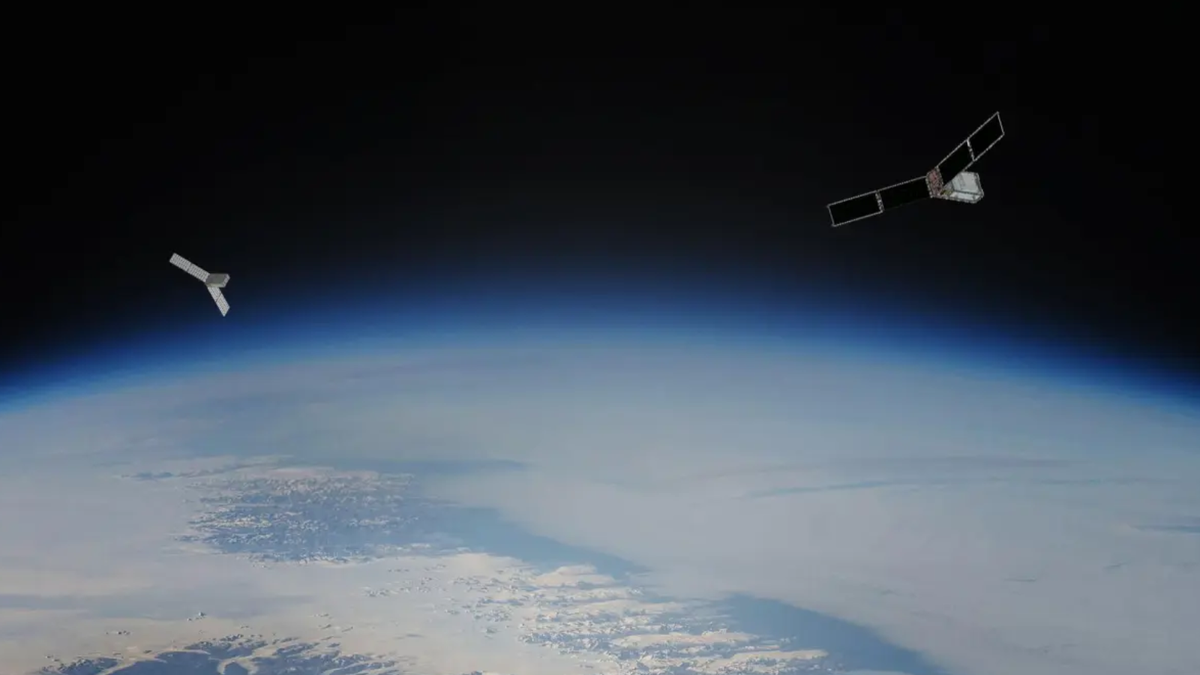
NASA is set to launch twin spacecraft as part of the PREFIRE mission to monitor heat lost from Earth's polar regions, aiming to improve climate models and understand the impact of climate change. The satellites will measure the full spectrum of heat lost from the poles, providing crucial data on atmospheric temperature, surface properties, water vapor, and clouds. The mission seeks to address the lack of data on how efficiently the poles radiate heat into space, ultimately helping scientists gain a more accurate understanding of climate change and its global effects.
NASA is launching two miniature CubeSats as part of the PREFIRE mission to study heat loss from Earth's polar regions, aiming to improve climate models and predictions. The satellites will carry thermal infrared spectrometers to measure far-infrared wavelengths of heat radiation, providing crucial data on climate variables such as atmospheric temperature, surface properties, water vapor, and clouds. The mission seeks to understand the impact of polar region changes on global weather patterns and sea level rise, ultimately enhancing our understanding of climate change.
NASA is launching two small CubeSats as part of the PREFIRE mission in spring 2024 to gather data from Earth's polar regions, aiming to improve climate models and predictions. The satellites will measure heat loss from the poles using thermal infrared spectrometers, providing crucial information about how the planet's energy budget and climate are affected by changes in the Arctic and Antarctic. The mission, developed in collaboration with the University of Wisconsin-Madison, will help scientists better understand and project the impact of climate change on polar ecosystems, sea levels, and global weather patterns.
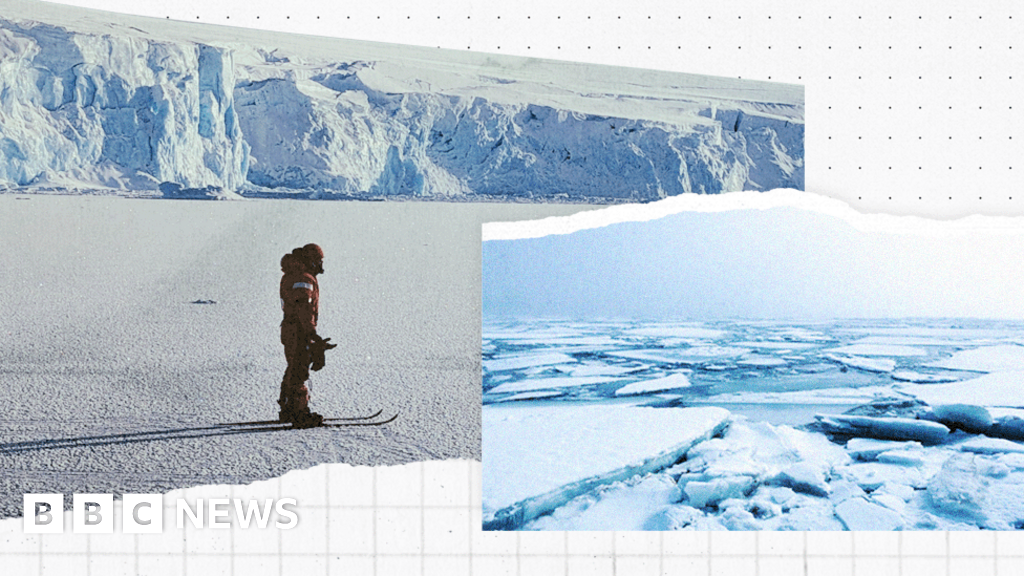
Satellite data shows that the sea-ice surrounding Antarctica is at a record low, signaling a worrying trend for a region that was once considered resistant to global warming. The loss of sea-ice could have far-reaching consequences, as Antarctica's ice helps regulate the planet's temperature by reflecting sunlight and cooling the water. Without its ice, Antarctica could become a heat source rather than a cooling one. The current extent of sea-ice is well below previous winter record lows, and experts are concerned that it may not recover significantly. Scientists are still studying the factors contributing to this decline, but the loss of sea-ice could lead to a feedback loop of ice melting and increased heat absorption, disrupting Antarctica's role as a global temperature regulator. The impacts of shrinking sea-ice could be catastrophic, including rising sea levels and high storm surges.
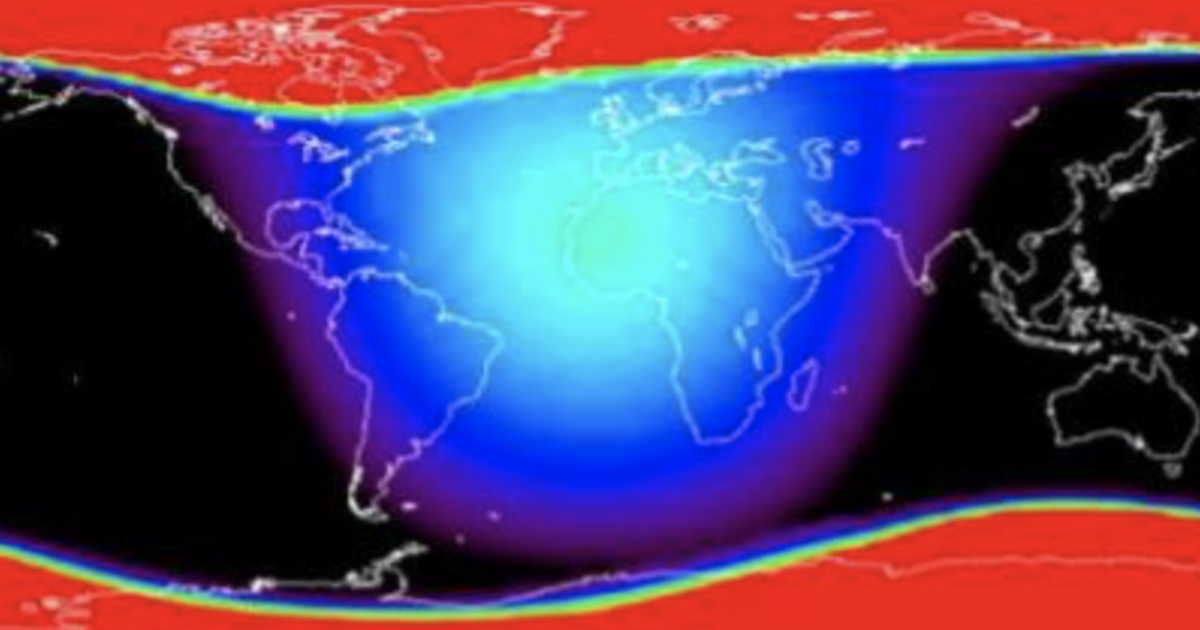
The ongoing solar storm has hit the polar regions, potentially causing days-long radio blackouts as a "cannibal" coronal mass ejection (CME) makes its way to Earth from the sun. The Polar Cap Absorption event is absorbing high-frequency radio waves while reflecting low-frequency waves at lower altitudes. The solar radiation storm is classified as S1, causing no biological impacts but could result in radio blackouts at the poles. NOAA predicts the event to continue throughout July 18 and possibly into July 19.