Tory Bruno resigned as President and CEO of United Launch Alliance after nearly 12 years, during which he led the company through significant milestones including the Vulcan rocket's debut; John Elbon has been appointed interim CEO as ULA searches for a permanent replacement.
United Launch Alliance (ULA) is increasing its focus on reusability by working on recovering the engine section of its Vulcan rocket and pursuing new projects, as part of its efforts to enhance space launch capabilities for national security missions.
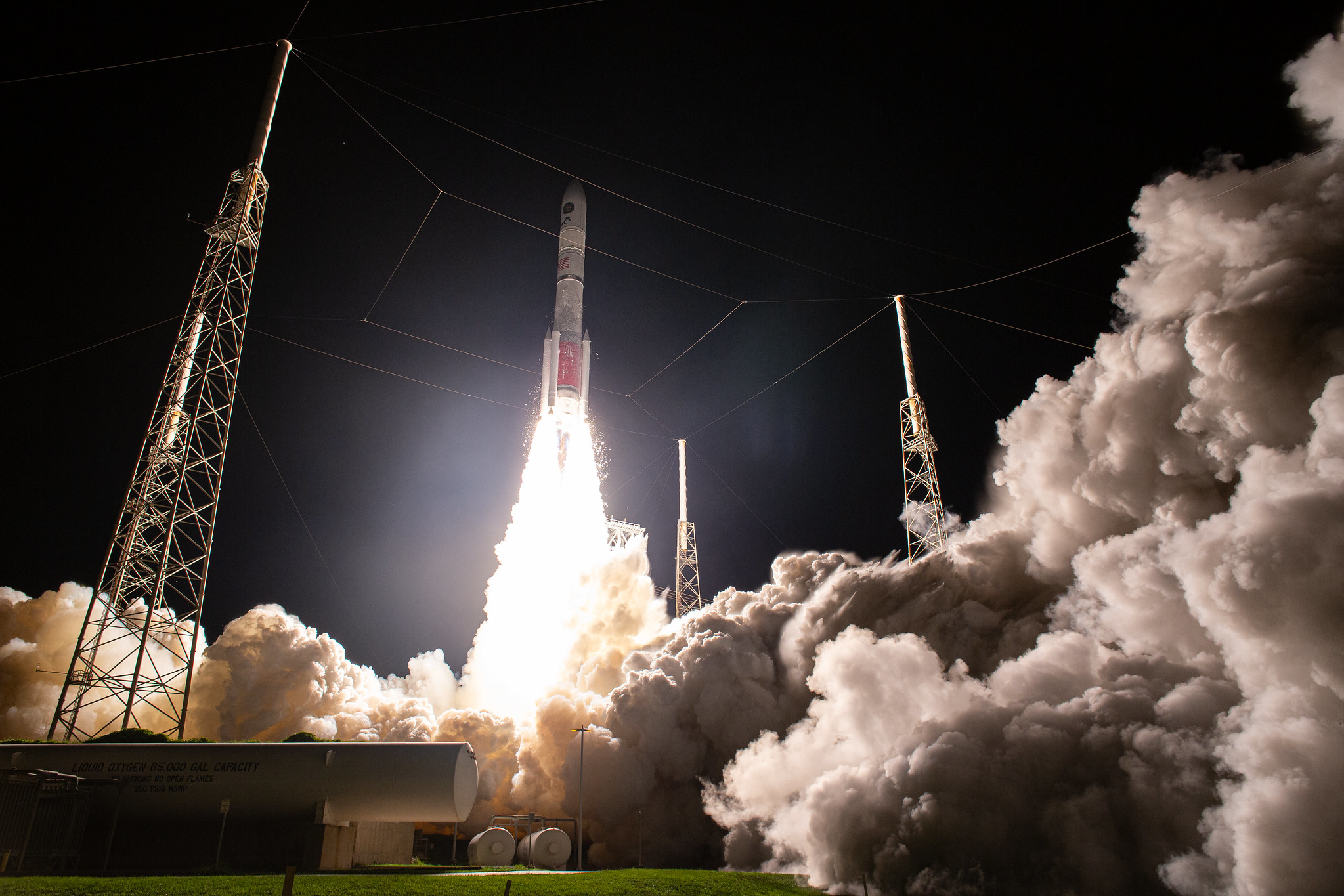
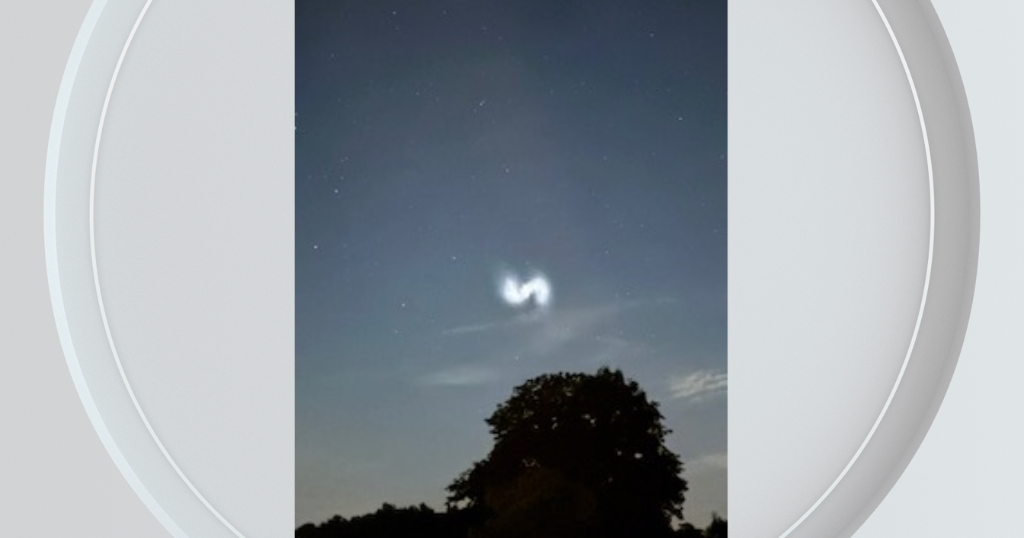
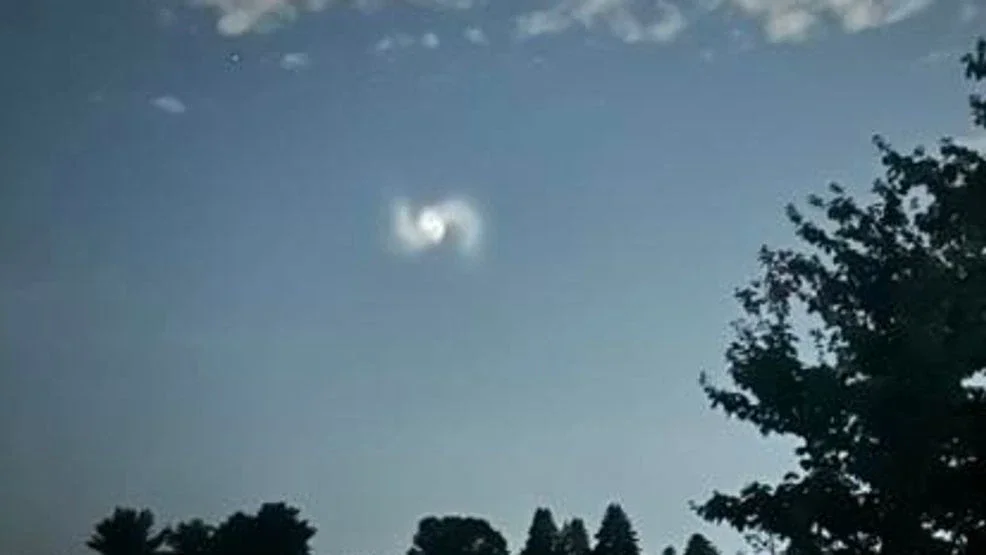
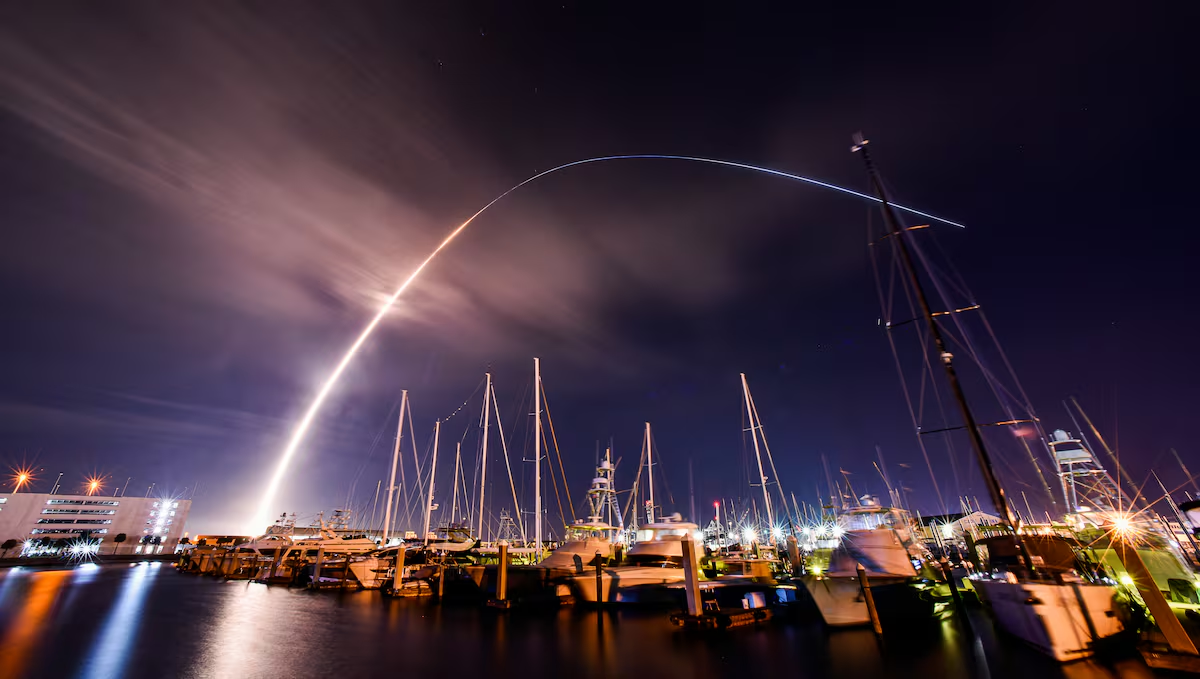
Several residents in western Pennsylvania observed bright lights in the sky, which were identified as the launch of a United Launch Alliance Vulcan rocket from Cape Canaveral, Florida, carrying military satellites for the U.S. Space Force.
Residents across Pennsylvania observed swirling lights in the sky following the launch of United Launch Alliance's Vulcan rocket from Florida, which deployed military satellites for the U.S. Space Force, marking the first operational flight of this new launcher.
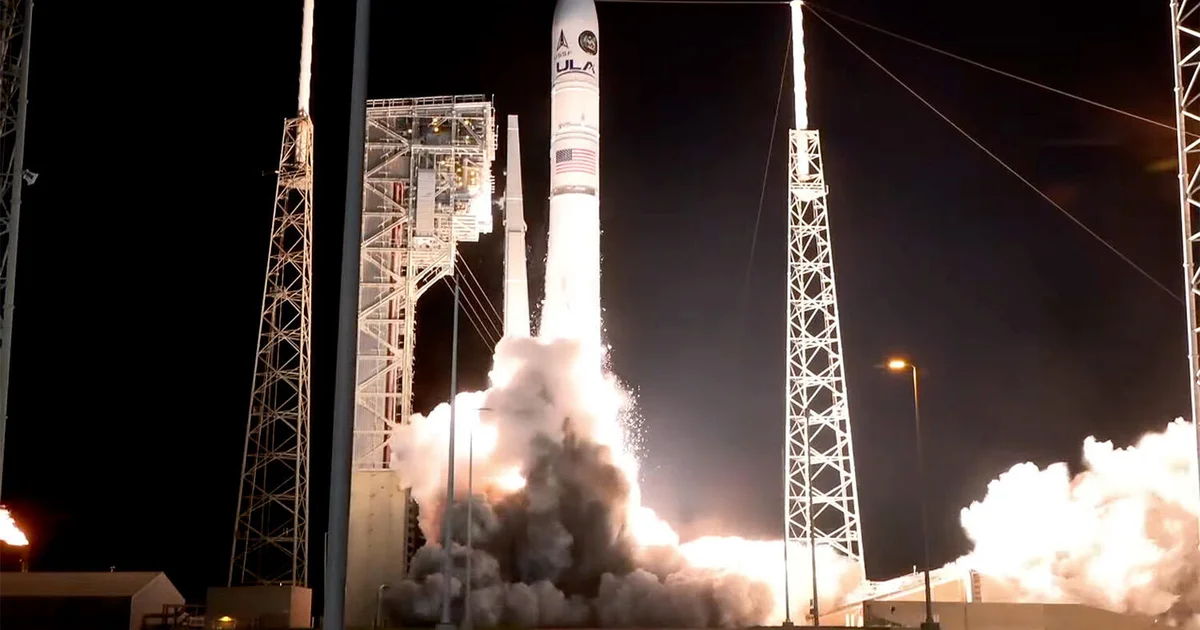
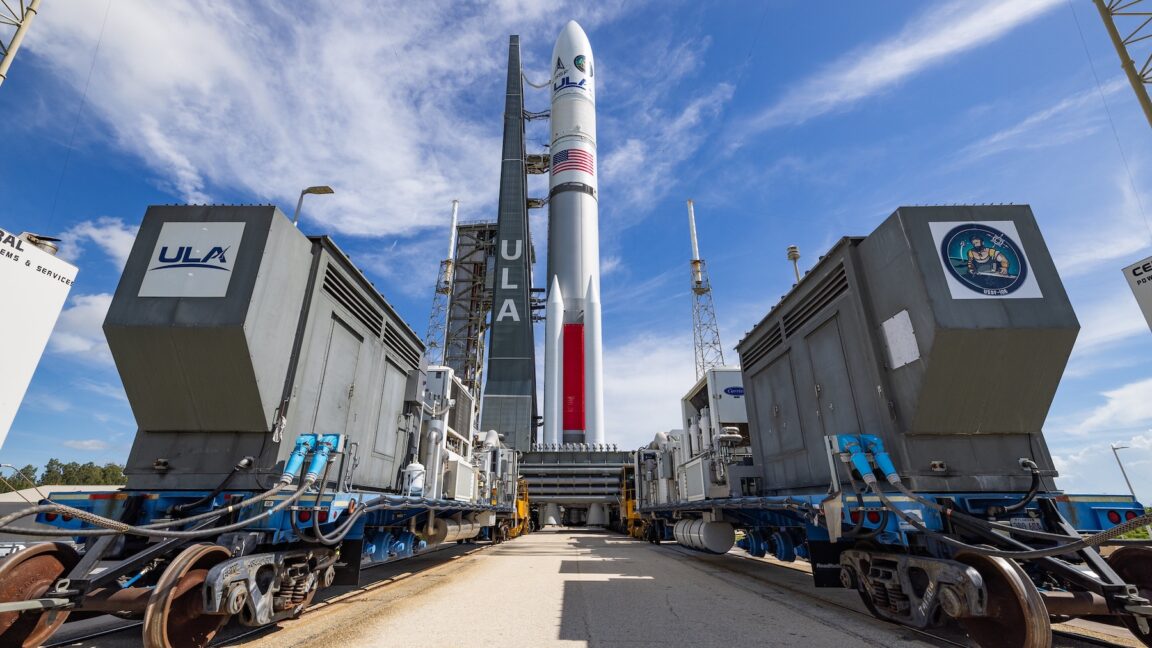
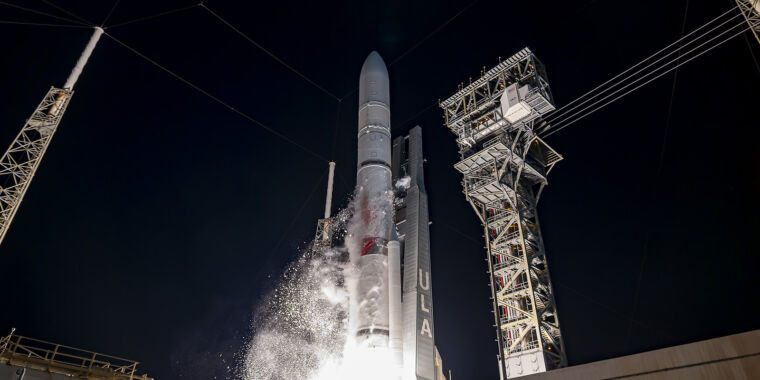
United Launch Alliance successfully launched its first operational Vulcan rocket on a Space Force mission, marking a milestone as the first national security launch with this new launcher, which will replace older ULA rockets and support high-orbit military payloads, including classified satellites and advanced navigation technology.
United Launch Alliance successfully launched its first operational Vulcan rocket on a Space Force-sanctioned mission, deploying military satellites including a classified payload and an experimental navigation satellite, marking a significant milestone in ULA's transition to an all-Vulcan fleet and the replacement of older rockets.
Space Force's Vulcan rocket, relying solely on US-made engines, successfully launched the NTS-3 satellite to test advanced navigation and anti-jamming technologies, marking a significant step in reducing reliance on Russian engines and enhancing military satellite capabilities.
ULA is set to launch its first national security payload on the Vulcan rocket, marking its return to launching for the US Space Force after certification delays, with a mission to deploy two satellites including the innovative NTS-3 navigation satellite to enhance GPS capabilities.
United Launch Alliance's Vulcan rocket is set to conduct its first military mission on August 12 from Cape Canaveral, carrying Space Force satellites including the experimental NTS-3, marking a significant milestone after delays and certification, with the mission supporting advancements in GPS and PNT capabilities.
United Launch Alliance is exploring the concept of keeping the upper stages of its Vulcan Centaur rockets in space to perform additional tasks such as satellite maneuvering and countering threats. The company's CEO, Tory Bruno, envisions a fleet of reusable upper stages in orbit, potentially opening up new missions for the company. ULA is also working on increasing its launch cadence and expanding its infrastructure to support future missions, while facing delays with the payload for its upcoming rocket launch.
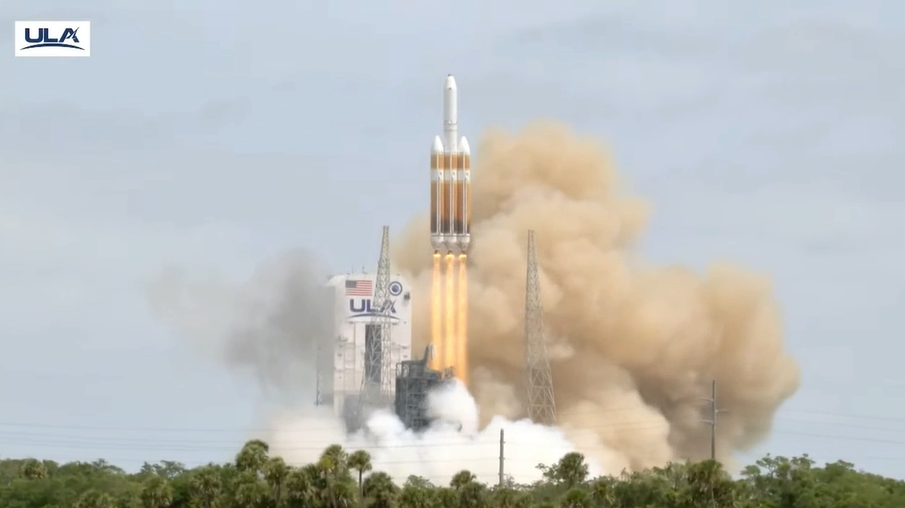
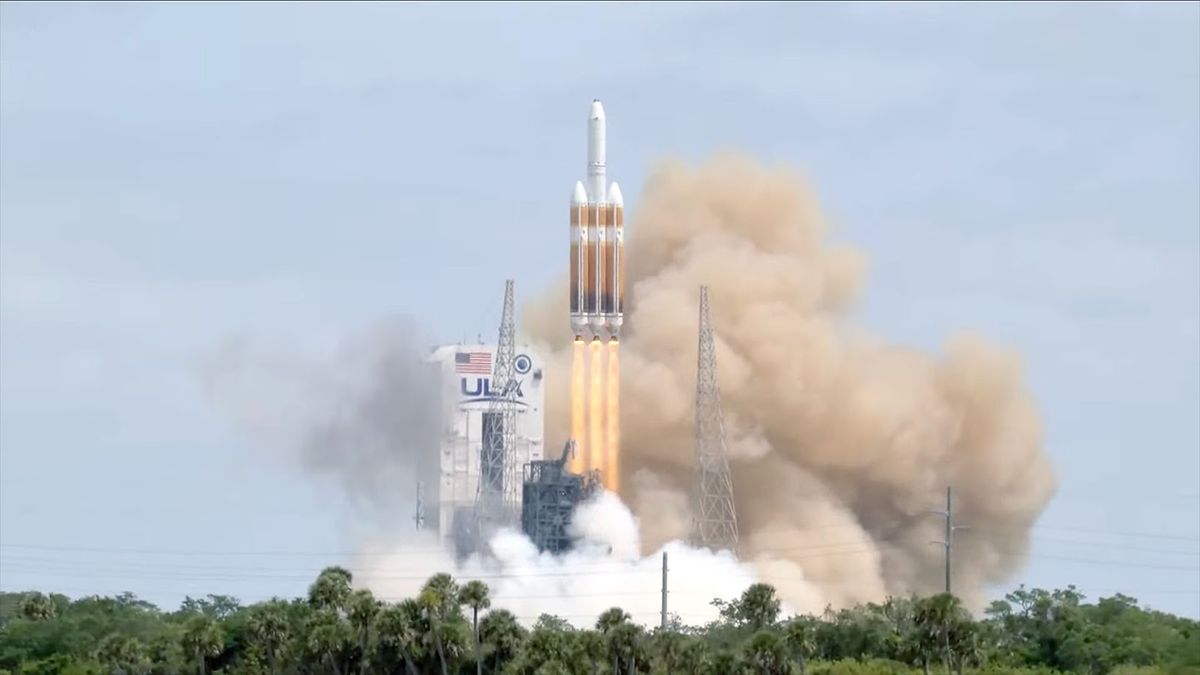
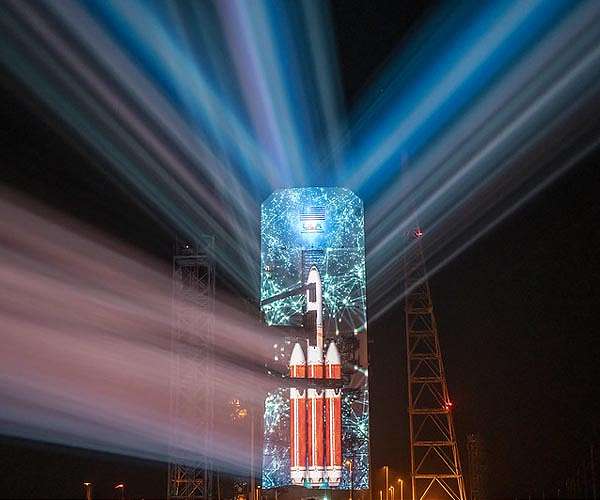
The Delta IV Heavy rocket took its final flight from Cape Canaveral, marking the end of a six-decade legacy of rockets. With a flawless prelaunch countdown, the rocket lifted off on time, carrying a classified satellite for the National Reconnaissance Office. This historic launch signifies the retirement of the Delta family of rockets, making way for the next generation led by the new Vulcan rocket.
United Launch Alliance (ULA) launched its final Delta IV Heavy rocket, marking the end of a 64-year history of Delta rocket launches. The rocket carried a classified payload for the U.S. National Reconnaissance Office (NRO) and ignited a unique spectacle due to hydrogen buildup in the flame trench. ULA is retiring the Delta IV in favor of its newly introduced Vulcan rocket, designed specifically for national security space missions. The Delta rocket family has a storied legacy, with various versions and configurations contributing to significant space exploration milestones, and only a few Delta rockets are preserved in museums and rocket parks today.
After the successful debut of the Vulcan rocket, United Launch Alliance faces uncertainty over its next launch due to payload readiness, particularly the Dream Chaser spacecraft for Sierra Space. The company aims to obtain certification from the Space Force for national security payloads, but the spacecraft's potential delay may lead to alternative launch options. Additionally, ULA is eager to exit the certification phase and begin flying contracted missions, but the availability of BE-4 rocket engines remains a pacing item in the supply chain. ULA has reportedly sought an expedited certification process from the Space Systems Command based on the rocket's initial launch data, similar to SpaceX's single-flight certification for the Falcon Heavy rocket in 2018.
The final mission of the Delta IV Heavy rocket, carrying the NROL-70 security payload, marks the end of an era for the venerable rocket series that has been a cornerstone of American space endeavors since 1960. With a rich history of achievements and innovations in space exploration, the Delta IV Heavy has completed 388 missions and played a pivotal role in deploying GPS satellites, leading exploratory missions to Mars and Mercury, launching significant payloads, and facilitating commercial satellite launches. The forthcoming launch not only commemorates the end of an era but also paves the way for the future with the introduction of the Vulcan rocket, poised to continue the tradition of innovation and exploration in the space sector.
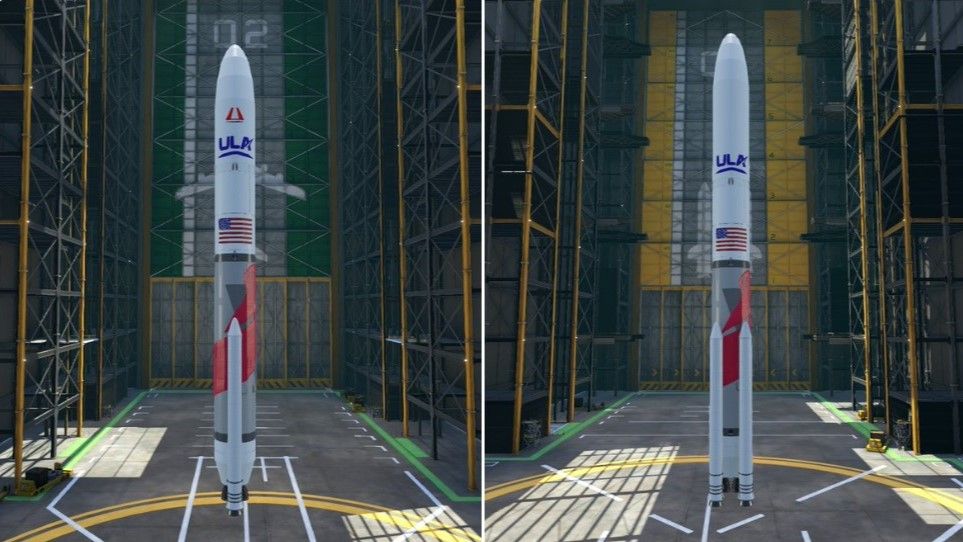
Kerbal Space Program and United Launch Alliance (ULA) partnered to challenge users to recreate ULA's Vulcan Centaur rocket in the Kerbal universe, with the winner being The Space Peacock for their near-perfect recreation. Both companies recently completed significant launches, and ULA's CEO Tory Bruno expressed positivity about the contest and the game's impact on STEM education. KSP2, the sequel to the popular spaceflight simulation game, aims to make rocket science accessible and engaging for players at any skill level, while ULA's Vulcan rocket had a successful first flight and is manifested for six flights in 2024.