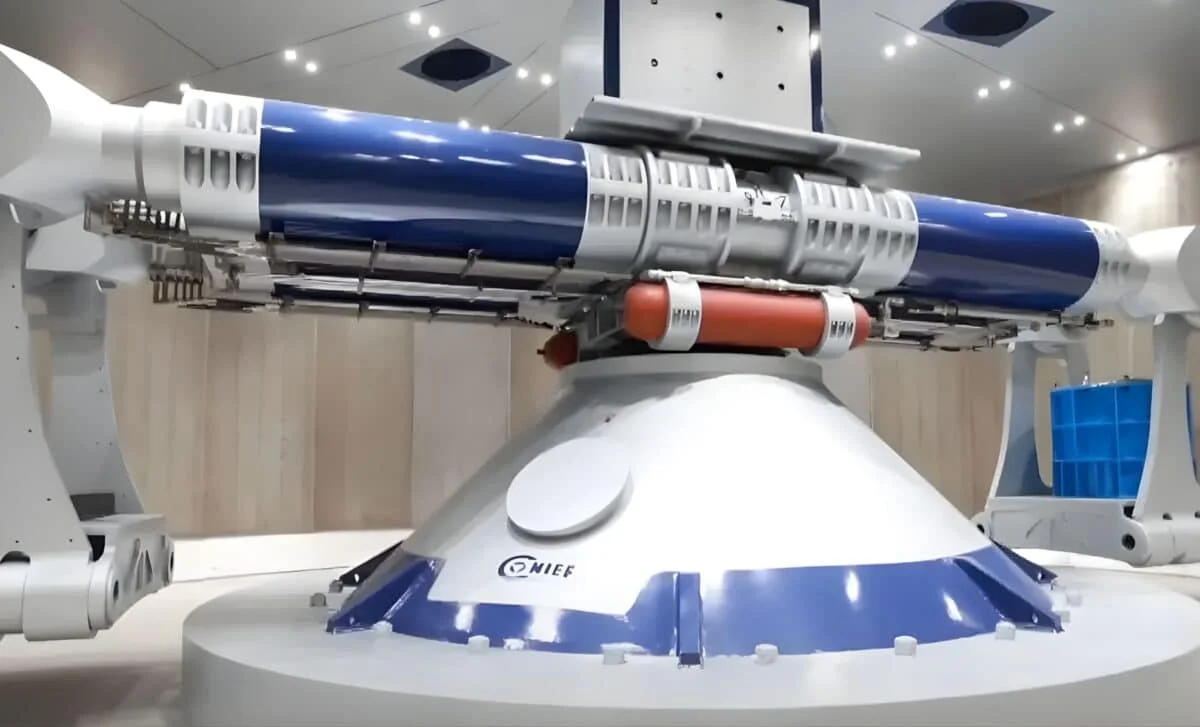
China has developed the world's most powerful hypergravity centrifuge, the CHIEF1900, which surpasses previous models by generating extreme g-forces for simulating space and planetary conditions, enabling faster, more accurate experiments in material science, geology, and biomedicine, and reducing reliance on field tests and space missions.
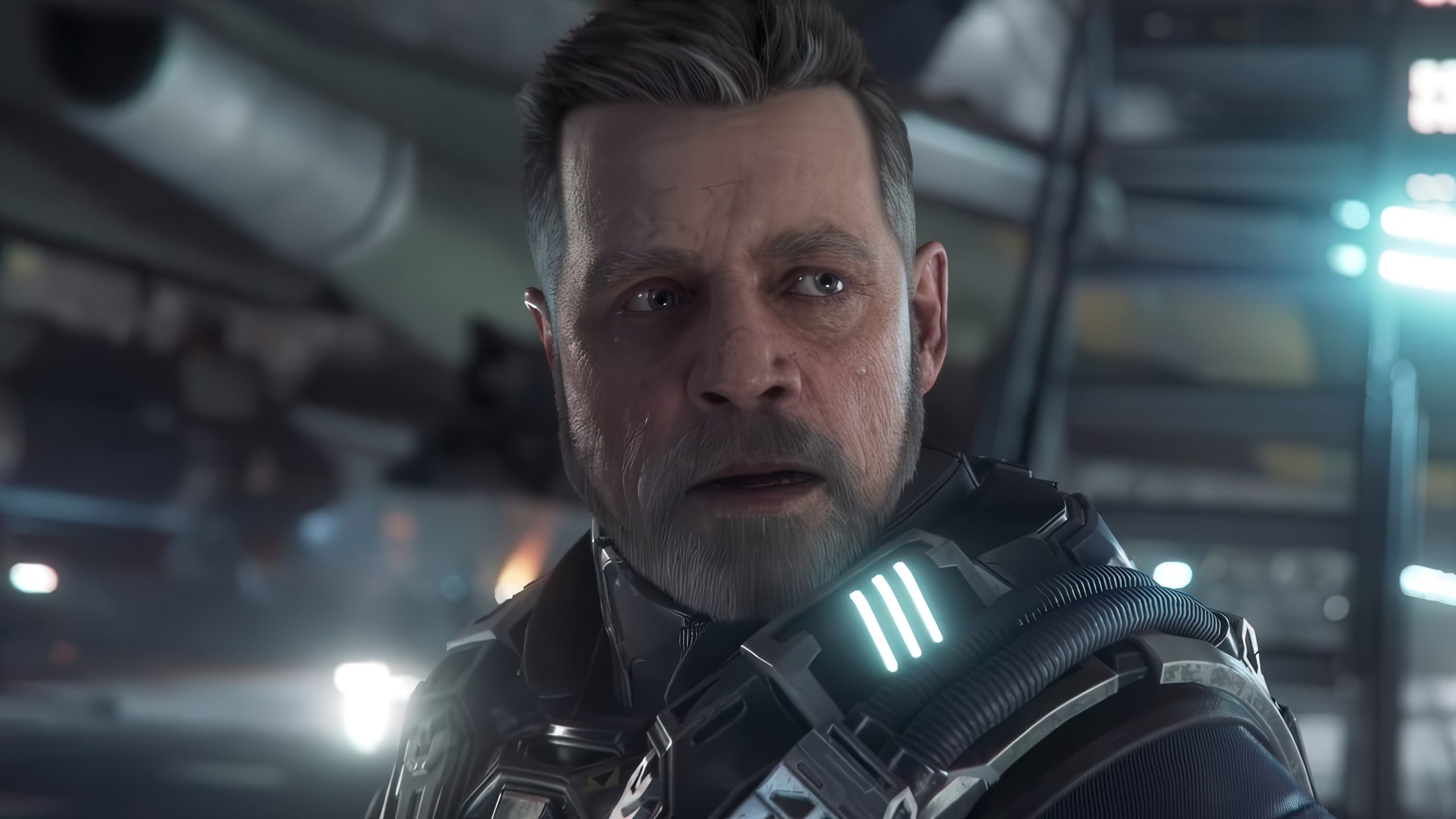
Star Citizen is expected to launch in 2027 or 2028, with Squadron 42 releasing around 2026, featuring a Hollywood cast and described as 'Top Gun meets Star Wars,' marking a significant milestone after over a decade of development.
AI, particularly advanced predictive text models like ChatGPT, is increasingly taking on roles traditionally considered rewarding or enjoyable, such as artists, authors, and now potentially astronauts, as demonstrated by a research project using AI in spacecraft simulation. However, AI has not yet replaced human astronauts in real missions, and human oversight remains crucial.
Recent simulations reveal that Venus hosts about 20 large, hidden co-orbital asteroids that could potentially pose a threat to Earth in the distant future, highlighting the need for improved detection methods and ongoing planetary defense efforts.
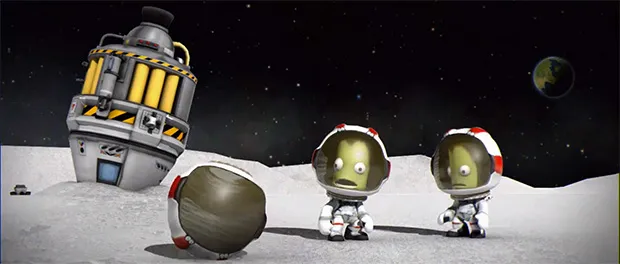
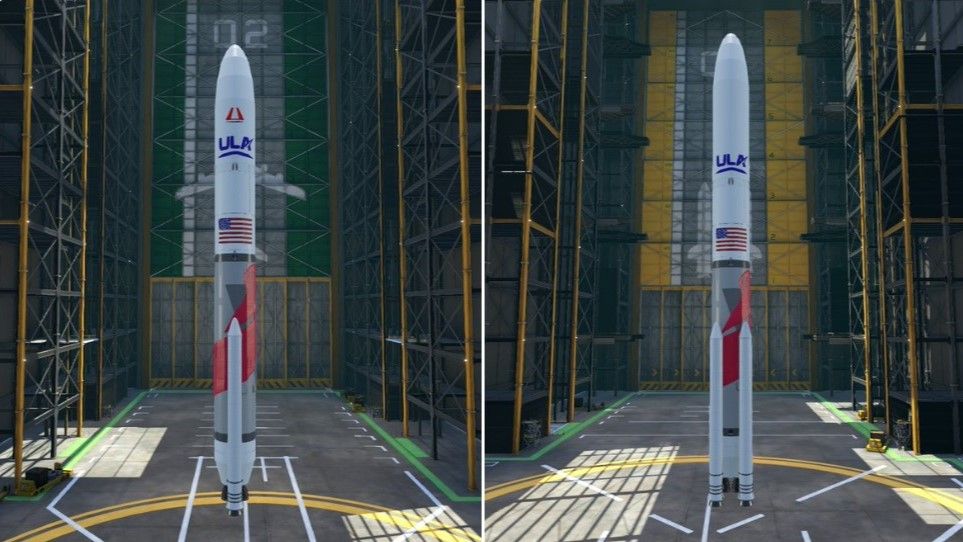
Kerbal Space Program and United Launch Alliance (ULA) partnered to challenge users to recreate ULA's Vulcan Centaur rocket in the Kerbal universe, with the winner being The Space Peacock for their near-perfect recreation. Both companies recently completed significant launches, and ULA's CEO Tory Bruno expressed positivity about the contest and the game's impact on STEM education. KSP2, the sequel to the popular spaceflight simulation game, aims to make rocket science accessible and engaging for players at any skill level, while ULA's Vulcan rocket had a successful first flight and is manifested for six flights in 2024.
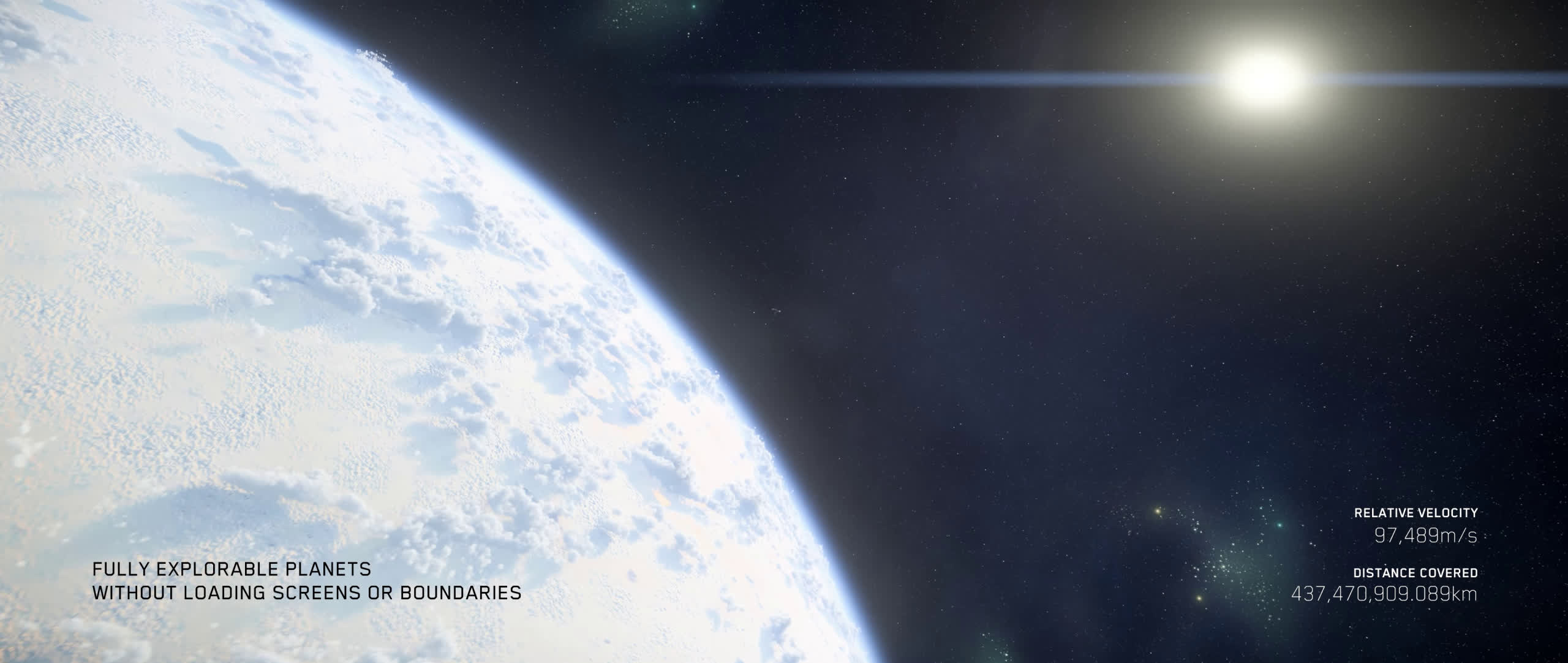
Cloud Imperium Games showcases the impressive progress of Star Citizen and Squadron 42 in a new trailer, highlighting the advanced capabilities of the "Star Engine." The trailer demonstrates seamless transitions between diverse environments, characters engaging in activities across vast distances, and the absence of loading screens. While the gameplay may not be fundamentally different from other space titles, the ambitious development and substantial crowdfunding budget have allowed CIG to create one of the most technologically ambitious game engines ever witnessed. Squadron 42 is now feature-complete and entering the polishing phase, indicating progress despite the lengthy development timeline.
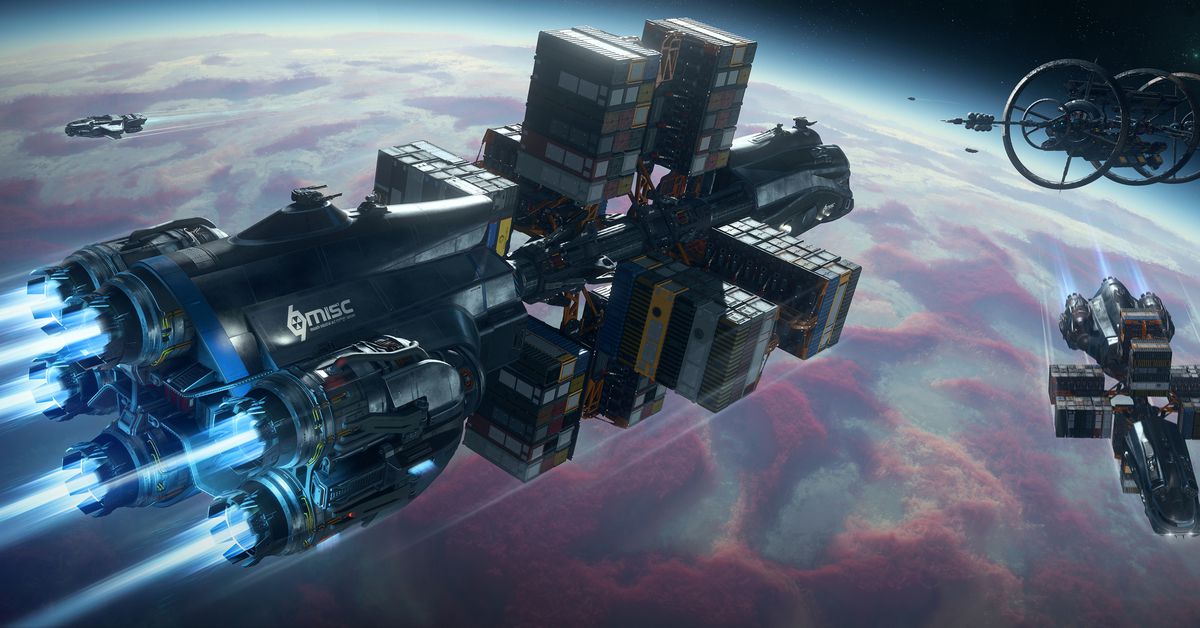
Star Citizen's latest alpha update, Alpha 3.20, introduces new PvP modes, maps, race tracks, missions, and ships. The update also overhauls the Arena Commander module, streamlining the UI and adding new features such as spawn screens and FPS maps. Additionally, a new ship, the MISC Hull C, is introduced for hauling purposes, while the Mirai Fury LX offers speed and maneuverability. Despite its long development cycle, Star Citizen continues to attract a dedicated fanbase.
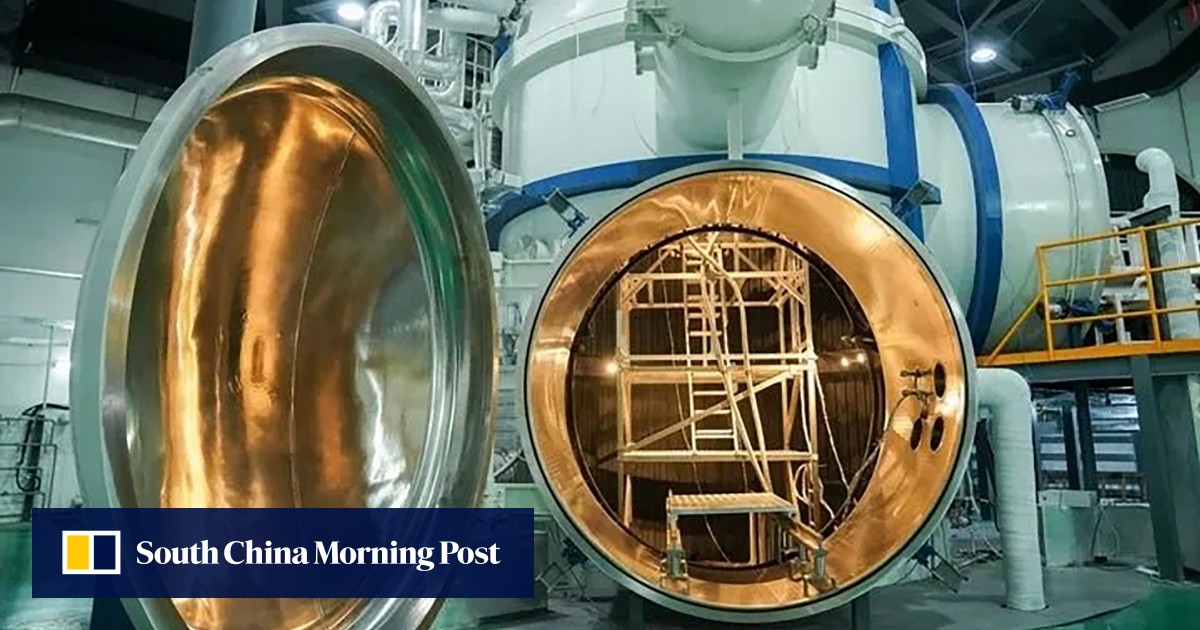
China has built a range of simulators in Harbin to recreate specific conditions in space, allowing equipment like satellite components to be tested before launch. Each chamber is designed to replicate different environments, from the lunar surface to microgravity.
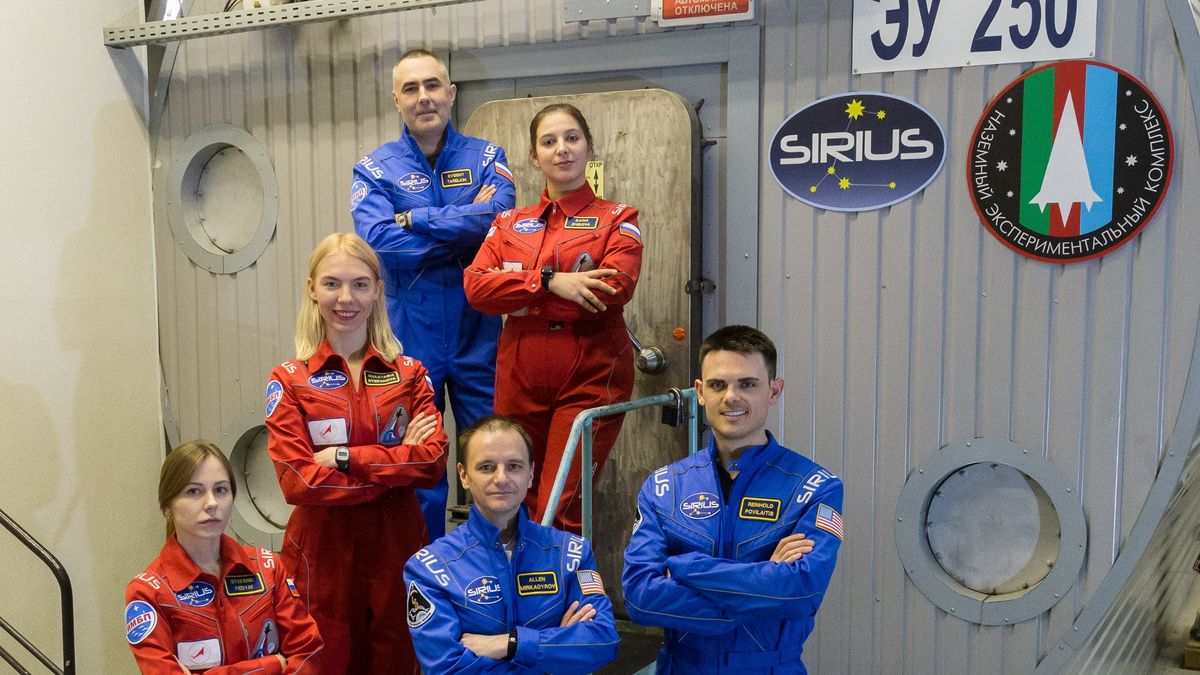
Anastasia Stepanova, a PhD student in space resources at the Colorado School of Mines, has participated in multiple missions on Earth that simulate the conditions human crews would experience during spaceflight or long-duration missions on the moon or Mars. Stepanova has already chalked up an enviable track record in grappling with the effects of isolation and confinement on human psychology, physiology, and team dynamics. She is applying the knowledge she gained from simulated space missions to increase the productivity and well-being of crews on the moon and Mars.