Tag

Voyager Spacecraft

All articles tagged with #voyager spacecraft

space-exploration1 year ago

"NASA Scientist's Chilling Encounter with Jupiter's Volcano Moon"

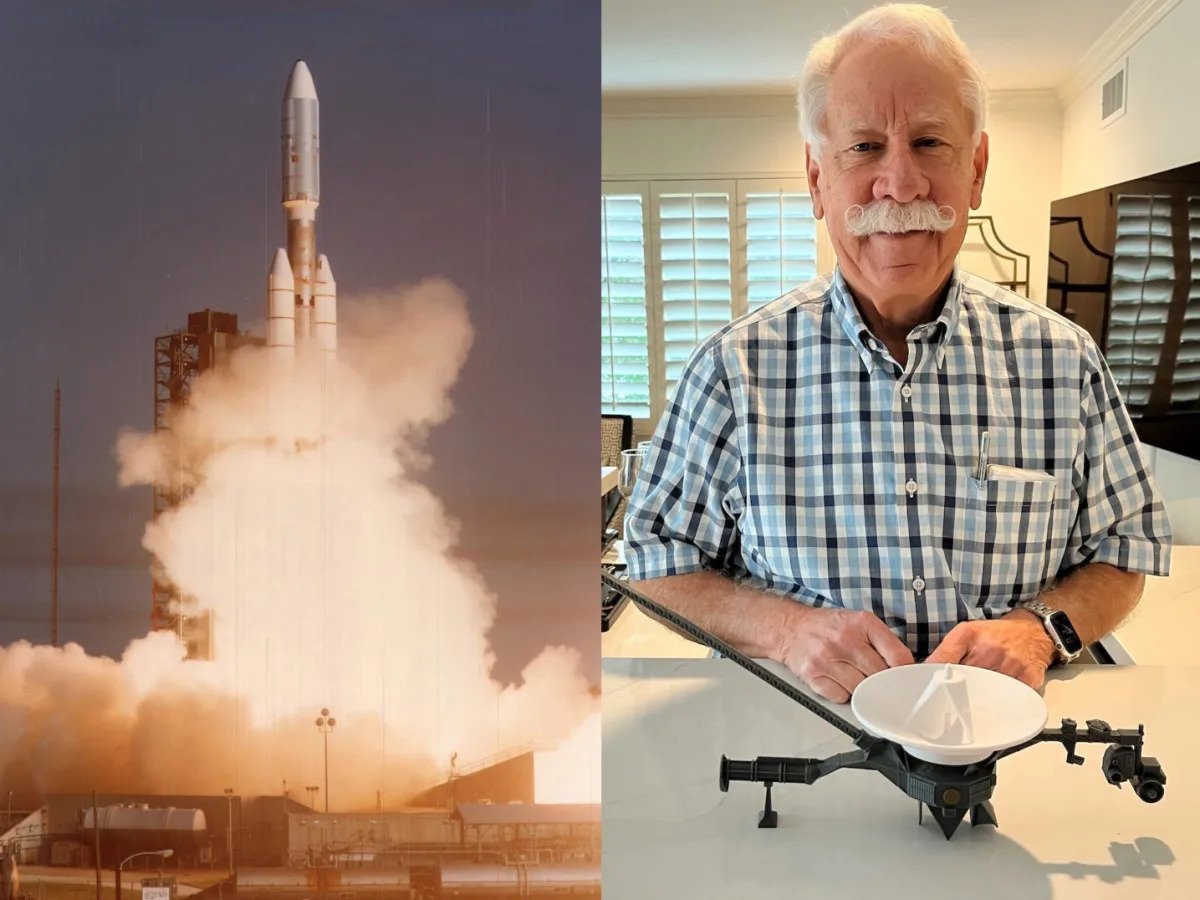
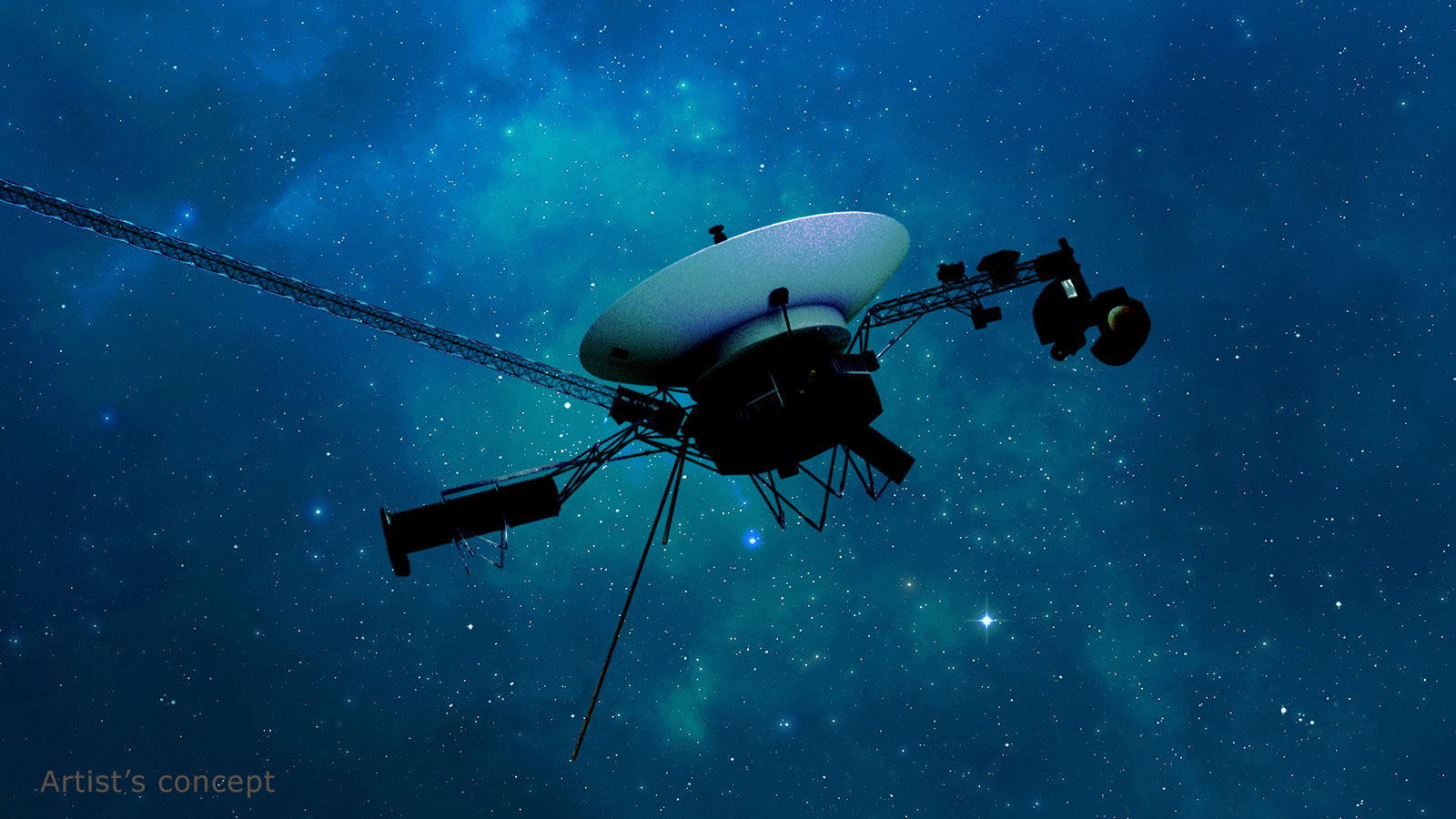
NASA scientist Alan Cummings recalls the "chills" he felt when he first saw images of Jupiter's moon Io from the Voyager spacecraft in 1979, marking a pivotal moment in space exploration. Despite being billions of miles away, the Voyager missions have provided groundbreaking insights into our solar system, capturing images of volcanic activity on Io, Jupiter's atmosphere, Saturn's rings, and more. Now, almost 50 years later, the aging spacecraft are still sending back valuable data from interstellar space, with hopes of keeping the instruments operational for a few more years.

space-exploration1 year ago

"NASA Scientist's Chilling Reaction to First Voyager Images"

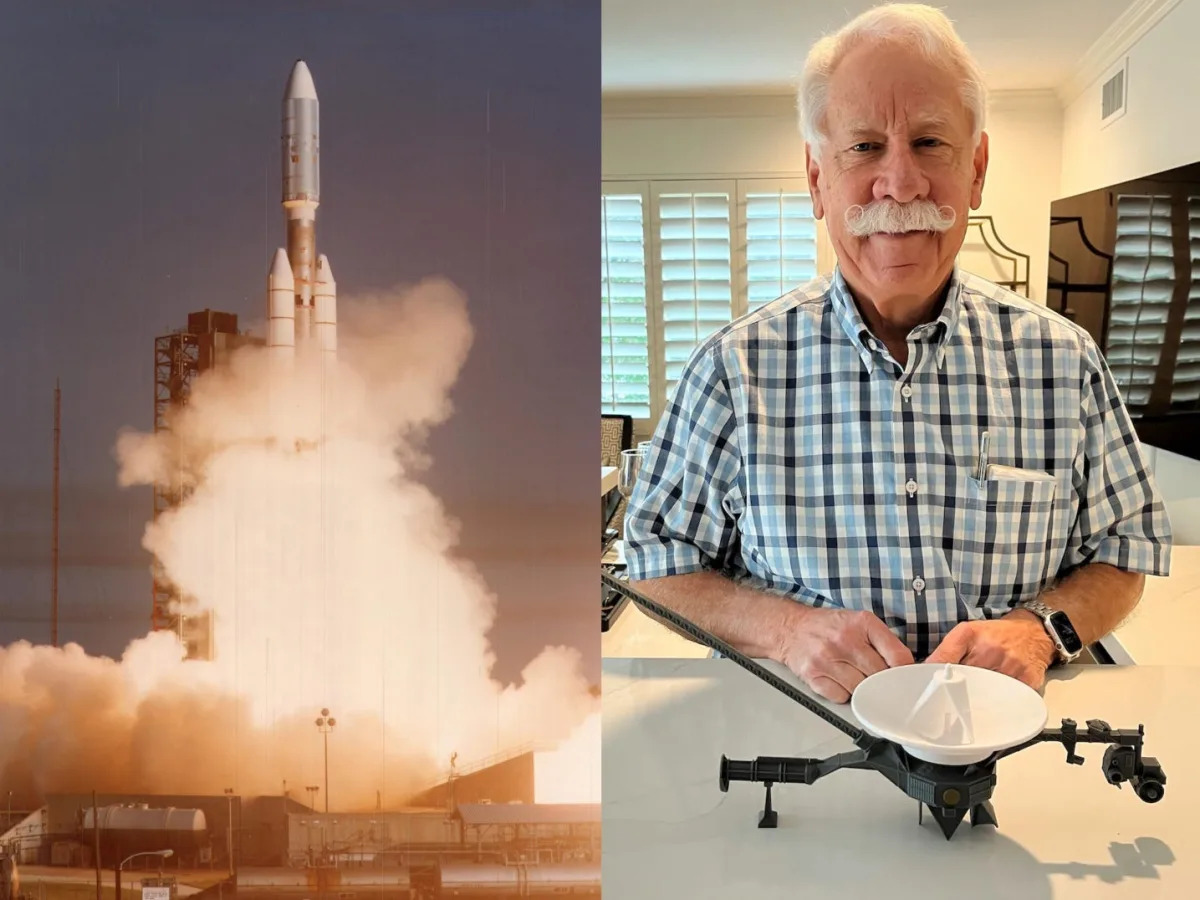
NASA's Voyager spacecraft, launched in 1977, have entered interstellar space, providing unprecedented images and data about our solar system. Alan Cummings, a scientist on the Voyager mission, recalls the awe-inspiring moment when he first saw images of Jupiter's moon Io, teeming with vibrant volcanoes. Despite encountering technical glitches, the spacecraft have persevered, but their power is finite, and communication may cease in the mid-2030s. The Voyager craft have forever altered our understanding of the cosmos and carry a time capsule intended to communicate a story of Earth to extraterrestrials, ensuring their journey will continue for billions of years.

space-exploration1 year ago

"Voyager Spacecraft's Longevity Predicted by Mission Scientist of 50 Years"

Alan Cummings, a scientist who has been working on the Voyager mission for over 50 years, believes that the Voyager spacecraft will continue traveling for a billion years. The spacecraft, launched almost five decades ago, have made groundbreaking discoveries and are now in interstellar space. Despite running low on fuel and facing technical issues, Cummings is hopeful that the Voyagers will continue to transmit new data for a little longer, as they venture into uncharted territory beyond our solar system.

space-exploration1 year ago

"Voyager Spacecraft's Billion-Year Lifespan Predicted by Mission Scientist"

Alan Cummings, a scientist who has been involved in the Voyager mission for over 50 years, believes that the two Voyager spacecraft will continue traveling for a billion years. The spacecraft, launched almost five decades ago, have made groundbreaking discoveries and are now in interstellar space. Despite running low on fuel and facing technical issues, Cummings is hopeful that the Voyagers can continue transmitting new data for a little longer, as they venture into uncharted territory beyond our solar system.

space1 year ago

"Comparing NASA's Voyager Jupiter Flyby Footage to Modern Planet Photos"

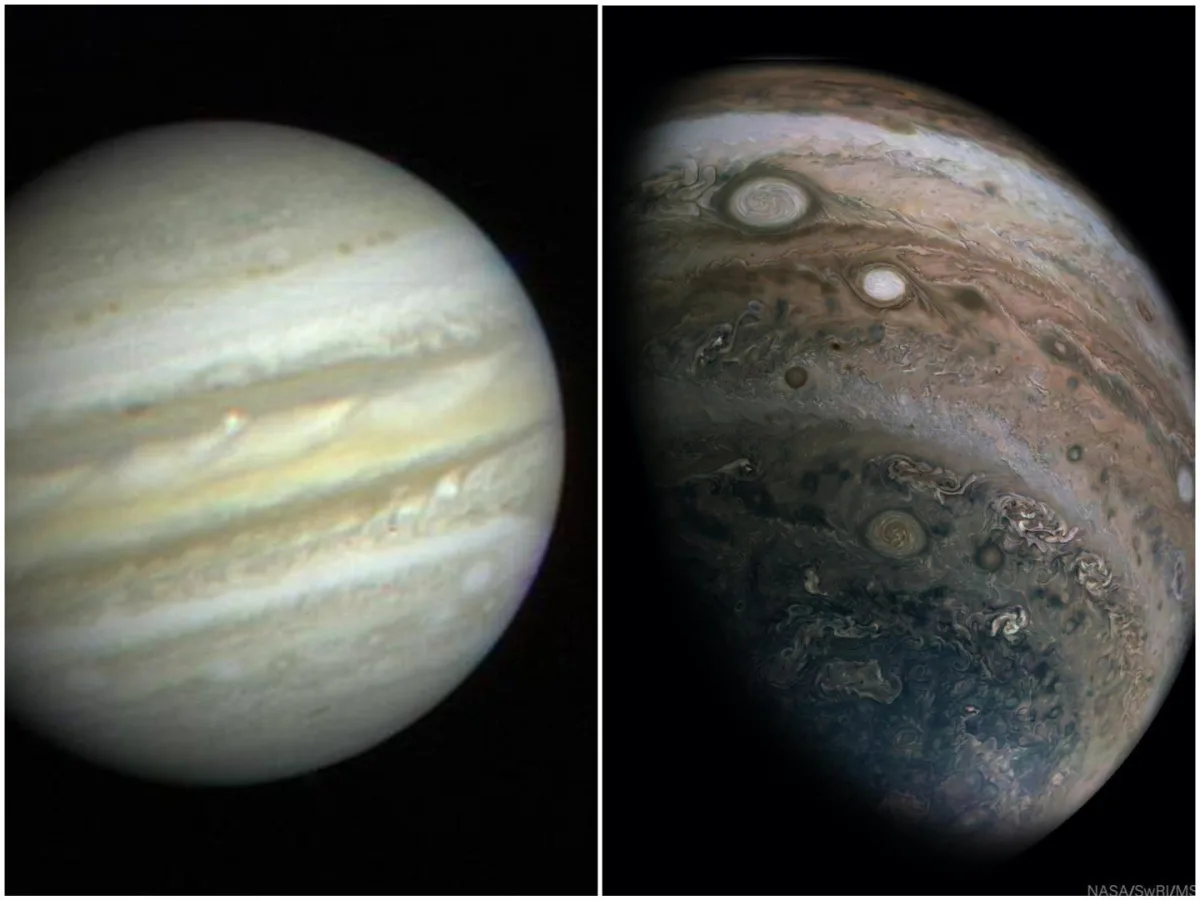
NASA's Voyager 1 spacecraft flew past Jupiter 45 years ago, capturing iconic footage of the gas giant. Comparing the images from Voyager to those captured by NASA's Juno mission today reveals a significant difference in detail and clarity. Juno's modern technology and image processing have provided stunningly detailed, colorful snapshots of Jupiter and its moons, showcasing intricate features and violent weather patterns. The Voyager spacecrafts are now in interstellar space, while Juno continues to orbit Jupiter and send back images until at least September 2025.

space-exploration1 year ago

"Comparing NASA's Voyager Video of Jupiter to New Photos"

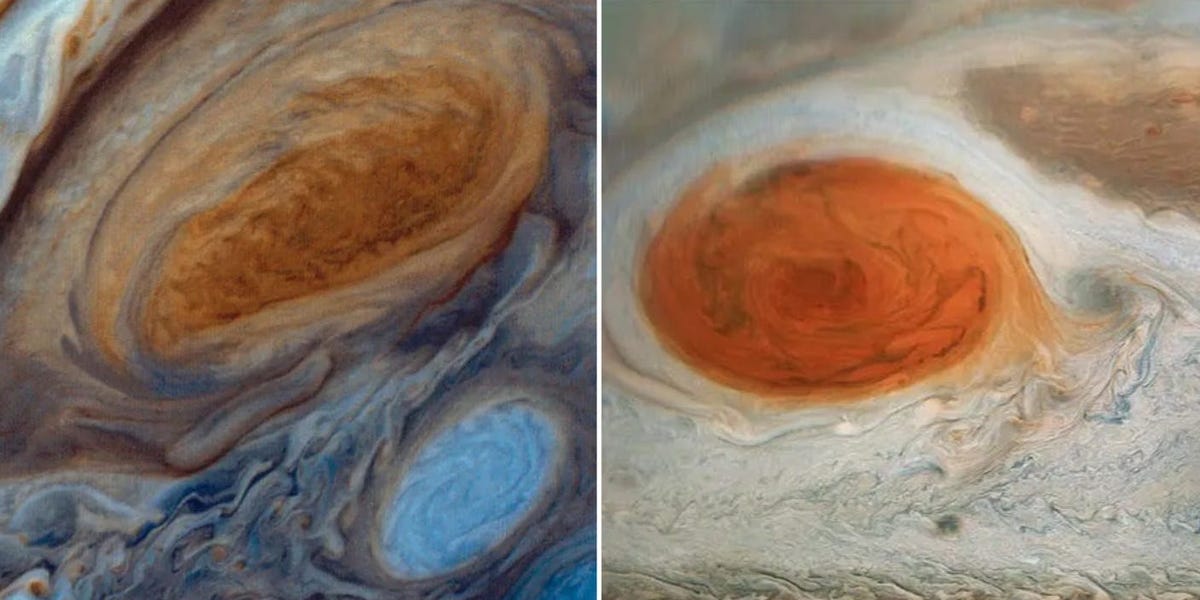
45 years ago, NASA's Voyager spacecraft captured iconic images of Jupiter, revealing its complex atmospheric motions and providing the best close-up images at the time. Today, NASA's Juno spacecraft has provided even more detailed and colorful snapshots of Jupiter and its moons, showcasing intricate features and violent weather. Juno's modern technology has allowed for enhanced imaging, revealing Jupiter's Great Red Spot extending below the visible surface and capturing close-ups of its moons, including Io with its active volcanoes. While the Voyager spacecrafts are now in interstellar space, Juno continues to orbit Jupiter and send back stunning images, with its mission potentially extending beyond September 2025.

space1 year ago

"The Enigma of the Solar System's 'Wall of Fire'"

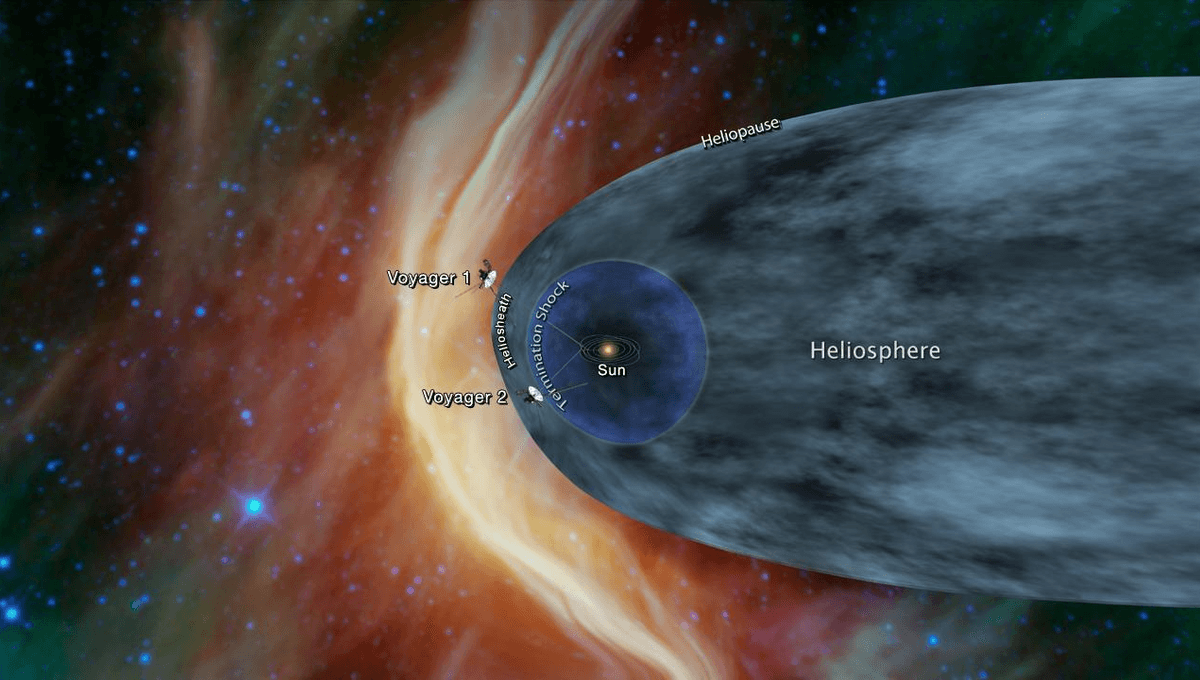
The region where the solar wind meets interstellar space, known as the heliopause, has been dubbed the "Wall of Fire" due to its remarkably high temperatures, measured by the Voyager spacecraft. Despite the dramatic name, the "wall" is actually a region of hot plasma with extremely low density, making it unlikely to affect spacecraft passing through. The high temperatures at the heliopause have been attributed to either plasma compression or magnetic reconnection, and the Voyager missions' findings have provided valuable insights into this boundary region of the Solar System.

space-exploration2 years ago

"Potential End of Communication for NASA's Voyager Spacecraft"

NASA's Voyager 1 and 2, launched in 1977, are on the brink of losing communication with Earth as their power supply dwindles. Despite this, NASA aims to keep in touch with the probes until their 50th anniversary in 2027. The spacecraft, now in interstellar space, have provided invaluable data on charged particles and magnetic fields. Engineers are conserving power by shutting off non-essential systems, but the probes may continue to drift in space for hundreds of thousands of years, carrying golden records meant to communicate with extraterrestrial life.

space2 years ago

Unveiling Humanity's Dark Side: Modernizing Voyager's Golden Record

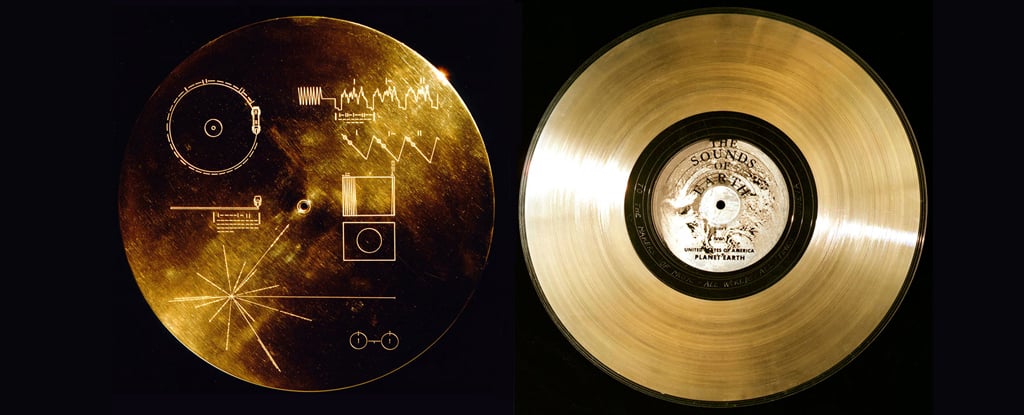
Researchers are considering creating new editions of Voyager's Golden Records, which were launched into space in 1977 as a message to potential intelligent life. The Golden Records contain sounds and images that represent life on Earth, and the researchers propose updating the content to reflect current technology and times. They suggest including a scroll with simple images for less advanced recipients and a small minicomputer for more advanced recipients. The goal is to share humanity's collective knowledge, emotions, innovations, and aspirations in a way that provides a universal understanding of human society and our hopes for the future. The researchers also emphasize the importance of considering the recipient's perspective and including a timestamp to indicate when the message was launched. The new Golden Records would serve as a time capsule and a testament to humanity's journey and aspirations.

space2 years ago

NASA's Voyager Probes Receive Software Patch for Decades-Long Missions

NASA's Voyager spacecraft, which have been in deep space for 46 years, are showing signs of wear and tear. To extend their mission, engineers at NASA's Jet Propulsion Laboratory are implementing measures such as software patches and new thruster operation techniques. The software patch was first tested on Voyager 2 to resolve a computer problem before being sent to Voyager 1. Additionally, engineers have adjusted the thruster operation to prevent fuel line blockages, allowing the spacecraft to return more data over time. These efforts aim to prolong the Voyagers' mission and continue gathering valuable scientific data from interstellar space.

space-exploration2 years ago

"NASA's Voyager Spacecraft Receive Long-Distance Software Updates for Interstellar Journey"

NASA's Voyager team has implemented modifications to the thrusters and introduced a software patch to prolong the interstellar journey of the Voyager 1 and Voyager 2 spacecraft. The thrusters, responsible for keeping the antennas pointed towards Earth, had accumulated fuel residue, posing a threat to the smooth operation of the probes. The modifications allow the spacecraft to move farther in each direction, delaying complete clogging of the thruster tubes for at least another five years. Additionally, a software patch will address a glitch in Voyager 1's onboard computer, ensuring that garbled status reports do not recur. The patch will be tested on Voyager 2 first before being uploaded to Voyager 1.

space2 years ago

"Voyager Team's Software Patch and Thruster Focus: NASA's Latest Endeavor"

NASA's Voyager 1 and Voyager 2 spacecraft are receiving a software patch to address issues with their thrusters and onboard computer. The thrusters, used to keep the spacecraft antennas pointed at Earth, have been experiencing a gradual buildup of material over decades. To slow this buildup, the spacecraft will rotate slightly farther before firing the thrusters. The software patch aims to prevent garbled status reports and protect the probes' operations in the future. The Voyager missions, originally scheduled for four years, have extended to explore Saturn, Jupiter, Uranus, Neptune, and beyond the heliosphere.

space-exploration2 years ago

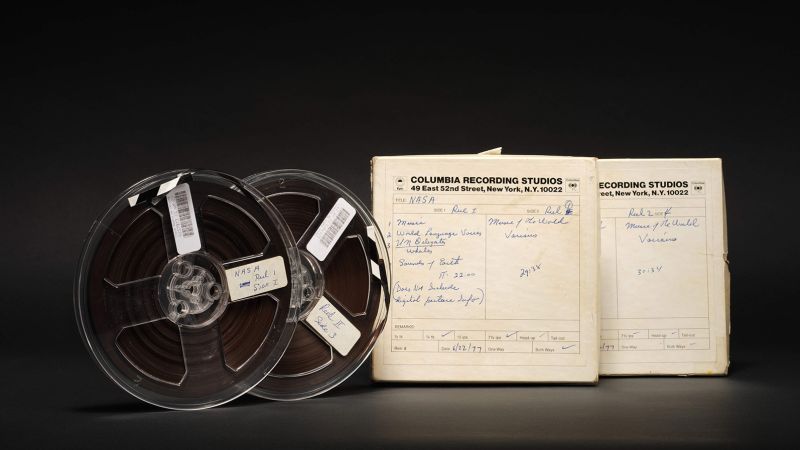
"Rare Opportunity: Bid on Carl Sagan's Masterpiece, NASA's Voyager Golden Record"

A copy of the master recording for NASA's Voyager Golden Record, designed as the first recorded interstellar message from humankind, will be up for auction at Sotheby's New York. The recording, kept by Carl Sagan and Ann Druyan, is expected to fetch between $400,000 and $600,000. The Voyager probes, launched in 1977, continue to explore interstellar space and provide valuable data about the heliosphere. Despite their age, the probes are still operational and are expected to continue their missions for years to come.

space2 years ago

Saving Voyager: NASA's Race Against Time in Interstellar Space.

NASA's Voyager spacecraft, which are the oldest running and farthest flung machines of humanity, are still going strong in interstellar space thanks to the ingenuity of scientists operating them from the ground. The spacecraft are equipped with Radioisotope Thermoelectric Generators (RTGs) that generate electrical power from the heat produced by the decay of Plutonium-238. As the fuel decays, the available power declines, and NASA scientists have had to come up with creative solutions to keep Voyager 1 and 2 in action, including cutting power to the heating systems and allowing the craft to dip into reserve power meant to protect them from voltage spikes.

space2 years ago

Saving Voyager: NASA's Race Against Time in Interstellar Space.

NASA's Voyager spacecraft, which are the oldest running and farthest flung machines of humanity, are still going strong in interstellar space thanks to the ingenuity of scientists operating them from the ground. The spacecraft are equipped with Radioisotope Thermoelectric Generators (RTGs) that generate electrical power from the decay of Plutonium-238. As the available power declines, NASA scientists have had to come up with creative solutions to keep Voyager 1 and 2 in action, including cutting power to heating systems and allowing the craft to dip into reserve power meant to protect it from voltage spikes. Scientists are hopeful that Voyager 1 and 2 will keep sending back valuable scientific data well beyond their 50th birthdays.