A man discovered his smart vacuum was secretly transmitting detailed maps of his home and could be remotely disabled by the manufacturer, raising concerns about privacy and control over connected devices.
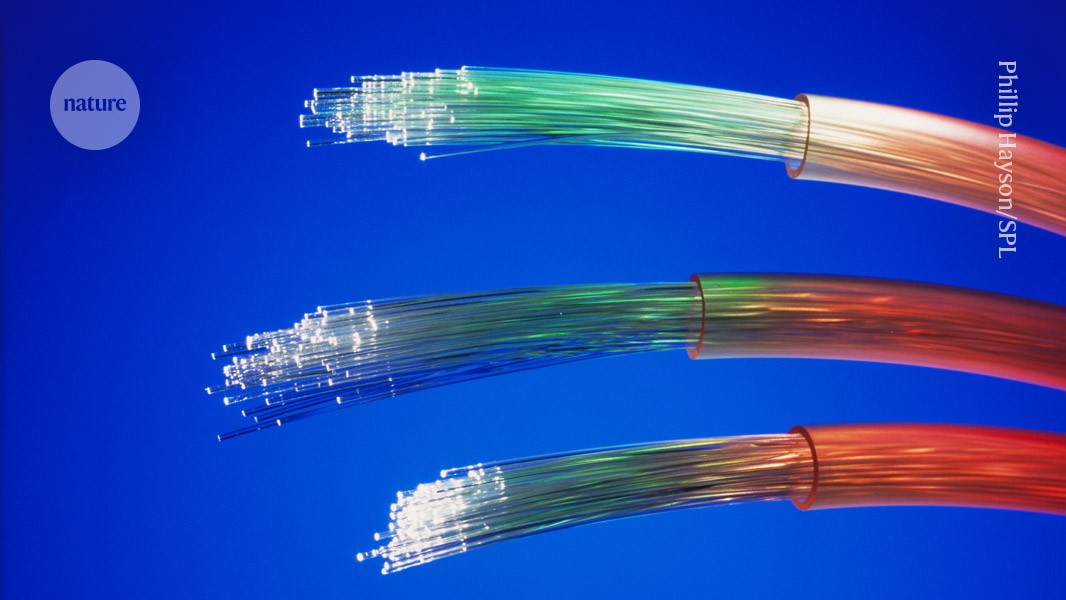
A new hollow optical fiber design using glass 'straws' could significantly increase data capacity and transmission distances, potentially leading to faster and more efficient Internet and telecommunications systems. Developed by researchers at the University of Southampton and produced by the startup Lumenisity, this innovation promises transformative improvements in data transfer speeds, especially in data centers.
Japanese researchers set a new internet speed record of 1.02 petabits per second using advanced fiber optic technology, potentially enabling instant data transfer for applications like AI and virtual reality, and influencing future 6G standards, though challenges remain for widespread adoption.
Japanese researchers set a new world record for internet speed at 125,000 GBps using a revolutionary optical fiber capable of transmitting data equivalent to 19 standard fibers, over a distance of 1,120 miles, potentially transforming global data infrastructure and high-speed communication.
Scientists have developed a groundbreaking laser amplifier that increases data transmission speeds by ten times, utilizing spiral-shaped waveguides and expanded bandwidth, which could revolutionize internet speeds, telecommunications, and various light-based technologies like medical imaging.
Researchers in Japan have set a new world record for internet speed, transmitting over 125,000 gigabytes per second over 1,120 miles using a novel optical fiber that significantly enhances long-distance data transmission, surpassing previous records and promising advancements in global communication infrastructure.
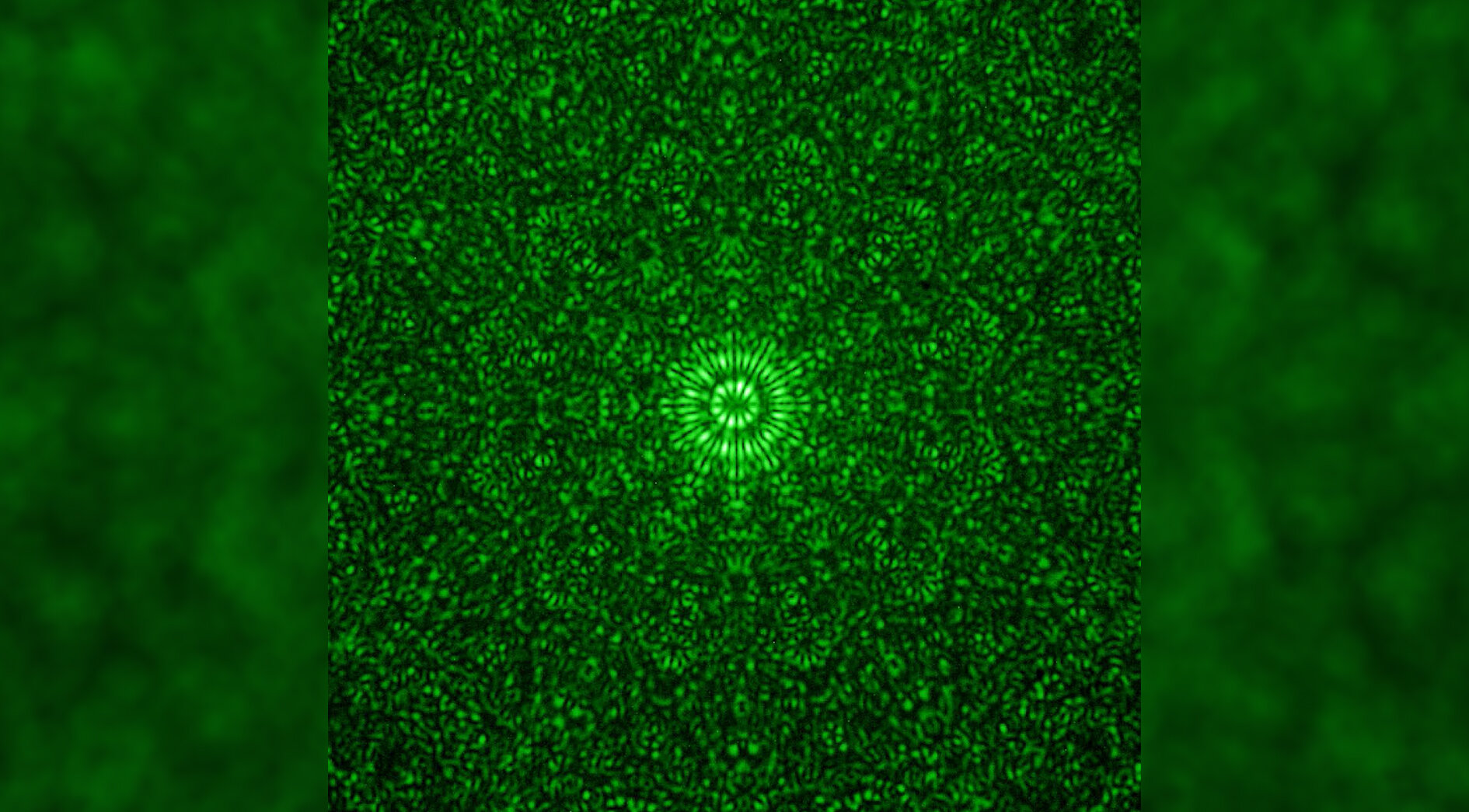
Researchers at Aalto University have developed a method to create light vortices using metallic nanoparticles arranged in quasicrystal geometries. These vortices, akin to tiny hurricanes of light, can potentially carry significantly more data through optical fibers, enhancing data transmission capabilities. The study, published in Nature Communications, explores the relationship between symmetry and vortex formation, offering a new approach to encoding information in light for telecommunications.
Researchers from Aston Institute of Photonic Research have set a new world record for data transmission speed at 402 terabits per second using standard optical fiber. This breakthrough, achieved by operating across six wavelength bands, could stabilize broadband costs amid rising demand and significantly enhance global communication infrastructure.
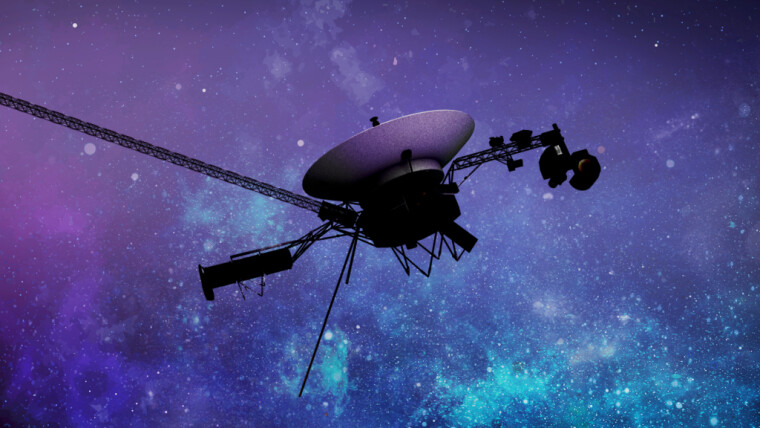
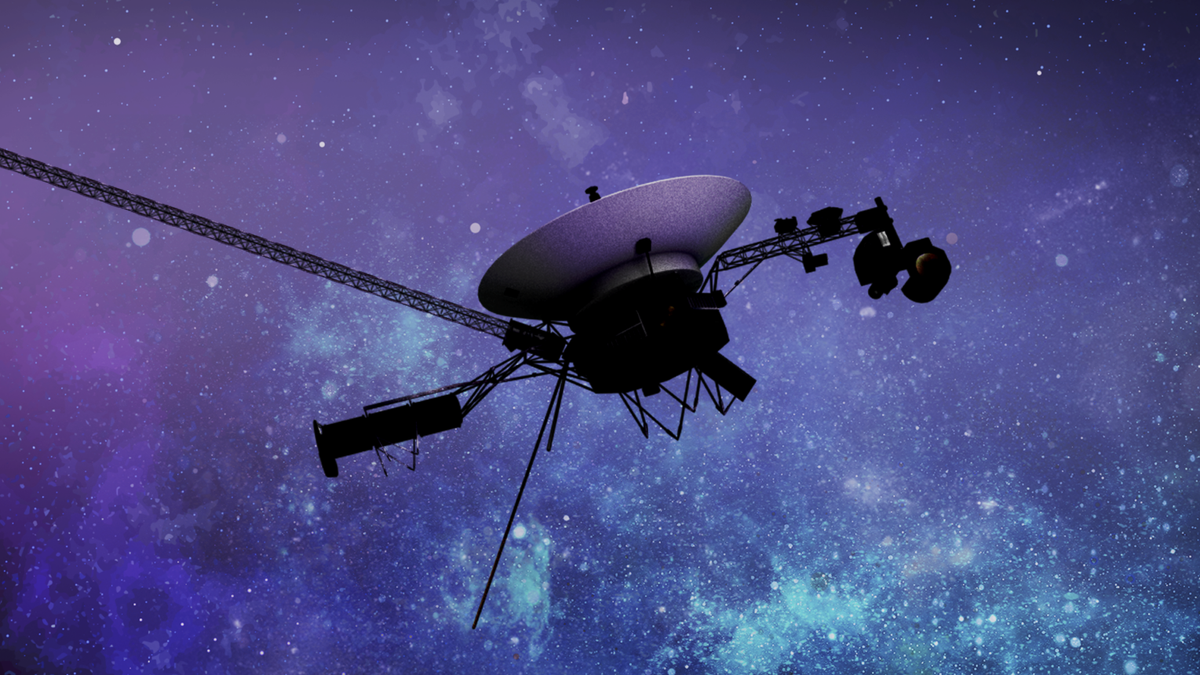
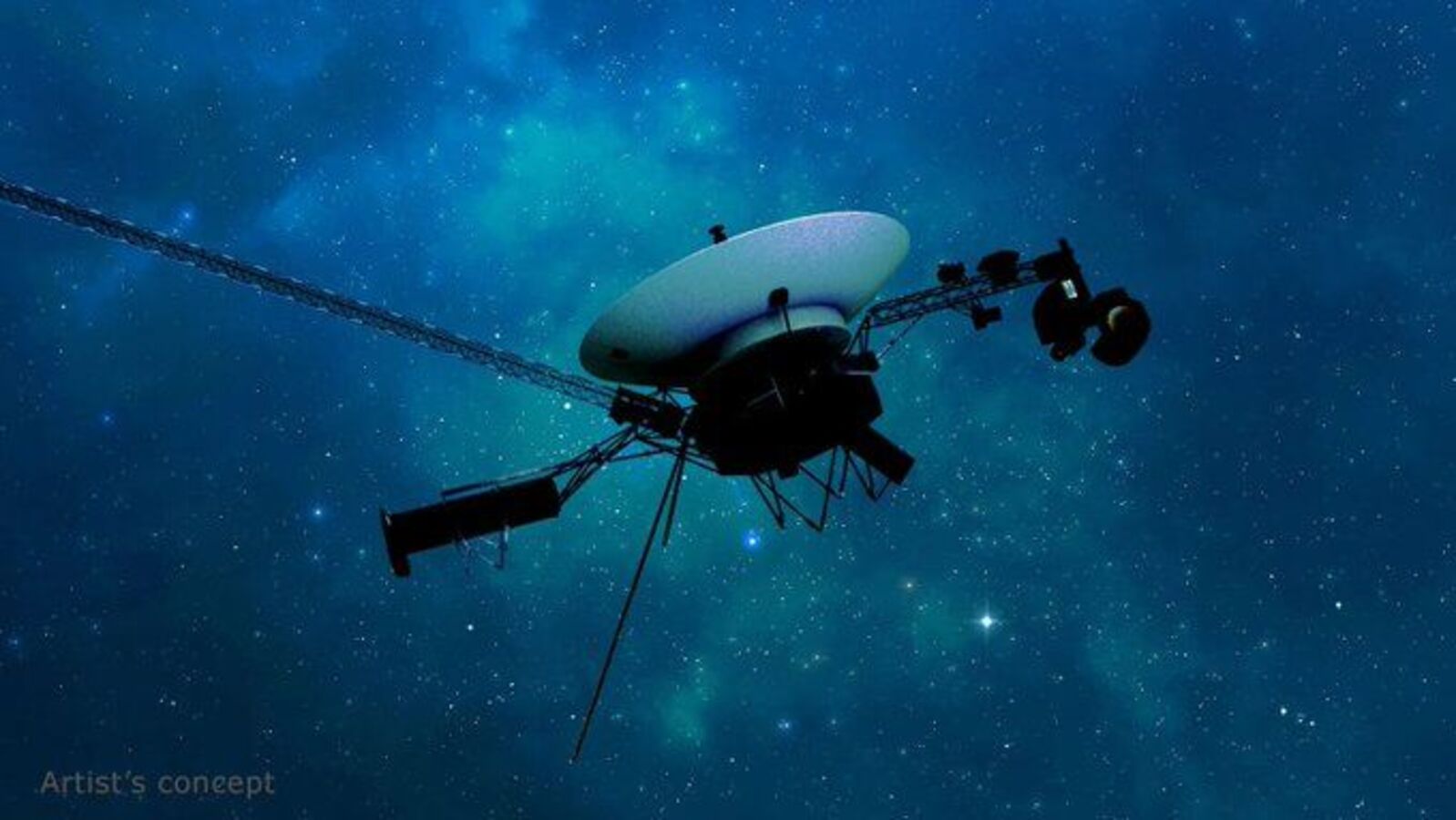
NASA's Voyager 1 spacecraft has resumed sending back science data after a six-month glitch caused by corrupted memory in its flight data subsystem. The probe, which has been operational for over 46 years and is now in interstellar space, is once again providing valuable information about the space between stars.
NASA engineers have identified a small portion of corrupted memory in the flight data subsystem (FDS) as the cause of Voyager 1's unreadable data transmission, likely due to a malfunctioning chip. The issue, possibly caused by an energetic particle or the age of the silicon, has hindered the spacecraft's normal operations. It may take weeks or months to find a solution, but NASA remains optimistic about restoring Voyager 1's ability to send usable science and engineering data.
NASA engineers have identified corrupted memory hardware in the Voyager 1 spacecraft's flight data system as the cause of the probe sending nonsensical data to mission control. The issue began in May 2022 and resurfaced in December 2023, prompting the team to send a command to pinpoint the corrupted section. Approximately 3% of the FDS memory has been corrupted, hindering normal operations, but the engineers are working on finding a solution to enable Voyager 1 to resume transmitting data and continue its deep space journey.
Researchers from Aston University in the UK have achieved transmission speeds of 301,000,000 megabits per second using existing fiber optic infrastructure, surpassing average broadband speeds by 4.5 million times. By utilizing previously unused wavelength bands, the researchers were able to significantly increase data transmission rates without the need to replace current fiber infrastructure. While not the fastest transmission ever achieved, this breakthrough could lead to substantial advancements in data delivery capabilities.
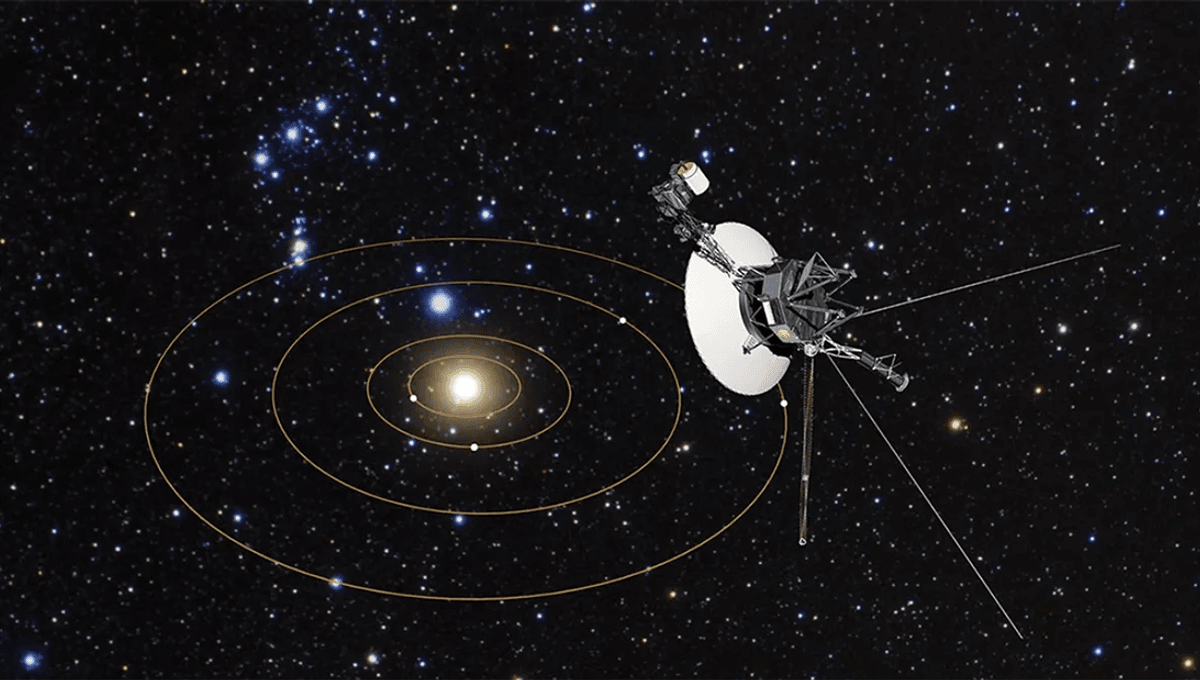
Voyager 1, the farthest human-made object, has been sending a repeating pattern of 1s and 0s to NASA from interstellar space, likely due to an issue with its Flight Data System. This has halted the transmission of science data and updates about the probe's health and status. NASA is working to resolve the problem, but it may take months, and the spacecraft's plutonium-powered system is running out. Eventually, Voyager 1 will cease sending data, but it will continue its journey through the space between stars.
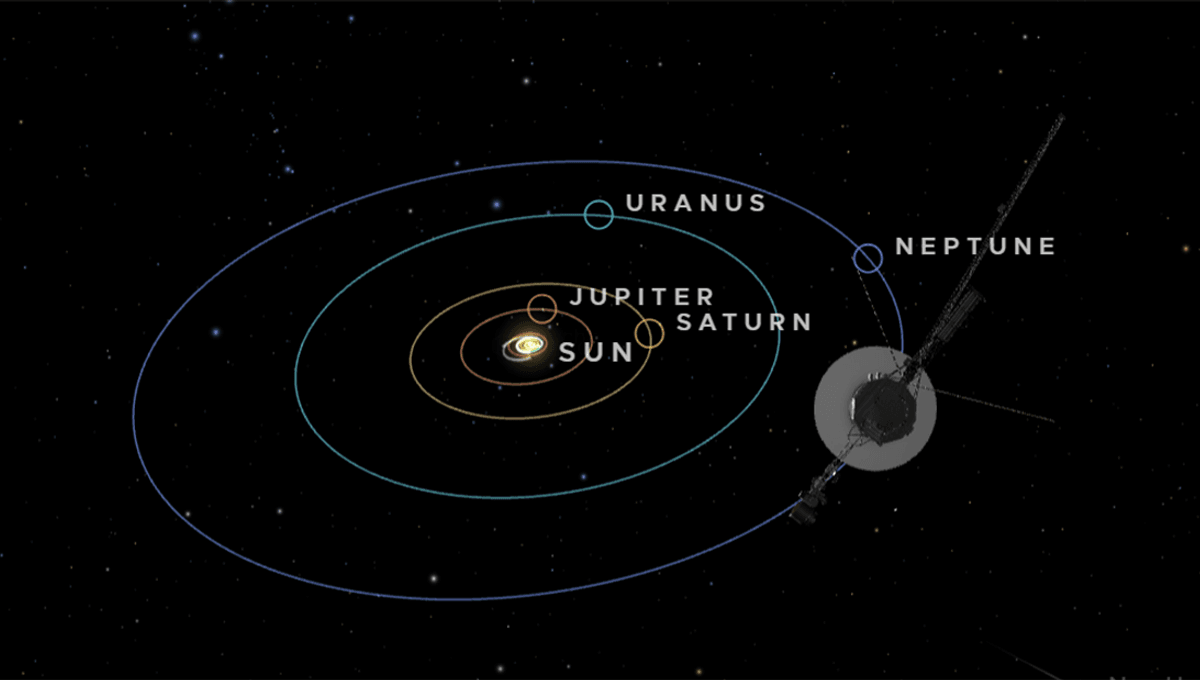
NASA's Voyager-1 spacecraft, currently outside the Solar System, is experiencing a data transmission issue, preventing it from sending science data back to Earth. The problem lies with the flight data system (FDS) not communicating properly with the telemetry modulation unit (TMU). Despite efforts to resolve the issue, the spacecraft has been unable to return usable data since December. Launched in 1977, Voyager-1 provided valuable insights into the outer planets and entered interstellar space in 2012, making it the farthest human-made object in space.
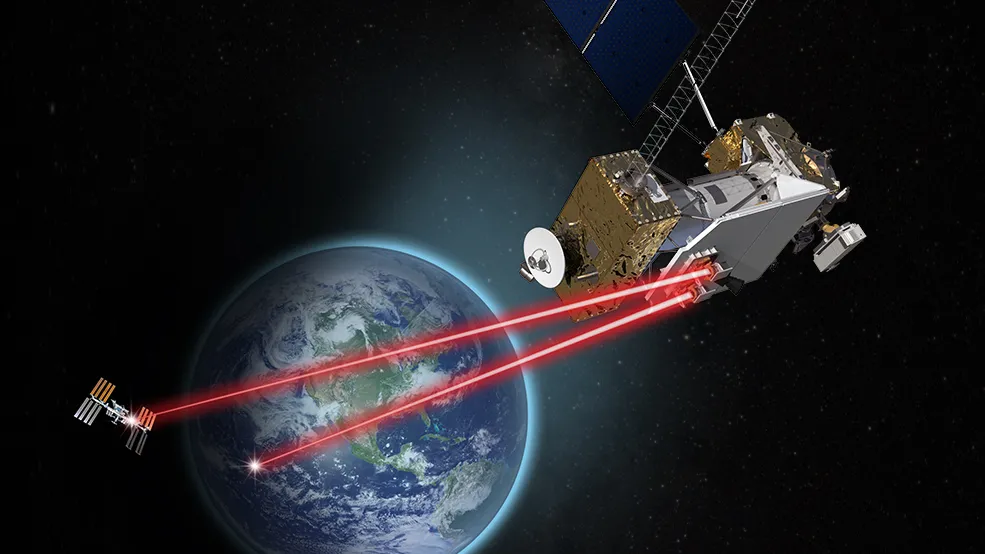
Laser communications are becoming increasingly important for space exploration, with recent advancements in the field. Two test missions, ILLUMA-T and Psyche, have successfully demonstrated data exchange using laser communication systems. The upcoming Artemis II mission plans to carry the Optical Communications System (O2O), which will enable live footage transmission from cis-lunar space. Laser communication systems offer higher data transmission rates and capacity compared to traditional radio wave communication, allowing for increased data volume and improved scientific measurements. However, integrating laser communication into existing systems like the International Space Station presents additional challenges.