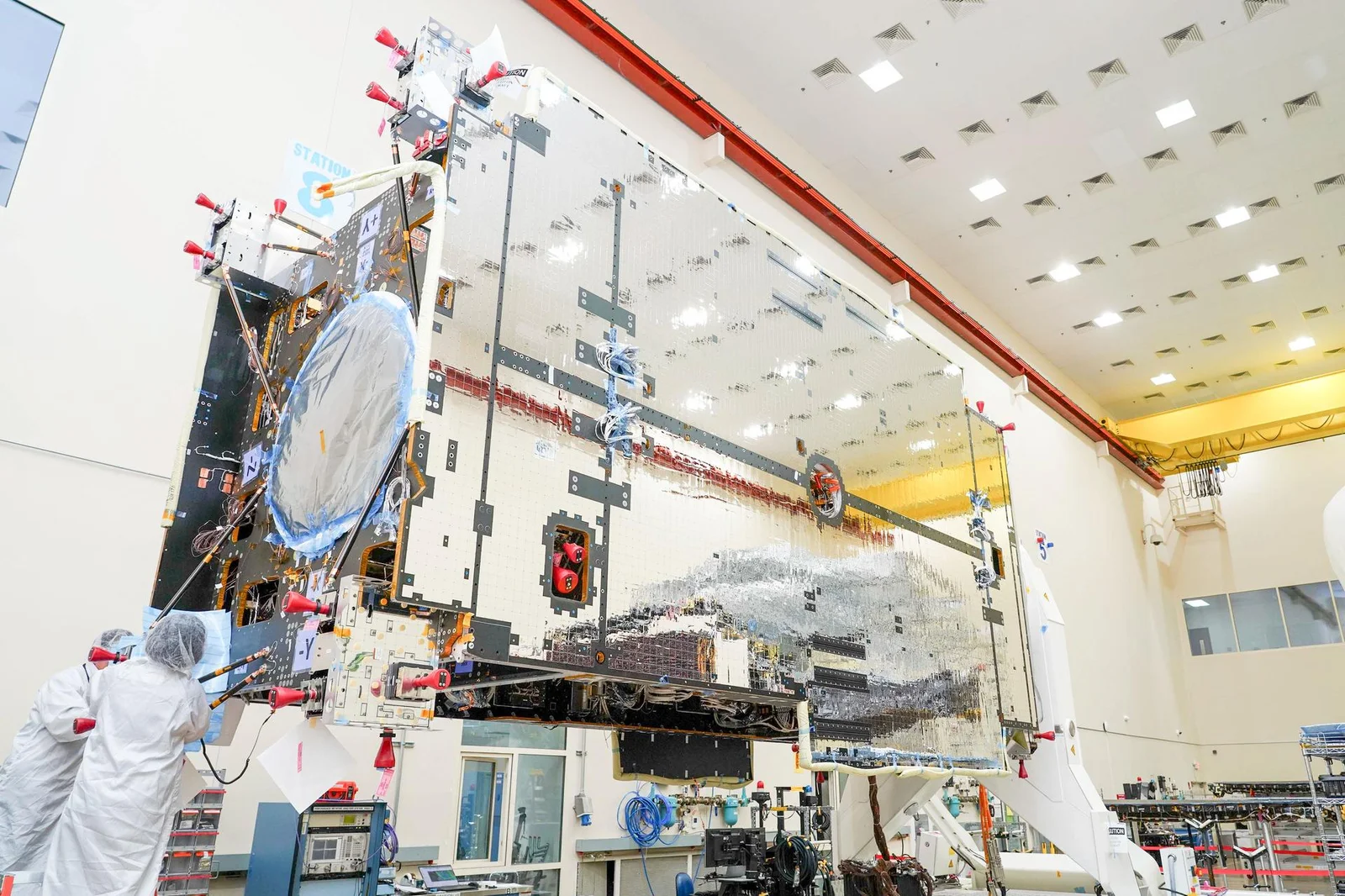
NASA has successfully powered on the Power and Propulsion Element for the Gateway lunar orbit station, demonstrating its capability to generate 60 kilowatts of power, support communications, attitude control, and orbital maneuvers, marking a significant milestone in lunar exploration technology.
The author shares a detailed, hybrid vanlife power setup using portable solar generators and custom wiring to enable work and play off-grid, emphasizing flexibility, cost-effectiveness, and real-world testing over 10,000 miles.
The race for governor of Puerto Rico is heating up, with multiple candidates vying for the position. The New Progressive Party (NPP) is facing challenges from the Citizens' Victory Movement (MVC) and the Project Dignity party. Incumbent governor Pedro Pierluisi is being challenged by Jenniffer González-Colón, who is positioning herself as more pro-business. Both candidates are advocating for Puerto Rico to become the 51st state. The governor's race is expected to be heavily influenced by the territory's troubled power system and the oversight board that controls its finances.
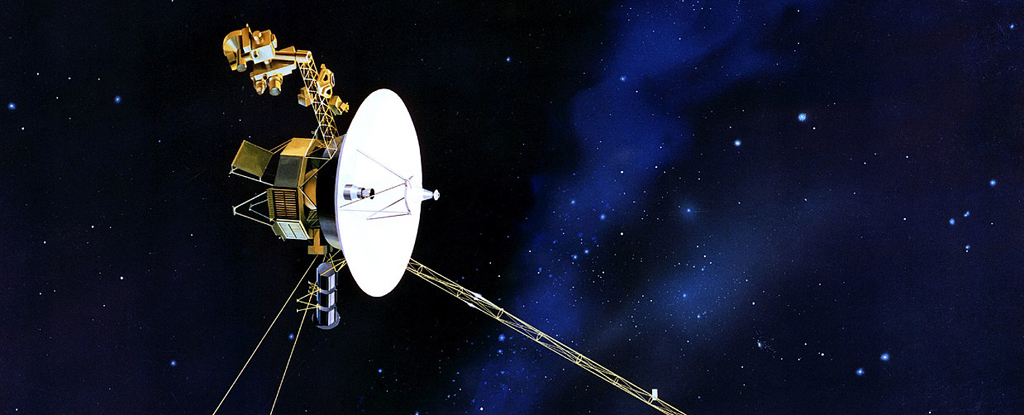
NASA's Voyager spacecraft, which are the oldest running and farthest flung machines of humanity, are still going strong in interstellar space thanks to the ingenuity of scientists operating them from the ground. The spacecraft are equipped with Radioisotope Thermoelectric Generators (RTGs) that generate electrical power from the decay of Plutonium-238. As the available power declines, NASA scientists have had to come up with creative solutions to keep Voyager 1 and 2 in action, including cutting power to heating systems and allowing the craft to dip into reserve power meant to protect it from voltage spikes. Scientists are hopeful that Voyager 1 and 2 will keep sending back valuable scientific data well beyond their 50th birthdays.
NASA has found a way to hack a backup source of power to keep Voyager 2 going until 2026, postponing its demise. Voyager 1 and 2 have provided crucial scientific information in their 45 years of spaceflight and are currently traveling in interstellar space, 12 and 14 billion miles away from Earth. NASA engineers found a way to divert power from a safety mechanism designed to turn on if the probes' circuit malfunctions because of voltage variations, allowing them to keep the science instruments turned on longer.