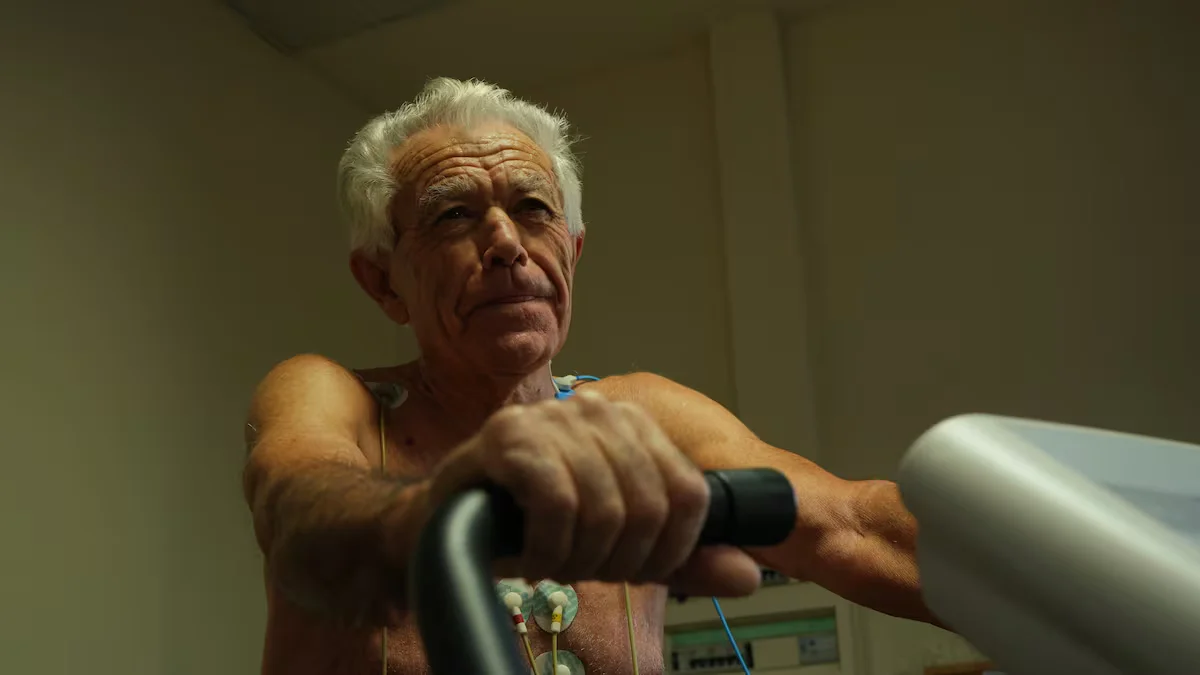
Juan López, 81 and nicknamed Super López, keeps defying age in distance running with a 3:39 marathon and a 4:47:35 50km world record; scientists credit his top-tier VO2 max (52.8 ml/kg/min) and high muscle mass, while he trains 65–120 km weekly and cares for his disabled wife, noting he might aim for records beyond 85 years old.
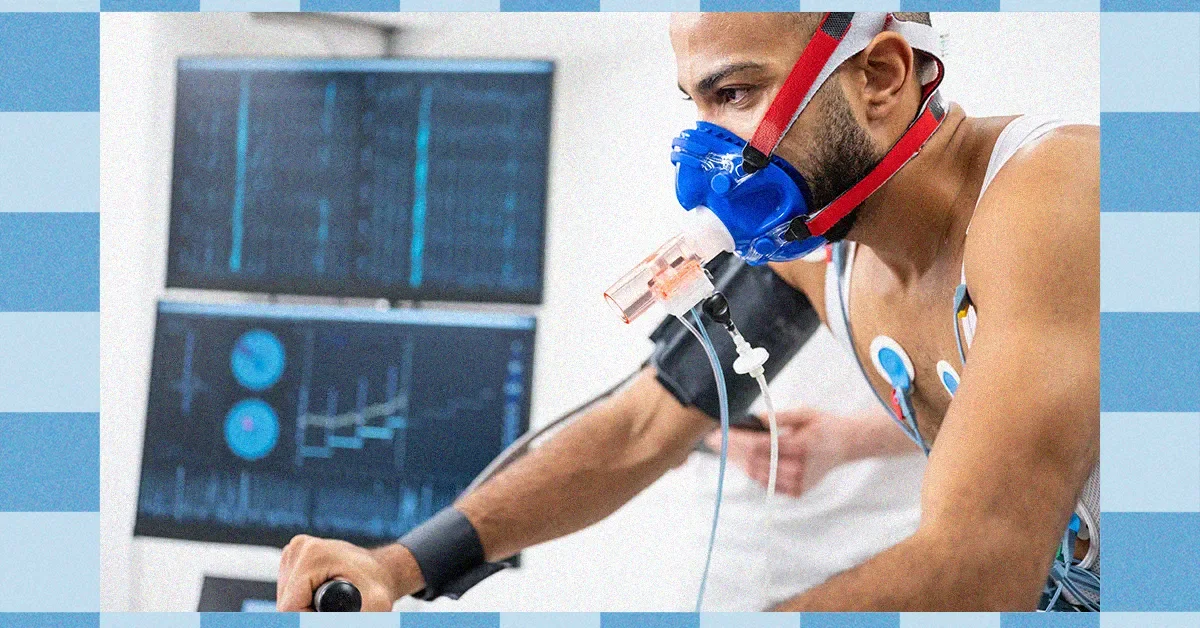
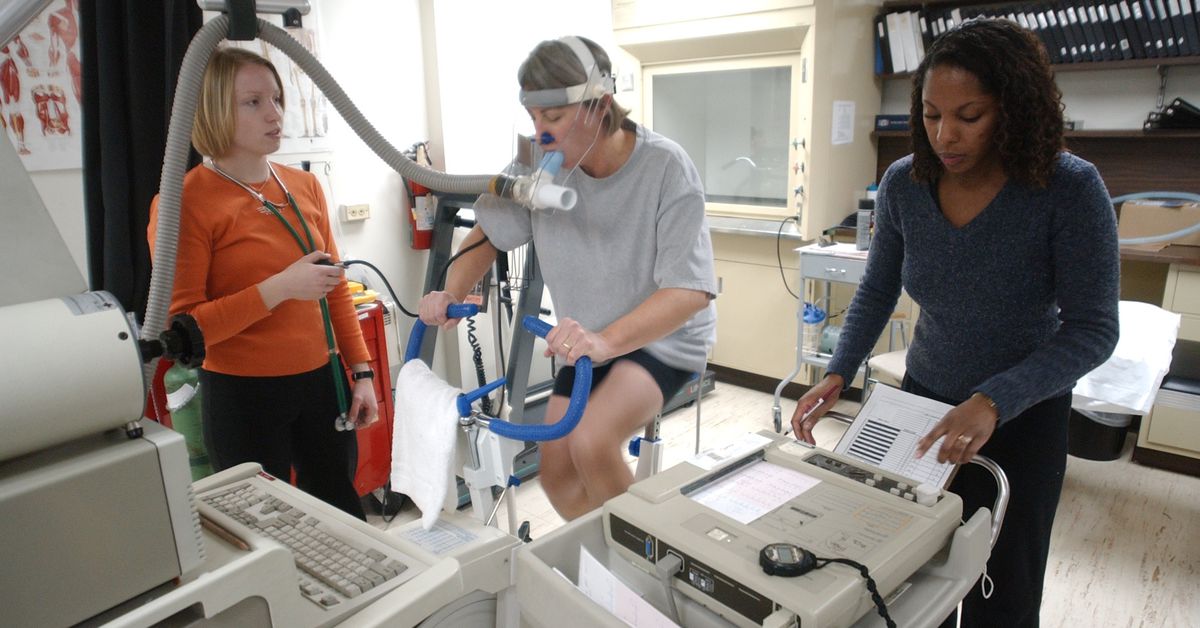
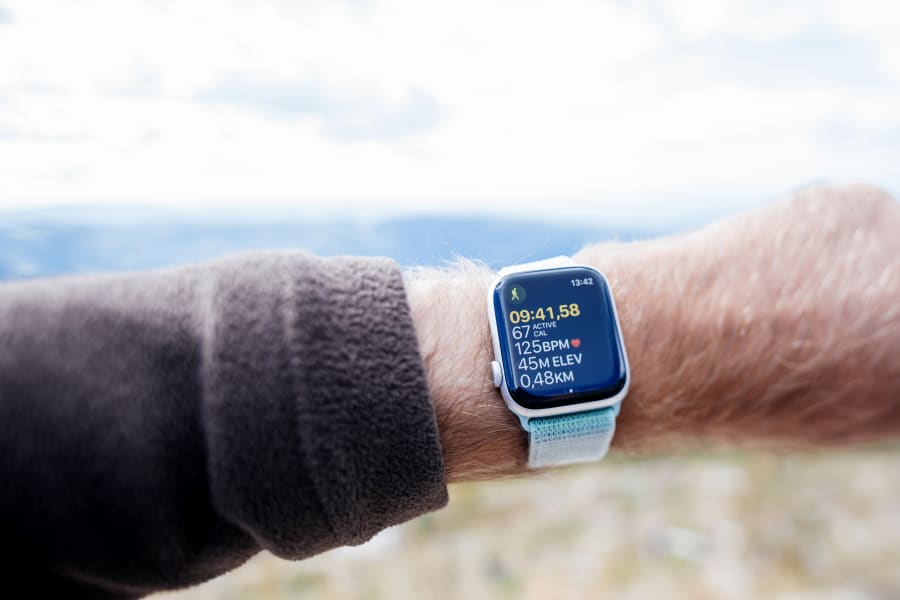
VO2 max is the maximum rate at which your body uses oxygen during peak exercise, a strong predictor of cardiorespiratory health and longevity. While lab testing with a mask on a treadmill is most accurate, field tests and wearables can provide useful estimates; day-to-day factors and test conditions matter, so view VO2 max as a context-dependent snapshot to monitor over time. Regular aerobic training—especially with intervals—and weight management can boost VO2 max, but there’s no single number that fully defines fitness.
Increasing VO2 max, a key indicator of cardiovascular fitness, can significantly improve longevity, ease daily physical activities, and enhance mental health by reducing stress and emotional strain, with many fitness trackers now making it accessible for the average person to monitor and improve this metric.
The article discusses six key biomarkers—VO2 max, grip strength, resting heart rate, eGFR, hs-CRP, and waist-to-height ratio—that can predict longevity and overall health, emphasizing the importance of a holistic, multi-marker approach for early risk detection and personalized health interventions.
A doctor shares six cost-effective lifestyle changes—improving VO2 max, nurturing relationships, sauna use, meditation, data tracking, and biomarker awareness—that can help extend health span and promote longevity, emphasizing that simple, manageable steps can make a significant difference in aging well.
Dr. Jeremy London emphasizes that aerobic exercises like running, cycling, and swimming are the best for heart health, as they improve cardiovascular efficiency and reduce the risk of heart disease. The American Heart Association recommends 150 minutes of moderate or 75 minutes of vigorous activity weekly. He also advises focusing on personal health habits, such as sleep, to optimize heart health.
In a podcast episode, guests Steve Magness and Brad Stulberg discuss popular health fads including VO2 max, supplement mania, sunlight, and immortality. Steve Magness explains that while VO2 max measures the maximum amount of oxygen the body can utilize and correlates to decreased mortality, it may not be as revealing as commonly thought, as it doesn't strongly correlate with athletic performance and is often not used in longevity studies. Instead, the speed reached at the end of an exercise test is often used as an indicator of mortality and longevity.
VO2 max, a measure of how well your heart performs during exercise, is gaining popularity as a fitness metric and a potential indicator of longevity. While having a higher VO2 max is beneficial, it's more important to track how it changes over time. Diversifying your workout routine with a mix of low and high-intensity exercises, along with strength training, can help improve your VO2 max. While it's a useful metric for training, it's not necessary to obsess over the data, as improvements can be seen through work capacity and increased physical activity.
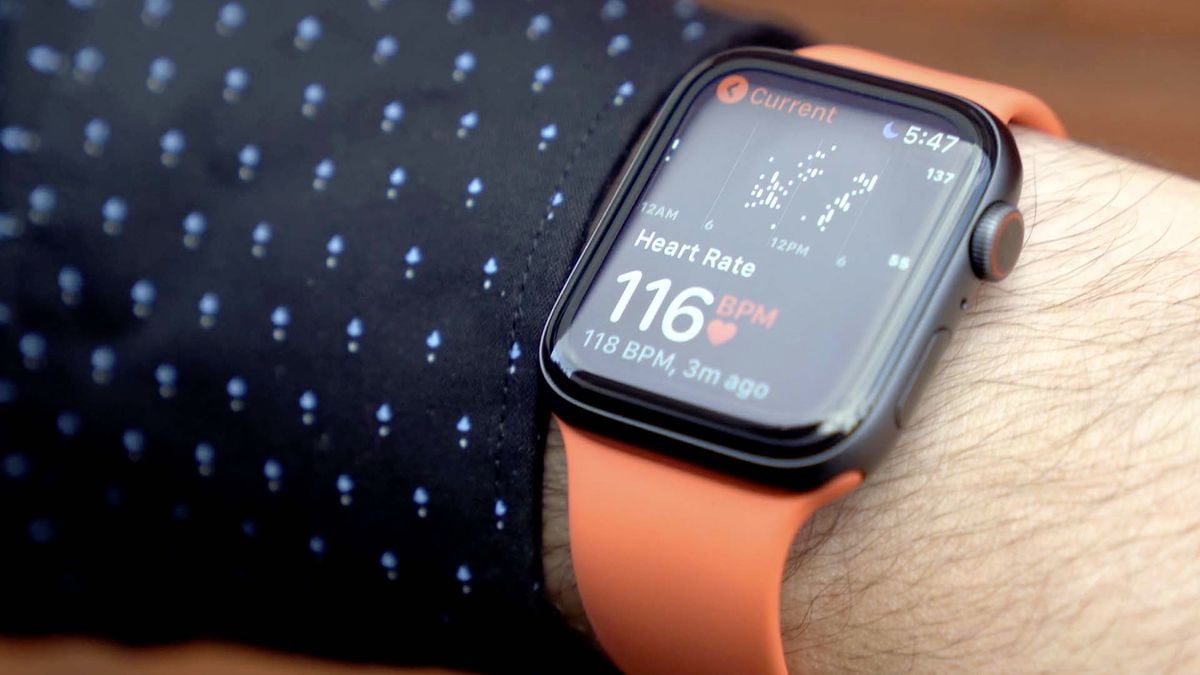
A report published in the Interactive Journal of Medical Research highlights the potential health benefits of Apple Watch's Cardio Fitness feature. A healthy 40-year-old received repeated push notifications about low VO2 max levels, prompting them to seek medical advice. Tests revealed a diagnosis of familial nonischemic cardiomyopathy. The case suggests that wearables like the Apple Watch could play a role in monitoring VO2 trends and identifying cardiovascular conditions earlier in the diagnostic workflow. However, caution is advised, and further studies are needed.
Researchers have found that low VO2 Max notifications on Apple Watches could potentially aid in the early diagnosis of heart conditions. A seemingly healthy 40-year-old man received low VO2 Max alerts on his Apple Watch Series 6, leading to further tests and a diagnosis of familial nonischemic cardiomyopathy. This condition can result in heart failure, and the early detection through Apple Watch alerts may have played a crucial role. While more investigation is needed, this discovery suggests that Apple Watches could potentially help identify heart conditions in the future.
A study conducted by researchers from the Swedish School of Sport and Health Sciences suggests that men with higher cardio-respiratory fitness, as measured by VO2 max, have a lower risk of dying from prostate, colon, and lung cancer. The study analyzed data from 177,709 Swedish men over a 10-year period and found that higher fitness levels were associated with a reduced risk of developing colon or lung cancer, although a slightly higher risk of developing prostate cancer was observed. This study adds to the growing body of research linking cardio-respiratory fitness to lower cancer risks, and highlights the potential benefits of regular exercise for men's health.
A new study suggests that men with better cardio fitness, measured by VO2 max, have a lower risk of dying from lung, prostate, or colon cancers. The research, conducted by The Swedish School of Sport and Health Sciences, analyzed data from 177,709 Swedish men over nearly 10 years. Participants with higher cardio fitness levels had a significantly lower risk of cancer-related deaths, particularly for lung, colon, and prostate cancers. The study highlights the importance of cardiovascular health in preventing not only heart diseases but also certain types of cancers. Activities like walking, running, cycling, and other exercises that raise heart rate and improve cardio-respiratory health can help reduce the risk of developing and dying from these deadly cancers.