Tag

Cardiomyopathy

All articles tagged with #cardiomyopathy

Capricor Shares Drop After FDA Rejection of DMD Cell Therapy

Originally Published 6 months ago — by Investor's Business Daily

Featured image for Capricor Shares Drop After FDA Rejection of DMD Cell Therapy
Source: Investor's Business Daily

Shares of Capricor Therapeutics dropped 33% after the FDA rejected its experimental drug deramiocel for treating cardiomyopathy in Duchenne muscular dystrophy, citing insufficient evidence of effectiveness and issues in manufacturing documentation. The company plans to continue testing with upcoming results from ongoing studies that could support future approval efforts.

"Genetic Links: Heart Disease, Depression, and Inflammation"

Originally Published 1 year ago — by Neuroscience News

Featured image for "Genetic Links: Heart Disease, Depression, and Inflammation"
Source: Neuroscience News

A genetic link between major depression, coronary artery disease (CAD), and an increased risk for cardiomyopathy has been discovered, suggesting a shared inflammatory pathway. Medications for CAD and depression used in combination may reduce inflammation and potentially prevent cardiomyopathy. The study emphasizes the importance of integrated treatment plans addressing both cardiovascular and mental health, paving the way for future research on optimal treatment strategies.

"Uncovering the Interconnectedness of Heart Disease, Depression, and Inflammation"

Originally Published 1 year ago — by Neuroscience News

Featured image for "Uncovering the Interconnectedness of Heart Disease, Depression, and Inflammation"
Source: Neuroscience News

A genetic link between major depression, coronary artery disease, and an increased risk for cardiomyopathy has been discovered, suggesting a shared inflammatory pathway. Medications for both conditions may jointly reduce inflammation, potentially preventing cardiomyopathy. The study emphasizes the importance of integrated treatment plans addressing both cardiovascular and mental health, paving the way for future research on optimal treatment strategies.

"Concerns Rise: ADHD Medications Tied to Increased Risk of Heart Damage in Young Adults"

Originally Published 1 year ago — by Newsmax

Featured image for "Concerns Rise: ADHD Medications Tied to Increased Risk of Heart Damage in Young Adults"
Source: Newsmax

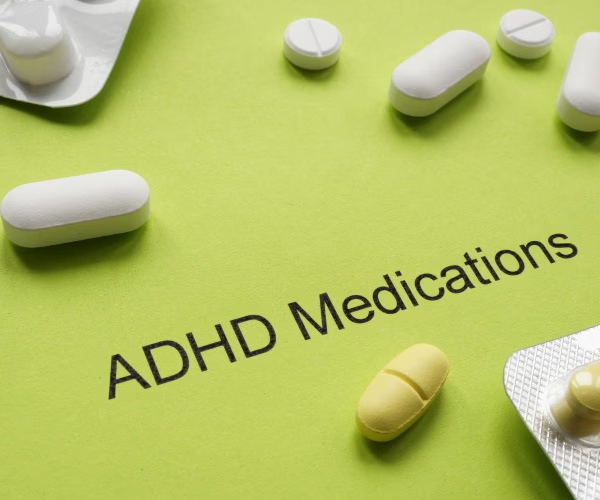
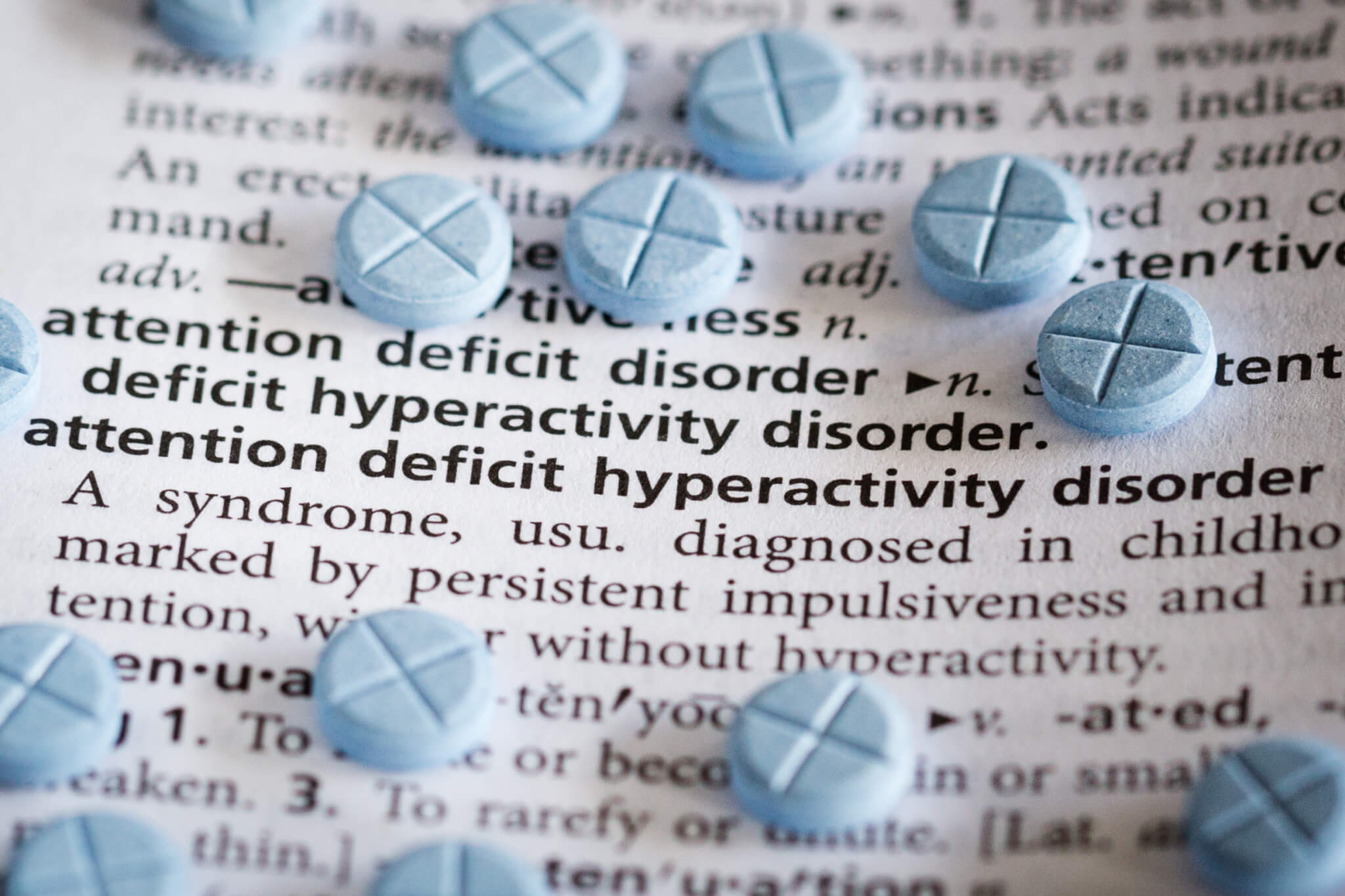
New research suggests that young adults aged 20 to 40 who take ADHD stimulant medications like Ritalin or Adderall may have a heightened risk for cardiomyopathy, a weakening of the heart muscle. The study found that the risk of cardiomyopathy increased with the duration of medication use, but the absolute risk to any one patient remains very small. While the findings highlight a potential risk, the researchers emphasize that the overall risk is low and that there is no need for a change in prescribing practices or for testing for heart issues before prescribing ADHD medications.

"Potential Heart Damage from Popular ADHD Meds Adderall and Ritalin"

Originally Published 1 year ago — by Study Finds

Featured image for "Potential Heart Damage from Popular ADHD Meds Adderall and Ritalin"
Source: Study Finds

A new study suggests that long-term use of stimulant medications like Adderall and Ritalin for ADHD may slightly increase the risk of developing cardiomyopathy, a condition where the heart muscle weakens. While the overall risk remains relatively low, researchers found that patients on stimulants were more likely to develop cardiomyopathy over time compared to those not taking the medications. The study emphasizes the importance of closely monitoring patients on long-term stimulant regimens and watching for potential cardiac symptoms, although experts stress that the risk is still very low and that the benefits of these medications for managing ADHD symptoms often outweigh the potential risks.

"Record-Breaking: Flying Dutchman Sets New Milestone as Longest-Surviving Heart Transplant Recipient"

Originally Published 1 year ago — by Reuters.com

Featured image for "Record-Breaking: Flying Dutchman Sets New Milestone as Longest-Surviving Heart Transplant Recipient"
Source: Reuters.com

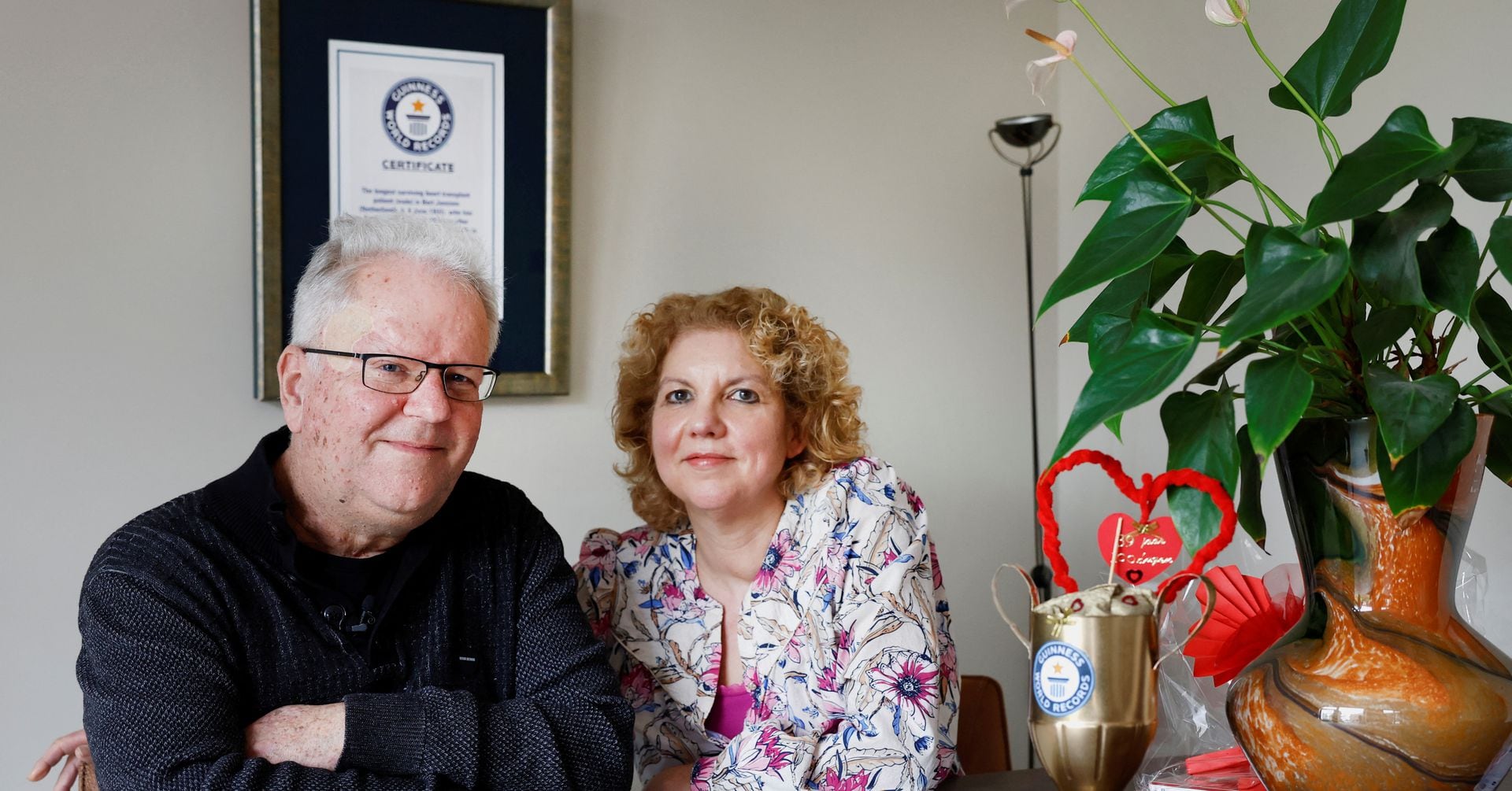
Bert Janssen, a Dutchman diagnosed with cardiomyopathy at 17, has set a Guinness World Record as the longest-surviving heart transplant patient, living 39 years and 100 days after the surgery. His transplant, performed by Magdi Yacoub in 1984, has defied the average life expectancy for heart transplant patients of 16 years. Janssen aims to be an example for others and emphasizes the importance of maintaining a healthy lifestyle and being active.

"Massachusetts Woman, 30, Lives Without a Pulse, Powered by Batteries"

Originally Published 2 years ago — by Daily Mail

Featured image for "Massachusetts Woman, 30, Lives Without a Pulse, Powered by Batteries"
Source: Daily Mail

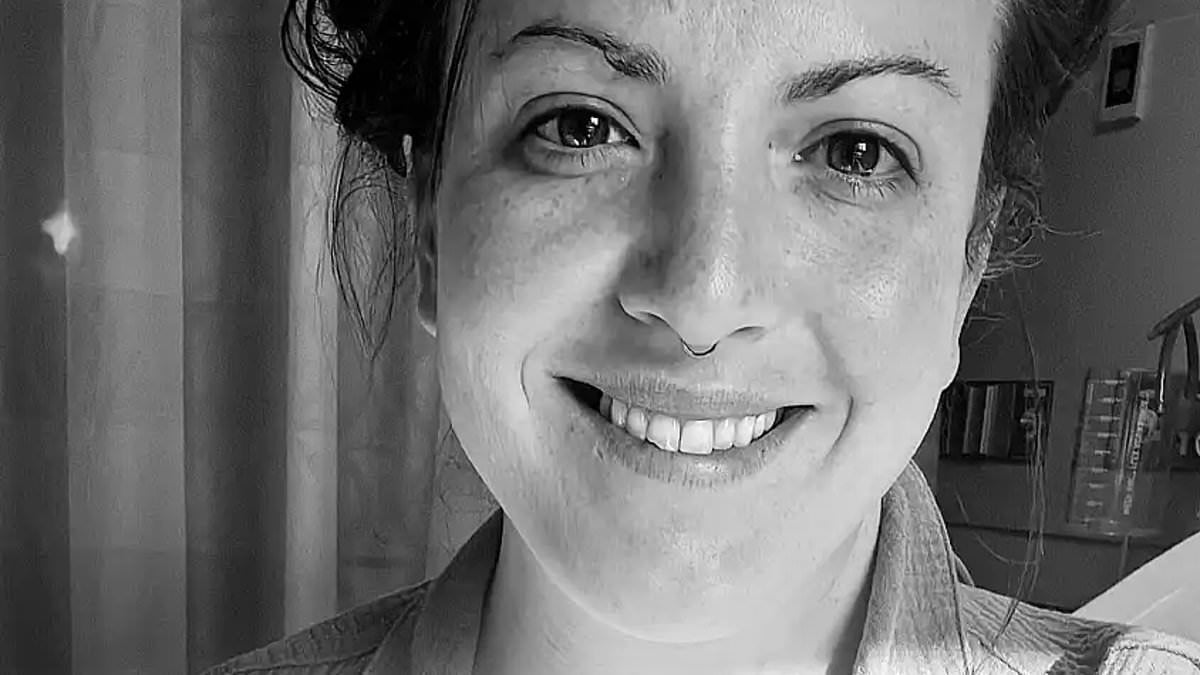
Sofia Hart, a 30-year-old woman from Massachusetts, is living with irreversible dilated cardiomyopathy, a rare genetic heart condition. She relies on a left ventricular assist device (LVAD) to keep her heart pumping while she waits for a heart transplant. The LVAD, which she refers to as running on batteries, helps circulate blood mechanically. Sofia's twin sister also had the same condition and received a heart transplant in 2016. Sofia is connected to a wall outlet at home and carries spare batteries when she goes out.

Smartwatch Alerts: Uncovering Hidden Heart Conditions

Originally Published 2 years ago — by 9to5Mac

Featured image for Smartwatch Alerts: Uncovering Hidden Heart Conditions
Source: 9to5Mac

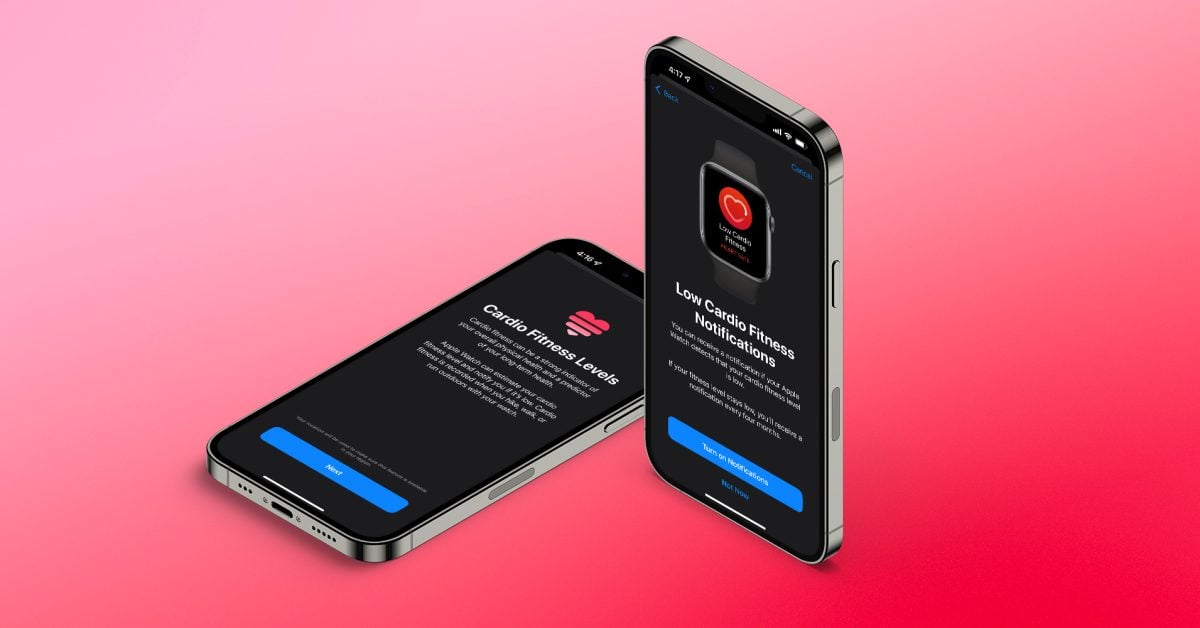
A report published in the Interactive Journal of Medical Research highlights the potential health benefits of Apple Watch's Cardio Fitness feature. A healthy 40-year-old received repeated push notifications about low VO2 max levels, prompting them to seek medical advice. Tests revealed a diagnosis of familial nonischemic cardiomyopathy. The case suggests that wearables like the Apple Watch could play a role in monitoring VO2 trends and identifying cardiovascular conditions earlier in the diagnostic workflow. However, caution is advised, and further studies are needed.

Enlarged heart and cocaine use cited as cause of death for teacher tasered by LAPD and BLM co-founder's cousin.

Originally Published 2 years ago — by The Guardian US

Featured image for Enlarged heart and cocaine use cited as cause of death for teacher tasered by LAPD and BLM co-founder's cousin.
Source: The Guardian US

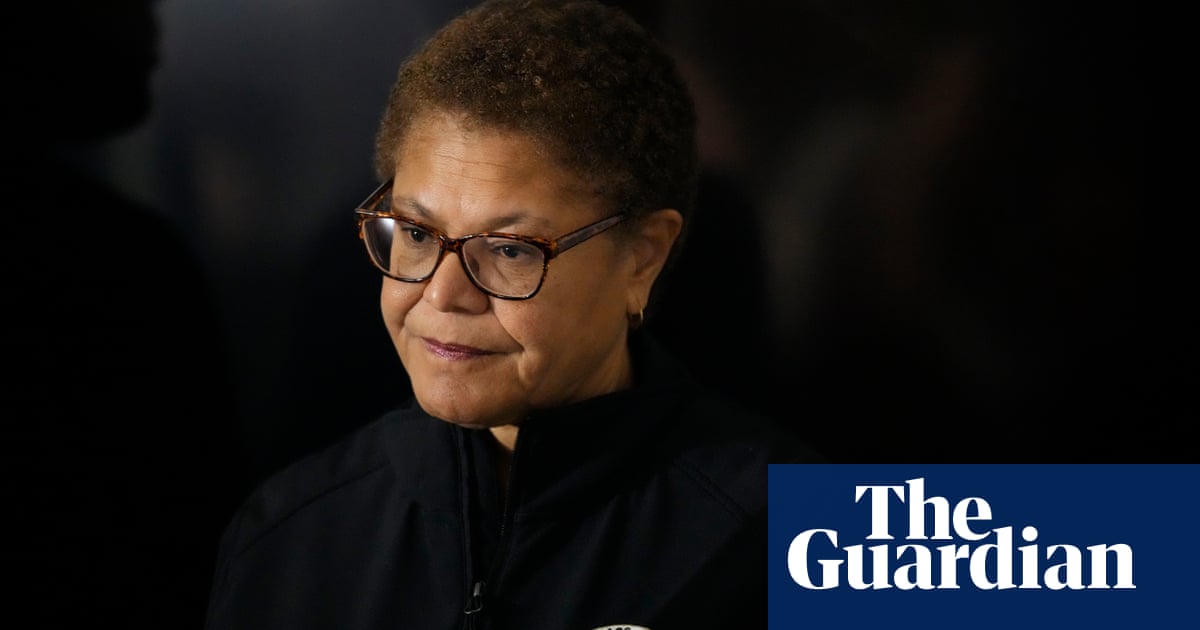
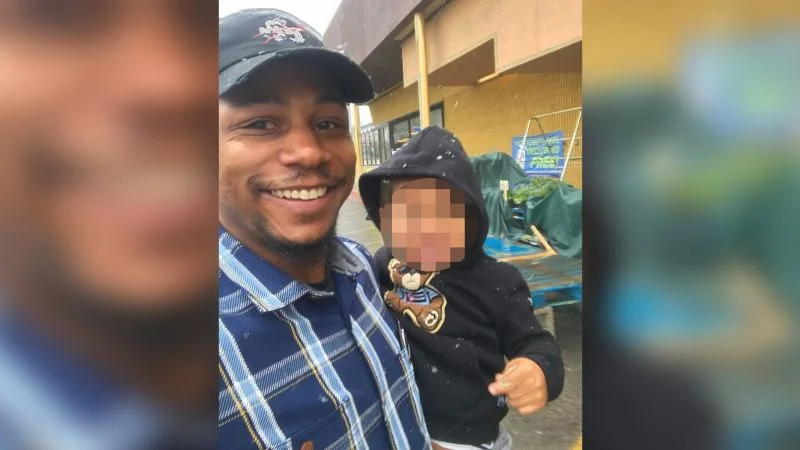
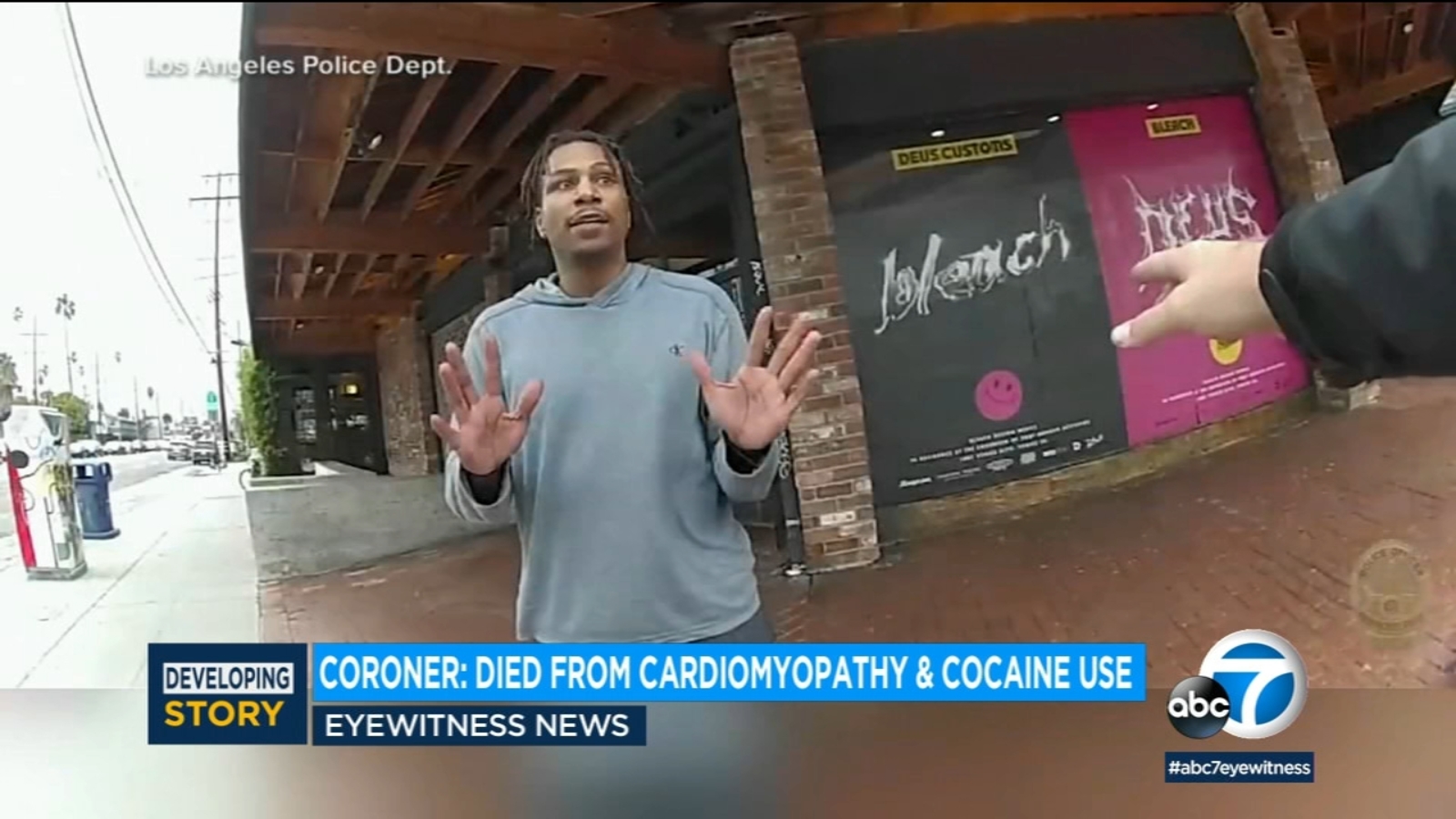
Keenan Darnell Anderson, a teacher who was repeatedly shocked with a Taser by LAPD, died from an enlarged heart and cocaine use, according to an autopsy report. The manner of Anderson’s death was undetermined but the cause was listed as “effects of cardiomyopathy and cocaine use” and his death was “determined hours after restraint and conducted energy device use”, the coroner’s report said. Anderson's relatives have filed a $50m claim with the city, alleging officers unreasonably used deadly force, failed to follow training and filed false police reports.

BLM co-founder's cousin's cause of death revealed as cocaine use and enlarged heart.

Originally Published 2 years ago — by CNN

Featured image for BLM co-founder's cousin's cause of death revealed as cocaine use and enlarged heart.
Source: CNN

Keenan Anderson, cousin of Black Lives Matter co-founder Patrisse Cullors, died from cardiomyopathy and cocaine use after being restrained and tased by Los Angeles police officers in January. His death was the third officer-involved death in Los Angeles this year. Anderson's estate has sued the city of Los Angeles for $50 million, claiming the officers used "unreasonable deadly force."

Coroner links LAPD Taser incident to teacher's cocaine-related death.

Originally Published 2 years ago — by KABC-TV

Featured image for Coroner links LAPD Taser incident to teacher's cocaine-related death.
Source: KABC-TV

A teacher who died after being hit by a Taser multiple times during a struggle with LAPD officers earlier this year died as a result of "cardiomyopathy and cocaine use," according to an autopsy report. Keenan Anderson's death was one of three following encounters with LAPD officers since the start of the New Year, sparking widespread condemnation. Anderson's family claimed officers used excessive force and argued the Taser and force killed him.

AI Accelerates Search for Treatment Targets through Gene Interaction Predictions.

Originally Published 2 years ago — by Nature.com

Featured image for AI Accelerates Search for Treatment Targets through Gene Interaction Predictions.
Source: Nature.com

An artificial intelligence system has been developed to predict gene interactions in data-limited situations, such as rare diseases or those affecting hard-to-sample tissues. The system was trained on a large, general dataset and tested on the heart condition cardiomyopathy, identifying potential interactions that could represent new therapeutic targets.

Rapper Coolio's Accidental Fentanyl Overdose Cause of Death Confirmed

Originally Published 2 years ago — by NPR

Featured image for Rapper Coolio's Accidental Fentanyl Overdose Cause of Death Confirmed
Source: NPR

The Los Angeles County coroner's office has revealed that rapper Coolio died of an accidental fentanyl overdose on September 28, 2022, at a friend's home in Los Angeles. The 59-year-old rapper, whose legal name was Artis Ivey Jr., was one of hip-hop's biggest names in the 1990s, with hits like "Gangsta's Paradise." The coroner's report also listed other specific conditions, including asthma, cardiomyopathy, and phencyclidine use.

Coolio's Death Caused by Accidental Fentanyl Overdose, Coroner Confirms

Originally Published 2 years ago — by ABC News

Featured image for Coolio's Death Caused by Accidental Fentanyl Overdose, Coroner Confirms
Source: ABC News

Coolio, the rapper known for hits like "Gangsta's Paradise" and "Fantastic Voyage," died last year due to fentanyl, with traces of heroin and methamphetamine in his system. His death was listed as accidental, with cardiomyopathy as a significant condition. Coolio won a Grammy for "Gangsta's Paradise" and had a career album sales total of 4.8 million. His estate plans to release a studio album later this year that he had been working on before his death.