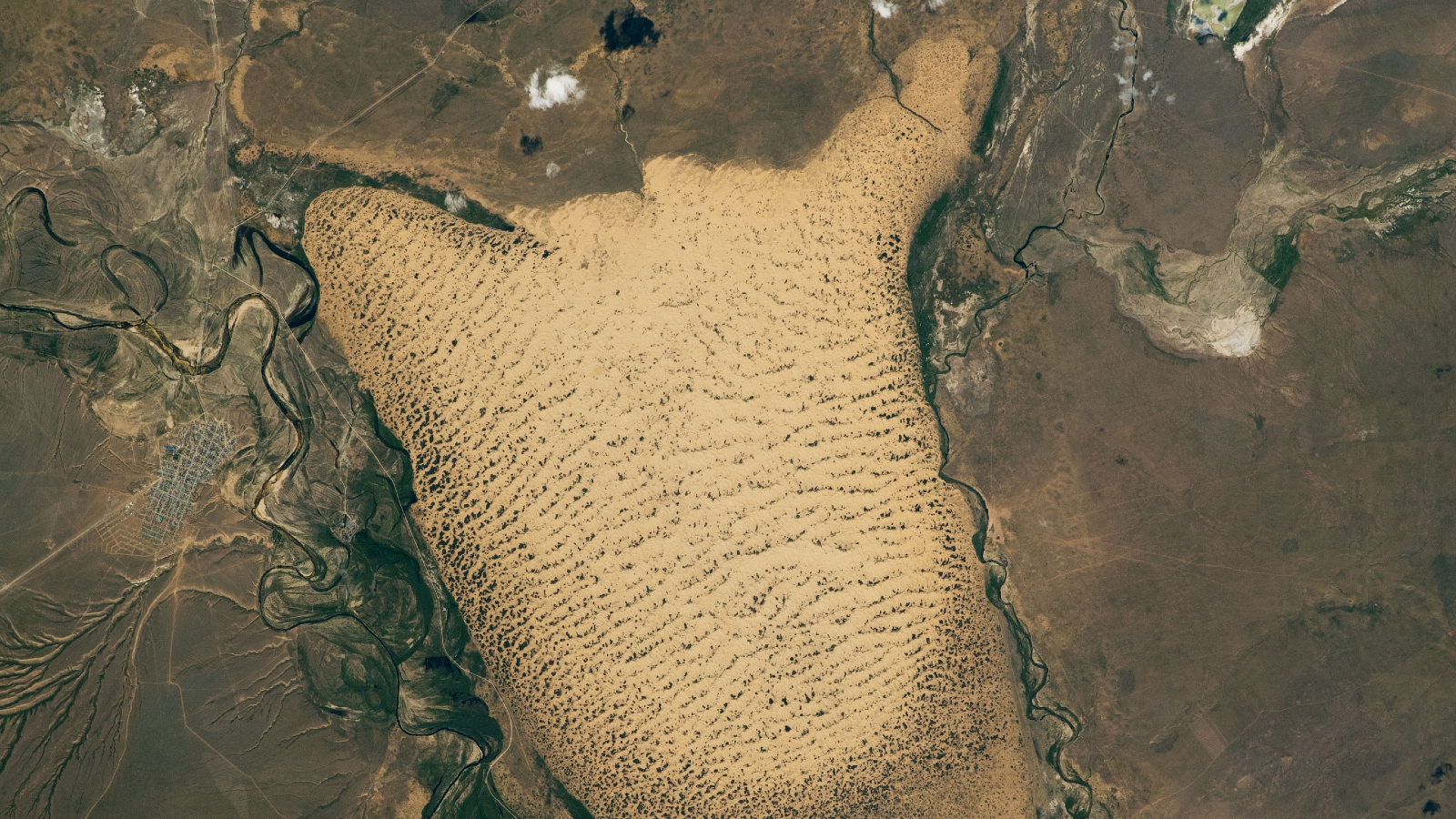
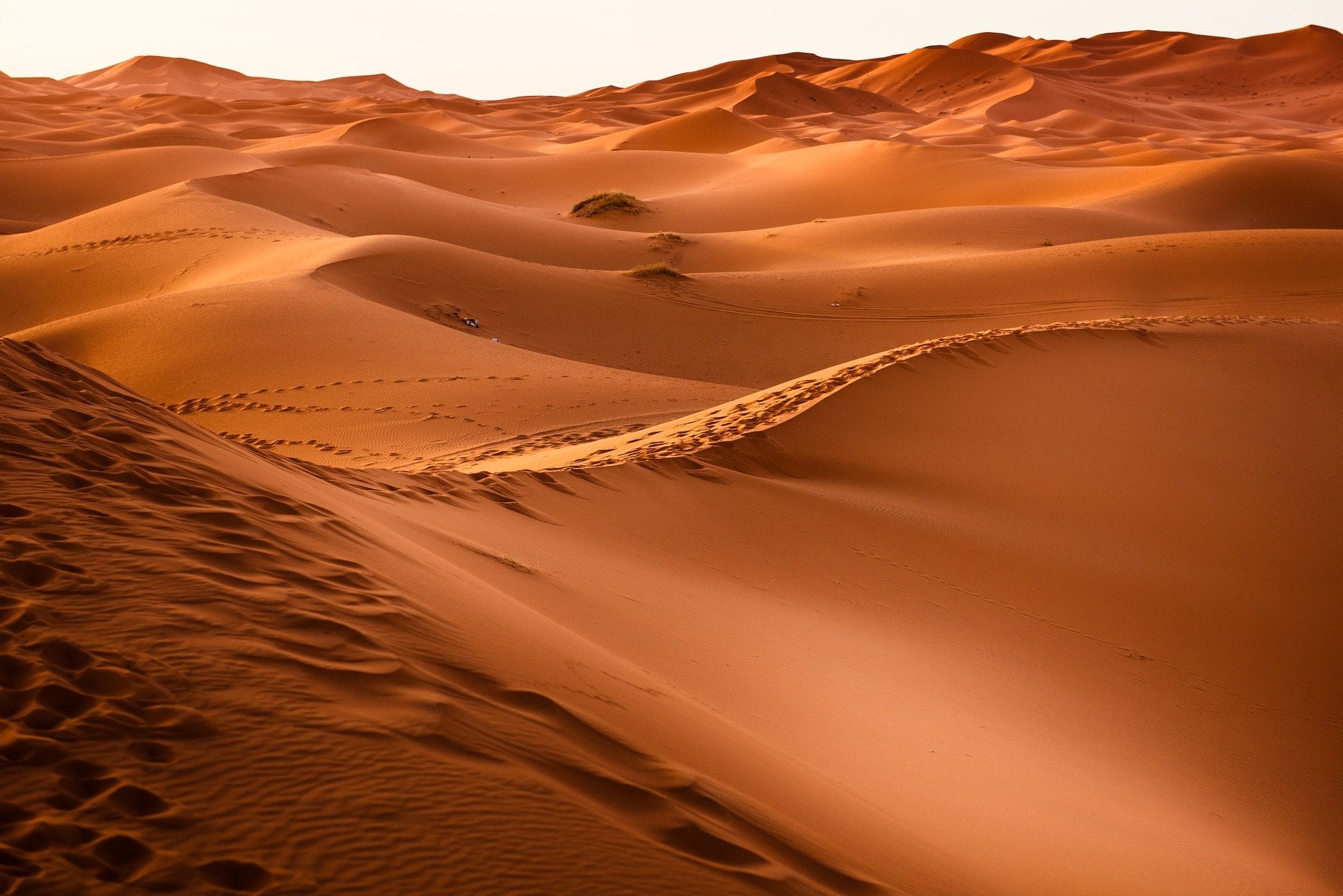
An astronaut photograph captures a large, slug-shaped sand dune field in Kazakhstan's Kazakh Steppe, which is gradually being stabilized by vegetation, potentially halting its movement due to plant growth, with future changes uncertain.
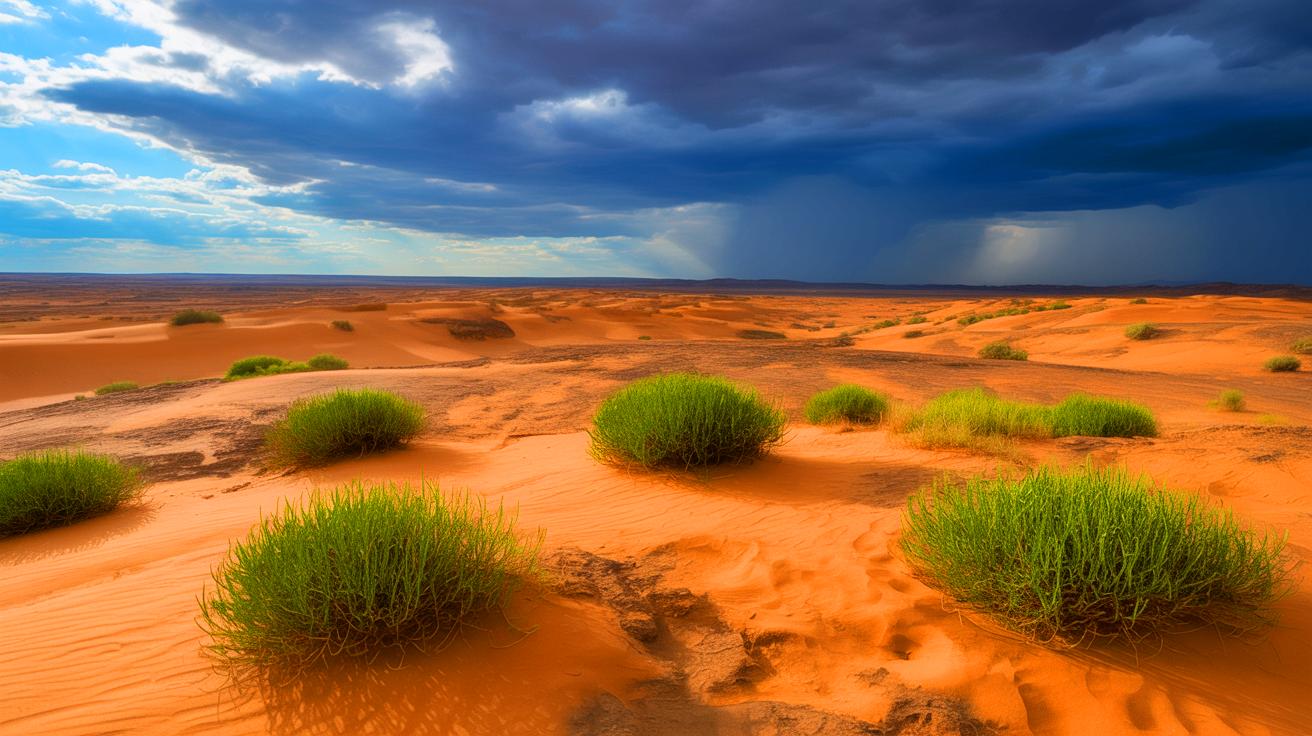
In 2024, the Sahara Desert experienced unusual rainfall, temporarily greening parts of the region, especially the Sahel, highlighting the desert's complex climate history and potential for change, despite remaining largely arid. NASA's findings reveal the Sahara's past as a lush landscape during the African Humid Period and underscore the importance of understanding Earth's dynamic ecosystems amid climate challenges.
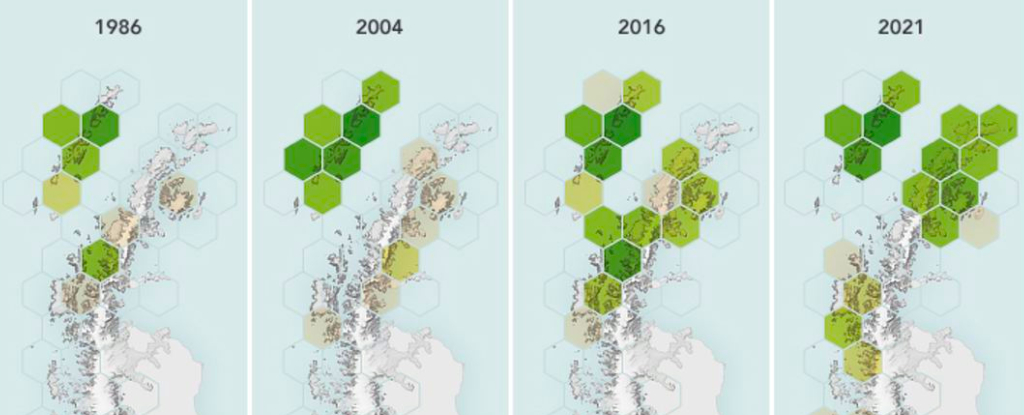
Satellite data over 35 years reveals that Antarctica is becoming significantly greener, with vegetation on the Antarctic Peninsula increasing more than tenfold since 1986. This greening, primarily due to climate change, is driven by mosses and lichens colonizing newly ice-free areas. The study highlights the ecological shifts occurring as ice retreats, raising concerns about biodiversity and the potential introduction of non-native species. Researchers emphasize the need for further fieldwork to understand the evolving plant communities and environmental changes.
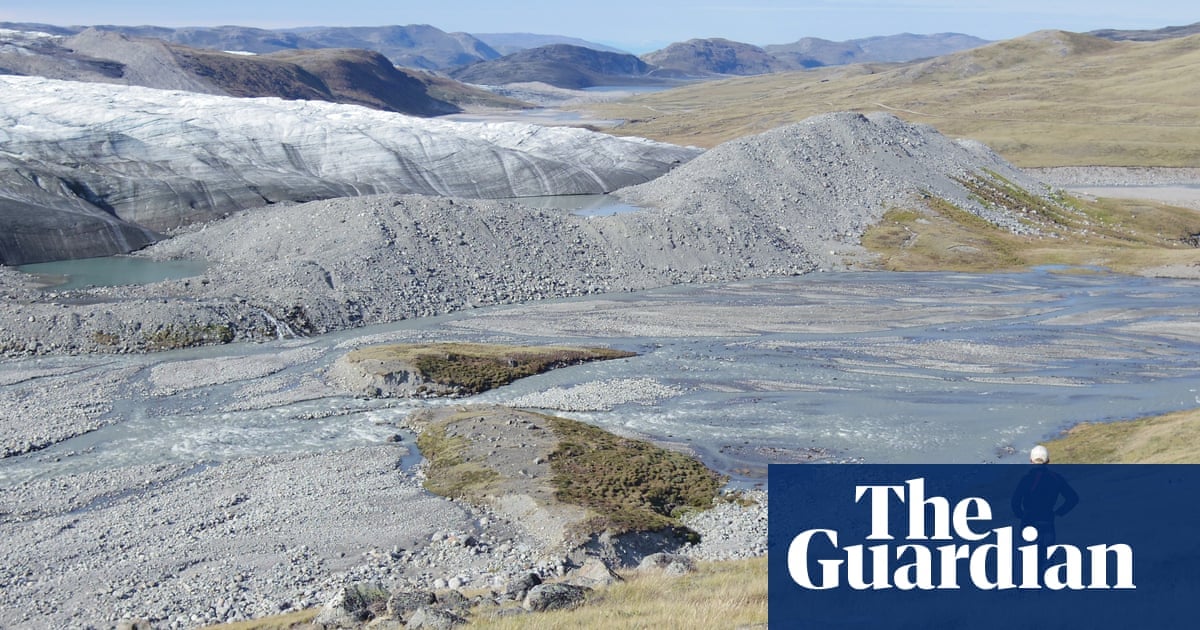
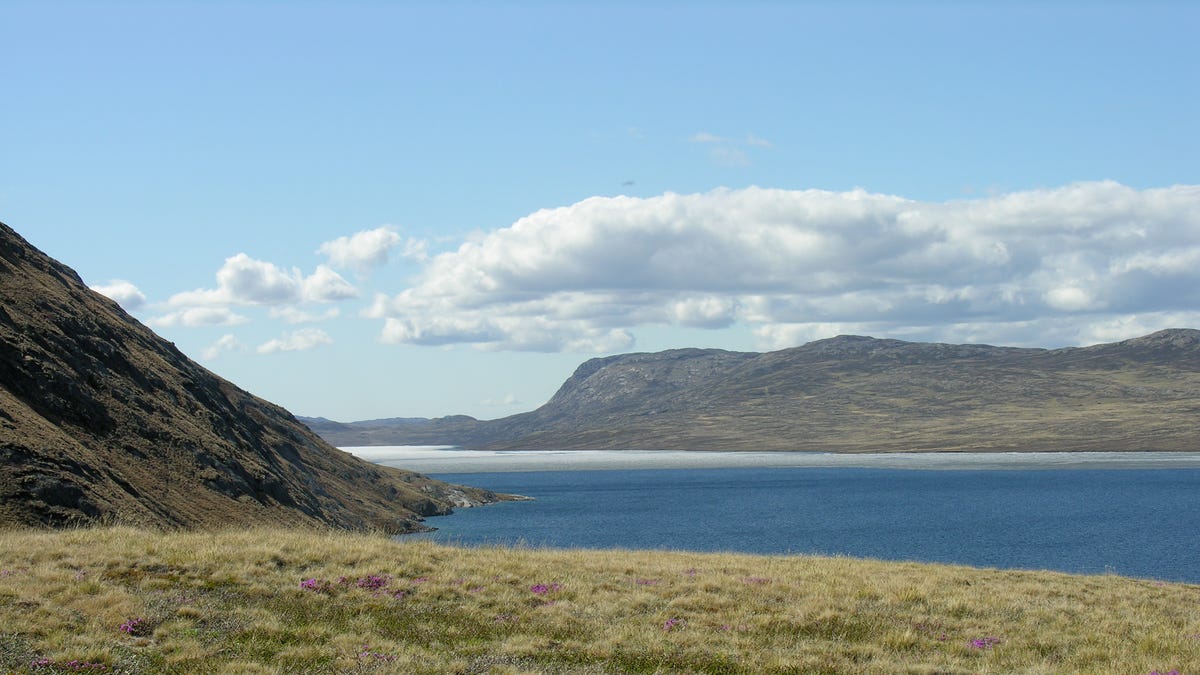
Greenland's ice sheet is melting at an alarming rate due to climate change, leading to a significant increase in vegetation and wetlands coverage over the past 30 years. The warming Arctic, especially Greenland, has experienced a temperature rise twice as much as the rest of the world since the 1970s, causing drastic changes in the land-climate system. This "shrubification" is altering the energy balance, microclimatology, and feedback mechanisms, ultimately contributing to the acceleration of ice melt and rising sea levels. Greenland was historically much greener, and the name "Greenland" was chosen to attract settlers, but various factors, including volcanic eruptions and changes in trade, led to the island's current icy state.
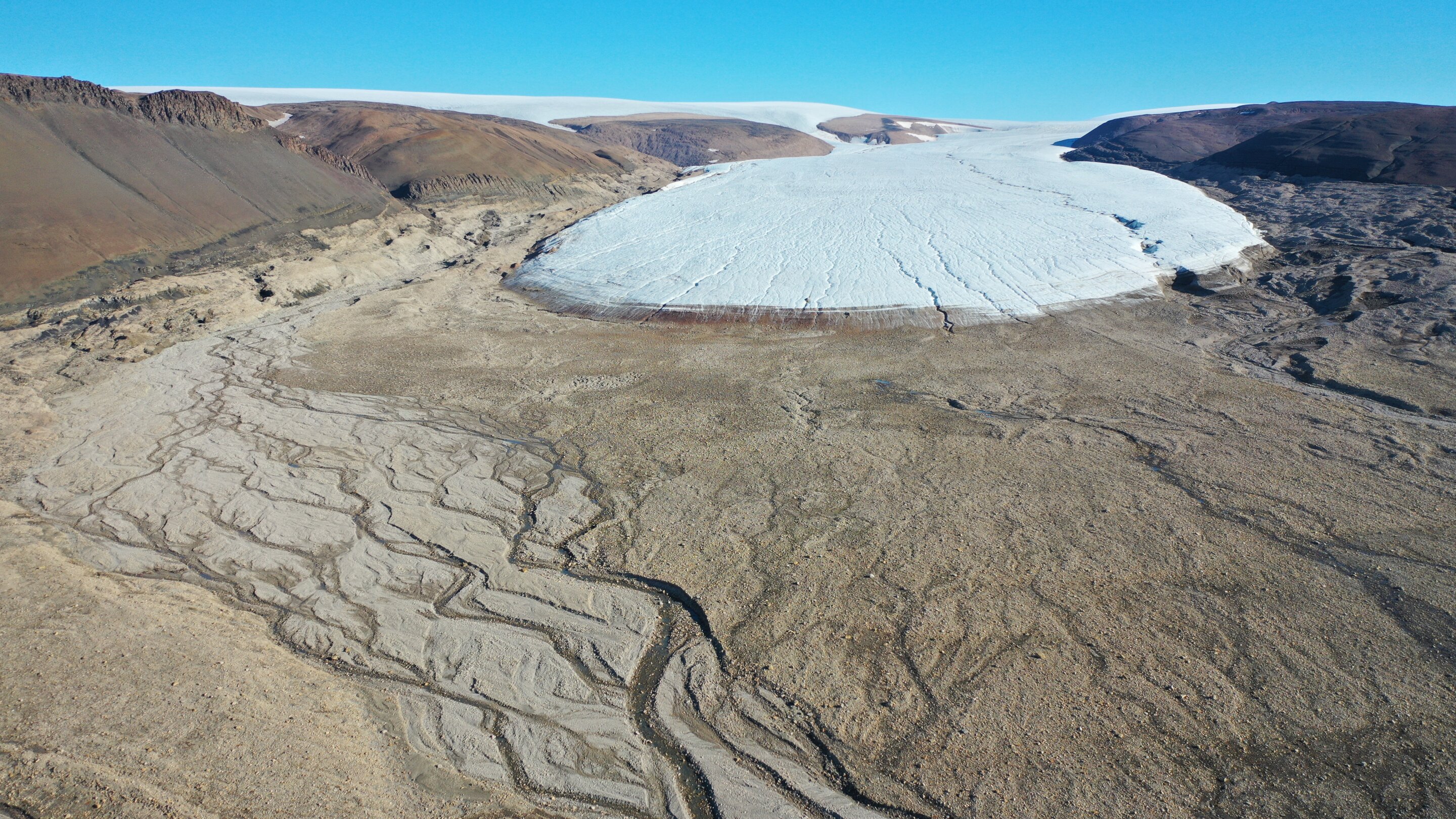
Climate experts are concerned about the thriving plant life on Greenland's melted ice sheet, which is leading to increased greenhouse gas emissions, rising sea levels, and landscape instability. The study shows that significant areas of ice have been replaced with barren rock, wetlands, and shrub growth, resulting in a change in the environment. The expansion of vegetation is altering the flow of sediments and nutrients into coastal waters, impacting Indigenous populations and contributing to global sea level rise. Warmer air temperatures are causing the ice to retreat, and the researchers have developed a model to predict areas likely to experience accelerated change in the future.
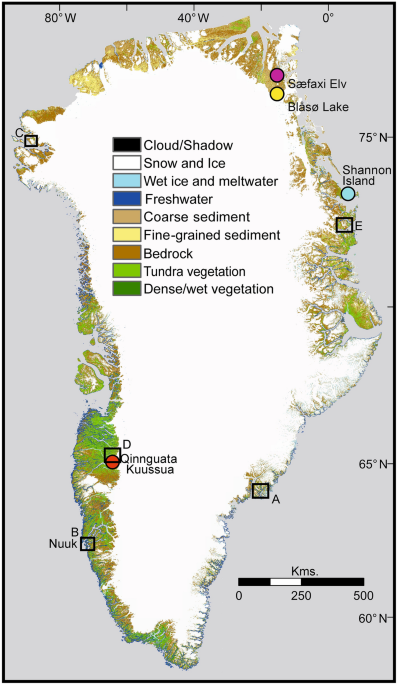
A study published in Scientific Reports reveals that over the past three decades, Greenland has experienced significant land cover changes, including a doubling of vegetation coverage and a quadrupling of wetlands. The loss of ice and increased meltwater are also notable, with these changes being strongly associated with differences in the number of positive degree days rather than absolute temperature increase. These land cover changes have profound implications for land surface albedo, greenhouse gas emissions, landscape stability, sediment delivery, and biogeochemical processes.
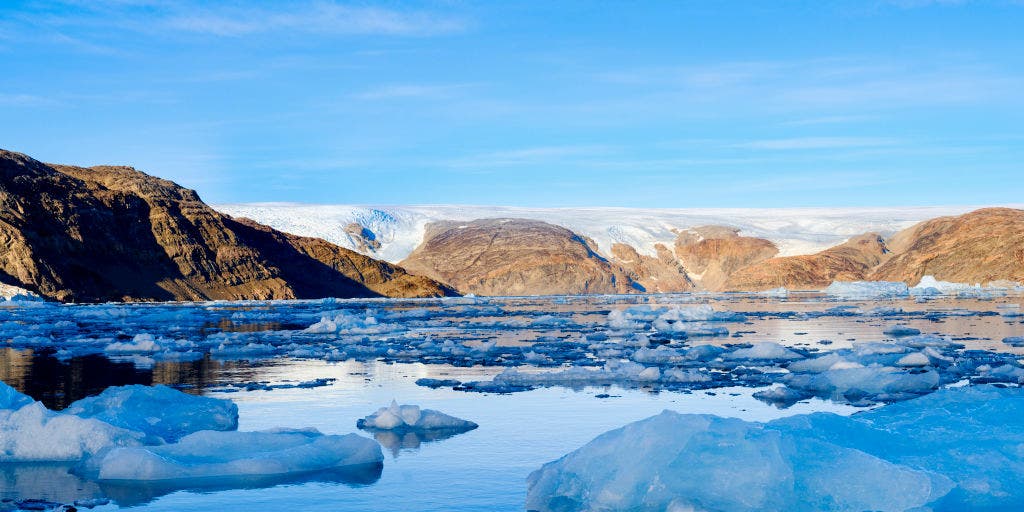
Due to global warming, Greenland's ice sheet is melting rapidly, leading to the resurgence of vegetation in areas that were once covered in ice and snow. The melting ice has resulted in the loss of approximately 11,000 square miles of ice sheet and glaciers over the past three decades, contributing to global sea level rise. If all the ice on Greenland were to melt, global seas would rise by about 23 feet, impacting climate and weather patterns worldwide. The study suggests that Greenland will continue to become greener as ice diminishes further, promoting vegetation expansion.
A major satellite analysis reveals that approximately 11,000 square miles of Greenland's ice sheet and glaciers have melted over the last three decades, being replaced by vegetation, barren rock, and wetlands due to warmer air temperatures. The loss of ice triggers further warming, impacting land surface temperatures, greenhouse gas emissions, and the stability of the landscape. The study warns of more extreme temperatures in the future and highlights the significant impact on indigenous populations and global sea level rise.
Research explains that the Sahara Desert was once a green savannah during a period called the Green Sahara or North African Humid Period, approximately 6,000-11,000 years ago. Scientists have identified over 230 instances of greening occurring every 21,000 years over the past eight million years. Changes in Earth's orbital precession, which affects the planet's proximity to the sun, caused warmer summers in the Northern Hemisphere, intensifying the West African Monsoon system and shifting the African rainbelt northwards. This increased Saharan rainfall, leading to the spread of savannah and wooded grassland across the desert. Understanding the past climate sensitivity of the Sahara is crucial for comprehending the implications of present-day climate change.
New research published in Nature Communications explains why and when the Sahara Desert experienced periodic green phases. Climate scientists used a climate model to simulate the North African Humid Periods and found that changes in Earth's orbital precession, which influenced the strength of the West African Monsoon system, were responsible for these humid events. The study also revealed that the humid periods did not occur during ice ages when large glacial ice sheets covered high latitudes, suppressing the expansion of the African monsoon system. Understanding these mechanisms provides insights into the dispersal of species, including early humans, out of Africa during different climatic periods.
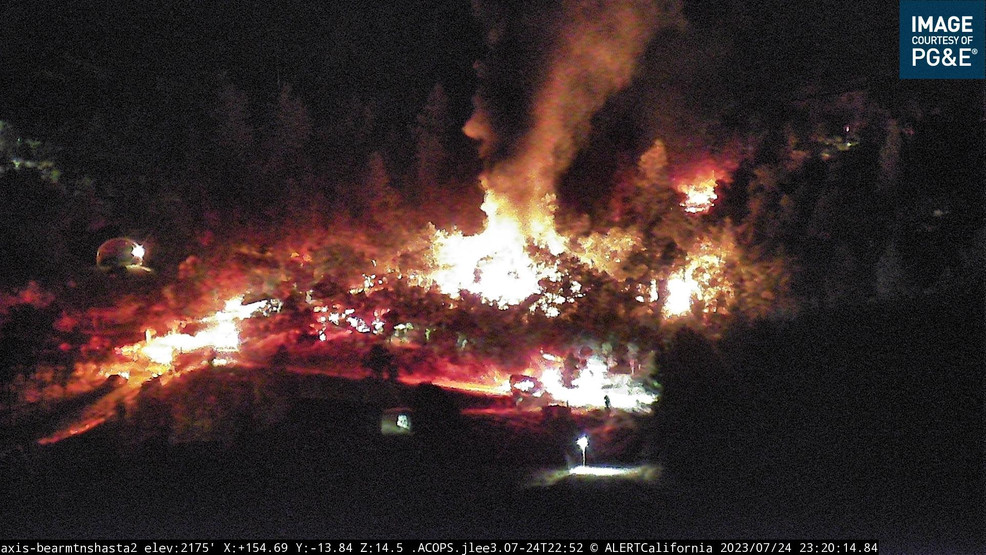
Residents near Diamond Springs in El Dorado County had a close call after a barn fire spread to surrounding vegetation, prompting evacuation orders. The fire, fueled by wind, resulted in multiple structures being threatened. Firefighters were able to contain the flames to the Diamond Springs hills, and evacuation orders were lifted. The fire burned approximately 4 acres in total, with crews monitoring hot spots overnight.
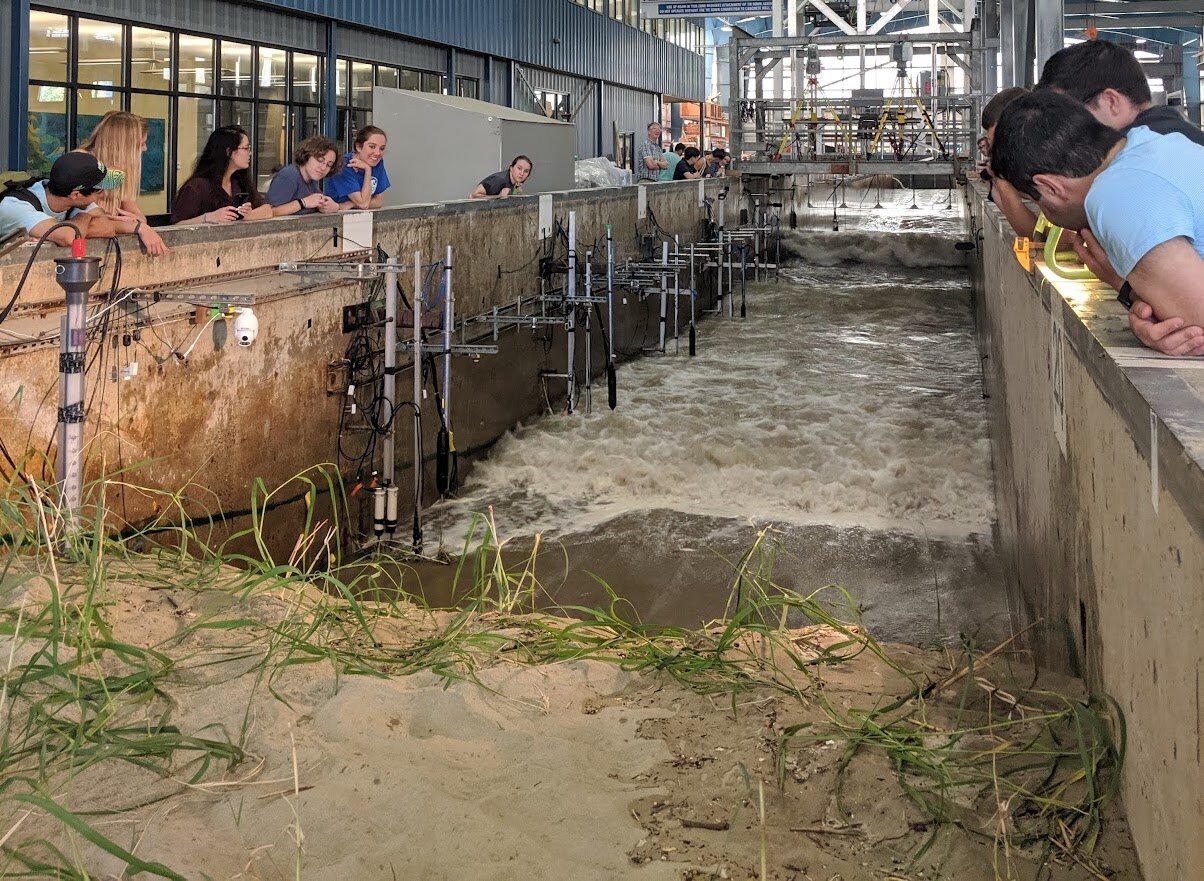
Newly planted vegetation on coastal sand dunes can accelerate erosion from extreme waves, according to a study involving researchers from the Oregon State University College of Engineering. The findings run counter to the widely accepted paradigm that vegetation always acts to reduce erosion on dunes, the first line of storm defense for landscapes that are among the world's most ecologically important and economically valuable. The research is crucial because the United States coastline is dotted with communities trying to protect themselves from storms by planting vegetation on dunes in an attempt to make the dunes higher and more stable.