
Tag

Green Sahara

All articles tagged with #green sahara

science2 years ago

The Green Sahara: A Crucial Factor in Ancient Human Migration

Research explains that the Sahara Desert was once a green savannah during a period called the Green Sahara or North African Humid Period, approximately 6,000-11,000 years ago. Scientists have identified over 230 instances of greening occurring every 21,000 years over the past eight million years. Changes in Earth's orbital precession, which affects the planet's proximity to the sun, caused warmer summers in the Northern Hemisphere, intensifying the West African Monsoon system and shifting the African rainbelt northwards. This increased Saharan rainfall, leading to the spread of savannah and wooded grassland across the desert. Understanding the past climate sensitivity of the Sahara is crucial for comprehending the implications of present-day climate change.
science2 years ago

Unveiling the Ancient African Migration Routes and Climate Shifts

New research explains that the Sahara Desert was once a green savannah due to changes in Earth's orbit, specifically the wobbling of the planet on its axis every 21,000 years. This caused warmer summers in the Northern Hemisphere, leading to increased rainfall and the spread of vegetation across the desert. The study highlights the sensitivity of the Sahara to past climate changes and provides insights into the implications of present-day climate change. Understanding these patterns can help predict future greening in response to climate change and its impact on the environment.

science2 years ago

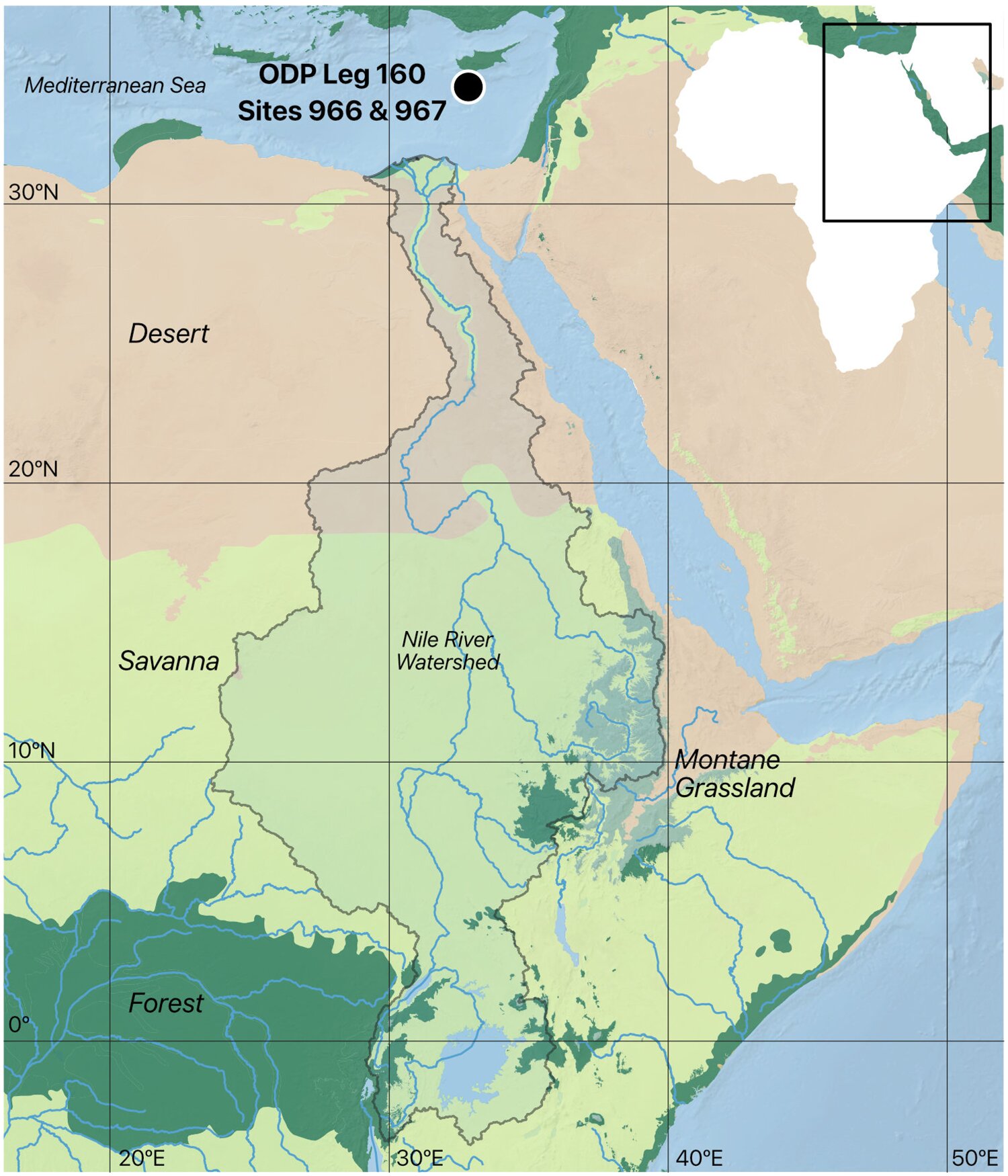
Climate's Impact on Human Migration: Insights from a New Study

A new study suggests that climate played a crucial role in the migration of Homo erectus from Africa. Researchers from Aarhus University found that during the period when Homo erectus migrated, the Sahara was greener than at any other time in the 4.5 million year period studied. The "Green Sahara" or "African Humid Periods" created a corridor of savannas that allowed early humans to walk out of Africa. By analyzing core samples from the Mediterranean seafloor, researchers were able to determine the climate conditions of the past and found evidence of a wetter climate that transformed parts of the desert into grassland and savanna, facilitating the migration of Homo erectus.