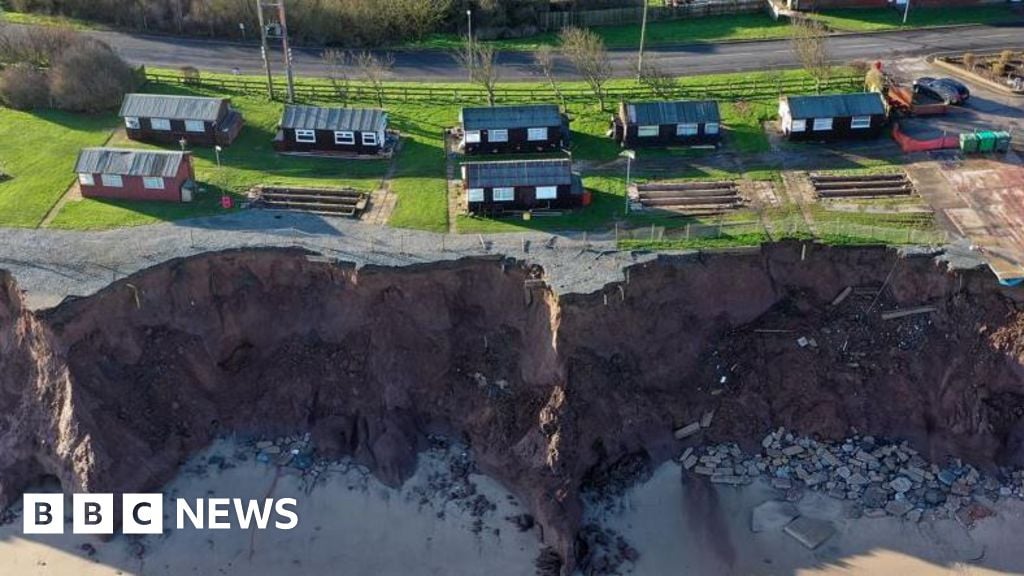
East Yorkshire's coastline is rapidly eroding, leading to the loss of numerous villages over centuries, with climate change and rising sea levels exacerbating the situation; local stories and historical maps highlight the ongoing impact of this natural process.
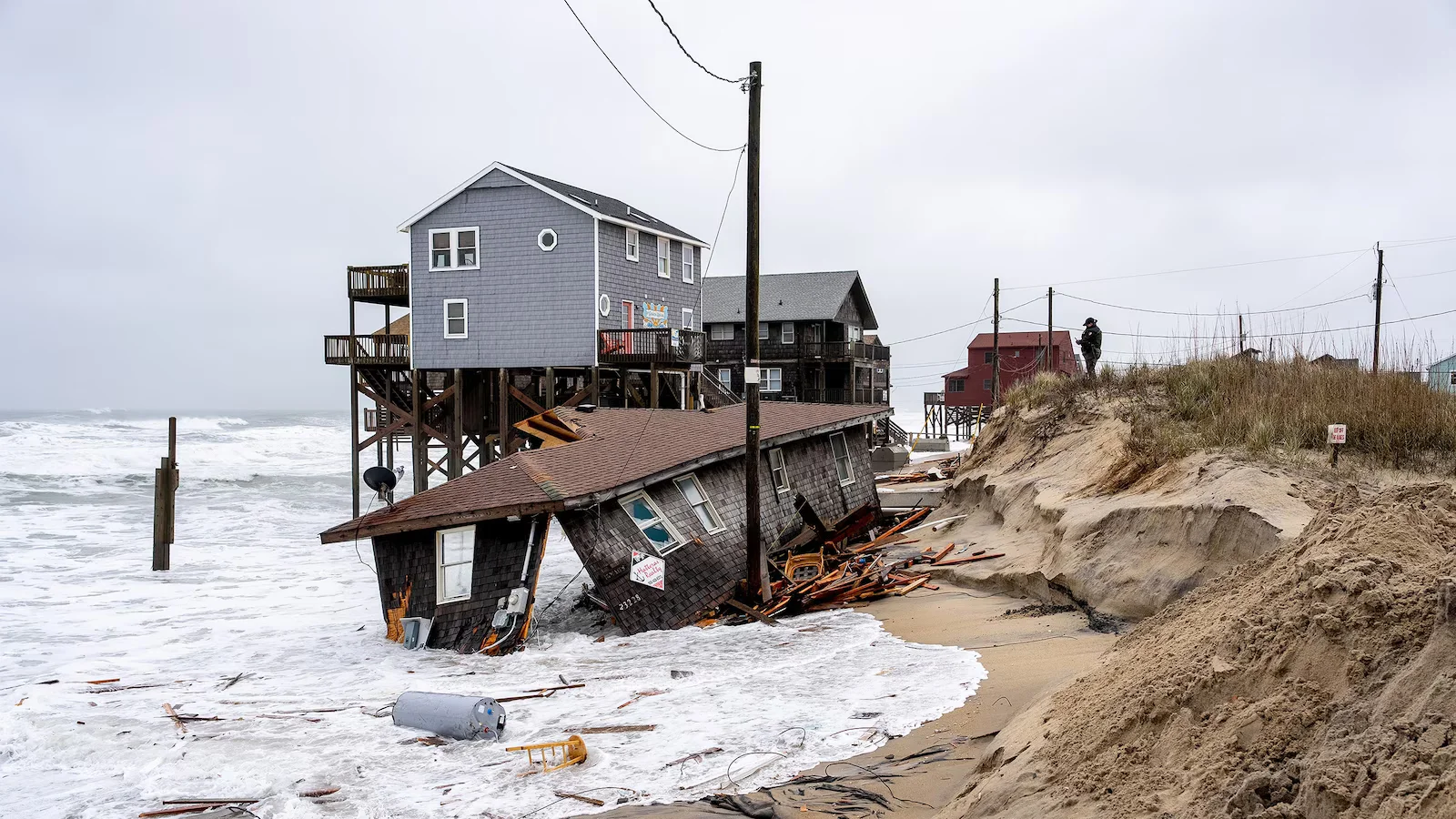
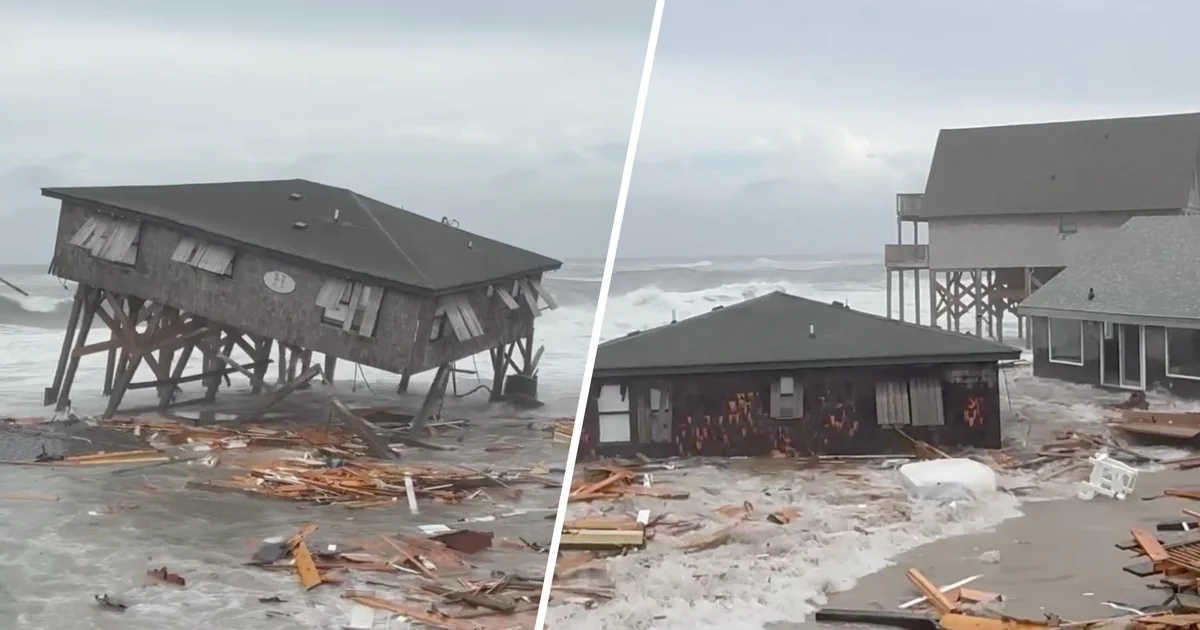
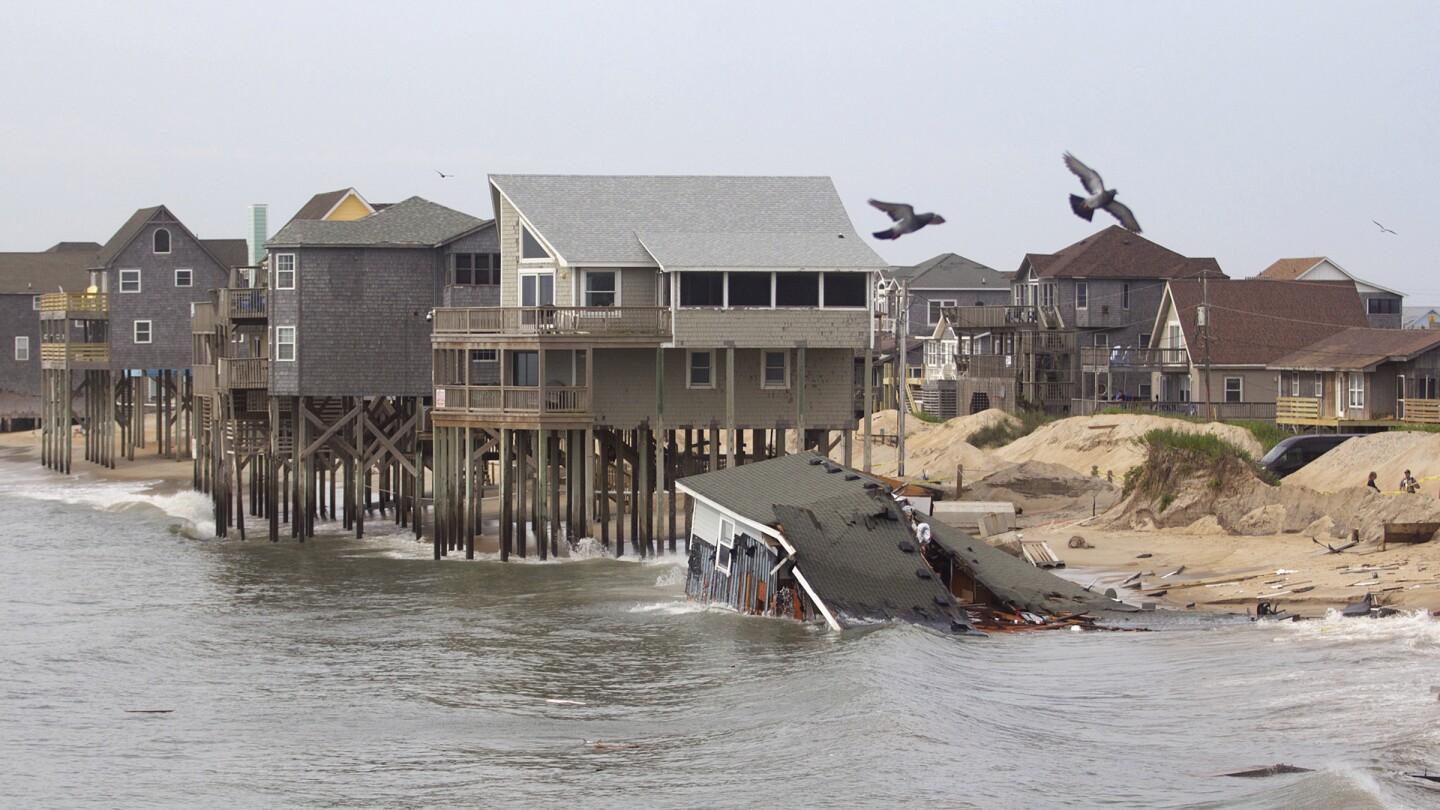
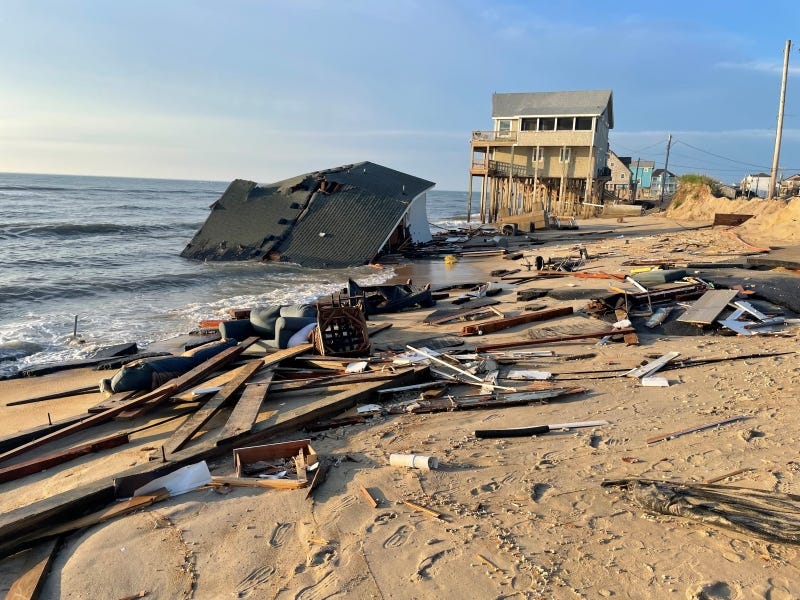
Several unoccupied homes in the Outer Banks, North Carolina, have recently collapsed into the Atlantic Ocean due to severe coastal erosion exacerbated by rising sea levels and storm impacts, with more collapses possible in the coming days. Local authorities are working to manage debris and protect the beaches amid ongoing erosion and storm threats.
Several unoccupied houses along North Carolina's Outer Banks collapsed into the Atlantic Ocean due to the impact of Hurricanes Humberto and Imelda, highlighting ongoing coastal erosion and storm-related hazards in the region.
Five unoccupied houses along North Carolina's Outer Banks collapsed into the ocean amid hurricanes Humberto and Imelda, highlighting ongoing coastal erosion and storm impacts on the region's fragile barrier islands, with no injuries reported.
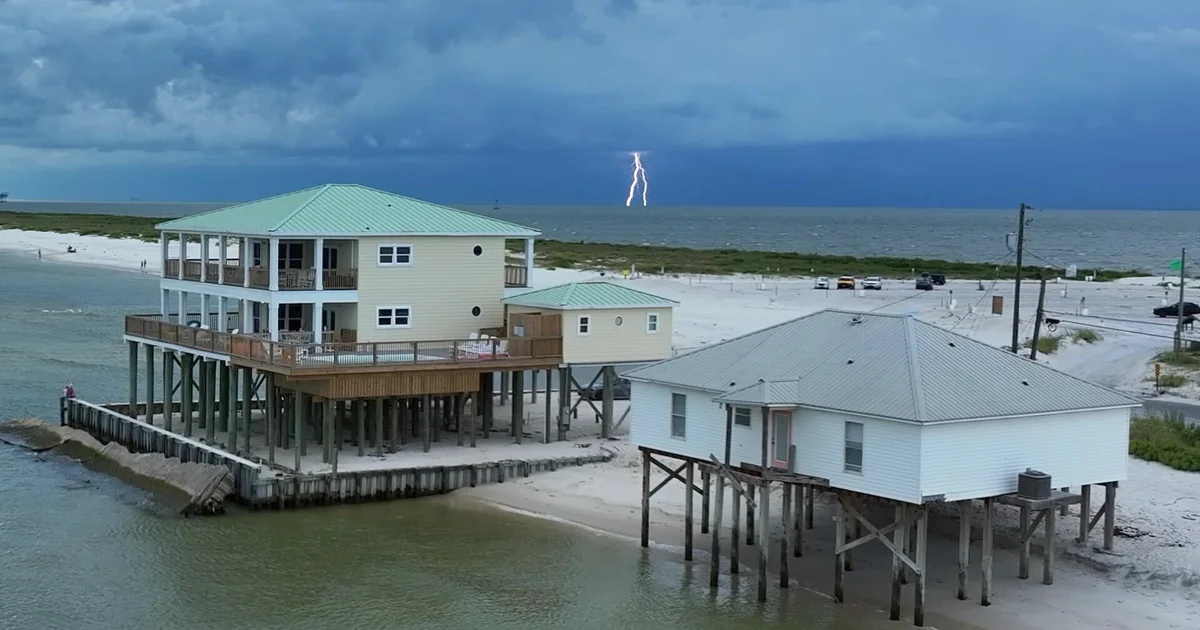
Twenty years after Hurricane Katrina, Dauphin Island in Alabama faces severe erosion, with the island shrinking and homes at risk due to storm damage and rising sea levels. Despite efforts to restore beaches and upgrade infrastructure, funding challenges and policy changes threaten ongoing resilience projects, leaving the community in a precarious position as they await further support to prevent total disappearance.
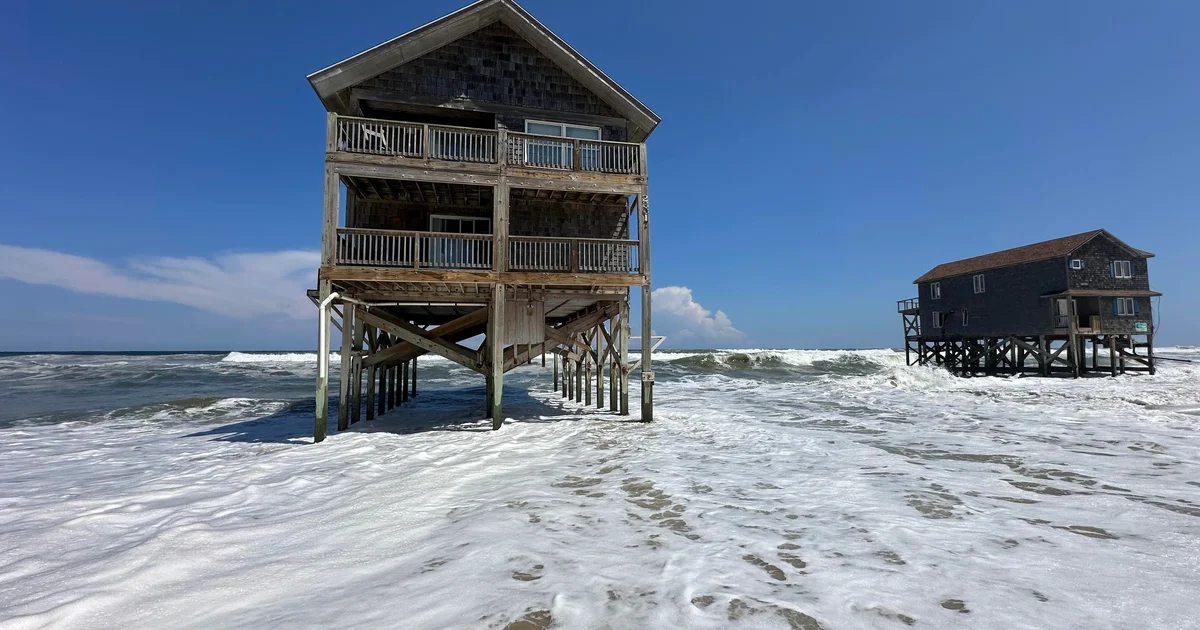
Hurricane Erin caused high waves and strong winds along the U.S. East Coast, particularly impacting North Carolina's Outer Banks where homes are at risk of collapse due to ongoing erosion and storm surges, with some structures teetering on the brink of falling into the ocean.
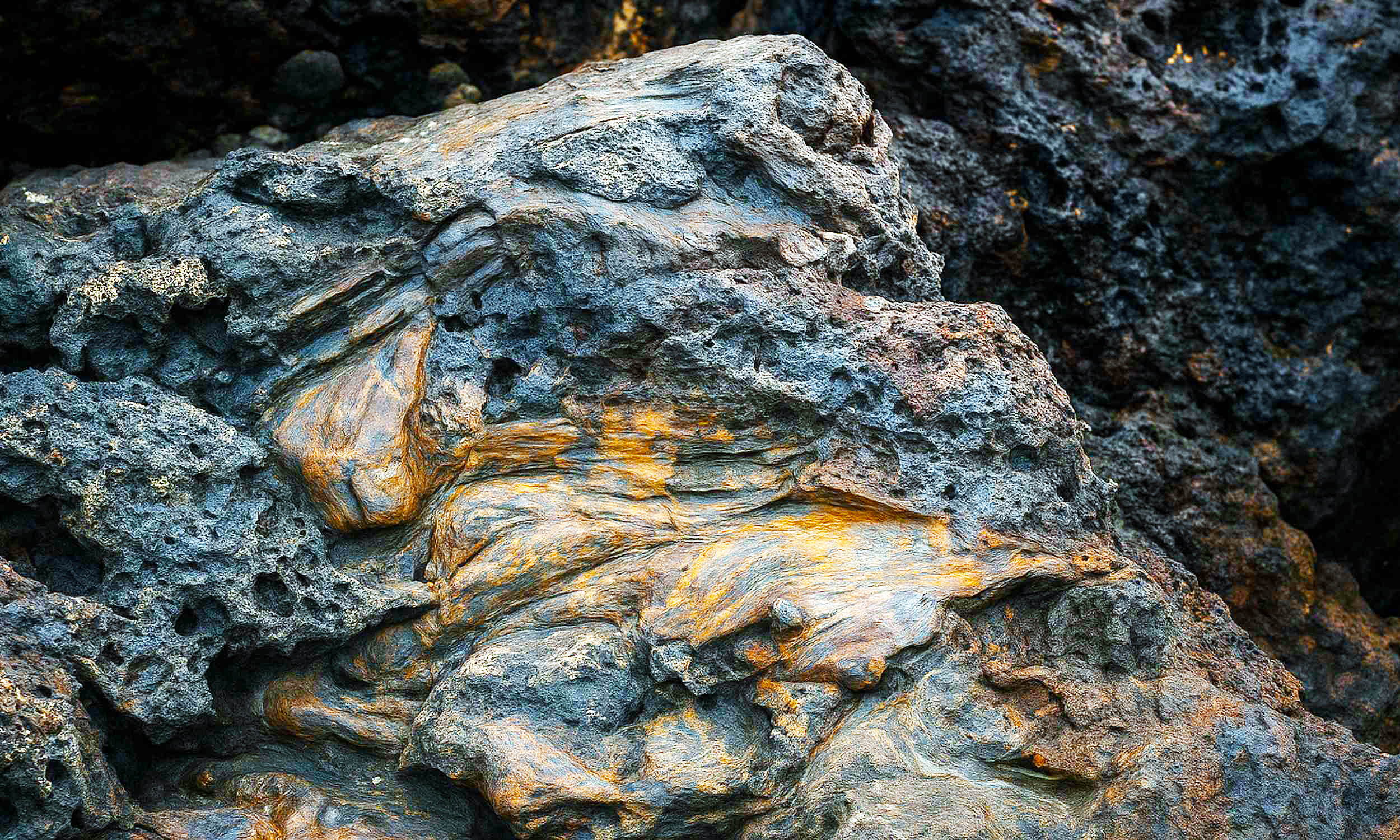
Scientists have discovered that steel slag from industrial waste can solidify into new rock within just 35 years, challenging traditional geological timelines and highlighting the rapid impact of human activity on Earth's geology, especially along coastlines where such waste alters natural processes and ecosystems.
A sixth house has collapsed into the Atlantic Ocean along North Carolina's Outer Banks, prompting beach closures and cleanup efforts due to dangerous debris. The region's narrow, low-lying barrier islands are increasingly vulnerable to storm surges and rising sea levels, exacerbating coastal erosion.
A sixth house has collapsed into the Atlantic Ocean along North Carolina's Outer Banks, prompting beach closures and cleanup efforts due to dangerous debris. The region's narrow, low-lying barrier islands are increasingly vulnerable to storm surges and rising sea levels, exacerbated by climate change.
Another house has collapsed into the ocean on the Outer Banks of North Carolina, marking the sixth such incident in the last four years due to ongoing coastal erosion. The unoccupied house in Rodanthe collapsed early Tuesday morning, prompting authorities to close a one-mile stretch of beach for cleanup and safety. The Cape Hatteras National Seashore attributes the collapses to the daily effects of winds, waves, tides, rising seas, and storms.
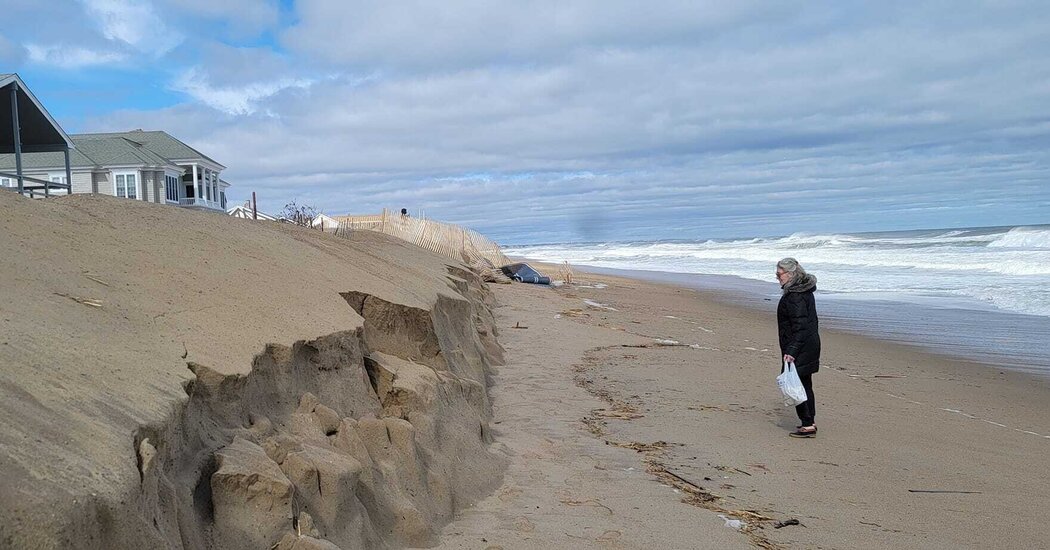
Residents of Salisbury Beach, Massachusetts, spent nearly $600,000 to have 15,000 tons of sand dropped near their beachfront homes to protect them from storms. However, a recent storm washed nearly half of the sand away, leaving the area defenseless against the ocean waters. The sand dune project was initiated after the beach was hit hard by storms in the past, and while the dunes sacrificed themselves to protect the properties, the community is now left feeling depressed, discouraged, and angry.
A $500,000 sand dune built by homeowners in Salisbury, Massachusetts to protect their beachfront properties washed away in just three days, leaving them vulnerable to rising sea levels, stronger winds, and severe storms. The dune, made of 15,000 tons of sand, was meant to prevent dangerous tides from damaging beach houses, but succumbed to the elements. Efforts are now underway to secure state funding for replenishing the sand, as hard structures like seawalls are not allowed on Massachusetts beaches.
Three multimillion-dollar homes in Dana Point, California, are at risk of falling off a cliff following severe storms and a large landslide. Heavy rain is forecast for the area, raising concerns about further erosion. Climate scientists warn that global warming can lead to more frequent and severe rainfall events, exacerbating coastal erosion and transforming coastlines worldwide.
A landslide in Dana Point has left a mansion teetering on the edge of a weakened cliff, prompting concerns about building homes on bluffs due to increasing rainfall and sea level rise. Officials have assessed the area and stated there is no imminent threat to the home, but the California Coastal Commission's executive director warns that coastal cliffs are becoming more destabilized, making it unsafe to build homes in such locations. The owner of the mansion is seeking their own assessment, and there is a growing effort to pull back developments from cliff edges.
As coastal erosion threatens many countries, the traditional approach of beach nourishment is proving to be unsustainable and costly. A new strategy called the "sand motor," pioneered by the Netherlands, involves creating a sculpted landscape that allows natural wave action to distribute sand along the coastline, providing longer-lasting protection. While successful in some areas, the high upfront costs and need for international assistance make it challenging for many countries to implement. The World Bank is funding sand motor projects in West Africa, but the effectiveness of these interventions depends on comprehensive climate adaptation plans that include shifting development away from vulnerable coastlines.