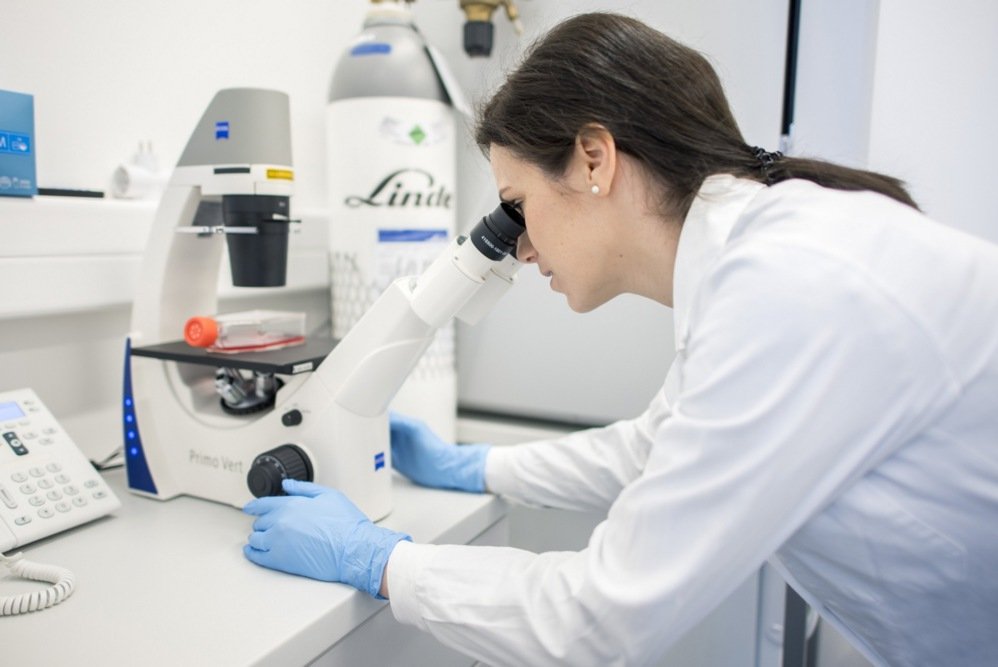
A new rapid test for urinary tract infections can quickly identify the most effective antibiotic for each patient, reducing diagnosis time by up to 24 hours and potentially decreasing the use of broad-spectrum antibiotics, thereby helping to combat antibiotic resistance.
A recent study links some urinary tract infections to food handling practices in the kitchen, particularly the contamination of meat with E. coli bacteria, emphasizing the importance of proper cooking and hygiene to prevent infections.
A study finds that nearly 20% of urinary tract infections in Southern California are linked to E. coli from contaminated meat, especially chicken and turkey, with low-income communities at higher risk, highlighting a food safety concern that extends across the US.
The IDSA has issued new guidelines for managing complicated urinary tract infections (cUTIs), emphasizing tailored antibiotic selection based on severity, resistance risk factors, and local antibiograms, along with recommendations for IV to oral therapy transition and treatment duration to optimize outcomes and antimicrobial stewardship.
Recurring urinary tract infections (UTIs) are common, especially in women, and can be prevented by increasing water intake, urinating regularly, maintaining proper hygiene, avoiding irritant products, and consuming probiotic-rich foods.
The delicate balance of good and bad bacteria in the vaginal microbiome can be disrupted by antibiotics, hormonal changes, and other factors, leading to urinary tract infections (UTIs) and conditions like thrush and bacterial vaginosis (BV). Taking probiotics specifically designed for the vagina, along with dietary and lifestyle changes, may help restore this balance and alleviate symptoms for some women, although more research is needed to fully understand the effectiveness of vaginal probiotics. Maintaining a healthy vaginal microbiome through proper hygiene, diet, and avoiding certain practices may also reduce the risk of imbalance and associated infections.
A groundbreaking British trial has found that an oral spray vaccine can prevent recurring urinary tract infections (UTIs) for up to nine years, offering a potential breakthrough in preventing UTIs and providing a safe and effective alternative to conventional antibiotic treatments. The vaccine, administered under the tongue, resulted in over half of the participants remaining UTI-free for nine years, with no notable side effects reported. The vaccine, developed by Spain-based pharmaceutical company Immunotek, contains four bacterial species in a suspension of water and is expected to undergo regulatory review for potential use on the NHS.
A study presented at the European Association of Urology Congress reveals that the MV140 vaccine, administered as an oral spray, has shown to prevent urinary tract infections (UTIs) for up to 9 years in 54% of participants, with an average infection-free period of 4.5 years. The vaccine, containing inactivated whole bacteria of major UTI-causing species, has been well-tolerated and resulted in fewer and less severe UTIs. Researchers believe it could be a game changer for UTI prevention and reduce the reliance on antibiotic treatments, with further research needed to optimize its use.
Urinary tract infections (UTIs) affect millions in the UK, causing agony and frequent hospital admissions, with women being particularly susceptible. Lifestyle changes such as proper hydration, avoiding sugary snacks, immediate urination after sex, and wearing cotton underwear can help prevent UTIs. Longer antibiotic courses or alternative treatments like Hiprex may be necessary for recurrent infections. Additionally, avoiding bubble baths and soapy washes can also make a significant difference in preventing UTIs.
Duke Health researchers have discovered that an overgrowth of nerve cells in the bladder is likely the cause of persistent pain and urinary frequency experienced by individuals with recurring urinary tract infections (UTIs), even after antibiotics have cleared the bacteria. The study, published in Science Immunology, suggests that the overgrowth of sensory nerves, prompted by unique conditions in the bladder during infections, leads to chronic pelvic pain and urinary urgency. The findings provide a potential new approach to managing symptoms of recurrent UTIs and reducing unnecessary antibiotic usage by targeting the underlying cause of the lingering symptoms.
Talia Smith, a 44-year-old mother, was left wheelchair-bound and unable to care for her disabled veteran husband after suffering a rare reaction to the antibiotic Cipro, prescribed for a UTI. Despite FDA warnings about serious adverse effects, she was not informed of the risks by her doctor. Smith is now advocating for better warnings on fluoroquinolones and for doctors to be held responsible, as well as seeking insurance coverage for treatment for those harmed by these antibiotics.
Chronic urinary tract infections (UTIs) are difficult to treat due to bacteria's ability to form protective biofilms, making them resistant to standard antibiotics. Antibiotic resistance is a growing concern, prompting the need for advanced treatments such as vaccines, phage therapy, and probiotics. Current approaches involve targeted therapy, estrogen treatment for post-menopausal women, lifestyle changes, and thorough diagnostics. With ongoing research and a combination of current and potential treatments, there is hope for better management and prevention of chronic UTIs in the future.
Talia Smith's life changed dramatically after taking the antibiotic Ciprofloxacin for a UTI, leaving her with severe and rare side effects that have rendered her unable to walk and reliant on round-the-clock care. Smith is now advocating for greater awareness of the risks associated with fluoroquinolone antibiotics and pushing for changes in medical prescribing practices to prevent others from experiencing similar hardships.
18-year-old Katie Sullivan from Pittsburgh was placed in a medically induced coma after an untreated urinary tract infection led to septic shock, causing a hole in her kidney and abscess in her liver. Her parents urge others not to ignore back pain and to seek medical attention, as Katie now faces a long road to recovery.
18-year-old Katie Sullivan was placed in a medically induced coma after an untreated urinary tract infection led to septic shock, causing a hole in her kidney and abscess in her liver. Her parents urge others not to ignore back pain, as she now faces a long road to recovery.