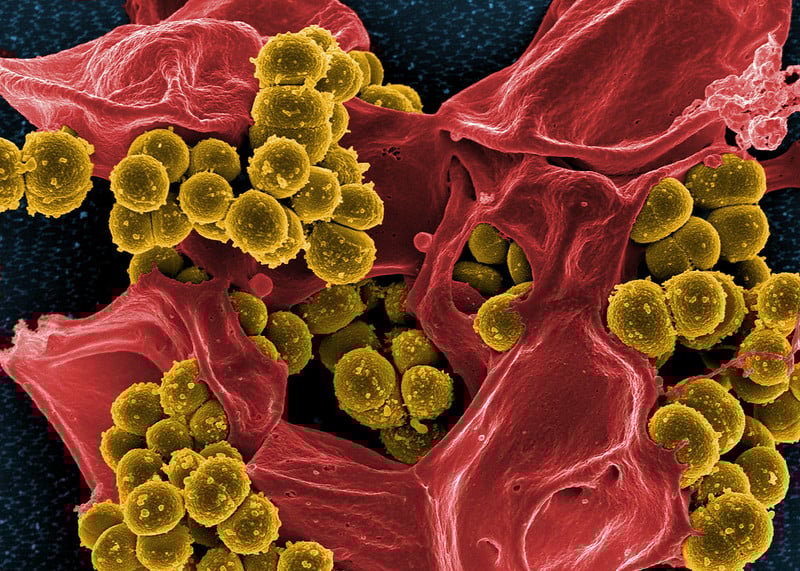
A NIH-supported clinical trial found that two doses of dalbavancin are as effective and safe as standard prolonged antibiotic therapy for treating complicated S. aureus bloodstream infections, offering a potentially simpler treatment option with fewer complications.
The IDSA has issued new guidelines for managing complicated urinary tract infections (cUTIs), emphasizing tailored antibiotic selection based on severity, resistance risk factors, and local antibiograms, along with recommendations for IV to oral therapy transition and treatment duration to optimize outcomes and antimicrobial stewardship.
A deadly flesh-eating bacterial infection known as streptococcal toxic shock syndrome (STSS) is rapidly spreading in Japan, with a high fatality rate of 30%. The infection, primarily caused by group A streptococcus bacteria, has seen a sudden increase in cases, with 378 reported in the first two months of 2024. Medical experts advise maintaining good hygiene practices and proper wound care to prevent its spread, while some officials attribute the rise in cases to the relaxation of COVID-19 restrictions.
Benoit Saint-Denis admits that his body was not at its best during his UFC 299 loss to Dustin Poirier, attributing it to a week of antibiotic treatment for an infection. Despite dominating the opening round with his grappling skills, Saint-Denis suffered a devastating KO in the second round. He apologized to fans for not capitalizing on his early momentum and promised to come back stronger, while Poirier acknowledged Saint-Denis's strength in the opening round but recognized his lack of cardio for a longer fight.
UFC lightweight Benoit Saint Denis revealed that his performance at UFC 299 was affected by pre-fight antibiotic treatment for an infection, causing his body to not respond as usual during the bout. Despite nearly overwhelming Dustin Poirier in the first round, Saint Denis was caught with a well-timed counter and knocked out in the second round. Speculation about a possible staph infection was addressed by Saint Denis, who confirmed dealing with a health issue but expressed gratitude to Poirier for accepting the fight and vowed to come back stronger.
Northeastern professor Kim Lewis has developed a novel antibiotic treatment, hygromycin A, for Lyme disease, which is set to undergo human safety trials in Australia this spring. The treatment has shown promise in clearing Lyme in mice and is specifically targeted at spirochetes, the bacteria that transmits Lyme disease. If successful, the treatment could offer a more effective and less disruptive alternative to existing standard treatments, potentially reducing the number of chronic Lyme cases. If the safety trials are successful, the treatment could advance to phase 2 trials to determine effective dosing ranges and potential FDA approval.
An Oregon resident contracted bubonic plague from their sick pet cat, marking the first case in the state since 2015. The person's case was caught early and responded well to antibiotic treatment, and they are recovering. Health officials have contacted all close contacts of the resident and their pet to prevent illness. Cats are considered a common source of infection in the US, and health officials provided tips to prevent contracting the deadly bacteria, including avoiding contact with fleas and rodents.
Republican Sen. Chuck Grassley, 90, has been hospitalized for an infection and is currently receiving antibiotic infusions at a hospital in good spirits. His spokesperson mentioned that he is expected to make a full recovery but did not provide information on how long he might remain in the hospital. Grassley has been serving as Iowa's senior senator since 1981.
Iowa Sen. Chuck Grassley, 90, is currently undergoing treatment for an infection and receiving antibiotic infusions at a local hospital. His office has reported that he is in good spirits and will resume his duties once he is cleared to do so.
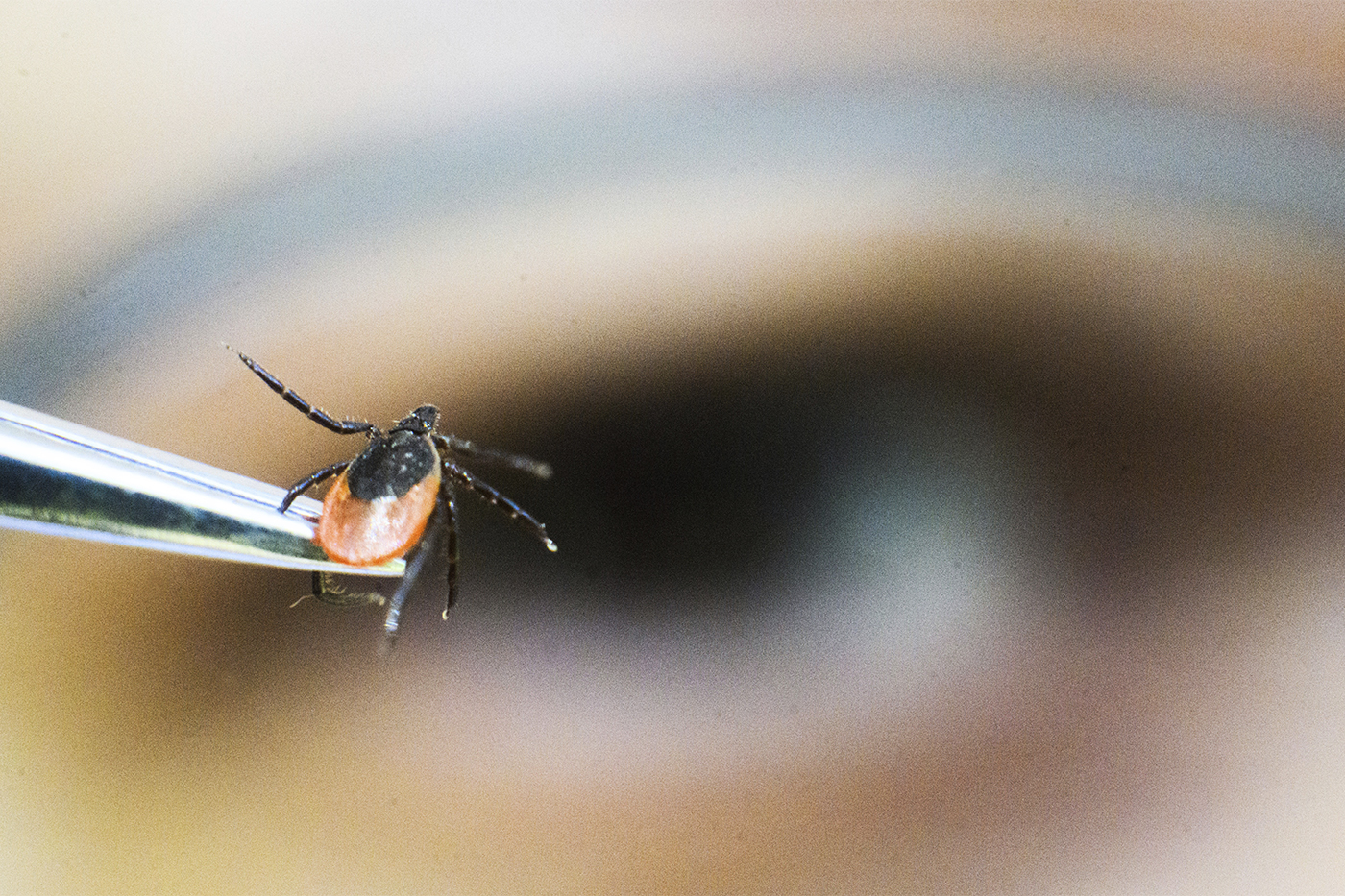
Rocky Mountain Spotted Fever, a potentially deadly bacterial disease transmitted by infected ticks, is spreading in parts of southwestern United States and Mexico. Symptoms include fever, headache, and rash, with children under 10 being at higher risk. Early treatment with doxycycline is crucial to prevent complications.
A family in California credits an antibiotic called chloramphenicol with saving their 5-year-old golden retriever's life amid a mysterious respiratory illness affecting dogs across multiple states. The dog, named Ike, developed a high fever and later pneumonia, prompting the family to try the last-resort antibiotic. Within 12 hours of receiving the medication, Ike showed improvement and was able to return home. Veterinarians are urging dog owners to avoid areas with other dogs and seek medical attention if their pets exhibit symptoms of the illness, as early treatment increases the chances of recovery.
A family in California credits an antibiotic called chloramphenicol with saving their 5-year-old golden retriever, Ike, from a mysterious respiratory illness that has been affecting dogs across multiple states. The illness, which is highly contagious and potentially fatal, presents symptoms similar to kennel cough. Ike's condition worsened to pneumonia, but after receiving chloramphenicol, he showed significant improvement within 12 hours and was able to return home. Veterinarians recommend avoiding areas with many dogs and seeking medical attention if pets exhibit symptoms of the illness.
A California couple claims to have found a potential cure for Canine Infectious Respiratory Disease Complex (CIRDC), a mysterious and potentially deadly respiratory condition affecting dogs across the United States. Their dog, Ike, was on the brink of death when they administered an eye antibiotic called chloramphenicol, typically used to treat human conjunctivitis. Ike's condition improved, giving hope to other dog owners battling the illness. Veterinarians are still trying to determine how to effectively treat the disease, which has been reported in multiple states.
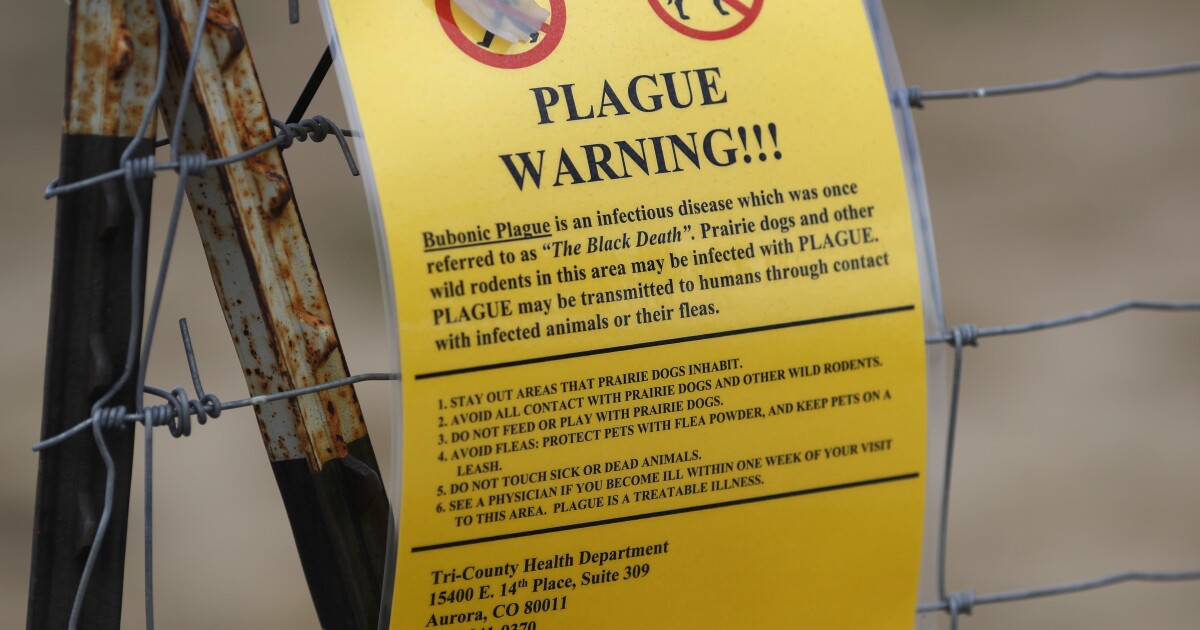
A domestic animal in Larimer County, Colorado, has tested positive for the bubonic plague, according to health officials. The Larimer County Department of Health and Environment (LCDHE) has recommended antibiotic treatment for individuals known to have been exposed to the animal. Both humans and household animals can become infected with the bacterial infection, which is transmitted through bites from infected fleas. Symptoms in humans include high fever, chills, headache, fatigue, and swollen lymph glands. Precautions such as avoiding contact with wild animals and ensuring tick and flea control for pets can help reduce the risk of infection. The LCDHE will continue to monitor plague activity in the area.
The risk of gastric cancer is significantly increased by the presence of both the stomach microbe H. pylori and rare variants in nine genes, according to a study by RIKEN researchers. The study suggests that targeted antibiotic treatments could reduce the risk in genetically susceptible individuals. The combination of H. pylori and certain gene variants can increase the lifetime probability of developing gastric cancer by over 45%. This finding offers hope for carriers of these gene variants, as they can be tested for H. pylori and receive antibiotic treatment to dramatically reduce their risk. The study also provides insights into how gastric cancer develops and may inform research on other cancers linked to these gene variants.