The REBOOT trial found that beta blockers, a standard treatment for heart attack patients for over 40 years, provide no benefit for those with uncomplicated myocardial infarction and may be risky for women, potentially leading to a change in global clinical guidelines.
A recent study suggests that beta-blockers, commonly prescribed after heart attacks, may not benefit most patients and could increase risks for some women with normal heart function, prompting a reevaluation of treatment guidelines and highlighting sex-specific responses to medication.
A study from Mass General Brigham suggests that aiming for a systolic blood pressure below 120 mm Hg can prevent more cardiovascular events and is cost-effective, despite increased risks of side effects and healthcare costs, emphasizing personalized treatment decisions.
The IDSA has issued new guidelines for managing complicated urinary tract infections (cUTIs), emphasizing tailored antibiotic selection based on severity, resistance risk factors, and local antibiograms, along with recommendations for IV to oral therapy transition and treatment duration to optimize outcomes and antimicrobial stewardship.
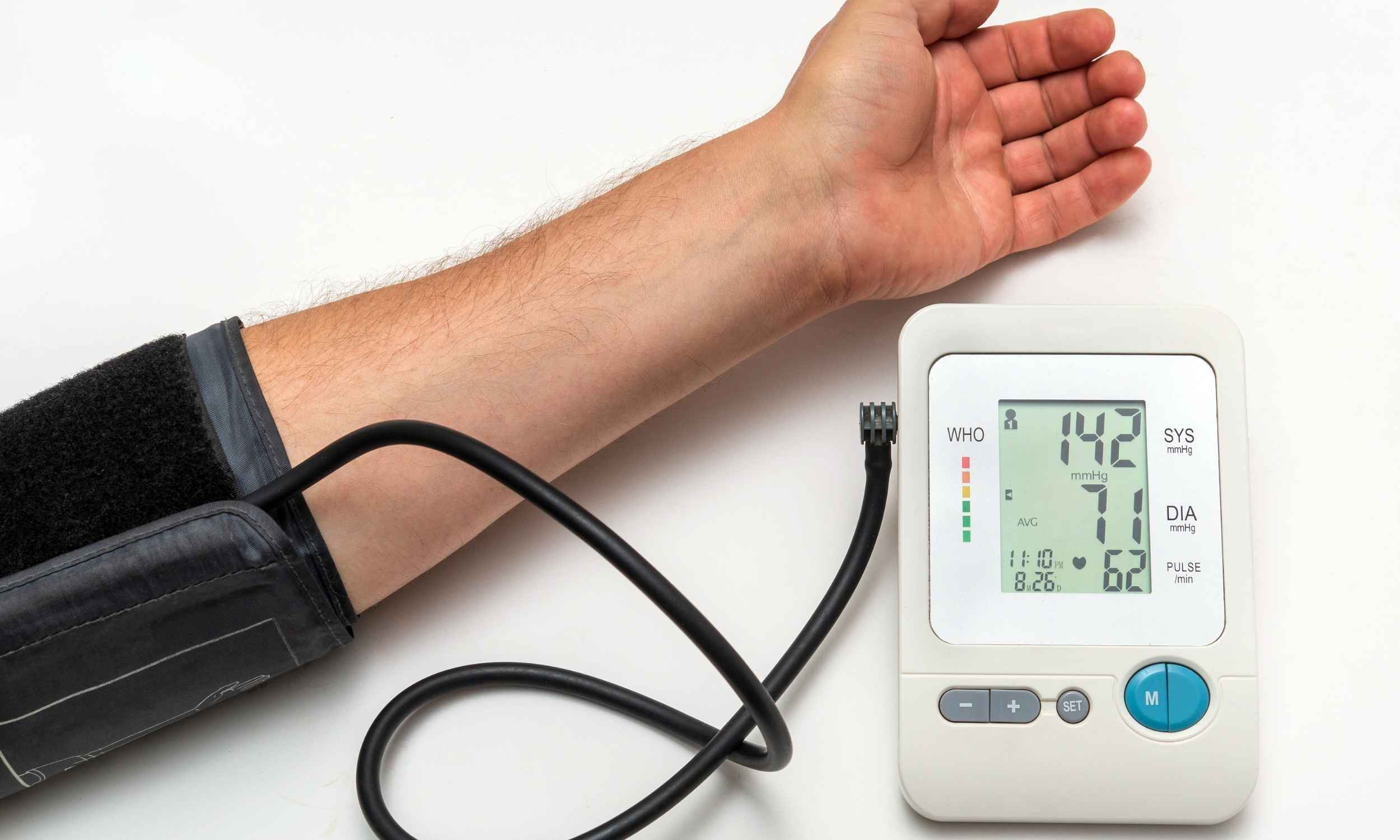
A Johns Hopkins study shows that arm positioning during blood pressure measurement significantly affects readings, with unsupported or dangling arms leading to higher and potentially misleading results, which can impact diagnosis and treatment of hypertension.
The NIH will cease supporting federal HIV treatment guidelines by next June, raising concerns among healthcare providers about potential changes to the guidelines themselves.
A new analysis of 23 randomized trials involving 154,664 individuals suggests that statin therapy increases the risk of developing type 2 diabetes, particularly among those with elevated glucose levels, but the cardiovascular benefits of statins outweigh this risk. The study found that statins raise glucose levels and the risk of diabetes, but the benefits on major vascular events outweigh these risks. The authors recommend continued screening for diabetes and associated risk factors, as well as monitoring glycemic control according to current clinical guidelines. The findings emphasize the importance of holistic care and promoting strategies to prevent or delay diabetes in individuals prescribed statins.
Research suggests that switching to potassium-enriched salt can effectively reduce blood pressure and lower the risk of heart attacks and strokes. Potassium-enriched salt works by reducing sodium intake and increasing potassium intake, addressing two major causes of high blood pressure. However, current clinical guidelines for managing hypertension do not consistently recommend its use. Efforts are underway to update guidelines and promote the accessibility of potassium-enriched salt, with the potential to significantly improve global public health.
An international panel of experts has suggested the inclusion of low-sodium potassium-enriched salt in hypertension therapy guidelines, citing its potential to address high blood pressure and reduce the risk of stroke and heart disease. Despite evidence of its health benefits, current clinical guidelines offer incomplete and inconsistent recommendations about the use of these salt substitutes. The experts emphasize that potassium-enriched salt can be a game-changer in reducing salt intake and call for its inclusion in treatment guidelines to combat uncontrolled high blood pressure and prevent millions of strokes and heart attacks every year.
Waist-hip ratio (WHR) is a stronger predictor of all-cause mortality compared to body mass index (BMI), according to a cohort study analyzing data from the UK Biobank. The study found that WHR had the most consistent association with mortality and was unaffected by BMI. The association between WHR and mortality was linear, while BMI and fat mass index (FMI) showed a J-shaped association. The study suggests that current BMI recommendations may not be accurate for individuals with different body compositions, highlighting the need for improved clinical guidelines.
A study funded by the National Institute on Drug Abuse (NIDA) suggests that higher doses of buprenorphine may improve retention in treatment for opioid use disorder. The study, conducted in Rhode Island from 2016 to 2020, found that individuals prescribed a lower dose of buprenorphine were 20% more likely to discontinue treatment compared to those on a higher dose. The findings highlight the need to reevaluate clinical guidelines for opioid addiction treatment, particularly in the context of the fentanyl crisis. The study supports the growing evidence that higher doses of buprenorphine are safe and effective in reducing opioid use and improving treatment outcomes.
A recent Danish study presented at the ESC Congress 2023 in Amsterdam found that taking a daily aspirin after a heart attack can reduce the risk of future cardiac events or strokes. The study analyzed data from over 40,000 patients who had their first heart attack and took aspirin for a year following the event. Non-adherence to aspirin therapy was associated with an increased risk of recurrent heart attacks, strokes, or death. However, the protective effect of aspirin appeared to decrease slightly over time. The study supports current clinical guidelines recommending long-term aspirin therapy after a heart attack.