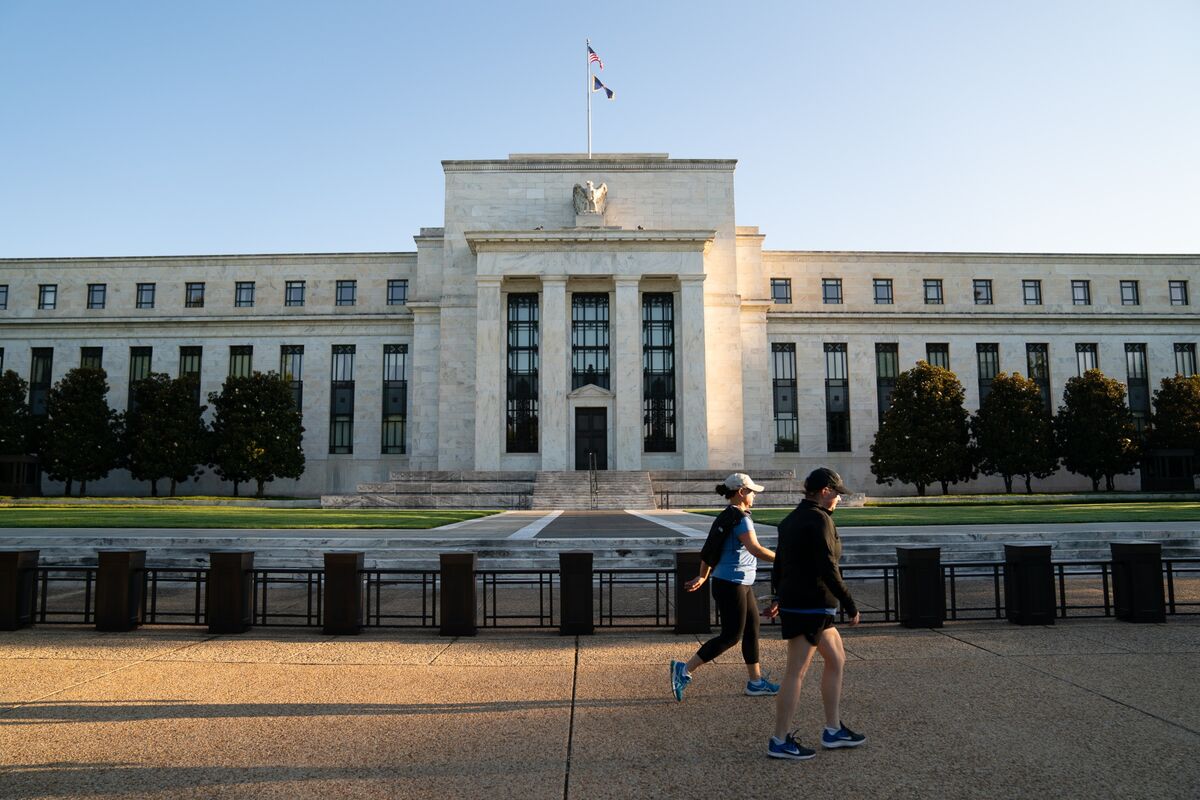
The Federal Reserve has declined to support a Basel Committee proposal requiring banks to disclose climate risks, potentially stalling global efforts to integrate climate considerations into banking regulations. Despite adjustments made to accommodate the Fed, the proposal's future remains uncertain, with the possibility of it being shelved indefinitely.
US regulators have expanded their investigation into Morgan Stanley's wealth management business, with more agencies joining the probe. The investigation is focusing on the firm's practices related to its wealth management business, and the involvement of additional regulators indicates a widening scope of the inquiry.
US regulators are expected to significantly reduce the extra capital banks must hold under the proposed Basel III rule, which aims to overhaul how banks with more than $100 billion in assets calculate the cash they must set aside to absorb potential losses. The expected changes include reducing the risk weights for fee income associated with lending services, scrapping or reducing higher risk weights on mortgages to low-income borrowers and on renewable energy tax credits. The proposal has faced aggressive pushback from Wall Street, with banks mounting advertising and grassroots campaigns, lobbying Congress, and signaling potential lawsuits. Fed officials, including Chair Jerome Powell, are working on rewriting the proposal, with the possibility of reproposing the rule still on the table.
US regulators are warning drivers to avoid using aftermarket decals to embellish their car's logo on the steering wheel, as these metal or plastic emblems can become dangerous projectiles when the airbag deploys during a crash. The National Highway Traffic Safety Administration (NHTSA) highlighted a case where a driver lost sight in one eye after a rhinestone-covered decal hit their face. NHTSA is urging consumers to refrain from purchasing these decals and asking those currently using them to remove them, emphasizing that any alterations to the airbag or its cover can affect its functionality.
US regulators have agreed to review the use of a chemical called 6PPD, commonly used in tire manufacturing, after a petition from three West Coast Native American tribes called for a ban due to its harmful effects on salmon populations. The tribes argue that the chemical, which is washed into bodies of water through storm runoff, poses an "unreasonable threat" to their waters and fisheries. The decision to grant the petition is the first step towards banning the chemical, with tire manufacturers already seeking alternatives. The tribes have long fought to protect the dwindling fish population from various threats, including climate change and pollution.
BNP Paribas is currently under investigation by the US Securities and Exchange Commission (SEC) and the Commodity Futures Trading Commission (CFTC) for potential violations of record-keeping provisions related to the use of messaging applications by its employees. The bank is in talks with regulators to settle the probes, which may result in fines. US regulators have been cracking down on Wall Street firms for the use of unapproved messaging platforms for business communications, with fines totaling $1.1 billion imposed last year.
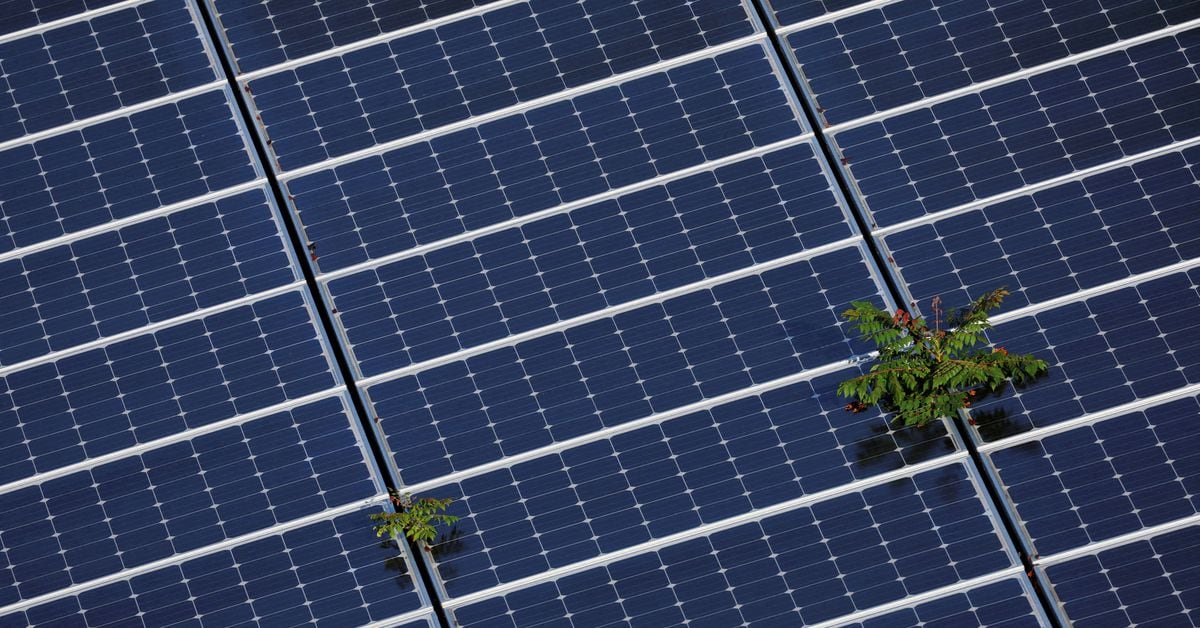
U.S. regulators have approved reforms to expedite the connection of new wind and solar power projects to the electric grid, aiming to address the backlog of requests and facilitate the deployment of renewable energy. The reforms include shifting from a "first come, first served" to a "first ready" approach, imposing financial conditions and penalties for grid operators, allowing projects to be studied in clusters, and streamlining the interconnection process. However, more reforms are still needed to clear the significant amount of renewable power waiting to be connected. The reforms are part of a broader package of measures being developed by the Federal Energy Regulatory Commission to accelerate the deployment of renewable energy and storage.
Coinbase has announced that it will temporarily halt customers from staking additional assets in California, New Jersey, South Carolina, and Wisconsin due to legal proceedings initiated by local regulators. This comes after the U.S. Securities and Exchange Commission filed a lawsuit against Coinbase for offering unregistered securities. The exchange stated that it disagrees with the allegations but will comply with the preliminary state orders. Staking services in other states are unaffected.
US bank regulators are urging lenders to work with credit-worthy borrowers facing stress in the commercial real estate market. The guidance recommends short-term loan accommodations, such as deferring payments or accepting partial ones, to help property owners cope with the pressure caused by soaring borrowing costs and tenant pullbacks. Lenders will face challenging negotiations as nearly $400 billion of commercial real estate debt matures this year, with distressed commercial property assets reaching nearly $64 billion in Q1 2023.
Bitcoin and other cryptocurrencies experienced a slight decline but maintained most of their recent gains. Crypto enthusiasts are hopeful that U.S. regulators will give the green light to a significant new digital asset fund.
The partnership between the US nonprofit PGA Tour and Saudi Arabia's for-profit LIV Golf has caught the attention of US antitrust regulators and lawmakers. The deal has prompted the Justice Department and a group of US senators to call for scrutiny that could quash the still-developing arrangement. Concerns over LIV combining with the PGA are multifaceted, though they mainly stem from the merger's likelihood to reduce competition and to provide some level of access or control to its foreign owner, Saudi Arabia's $700 billion Public Investment Fund.
The US Securities and Exchange Commission (SEC) has filed a lawsuit against Binance, the world's largest cryptocurrency exchange, accusing the company and its CEO of operating an illegal cryptocurrency exchange using billions of dollars in Binance customer funds. The SEC alleges that Binance operated a shell company to skirt federal regulators and diverted customer funds to outside entities. Binance has responded, saying the allegations are "simply wrong" and that it plans to "vigorously defend" itself. The news has caused the price of Bitcoin to drop below $26,000 for the first time since March.
US regulators have filed a lawsuit to block Amgen's $28.3bn acquisition of Horizon, citing concerns that the deal would reduce competition in the market for drugs used to treat migraines. The lawsuit claims that the acquisition would give Amgen a monopoly in the market, leading to higher prices for patients. Amgen has said it will fight the lawsuit.
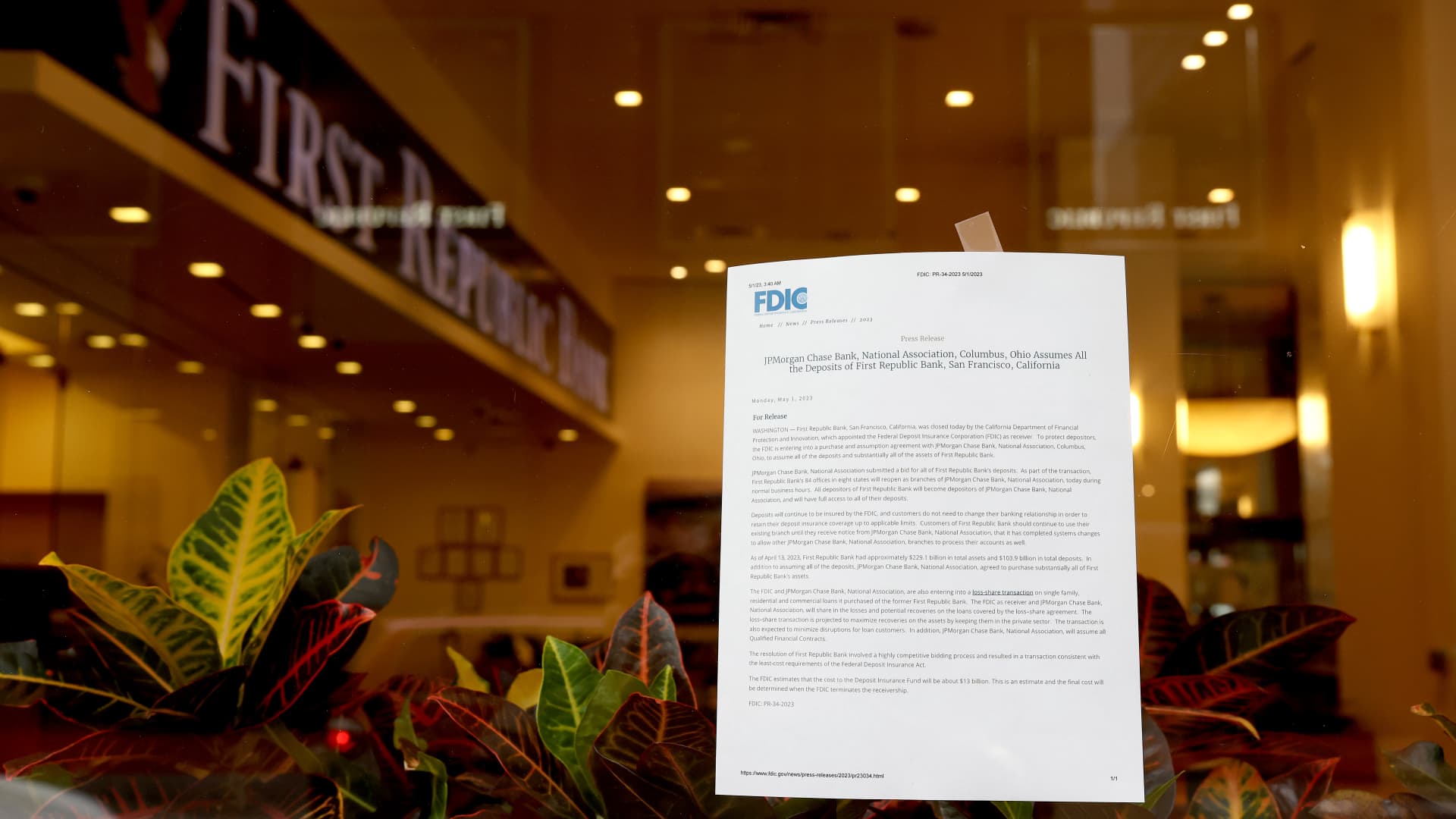
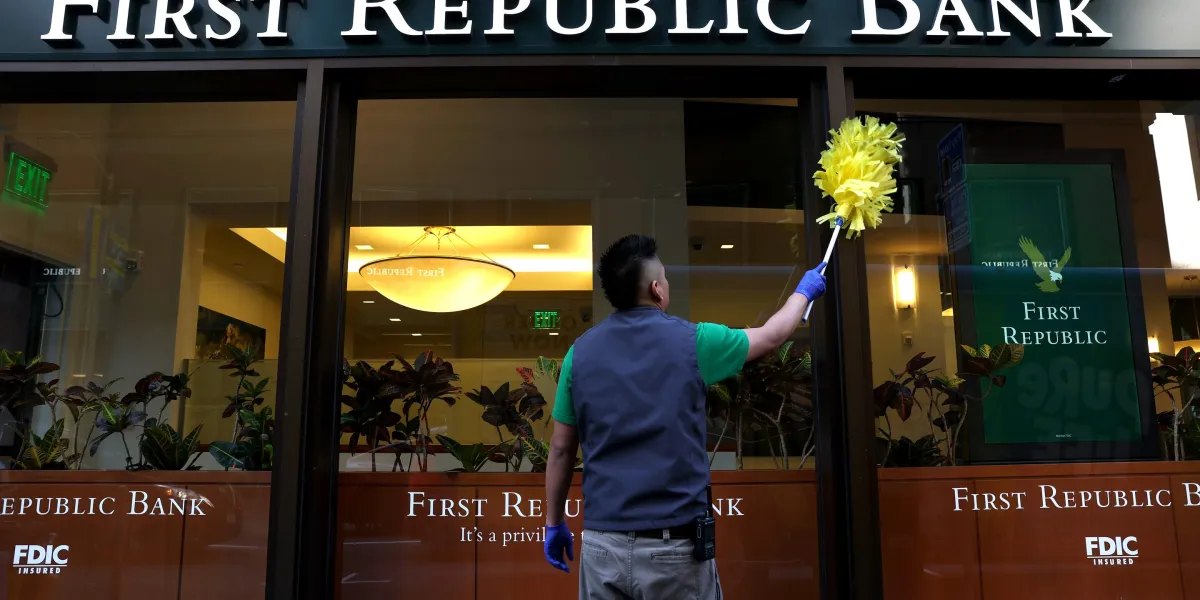
JPMorgan Chase won an auction for First Republic Bank after US regulators took possession of First Republic. JPMorgan will get all of First Republic's $92 billion in deposits, $173 billion in loans and $30 billion in securities — for the price of about $10.6 billion, paid to the Federal Deposit Insurance Corporation. First Republic was the third bank to fall in the US, after Silicon Valley Bank and Signature Bank. The US commercial property sector might be next to face a crisis, according to Charlie Munger, vice chairman of Berkshire Hathaway.
US regulators are working to resolve the First Republic Bank crisis after a midday deadline passed for submitting final bids to take over the struggling lender. The Federal Deposit Insurance Corp. had asked banks including JPMorgan Chase & Co., PNC Financial Services Group Inc., and Citizens Financial Group Inc. to submit offers. If no agreement is reached, regulators would have the option of seizing First Republic and taking ownership of the bank. The bidding process could pave the way for a tidier sale of First Republic than the drawn-out auctions that followed the failures of Silicon Valley Bank and Signature Bank last month.