The FDIC has approved a proposed rulemaking to establish application procedures for FDIC-supervised institutions seeking to issue payment stablecoins under the GENIUS Act, including application review, processing timelines, and an appeal process, with public comments open for 60 days.
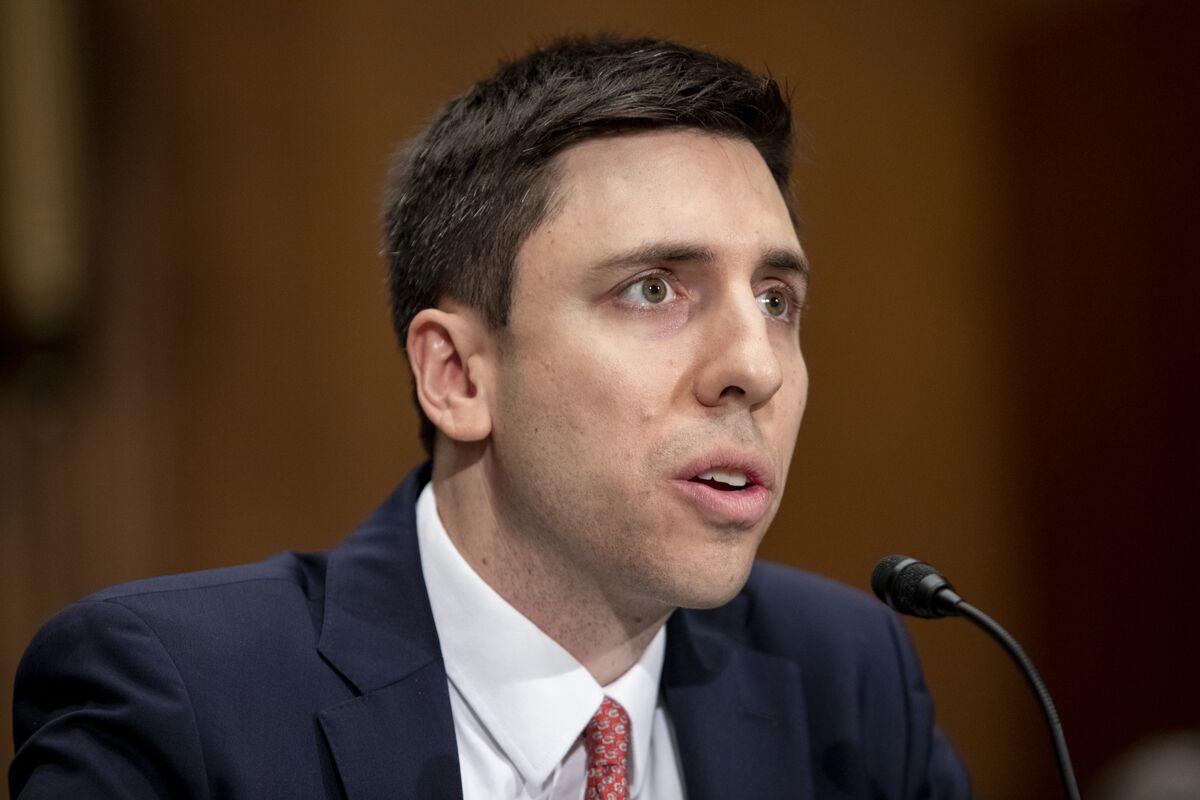
President Trump nominated Travis Hill, the acting chair of the FDIC, to be the permanent chair of the US bank regulator, with Hill known for rolling back some recent banking regulations and seeking to ease enforcement if confirmed by the Senate.
President-elect Donald Trump's transition team reportedly plans to reduce or eliminate major banking regulators like the FDIC, but such moves are unlikely to gain the necessary political support. Despite a Republican majority in Congress, bipartisan backing is needed, which is improbable. Banking stocks showed little reaction to the news, as Wall Street remains skeptical of the plan's feasibility. The FDIC is crucial for financial stability, and its potential elimination has drawn criticism from financial experts.
Advisers to President-elect Donald Trump are reportedly considering the dissolution of the Federal Deposit Insurance Corp (FDIC) as part of a broader banking deregulation effort. This move, which would require Congressional approval, is part of discussions to consolidate or eliminate banking regulators, potentially placing deposit insurance under the Treasury Department. The idea has faced skepticism, with former FDIC chair Sheila Bair doubting support from lawmakers or the banking industry. The discussions also involve input from Tesla CEO Elon Musk and former GOP candidate Vivek Ramaswamy.
President-elect Donald Trump's team is considering plans to weaken or abolish key bank regulators like the FDIC and OCC, potentially merging their functions into the Treasury Department. This move aligns with Project 2025's proposal to consolidate financial oversight and is supported by figures like Elon Musk and Rep. Andy Barr. Critics warn that such deregulation could lead to another economic crisis, as the FDIC was crucial in managing past financial failures. The plan also includes eliminating the Consumer Financial Protection Bureau, raising concerns about reduced consumer protections.
Thousands of Americans have lost access to their savings due to the collapse of fintech firm Synapse, which partnered with banks like Evolve to offer financial services through startups such as Yotta. Customers, including former teacher Kayla Morris, have been locked out of their accounts for months, with some receiving only a fraction of their deposits back. The crisis highlights the risks of fintech systems where customers lack direct relationships with banks, and regulatory gaps have left many without recourse. Efforts to recover the missing $96 million in customer funds have been hampered by a lack of cooperation among involved banks.
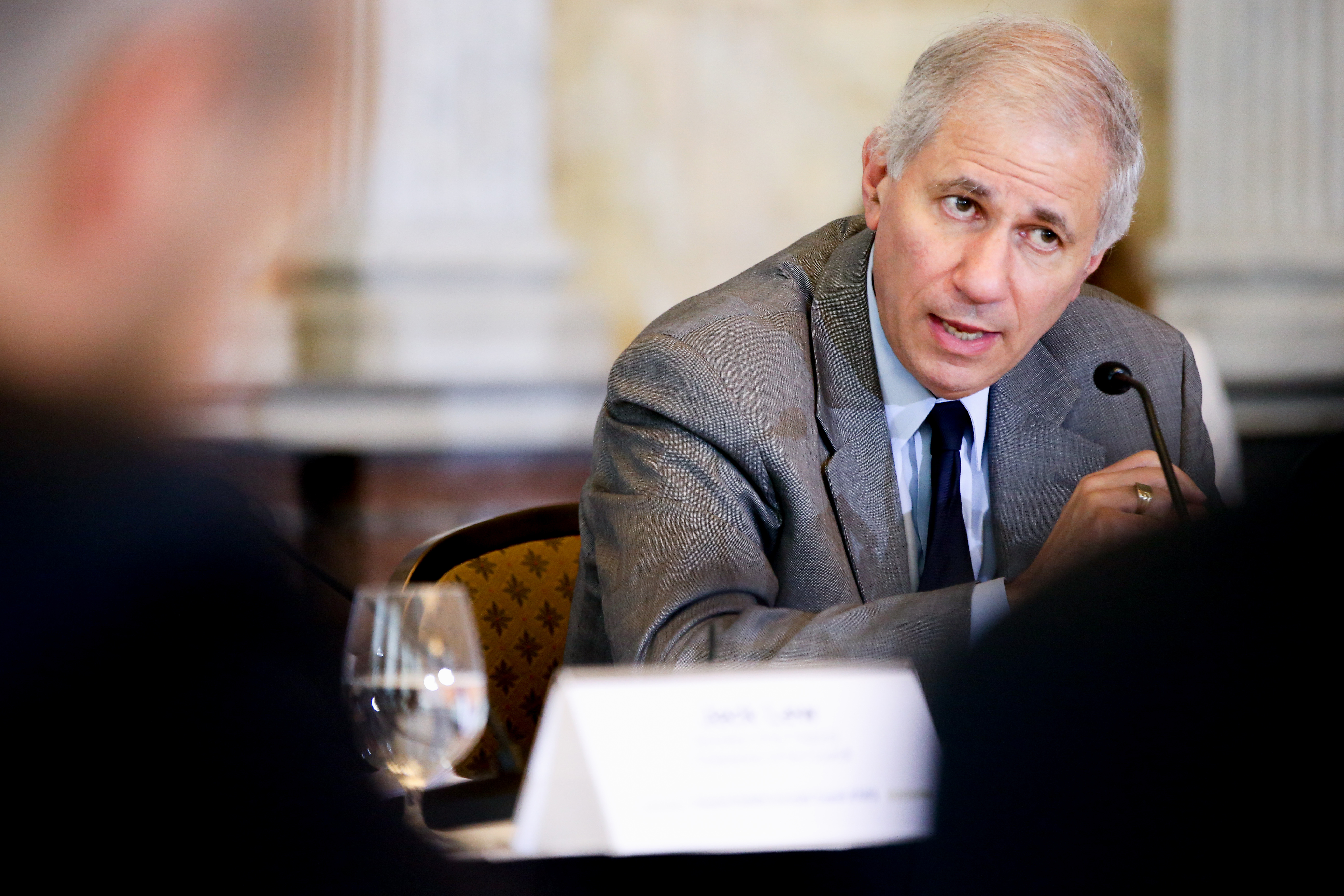
Martin Gruenberg, the Democratic chair of the Federal Deposit Insurance Corporation (FDIC), announced his resignation effective January 19, 2025, a day before President-elect Donald Trump's inauguration. This move avoids a potential legal conflict if Trump were to dismiss him. Gruenberg faced pressure to resign following an investigation into a toxic workplace culture at the FDIC. His departure will allow Republican Vice Chair Travis Hill to become acting chair, with the possibility of being nominated as the permanent leader by Trump.
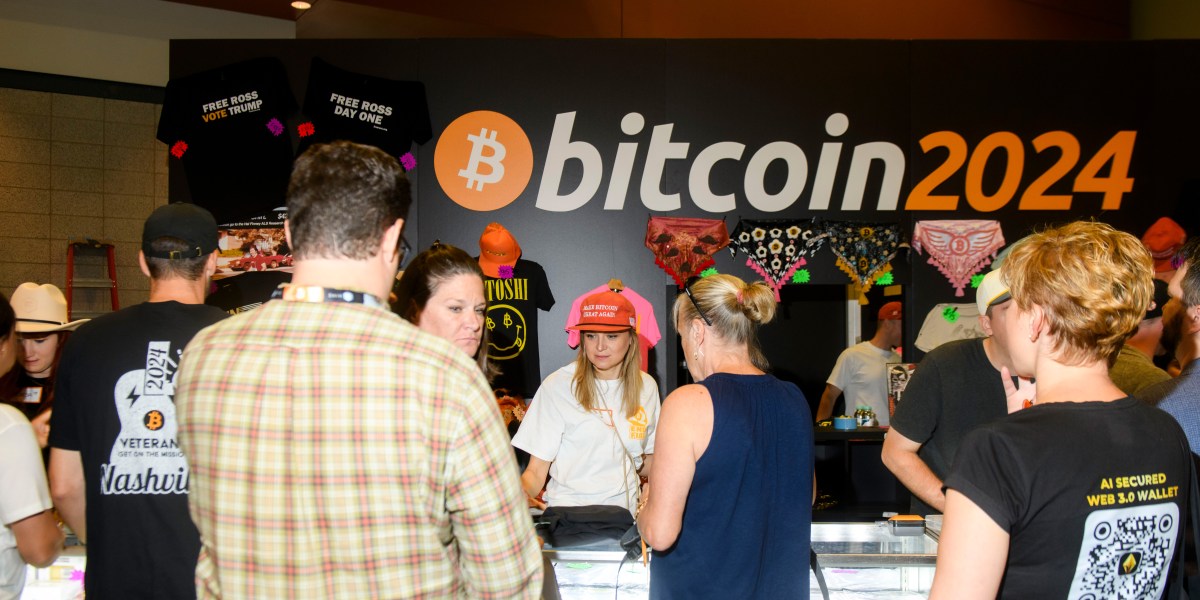
A new FDIC survey of 30,000 households reveals that Bitcoin and other cryptocurrencies are predominantly used by wealthier, banked, and predominantly white and Asian households, rather than the unbanked populations they were initially thought to benefit. Only 1.2% of unbanked households use crypto, compared to 6.2% of underbanked and 4.8% of fully-banked households. The survey also found that 92% of crypto users hold it as an investment rather than for transactions. The findings challenge the notion that cryptocurrencies are enhancing financial inclusion.
The Federal Deposit Insurance Corporation and Federal Reserve Board reviewed the 2023 resolution plans of the eight largest and most complex banks, identifying shortcomings in the plans of Bank of America, Citigroup, Goldman Sachs, and JPMorgan Chase. Citigroup's plan was particularly noted for a deficiency by the FDIC, though the Federal Reserve only found a shortcoming. The banks have been given feedback and must address these issues in their next resolution plans due by July 1, 2025.
Fintech startup Synapse's bankruptcy has left millions of Americans without access to their funds, as the company's disputes with banking partners led to a technology system shutdown, affecting users of various fintech services. Customers, including a Maryland teacher with nearly $38,000 locked in a crypto app, are pleading for help in a California bankruptcy court, highlighting the vulnerabilities in the banking as a service partnership model and the lack of regulatory oversight. Regulators have yet to intervene, leaving impacted customers in a precarious situation.
Today's certificates of deposit offer higher rates than the FDIC national average, with some digital banks and online accounts offering over 5.05% APY on terms of 10 months or longer. The Federal Reserve's recent decision to maintain the federal funds target interest rate has left uncertainty about potential rate cuts, as inflation remains a concern. CD rates are influenced by the Federal Reserve's key interest rate, and the latest data shows steady or increasing rates on most terms. CDs offer guaranteed returns and higher rates than traditional accounts, but come with penalties for early withdrawals. Alternatives include high-yield savings accounts, money market accounts, and bonds.
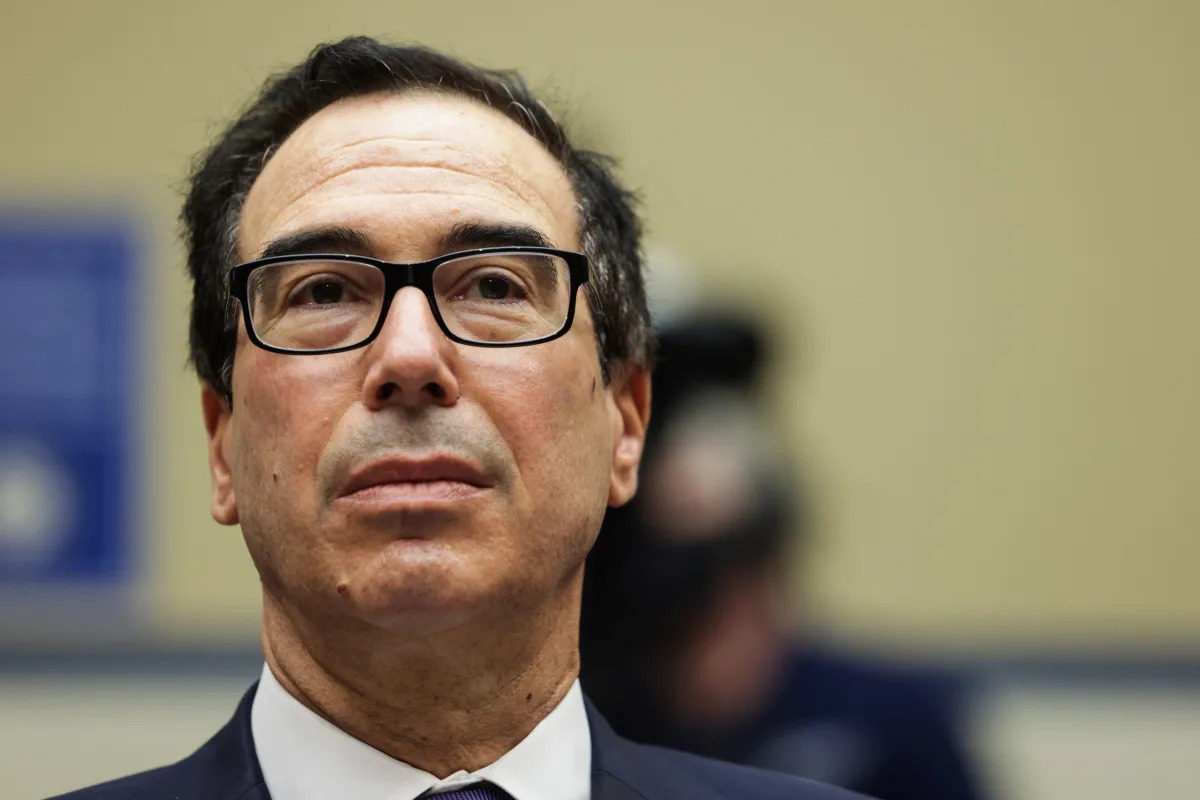
Former Treasury Secretary Steve Mnuchin and an investor group have injected $1 billion into troubled lender New York Community Bancorp (NYCB), betting that regulators don't want a repeat of the government seizure of Silicon Valley Bank (SVB) last year. Regulators are prioritizing fixing problems at individual banks before they escalate, and private solutions are preferred over public ones. Concerns about commercial real estate losses are looming, with banks paying billions to cover FDIC losses from previous failures. NYCB's new CEO aims to diversify the bank's loan book, but challenges lie ahead, and the stock dropped despite the capital infusion.
The next US financial crisis could resemble the last, with debt boom and default cycles remaining consistent throughout history. The crisis, anticipated to occur electronically, may be aggravated by the alienation of customers due to the growing automation of financial institutions and the closure of physical banking services in certain areas. The Dodd-Frank Act's "bail-in" approach may face challenges due to inadequate resources, potentially leading to a request for another large bailout, prompting the House Republican Congress to seek measures to lastingly obviate banking system bailouts.
Online-centric banks like UFB, Capital One Financial, and CIT Bank are accused of deceiving customers by advertising competitive rates while paying longtime customers lower ones on high-yield savings accounts. The article suggests the need for a genuine savings bank that pays interest at the Fed funds rate minus a small cut to the bank taking the deposits, and criticizes the FDIC and Fed for not addressing the issue of banks speculating with interest rate bets on deposits. The author proposes the creation of a 100 percent safekeeping bank that only parks money at the Fed, in T-Bills, or in time-matched treasuries, and criticizes the Fed for refusing to grant FDIC to a bank operating on the safest possible policies while failing to monitor massive speculation on other banks.
The IRS has filed a lawsuit against the FDIC over a $1.45 billion tax bill related to the bailout of Silicon Valley Bank by the US government. The FDIC, which took over the bank, is disputing the tax claim, leading to a legal battle between two government agencies. The IRS acknowledges that the final tax burden may be less than initially estimated, but the dispute remains unresolved.