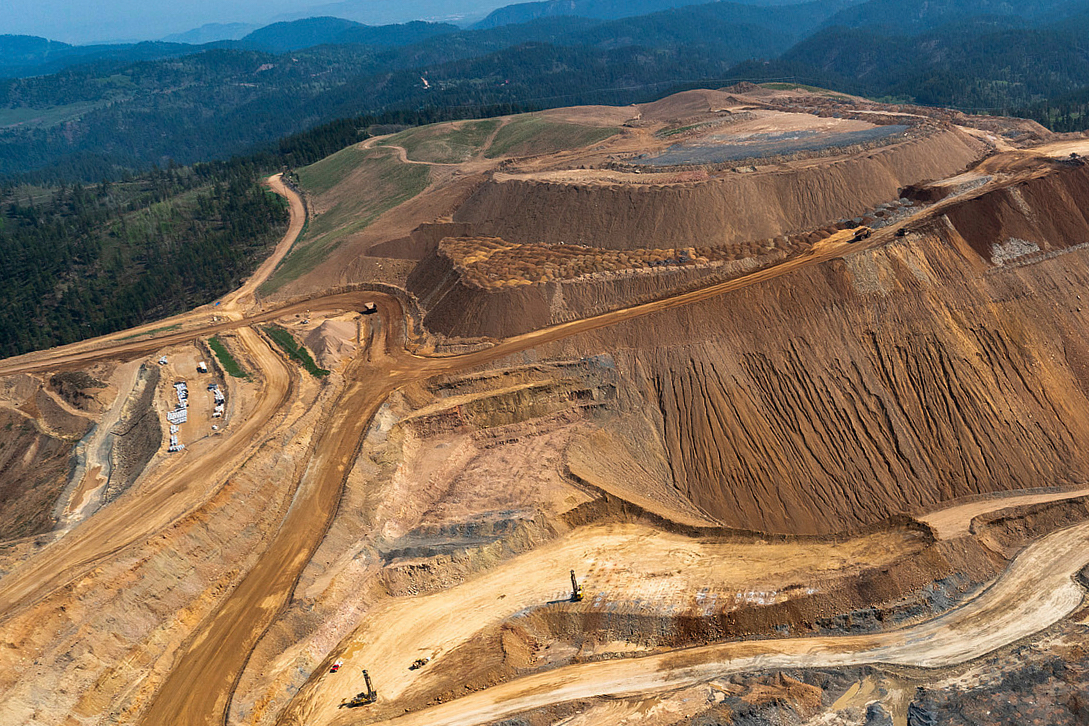
A new wave of gold mining interest in South Dakota's Black Hills, driven by high gold prices and recent policy changes, threatens to alter the region's landscape and sacred sites, sparking opposition from Native tribes and environmentalists concerned about ecological damage and cultural preservation.
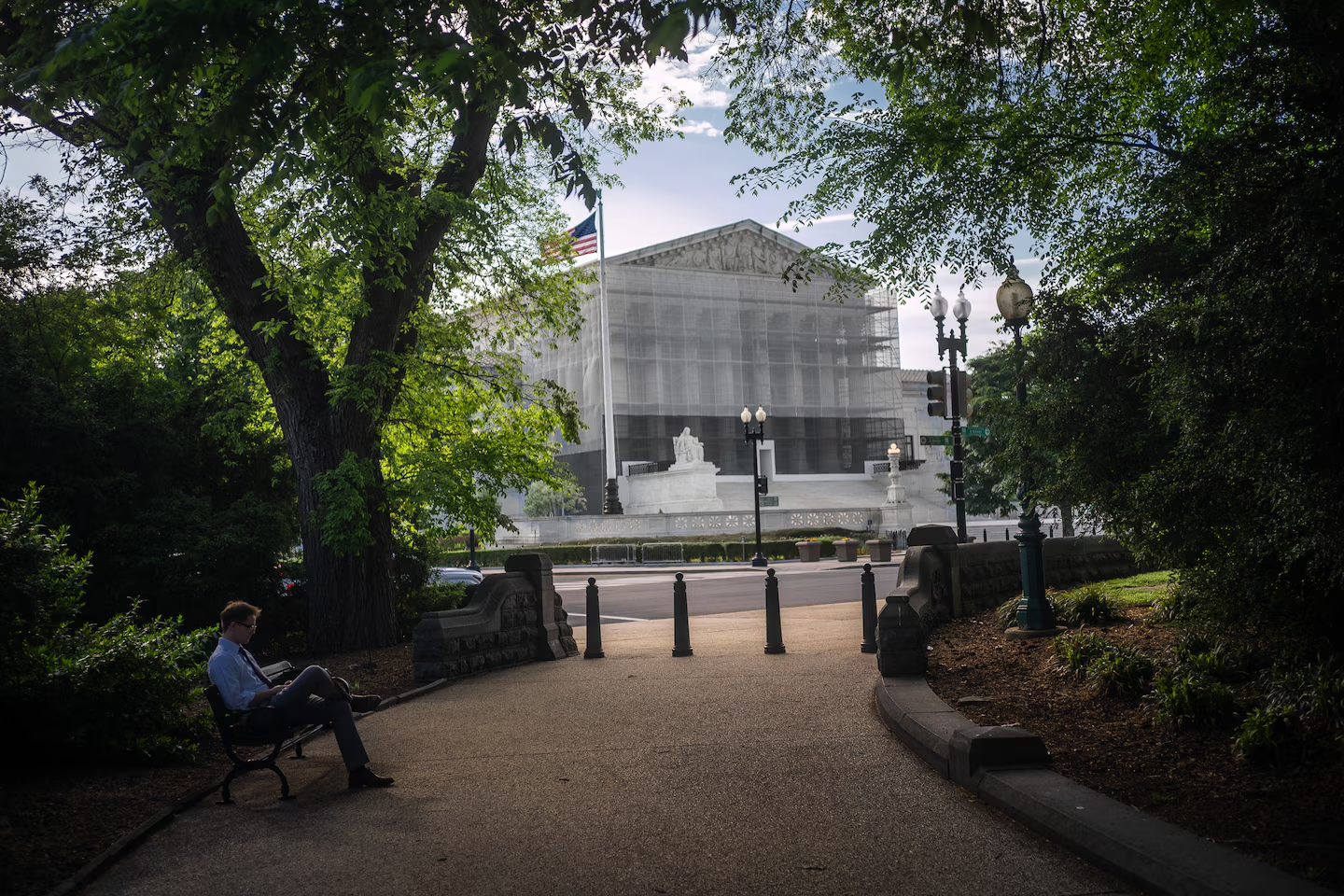
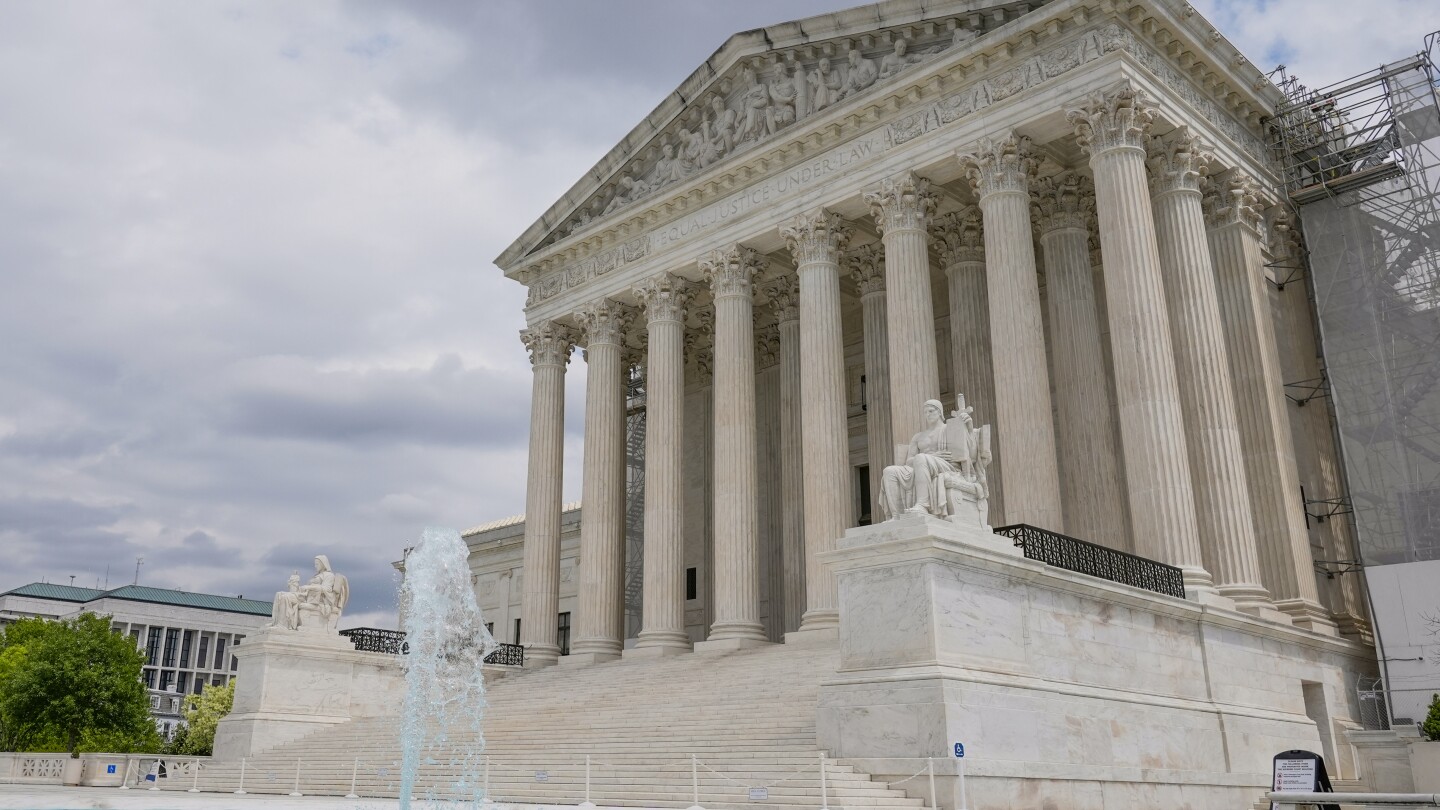
The Supreme Court temporarily blocked a lower court ruling that would weaken a key provision of the Voting Rights Act, allowing Native American tribes to continue challenging a North Dakota legislative map they argue dilutes their voting power, with litigation ongoing and potential for future Supreme Court review.
Supreme Court Justice Brett Kavanaugh paused a ruling that limited lawsuits under the Voting Rights Act, allowing more time for the Court to decide whether to hear an appeal from Native American tribes in North Dakota who argue the ruling threatens voting rights protections.
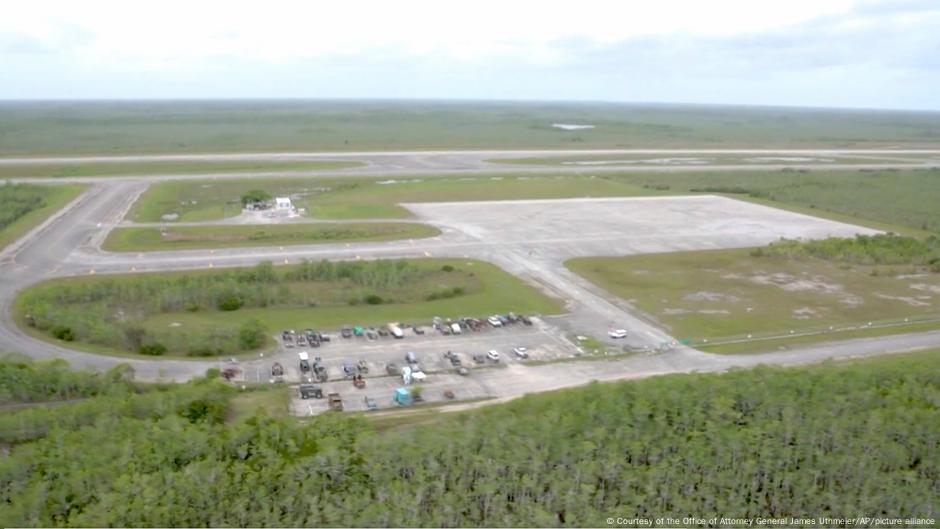
Florida is constructing a detention facility called 'Alligator Alcatraz' at Big Cypress National Preserve using FEMA funds, sparking protests from Native American tribes and critics who argue it is a waste of resources during hurricane season and threatens sacred lands, amid broader political debates over immigration policies.
The Supreme Court ruled 5-4 in favor of Native American tribes, requiring the federal government to cover millions in overhead costs for tribes running their own health care programs. This decision supports tribal sovereignty and aims to address funding gaps, despite dissenting opinions that such financial decisions should be left to Congress.
Navajo President Buu Nygren signed legislation for a proposed $5 billion water rights settlement to secure Colorado River supplies for the Navajo, San Juan Southern Paiute, and Hopi tribes, addressing severe water shortages and marking a significant step in tribal cooperation. The settlement, which requires Congressional approval, aims to provide essential water access to drought-stricken areas and is seen as crucial amid climate change and pandemic challenges.
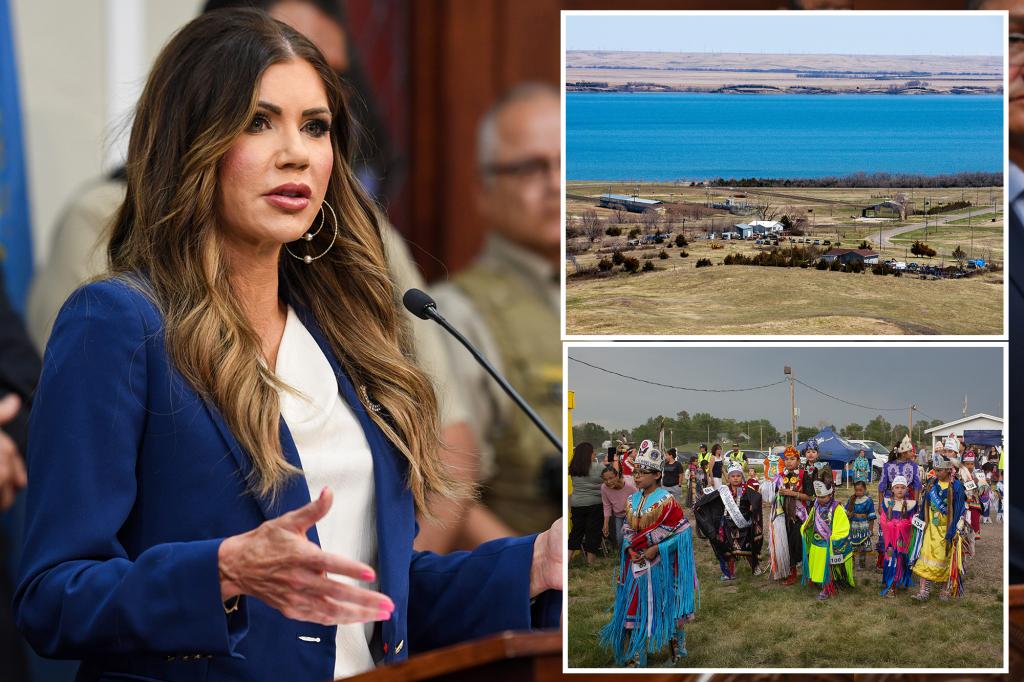
South Dakota Governor Kristi Noem has been banned from all tribal lands in the state after all nine tribes took action against her following her controversial comments accusing Native Americans of collaborating with Mexican drug cartels and neglecting education. The final ban came from the Flandreau Santee Sioux Tribe, which faced community pressure to act in solidarity with other tribes. This development likely impacts Noem's political future, including her potential candidacy as Donald Trump's running mate in 2024.
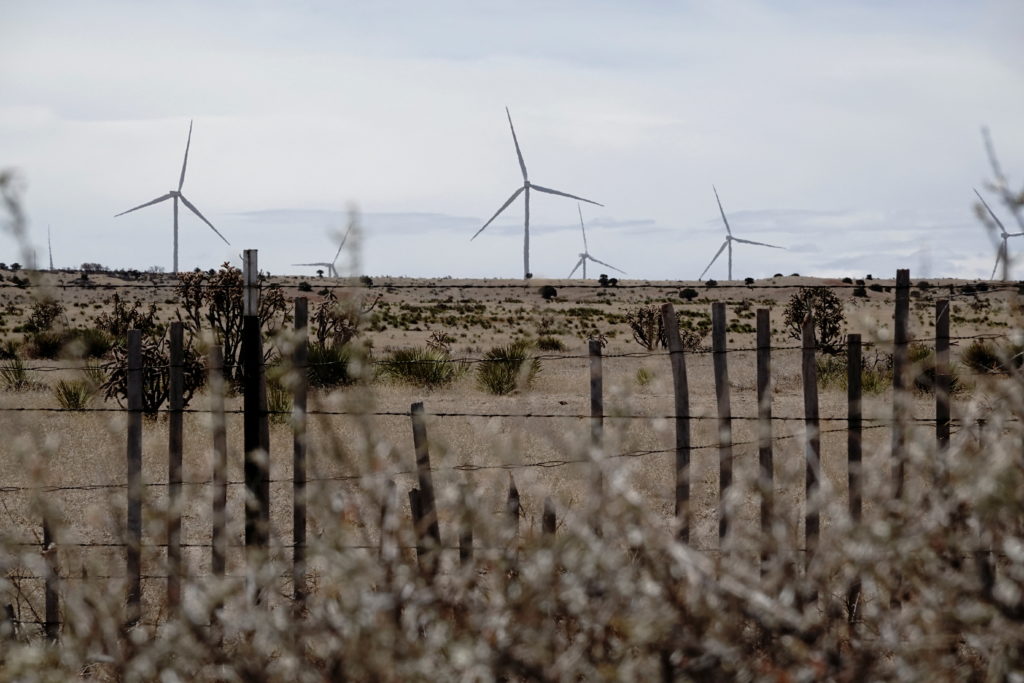
A federal judge rejected a request by Native American tribes and environmentalists to halt the construction of a $10 billion energy transmission project in Arizona's San Pedro Valley, which will carry wind-generated electricity from New Mexico to California. The tribes and environmentalists had filed a lawsuit, claiming the project's impact on the cultural significance of the valley, but the judge ruled that the Bureau of Land Management had fulfilled its obligations to identify historic sites. The project, expected to begin commercial service in 2026, is part of President Joe Biden's agenda for cutting greenhouse gas emissions and is facing legal challenges in both federal and state courts.
Four federally recognized Native American tribes in South Dakota have barred Governor Kristi Noem from their reservations after she made comments suggesting that Mexican drug cartels had a foothold on their lands and were committing murders. The tribes, with a combined population of nearly 50,000 people, accused Noem of stoking fears and denigrating their heritage, leading to restrictions on her access to their lands. Noem's remarks have further strained the already tense relationship between her and the tribal communities.
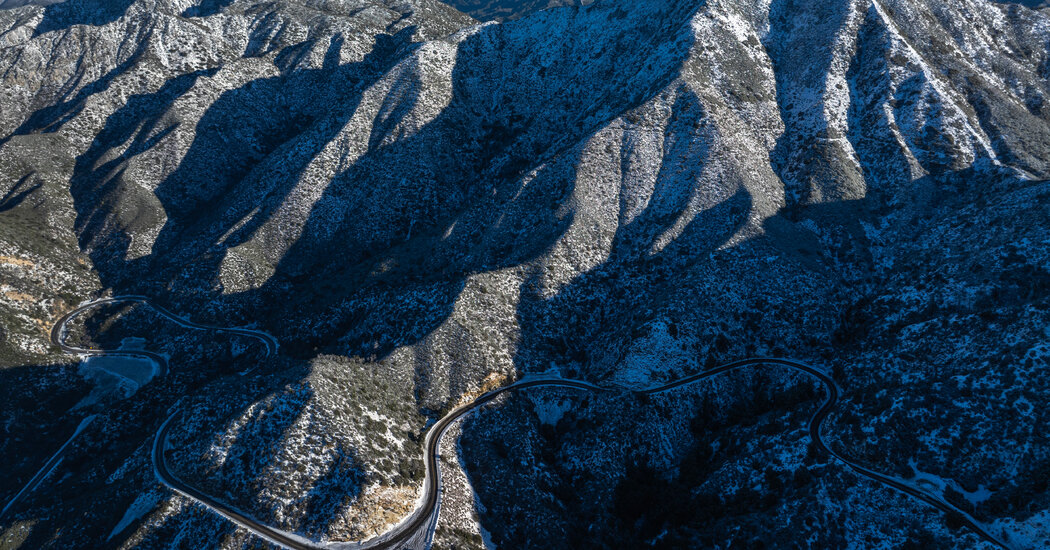
The Biden administration plans to expand the San Gabriel Mountains National Monument and the Berryessa Snow Mountain National Monument in California by a combined total of about 130,000 acres, aiming to protect land of cultural significance to Native American tribes, biodiversity, and wildlife corridors. The expansion is part of the administration's land conservation plan, following pressure from California lawmakers and tribal organizations.
Wisconsin Supreme Court Justice Ann Walsh Bradley announces retirement, setting up a contentious battle for her seat; Donald Trump pushes for Robert F. Kennedy Jr. to run for president, claiming he would take votes from Joe Biden; House Speaker Mike Johnson faces backlash from Republicans for working with Democrats; Georgia Lieutenant Governor Burt Jones faces investigation for serving as a fake elector for Trump in 2020; Chaos erupts in Arizona legislature as Republicans shut down discussion to repeal draconian abortion ban; South Dakota Governor Kristi Noem banned from Native American tribal lands after making disparaging remarks; Newsmax falsely accuses President Biden of forgetting that Africa is a country; Trump's media venture stock plummets, and he blames Biden for his legal troubles; Trump issues bizarre call for debate with Biden, claims he wouldn't sign a national abortion ban if reelected.
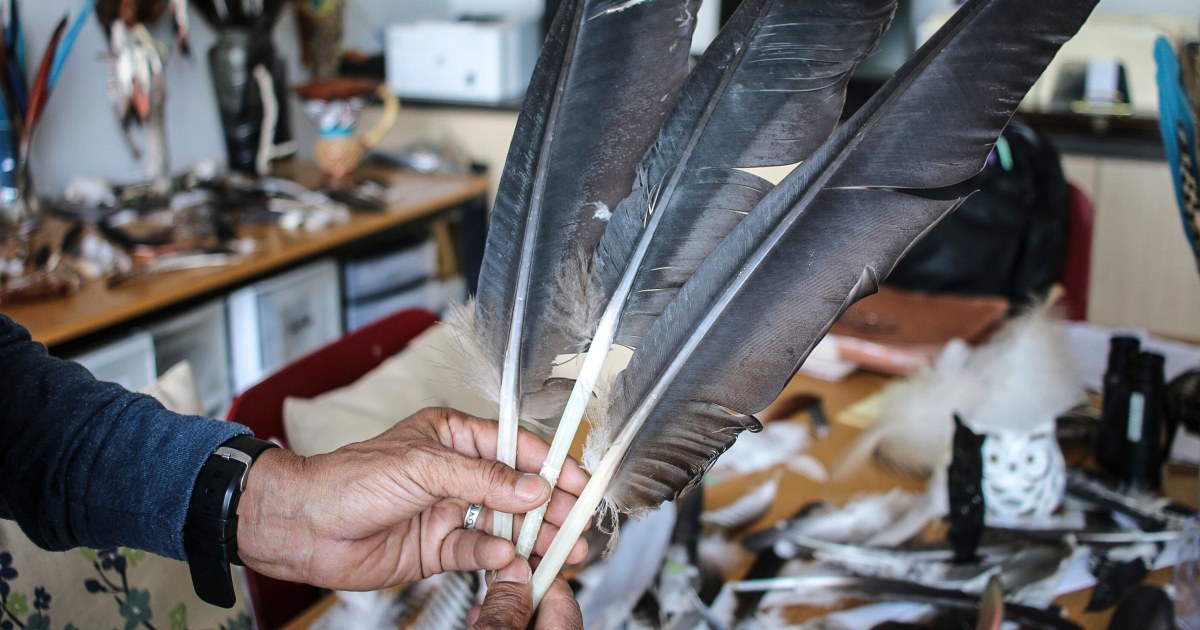
A Washington state man is set to plead guilty to charges related to his involvement in the illegal killing and trafficking of over 3,000 birds, including bald eagles, for their feathers, which are highly prized by Native American tribes for ceremonial use. The man and a co-defendant are accused of selling eagle parts on the black market, with feathers from immature golden eagles being especially valued. The case highlights the ongoing problem of illegal wildlife trafficking and the need for stronger enforcement against buyers to disrupt the market.
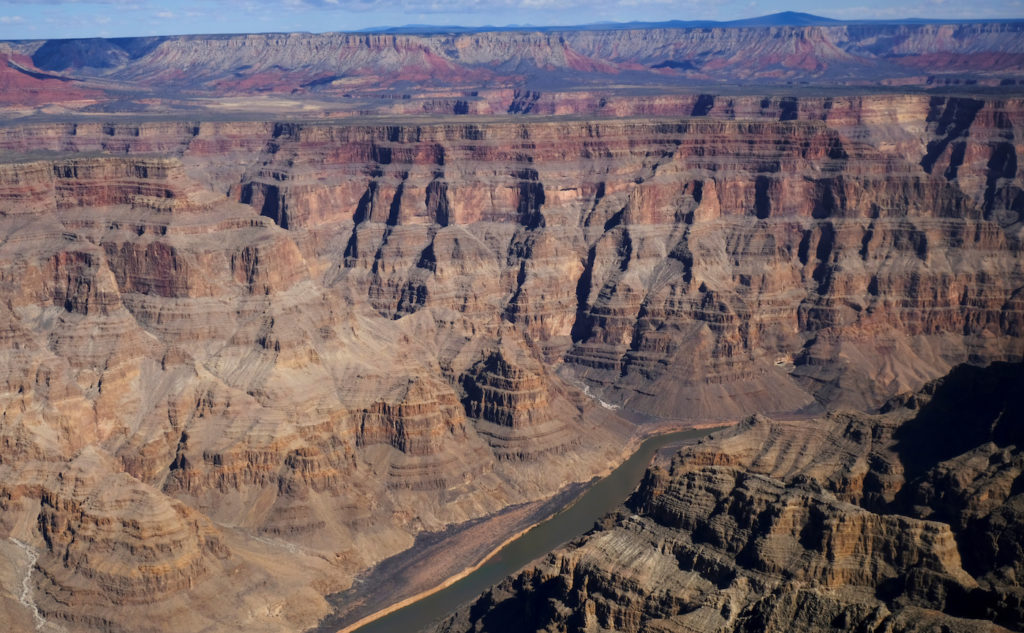
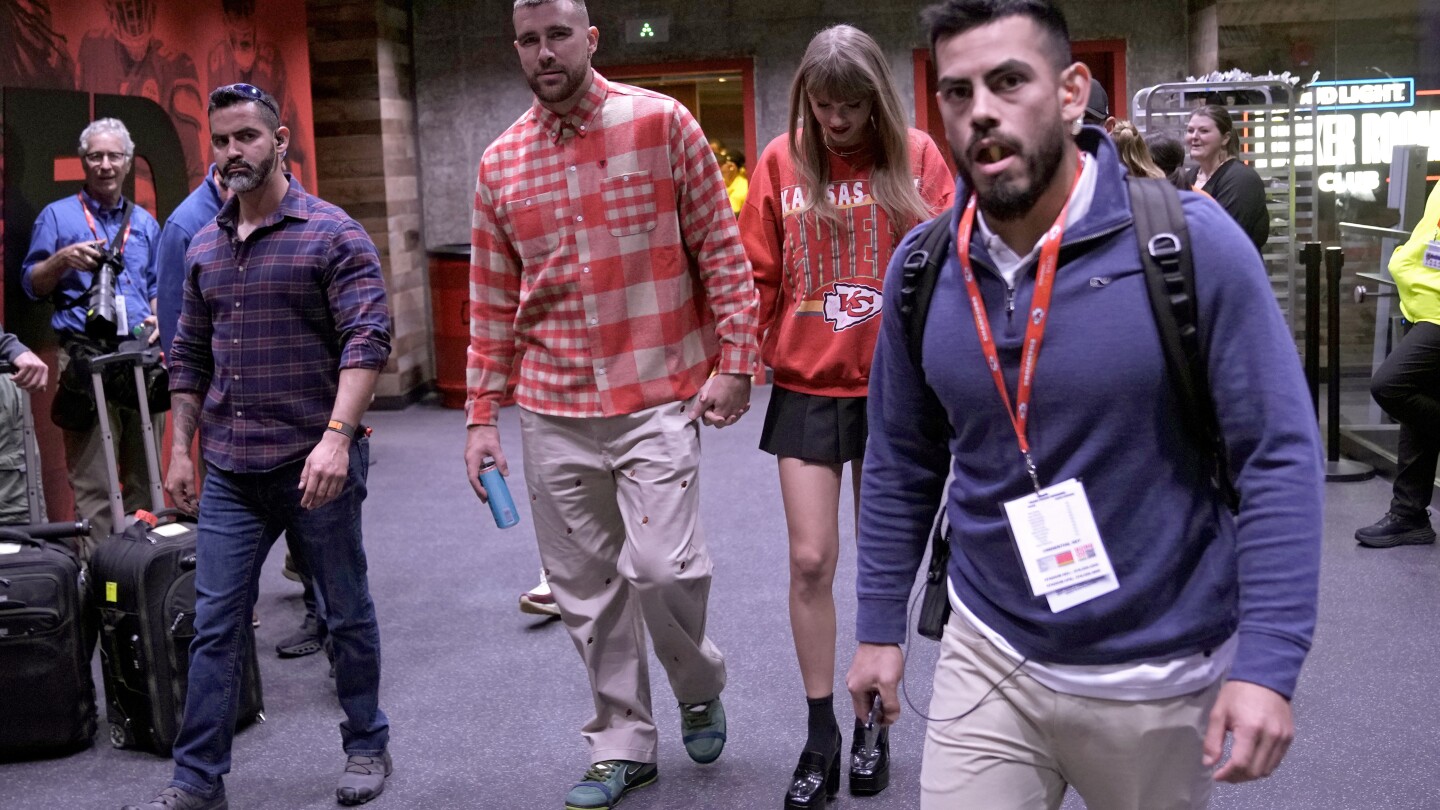
Amidst the tragedies and challenges of 2023, some moments brought joy and inspiration, including the romance between Taylor Swift and Kansas City Chiefs tight end Travis Kelce, the awe-inspiring "ring of fire" eclipse, the selfless act of Casey McIntyre erasing medical debt after her death, the spiritual homecoming for Native American tribes at the Grand Canyon, and the resilient return of gray wolves to Isle Royale National Park. These events provided hope and positivity in a year filled with hardships.
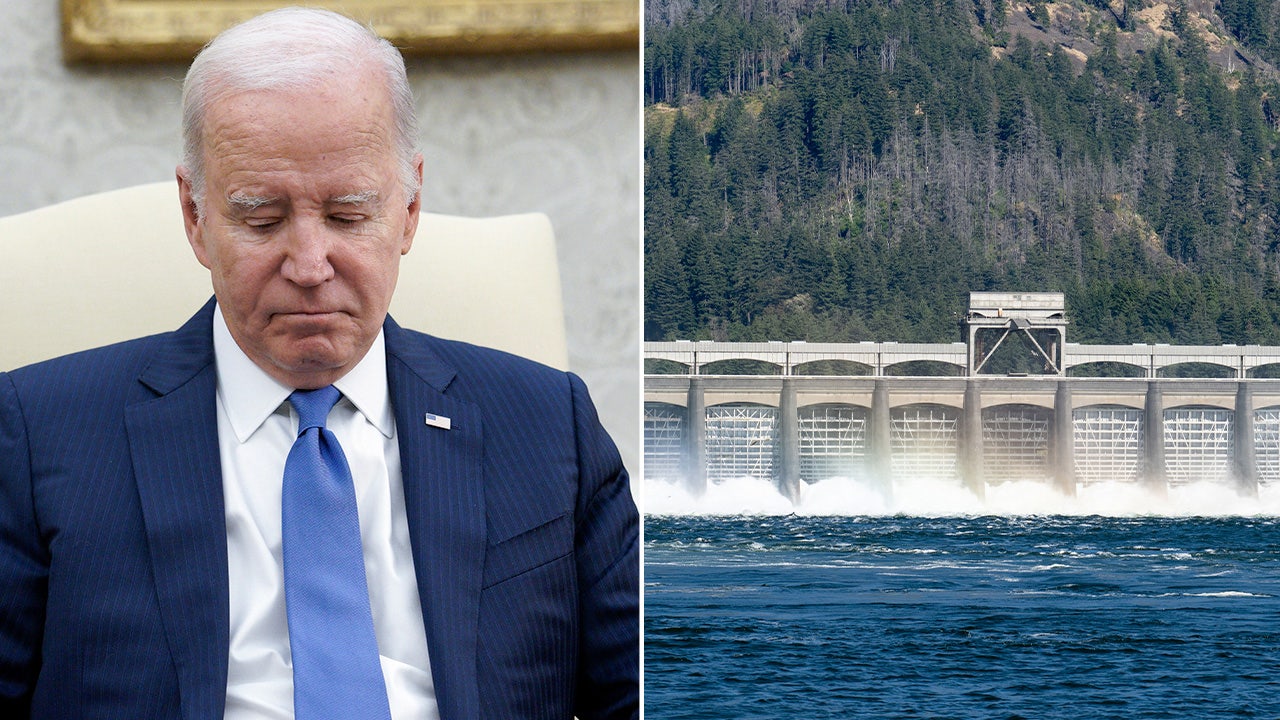
The Biden administration, in collaboration with Native American tribes and environmental organizations, has announced a plan to potentially breach four hydroelectric dams in Washington state to protect salmon populations. The federal government has entered into a legal agreement with the tribes and eco groups, staying litigation through 2028. The agreement includes $1 billion for wild fish restoration and the development of new clean energy power operated by tribes. While breaching the dams would require congressional approval, the agreement aims to replace the services provided by the dams and restore salmon populations within approximately eight years. Critics argue that the dams provide clean energy and vital services for transportation and agriculture, and removing them could have negative impacts on energy production, climate goals, and agriculture exports.
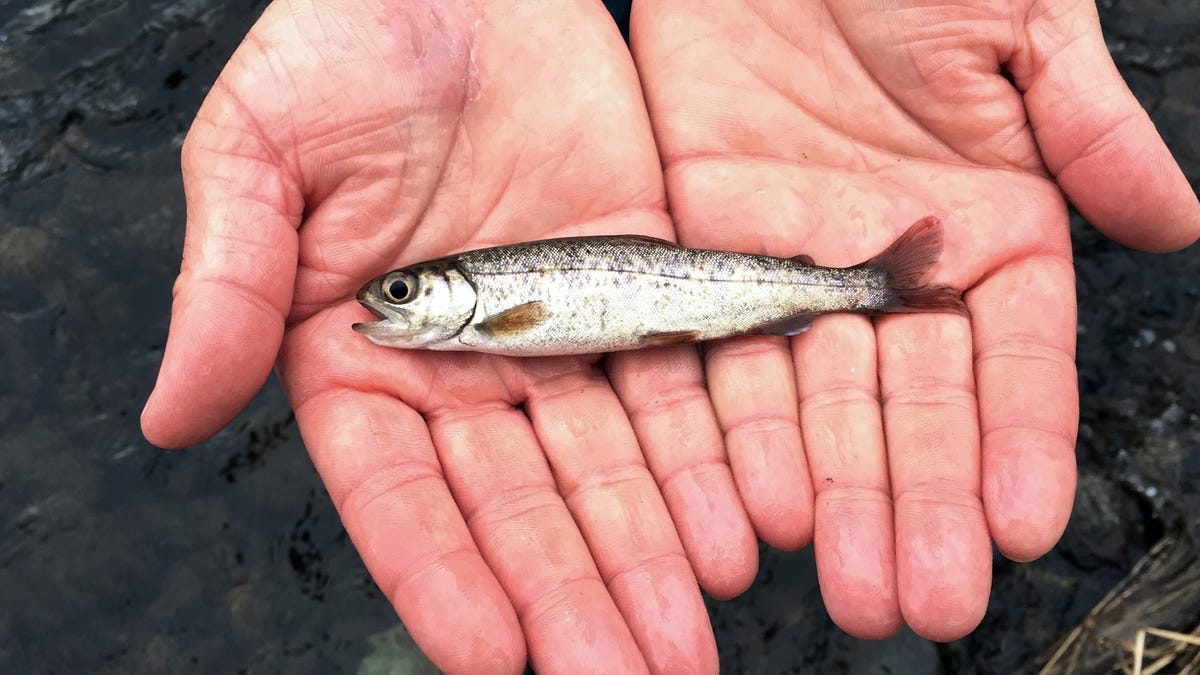
US regulators have agreed to review the use of a chemical called 6PPD, commonly used in tire manufacturing, after a petition from three West Coast Native American tribes called for a ban due to its harmful effects on salmon populations. The tribes argue that the chemical, which is washed into bodies of water through storm runoff, poses an "unreasonable threat" to their waters and fisheries. The decision to grant the petition is the first step towards banning the chemical, with tire manufacturers already seeking alternatives. The tribes have long fought to protect the dwindling fish population from various threats, including climate change and pollution.