US banking regulators have withdrawn guidelines requiring large financial institutions to consider climate-related risks, citing existing safety standards, despite concerns about increasing climate disasters and their economic impacts.
Trump claims JPMorgan and Bank of America rejected his deposits, amid ongoing industry concerns about regulatory overreach and political discrimination, with banks and industry groups seeking clearer policies and reforms.
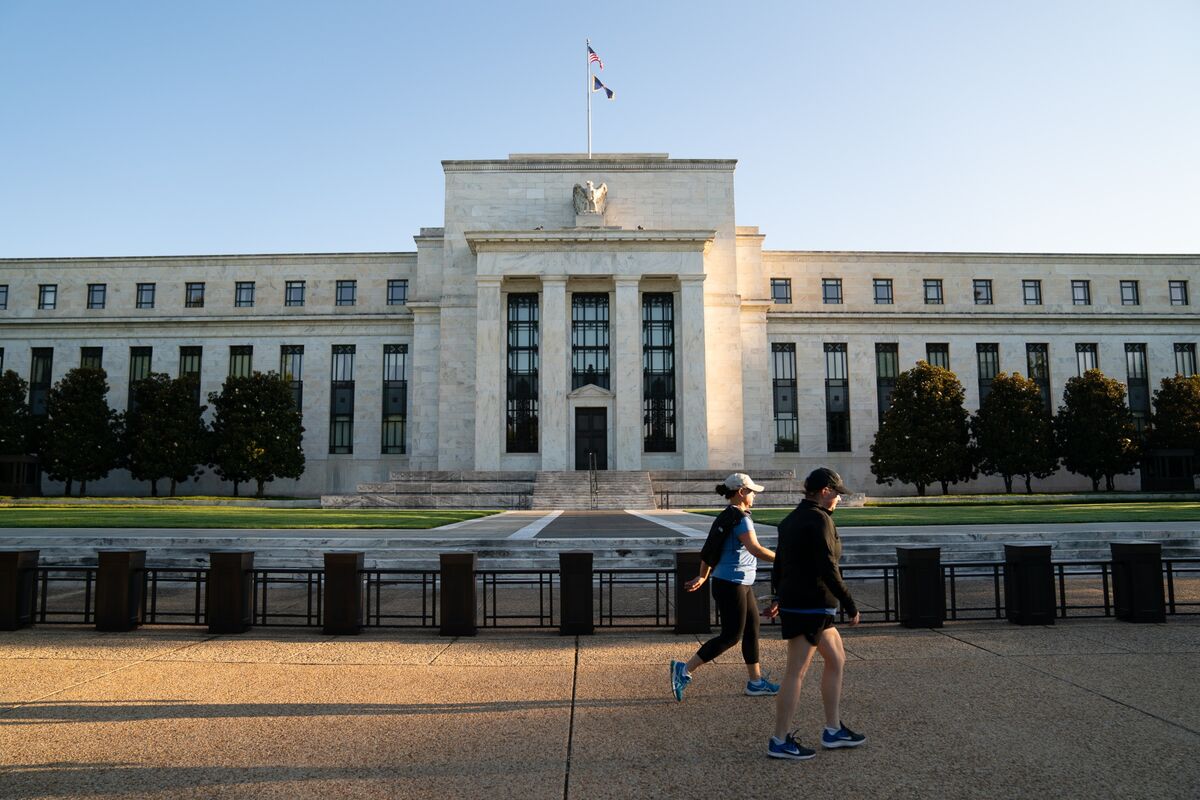
U.S. financial regulators, led by the Federal Reserve, proposed reducing the enhanced supplementary leverage ratio (eSLR) for large banks, aiming to ease capital requirements and support market conditions, despite opposition from some officials and advocates concerned about financial stability.
The Trump administration is preparing to relax regulations on large banks, particularly by easing capital cushion requirements, to boost economic growth and support the Treasury market, marking a shift from Biden-era policies and facing criticism from opponents concerned about financial stability.
Investor Marc Andreessen sparked controversy by claiming that dozens of tech executives were 'debanked' during the Biden administration, a practice where individuals or companies have their bank accounts closed or access restricted. He likened it to 'Operation Choke Point 2.0,' suggesting it targeted political adversaries and disfavored tech startups, particularly in the crypto industry. While Andreessen provided no evidence, the claim has been amplified by figures like Elon Musk and Coinbase's Brian Armstrong, fueling ongoing debates about government overreach and banking regulations.
The Federal Reserve has declined to support a Basel Committee proposal requiring banks to disclose climate risks, potentially stalling global efforts to integrate climate considerations into banking regulations. Despite adjustments made to accommodate the Fed, the proposal's future remains uncertain, with the possibility of it being shelved indefinitely.
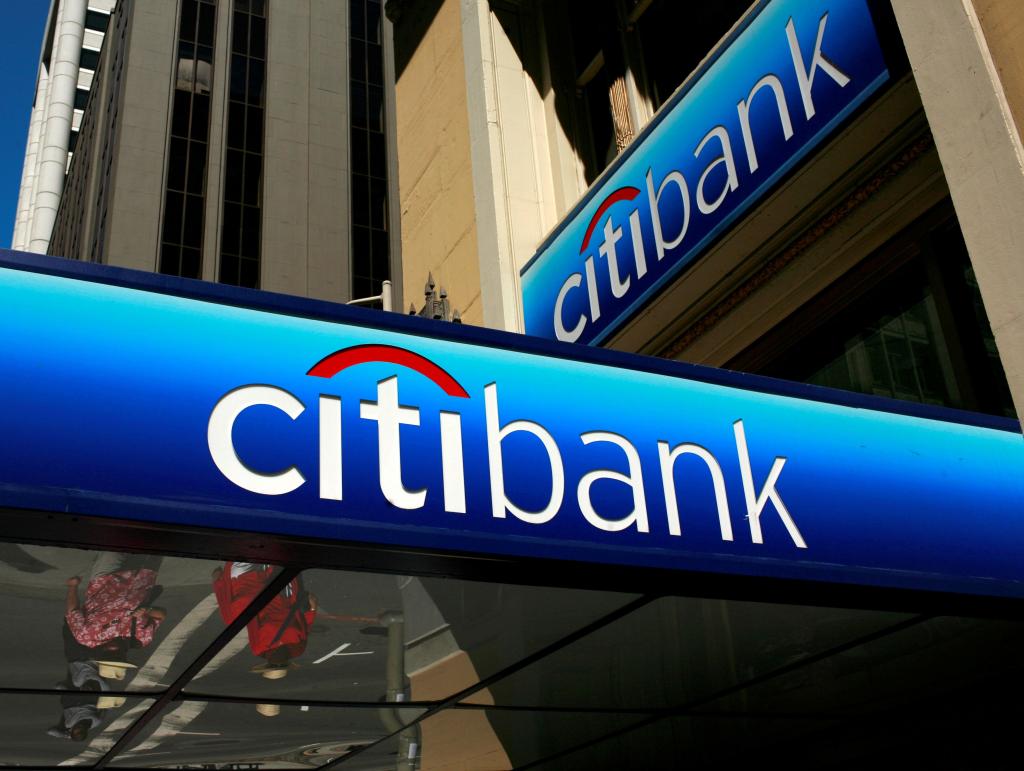
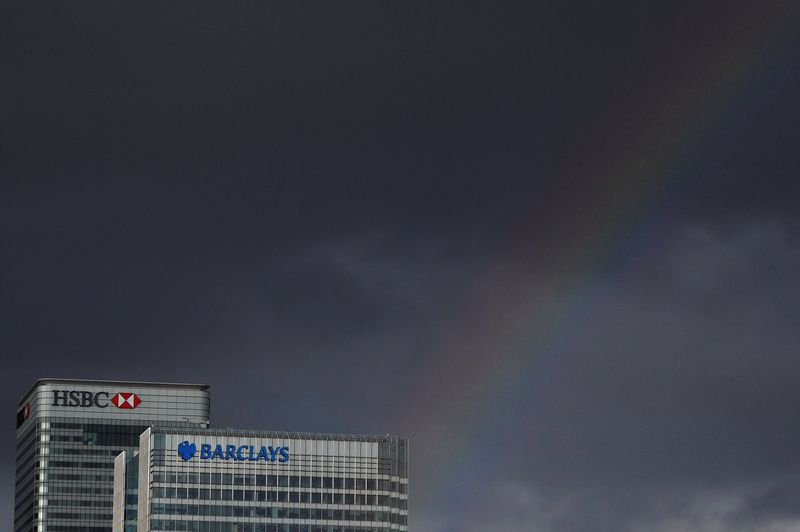
Citigroup has asked 600 US employees to return to the office full-time due to regulatory requirements, as the Financial Industry Regulatory Authority (FINRA) reinstates pre-pandemic rules. While most Citi employees will continue a hybrid schedule, other banks like Barclays and HSBC are also adjusting their work policies in response to changing regulations.
Citigroup has asked 600 U.S. employees to return to the office full-time due to regulatory requirements, as the Financial Industry Regulatory Authority (FINRA) reinstates pre-pandemic rules. While most Citi employees will continue a hybrid schedule, other banks like Barclays and HSBC are also adjusting their work policies.
A federal judge in Texas has blocked the enforcement of new regulations aimed at overhauling how lenders extend loans and services to low- and moderate-income Americans, finding that the rules violated the Community Reinvestment Act of 1977. The judge's preliminary injunction, issued in response to a lawsuit by banking and business groups, prevents the rules from taking effect. The updated regulations, issued by the Federal Reserve, Federal Deposit Insurance Corporation, and Office of the Comptroller of the Currency, sought to broaden the geographies in which lenders are required to extend services, but the judge ruled that they exceeded the authority granted by the 1977 law.
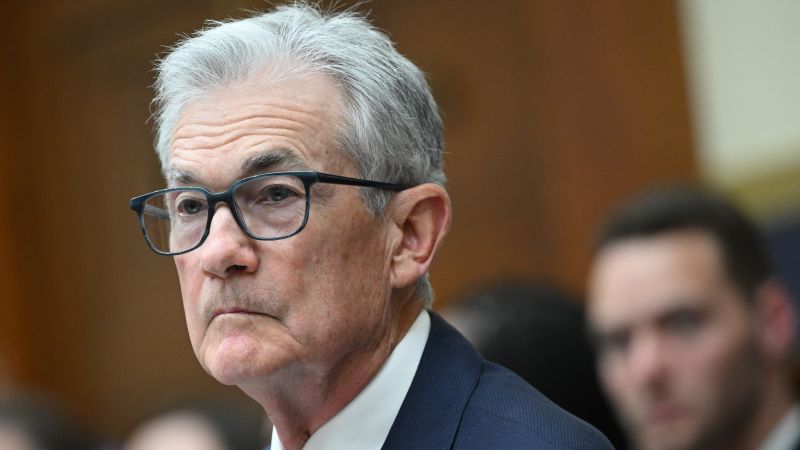
Federal Reserve Chair Jerome Powell testified before congressional lawmakers, indicating that there is no rush to cut interest rates and it's unlikely that there will be any rate hikes this year. He gave a positive assessment of the US economy's health and future, stating that economic growth is expected to continue at a solid clip. Powell also addressed concerns about commercial real estate and discussed the proposed Basel Endgame III banking regulations, indicating that the final version will likely look different and appeal to a broad consensus of stakeholders.
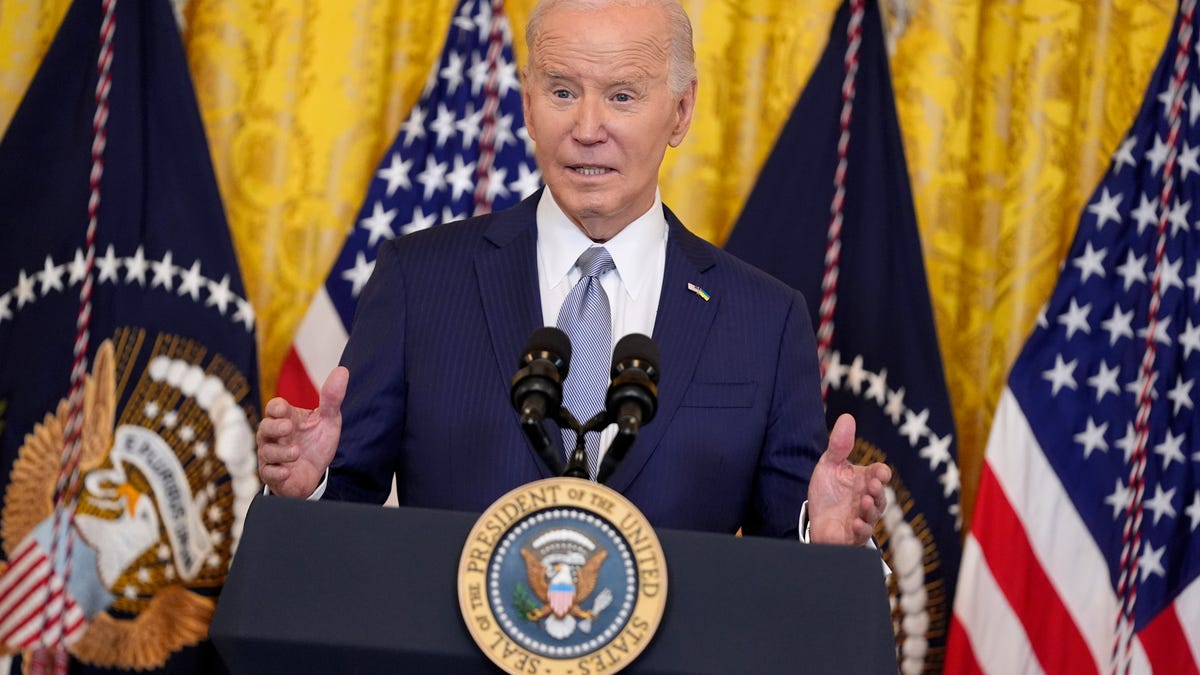
The Biden administration has finalized a rule capping most credit card late fees at $8, aiming to save 45 million Americans an estimated $220 annually. This move follows previous action to reduce overdraft fees charged by banks. President Biden has made cutting hidden "junk fees" a priority, estimating that the administration's actions will reduce over $20 billion in such fees annually across various industries. Additionally, a new federal strike force on unfair pricing has been announced, and the Federal Communications Commission proposed a rule to ban "bulk billing" arrangements for internet, cable, or satellite services.
New York Community Bank (NYCB) faces a potential credit downgrade from Moody's after posting a surprise loss and cutting its dividend, following its acquisition of assets from failed Signature Bank. The bank's stock fell over 11% on Thursday, bringing its decline to more than 43% in the last five days. NYCB is working to bolster its balance sheet to comply with more stringent regulations after surpassing the $100 billion asset threshold. Moody's raised concerns about the bank's losses in New York properties, weak earnings, capitalization decline, and reliance on wholesale funding.
The article discusses the potential unintended consequences of the Basel endgame, highlighting concerns about the impact on global banking regulations and financial stability. It explores how the finalization of Basel III rules could affect the global economy and the banking sector, raising questions about potential risks and challenges that may arise as a result.
Big banks are considering legal action against the Federal Reserve over proposed rules known as Basel Endgame, which would require them to hold about 20% more capital, potentially impacting profits and lending. Critics argue that the proposed requirements may not be properly calibrated and could push lending into less regulated sectors. The proposal has faced opposition within the government, and Fed Chair Jerome Powell has hinted at potential reworking, but time is limited as the Fed generally avoids announcing overhauls on the eve of a presidential election.
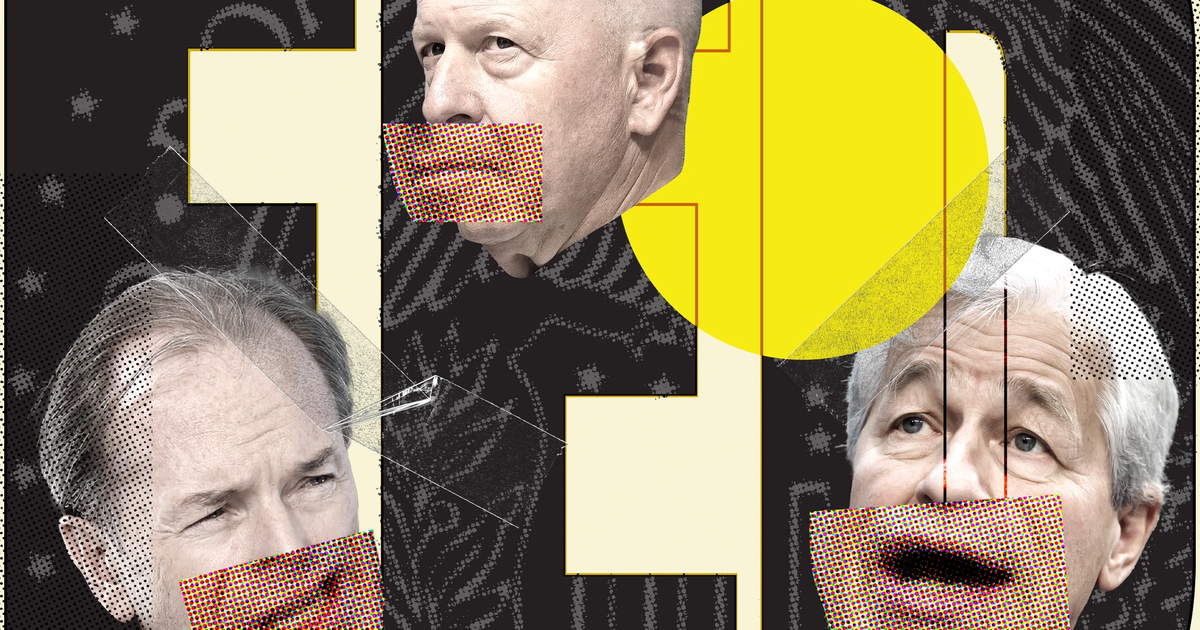
Wall Street CEOs are opposing proposed regulations that would increase capital requirements for banks, arguing that it would have negative consequences for the economy, businesses of all sizes, and American households. The regulations, known as the Basel 3 endgame, would raise capital requirements on the largest banks by about 25%. The CEOs claim that this would hurt profitability and growth prospects for the industry, while benefiting nonbank players. They also warn that small businesses, low-income borrowers, and rural communities would be adversely affected, as mortgages, small business loans, and infrastructure projects would become more expensive. Additionally, the CEOs argue that heightened oversight on banks would push financial activity to nonbank players, leaving regulators blind to potential risks.