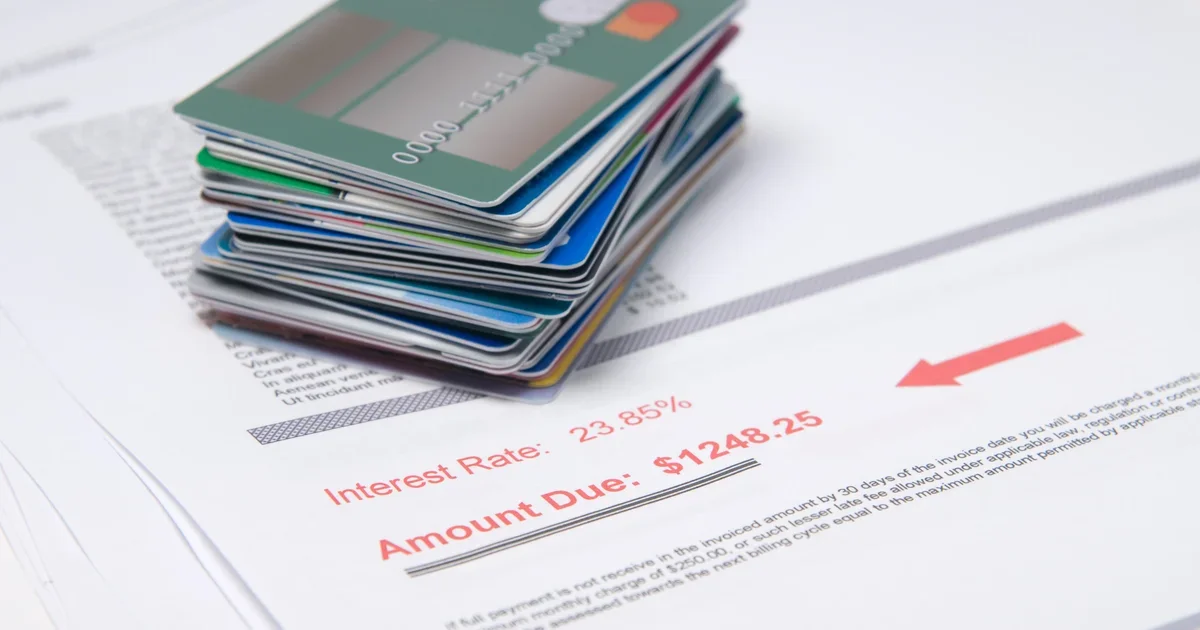
President Trump advocates for a one-year, 10% cap on credit card interest rates, aiming to save Americans billions, but faces opposition from the banking industry and lawmakers, with potential legislative support from some Republicans.
President Trump proposed a one-year cap of 10% on credit card interest rates, targeting a highly profitable banking sector, but industry groups warn this could significantly reduce credit availability and harm consumers, especially riskier borrowers. The move has sparked debate over the impact on banks' profitability and consumer access to credit, with potential adjustments including higher fees and reduced rewards. The proposal faces resistance from banking trade groups and lawmakers, amid ongoing discussions about regulating interest rates.
European banks are planning to cut over 200,000 jobs by 2030 as they adopt AI and close physical branches, mainly affecting back-office roles, with similar trends seen in the US, aiming for increased efficiency but raising concerns about industry fundamentals.
HoldCo Asset Management, a small hedge fund, is actively challenging underperforming regional banks in the US through public campaigns and proxy battles, aiming to improve shareholder value and accountability, and has already influenced major deals like Comerica's sale to Fifth Third.
JPMorgan Chase is set to report its third-quarter earnings with expectations of $4.84 earnings per share and $45.4 billion in revenue, reflecting continued strong trading revenue, merger activity, and a resilient consumer sector, indicative of a robust year for major U.S. banks amid favorable market conditions.
UBS is considering moving its headquarters from Switzerland to the US in response to proposed Swiss regulations that would significantly increase its capital requirements, potentially making it harder to compete globally. The bank has engaged with US officials and is exploring options such as acquiring a US bank or merging, aiming to benefit from a more lenient regulatory environment and avoid the new Swiss rules.
The UK's Financial Conduct Authority (FCA) plans to consult on a redress scheme for missold car loans, estimating potential costs for lenders at at least £9 billion, possibly up to £18 billion, though recent court rulings have reduced the worst-case payouts. Major banks like Lloyds and Santander have already accounted for about £2 billion in potential losses, and the scheme aims to compensate affected customers, mostly with payouts under £950. The final costs and scheme details will be clarified after the consultation, expected early next year.
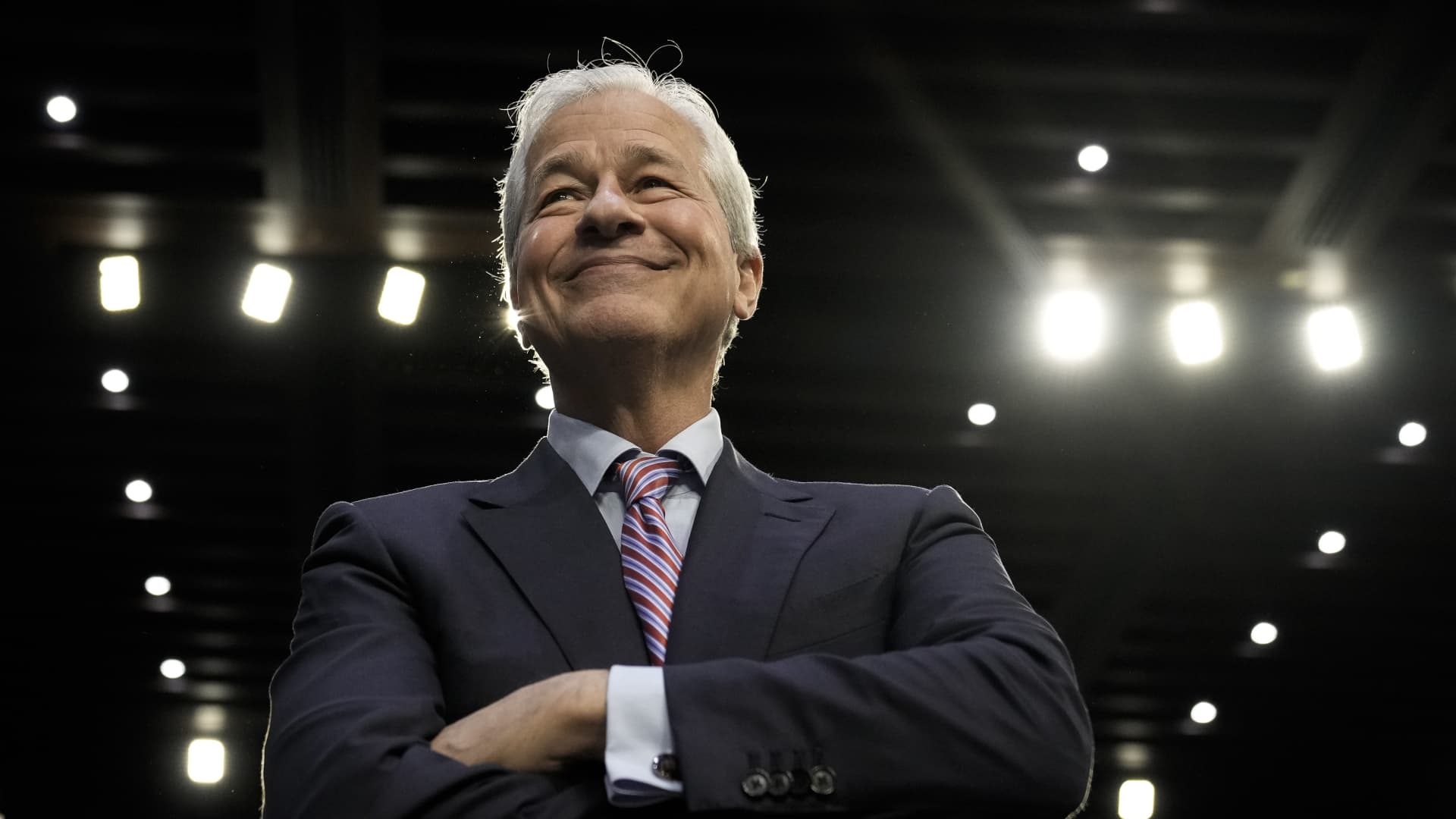
JPMorgan Chase CEO Jamie Dimon will remain at the bank and has no plans to join the Trump administration, despite speculation about a potential government role. Dimon, who has led JPMorgan for nearly 19 years, has been considered a candidate for Treasury Secretary by both parties but downplayed the likelihood of taking such a position. His decision to stay is seen positively by investors, as JPMorgan's stock rose alongside other bank stocks. Dimon is credited with successfully guiding the bank through major financial challenges and has expressed a commitment to his role at JPMorgan.
JPMorgan Chase & Co. reported strong earnings, but the stock price reacted unexpectedly due to market pessimism and concerns about the future. CEO Jamie Dimon expressed doubts about the economy and highlighted the impact of interest rates on real estate values. The company's acquisition of First Republic has boosted earnings, leading to stock repurchases and a dividend increase. Despite concerns about a possible recession, the stock remains a strong buy due to the company's solid management and financial strength, with potential for increased shareholder returns in the long run.
JPMorgan Chase is set to report its first-quarter earnings, with Wall Street expecting earnings of $4.11 a share and revenue of $41.85 billion. Analysts will closely watch for insights into how banks fared at the start of the year, particularly in navigating the rate environment and managing potential loan losses. Expectations are high for JPMorgan, with potential for boosted guidance on net interest income for 2024. CEO Jamie Dimon's comments on the economy and industry efforts to address credit card and overdraft fees will also be of interest. Shares of JPMorgan have outperformed the KBW Bank Index, and other major banks are set to release their results in the coming days.
A Texas federal judge criticized major banking industry groups and the U.S. Chamber of Commerce for choosing Texas as the venue to challenge the Consumer Financial Protection Bureau's regulations on credit card late fees, ruling that the lawsuit should be transferred to Washington. The judge accused the industry of "venue shopping" and emphasized that the choice of venue should not be at the plaintiff's whim. The lawsuit concerns the CFPB's new regulations capping credit card late fees, with the banking industry seeking to block the rule due to potential revenue losses.
A Texas federal judge accused major banking industry groups and the U.S. Chamber of Commerce of venue shopping in their lawsuit against the Consumer Financial Protection Bureau, ruling that the case should be transferred to Washington, where the banking lobby has more legal resources. The lawsuit concerns the CFPB's new regulations on credit card late fees, which the banking industry is seeking to stop due to potential revenue losses. The judge found little reason for the lawsuit to be filed in Texas and agreed with the Biden administration that Washington is a more appropriate venue for the case.
US regulators are expected to significantly reduce the extra capital banks must hold under the proposed Basel III rule, which aims to overhaul how banks with more than $100 billion in assets calculate the cash they must set aside to absorb potential losses. The expected changes include reducing the risk weights for fee income associated with lending services, scrapping or reducing higher risk weights on mortgages to low-income borrowers and on renewable energy tax credits. The proposal has faced aggressive pushback from Wall Street, with banks mounting advertising and grassroots campaigns, lobbying Congress, and signaling potential lawsuits. Fed officials, including Chair Jerome Powell, are working on rewriting the proposal, with the possibility of reproposing the rule still on the table.
The Biden administration is proposing a $8 cap on credit card late fees, aiming to save consumers $10 billion, but the banking industry warns it could lead to higher interest rates and unintended consequences. The American Bankers Association and the Consumer Bankers Association argue that the rule could result in more late payments, lower credit scores, and reduced access to credit. The U.S. Chamber of Commerce is suing over the proposed rule, claiming it punishes those who pay on time. The rule, which only applies to large credit card companies, allows banks to charge a higher late fee under a "show your work" provision.
The Consumer Financial Protection Bureau has finalized a new federal rule capping most credit card late fees at $8 per month, estimating that the change will save households $10 billion annually. Late fees have been a significant source of profit for credit card issuers, generating over $14 billion in 2022. The new restriction, which applies to large issuers with more than one million open accounts, aims to limit fees unless issuers can prove the need to charge more to cover actual collection costs. Banking trade groups are expected to oppose the rule and may file litigation to try to block it.