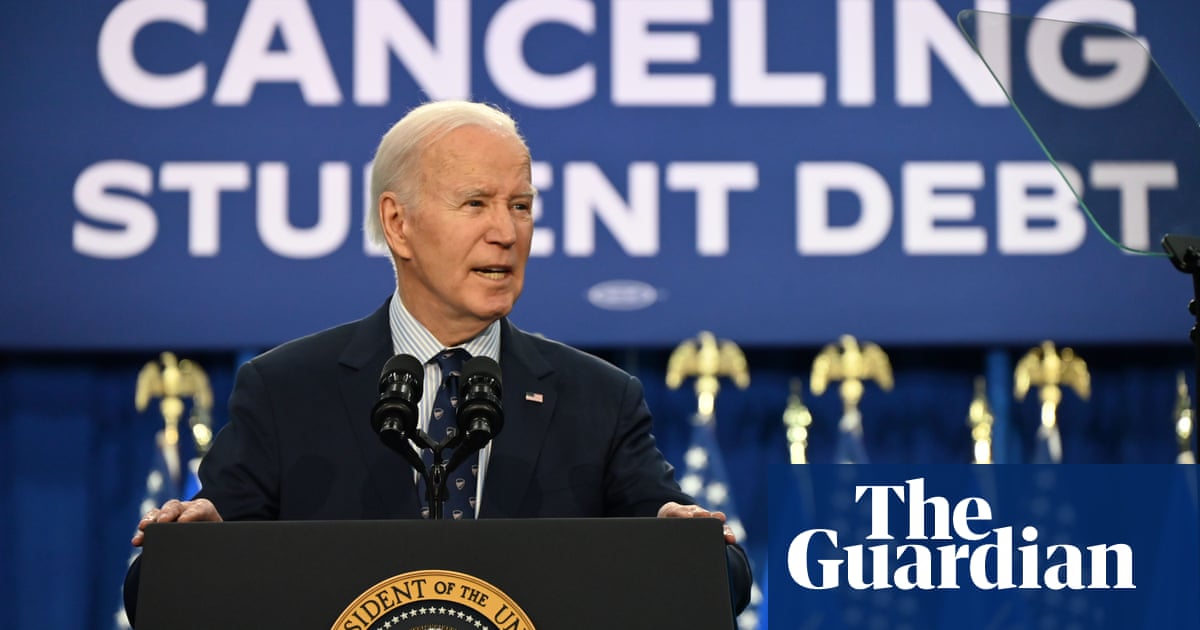
The Biden-Harris Administration has released draft rules aimed at providing student debt relief to millions of borrowers, including proposals to cancel runaway interest, eliminate debt for borrowers who entered repayment at least 20 years ago, and assist those enrolled in low-financial-value programs or institutions. The rules will be open for public comment for 30 days, with the aim of finalizing them in time to start delivering relief this fall. The Administration has already taken historic action to approve debt cancellation for nearly 4.3 million borrowers, totaling $153 billion in debt forgiveness through various actions.
President Biden's new student loan forgiveness plan targets specific groups of borrowers, aiming to withstand legal challenges by focusing on narrower criteria. The plan would forgive the debt of eligible borrowers who have been in repayment for 20 years or longer, attended questionable value schools, or are experiencing financial hardship. Critics argue that the new plan resembles Biden's previous effort and anticipate legal challenges similar to those faced before.
The Biden administration will cancel $7.4bn in student debt for 277,000 borrowers, part of a broader plan to ease student debt for at least 23 million Americans. This latest round of debt relief affects borrowers enrolled in various repayment plans and follows a previous announcement of $6bn in student loan cancellations. The move addresses a key issue for young voters and comes after Biden's broader plan to cancel $430bn in student loan debt was blocked by the US supreme court. The issue of student loan forgiveness remains contentious, with Republicans criticizing it as an overreach of authority and unfair to non-college-educated borrowers.
The Biden administration has announced an additional $7.4 billion in student loan cancellations for 277,000 borrowers, as part of a targeted approach to provide debt relief for specific subsets of borrowers. This latest round of relief brings the total to $153 billion in debt forgiven, touching around 4.3 million borrowers so far, with the administration aiming to forgive some or all loans held by 30 million borrowers in total. The move reflects the administration's strategy to address soaring education costs and shore up support with young voters, following the Supreme Court's rejection of a larger plan to wipe out over $400 billion in debt last year.
The Biden administration is canceling $7.4 billion in student debt for 277,000 borrowers, with three groups qualifying for the latest round of forgiveness. This includes those enrolled in the Saving on a Valuable Education (SAVE) plan, borrowers in income-driven repayment plans, and public servants eligible for Public Service Loan Forgiveness (PSLF). The move is part of Biden's efforts to address the $1.7 trillion student debt burden affecting 43 million Americans, but faces legal challenges from Republican attorneys general in 18 states.
President Joe Biden has proposed a new student-debt forgiveness plan targeting five types of borrowers, with estimates suggesting that over 30 million Americans could benefit. The plan includes forgiving up to $20,000 in interest for low and middle-income borrowers, automatic debt cancellation for those eligible for existing forgiveness programs, erasing debt for borrowers who have been repaying for 20 years or longer, canceling loans for students from institutions with low financial value, and providing relief for borrowers experiencing financial hardships. The Education Department is expected to release the finalized plan in the coming months.
President Biden announced a new student debt relief plan that aims to provide up to $20,000 in interest relief to over 20 million borrowers and full forgiveness for millions more. The plan targets various groups, including those with ballooning loan balances, low- and middle-income borrowers, individuals eligible for existing loan forgiveness programs, and those facing hardships due to medical or child care costs. The proposal still needs to be finalized and faces expected legal challenges, but could potentially provide significant relief to nearly 30 million Americans.
President Biden is proposing a new student loan cancellation plan targeting 30 million Americans, using a different legal authority after the Supreme Court rejected his initial attempt. The plan focuses on five categories of borrowers, including those with growing interest, eligible for federal forgiveness programs, and facing financial hardship. Most cancellation would be automatic, with relief potentially starting this fall, but legal challenges and potential reversibility remain uncertain.
President Biden has unveiled a new student loan forgiveness plan that aims to reduce or eliminate federal student loan balances for millions of borrowers. The plan includes measures to eliminate accrued interest, automatically cancel loans for eligible borrowers, and provide relief for those facing hardships. The majority of Americans with federally held student loans will qualify for some level of relief under the new plan, which differs from the previous plan rejected by the Supreme Court. This time, the Biden administration is anchoring the plan with authority in the 1965 Higher Education Act, aiming to address specific circumstances within the scope of the law.
President Biden is set to announce new plans to provide student debt relief, including canceling runaway interest for millions of borrowers and nullifying debt for those eligible for certain forgiveness programs. The administration's actions, in combination with previous efforts, aim to provide relief to over 30 million Americans, including eliminating accrued interest for 23 million borrowers and canceling the full amount of student debt for more than 4 million borrowers. The plans come after the Supreme Court struck down Biden's original proposal to cancel up to $20,000 in debt for about 43 million eligible borrowers and are part of efforts to address the disproportionate burden of student debt on vulnerable communities.
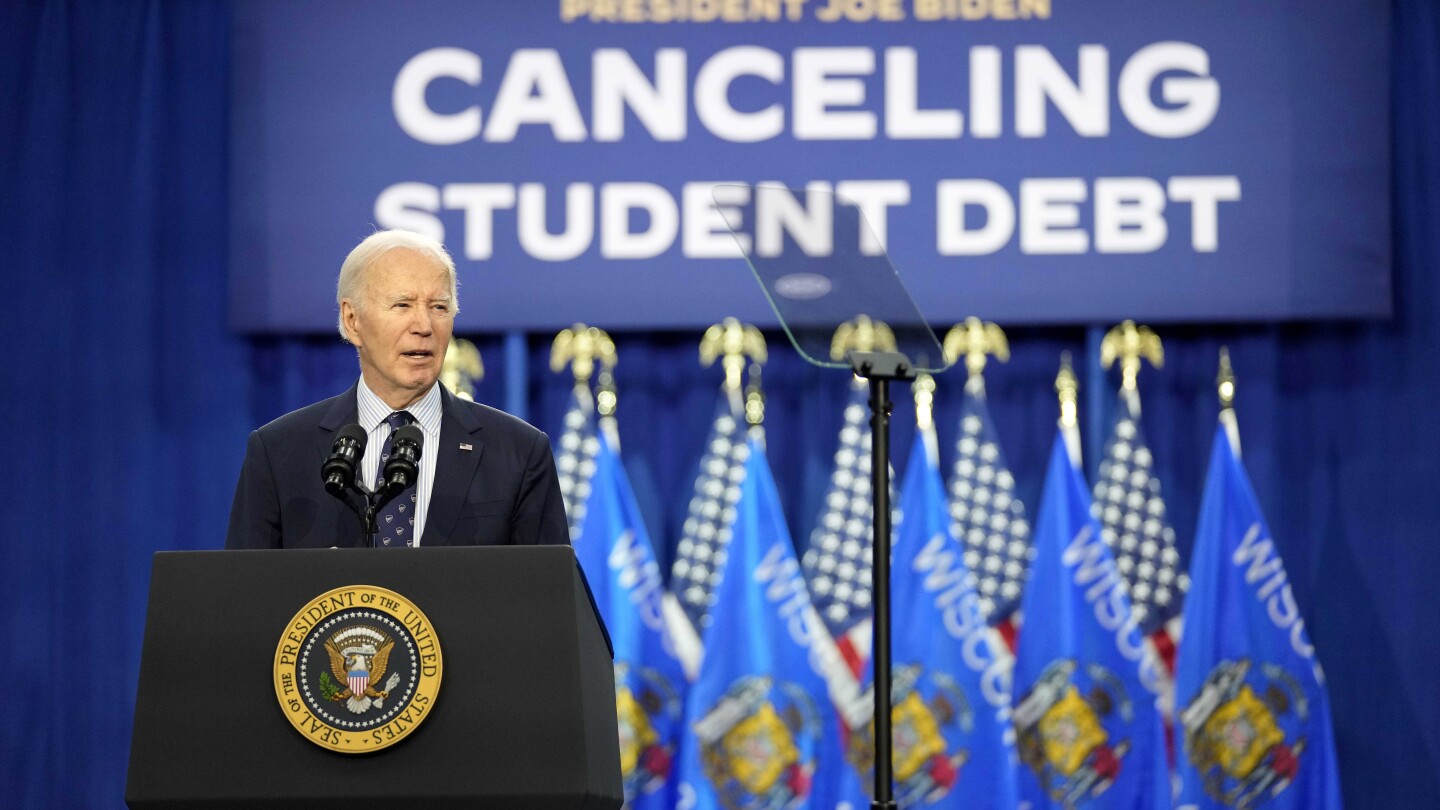
President Joe Biden is set to unveil a new plan to broaden student loan relief for specific categories of borrowers, nearly a year after the Supreme Court rejected his initial $400 billion proposal. The plan, to be announced in Wisconsin, aims to expand federal student loan relief through the Higher Education Act and is expected to be smaller and more targeted than the previous proposal. It includes categories such as resetting balances for those with snowballing interest, erasing remaining debt for long-term payers, and automatic loan cancellation for certain groups. The plan is part of the administration's efforts to provide relief to those with the greatest need and follows targeted initiatives that have already canceled $144 billion in student loans for almost 4 million Americans.
The Biden administration plans to email nearly 380,000 borrowers confirming their eligibility for student loan cancellation within two years under the Public Service Loan Forgiveness program. The administration has cleared the education debts of nearly 4 million people since Biden's election, totaling $143.6 billion in relief. Borrowers can explore over 100 forgiveness programs and should keep track of their qualifying payments and required steps. The Education Department has been implementing positive changes to help borrowers get closer to forgiveness, and borrowers with multiple loans can apply for consolidation to receive credit going back to their first loan payment.
The Biden-Harris Administration has approved an additional $5.8 billion in student loan debt relief for 77,700 borrowers, bringing the total loan forgiveness to $143.6 billion for 3.96 million Americans. This includes fixes to the Public Service Loan Forgiveness (PSLF) program, with nearly 380,000 public service workers set to receive forgiveness within two years. The Administration has also provided relief through income-driven repayment plans and for borrowers affected by school-related issues, totaling $45.6 billion and $22.5 billion respectively.
The Biden administration has announced the forgiveness of $5.8 billion in student debt for 77,700 borrowers through the Public Service Loan Forgiveness program, with plans to notify an additional 380,000 public service workers about their eligibility for debt cancellation. This move is part of the administration's efforts to address issues with the program and provide relief to public servants, with nearly 4 million people having already received $143.6 billion in debt relief.
The U.S. Department of Education is reviewing the accounts of borrowers who have been making payments on their federal student loans for a decade or more, and has already forgiven almost 3.9 million borrowers' education debt, totaling $138 billion in relief. Many borrowers are also receiving refunds, as the government is identifying those eligible for forgiveness under income-driven repayment plans and the Public Service Loan Forgiveness program. The refunds are being issued to borrowers who have made payments beyond the period at which they should have received forgiveness, due to confusing rules and lender mismanagement.