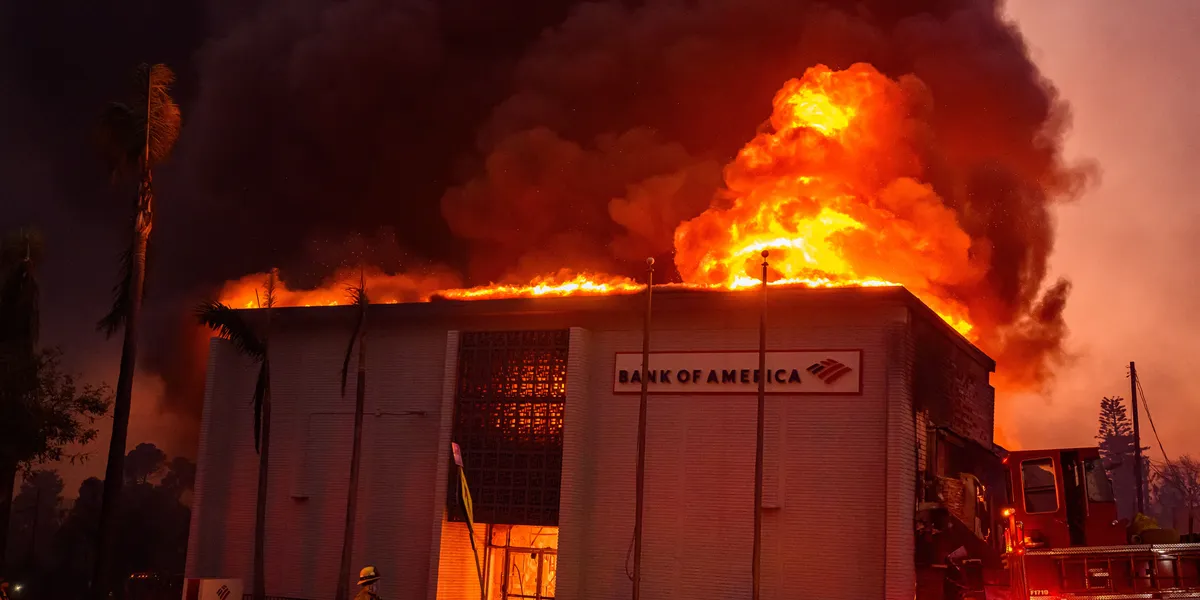
US banking regulators have withdrawn guidelines requiring large financial institutions to consider climate-related risks, citing existing safety standards, despite concerns about increasing climate disasters and their economic impacts.
The Federal Reserve has declined to support a Basel Committee proposal requiring banks to disclose climate risks, potentially stalling global efforts to integrate climate considerations into banking regulations. Despite adjustments made to accommodate the Fed, the proposal's future remains uncertain, with the possibility of it being shelved indefinitely.
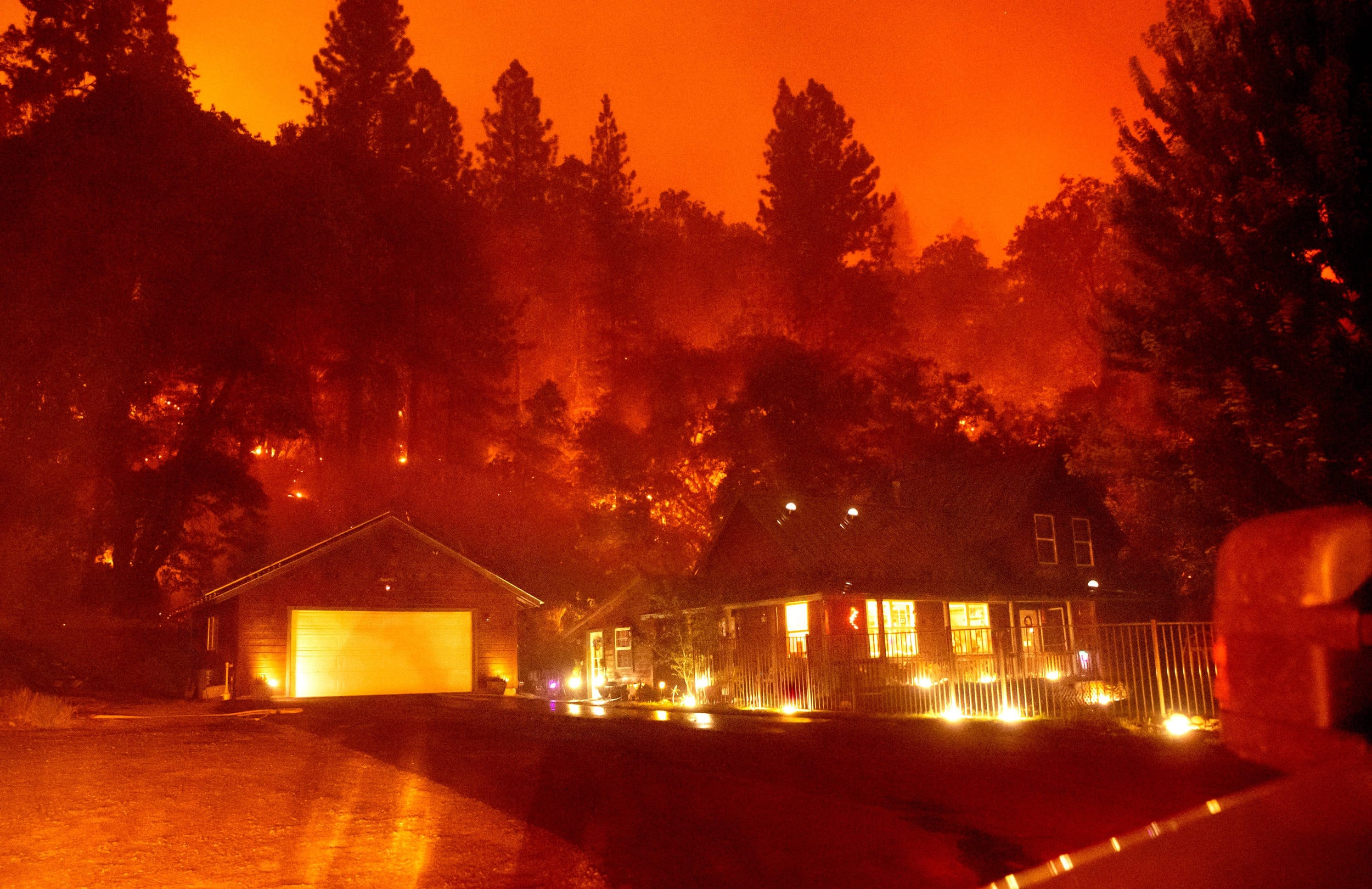
A new report by nonprofit First Street Foundation reveals that approximately one in four residential properties in the U.S. are overvalued in relation to their climate risk. As climate change leads to more frequent and severe extreme weather events, homes in states like California and Florida are particularly vulnerable to damages from hurricanes, floods, fires, and earthquakes. The research estimates that the number of homes destroyed by flames each year could double over the next three decades, reaching nearly 34,000 homes across the country. The overvaluation of homes due to climate risk has created a housing market bubble, with property values expected to decrease as the risk becomes more apparent. Major insurers are already leaving high-risk areas like Florida, and experts warn that states exposed to extreme weather events may become "uninsurable" in the future.
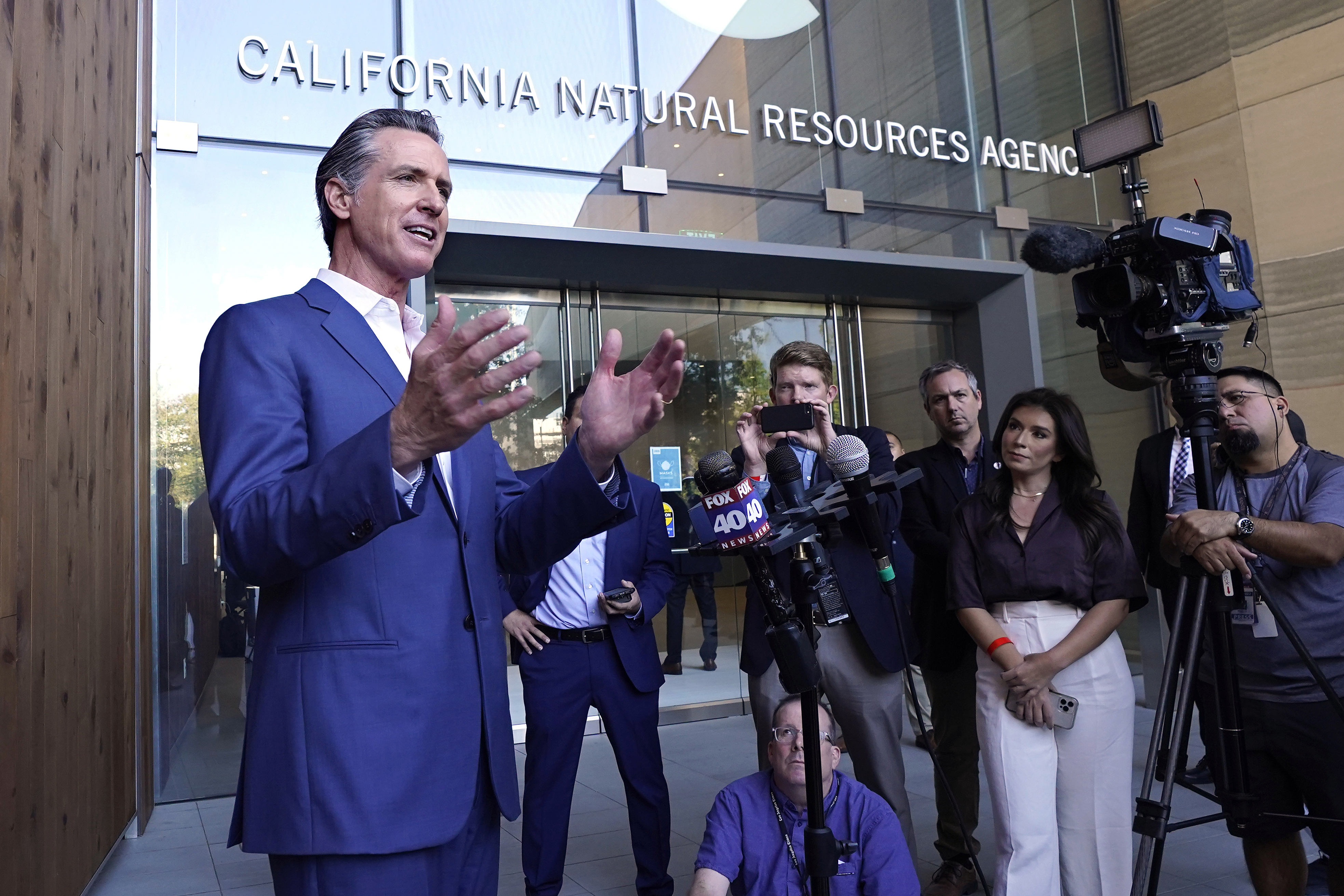
California Governor Gavin Newsom announced his intention to sign two major bills aimed at increasing corporate climate disclosure. The first bill, CA SB253, would require companies earning at least $1 billion per year and operating in California to disclose their emissions. The second bill, CA SB261, would mandate large corporations to disclose their climate-related financial risks. These bills could have a significant impact on corporate transparency and climate risk assessment, potentially influencing national regulations. The legislation goes beyond proposed federal rules by including privately held companies and requiring full disclosure of supply chain emissions.
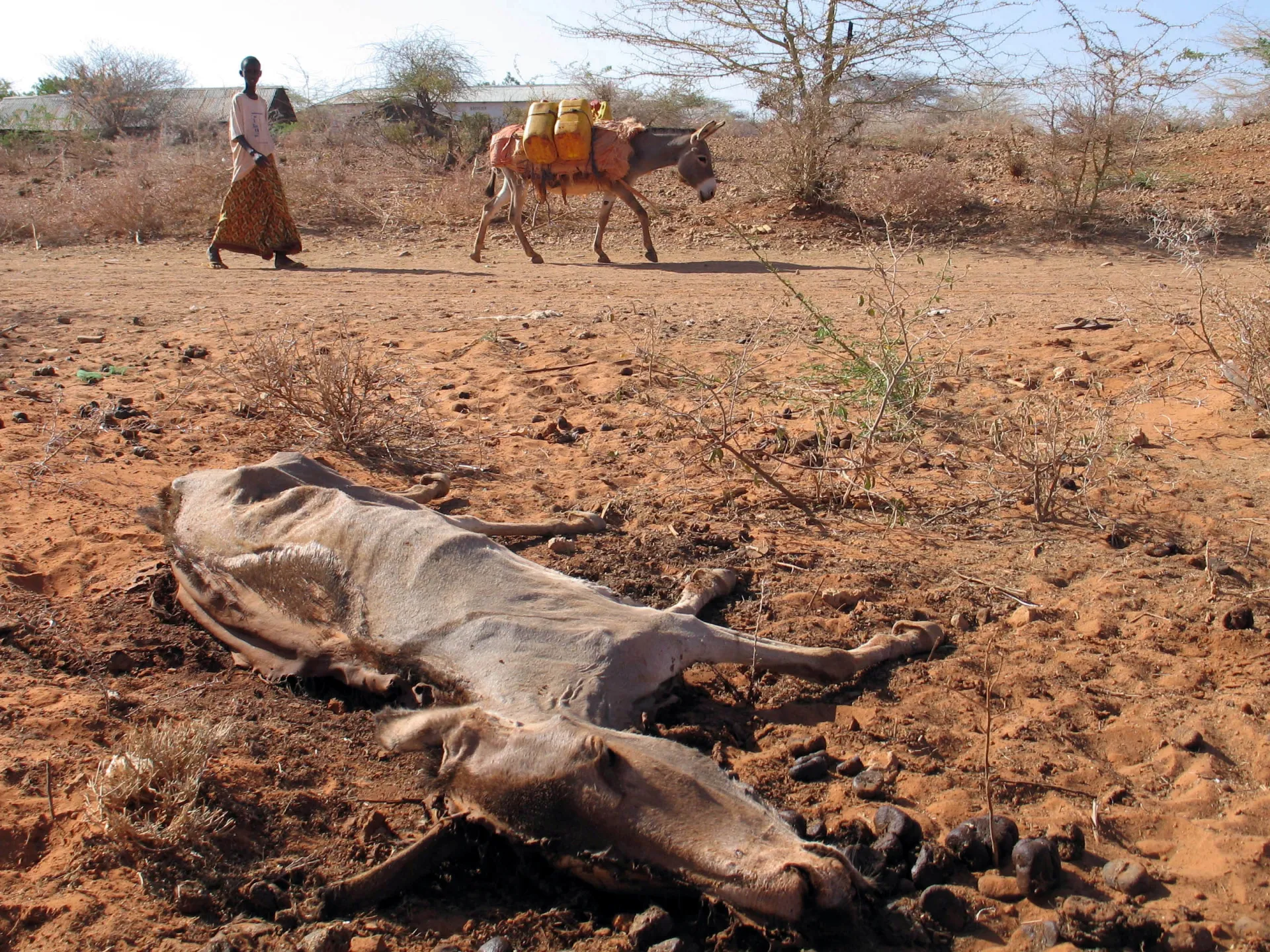
Africa is facing a "climate risk blind spot" due to a lack of weather radar and data collection, making it difficult to track and forecast weather patterns. The continent has just 37 radar facilities compared to Europe's 345 and North America's 291. This lack of data affects crucial development decisions and poses a significant challenge for Africa's adaptation to climate change. The Africa Climate Summit aims to address this issue and highlight the continent's vulnerability to climate change despite contributing the least to global warming. Proper forecasting is crucial for agriculture, energy, and disaster preparedness.
BlackRock CEO Larry Fink's annual letter to shareholders departs from previous years' emphasis on climate risk and ESG investments, but still acknowledges the importance of climate concerns as an investment risk. Fink positions BlackRock as offering choices to clients and takes a more hands-off approach to proxy voting than in years past. However, environmental groups caution against Fink's messaging on consumer choice, stating that BlackRock appears to be giving ground to those trying to undermine the finance sector's role in addressing the climate crisis.