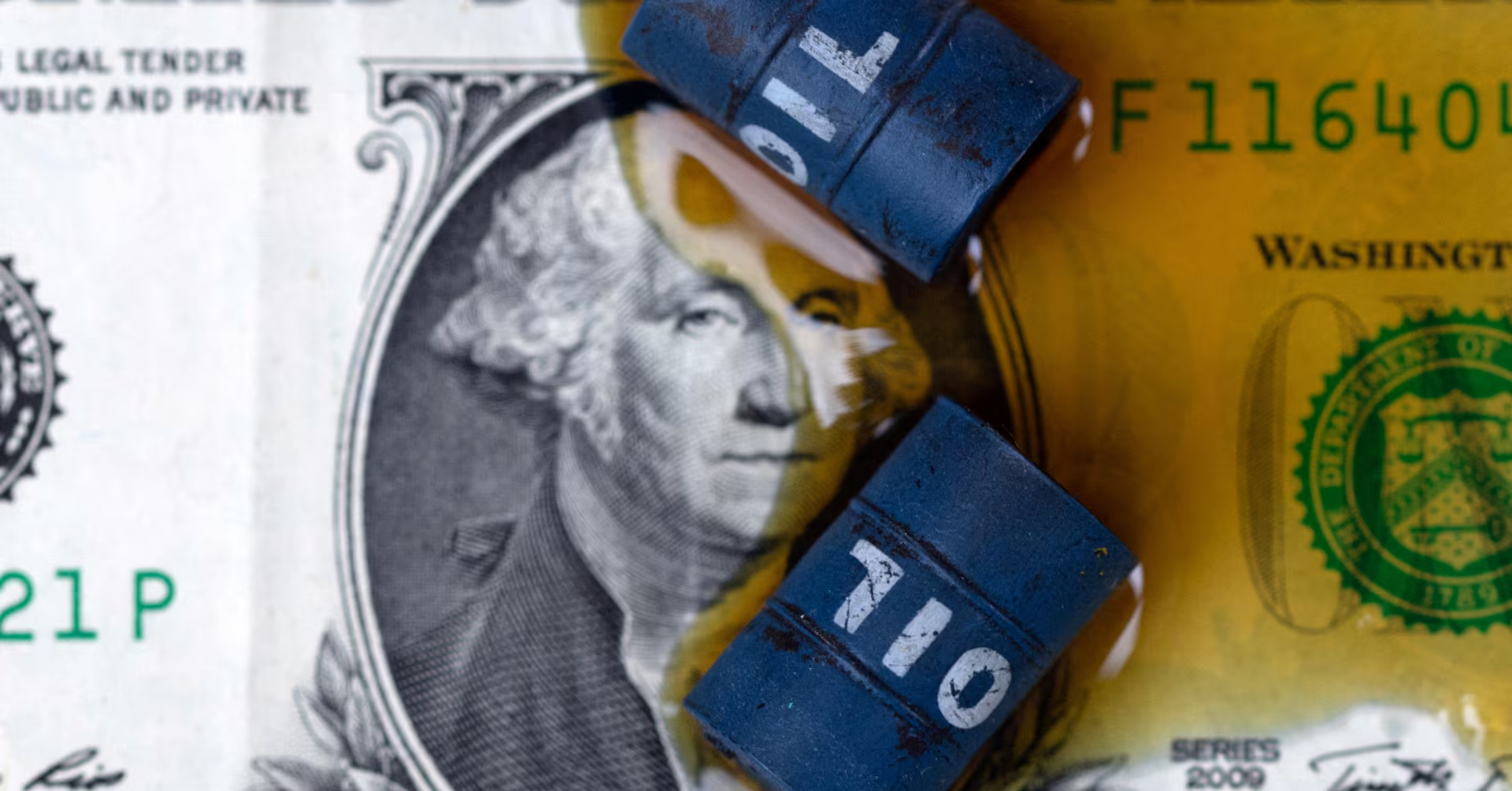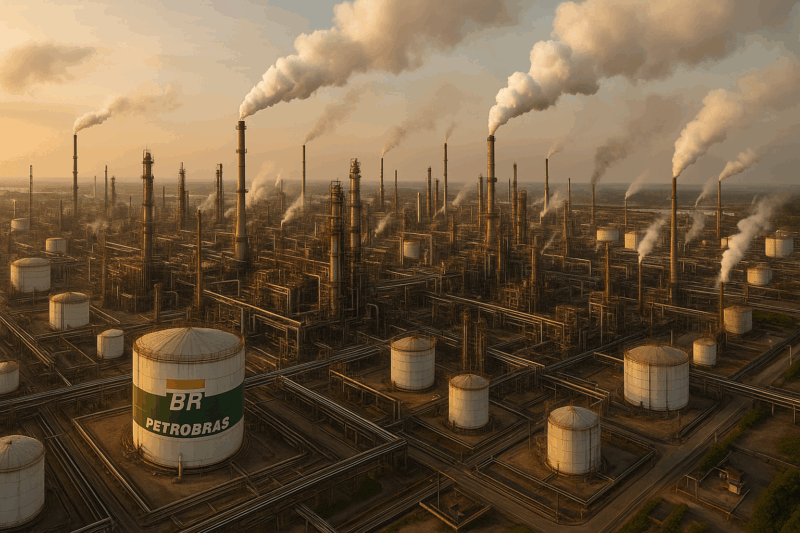
The article discusses how the US's actions in Venezuela, including the arrest of President Maduro, may be motivated by efforts to preserve the dominance of the petrodollar system amid declining global reliance on dollar-denominated oil trade, especially as US energy independence and geopolitical shifts reduce the dollar's global influence.
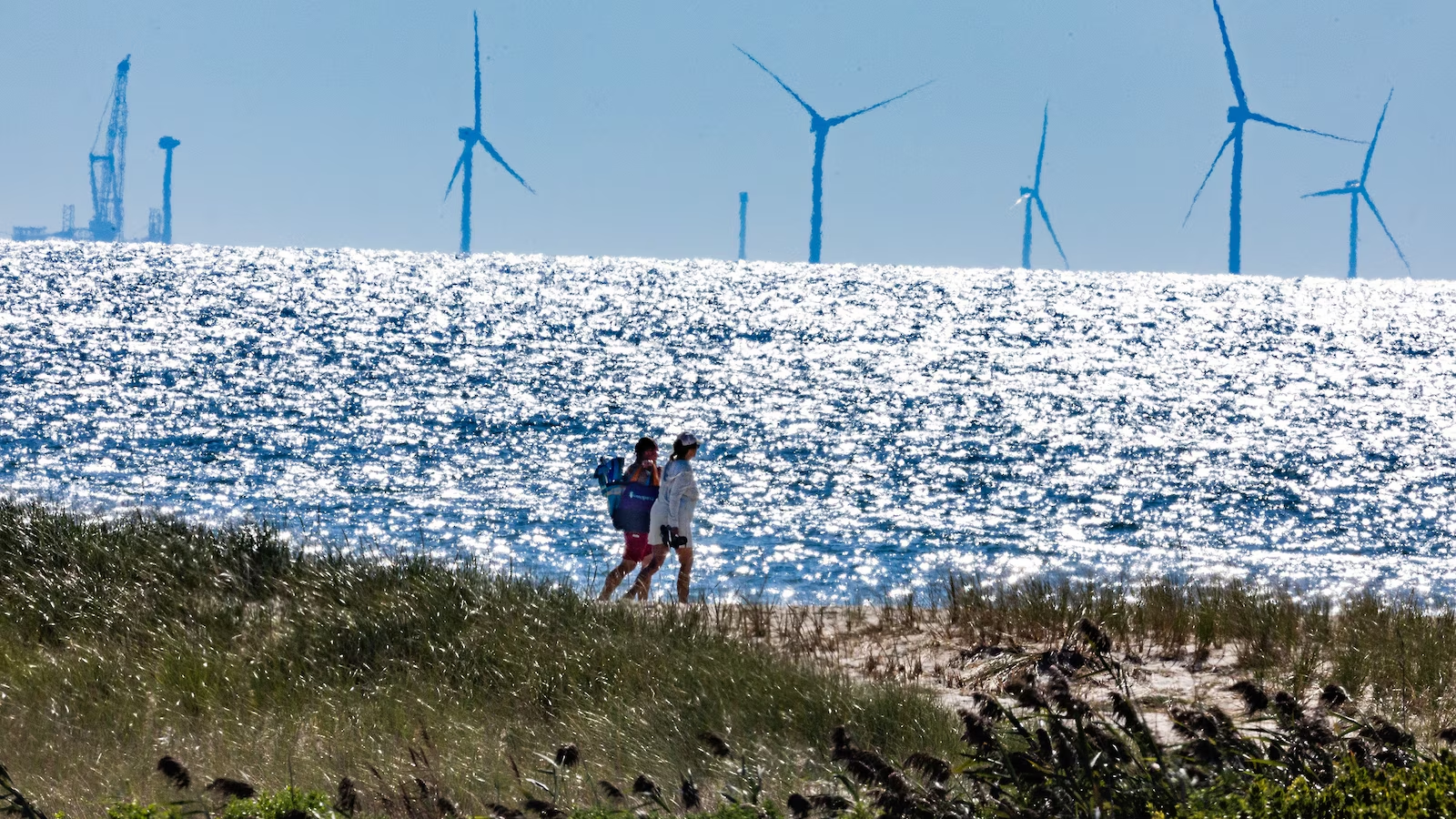
The Trump administration's decision to pause five offshore wind projects due to national security concerns and other issues has significant implications for the US energy sector, potentially hindering renewable energy growth and increasing reliance on fossil fuels, despite wind power being a major and reliable renewable energy source in the US.
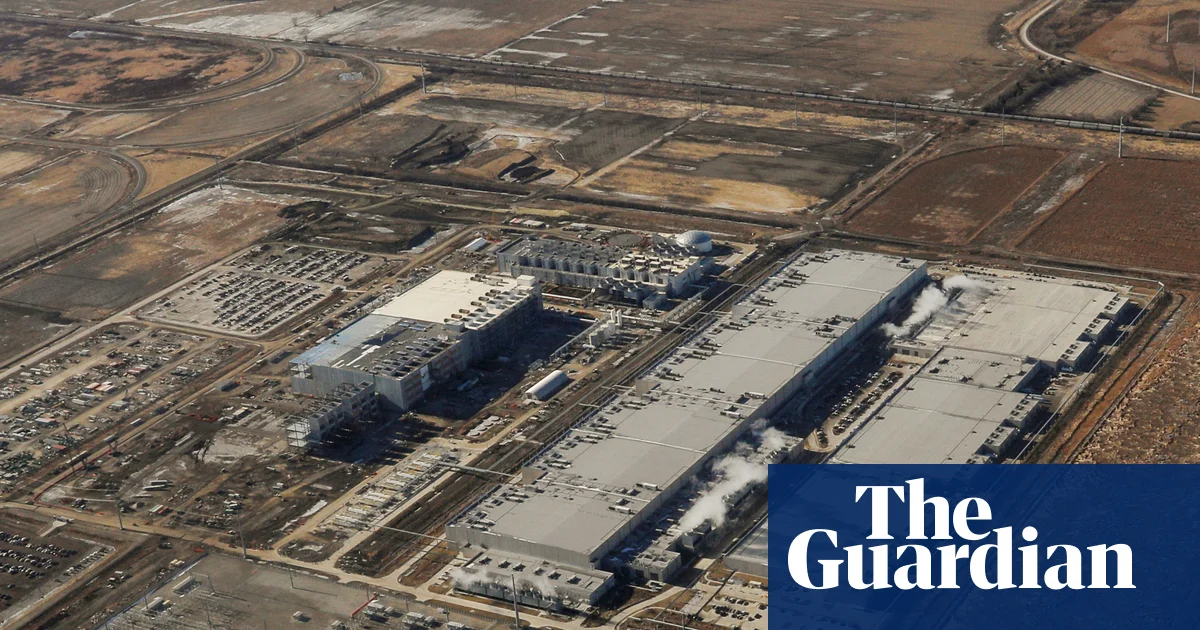
The rapid expansion of datacenters in the US to support AI growth is raising environmental concerns, including increased energy consumption, water use, and reliance on fossil fuels, which could significantly impact the climate and lead to higher electricity bills for households. The trend also has political implications, with debates over energy sources and regulation.
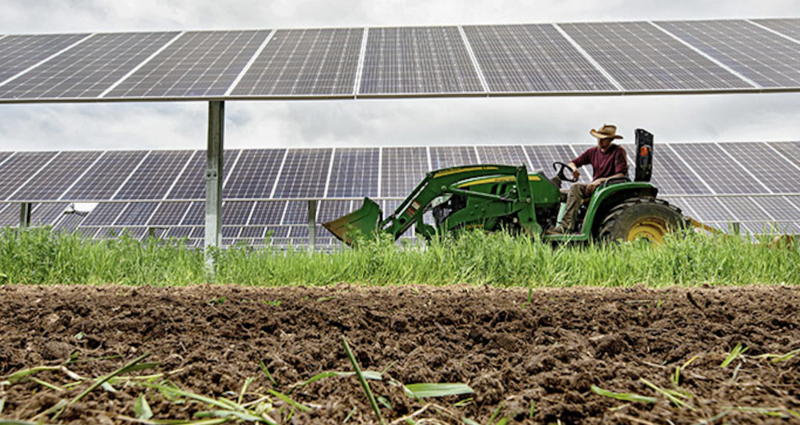
The US Energy Department has issued a plea for accelerating large-scale renewable energy projects, especially wind and solar, amid ongoing political and bureaucratic challenges, highlighting the need for a shift in federal support to meet the country's growing energy demands and compete globally, despite existing obstacles and resistance from fossil fuel interests.
The article criticizes the Trump administration's approach to energy, highlighting its rejection of renewable energy initiatives, promotion of fossil fuels, and efforts to dismantle climate change research, despite increasing renewable energy use in the US and global efforts to reduce greenhouse gases.
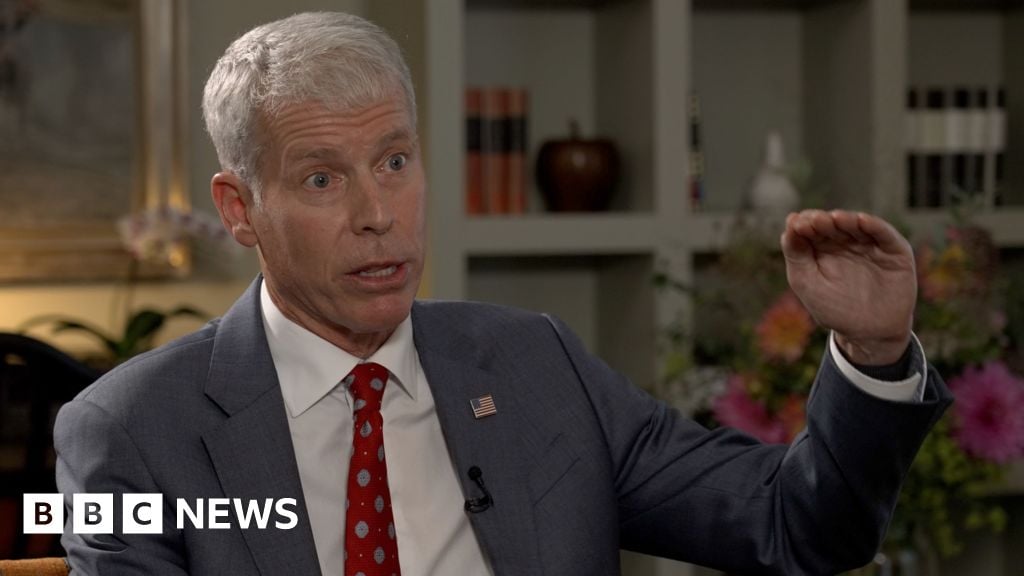
US Energy Secretary Chris Wright predicts that nuclear fusion, powered by AI, will be harnessed within five years and integrated into the global electricity grid within 8 to 15 years, potentially revolutionizing low-carbon energy production, despite scientific skepticism about the timeline.
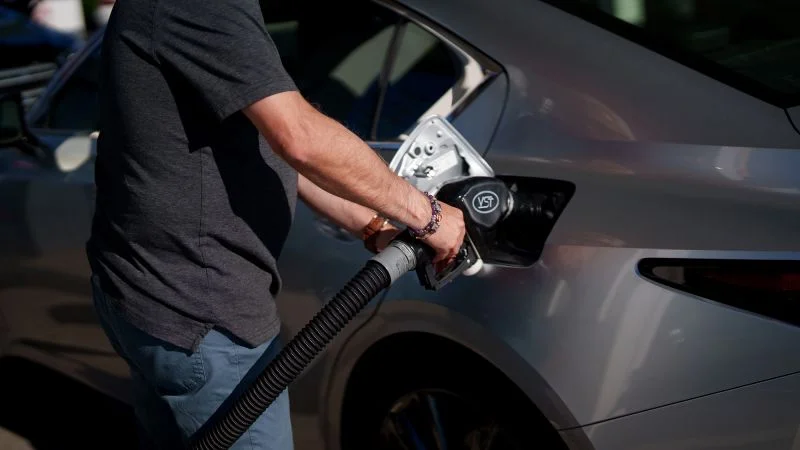
Gas prices in the US are expected to be the lowest since 2020 for Labor Day, averaging $3.15 per gallon, with some states below $3, driven by low oil prices and increased OPEC production, providing relief to consumers amid ongoing economic challenges.
The article discusses the US government's opposition to the International Energy Agency's forecasts that global oil demand may peak by the end of the decade, highlighting political tensions, differing energy outlooks, and the implications for future energy investments and climate policies.
The article criticizes President Trump's energy policy, which favors fossil fuels over renewable energy, highlighting its potential to hinder US leadership in clean energy, increase costs, and allow China to dominate the industry, despite the US's historical role in renewable energy innovation.
The proposed 'Big, Beautiful Bill' aims to overhaul US clean energy programs, significantly reducing incentives for domestic solar manufacturing and favoring foreign (particularly Chinese) products, which critics say will hinder renewable energy growth, increase costs, and weaken America's manufacturing and environmental goals.
The 'One Big Beautiful Bill' (OBBB) threatens to weaken U.S. energy resilience by phasing out crucial solar tax credits and financing, risking job losses, increased costs, and ceding global leadership in solar energy to China, all while failing to provide a stable, long-term policy framework for renewable energy growth.
President Trump called for increased U.S. oil drilling amid rising oil prices due to geopolitical tensions, but U.S. producers are cautious due to market conditions, regulatory factors, and profitability concerns, with overall U.S. output expected to decline slightly in 2026.
The US green hydrogen industry, once poised for a billion-dollar boom, has largely collapsed due to delayed tax credit guidance, rising costs, and lack of industrial buyers, with only small-scale projects remaining viable and major companies canceling plans amid economic and regulatory uncertainties.
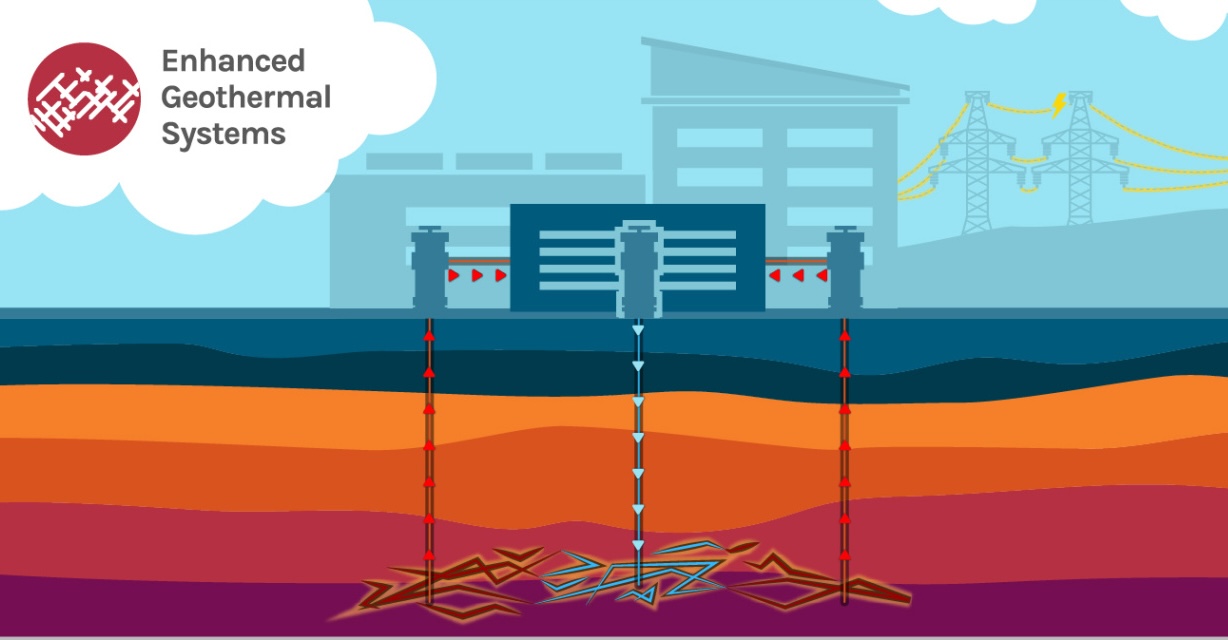
The US is recognizing geothermal energy as a significant resource, with New Mexico alone holding an estimated 163 gigawatts of potential, and recent policy moves aim to expand its development, supported by technological advances and interest from data centers and the Department of Defense.
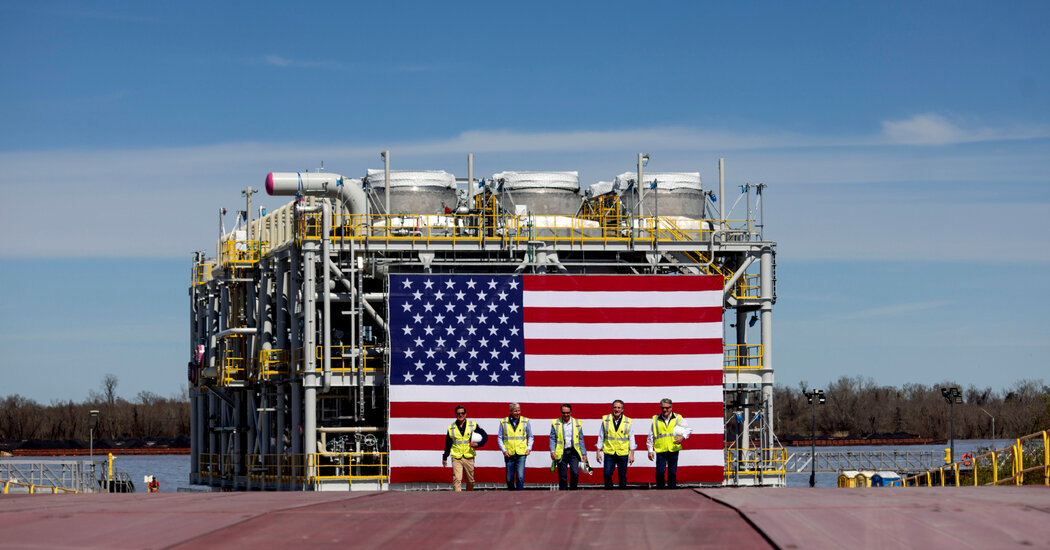
Westinghouse is in talks with US officials and industry partners to deploy 10 large nuclear reactors, responding to President Trump's executive orders aimed at streamlining nuclear power licensing and regulation, leveraging its approved reactor design and recent experience building reactors in Georgia.