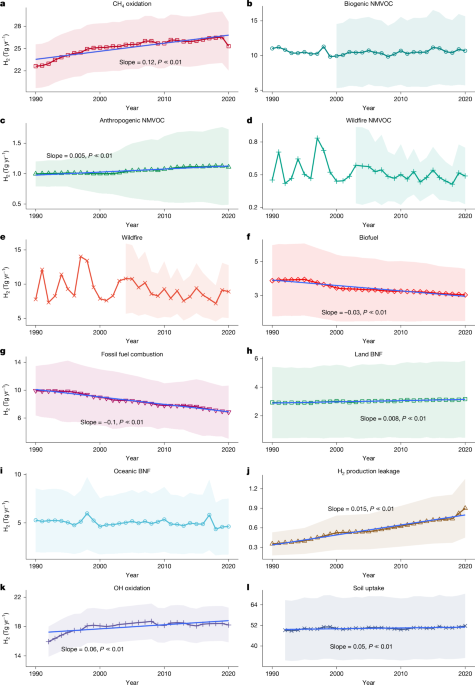
The article discusses the global hydrogen budget, highlighting the current reliance on energy-intensive grey hydrogen, the potential shift towards green and blue hydrogen by 2030–2040, and the climate implications of hydrogen leakage, which acts as an indirect greenhouse gas. It presents a comprehensive analysis of hydrogen sources and sinks over the past three decades, estimates the recent decade's hydrogen budget, and projects future climate impacts, emphasizing the need for better data and understanding of hydrogen's role in the climate system.

Plug Power has installed Africa's first fully integrated green hydrogen facility in Namibia, featuring a 5MW electrolyzer, solar power, and energy storage, supporting hydrogen mobility and industrial decarbonization, and positioning Namibia as a regional hydrogen hub.
H.C. Wainwright raised its price target on Plug Power to $7 from $3, citing rising electricity prices that could make green hydrogen more competitive, alongside recent operational milestones and strategic expansions, despite profitability challenges and trading above fair value.
Green hydrogen projects are being canceled and electrolyser factories remain idle, raising questions about relaxing the Renewable Fuels of Non-Biological Origin (RFNBO) rules to support the industry and address current challenges.
The US green hydrogen industry, once poised for a billion-dollar boom, has largely collapsed due to delayed tax credit guidance, rising costs, and lack of industrial buyers, with only small-scale projects remaining viable and major companies canceling plans amid economic and regulatory uncertainties.
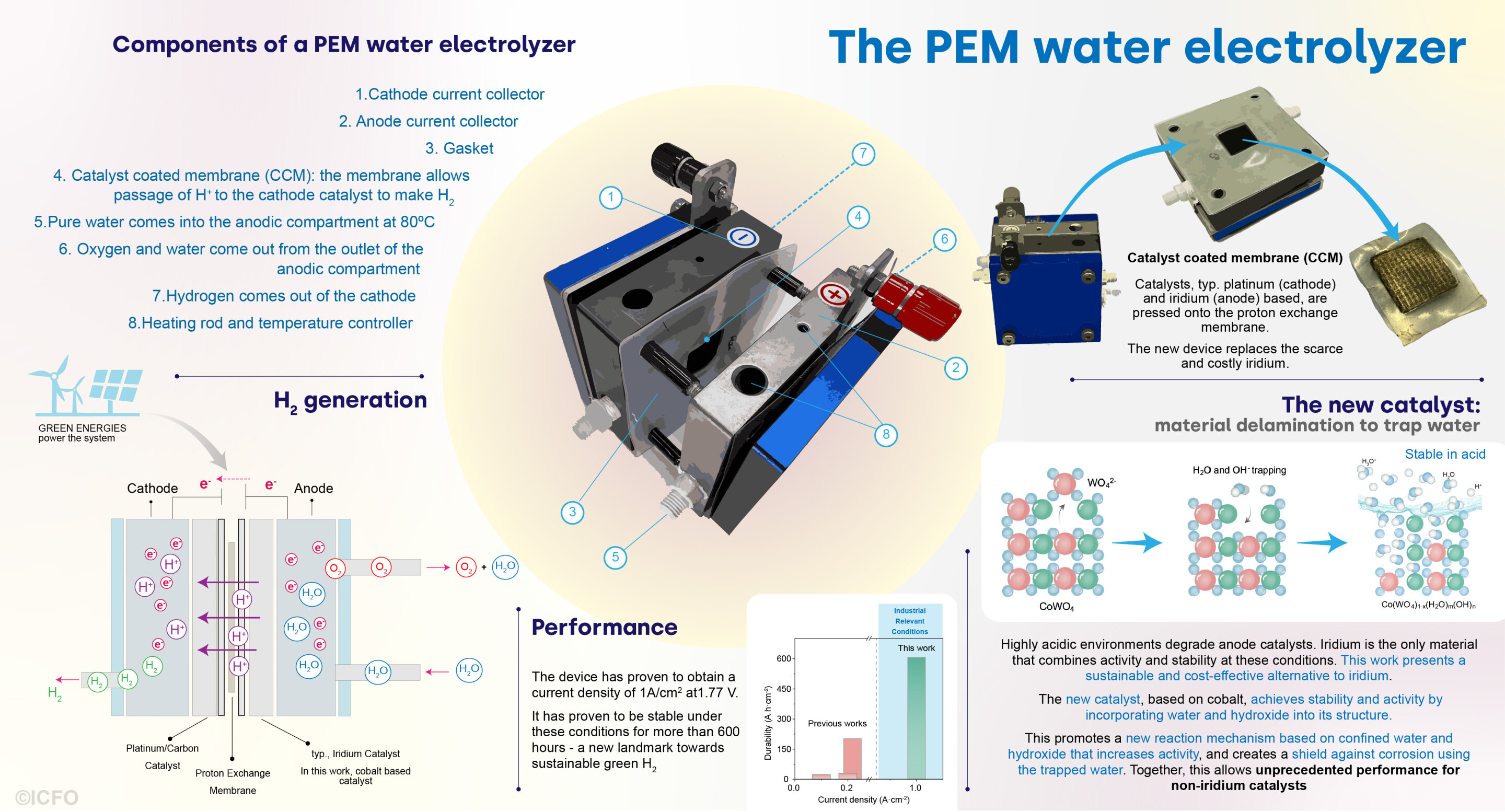
Researchers have developed a novel iridium-free catalyst for proton-exchange-membrane (PEM) water electrolysis, using cobalt-tungsten oxide and a delamination process that incorporates water and hydroxyl groups into the catalyst structure. This breakthrough achieves high activity and stability at industrial conditions, potentially reducing reliance on scarce iridium and advancing green hydrogen production.
Researchers at the University of Illinois Chicago have developed a new lithium-mediated ammonia synthesis (LMAS) method that could produce clean ammonia at a cost of $450 per tonne, making it 60% cheaper than using green hydrogen. The process involves combining nitrogen gas and a hydrogen-donating fluid with a charged lithium electrode, and the method does not result in the by-production of large quantities of H2 gas. This new approach could significantly reduce the cost of producing clean ammonia, which is used in fertilizers, chemicals, and is being considered as a clean shipping fuel.
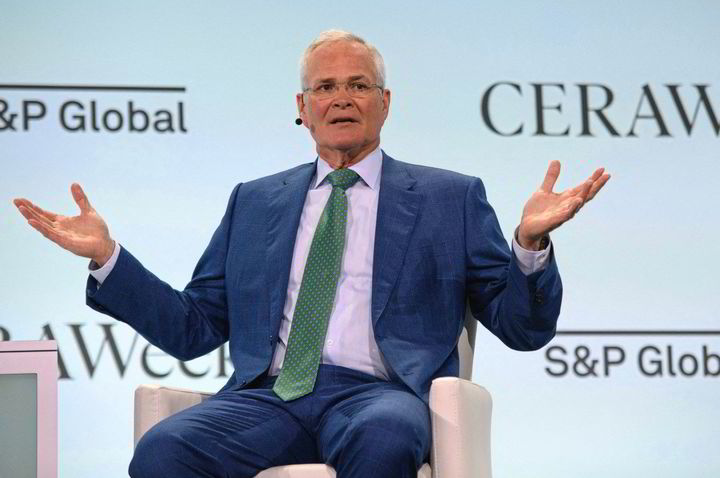
ExxonMobil and Aramco CEOs expressed skepticism about the affordability of green hydrogen as a replacement for fossil fuels, citing high costs and a lack of willingness to pay for emissions reduction. They emphasized the need for significant government incentives and long-term offtake agreements to make renewable hydrogen financially viable, and criticized the current energy transition strategy as failing. Additionally, Exxon stated it would not produce blue hydrogen without changes to proposed guidelines for accessing hydrogen production tax credits, raising questions about the eligibility of blue hydrogen for subsidies.
Electric Hydrogen, a startup founded in 2021, aims to make green hydrogen affordable by using massive plants powered by renewable energy to target the global hydrogen market. The company plans to build behemoth green fuel refineries near industrial plants that use it, powered with renewable energy, and has raised over $600 million from investors including Bill Gates’ Breakthrough Energy Ventures, Energy Impact Partners, BP Ventures, Amazon, and Honeywell. The startup's first customer is billionaire Wes Edens’ New Fortress Energy, which intends to use Electric Hydrogen’s technology in Beaumont, Texas, to produce green hydrogen for Dutch ammonia producer OCI Global. The company aims to make green hydrogen as cheap as the fossil fuel-derived version by 2030 and is focused on leveraging renewable power sources, aligning with proposed rules for the Treasury Department’s new “45V” hydrogen production credit that provides up to $3 per kilogram of clean hydrogen.
Fusion Fuel has received approval from the European Commission for its HEVO-Portugal project under the Important Projects of Common European Interest (IPCEI) Hy2Infra program. The €650 million, 630 MW project in Sines, Portugal, aims to produce 62,000 tonnes of green hydrogen annually, with a portion to be used in green ammonia production and export. The approval positions Fusion Fuel to commence funding negotiations with government stakeholders and the European Investment Bank, marking a significant milestone in the company's efforts to contribute to the rapid decarbonization of Portugal's largest industrial hub and advance the European green hydrogen economy.
Financial analysts have provided a range of opinions on Plug Power, with 25 analysts offering ratings from bullish to bearish. The average 12-month price target for Plug Power is $5.14, with a high estimate of $11.00 and a low estimate of $2.30. Analysts have taken various actions, including maintaining, raising, or lowering their ratings and price targets based on market conditions and company performance. Plug Power is focused on building a green hydrogen ecosystem and has shown positive revenue growth but faces challenges in ROE and ROA. Investors should consider these analyst evaluations alongside relevant financial metrics to gain a comprehensive view of Plug Power's market position.
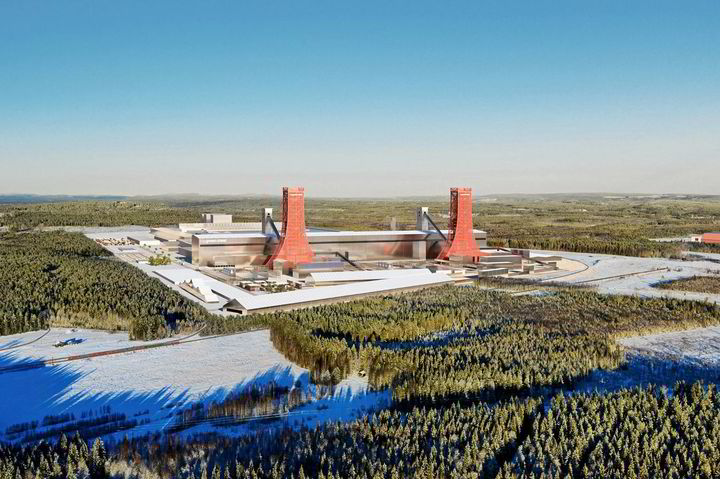
The world's first full-scale green steel plant is being developed in Sweden, with the help of green hydrogen, marking a significant step in decarbonizing the steel industry. Green hydrogen, produced from renewable energy sources, is being used to replace fossil fuels in the steelmaking process, significantly reducing CO2 emissions. H2 Green Steel, the company behind the initiative, has secured funding and aims to start production in 2025, with plans to expand its impact on decarbonizing hard-to-decarbonize industries. The use of green hydrogen in steel production is seen as a promising solution to address the industry's significant carbon footprint.
Plug Power's stock surged after CEO Andy Marsh announced the finalization of a term-sheet negotiation with the Department of Energy for a $1.6 billion loan facility, which will support the development of up to six hydrogen-production facilities in the U.S. The company is also pursuing price increases across its offerings and has implemented a hiring freeze while starting operations at its Georgia liquid green hydrogen plant, designed to produce enough hydrogen to power approximately 15,000 forklifts per day.
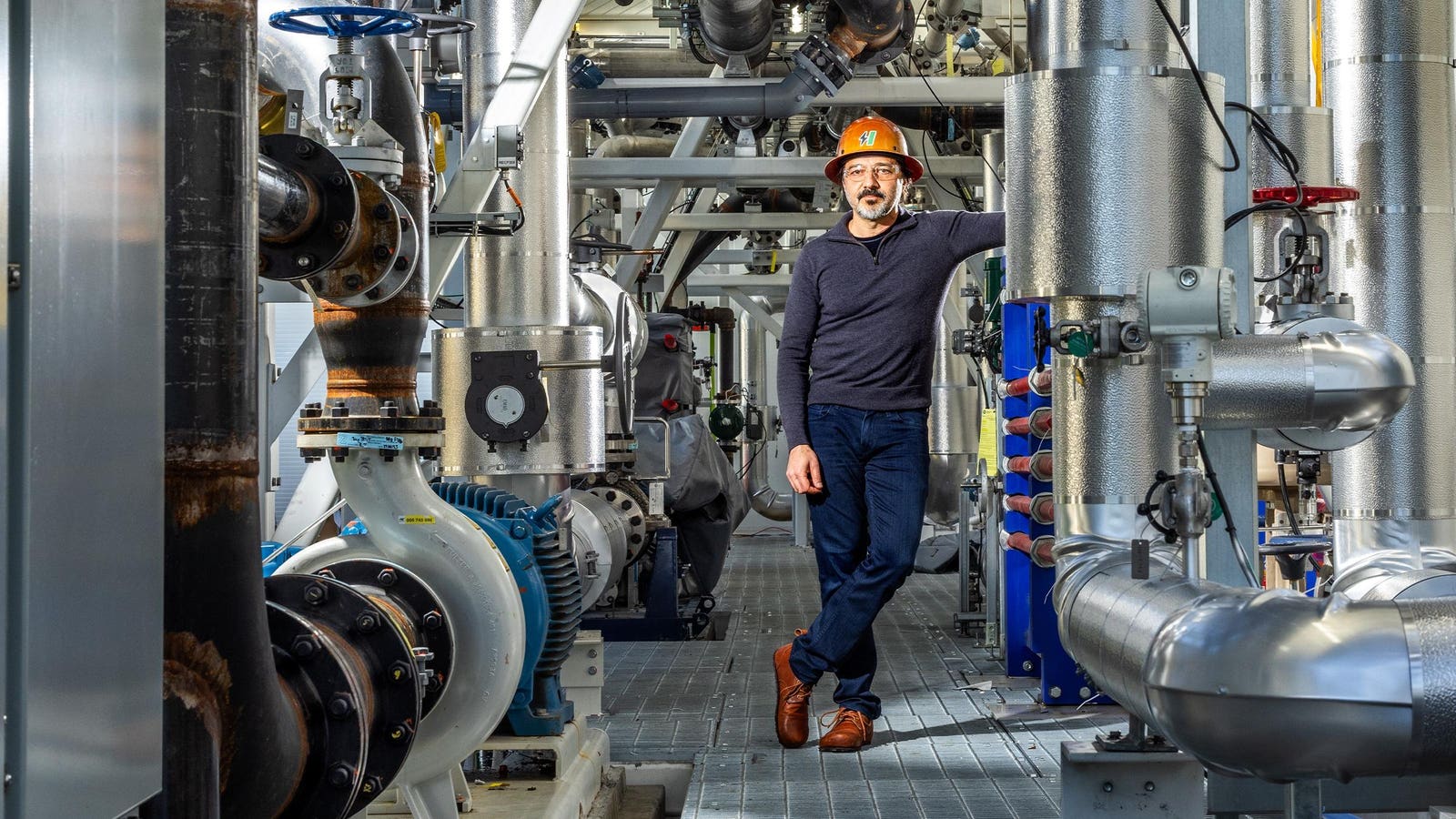
Plug Power has commenced operations at the largest liquid green hydrogen plant in the U.S., showcasing its vertically integrated hydrogen ecosystem and the largest PEM electrolyzer deployment in the country. Located in Woodbine, Georgia, the plant is designed to produce 15 tons per day of liquid electrolytic hydrogen, catering to customer demand for sustainable fuel in industries such as transportation, manufacturing, power generation, and aviation. This achievement marks a significant milestone for Plug Power and the hydrogen ecosystem, demonstrating its commitment to decarbonizing operations and supporting customer demand.
H2 Green Steel secures €4.5bn in additional funding for the world’s largest green-hydrogen-based steel project in northern Sweden, aiming to produce near-zero-emission steel by replacing coking coal with green hydrogen and using renewable energy. The project, with close to €6.5bn in financing, is set to take a final investment decision soon and has already begun construction, with production expected to start in 2027. The company has secured contracts with major customers and financing from a group of lenders, including the European Investment Bank, and has also raised equity and received grants from the EU’s Innovation Fund.